
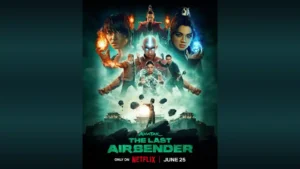
Chad Powers, Season 2
Where It Has the Edge
- main cast performance is 4.8 vs 4.3. Glen Powell and the central cast receive consistently strong marks for balancing absurd comedy with more demanding dramatic...

Scorata scores summarize analyzed review evidence on a 1–5 scale; they are not laboratory measurements or a simple average of customer star ratings. Feature scores summarize the reviews covering that feature. The overall score averages feature scores within each review, then combines review averages. When both expert and customer evidence are available, those two groups receive equal weight. Products can have different review coverage, so small score gaps do not establish a winner.
Recommendations prioritize important features for the category, with a score of at least 3.5, a gap of at least 0.25 points and at least two supporting reviews per product. Features with widely varying scores or broad connectivity contexts are excluded from recommendations. These safeguards do not establish statistical significance.
Quick verdict
The review evidence points to a tradeoff: main cast performance versus accountability handling. Choose according to which strengths matter more to you; the overall score alone does not settle that choice.
Choose Chad Powers, Season 2 for main cast performance.
Choose Avatar: The Last Airbender, Season 2 for accountability handling.
Scores are out of 5. Missing scores mean missing review evidence, not a missing feature.
The direction is praised for handling football action and quieter character beats with care. The finale’s emotional progression is also singled out as thoughtfully orchestrated.
One strongly negative review faults the directing, alongside the writing, for losing sight of what made the source material work.
Season 2 generally gives its ensemble more to do, with supporting players gaining richer stakes and comic material. A few reviews still find certain coaches or secondary characters underdeveloped.
One major criticism is that Aang can feel secondary in his own story while Zuko and Katara receive more narrative weight.
Reviewers praise sharper, more confident dialogue and especially Chad’s unpredictable lines, which keep the comedy surprising rather than purely dependent on the disguise.
Dialogue remains a major weakness overall, especially exposition-heavy scenes, though several reviewers see a meaningful improvement in natural conversation compared with Season 1.
One detailed review finds the finale frustrating because it leaves too many major questions unresolved, making the ending feel more like a stop than a conclusion.
The finale is described as successfully bringing key arcs together while redirecting the story toward the final conflict.
One negative review flags a premiere AOC reference as oddly placed and potentially off-putting, but political framing is otherwise not a recurring concern.
Ba Sing Se’s bureaucracy, surveillance, propaganda, and refugee stories give the season a political-thriller dimension that one review sees as a major strength.
Danny’s portrayal is praised for moving beyond a passive gay-sidekick stereotype, but one reviewer is frustrated that the season still withholds even basic romantic agency from him.
The live-action series continues to receive strong approval for culturally authentic casting and its large AAPI and Indigenous ensemble.
Most reviewers still find the season very funny, praising Chad’s bizarre dialogue, ensemble reactions, and Gerry’s unsettling comedy. The main criticism is that the darker material reduces the quantity and edge of the laughs compared with Season 1.
Comedy remains inconsistent: some reviewers find the banter much improved, while others say slapstick and one-liners rarely land or that the season feels almost humorless.
The stronger dramatic focus is widely seen as giving the season more weight, especially when the lie begins hurting people beyond Russ. Even comedy-first reviewers acknowledge that the psychological and emotional stakes are more substantial.
The dramatic material ranges from moving and intense to forced or CW-like, producing a clearly mixed response.
The six-episode run is the most repeated practical complaint. It makes Season 2 easy to binge, but several reviewers feel the darker, more ambitious story needs more room and ends like half of a larger season.
The seven-episode order is one of the most criticized structural choices, with reviewers repeatedly arguing that major arcs needed more room.
Russ and Ricky’s relationship is widely praised for chemistry, tension, and emotional complexity, with several reviewers calling it the season’s heart. A notable dissent argues Ricky’s willingness to forgive Russ damages her characterization.
Sokka and Suki’s romance is described as sweet in one review, while another finds the central romantic material unconvincing in live action.
The darker visual approach sharply divides reviewers. Some love the dusty, high-contrast, claustrophobic look and horror flavor, while one football-focused critic calls the image muddy, poorly lit, and lifeless.
Action framing can be dynamic, but static compositions and persistently dark lighting keep the photography from consistently showcasing the production.
One review praises Season 2 for paying off relationships and threads established earlier, while another says the gap after Season 1 weakens the emotional force of the previous cliffhanger.
Season 2 is praised for feeling like a natural continuation while still giving newer viewers enough orientation to follow the story.
The season generally builds effectively from light comedy into heavier stakes, with complications compounding toward the final episodes. One critic finds that escalation mechanical and overly driven by serialization beats.
Pacing is the dominant complaint: even reviewers who like the season often say seven episodes force too many storylines together, though a few find the faster structure effective.
Believability remains a clear weakness: reviewers repeatedly note that the disguise, convenient plot turns, and broad football logic require a large suspension of disbelief. Most positive reviews accept that as part of the show’s heightened style.
One review finds the stage-bound environments so artificial that they prevent suspension of disbelief.
The premiere can feel like an extension of Season 1, but reviewers say the pace improves quickly. Once the season gets moving, the short episodes rarely waste much time.
Early impressions find the first episode rushed while the second flows much better, making episode-level pacing uneven.
The dominant view is that Season 2 turns a thin disguise gag into a richer story about identity, deception, and redemption. Dissenters think the darker plot is formulaic or moves the series away from what originally worked.
The story earns praise for stronger emotional and political material, but heavy compression and controversial remixes make the overall narrative response sharply mixed.
Character growth is one of the clearest areas of agreement: Russ becomes more considerate, Ricky gains agency, and the supporting cast receives fuller arcs. Even mixed reviews often credit the season for turning the disguise into a story about change and consequences.
Growth is uneven but often rewarding: Zuko, Toph, Sokka, Iroh, and others gain meaningful material, while compression leaves several arcs feeling rushed or incomplete.
Russ remains narcissistic, impulsive, and difficult, but reviewers say the season increasingly makes him worth rooting for. His vulnerability and slow movement toward caring about others soften the character without erasing his flaws.
Toph’s energy is a clear boost, but the darker handling of Aang and other characters can make parts of the ensemble less appealing to some viewers.
Heartfelt speeches, father-son material, Coach Hudson’s arc, and the Russ-Ricky relationship give the season more emotional pull than its absurd premise suggests. Reviewers repeatedly describe key scenes as moving, sincere, or unexpectedly affecting.
The best character stories land with real weight, but rushed pacing and altered scenes sometimes blunt moments that needed more time to breathe.
Most reviewers think the darker shift works because the comedy remains as a release valve and the visual style supports the tension. Others see the blend as uneven or believe the thriller material overwhelms the sports-comedy core.
Some see the darker tone as a confident solution to Season 1’s tonal clash, while others miss the animated show’s lightness and find the live-action mood too grim.
The finale’s ensemble work drew strong praise, with the cast’s emotional performances helping the heightened football plot feel more human.
The ensemble is generally viewed as a strength, with several standout performances outweighing isolated complaints about flat or underbaked moments.
The exaggerated prosthetics are viewed as intentionally strange rather than realistically invisible, fitting the show’s heightened premise even when Powell’s physical performance does more of the transformation work.
Makeup is praised as part of the production’s standout craft, with the Kyoshi Warrior work called especially effective.
When reviewers discuss clarity, they praise the season as easy to follow even while the conspiracy grows more complicated.
The season can be accessible to newcomers, but the amount of compressed material occasionally makes the larger Ba Sing Se story harder to follow.
The deliberately exaggerated prosthetic disguise is viewed as an effective practical effect for the show’s heightened reality, even if it is never meant to be fully believable.
Greater use of practical sets is viewed as a major visual improvement, helping Earth Kingdom locations feel more convincing than Season 1’s virtual environments.
Positive reviews praise a more coherent, focused, and structurally adventurous season with stronger character work. Negative reviews call it formulaic, generic, or too committed to escalating stakes at the expense of comedy.
Writing shows clear improvement for some reviewers, especially in character conversations and later episodes, but exposition, compression, and clumsy adaptation choices remain frequent complaints.
Most commentary on the finale is positive about its twists, trick-play structure, emotional beats, and setup for what comes next. Two critics push back, calling the final game unsatisfying or the overall ending too unresolved.
The finale receives positive appraisal for combining political stakes, character conflict, payoff, and setup for the final season.
The six half-hour episodes are repeatedly described as an easy, fast binge, and several reviewers prefer the full-season drop. The same brevity that makes it easy to watch also leaves some wanting more.
Even with noticeable flaws, the seven-episode run is described as an easy, satisfying summer binge.
Russ’s growth works best when the season lets him become kinder without pretending his deception is harmless. Reviewers generally liked that redemption still carries consequences, even if the reckoning is not finished.
The season earns strong praise for forcing Iroh to confront the civilian cost of his past as a Fire Nation general rather than treating that history as background texture.
Season 2 earns praise for pushing the disguise premise into thriller and horror territory that feels unusual for this kind of comedy. A few episode-level reviews still find individual turns predictable or cliché.
Original additions are praised when they deepen character motivations and expand familiar material instead of simply recreating it.
The ensemble chemistry is a major strength, especially Glen Powell and Perry Mattfeld’s charged scenes together. Their romantic push-pull gives the season some of its strongest tension.
Team Avatar generally feels warmer and more connected this season, though one review strongly criticizes the Aang-Katara chemistry.
One strongly negative review argues several returning characters no longer behave like the versions that worked in Season 1, with the changes hurting both humor and credibility.
The harshest adaptation-focused reviews argue that some characters, especially Azula and Toph, are changed in ways that undermine defining traits.
Reviewers find surprising depth in the season’s questions about identity, shame, deception, belonging, and whether pretending to be better can lead to real change. One negative review thinks the prestige-drama aspirations lack the depth they are reaching for.
The season’s strongest material explores grief, responsibility, identity, authoritarian control, redemption, and the moral cost of war with more maturity than before.
Most reviewers think the ending creates strong Season 3 momentum, with several calling the cliffhanger exciting or better than Season 1’s. One reviewer feels it stops the story rather than delivering a satisfying cliffhanger.
The ending’s large cliffhanger creates strong tension and leaves at least one reviewer eager for the final season.
Reviewers split on whether the original disguise gag can sustain a longer series. Some see the premise as fundamentally thin, while others think Season 2 turns the expanded concept into something far more gripping than expected.
Opinions split sharply on whether this live-action version justifies itself: some see a confident reinterpretation with its own purpose, while others still regard the remake as unnecessary.
Suspense is one of the season’s defining upgrades for most reviewers, with the lie, Gerry’s obsession, and late horror-thriller touches creating genuine tension. A minority finds the anxiety excessive for a sports comedy.
The darker conflicts and escalating final episodes create genuine fear and tension for the characters’ safety.
The comedy-thriller shift is the season’s biggest dividing line. Many reviewers think the horror and suspense make the show fresher and more gripping, while a few believe the move away from broad sports comedy is its biggest mistake.
As an action-fantasy series on its own terms, the season still provides enough spectacle and cast appeal to work for some viewers despite adaptation flaws.
Gerry’s transformation into a threatening, often absurd antagonist is widely praised as funny, creepy, and narratively useful. One review finds his obsessive heel-turn less successful and less funny than intended.
Azula and the wider antagonist side are generally compelling, with several reviewers finding the villains among the season’s strongest elements.
Powell’s improved physical comfort as a quarterback makes the on-field action look more effortless and convincing this season.
Bending fights and choreography are among the clearest wins, repeatedly described as sharper, more dynamic, and more exciting than before.
Several reviews like how individual episodes escalate the central lie and build around clear complications. Others point to abrupt problem-solving, recap-heavy setup, or predictable episode construction as weaknesses.
Individual episodes can work well as remixed stories, but serialized restructuring occasionally feels overloaded.
Interest in a third season is extremely strong across the reviews. Even critics frustrated by the unresolved finale often say the new complications have made them want to see how the story ends.
The season’s ending leaves at least one enthusiastic reviewer eager to see how the story concludes in Season 3.
Most reviewers find Season 2 highly watchable, often calling it fun, satisfying, or a blast. A small but forceful minority finds the darker direction frustrating enough to make the season difficult to finish.
Reactions range from an inoffensive, watchable experience to outright boredom, leaving overall entertainment value mixed.
The more shadowy, horror-influenced presentation is a major point of disagreement. Supporters call it claustrophobic, distinctive, and stylish; the harshest critic sees it as muddy, overly dark, and stripped of football pageantry.
The season can look richly designed and cinematic, but persistent dimness, gray skies, and a stage-like quality are recurring visual complaints.
The college-football setting divides reviewers: some feel the fields, stadiums, and team spaces give the series warmth, while one critic says the finale lacks pageantry and convincing big-game atmosphere.
Sets, locations, and environmental detail are often impressive, although a few reviewers feel Ba Sing Se can still look stage-bound or digitally confined.
Reviewers like how the season broadens the Catfish community beyond Russ, giving teammates, coaches, boosters, and local football culture more identity and shared stakes.
Ba Sing Se and the Earth Kingdom often feel politically richer and more layered, even though some reviewers think compression makes the wider world feel smaller.
Reported audience reception is very strong, with high audience scores and strong viewership cited across several sources. One dissenting critic argues the darker direction risks losing the football fans the show should serve.
Positive reviewers describe the season as quickly hooking them and renewing their excitement for the live-action series.
Glen Powell and the central cast receive consistently strong marks for balancing absurd comedy with more demanding dramatic material. Powell’s dual-role commitment is repeatedly cited as the reason the premise continues to work.
The returning leads are generally seen as more comfortable and improved, with stronger chemistry and more confident performances than in Season 1.
The supporting ensemble is frequently praised for giving the Catfish world personality and for landing both comedy and emotion. Season 2’s larger roles for Ricky, Danny, Hudson, Gerry, Tricia, and Mike are a recurring strength.
Supporting performers, especially Toph and Zuko-centered characters, are described as strong enough to outshine parts of the main trio.
One family-focused assessment specifically considers the season suitable for children around age eight and up.
Early critical reception is consistently reported as dramatically stronger than Season 1, including multiple references to near-perfect or perfect Rotten Tomatoes scores.
Guest performers are singled out as an ongoing highlight, adding recognizable and varied supporting faces across the season.
The broad AAPI and Indigenous ensemble is praised as one of television’s notably diverse casts.
Casting is a near-universal strength, especially the choices for Toph and the returning core cast.
CGI is one of the season’s more divisive technical areas: some bending, creatures, and larger effects impress, while full-CG characters, green-screen moments, and virtual environments can still look artificial.
Toph’s blindness is handled with particular care, including thoughtful physical behavior and consultation aimed at making the portrayal feel authentic and dignified.
The hour-long, plot-heavy format is criticized for making the adaptation feel slower and more serious than the animated version.
The season is praised for handling genocide, war, immigration, prejudice, and their human consequences with more awareness and seriousness.
This is the central divide: supporters like the selective remixing and stronger confidence, while detractors feel condensed or rearranged arcs lose the logic and emotional payoff of the animated series.
A family-oriented review explicitly recommends the show as appropriate viewing for families, including children around eight and older.
The season sometimes deepens Avatar lore in useful ways, but certain rearrangements and spiritual changes are criticized for weakening established rules.
The late-season reveals and reversals are repeatedly praised as surprising, with the finale’s hidden deal and expanding conspiracy creating strong momentum.
The Cybertruck is singled out as a particularly effective gag because it functions as a visual shorthand for Russ’s embarrassing persona rather than feeling like straightforward paid placement.
The move to release all six episodes together is viewed positively, with reviewers arguing the serialized half-hour story works better without weekly gaps.
The orchestral score is a consistent standout, praised for enlarging action while giving quieter scenes melancholy and emotional lift.
One review finds the scripts uneven at balancing comedy and drama, with jokes sometimes arriving in the wrong place or failing to land.
Bending and creature effects are usually stronger than before, but uneven green-screen work, virtual sets, and occasional wonky shots keep the visuals from being uniformly polished.
Some reviewers praise the football scenes for energy, emotion, and improved quarterback action. A football-focused dissent harshly criticizes the gameday atmosphere and authenticity, while another says the sport works better emotionally than strategically.
Sokka’s grief, Iroh’s guilt, and other characters’ lingering pain are praised for being allowed to shape behavior rather than disappearing after a single episode.
Costumes are usually praised as detailed and striking, although one adaptation-focused review finds some outfits overly costume-like.
Two reviews suggest the marketing does not accurately convey the season: one says official stills do not resemble the murky viewing experience, while another says the commercials undersell how good the show is.

Best for sharp adult humor, magnetic chemistry and a deeply satisfying farewell. Skip it if familiar will-they-won’t-they plotting or deliberately messy leads are dealbreakers.
Pros: season pacing, episode structure
Cons: none
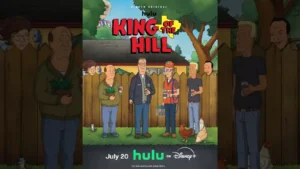
Choose Season 15 for warm, character-driven comedy, meaningful growth, and a finale that rewards longtime fans. Skip it if the short binge format, uneven replacement voices, or occasional clumsy commentary...
Pros: episode structure, season finale quality
Cons: release schedule, bingeability
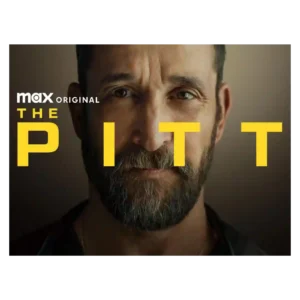
Choose The Pitt Season 2 for a gripping, realistic medical drama with superb acting and emotional depth. Skip it if graphic procedures, unresolved arcs, or slower character-driven pacing bother you.
Pros: episode structure, main cast performance
Cons: age appropriateness, plot clarity

Best for powerhouse performances, thorny character work, and a tense revenge mystery that grows richer as it goes. Skip it if abuse, trafficking, graphic violence, or deliberately messy moral questions...
Pros: episode structure, supporting cast performance
Cons: cinematography, sexual content level