Scorata scores summarize analyzed review evidence on a 1–5 scale; they are not laboratory measurements or a simple average of customer star ratings. Feature scores summarize the reviews covering that feature. The overall score averages feature scores within each review, then combines review averages. When both expert and customer evidence are available, those two groups receive equal weight. Products can have different review coverage, so small score gaps do not establish a winner.
Recommendations prioritize important features for the category, with a score of at least 3.5, a gap of at least 0.25 points and at least two supporting reviews per product. Features with widely varying scores or broad connectivity contexts are excluded from recommendations. These safeguards do not establish statistical significance.
Quick verdict
What each product is best for
The available evidence supports the recommendation below, but does not establish an overall winner. Check the remaining features against your priorities.
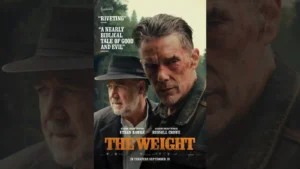
Choose The Weight for dialogue quality and entertainment value.
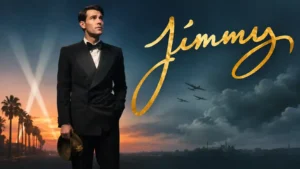
There is not enough comparable review evidence to recommend Jimmy over the other product.
Why these recommendations?
The Weight
Where It Has the Edge
dialogue quality is 4.8 vs 1.8. The dialogue is generally praised as sharp and purposeful, with several reviewers singling out the writing enough to...
entertainment value is 3.9 vs 3.6. For many reviewers, the straightforward adventure delivers sturdy, old-school entertainment with enough peril and character interplay to stay...
Jimmy
Where It Has the Edge
No clear scored advantage over the other product.
The Weight4.1 overall score
Jimmy3.0 overall score
Compare features
Scores are out of 5. Missing scores mean missing review evidence, not a missing feature.
Scored on both products
Comfort and build
Visual style
The Weight
4.3
The weathered 1970s throwback look, natural environments, and period imagery are frequently admired. Critics who dissent complain about overly murky images, shallow focus, or stylized framing that distracts from the action.
Jimmy
1.0
Detractors find the visual presentation flat or uncanny, with glossy images that rarely convey the harshness of combat.
Sound design
The Weight
4.6
Creaking forests, environmental texture, and impact-heavy action sound are frequently praised for increasing immersion and tension. One notable complaint is a dialogue mix so quiet that lines become difficult to hear.
Jimmy
5.0
Sound layering and recalled voices are especially effective when wartime memories surface during the recreation of the famous prayer scene.
Costume design
The Weight
4.8
Period clothing, especially the worn workwear and denim, is repeatedly credited with helping the 1933 setting feel lived-in and authentic.
Jimmy
5.0
Period clothing helps ground the drama in the 1940s and complements the more convincing practical surroundings.
Production design
The Weight
4.9
Sets, period vehicles, worn environments, and other production details are consistently credited with making the Depression-era world believable and textured.
Jimmy
5.0
Period interiors, costumes, and studio settings create a convincing 1940s atmosphere for admirers, even when visual-effects shots clash with those practical details.
Other features
Dialogue quality
The Weight
4.8
The dialogue is generally praised as sharp and purposeful, with several reviewers singling out the writing enough to want every line to land clearly. Even positive accounts note that some delivery can be very quiet.
Jimmy
1.8
Criticism centers on anachronistic, expository, or sentimental lines that spell out emotions rather than letting them emerge naturally.
Realism
The Weight
4.3
The grounded locations, practical texture, and believable problem-solving often make the danger feel immediate. However, a few major set-piece choices—especially the bridge solution—are criticized as forced or implausible.
Jimmy
1.5
The romantic composite character and other dramatized incidents prompt doubts about authenticity, despite the film’s historical foundation.
Originality
The Weight
3.3
Some viewers enjoy the story's surprises and resistance to cookie-cutter plotting, but others see predictable bones and familiar turns beneath the polished execution.
Jimmy
1.0
Familiar war-movie speeches, love-story beats, and biopic shortcuts make the dramatization feel more formulaic than inventive.
Pacing
The Weight
3.2
Pacing is one of the most divided attributes. Positive reviews praise sustained momentum and a confident clip, while critics of the film point to a long setup, a sagging middle, or an overlong runtime.
Jimmy
1.3
Disjointed transitions and rushed biographical beats are recurring drawbacks; the film can simultaneously feel long and underdeveloped.
Score quality
The Weight
4.2
The metallic, propulsive score is often praised for adding dread, momentum, and scale to the journey. Some critics find it distracting, overbearing, or stylistically out of place.
Jimmy
2.4
A few value the sweeping orchestration, but the more frequent complaint is that the music overwhelms scenes and insists on a prescribed emotional response.
Message quality
The Weight
4.9
Reviewers respond strongly to the film's ideas about labor, class, institutional power, greed, and solidarity. Even when the politics are called direct or blunt, the social message is generally seen as meaningful rather than disposable.
Jimmy
3.4
Hope, service, humility, and the relationship between identity and fame provide the film’s chief moral appeal, though detractors want a less congratulatory perspective.
Genre satisfaction
The Weight
4.4
The film is widely seen as a satisfying throwback survival thriller, with its 1970s-style grit and character-driven adventure earning repeated praise. Even mixed reviews generally recognize the appeal of its old-fashioned genre approach.
Jimmy
3.0
The old-Hollywood melodrama occasionally approaches an excessive level of cheesiness.
Character development
The Weight
3.2
Some reviews find the travelers distinct, sympathetic, and well-defined enough for their changing dynamics to matter. Others see thin archetypes, an over-idealized protagonist, and underwritten supporting characters.
Jimmy
1.8
Stewart’s relationships with his father, comrades, and romantic partners rarely receive the depth needed to make the biography feel fully lived-in.
Action sequence quality
The Weight
4.0
The physical set pieces—especially the rope bridge, river crossing, and later confrontations—are often tense, tactile highlights. A minority find some action confusingly cut, implausible, or less exciting than the setup promises.
Jimmy
2.8
Some appreciate the tense bomber missions and cockpit scenes, while others find the air battles inert, hard to follow, or compromised by artificial effects.
Ending satisfaction
The Weight
3.4
The finale divides opinion. Some find the hard-won resolution entertaining and emotionally earned, while others think its cheerful turn clashes with the story's darker themes or arrives too neatly.
Jimmy
2.2
The return to filmmaking produces some of the film’s best moments, but the vision of fallen comrades and a drawn-out resolution strike many as forced.
Emotional impact
The Weight
4.5
Murphy's separation from his daughter gives the film a strong emotional anchor, and several critics find the opening or quieter character beats genuinely affecting. Others feel the movie pushes the pathos too hard or leaves emotional potential underdeveloped.
Jimmy
3.3
The experiences of wartime loss and emotional recovery move many viewers, though some feel the soaring music and melodrama strain too hard for tears.
Plot clarity
The Weight
2.1
Several reviewers report moments of confusion, especially during fast-cut action or late-story developments. The underlying mission remains simple, but visual and narrative transitions sometimes make execution harder to follow.
Jimmy
1.0
One badly assembled action scene makes the timing and location of the rescue difficult to follow.
Writing quality
The Weight
3.6
The script earns praise for its premise, momentum, character relationships, and class themes, but reactions are uneven. Critics of it point to contrivances, thin secondary characters, forced beats, and shortcuts in the final act.
Jimmy
2.6
The script contains worthwhile questions about identity and duty, but its broad dialogue and tidy links to a beloved classic often feel overly schematic.
Drama quality
The Weight
5.0
The drama is strongest when the performances keep the human stakes grounded between bursts of action. Reviewers who mention these quieter scenes often find them among the film's best material.
Jimmy
4.0
When its wartime dilemmas gain momentum, the film briefly becomes engrossing drama, even for a critic otherwise unhappy with the script.
Violence level
The Weight
4.0
One reviewer approves of the rough, unglamorized handling of violence because it carries emotional impact rather than feeling like polished action spectacle.
Jimmy
3.0
The air-war losses are distressing but meaningful to some viewers; their emotional difficulty is worth considering.
Cinematography
The Weight
4.7
The wilderness photography is one of the most consistently praised crafts, with reviewers admiring its foreboding landscapes, period texture, and composed imagery. A few object to murky lighting, shallow focus, or claustrophobic framing.
Jimmy
3.7
The period contrasts and cockpit compositions impress one critic, but others object to confusing action geography and unconvincing digital staging.
Story quality
The Weight
3.9
The core premise—a desperate father leading a dangerous gold transport—is often called a strong, well-told yarn with clear stakes. Less enthusiastic critics find the execution saggy, familiar, or weaker than the setup.
Jimmy
2.9
A fascinating shift from Hollywood fame to bomber-pilot duty provides an inherently promising story, but many find its treatment conventional, heavily sentimental, or shallow.
Romance quality
The Weight
3.4
The quiet connection between Murphy and Anna works best when treated as mutual respect and tenderness rather than a conventional romance. Several critics, however, find the romantic thread unnecessary, thin, or underdeveloped.
Jimmy
2.5
The wartime romance lets Stewart show vulnerability, but the fictional composite love interest often feels too thin or conventional.
Directing quality
The Weight
4.1
Padraic McKinley's debut is frequently praised for confidence, atmosphere, and physical staging, especially in the survival set pieces. Dissenting reviews fault uneven visual choices, limited suspense, or action coverage that sacrifices clarity.
Jimmy
3.3
Sensitive direction is praised for giving the wartime losses room to accumulate, though others fault its glossy, overly idealized approach.
Runtime
The Weight
2.4
The nearly two-hour length is a recurring drawback, with several reviewers arguing that tighter cuts would improve the film. One more positive assessment considers the 113-minute ride an uncomplicated, worthwhile use of time.
Jimmy
2.8
The two-hour running time divides viewers: some find it brisk despite the chronology, while others wish the extended final minutes were cut.
Editing quality
The Weight
3.3
Editing is a major point of disagreement: some critics call it sharp, intentional, or even stunning, while others say fast cuts and disjointed transitions make climactic action rushed or hard to follow.
Jimmy
3.0
Transitions can feel choppy and action editing confusing, but a few carefully intercut moments near the end are particularly effective.
Cast chemistry
The Weight
4.7
The strongest relationship work comes from the believable camaraderie and friction within the group and the understated connection between Murphy and Anna. A few reviews find some alliances too thinly developed.
Jimmy
4.7
The warmth between Stewart and Capra, and the quieter moments with Lady Julia, work particularly well when the dialogue gives the actors room.
Performance
Soundtrack quality
The Weight
2.3
The music choices outside the score are much more divisive, especially the anachronistic rock needle drop near the ending. A few viewers enjoy that choice, while several critics call it jarring or tonally wrong.
Jimmy
5.0
The closing song adds a wistful, old-Hollywood atmosphere, giving the film a memorable musical farewell.
Historical accuracy
The Weight
4.7
The period setting is largely praised for researched detail, convincing production texture, and Depression-era context. A few critics question specific historical or geographic choices, including how convincingly the Pacific Northwest is represented.
Jimmy
2.5
Some view the reconstruction as persuasive, while others challenge invented scenes or the film’s smooth causal explanation of historical events.
Supporting cast performance
The Weight
4.5
Russell Crowe, Julia Jones, Avi Nash, Austin Amelio, and the broader ensemble receive frequent praise for adding menace, warmth, or personality around Hawke. Even reviews critical of the characters often distinguish the performances as strong.
Jimmy
3.4
The supporting cast divides opinion. Casella and McDonald earn warm praise in some accounts, while exaggerated minor roles and underwritten characters frustrate others.
Lead performance
The Weight
4.8
Ethan Hawke's restrained, gravel-voiced turn is the clearest point of consensus, repeatedly described as the film's anchor and among his strongest recent work. The main reservation is that a few critics find him less convincing in full action-hero mode.
Jimmy
3.9
KJ Apa is the main attraction: some find a startlingly human, vulnerable Stewart, while others see a skillful impersonation that lacks emotional depth.
Acting performance
The Weight
4.7
The cast is widely praised for giving the rugged material credibility, with the strongest notices going to Ethan Hawke and several supporting players. Even more reserved assessments still describe the ensemble as solid.
Jimmy
4.0
Strong admirers praise the heartfelt ensemble and distinctive lead, but harsher critics find some performances broad and theatrical.
Ownership and support
Entertainment value
The Weight
3.9
For many reviewers, the straightforward adventure delivers sturdy, old-school entertainment with enough peril and character interplay to stay engaging. More negative critics find it merely agreeable or weighed down by sluggish stretches.
Jimmy
3.6
The film earns appreciation as a warm, accessible tribute, though mixed and negative critics say its flaws outweigh the enjoyable moments.
Evidence available for one product
Other features
Accent authenticity
The WeightNo score yet
Jimmy
4.0
The accent and physical mannerisms come close enough to impress some observers, although others question the overall resemblance.
AI-assisted production
The WeightNo score yet
Jimmy
1.3
Artificial backgrounds and suspected or visible AI imagery attract pronounced criticism, especially when they interrupt otherwise sincere wartime scenes.
Archival footage quality
The WeightNo score yet
Jimmy
4.8
Clips of the real Stewart and his family give the ending authenticity and emotional resonance, sometimes more effectively than the dramatization itself.
Archival material quality
The WeightNo score yet
Jimmy
5.0
The real-life material accompanying the credits is welcomed as a touching tribute to Stewart’s later life.
Biographical coverage
The WeightNo score yet
Jimmy
2.9
The 1941–46 focus illuminates a lesser-known chapter of Stewart’s life, yet several critics argue that important relationships and motivations remain unexplored.
Biographical depth
The WeightNo score yet
Jimmy
1.6
Its limited time span does not guarantee intimacy: repeated complaints concern a sanitized portrait that celebrates the man more readily than it understands him.
Biographical fairness
The WeightNo score yet
Jimmy
1.9
This is a major dividing line: admirers find the portrait sincere and respectful, whereas detractors consider it uncritical hero worship.
Casting quality
The WeightNo score yet
Jimmy
2.0
Apa’s vocal performance is praised, but one critic considers him physically wrong for Stewart’s unmistakable build.
CGI quality
The WeightNo score yet
Jimmy
1.3
The weakest technical area for many critics is the airborne imagery: artificial-looking planes, compositing, and backgrounds frequently break immersion, though a few allow for the modest budget.
Classic cinema references
The WeightNo score yet
Jimmy
2.0
Some cinematic shorthand, including a flashbulb-triggered trauma moment, feels overly familiar.
Creative process insight
The WeightNo score yet
Jimmy
4.0
Re-created scenes on the set of the classic film give a welcome glimpse into the challenges of making a movie.
Cultural representation
The Weight
2.3
Anna's assimilation history gives the film some meaningful cultural texture, but multiple reviewers criticize the Native character's narrative function or say the racial politics are too bluntly handled.
JimmyNo score yet
Dialogue clarity
The WeightNo score yet
Jimmy
2.0
The carefully imitated deep voice is sometimes hard to understand, according to one viewer.
End credits quality
The WeightNo score yet
Jimmy
5.0
The end credits are worth staying for: historical footage and commemorative images expand the portrait beyond the drama.
Family dynamics
The WeightNo score yet
Jimmy
2.5
The father’s influence and family commitment provide emotional grounding, yet multiple critics say family relationships are rushed or barely developed.
Family friendliness
The WeightNo score yet
Jimmy
4.0
Faith, courage, and compassionate relationships suit some family audiences, with wartime violence making it a better choice for older children.
Historical depth
The WeightNo score yet
Jimmy
2.8
The wartime years and connection to the classic Christmas film provide an engaging historical framework, though much of Stewart’s inner life and personal history is only lightly explored.
Historical reenactments
The WeightNo score yet
Jimmy
5.0
For supportive viewers, the reconstructed bombing missions make the dangers of wartime aviation vivid and suspenseful.
Humor
The Weight
4.5
Humor is used sparingly but effectively, with reviewers noticing both subtle comic touches in the script and lighter moments that relieve the otherwise grim trek.
JimmyNo score yet
Leadership portrayal
The WeightNo score yet
Jimmy
4.0
Stewart’s effort to lead and protect his squadron gives the story a worthwhile portrait of responsibility, with varying success in the speech-heavy scenes.
Memorability
The WeightNo score yet
Jimmy
1.0
The shallow procession of events leaves some viewers with a surprisingly forgettable experience.
Narrative structure
The WeightNo score yet
Jimmy
2.8
The two-period design wins some praise, but other viewers find the leaps between war, Hollywood, and personal life abrupt or overexplained.
Patriotism portrayal
The WeightNo score yet
Jimmy
3.4
Duty and patriotism are inspiring to supportive viewers, while critics of the idealized military framing see uncomfortable propaganda and too little complexity.
Political context depth
The WeightNo score yet
Jimmy
2.0
One critique finds the political and patriotic framework too simplified and supportive of the war effort.
Political perspective balance
The WeightNo score yet
Jimmy
2.0
The story’s patriotic outlook can feel one-sided to viewers seeking a more questioning treatment of war.
Practical effects quality
The Weight
5.0
Real locations and tactile, practical filmmaking are praised for giving the danger physical credibility and a rugged texture that more polished studio action can lack.
JimmyNo score yet
Professional life portrayal
The WeightNo score yet
Jimmy
5.0
Studio-office maneuvering and the working relationship with Capra are among the most engaging depictions of the Hollywood side of Stewart’s life.
PTSD portrayal
The WeightNo score yet
Jimmy
3.6
War trauma and survivor’s guilt are central to the film’s emotional appeal. Some find the depiction sensitive and affecting; others say it reduces psychological suffering to familiar dramatic shorthand.
Religious messaging
The WeightNo score yet
Jimmy
4.0
Its open Christian faith and prayers are warmly received by some audiences, but others find the framework reductive or too pat in explaining trauma.
Sentimental treatment
The WeightNo score yet
Jimmy
1.6
Its heartfelt, old-fashioned sincerity appeals to some; for others, the combination of predictable speeches and heightened emotion becomes cloying.
Serious tone
The WeightNo score yet
Jimmy
3.0
An intentionally lush and old-fashioned melodramatic tone suits the setting for some, but becomes cloying for others.
Suspense
The Weight
4.2
The bridge and river sequences generate the strongest agreement, with many reviewers describing them as gripping or nerve-racking. Still, a substantial minority feel the film never sustains the white-knuckle tension its premise suggests.
JimmyNo score yet
Theme depth
The Weight
4.2
Many critics appreciate the survival story's deeper interest in class, labor, greed, solidarity, fatherhood, and institutional cruelty. Others find those ideas blunt, shallow, or insufficiently explored.
JimmyNo score yet
Tonal consistency
The Weight
2.0
The film's tone is a repeated concern, especially when its grim, punishing journey gives way to a sunnier resolution or an anachronistic musical flourish. Reviewers who raise the issue generally find those shifts mismatched.
JimmyNo score yet
Vocal characterization
The WeightNo score yet
Jimmy
4.3
Apa’s command of Stewart’s familiar pauses, drawl, and vocal rhythm is widely admired, even by critics who find his broader portrayal unconvincing.
Controls and connectivity
Age appropriateness
The WeightNo score yet
Jimmy
3.0
The hopeful moral story is more suited to teens and older children than very young viewers because of combat deaths and bloody images.
Audience appeal
The Weight
4.3
Several critics describe the film as crowd-pleasing, theater-worthy adult entertainment, particularly for viewers who miss old-fashioned survival adventures. Others think its slow stretches make streaming a better fit.
JimmyNo score yet
Nostalgia appeal
The WeightNo score yet
Jimmy
3.0
Nostalgia for Stewart and his classic films is a significant attraction, but it cannot replace new biographical insight.
Ownership and support
Production value
The WeightNo score yet
Jimmy
3.5
For a modestly funded production, the real-world settings are often attractive; the ambition of the war sequences occasionally exceeds what the budget can show convincingly.
Rewatch value
The Weight
2.8
Rewatch interest is mixed and sparsely discussed: one critic predicts a long afterlife as a comfort-watch 'dad movie,' while others expect it to be remembered pleasantly rather than revisited often.
JimmyNo score yet
Value for money
The Weight
4.8
Most direct recommendations say the film is worth seeking out, and several specifically encourage seeing its physical set pieces on a big screen. More qualified praise still frames it as worthwhile genre entertainment.
JimmyNo score yet
Comfort and build
World-building
The Weight
4.8
The 1933 wilderness and labor-camp setting are often described as immersive, lived-in, and carefully developed, giving the heist real social and physical context.
Choose this inventive, unsettling documentary for fearless questioning, dark humor, and unpredictable storytelling. Skip it if you want a short, straightforward exposé with definitive answers.
Extraordinary performances and richly observed relationships make this a rewarding, emotionally forceful drama. Its nearly three-hour length and slow opening demand patience and undivided attention.
Best for a hypnotic, bookish mystery with tactile visuals and cerebral chills. Skip it if reading-heavy, attention-demanding storytelling sounds more exhausting than exciting.
Best for an intimate, searching documentary that rewards focused attention and invites discussion. Skip it when devastating grief, addiction footage, and unresolved family tensions would be too much.