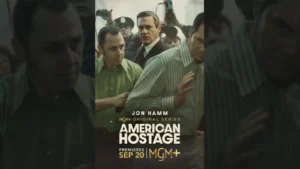
Compare DTF St. Louis vs American Hostage

DTF St. Louis

DTF St. Louis

Overall score 4.3 / 5

Based on 38 scored reviews

vs
American Hostage

American Hostage

Overall score 3.9 / 5

Based on 25 scored reviews

How we score

Scorata scores summarize analyzed review evidence on a 1–5 scale; they are not laboratory measurements or a simple average of customer star ratings. Feature scores summarize the reviews covering that feature. The overall score averages feature scores within each review, then combines review averages. When both expert and customer evidence are available, those two groups receive equal weight. Products can have different review coverage, so small score gaps do not establish a winner.

Recommendations prioritize important features for the category, with a score of at least 3.5, a gap of at least 0.25 points and at least two supporting reviews per product. Features with widely varying scores or broad connectivity contexts are excluded from recommendations. These safeguards do not establish statistical significance.

Quick verdict

What each product is best for

The review evidence points to a tradeoff: theme depth and character development versus humor. Choose according to which strengths matter more to you; the overall score alone does not settle that choice.

Choose DTF St. Louis for theme depth and character development.

Choose American Hostage for humor.

Why these recommendations?

DTF St. Louis

Where It Has the Edge

  • theme depth is 4.9 vs 4.0. This is the strongest consensus beyond the acting: reviewers repeatedly praise the exploration of loneliness, shame, midlife dissatisfaction,...
  • character development is 5.0 vs 4.3. The strongest praise centers on how Clark, Floyd, and Carol gain layers as new perspectives expose their loneliness,...
  • editing quality is 5.0 vs 4.3. The nonlinear cutting is repeatedly praised for making flashbacks and flashforwards feel purposeful and for adding to the...

American Hostage

Where It Has the Edge

  • humor is 4.6 vs 4.3. The dark and absurd humor is widely considered a strength, giving an otherwise grim hostage story an unusual...
DTF St. Louis 4.3 overall score
American Hostage 3.9 overall score

Compare features

Scores are out of 5. Missing scores mean missing review evidence, not a missing feature.

Scored on both products

Other features

Continuity
DTF St. Louis
5.0

Despite the fragmented timeline, scenes are praised for flowing into one another in unorthodox but intuitive ways.

American Hostage
1.5

One critic flagged a period-breaking Shining-inspired dream sequence as an anachronism that does not make sense within the 1977 setting.

Bingeability
DTF St. Louis
5.0

Several reviewers found the show hard to stop once its mystery and character layers took hold. One weekly viewer explicitly thought the completed series works better as a binge.

American Hostage
2.0

One critic who binged the season found the middle stretch laborious enough to feel like a chore, even though the last episodes improved.

Drama quality
DTF St. Louis
3.0

One mixed review finds the dramatic material humane but not quite poignant, suggesting the emotional intentions land more fully for other critics than for this one.

American Hostage
5.0

One strongly positive review found the show works not only as a thriller but also as a character drama and black comedy.

Release schedule
DTF St. Louis
2.0

One reviewer found weekly viewing difficult and thought the series played better once all episodes were available to binge.

American Hostage
4.0

One preview approvingly notes the two-episode launch followed by weekly releases, treating it as a sensible way to give viewers an initial block before the wait between episodes.

Ending satisfaction
DTF St. Louis
4.8

Most finale reactions are strongly positive, praising the ending as haunting, emotionally satisfying, and the show’s greatest strength. One full-season viewer calls it mostly neatly resolved.

American Hostage
3.1

Endings drew mixed reactions. Some found the story complete or the final stretch satisfying, while others were frustrated by unresolved supporting arcs and loose threads.

Pilot episode quality
DTF St. Louis
2.8

The premiere sharply divides reviewers. One calls it especially strong, while several others find the opening disjointed or off-putting before the series improves in episode two and beyond.

American Hostage
4.3

The opening episodes drew strong early reactions, with critics calling the start promising, solid, and quick to establish the show’s distinctive mix of drama and absurd humor.

Ensemble balance
DTF St. Louis
4.0

The three central characters get comparable opportunities to carry the story, with each lead receiving meaningful screen time and moments to stand out.

American Hostage
2.5

Several critics think the series shortchanges compelling supporting characters, especially Barbara, Ibby, Ben, and Ginny, even when those characters or performances are among the most interesting parts.

Suspense
DTF St. Louis
4.5

The slow-burn mystery keeps suspicion moving from person to person, and one reviewer says the first four episodes kept them nervous even when the comedy stayed restrained.

American Hostage
3.1

Suspense reactions are sharply divided. Some critics found the series tense and effective, while others said the stretched narrative drains urgency from a crisis that should feel tighter.

Writing quality
DTF St. Louis
4.8

One full-series assessment calls the writing top-notch, praising how the script handles midlife crisis, friendship, and emotional discomfort without feeling manipulative.

American Hostage
3.5

The early script was described as solid, helping the first episodes establish intrigue and character conflict even without reaching must-see status.

Episode structure
DTF St. Louis
5.0

The flashback-and-flashforward construction is praised as complex but controlled, helping the story reveal motives and relationships piece by piece.

American Hostage
3.8

The flashback-heavy sixth episode was called a season high point by one critic, while another found a later flashback installment redundant because its background was already clear.

Season length
DTF St. Louis
3.0

One critic wonders whether the material might have worked better as a movie, though the same review says the occasional stretching never fully derails momentum.

American Hostage
1.8

This is the most consistent structural complaint: several critics argued that eight episodes are too many for a 63-hour crisis and suggested four to six would have been tighter.

Story quality
DTF St. Louis
2.5

The broader story draws some of the harshest disagreement. Supporters see a fresh, well-written mystery about loneliness, while detractors think the crime framework stretches or obscures stronger character material.

American Hostage
3.7

The true hostage case is inherently compelling, and many critics found the adaptation engaging or thoughtful. The main drag is execution: several felt the story becomes overextended, underwhelming, or less satisfying than its premise promises.

Directing quality
DTF St. Louis
5.0

The direction is praised as confident and precise, with deliberate staging, camera movement, and visual control supporting the offbeat tone.

American Hostage
4.0

The series was praised as well-crafted television with a style that evokes 1970s urban siege and heist films.

Realism
DTF St. Louis
5.0

The deliberately awkward speech is praised for sounding true to the strange, repetitive ways people actually talk, even when the larger world remains stylized.

American Hostage
4.0

One early reviewer found the dramatization broadly accurate to the real case, with some artistic license used to flesh out character material.

Renewal interest
DTF St. Louis
5.0

A full-series reviewer wanted to spend more time with the characters and even floated interest in seeing them return in a spin-off.

American Hostage
4.0

Reviewers who discussed the anthology concept were interested in seeing another real-life hostage story, though one also regretted that a new season could mean losing these leads.

Genre satisfaction
DTF St. Louis
3.1

The dark comedy and character drama generally fare better than the murder-mystery machinery. Some critics call the blend ideal, while others think the crime framework is conventional, distracting, or unnecessary.

American Hostage
4.1

The series works best for viewers who want character-driven true crime, newsroom drama, and dark comedy rather than nonstop action. Most critics found its unusual radio-centered angle worthwhile.

Theme depth
DTF St. Louis
4.9

This is the strongest consensus beyond the acting: reviewers repeatedly praise the exploration of loneliness, shame, midlife dissatisfaction, male vulnerability, desire, and the need for genuine connection.

American Hostage
4.0

Reviewers repeatedly praise the show’s ideas about journalism, class, corporate power, public spectacle, and the American Dream. The main reservation is that several of those ideas are introduced more sharply than they are ultimately developed.

Dialogue quality
DTF St. Louis
4.1

The dialogue is one of the show’s most divisive signatures. Many critics love its repetitive, awkward, precisely observed cadence, while a strong detractor calls it reliably terrible.

American Hostage
5.0

One review singled out the slick dialogue as part of what makes the morally complicated ensemble feel convincing.

Cinematography
DTF St. Louis
4.9

The visual work is widely admired for careful framing, desaturated suburban spaces, sharp lighting contrasts, and compositions that reinforce the show’s emotional chill.

American Hostage
4.0

The visual presentation was praised for a strong period aesthetic, with split screens and other flourishes giving the show a distinctive look.

Episode pacing
DTF St. Louis
2.7

Pacing is a recurring weakness. Several critics say the mystery scenes stall momentum or the early episodes take too long to click, although one review appreciates the deliberate slow-burn buildup.

American Hostage
3.5

The added runtime can deepen the story, but one critic felt some flashbacks and backstory could have been cut down.

Character development
DTF St. Louis
5.0

The strongest praise centers on how Clark, Floyd, and Carol gain layers as new perspectives expose their loneliness, contradictions, and hidden needs. Reviews often describe the shift from pity or suspicion toward empathy.

American Hostage
4.3

Fred and Tony are generally seen as well developed, with layered motives and internal conflict. Supporting characters can be compelling too, though several critics felt the scripts do not always give them enough room.

Editing quality
DTF St. Louis
5.0

The nonlinear cutting is repeatedly praised for making flashbacks and flashforwards feel purposeful and for adding to the mystery rather than simply scrambling chronology.

American Hostage
4.3

Stylish split-screen editing is repeatedly praised for connecting characters across phone lines and communicating reactions efficiently. One critic did note that the device becomes less consistent later in the season.

Season pacing
DTF St. Louis
3.0

Season pacing is mixed: the show often grows stronger as it proceeds, but several critics feel the seven-episode shape stretches thin material or becomes ponderous in places.

American Hostage
2.5

Pacing is the clearest fault line. A few reviewers found the momentum steady, but many more described the middle as sluggish, padded, repetitive, or a slog.

Plot clarity
DTF St. Louis
2.5

The nonlinear mystery becomes clearer after the first episode for some viewers, but the harshest review finds the narrative unable to cohere at all.

American Hostage
2.0

One critic disliked the repeated teasing of secrets that never arrive, which makes parts of the plot feel like setup without payoff.

Humor
DTF St. Louis
4.3

Most reviewers respond well to the dry, surreal, sexually awkward comedy, with several calling it hilarious. A minority finds the jokes muted, forced, or only mildly funny.

American Hostage
4.6

The dark and absurd humor is widely considered a strength, giving an otherwise grim hostage story an unusual personality. A few critics noted that the comic tone can also make the series feel uneven.

Accountability handling
DTF St. Louis
5.0

The ending gives Clark meaningful consequences for his neglect and selfish choices, and one finale analysis finds that isolation a fitting outcome.

American Hostage
4.8

The series is praised for exploring Tony’s desperation and systemic grievances without excusing kidnapping or violence, preserving personal responsibility alongside social context.

Tonal consistency
DTF St. Louis
3.8

The show’s mix of absurd comedy, melancholy, sexuality, and mystery is admired by many as a difficult balancing act. Others find the shifts forced, inconsistent, or tonally nightmarish.

American Hostage
3.6

The mixture of hostage tension and black comedy works very well for some critics, while others find the tone uneven when comic or flashy moments rub against the serious material.

Cast chemistry
DTF St. Louis
4.4

Bateman and Harbour’s odd-couple friendship is widely praised, and several reviews also like the lead trio and detective pairing. One sharply negative review found chemistry lacking across the cast.

American Hostage
4.7

Critics liked the captor-captive dynamic, the interplay between the two leads, and William Jackson Harper’s ability to counterbalance Hamm. These relationships help keep the talk-heavy drama alive.

Originality
DTF St. Louis
4.6

Reviewers frequently call the show unique, audacious, fresh, or difficult to compare with anything else. Even critics who note a familiar murder hook often praise the unusual way it is told.

American Hostage
4.5

One reviewer found the series’ comic, media-focused treatment of the real crisis refreshingly atypical and modern rather than a standard rescue thriller.

Emotional impact
DTF St. Louis
5.0

The show is repeatedly described as moving, heartwarming, heartbreaking, devastating, and deeply poignant. Later reviews especially praise the finale for turning the mystery into a painful study of isolation.

American Hostage
5.0

A standout radio scene was described as deeply moving, with Hamm’s restrained performance giving the moment its emotional force.

Episode length
DTF St. Louis
2.0

One full-season reviewer felt several near-hour episodes contained too much material that did not advance the characters or mystery, making the runtime feel padded.

American Hostage
2.0

One critic felt the hour-long format contributes to the sense that the premise is being stretched beyond its natural dramatic size.

Score quality
DTF St. Louis
5.0

The score is praised for building dread without obvious musical cues, complementing the show’s restrained and uneasy suburban atmosphere.

American Hostage
5.0

Critics liked the period-minded score, including funk, percussion, acid-jazz textures, dissonance, and silence used to shape tension.

Performance

Soundtrack quality
DTF St. Louis
5.0

Needle drops are repeatedly praised for adding energy and contrast to the gray suburban mood, including songs that make the show’s odd flourishes feel playful.

American Hostage
4.0

The music choices were described as effective and restrained, supporting the period mood without overpowering the drama.

Supporting cast performance
DTF St. Louis
5.0

The supporting players are another strength, with Joy Sunday’s presence and Peter Sarsgaard’s layered turn receiving especially enthusiastic praise.

American Hostage
4.5

The supporting ensemble receives strong marks, especially William Jackson Harper, Kat Cunning, Kristoffer Polaha, and others. The recurring complaint is not performance quality but how little material some of them receive.

Acting performance
DTF St. Louis
5.0

The performances are a major strength, with the ensemble repeatedly praised for making the show’s odd mix of comedy, melancholy, and mystery feel human.

American Hostage
4.6

Across favorable and mixed reviews, the acting is repeatedly described as strong, commanding, captivating, or a major reason the series works.

Main cast performance
DTF St. Louis
4.9

The lead trio is the clearest point of agreement. Bateman, Harbour, and Cardellini are repeatedly described as excellent, nuanced, career-best, or central to why the strange material works.

American Hostage
4.7

The lead performances are the show’s most consistent strength. Jon Hamm and Giovanni Ribisi are repeatedly praised for giving the central conflict weight, contrast, ambiguity, and watchability.

Controls and connectivity

Character appeal
DTF St. Louis
5.0

Floyd emerges as the most consistently lovable figure: warm, sincere, decent, and emotionally generous even when his choices are messy.

American Hostage
4.5

One critic called Hamm’s central role likable, watchable, and fascinating, giving the morally conflicted journalist an accessible presence.

Critic appeal
DTF St. Louis
4.0

Critical reaction is broadly positive but not uniform: several outlets praise the show’s originality and character drama, while others object to the murder-mystery framing.

American Hostage
3.8

Critical reception is positive but not unanimous: early coverage was described as mostly favorable, while one article carries a middling three-star rating.

Audience appeal
DTF St. Louis
4.0

The show looks capable of reaching beyond Steven Conrad’s cult following, though its deliberately peculiar style remains a hurdle for broader viewers.

American Hostage
3.9

The clearest audience is viewers who enjoy character-driven true crime, newsroom stories, period drama, and morally complicated thrillers. Even positive critics stop short of calling it universal must-see television.

Comfort and build

Sound design
DTF St. Louis
5.0

Muted sound is singled out as part of the show’s cool, emotionally twilight atmosphere, working with the stark imagery rather than competing with it.

American Hostage
4.5

The premiere’s blend of music and long stretches of silence was praised for creating a controlled but uneasy atmosphere.

Visual style
DTF St. Louis
4.3

The desaturated palette, brutalist spaces, off-kilter angles, and carefully controlled compositions give the series a distinctive look. One reviewer finds the grayness dull, but most see it as purposeful.

American Hostage
4.6

Split-screen staging is one of the most consistently praised craft choices, helping connect radio conversations, show simultaneous reactions, and heighten tension.

Production design
DTF St. Louis
5.0

The stark sheriff’s station earns especially strong praise, with its brutalist spaces and oppressive colors helping define the show’s strange, hostile atmosphere.

American Hostage
5.0

Production design drew unanimous praise where discussed. Critics highlighted convincing 1970s spaces and called the period work fantastic or notably effective.

World-building
DTF St. Louis
5.0

The peculiar dialogue, brand-heavy suburbia, specific habits, and recurring visual details create a world that feels intentionally strange despite its mundane setting.

American Hostage
5.0

Production design was singled out for making cramped radio offices and Tony’s apartment feel lived-in rather than stagebound, creating some of the series’ strongest world-building.

Ownership and support

Entertainment value
DTF St. Louis
4.0

Most reviews find the series compelling or highly entertaining once it settles into its rhythm, though one severe pan sees little value and others describe a slower, more selective appeal.

American Hostage
4.1

Even mixed reviews often found the series watchable, compelling, or never dull. Strong performances, unusual details, and thematic ideas frequently pull attention back when the pacing sags.

Evidence available for one product

Other features

Adaptation necessity
DTF St. LouisNo score yet
American Hostage
2.0

Two critics liked parts of the series but questioned whether this story needed another screen treatment so soon after the podcast and Dead Man’s Wire.

Casting quality
DTF St. LouisNo score yet
American Hostage
4.8

Casting drew very strong approval, from a top-notch ensemble assessment to specific praise for Ribisi as a convincing fit for Tony’s mix of charm and menace.

Character consistency
DTF St. Louis
2.0

One critic felt Floyd’s willingness to cheat clashes with the kindness established elsewhere, making that choice feel out of character.

American HostageNo score yet
Cultural representation
DTF St. Louis
5.0

One review specifically praises the show’s sharp understanding of midlife and Middle American anxieties rather than treating its Missouri setting as generic backdrop.

American HostageNo score yet
Ethical sensitivity
DTF St. LouisNo score yet
American Hostage
5.0

The show is praised for giving Tony’s grievance texture without asking the audience to excuse the threat and violence at the center of the story.

Faithfulness to source material
DTF St. LouisNo score yet
American Hostage
4.2

The adaptation is generally viewed as respectful of its podcast and real-life roots, with reviewers describing it as relatively faithful while allowing some dramatization.

Family friendliness
DTF St. LouisNo score yet
American Hostage
1.0

A parent-focused review explicitly says this is not family viewing because the hostage crisis, psychological terror, and adult subject matter are intense.

Language level
DTF St. Louis
4.0

The sexually explicit talk is treated as deliberately excessive but amusing; one critic finds its blunt phrasing part of the show’s comic appeal rather than a drawback.

American HostageNo score yet
Media scrutiny portrayal
DTF St. LouisNo score yet
American Hostage
4.3

The newsroom and live-radio angle is one of the strongest recurring themes, especially the conflict between journalistic ethics, ratings, public spectacle, and becoming part of the story. Some critics wanted this critique to go deeper.

Modern political framing
DTF St. LouisNo score yet
American Hostage
4.2

Most reviewers found the 1977 story strikingly relevant to modern distrust, corporate power, media spectacle, and public anger. A few thought the series could have pushed those parallels much further.

Period authenticity
DTF St. LouisNo score yet
American Hostage
4.3

The 1970s setting is widely praised for tactile radio technology, production detail, fashion, smoke-filled spaces, and a sense that the era shapes the story rather than merely decorating it.

Plot twists
DTF St. Louis
4.7

The shifting perspectives and suspicion keep many critics guessing, with repeated praise for reversals that change how characters and motives are understood. One mixed review finds the puzzle connections less revelatory than hoped.

American HostageNo score yet
Product placement
DTF St. Louis
4.0

Familiar brands such as Purina, Outback Steakhouse, and Jamba Juice are seen as purposeful texture that reinforces the story’s aggressively ordinary suburban setting.

American HostageNo score yet
Romance quality
DTF St. LouisNo score yet
American Hostage
2.0

One critic felt a hinted romance goes nowhere and should have been removed rather than left underdeveloped.

Season finale quality
DTF St. Louis
5.0

The season-ending episode is praised for delivering a satisfying emotional wallop while tying the mystery back to the characters’ loneliness and vulnerability.

American HostageNo score yet
Series finale quality
DTF St. Louis
4.0

The finale produces sharply split interpretation. Two reviews praise its emotional force and human reveal, while another argues the ending retreats into a damaging cliché after a more nuanced season.

American HostageNo score yet
Sexual content level
DTF St. Louis
5.0

The series talks explicitly about sex and kink, but a positive review praises its nonjudgmental empathy and its refusal to make unusual preferences the punchline.

American HostageNo score yet

Controls and connectivity

Age appropriateness
DTF St. LouisNo score yet
American Hostage
4.0

The adult material is presented as a better fit for mature viewers who want a serious crime drama than for younger or family audiences.

Comfort and build

Costume design
DTF St. LouisNo score yet
American Hostage
4.0

One critic specifically praised the 1970s fashion for giving the series extra period flair.

Ownership and support

Rewatch value
DTF St. Louis
5.0

The finale’s reinterpretation of earlier behavior gives the opening episode new meaning, prompting one reviewer to say the ending practically demands a rewatch.

American HostageNo score yet
Value for money
DTF St. LouisNo score yet
American Hostage
2.8

Two critics liked the show but did not think it justified adding another streaming subscription by itself, making it a better value for existing MGM+ viewers.


Other Top TV Shows to Consider

#1 Colin From Accounts, Season 3
4.8

Best for sharp adult humor, magnetic chemistry and a deeply satisfying farewell. Skip it if familiar will-they-won’t-they plotting or deliberately messy leads are dealbreakers.

Pros: humor, writing quality

#2 Widow’s Bay
4.8

Choose Widow’s Bay for its dark laughs, richly haunted island and memorable ensemble. Skip it if you need straightforward scares, rapid answers to every mystery or a completely resolved finale.

Pros: humor, genre satisfaction

Cons: ending satisfaction, season pacing

#3 King of the Hill, Season 15
4.7

Choose Season 15 for warm, character-driven comedy, meaningful growth, and a finale that rewards longtime fans. Skip it if the short binge format, uneven replacement voices, or occasional clumsy commentary...

Pros: franchise connection, character development

#4 The Pitt, Season 2
4.7

Best for sharply acted, compassionate, high-pressure hospital drama. Skip it if graphic procedures unsettle you or you need a neatly resolved season finale.

Pros: character development, acting performance

Cons: character consistency, dialogue quality