Compare Welcome to Elderfield vs SPRAWL zero

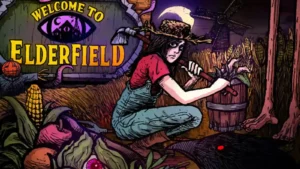
Welcome to Elderfield

Welcome to Elderfield

Overall score 4.3 / 5

Based on 29 scored reviews

vs
SPRAWL zero

SPRAWL zero

Overall score 4.0 / 5

Based on 33 scored reviews

How we score

Scorata scores summarize analyzed review evidence on a 1–5 scale; they are not laboratory measurements or a simple average of customer star ratings. Feature scores summarize the reviews covering that feature. The overall score averages feature scores within each review, then combines review averages. When both expert and customer evidence are available, those two groups receive equal weight. Products can have different review coverage, so small score gaps do not establish a winner.

Recommendations prioritize important features for the category, with a score of at least 3.5, a gap of at least 0.25 points and at least two supporting reviews per product. Features with widely varying scores or broad connectivity contexts are excluded from recommendations. These safeguards do not establish statistical significance.

Quick verdict

What each product is best for

The review evidence points to a tradeoff: content variety and environmental detail versus combat system and onboarding experience. Choose according to which strengths matter more to you; the overall score alone does not settle that choice.

Choose Welcome to Elderfield for content variety and environmental detail.

Choose SPRAWL zero for combat system and onboarding experience.

Why these recommendations?

Welcome to Elderfield

Where It Has the Edge

  • content variety is 4.9 vs 3.0. There is a huge amount to do, spanning farming, ranching, relationships, combat, mysteries, dungeons, crafting, fishing, seasonal systems,...
  • environmental detail is 4.8 vs 2.9. Small visual and environmental touches are praised for making the town both more unsettling and more fun to...
  • exploration quality is 4.8 vs 3.8. Exploration is a major strength, with secrets, resources, unusual encounters, and tangible rewards tucked across a surprisingly large...

SPRAWL zero

Where It Has the Edge

  • combat system is 4.9 vs 4.4. Combat is the clear centerpiece: disposable guns, Gravity Gloves, Bullet Time, shields, and Rushdown combine into frantic improvisational...
  • onboarding experience is 5.0 vs 4.5. No knowledge of the original SPRAWL is required, and the mechanics are easy to pick up despite their...
  • gameplay mechanics is 4.8 vs 4.4. The one-gun system, Gravity Gloves, powers, environmental throws, and aggressive movement combine into a mechanically strong throwback that...
Welcome to Elderfield 4.3 overall score
SPRAWL zero 4.0 overall score

Compare features

Scores are out of 5. Missing scores mean missing review evidence, not a missing feature.

Scored on both products

Other features

Writing quality
Welcome to Elderfield
4.8

Straight-faced humor, odd NPCs, and unsettling details give the writing a distinctive voice. Dialogue and quest writing often make the horror funnier and stranger without undercutting the atmosphere.

SPRAWL zero
2.5

The story's ideas are interesting, but faction explanations can slip into exposition-heavy writing that is hard to absorb during a fast shooter.

Frame rate stability
Welcome to Elderfield
4.3

Frame rate is generally smooth, but intensive lighting and environmental effects can cause occasional dips on handheld hardware.

SPRAWL zero
2.0

Frame-rate stability is the biggest technical concern on handheld hardware. Steam Deck and Switch 2 can suffer heavy drops in busy combat, while other platforms fare better.

Dialogue quality
Welcome to Elderfield
4.5

Dialogue is a notable strength, helping the town’s creepy-cute personality overcome some of the confusion created by its large spaces and systems.

SPRAWL zero
2.5

Story dialogue can be difficult to follow because much of it arrives during active firefights.

Load times
Welcome to Elderfield
3.0

Loading impressions vary sharply: one player found loading fast, while others complained about frequent screens between map sections that interrupt flow.

SPRAWL zero
1.0

Switch 2 death reloads can take roughly 25 seconds to more than a minute, which is far too long for a fast shooter built around repeated attempts.

Sandbox freedom
Welcome to Elderfield
5.0

Players can spend their time farming, fighting, socializing, or exploring at their own pace, with relatively little pressure to follow one rigid path.

SPRAWL zero
3.0

Some open objective areas create a welcome sandbox feel, but the broader campaign often provides less mission freedom than its pitch suggests.

Economy and resource balance
Welcome to Elderfield
2.6

Early taxes are manageable, but several players found key resources and later upgrades too expensive. Cleansing Balm and major progression costs can make the economy feel stingy before income ramps up.

SPRAWL zero
4.5

Health and adrenaline systems reward smart ability use, giving Bullet Time, shields, and other powers a meaningful role in resource management.

Content variety
Welcome to Elderfield
4.9

There is a huge amount to do, spanning farming, ranching, relationships, combat, mysteries, dungeons, crafting, fishing, seasonal systems, and exploration. The breadth is repeatedly described as one of the game’s biggest strengths.

SPRAWL zero
3.0

The campaign introduces hazards, new enemies, and occasional structural changes, but the basic loop can still feel repetitive over a full run.

Environmental detail
Welcome to Elderfield
4.8

Small visual and environmental touches are praised for making the town both more unsettling and more fun to explore.

SPRAWL zero
2.9

The brutalist city has a distinctive identity, but many areas reuse similar concrete corridors, browns, greys, and industrial spaces. Visual repetition can make midgame locations blur together.

Progression system
Welcome to Elderfield
3.4

Progression can feel satisfying because upgrades, quests, exploration, gear, and farming all contribute, but clarity and late-game pacing are recurring concerns. Several players struggled to understand upgrade paths or felt gated by expensive resources and RNG.

SPRAWL zero
5.0

Progression stays refreshingly simple, with linear ability upgrades instead of sprawling skill trees or multiple currencies.

Learning curve
Welcome to Elderfield
3.4

Elderfield takes time to understand, especially around combat, progression, and its many intertwined systems. Once the rules click, several players found it much easier and more rewarding.

SPRAWL zero
5.0

The systems move quickly but remain easy to understand, making the game approachable without sacrificing room for mastery.

Upgrade system
Welcome to Elderfield
2.8

Equipment and stat upgrades can be rewarding and flexible, but tool progression is not always explained clearly. Later upgrades can also demand a lot of money and materials.

SPRAWL zero
4.4

Abilities upgrade at a steady pace and usually add meaningful power without burying the player in menus. A few powers or later upgrades feel less useful than others.

Handheld play suitability
Welcome to Elderfield
3.8

Steam Deck play is broadly viable and often smooth, but experiences vary. Some players report clean handheld performance, while others note bugs, stutter, and higher-than-expected power use.

SPRAWL zero
2.5

Handheld results are mixed to poor: Steam Deck struggles to hold 60 FPS, and Switch 2 can drop sharply in busy scenes. VRR helps in some portable situations, but performance remains the main caveat.

Mission variety
Welcome to Elderfield
5.0

Resident requests range from mundane errands to bizarre horror tasks, giving the mission mix a playful and unpredictable character.

SPRAWL zero
3.9

The campaign does mix in poison-gas runs, powered-down sequences, defense sections, and other twists, though not every experiment lands.

Exploration quality
Welcome to Elderfield
4.8

Exploration is a major strength, with secrets, resources, unusual encounters, and tangible rewards tucked across a surprisingly large town. Curiosity is consistently encouraged and usually pays off.

SPRAWL zero
3.8

Secrets and hidden areas can be satisfying to hunt, but some exploration rewards amount to weapon caches or collectibles that do not always feel equally exciting.

Animation quality
Welcome to Elderfield
5.0

Despite the pixel presentation, animation is described as beautiful and well supported by the surrounding audiovisual design.

SPRAWL zero
4.0

Animation is mostly solid, with only a few minor hitches noted around launch.

Narrative quality
Welcome to Elderfield
4.0

The story and mystery work well for players drawn to Elderfield’s strange premise, but not everyone finds the underlying themes equally deep. One critic sees the horror pastiche as shallow, while others are hooked by the unfolding secrets.

SPRAWL zero
3.0

The story is serviceable rather than central. It provides enough context and a few twists, but several takes find it confusing, emotionally thin, or too dependent on mid-combat exposition.

Accessibility options
Welcome to Elderfield
4.2

Accessibility impressions are mixed. Some players praise subtitles, color and contrast options, adjustable difficulty, and flexible pacing, while another found the overall suite somewhat limited and noted missing UI scaling.

SPRAWL zero
5.0

Aim-assist and objective-marker toggles, plus broad difficulty settings, let players tailor how much guidance and challenge they want.

Innovation
Welcome to Elderfield
5.0

The strongest innovation is making horror part of the farming routine itself rather than a separate mode. Dice rolls, survival tradeoffs, and unsettling domestic systems give familiar mechanics a fresh purpose.

SPRAWL zero
4.3

SPRAWL zero does not reinvent shooters wholesale, but the disposable-weapon economy and Gravity Gloves give its retro framework a distinctive modern hook.

Grind level
Welcome to Elderfield
3.2

Grinding is highly taste-dependent: some players find the slow, punishing loop oppressive, while others call resource gathering and enemy farming surprisingly addictive. Long progression stalls are the biggest risk.

SPRAWL zero
2.5

Repetition can creep in during the longer stretches, making the campaign feel grindy when combat variables stop changing enough.

Difficulty balance
Welcome to Elderfield
4.0

Difficulty options are a major strength because Cozy mode can soften combat while harder settings preserve the punishing RPG side. Even so, normal difficulty can be much tougher than a typical farming sim, especially early on.

SPRAWL zero
3.3

Challenge is highly inconsistent across perspectives: some enjoy the tougher fights and adjustable settings, while others dislike late spikes, shielded enemies, and bullet-spongy foes that interrupt combat flow.

Enemy variety
Welcome to Elderfield
4.8

The game features many unusual monsters and distinctive enemy concepts, helping repeated exploration and combat retain a strong horror identity.

SPRAWL zero
4.1

Enemy variety is generally strong, with snipers, shielded heavies, drones, melee threats, and other specialists forcing different responses. A few sections still feel repetitive when familiar foes dominate.

Combat system
Welcome to Elderfield
4.4

Turn-based combat is one of the biggest surprises, with action points, builds, buffs, debuffs, and resource planning adding real strategy. It is often praised as deep and refreshing, though its punishing early balance can overwhelm players expecting a gentler farming sim.

SPRAWL zero
4.9

Combat is the clear centerpiece: disposable guns, Gravity Gloves, Bullet Time, shields, and Rushdown combine into frantic improvisational fights. At its best, the system feels fast, expressive, and exceptionally satisfying.

Character development
Welcome to Elderfield
1.5

One major criticism is that romanceable characters do not evolve enough as relationships deepen, making long-term social progression feel flat.

SPRAWL zero
2.0

Five's attempted character arc has interesting ideas but often lacks enough clarity or emotional investment to land.

Onboarding experience
Welcome to Elderfield
4.5

The game often teaches mechanics as they become relevant, which can feel natural and immersive. Its intentionally light guidance may still frustrate players who want every system explained upfront.

SPRAWL zero
5.0

No knowledge of the original SPRAWL is required, and the mechanics are easy to pick up despite their unusual weapon rules.

Side character depth
Welcome to Elderfield
4.0

The cast is memorable and unusual, though emotional depth varies. Some characters become genuinely likable with investment, while others feel more strange than comforting.

SPRAWL zero
4.5

Silas and supporting characters such as Laeta make a stronger impression than Five, giving the otherwise lightweight story more personality.

Violence level
Welcome to Elderfield
4.5

The horror imagery can be grotesque, but one cozy-oriented player specifically appreciated that the monsters were not as gory or yucky as expected.

SPRAWL zero
5.0

The exaggerated gore, dismemberment, flaming enemies, and bloody impacts are treated as part of the fun rather than a drawback, fitting the game's over-the-top shooter tone.

Gameplay mechanics
Welcome to Elderfield
4.4

The game’s dice rolls, risk-heavy daily actions, and quality-of-life touches make familiar farming systems feel less predictable. Some players enjoy that constant uncertainty, while others find the randomness intrusive.

SPRAWL zero
4.8

The one-gun system, Gravity Gloves, powers, environmental throws, and aggressive movement combine into a mechanically strong throwback that still feels fresh.

Pacing
Welcome to Elderfield
3.3

Pacing is divisive: some love the patient, self-directed rhythm, while others hit slow stretches, busywork, or progression stalls. Combat-heavy play and early farming can both move more slowly than genre veterans may expect.

SPRAWL zero
3.0

Pacing is mixed: the best stretches flow beautifully, but long walking sections, repeated objectives, backtracking, and bullet-spongy encounters can stall the momentum.

Graphics quality
Welcome to Elderfield
5.0

The dark pixel presentation and detailed horror visuals are praised for being striking, readable, and well matched to the game’s tone.

SPRAWL zero
4.8

The deliberately retro rendering is widely praised for looking sharp, attractive, and authentic to the era it emulates. Resolution and image quality vary by platform.

Movement feel
Welcome to Elderfield
4.3

The bicycle and other traversal tools make getting around much more pleasant, though the distance between home and farm can still feel inconvenient before travel options open up.

SPRAWL zero
4.5

Movement is generally fluid, purposeful, and well matched to the more grounded combat. Some miss the predecessor's freer parkour, but others prefer the tighter focus.

Art direction
Welcome to Elderfield
4.8

Hand-drawn horror illustrations, muted pixel art, manga influences, and cozy visual cues combine into a distinctive identity. The contrast between cute routine and grotesque imagery is consistently praised.

SPRAWL zero
4.7

The low-poly, brown-and-neon Y2K cyberpunk look is one of the game's most consistently praised qualities. A few players find the deliberately drab palette monotonous, but the style itself is unusually cohesive.

Loot system
Welcome to Elderfield
4.7

Itemization supports distinct builds and gives combat meaningful rewards, with food, gear, and resources creating useful tradeoffs rather than disposable drops.

SPRAWL zero
4.5

Color-coded weapon rarity makes stronger drops easy to identify without slowing down the action.

Polish
Welcome to Elderfield
3.8

The game feels confident and thoughtfully put together, but polish varies by build. Clean launch experiences sit alongside reports of bugs, progression roughness, and small interface friction.

SPRAWL zero
3.7

The overall package is strong but not uniformly polished. Later-balance issues and occasional bugs contrast with a presentation that otherwise feels carefully assembled.

Bug frequency
Welcome to Elderfield
3.3

Technical experiences range from nearly bug-free to several disruptive glitches affecting money, time, quests, and progression. The launch build appears cleaner for some players than earlier or Steam Deck builds.

SPRAWL zero
3.2

Technical bugs range from nearly absent on some systems to enemies getting stuck in geometry or triggers failing. The most disruptive cases can force a checkpoint reload.

Lore depth
Welcome to Elderfield
4.6

Elderfield is packed with secrets, broadcasts, occult history, hidden areas, and unexplained events. Lore is one of the strongest reasons to keep exploring, though one critic finds parts of it more decorative than meaningful.

SPRAWL zero
4.5

The setting has more background depth than the main story initially suggests, with codex entries and environmental details filling in the city's factions and history.

Originality
Welcome to Elderfield
4.9

The farming-horror combination feels genuinely distinctive rather than like a familiar sim with spooky decoration. The world, tone, and combat structure repeatedly stand out in a crowded genre.

SPRAWL zero
4.8

The game wears its Halo, F.E.A.R., Half-Life 2, and Y2K influences openly, yet the disposable-weapon combat and cohesive presentation give it a clear identity of its own.

Fun factor
Welcome to Elderfield
4.8

Most players find Elderfield compelling, addictive, or hard to put down, especially once its systems click. The main exception is a reviewer who admired the craft but personally disliked the oppressive experience.

SPRAWL zero
4.7

The overwhelming strength is simple enjoyment: fast fights, absurd weapons, physics tricks, and a strong soundtrack make the game easy to enjoy even when level or technical issues surface.

Core gameplay loop
Welcome to Elderfield
4.9

Farming, gathering, crafting, exploration, and turn-based combat feed directly into one another instead of feeling like separate modes. The loop is widely praised for making cozy chores matter to survival and progression.

SPRAWL zero
4.8

The shoot-empty-throw-grab rhythm is the game's defining strength. Constant weapon swaps and physics interactions create a fast loop that many find addictive once it clicks.

Game length
Welcome to Elderfield
4.2

There is an enormous amount of content, with some players barely scratching the surface after 20–30 hours. For one long-play reviewer, though, more than 70 hours still left too much progression, turning size into fatigue.

SPRAWL zero
4.3

The compact campaign generally lands well, with estimates ranging from roughly five to ten hours. Some appreciate the lack of bloat, while others would happily take a little more.

Atmosphere
Welcome to Elderfield
4.8

Atmosphere is the clearest consensus strength, blending cozy routine, melancholy, dark humor, and constant unease. Even a reviewer who disliked the oppressive mood acknowledged how deliberately and effectively it was crafted.

SPRAWL zero
4.8

Industrial cityscapes, propaganda, fog, electronic music, and religious imagery create a strong early-2000s cyberpunk mood that quickly pulls players in.

Weapon balance
Welcome to Elderfield
4.5

Equipment supports distinct melee and magic approaches, with clear tradeoffs between efficiency, versatility, and fragility rather than one obvious best path.

SPRAWL zero
4.5

The huge arsenal is a major strength, with distinct tiers and behaviors encouraging constant adaptation. Some weak drops, shield interactions, and disposable limits can occasionally make a preferred weapon feel short-lived.

Immersion
Welcome to Elderfield
4.5

Lighting, weather, sound, and the oppressive world design make the 2D setting feel unusually immersive for a farming sim.

SPRAWL zero
4.5

The combination of fast movement, distinctive weapon audio, and era-fitting music can be highly immersive, especially with headphones.

Visual effects quality
Welcome to Elderfield
4.5

Lighting and weather effects give the 2D world more atmosphere and visual depth, even if they can contribute to occasional performance dips.

SPRAWL zero
4.5

Volumetric lighting, reflections, and other deliberately era-styled effects add flair without losing the early-2000s visual identity.

World interactivity
Welcome to Elderfield
5.0

Ordinary interactions can trigger dice rolls, risks, blessings, curses, or unexpected outcomes, making the world feel reactive and unpredictable.

SPRAWL zero
5.0

Gravity Gloves make the environment an active weapon: barrels, grenades, health pods, debris, doors, and even enemies can be manipulated. This physical interactivity is one of the game's strongest defining traits.

Controls and connectivity

Controls responsiveness
Welcome to Elderfield
2.5

Basic interaction can feel fiddly in places, particularly when lining tools up with the correct tile.

SPRAWL zero
4.2

Shooting and movement usually feel modern, tight, and responsive despite the retro presentation. Switch 2 input latency is the main exception.

Menu usability
Welcome to Elderfield
4.7

Shared storage and equipment management are convenient, but some menus still feel more cumbersome than the best farming sims.

SPRAWL zero
3.0

Relic and modifier functions are useful but can be easy to overlook in the main menu.

Performance

Marketing accuracy
Welcome to Elderfield
3.7

The core cozy-horror promise is largely fulfilled, but expectations depend heavily on difficulty. Some players feel the game is darker, more combat-heavy, and meaner than its cozy presentation initially suggests.

SPRAWL zero
2.0

One claim about approaching missions in different ways does not fully match the experience, which can remain much more linear than advertised.

Performance optimization
Welcome to Elderfield
2.5

Performance is playable but heavier than expected for a 2D pixel game. Steam Deck efficiency, power draw, and occasional stutter are the main concerns.

SPRAWL zero
2.9

Performance varies dramatically by platform. Some PC runs are smooth, while Steam Deck and Switch 2 can suffer substantial drops, indicating uneven optimization.

Soundtrack quality
Welcome to Elderfield
4.6

The dark lo-fi soundtrack is a major atmospheric asset, blending relaxation, melancholy, and dread. Most players love it, though one long-session impression says repeated dungeon music can wear thin.

SPRAWL zero
4.9

The electronic, trance, techno, and breakcore-inspired score is one of the most universally praised parts of the game, driving fights with energy while easing back between encounters.

Ownership and support

Value for money
Welcome to Elderfield
4.9

The amount of content, long playtime, and relatively low price earn strong value praise. Multiple players explicitly consider the game worth full price despite its rough edges.

SPRAWL zero
4.0

The core game is widely considered worth the asking price thanks to replay systems and strong combat, but poor Switch 2 launch performance can erase that value until patched.

Replay value
Welcome to Elderfield
5.0

The large number of mysteries, flexible play styles, and long-running progression give the game strong replay potential, with one impression explicitly describing it as long-lasting and replayable.

SPRAWL zero
4.4

New Game+, remixed enemies, relic modifiers, secrets, and higher difficulties give the short campaign strong replay potential for players who enjoy mastering the combat.

Comfort and build

Mission design
Welcome to Elderfield
3.0

Daily news events add mystery and direction, but some announced occurrences can be frustratingly difficult to locate.

SPRAWL zero
2.1

Objective structure is one of the weaker areas, with repeated backtracking, holdout tasks, and one especially long poison-gas mission drawing criticism.

Level design
Welcome to Elderfield
4.0

Elderfield’s locked spaces, shifting interiors, mall, sewers, and other large areas create a strong sense of discovery. Some layouts can be confusing, but the gating often helps keep the amount of content manageable.

SPRAWL zero
3.5

Level design is sharply divisive. Some stages are praised for secrets, varied arenas, and nonlinear objectives, while others feel overlong, repetitive, confusing, or padded by backtracking.

Map and navigation design
Welcome to Elderfield
2.3

Navigation is one of the weaker areas. The in-game map can be inaccurate and task markers may not give enough detail to identify houses or quest destinations.

SPRAWL zero
2.8

Navigation is a recurring weakness because similar-looking spaces and backtracking can make routes hard to read. The optional waypoint ping helps substantially but does not solve every layout.

Sound design
Welcome to Elderfield
4.8

Footsteps, bells, ambient noises, and other small audio details make Elderfield feel more tactile and unsettling. Sound design is repeatedly called strong or excellent.

SPRAWL zero
4.5

Weapons hit with exceptional weight and punch, and the overall mix sells the violence well. Overprocessed voice lines are the notable audio drawback.

User interface design
Welcome to Elderfield
2.7

The interface is functional but uneven. Equipment screens can be useful, while inventory visibility, editor controls, and general UI clunkiness draw criticism.

SPRAWL zero
2.5

A small loading-screen communication issue can make it unclear when the game is ready for input.

World-building
Welcome to Elderfield
4.7

The town’s greatest trick is making eldritch absurdity feel ordinary, from skeleton neighbors to haunted malls and strange local broadcasts. Most impressions find that world unusually cohesive, memorable, and rewarding to investigate.

SPRAWL zero
4.8

The dystopian city, factions, propaganda, architecture, and hidden lore create a richer setting than the lightweight main plot alone suggests.

Evidence available for one product

Other features

AI behavior
Welcome to ElderfieldNo score yet
SPRAWL zero
4.0

Enemies often flank, reposition, throw grenades, and pressure the player instead of standing still. Pathfinding and wall-stuck bugs can undermine that intelligence, especially in a few later encounters.

Aiming precision
Welcome to ElderfieldNo score yet
SPRAWL zero
4.3

Gunplay is generally accurate and responsive, though one take found aiming down sights adds little compared with the intended hip-fire style.

Camera behavior
Welcome to ElderfieldNo score yet
SPRAWL zero
2.5

Holding large throwable objects can block the player's view and make it harder to see targets or obstructions during combat.

Character diversity
Welcome to Elderfield
1.0

One critique says the human cast lacks racial diversity, despite the game offering skeletons, monsters, and other unusual romanceable residents.

SPRAWL zeroNo score yet
Character roster
Welcome to Elderfield
5.0

The cast is praised as odd, creative, and memorable, with skeletons, talking animals, and eccentric townsfolk reinforcing the game’s identity.

SPRAWL zeroNo score yet
Checkpoint system
Welcome to ElderfieldNo score yet
SPRAWL zero
5.0

Frequent green-gate checkpoints are generous and keep deaths from becoming overly punishing.

Co-op experience
Welcome to Elderfield
2.5

There is no co-op experience to judge directly, and one player specifically wishes a friend could join because the world is so rich to explore.

SPRAWL zeroNo score yet
Collectibles
Welcome to ElderfieldNo score yet
SPRAWL zero
3.8

Codex entries and relics give explorers extra goals, with relics feeding modifiers and challenges. The lack of a clear per-level tracker makes completion hunting less convenient.

Crafting system
Welcome to Elderfield
3.6

Crafting ties farming, exploration, food, gear, and progression together well, but its interface and long-term usefulness are uneven. Some advanced recipes or equipment can feel less valuable when better items are found first.

SPRAWL zeroNo score yet
Crash stability
Welcome to Elderfield
5.0

Crash stability is strong in the impressions that address it, with multiple players reporting no crashes even when other bugs were present.

SPRAWL zeroNo score yet
Emotional impact
Welcome to ElderfieldNo score yet
SPRAWL zero
4.5

The presentation can trigger a strong hit of nostalgia for players who grew up with early-2000s console shooters.

Endgame content
Welcome to ElderfieldNo score yet
SPRAWL zero
5.0

New Game+ is a standout post-campaign feature, remixing enemy placement while letting players bring upgraded abilities back through earlier levels.

Fast travel convenience
Welcome to Elderfield
4.3

Buses, warp options, sewers, and bicycles help a lot in the large world. Unlock requirements can still leave players facing long walks before a route becomes available.

SPRAWL zeroNo score yet
Fishing mechanics
Welcome to Elderfield
2.0

Fishing is generally part of the broader farming loop, but one player hit a glitch that blocked an important catch and related quest progress.

SPRAWL zeroNo score yet
Horror tension
Welcome to Elderfield
4.9

The horror relies more on persistent unease, grotesque imagery, and normalized weirdness than nonstop jump scares. That restraint makes it unusually effective for many players while still being intense enough to unsettle sensitive cozy-game fans.

SPRAWL zeroNo score yet
HUD clarity
Welcome to ElderfieldNo score yet
SPRAWL zero
4.5

Color-coded weapon tiers and readable pickup information make it easy to understand what is on the ground during frantic fights.

Romance quality
Welcome to Elderfield
1.5

Romance is one of the harshest criticisms in the negative review, where partners are described as uninteresting and relationship growth as unrewarding.

SPRAWL zeroNo score yet
Seasonal content quality
Welcome to Elderfield
2.0

Seasonal content is a weak spot for some players. Holidays and events exist, but they can feel sparse or leave little lasting impact compared with the rest of the game’s dense systems.

SPRAWL zeroNo score yet
Social features
Welcome to Elderfield
3.4

Relationships can become engaging once players invest in gifts and conversations, but the system is inconsistent. One critic finds the social links unrewarding and disconnected from related tasks.

SPRAWL zeroNo score yet
Survival mechanics
Welcome to Elderfield
3.5

Sleep, baths, curses, healing food, enemy resets, and dice rolls create a constant risk-reward layer. Many players enjoy the planning, but the sleep system in particular can feel punishing or encourage reloading.

SPRAWL zeroNo score yet
Tutorial quality
Welcome to Elderfield
4.5

Tutorials range from excellent, gradual teaching to intentionally vague guidance. Players who like learning through characters and discovery tend to enjoy the approach, while those wanting explicit step-by-step direction may struggle.

SPRAWL zeroNo score yet

Comfort and build

Boss design
Welcome to ElderfieldNo score yet
SPRAWL zero
2.6

Bosses are uneven: some encounters are enjoyable or appropriately challenging, but the final fight is repeatedly called frustrating, repetitive, or poorly matched to the game's best combat.

Puzzle design
Welcome to ElderfieldNo score yet
SPRAWL zero
2.8

Light Gravity Glove puzzles can be enjoyable, but repeated power-cell tasks are also criticized as padding.

Quest design
Welcome to Elderfield
4.8

Quests are usually rewarding because they unlock resources, areas, items, or strange bits of lore rather than feeling disposable. The best tasks lean into Elderfield’s bizarre residents and occult mysteries.

SPRAWL zeroNo score yet

Controls and connectivity

Character customization
Welcome to Elderfield
2.0

Character creation is a weak point, with the editor criticized for offering fewer options than expected from the genre.

SPRAWL zeroNo score yet
Protagonist appeal
Welcome to ElderfieldNo score yet
SPRAWL zero
2.0

Five is the weak link in the cast for some players, with limited characterization making his arc harder to care about.

Voice acting
Welcome to ElderfieldNo score yet
SPRAWL zero
5.0

Silas's performance is singled out as convincingly malevolent and effective.

Ownership and support

Platform-specific feature support
Welcome to ElderfieldNo score yet
SPRAWL zero
3.8

Xbox Play Anywhere adds meaningful flexibility, while VRR and other display features do not fully solve the Switch 2 technical problems.

Save system reliability
Welcome to Elderfield
4.2

Being able to save without ending the day is a major convenience, but saves generally require returning home or to bed. That makes long expeditions more tense and less friendly to very short play sessions.

SPRAWL zeroNo score yet

Other Top Video Games to Consider

#1 Hades II
4.6

Good if you want fast, tactical roguelite combat with huge progression depth, striking art, and standout music. Skip it if repetition, resource micromanagement, or a less emotionally satisfying sequel story...

Pros: skill tree depth, dialogue quality

Cons: emotional impact, economy and resource balance

#2 Valheim
4.5

Good if you want a beautiful, demanding survival sandbox built around exploration, building, progression, and memorable co-op. Skip it if long resource runs, harsh death recovery, and deliberate pacing sound...

Pros: core gameplay loop, movement feel

Cons: economy and resource balance, map and navigation design

#3 Donkey Kong Bananza

4.5

Best for joyful destruction, dense exploration, and a charming DK-Pauline adventure. Skip it if camera quirks, frame-rate dips, easy bosses, or premium Switch 2 pricing are dealbreakers.

Pros: gameplay mechanics, world interactivity

Cons: economy and resource balance, enemy variety

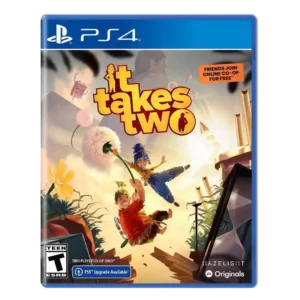
#4 It Takes Two
4.5

Best for joyful, inventive co-op with a partner, especially on couch. Skip it if divorce themes, uneven story tone, or Switch visual compromises would distract you.

Pros: core gameplay loop, movement feel

Cons: character development, dialogue quality