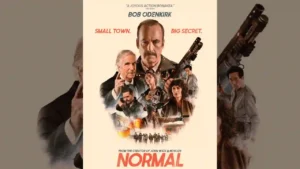
Normal
Where It Has the Edge
- genre satisfaction is 4.8 vs 4.4. For viewers who want a pulpy action-comedy, the film generally hits its target with gore, jokes, shootouts, and...

Scorata scores summarize analyzed review evidence on a 1–5 scale; they are not laboratory measurements or a simple average of customer star ratings. Feature scores summarize the reviews covering that feature. The overall score averages feature scores within each review, then combines review averages. When both expert and customer evidence are available, those two groups receive equal weight. Products can have different review coverage, so small score gaps do not establish a winner.
Recommendations prioritize important features for the category, with a score of at least 3.5, a gap of at least 0.25 points and at least two supporting reviews per product. Features with widely varying scores or broad connectivity contexts are excluded from recommendations. These safeguards do not establish statistical significance.
Quick verdict
The available evidence supports the recommendation below, but does not establish an overall winner. Check the remaining features against your priorities.
Choose Normal for genre satisfaction.
There is not enough comparable review evidence to recommend Heart of the Beast over the other product.
No clear scored advantage over the other product.
Scores are out of 5. Missing scores mean missing review evidence, not a missing feature.
One negative review finds the movie’s oddball town and larger criminal setup too lightly developed, arguing that the more unusual world-building ideas are introduced and then quickly abandoned.
A vivid sense of the wilderness draws viewers into the trip and makes the environment feel central to the story.
The snowbound setting, cool palette, neon bursts, and claustrophobic interiors give the film a distinctive look. Reviewers generally find the atmosphere effective even when darkness occasionally makes action harder to read.
Natural looking color and restrained framing help the film balance scenic beauty with isolation.
The aggressive gunfire and explosions are praised for adding impact and immersion, while dialogue remains clear amid the chaos.
Woodland ambience and sharp injury sounds draw viewers into the setting and make the physical danger felt.
Suspense is a weak point for the few reviewers who address it directly, with complaints that the ticking clock and danger never create convincing stakes.
River crossings, predators, and worsening injuries keep many viewers tense despite the opening reassurance about Odin. Predictability reduces tension for some.
The film’s effects are praised as outstanding, especially when the action turns explosive and bloody.
The digital wildlife creates danger but can also make the encounters feel less immediate than the practical action.
The violence is extremely graphic, but many reviewers approve of how the exaggerated gore feeds the movie’s black comedy. Even favorable reactions note that the bloodshed can be relentless or intentionally uncomfortable.
The bone injuries and bloody survival scenes are painful viewing, though their brutality reinforces the danger.
Odenkirk adds heart and weariness to Ulysses, but the movie’s emotional material does not land consistently. Several reviewers say the backstory and supporting relationships feel too abbreviated to carry much weight.
The loyal bond and final stretch leave many viewers in tears. A few find the sentiment pushed too hard or do not share the same catharsis.
The movie’s ideas about trauma, moral compromise, small-town decline, trust, and community earn thoughtful praise in some reviews. Others see those themes as shallow or incidental to the carnage.
Shared combat trauma gives the companionship a deeper purpose, with survival reflecting the characters’ search for peace.
The nonbinary storyline is praised for its matter-of-fact sensitivity, while the Yakuza material draws criticism for leaning on dated Asian stereotypes. The result is a noticeably mixed picture of representation.
One critic feels the Inuit music functions as atmosphere without enough substance.
The screenplay is one of the weaker areas overall. Some reviewers admire clever setup-and-payoff mechanics, but more criticize thin characterization, predictable turns, underdeveloped subplots, and a story built mainly to reach the next action beat.
The simple script focuses on shared survival and affection. Praise for its emotional clarity sits beside criticism of convenient devices and repeated calamities.
Editing gets mixed notices. Some praise clean, kinetic cutting that keeps chaotic action readable, while one critic calls the editing saggy and another likes the lean pace despite wishing the film were longer.
The man-and-dog reactions and brisk passages work well for some. Combat flashbacks, a revealing opening, and a minor continuity slip draw recurring criticism.
The film’s small-town economic anxiety and social satire resonate with several reviewers, who appreciate that the ideas stay beneath the action. Others find the messages diluted, obvious, or too slight to add much meaning.
The tribute to veterans and military dogs resonates with many. Others find the patriotic voiceover and text coda too explicit or wish the spiritual message went further.
The roughly 90-minute length is usually treated as a virtue, keeping the movie lean and easy to consume. A minority feels it either runs out of steam early or could have used more time to develop its characters.
The compact length keeps the journey moving for viewers who value a focused story.
Odenkirk’s interactions with Reena Jolly, Brendan Fletcher, and Jess McLeod are singled out as enjoyable, helping the unlikely alliance feel more engaging.
James and Odin’s mutual care is the film’s clearest strength. Their quiet exchanges and repeated rescues make the relationship feel lived in.
Ben Wheatley is often credited with finding the right balance of deadpan comedy, brutal action, and small-town strangeness. A few harsher reviews call the execution sloppy, underwhelming, or less controlled than his stronger work.
David Ayer handles the stripped down survival story with skill, though the ending and familiar plot leave a few viewers wanting more restraint.
The hook is easy to enjoy, but the story itself draws substantial criticism for being thin, derivative, or overly convenient. Positive reviewers still find the conspiracy setup, reversals, and character-first moments fun enough to carry the movie.
The direct survival plot makes room for the bond at its center. Familiar beats and a relentless series of setbacks are its main limits.
The central setup is often viewed as familiar and several twists are described as easy to anticipate. Reviewers generally see the execution, not the basic plot, as the more distinctive part.
The succession of survival hazards rarely surprises, yet several viewers still find its conventional structure satisfying.
The finale sharply divides opinion. Some enjoy its sweet, unexpected, or playful resolution, while others find the final turn rushed, clichéd, unearned, or less satisfying than the action that precedes it.
The finale often lands as moving and bittersweet, though its predictability and explanatory coda blunt the effect for some.
The dialogue is uneven: witty banter and a few strong monologues work, but corny lines, repeated exposition, and failed zingers are recurring complaints.
Sparse dialogue suits the isolated trek for some, while awkward one-sided lines or long silences leave others detached.
The grounded everyman lead and physical action help sell some of the absurdity, but the town’s conspiracy, survival odds, fake-looking snow, and escalating plot strain credibility for several reviewers.
Preparedness and practical locations ground much of the trek. Stacked injuries and certain predator encounters strain belief for others.
For viewers who want a pulpy action-comedy, the film generally hits its target with gore, jokes, shootouts, and B-movie energy. Several reviewers explicitly recommend it to action fans despite its narrative limitations.
It gives dog lovers and survival fans the familiar thrills and emotional payoff they came for without substantially changing the genre.
Normal shifts from low-key small-town mystery and wistful character drama into gleefully graphic action-comedy. The contrast can be entertaining, but the abrupt changes in mood sometimes make the film feel uneven.
A few find the mix of scenic calm, harsh peril, and sentiment uneven; others admire its controlled treatment of standard material.
Ulysses gets the clearest emotional arc, but many reviewers find the supporting townspeople thin, underused, or discarded once the shooting starts. A few praise Alex, the deputies, and the ensemble for adding enough personality to keep the setup lively.
James earns empathy through stoicism and devotion to Odin, but some find his life outside the military thinly drawn.
Action is the movie’s most consistent strength, with frequent praise for creative kills, bruising fights, explosive shootouts, and visceral staging. A smaller group finds the gunfire repetitive, under-scaled, or numbing.
The crash, river crossing, and wildlife encounters give the trek visceral stakes. A few viewers wanted less peril or found the largest set pieces overdone.
The black comedy works for many reviewers, especially when gruesome violence becomes the punchline. Reactions are not universal, with some calling the jokes hit-or-miss, corny, or outright cringe-inducing.
Simmons supplies a brief, welcome bit of levity before the trek turns grim.
Once the bank robbery erupts, many reviewers praise the movie’s speed and momentum. The first act is more divisive, with repeated complaints that the setup takes too long before the action kicks in.
Many praise the steady 101 minute pace, while others find the opening or quiet walking scenes slow and the obstacle rhythm repetitive.
The snowy setting and close, energetic camerawork earn strong marks, with reviewers praising both the atmospheric winter imagery and the way motion is captured during fights.
Wide wilderness views show both the beauty and danger of the journey. The locations and camera work are among the most consistently praised elements.
The practical makeup is praised for looking realistic and helping the bloody injuries land with convincing detail.
Visible wounds and practical makeup give James’s injuries a painful physical presence.
Practical pyrotechnics and makeup receive enthusiastic praise, giving the gruesome action a tactile quality that several reviewers find more impressive and believable.
The bloody practical injury work gives the wilderness dangers tangible weight.
The cast is broadly viewed as a strength, with Bob Odenkirk, Lena Headey, and Henry Winkler specifically praised for giving the film a solid performance base.
The real dog performers draw repeated praise for expressive reactions and convincing training. Some scenes also depend on editing to make Odin feel fully aware of the story.
The eclectic soundtrack earns strong praise for its song choices and ironic placement, with music often sharpening the contrast between cheery tunes and bloody action.
Soft folk music helps the scenic third act land gently after the harsher survival scenes.
Bob Odenkirk is the clearest consensus strength, praised for deadpan charm, weary humanity, comic timing, and believable everyman toughness. Even negative reviews often treat him as more compelling than the material around him.
Pitt’s vulnerable, physically demanding lead turn is a major reason the simple story holds attention.
The supporting ensemble is generally well liked, with several reviewers praising the comic energy and colorful performances around Odenkirk. The main frustration is that the script often gives those performers too little material.
Anna Lambe’s brief appearance brings welcome tenderness to a story carried mostly by a man and his dog.
Audience response is described as broadly positive, with the film’s distinctive action and Odenkirk’s presence drawing strong viewer enthusiasm.
The soldier and dog premise connects strongly with pet owners and viewers drawn to straightforward survival stories, even when the plot follows familiar beats.
Critical reception skews positive overall, though the favorable consensus includes notable reservations about predictability, editing, and the film’s thin story.
Early critical coverage is strongly favorable, with praise clustering around the emotional bond and tense survival scenes.
Most reviewers see Normal as brisk, bloody entertainment that delivers laughs and action even when it is familiar or forgettable. The strongest dissent comes from critics who find the thin writing and repetitive carnage too empty to be fun.
Most find an engaging, accessible survival film with a strong canine lead. A smaller group finds the repeated hardships and walking stretches dull.
Broken bones, bloody injuries, combat memories, and danger to the dog make this more suitable for teens than young children.
Digital bears and wolves are the most common visual complaint: several find them conspicuous beside the natural locations and real dog. A minority find the effects convincing enough.
The shared trauma and survival ordeal give the drama emotional force beyond its simple premise.
The dog’s survival is reassuring, but graphic injury and sustained animal peril can be difficult for younger or sensitive viewers.
The clear goal of reaching the road makes the journey easy to follow.
The dangerous encounters and visible injuries make audiences squirm, giving the ordeal a frightening edge.
The score can heighten the scale and tenderness with restraint, but a few hear it as syrupy or emotionally insistent.
Worn outdoor clothing helps sell James’s competence and the rough conditions of the trek.
One reviewer finds that the film delivers exactly the straightforward dog-and-survival story it promises.
One viewer expects to revisit the film; another appreciates its craft but has no wish to experience the ordeal again.
One critic considers the modestly scaled wilderness adventure money well spent.

Choose this inventive, unsettling documentary for fearless questioning, dark humor, and unpredictable storytelling. Skip it if you want a short, straightforward exposé with definitive answers.
Pros: originality, humor

Extraordinary performances and richly observed relationships make this a rewarding, emotionally forceful drama. Its nearly three-hour length and slow opening demand patience and undivided attention.
Pros: class commentary, character development

Best for a hypnotic, bookish mystery with tactile visuals and cerebral chills. Skip it if reading-heavy, attention-demanding storytelling sounds more exhausting than exciting.
Pros: Atmosphere, cinematography
Cons: audience appeal

Best for an intimate, searching documentary that rewards focused attention and invites discussion. Skip it when devastating grief, addiction footage, and unresolved family tensions would be too much.
Pros: emotional impact, theme depth