Compare Onimusha: Way of the Sword vs End of Abyss

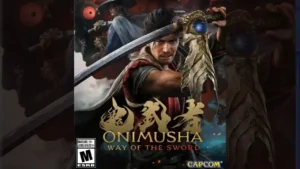
Onimusha: Way of the Sword

Onimusha: Way of the Sword

Overall score 4.1 / 5

Based on 100 scored reviews

vs
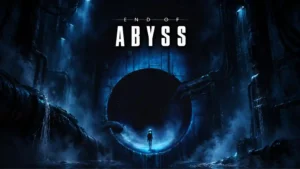
End of Abyss

End of Abyss

Overall score 3.8 / 5

Based on 21 scored reviews

How we score

Scorata scores summarize analyzed review evidence on a 1–5 scale; they are not laboratory measurements or a simple average of customer star ratings. Feature scores summarize the reviews covering that feature. The overall score averages feature scores within each review, then combines review averages. When both expert and customer evidence are available, those two groups receive equal weight. Products can have different review coverage, so small score gaps do not establish a winner.

Recommendations prioritize important features for the category, with a score of at least 3.5, a gap of at least 0.25 points and at least two supporting reviews per product. Features with widely varying scores or broad connectivity contexts are excluded from recommendations. These safeguards do not establish statistical significance.

Quick verdict

What each product is best for

The review evidence points to a tradeoff: fast travel convenience and writing quality versus atmosphere and sound design. Choose according to which strengths matter more to you; the overall score alone does not settle that choice.

Choose Onimusha: Way of the Sword for fast travel convenience and writing quality.

Choose End of Abyss for atmosphere and sound design.

Why these recommendations?

Onimusha: Way of the Sword

Where It Has the Edge

  • fast travel convenience is 4.8 vs 1.3. Spirit Mirrors make revisiting areas straightforward, although travel is tied to those points rather than available from anywhere....
  • writing quality is 4.5 vs 2.8. The writing is strongest in character banter, relationships, and emotional moments, though a few reviews describe the larger...
  • combat system is 4.8 vs 4.0. The sword combat is the overwhelming consensus highlight: precise, weighty, reactive, and deeply satisfying, with parries, deflects, dodges,...

End of Abyss

Where It Has the Edge

  • atmosphere is 5.0 vs 4.5. Atmosphere is the clearest consensus strength: the facility feels eerie, oppressive, isolated, and cinematic, with lighting and sound...
  • sound design is 5.0 vs 4.5. Sound design is one of the strongest areas, using distant clangs, wet creature noises, reverberation, weapon impact, and...
  • soundtrack quality is 5.0 vs 4.5. The score is consistently praised for being restrained, ominous, and responsive to action, reinforcing the industrial horror atmosphere...
Onimusha: Way of the Sword 4.1 overall score
End of Abyss 3.8 overall score

Compare features

Scores are out of 5. Missing scores mean missing review evidence, not a missing feature.

Scored on both products

Other features

Bug frequency
Onimusha: Way of the Sword
5.0

The reviewers who discussed technical reliability reported playthroughs without notable bugs, glitches, or crashes.

End of Abyss
1.5

Technical reliability is a major concern in much of the pre-release coverage, including map-state errors, invisible barriers, stuck geometry, softlocks, broken interactions, and falls through the world. A smaller number of playthroughs reported few or no issues.

Fast travel convenience
Onimusha: Way of the Sword
4.8

Spirit Mirrors make revisiting areas straightforward, although travel is tied to those points rather than available from anywhere. One reviewer specifically liked that restraint.

End of Abyss
1.3

The transit system helps connect sectors, but several sources still find backtracking too slow and wish travel between important safe areas were more convenient.

Content variety
Onimusha: Way of the Sword
2.0

One recurring complaint is that the overworld leans on repetitive objectives and familiar enemy groups, reducing variety outside the bespoke story stages and bosses.

End of Abyss
4.8

Optional rooms, secret bosses, upgrades, weapons, notes, and alternate-ending content give the campaign more to uncover than the main path initially suggests.

Crash stability
Onimusha: Way of the Sword
5.0

The reviewers who addressed crashes reported stable playthroughs without crashes, reinforcing the broader impression of strong technical reliability.

End of Abyss
2.3

Crash reports are inconsistent: some playthroughs were crash-free, while others suffered multiple hard crashes that interrupted progress.

Weapon balance
Onimusha: Way of the Sword
4.5

Oni Armaments fill distinct roles such as healing, stamina damage, and crowd control, and at least one reviewer found each option useful rather than redundant.

End of Abyss
1.9

The infinite-ammo pistol is often too efficient, discouraging use of limited-ammo alternatives and weakening survival pressure. Several sources also find ammo economics or upgrade incentives skewed toward sticking with the starter weapon.

AI behavior
Onimusha: Way of the Sword
2.0

Regular Genma can be overly passive and easy to dispatch without using the full defensive toolkit, making ordinary encounters feel weaker than the bosses.

End of Abyss
4.5

Enemy behavior supports tactical play: aggressive foes can be manipulated into groups, and one source specifically praises their behavior and variety as a combat strength.

Load times
Onimusha: Way of the Sword
4.5

Transitions between cutscenes and gameplay are described as seamless, and retries after defeat are quick enough to keep difficult fights moving.

End of Abyss
2.0

Frequent loading screens between areas are called out for interrupting an otherwise immersive world.

Onboarding experience
Onimusha: Way of the Sword
4.5

The easiest Story setting is praised as an effective introduction to modern timing-based action, especially because it teaches defensive responses without turning the game into a passive tutorial.

End of Abyss
2.0

The first boss can arrive before the aiming and control scheme feel natural, making the opening combat lesson harsher than it needs to be.

Camera behavior
Onimusha: Way of the Sword
2.8

Cinematic camera work can make attacks look spectacular, but combat framing is inconsistent. A few reviewers found the camera could get trapped or become frustrating near walls and bosses.

End of Abyss
5.0

The fixed and shifting isometric camera is effective at making Cel feel small and vulnerable, and its framing contributes meaningfully to the game's mood.

Enemy variety
Onimusha: Way of the Sword
2.5

Common-enemy variety is a recurring weakness, with several reviews noting repeated basic foes and armored variants across a long campaign. Boss variety is much stronger.

End of Abyss
4.6

Enemy variety is broadly praised, with creatures and machines using distinct looks, attack patterns, and environmental themes. A few sources note derivative designs or behavior that becomes less threatening after repeated encounters.

Character development
Onimusha: Way of the Sword
4.1

Musashi’s reluctant-hero arc and growing acceptance of the Oni gauntlet are widely appreciated, as are several supporting arcs. Some reviewers wanted the Ganryu rivalry and parts of the cast developed further.

End of Abyss
2.0

Cel is a deliberately quiet lead, but the limited personality leaves the protagonist underdeveloped for at least one critic.

Grind level
Onimusha: Way of the Sword
3.0

Several reviewers criticize material gathering and repeated combat as unnecessary grind, especially around upgrades. Others found resources plentiful enough that deliberate grinding was rarely required.

End of Abyss
1.0

Resource recovery can become an unwelcome grind when failed boss attempts force players to revisit cleared areas for more crafting materials.

Polish
Onimusha: Way of the Sword
3.4

The combat, animation, and major presentation beats feel highly polished, but reviewers also point to camera issues, repetitive content, minor technical roughness, and uneven secondary systems.

End of Abyss
1.6

Polish is the most repeated weakness after navigation. Numerous sources encountered map errors, collision problems, softlocks, crashes, audio glitches, or other prerelease issues that made the game feel less finished than its art direction suggests.

Writing quality
Onimusha: Way of the Sword
4.5

The writing is strongest in character banter, relationships, and emotional moments, though a few reviews describe the larger script as more serviceable than exceptional.

End of Abyss
2.8

The understated writing can reinforce mystery and tone, but vague exchanges and delayed answers leave some players wanting clearer, more substantial storytelling.

Lore depth
Onimusha: Way of the Sword
4.5

Japanese myths, legends, readables, collectibles, and side stories give the world substantial optional lore without requiring prior knowledge of the series.

End of Abyss
3.0

Environmental clues and hidden notes can sustain mystery, but the amount of concrete lore feels thin to players who want clearer answers about the facility and its events.

Progression system
Onimusha: Way of the Sword
3.0

Progression is split between useful skill growth and incremental stat upgrades. Some reviewers enjoy how new abilities change combat, while others barely feel the numerical gains.

End of Abyss
4.4

Progression is most satisfying when new keys, tools, mods, and upgrades reopen old routes and make exploration pay off. In some runs, power growth eventually reduces combat tension or leaves certain systems underused.

World interactivity
Onimusha: Way of the Sword
3.7

Combat benefits from environmental tools such as carts, planks, flames, and destructibles, but one reviewer disliked how many seemingly fragile objects cannot be touched.

End of Abyss
5.0

The scanner makes doors, objects, weak structures, and route information feel actively discoverable, rewarding players who deliberately inspect the environment.

Dialogue quality
Onimusha: Way of the Sword
4.6

Character banter and comic exchanges give the cast personality, while quieter conversations help sell relationships and the reluctant-hero tone.

End of Abyss
3.5

The sparse dialogue approach divides opinion. One source finds character exchanges too vague to be useful, while another likes the short, concise subtitles and notes for keeping the game moving.

Pacing
Onimusha: Way of the Sword
2.6

Pacing is the most repeated non-combat concern: early hub stretches, side activities, backtracking, and recycled fights can drag. The linear story missions and final run of set pieces are much more frequently praised for momentum.

End of Abyss
3.7

Pacing impressions are split: one source praises a tight, well-paced adventure, while another finds the plot slow to gain momentum and technical or navigation problems can stall progress.

Movement feel
Onimusha: Way of the Sword
3.0

Movement is mixed: modern 3D navigation and wall-running can feel good, while the dodge roll, lack of a normal jump, and some traversal friction draw criticism.

End of Abyss
2.0

Slow sprint speed makes repeated backtracking feel heavier than it needs to.

Learning curve
Onimusha: Way of the Sword
4.2

The combat is easy to understand but demanding to master, and many reviewers enjoy the process of learning timing and boss patterns. Some training and system explanations could be clearer.

End of Abyss
3.3

Most players can adapt to the controls after a short adjustment, but the unusual aiming scheme remains a lasting obstacle for some and never fully clicks for the harshest critic.

Game length
Onimusha: Way of the Sword
2.4

Opinions on length are mixed, but the strongest criticism says a superb shorter action game has been stretched into a 25–30 hour experience. A smaller group felt the adventure did not overstay its welcome.

End of Abyss
3.2

The main path commonly lands around a compact 10-13 hours, with optional exploration extending playtime. Some appreciate that it does not overstay its welcome, while others feel wandering pads the runtime or that the ending arrives just as momentum builds.

Combat system
Onimusha: Way of the Sword
4.8

The sword combat is the overwhelming consensus highlight: precise, weighty, reactive, and deeply satisfying, with parries, deflects, dodges, Issens, clashes, and Oni Armaments giving players meaningful options. Even critical reviews tend to praise the core fighting.

End of Abyss
4.0

Twin-stick combat is often tense, tactical, and satisfying, especially when dodging through crowded encounters. Its simplicity, repetitive enemies in reused routes, awkward arenas, and uneven weapon economy keep it from landing equally well for everyone.

Checkpoint system
Onimusha: Way of the Sword
3.3

Checkpointing is usually generous, especially around difficult fights, though one reviewer disliked having to restart multi-phase boss encounters from the beginning.

End of Abyss
4.0

Restoration pods are generally well spaced and create relief, strategy, and fast boss retries, though bug-related reloads can still cost meaningful progress.

Collectibles
Onimusha: Way of the Sword
3.8

Collectibles often reward exploration with mythology, story details, cosmetics, or progression, and the Lion Dogs and Oni Portals are particular favorites. Some completion-oriented tasks still feel repetitive or low-value.

End of Abyss
3.0

Optional collectibles can unlock an alternate ending and additional context, making thorough exploration worthwhile, though the unreliable map can make that hunt less inviting.

Horror tension
Onimusha: Way of the Sword
4.5

The body horror, grotesque Genma, corrupted environments, and occasional Resident Evil-like sequences add genuine unease without overwhelming the action-adventure focus.

End of Abyss
3.8

The opening hours create strong unease through darkness, sound, ambushes, and threatening spaces. Tension often fades once enemy placements repeat, the pistol becomes dominant, or progression makes combat too easy.

Difficulty balance
Onimusha: Way of the Sword
4.0

Difficulty is demanding but generally regarded as rewarding, with Story mode offering a gentler route and Action mode asking for precise play. Opinions split where normal enemies feel too easy or late bosses become punishing and unforgiving.

End of Abyss
3.3

Challenge is frequently rewarding and fair in regular play, but the curve is uneven. Early spikes, one notably punishing centipede boss, later bosses that become too easy, and upgrade-driven power swings can make progression feel inconsistent.

Animation quality
Onimusha: Way of the Sword
4.4

Animation is one of the game’s clearest showpieces, with bespoke parries, blocks, executions, facial reactions, and combat transitions repeatedly singled out as exceptional. A few reviewers noticed a gap between cinematic and gameplay presentation.

End of Abyss
5.0

Enemy animation helps sell the creatures as strange and dangerous, while Cel’s movement animation also receives specific praise.

Originality
Onimusha: Way of the Sword
4.0

The best reviews argue that the swordplay has a rhythm and identity of its own despite borrowing from modern action games. More critical voices feel the broader structure follows too many familiar contemporary conventions.

End of Abyss
4.6

Despite obvious inspirations, the combination of top-down sci-fi horror, Metroidvania exploration, and twin-stick combat develops a distinct identity that several sources feel stands out.

Atmosphere
Onimusha: Way of the Sword
4.5

The blend of samurai action, body horror, mythology, and distinct locations creates a strong dark-fantasy atmosphere. The best areas feel eerie and characterful rather than like generic combat spaces.

End of Abyss
5.0

Atmosphere is the clearest consensus strength: the facility feels eerie, oppressive, isolated, and cinematic, with lighting and sound repeatedly making simple exploration feel ominous.

Economy and resource balance
Onimusha: Way of the Sword
1.5

The material economy is a weak point for some reviewers: common upgrade resources can be oddly expensive or grindy, and their relationship to the broader progression loop feels less refined than the combat.

End of Abyss
2.0

Resource balance is uneven: early scarcity can encourage careful choices, but Fragments and crafting materials often become so plentiful that ammo tension and loot excitement fade. Other sources dislike being forced to farm when supplies do run dry.

Endgame content
Onimusha: Way of the Sword
4.5

Post-game play includes harder Carnage difficulty and New Game Plus-style replay, giving mastery-focused players a reason to continue after the credits.

End of Abyss
4.0

Optional sectors, alternate-ending collectibles, and extra narrative material give curious players meaningful content to pursue beyond the straightforward ending.

Exploration quality
Onimusha: Way of the Sword
4.5

Exploration can be rewarding when it leads to charms, upgrade materials, myths, portals, or secrets. The strongest praise comes from reviewers who enjoyed searching every corner despite reservations about the hub structure.

End of Abyss
4.1

Exploration is the game's biggest point of disagreement. Its interconnected routes, secrets, upgrades, and discovery loop can be deeply rewarding, but weak guidance, backtracking, dark visibility, and map problems can turn the same design into exhausting wandering.

Frame rate stability
Onimusha: Way of the Sword
4.7

Performance is strong across PS5, Xbox, Switch 2, PC, and handheld testing, with many reports of stable targets and smooth combat. Steam Deck’s Eastern Kyoto hub is the main recurring performance caveat.

End of Abyss
5.0

Performance reports are strong where frame rate is discussed, including smooth 60 FPS on PS5 hardware and solid results on a high-end handheld.

Immersion
Onimusha: Way of the Sword
4.4

Detailed environments, expressive characters, fluid presentation, and the historical-fantasy setting create strong immersion for many reviewers. Repetitive Kyoto layouts and repeated activities can break that spell for some.

End of Abyss
4.8

Sound, lighting, environmental scale, minimal interface, and controller feedback can make the facility highly immersive, although loading screens and repetition occasionally break the spell.

Environmental detail
Onimusha: Way of the Sword
4.6

Kyoto, temples, forests, palaces, and supernatural spaces are praised for dense detail, historical texture, lighting, and small visual touches that reward close attention.

End of Abyss
4.3

The facility is visually rich and communicates decay, infection, scale, and former function through its spaces, though some areas can look too similar for reliable navigation.

Innovation
Onimusha: Way of the Sword
4.5

Reviewers praise the way the game modernizes Onimusha and combines familiar action ideas into a distinctive parry-centered system rather than simply becoming another Soulslike.

End of Abyss
4.3

The blend of cinematic horror, survival mechanics, twin-stick shooting, Souls-like ideas, and Metroidvania structure feels fresh to many sources, even when the pieces do not always fit together cleanly.

Visual effects quality
Onimusha: Way of the Sword
4.8

Sparks, slow-motion reactions, attack effects, and cinematic finishing flourishes make clashes look dramatic without obscuring the swordplay.

End of Abyss
5.0

Lighting is a standout visual effect, balancing deep darkness and visibility without requiring much manual brightness adjustment.

Fun factor
Onimusha: Way of the Sword
4.3

Most reviewers found the swordplay and boss mastery intensely fun and addictive, often seeking extra fights simply to keep playing. Repetition and padding are the main factors that wear down that enthusiasm.

End of Abyss
4.1

Overall enjoyment ranges from exceptional to uneven. The atmosphere and discovery loop frequently carry the experience, while bugs, navigation friction, repetition, and balance issues are the main reasons enthusiasm drops.

Graphics quality
Onimusha: Way of the Sword
4.8

The game is widely regarded as gorgeous, with strong character models, lighting, environments, and RE Engine presentation across platforms. Performance modes and the gap between cinematic and gameplay rendering introduce only minor visual compromises for most reviewers.

End of Abyss
5.0

Visual quality is consistently strong, with smooth presentation, striking lighting, grotesque creatures, and cinematic industrial spaces repeatedly singled out.

Upgrade system
Onimusha: Way of the Sword
3.6

Upgrades are mixed: combat skills and some equipment boosts feel meaningful, while incremental stat gains and material requirements can feel dull, imperceptible, or grindy.

End of Abyss
3.8

Weapon and suit upgrades can make exploration feel valuable and materially change survival odds, but some sources find suit customization shallow and the upgraded pistol too dominant.

Art direction
Onimusha: Way of the Sword
4.8

Reviewers consistently praise the grotesque Genma, corrupted Kyoto, historical architecture, and supernatural imagery. The aesthetic feels recognizably Onimusha while benefiting from much richer modern detail.

End of Abyss
5.0

The blue-lit industrial horror aesthetic is a major strength, with striking lighting, shadows, grotesque creature imagery, and carefully staged spaces creating a distinctive look.

Handheld play suitability
Onimusha: Way of the Sword
4.8

Steam Deck and Switch 2 coverage is notably positive, with playable performance and strong visuals on the go despite heavier battery or CPU load in Eastern Kyoto.

End of Abyss
5.0

Handheld impressions are excellent, with strong reported performance on both MSI Claw 8 AI+ and Xbox Ally X hardware.

Aiming precision
Onimusha: Way of the Sword
2.8

The bow’s generous auto-aim makes headshots easy, but lock-on and targeting can occasionally keep attacks moving in an unwanted direction.

End of Abyss
2.7

Aiming is one of the most divisive mechanics. Some found it manageable or skill-based after practice, while others struggled with touchy sticks, movement spread, a fussy laser, or shots that felt less predictable than they should.

Core gameplay loop
Onimusha: Way of the Sword
3.6

At its best, the loop of dueling, mastering defensive timing, absorbing souls, and upgrading Musashi is highly compelling. Some reviewers felt the opening and repeated hub chores obscure that excellent core.

End of Abyss
3.8

The explore-scan-unlock-return loop can be highly addictive, but repetition and navigation friction make the same structure feel inconsistent when the map or combat starts getting in the way.

Narrative quality
Onimusha: Way of the Sword
3.6

Story reception is divided. Many reviewers love the character-driven tale, humor, relationships, and emotional beats, while others call the plot thin, convoluted, or less memorable than the combat.

End of Abyss
3.5

The restrained, cryptic story suits the eerie setting and works well for players who enjoy piecing mysteries together. Others find the buildup too vague, the protagonist underexplored, or the strongest story beats delayed until very late.

Gameplay mechanics
Onimusha: Way of the Sword
4.3

The layered defensive options, soul management, armaments, environmental tools, and resource systems create unusually rich moment-to-moment play. A few explanations and secondary systems can feel confusing or less polished.

End of Abyss
4.4

The scanner is the standout mechanic, turning doors, objects, enemies, and map completion into an active exploration system. Its manual nature is engaging for some players but can cause major backtracking when an important object is missed.

Mission variety
Onimusha: Way of the Sword
2.0

Fetch quests, repeated demon-clearing jobs, and reused overworld activities create a clear sense of repetition between the stronger set-piece missions.

End of Abyss
2.0

Objective structure can become repetitive, especially when progression leans on successive activation tasks instead of more varied goals.

Stealth mechanics
Onimusha: Way of the Sword
2.0

Stealth exists, but the reviewer who evaluated it found direct sword combat far more rewarding.

End of Abyss
2.0

The knife and occasional opportunities to approach enemies quietly feel underused; one source wanted smarter positioning to enable more meaningful stealth takedowns.

Controls and connectivity

Protagonist appeal
Onimusha: Way of the Sword
4.6

Musashi is one of the strongest points of agreement: reviewers repeatedly call him charismatic, funny, cool, expressive, and easy to root for, with only a small minority finding his arc less compelling.

End of Abyss
2.0

Cel's quiet, minimally defined personality leaves the lead less compelling than the world surrounding them.

Controls responsiveness
Onimusha: Way of the Sword
4.5

Reviewers who directly addressed the controls describe them as tight and responsive, which helps the demanding timing-based combat feel fair.

End of Abyss
4.0

Movement and shooting generally feel responsive once learned, but the unusual aiming scheme can feel awkward on controller and creates a steeper adjustment period for some players.

Voice acting
Onimusha: Way of the Sword
4.2

Japanese performances receive near-universal praise, while English-language reactions are more mixed because of accent choices and occasional odd delivery. Several English cast members are still singled out for excellent work.

End of Abyss
4.0

The invented, gibberish-style speech is surprisingly effective, with delivery conveying seriousness and intimidation even without a real spoken language.

Comfort and build

Boss design
Onimusha: Way of the Sword
4.7

Boss fights are the standout attraction: dramatic, mechanically distinct, visually memorable, and built to reward mastery of parries, dodges, deflects, and Issens. The main caveat is repeated use of some minibosses and recurring foes.

End of Abyss
3.4

Boss quality varies sharply by source. Some praise creative grotesque designs and pattern-based fights, while others find several encounters repetitive, cramped, or poorly balanced across the campaign.

User interface design
Onimusha: Way of the Sword
4.5

The UI is praised for being restrained, clear, and largely out of the player’s way.

End of Abyss
3.5

The minimal HUD is praised for cleanliness, but the map interface can malfunction or fail to load, creating a sharp contrast between presentation and usability.

Map and navigation design
Onimusha: Way of the Sword
2.0

Eastern Kyoto can feel maze-like, and map controls or blocked routes sometimes make simple travel more awkward than it should be.

End of Abyss
2.5

The map is both essential and one of the game's biggest risks. When it works, scanning and charting routes are satisfying; when doors fail to update, layers are hard to read, or cues are too vague, navigation becomes frustrating and time-consuming.

Sound design
Onimusha: Way of the Sword
4.5

Sharp sword clashes, parry impacts, executions, and other combat sounds give the fighting strong physical feedback and make successful timing feel satisfying.

End of Abyss
5.0

Sound design is one of the strongest areas, using distant clangs, wet creature noises, reverberation, weapon impact, and industrial ambience to make unseen threats and vast spaces feel tangible.

World-building
Onimusha: Way of the Sword
4.6

Real mythology, Edo-period details, optional legends, and character stories give Kyoto a rich backdrop that many reviewers found unusually rewarding to dig into.

End of Abyss
4.9

The derelict facility is a compelling character in its own right, with distinct sectors, infection, machinery, environmental clues, and spatial scale doing much of the storytelling.

Level design
Onimusha: Way of the Sword
4.2

The handcrafted linear stages are generally the strongest spaces, with memorable temples, castles, laboratories, and supernatural areas. The hub and a few repetitive routes are less consistently praised.

End of Abyss
4.1

The interconnected facility can be intricate, dense, and rewarding, with strong shortcuts and vertical layering. Less favorable impressions point to confusing flow, overly linear stretches, hidden progression cues, and areas that are hard to read.

Mission design
Onimusha: Way of the Sword
2.0

The bespoke story missions work well, but generic Encounter-style objectives and busywork are repeatedly called filler.

End of Abyss
2.0

Some later objectives feel mundane and overly dependent on activating chains of systems rather than introducing more meaningful tasks.

Performance

Soundtrack quality
Onimusha: Way of the Sword
4.5

The score is praised for mixing traditional Japanese instrumentation with cinematic fantasy and horror tones without overpowering the action.

End of Abyss
5.0

The score is consistently praised for being restrained, ominous, and responsive to action, reinforcing the industrial horror atmosphere without overwhelming it.

Performance optimization
Onimusha: Way of the Sword
4.8

Technical optimization is a strong point, with reviewers highlighting smooth frame rates and good visual quality even on less powerful or handheld hardware.

End of Abyss
5.0

Where raw performance is tested, optimization is a strength: high-end PC, PS5, PS5 Pro, and handheld runs all receive positive reports.

Ownership and support

Value for money
Onimusha: Way of the Sword
4.5

Reviewers who directly discussed price generally felt the campaign quality, replay options, and production values justify the cost for action fans.

End of Abyss
5.0

Value impressions are strongly positive where discussed: the $29.99 price is considered excellent for the amount and quality of the experience.

Replay value
Onimusha: Way of the Sword
4.2

Boss rematches, harder difficulty, challenge rewards, and New Game Plus give combat-focused players meaningful reasons to return. Replaying padded missions is less appealing to some critics.

End of Abyss
4.0

Secret areas, missed upgrades, alternate-ending collectibles, and route knowledge create reasons to return, although there is no New Game+ in the coverage that discusses it.

Platform-specific feature support
Onimusha: Way of the Sword
4.5

Console and Switch 2 versions are generally well supported with useful performance options and stable play; Switch 2-specific control features are seen as fun if somewhat gimmicky.

End of Abyss
4.5

PS5-specific DualSense support is a welcome touch, with haptics and adaptive triggers adding texture to scanning and other actions.

Evidence available for one product

Other features

Accessibility options
Onimusha: Way of the Sword
4.4

Story mode earns strong praise for wider timing windows and real-time action prompts that teach parries, dodges, deflects, and Issens. One review still wanted broader visual accessibility options.

End of AbyssNo score yet
Casting choices
Onimusha: Way of the Sword
4.5

The use of Toshiro Mifune’s likeness and the game’s performance casting are generally viewed as fitting and distinctive, even though a minority questioned the ethics or necessity of recreating a deceased actor.

End of AbyssNo score yet
Character roster
Onimusha: Way of the Sword
4.7

The supporting cast is a major strength, with Shizuka, Okuni, Takamura, Ganryu, and the villains repeatedly praised for personality and memorable interactions.

End of AbyssNo score yet
Content completeness
Onimusha: Way of the SwordNo score yet
End of Abyss
2.0

The game is packed with ideas, but at least one source felt several systems were not fully implemented or developed as far as they could have been.

Crafting system
Onimusha: Way of the SwordNo score yet
End of Abyss
2.0

Crafting special ammunition can become tedious when a failed encounter consumes supplies and forces the player to make them again.

Emotional impact
Onimusha: Way of the Sword
4.5

Despite the action-heavy premise, reviewers frequently found the character relationships, personal arcs, and later story beats funny, heartfelt, or unexpectedly moving.

End of AbyssNo score yet
Facial animations
Onimusha: Way of the Sword
4.9

Facial animation is repeatedly described as among the game’s best visual work, especially Musashi’s expressive mannerisms and subtle reactions during both cutscenes and gameplay.

End of AbyssNo score yet
Faithfulness to franchise
Onimusha: Way of the Sword
4.6

The revival modernizes movement, camera, scale, and combat without losing the Oni Gauntlet, soul absorption, Issen timing, horror flavor, or eccentric Onimusha identity. Longtime fans largely see it as a successful return.

End of AbyssNo score yet
Haptic feedback integration
Onimusha: Way of the SwordNo score yet
End of Abyss
4.0

DualSense haptics and adaptive-trigger support are appreciated as worthwhile immersion extras, even if they do not fundamentally change play.

Hint system
Onimusha: Way of the SwordNo score yet
End of Abyss
2.0

The hands-off philosophy can go too far; missed scannable objects or subtle routes can lead to hours of wandering, and a light scanner cue or extra guidance would help.

HUD clarity
Onimusha: Way of the SwordNo score yet
End of Abyss
5.0

The minimal HUD earns praise for staying clean and keeping attention on the art rather than cluttering the screen.

Loot system
Onimusha: Way of the SwordNo score yet
End of Abyss
2.0

Fragments become too common in several playthroughs, making glowing pickups and fragment-heavy rooms feel less rewarding than meaningful upgrades or supplies.

Platforming precision
Onimusha: Way of the Sword
4.5

Wall-running is a small but well-liked traversal addition that expands movement without turning the game into a platformer.

End of AbyssNo score yet
Side character depth
Onimusha: Way of the Sword
4.0

Shizuka, Okuni, Takamura, and Ganryu often earn praise for personality and chemistry with Musashi, though some reviewers wanted the rival storyline to go deeper.

End of AbyssNo score yet
Skill tree depth
Onimusha: Way of the Sword
2.0

One critical review argues that some late skill upgrades feel more like delayed quality-of-life fixes than genuinely meaningful progression choices.

End of AbyssNo score yet
Survival mechanics
Onimusha: Way of the SwordNo score yet
End of Abyss
2.7

The survival layer works best when secondary ammo is scarce and safe-room choices create pressure. Infinite pistol ammo, abundant materials, repeated respawns, or forced farming can undercut that tension.

Tutorial quality
Onimusha: Way of the Sword
4.5

Story mode’s prompts and the practice systems make the timing-heavy mechanics easier to understand, with reviewers praising their usefulness for newcomers and mastery alike.

End of AbyssNo score yet

Controls and connectivity

Character customization
Onimusha: Way of the Sword
3.0

Cosmetic options exist, with additional looks unlocking through play and harder modes, but the selection initially feels limited.

End of AbyssNo score yet
Menu usability
Onimusha: Way of the Sword
4.5

The interface and menus are praised for staying unobtrusive and avoiding unnecessary tab complexity.

End of AbyssNo score yet

Performance

Marketing accuracy
Onimusha: Way of the SwordNo score yet
End of Abyss
5.0

One source specifically praises the final graphics for matching the visual quality presented in the trailers.

Comfort and build

Open-world design
Onimusha: Way of the Sword
1.5

The central Kyoto hub is the most consistent structural complaint. Reviewers often see its fetch quests, repeated streets, and resource chores as padding between much stronger linear levels and boss encounters.

End of AbyssNo score yet
Puzzle design
Onimusha: Way of the Sword
4.5

Puzzles are a light part of the experience, but the secrets and environmental challenges that do appear can be enjoyable diversions from combat.

End of AbyssNo score yet
Quest design
Onimusha: Way of the Sword
2.7

The side content is uneven: Lady Murasaki’s Mysteries and character-focused quests receive real praise, while generic fetch, kill, and resource jobs are frequently dismissed as filler.

End of AbyssNo score yet

Ownership and support

Save system reliability
Onimusha: Way of the SwordNo score yet
End of Abyss
2.0

Sparse save points magnify the cost of crashes and softlocks, because technical failures can force large sections to be replayed.

Other Top Video Games to Consider

#1 Well Dweller
4.7

Best for fluid traversal, rewarding exploration, striking art, and forgiving quality-of-life features. Skip it if you want deep combat, radical genre innovation, or consistently demanding bosses.

Pros: difficulty balance, boss design

Cons: innovation, sandbox freedom

#2 Hades II

4.6

Good if you want fast, tactical roguelite combat with huge progression depth, striking art, and standout music. Skip it if repetition, resource micromanagement, or a less emotionally satisfying sequel story...

Pros: combat system, progression system

Cons: originality

#3 Valheim

4.5

Good if you want a beautiful, demanding survival sandbox built around exploration, building, progression, and memorable co-op. Skip it if long resource runs, harsh death recovery, and deliberate pacing sound...

Pros: town-building system, exploration quality

Cons: grind level, fast travel convenience

#4 Donkey Kong Bananza

4.5

Best for joyful destruction, dense exploration, and a charming DK-Pauline adventure. Skip it if camera quirks, frame-rate dips, easy bosses, or premium Switch 2 pricing are dealbreakers.

Pros: fun factor, world interactivity

Cons: frame rate stability, boss design