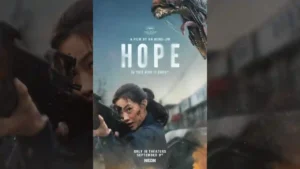
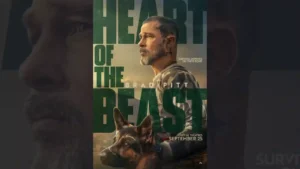
Hope
Where It Has the Edge
No clear scored advantage over the other product.

Scorata scores summarize analyzed review evidence on a 1–5 scale; they are not laboratory measurements or a simple average of customer star ratings. Feature scores summarize the reviews covering that feature. The overall score averages feature scores within each review, then combines review averages. When both expert and customer evidence are available, those two groups receive equal weight. Products can have different review coverage, so small score gaps do not establish a winner.
Recommendations prioritize important features for the category, with a score of at least 3.5, a gap of at least 0.25 points and at least two supporting reviews per product. Features with widely varying scores or broad connectivity contexts are excluded from recommendations. These safeguards do not establish statistical significance.
Quick verdict
The available evidence supports the recommendation below, but does not establish an overall winner. Check the remaining features against your priorities.
There is not enough comparable review evidence to recommend Hope over the other product.
Choose Heart of the Beast for runtime and theme depth.
No clear scored advantage over the other product.
Scores are out of 5. Missing scores mean missing review evidence, not a missing feature.
The expanding mythology and late-film turns frequently leave reviewers confused, with several describing the plotting or final revelations as baffling, incoherent, or insufficiently explained.
The clear goal of reaching the road makes the journey easy to follow.
Creature-related makeup receives negative marks where discussed, largely because its digital-looking presentation undermines believability beside stronger practical gore work.
Visible wounds and practical makeup give James’s injuries a painful physical presence.
The roughly two-and-a-half-hour length is repeatedly criticized as excessive, with many reviewers arguing that the film drags or could lose substantial material without harm.
The compact length keeps the journey moving for viewers who value a focused story.
Reviewers who discuss the brutality generally embrace it as part of the movie’s outrageous genre fun, praising the gory, hard-hitting action rather than objecting to its intensity.
The bone injuries and bloody survival scenes are painful viewing, though their brutality reinforces the danger.
The film’s ideas about xenophobia, perspective, violence, and otherness intrigue some critics, but many feel those themes are underexplored or secondary to spectacle.
Shared combat trauma gives the companionship a deeper purpose, with survival reflecting the characters’ search for peace.
The screenplay draws criticism where directly assessed, especially for failing to sustain momentum or develop enough story between large set pieces.
The simple script focuses on shared survival and affection. Praise for its emotional clarity sits beside criticism of convenient devices and repeated calamities.
One reviewer specifically praises the movie for combining eye-popping entertainment with something worthwhile to say.
The tribute to veterans and military dogs resonates with many. Others find the patriotic voiceover and text coda too explicit or wish the spiritual message went further.
Story is a consistent weakness: critics often call it bare-boned, thin, incomplete, or nearly plotless compared with the scale and craft of the action.
The direct survival plot makes room for the bond at its center. Familiar beats and a relentless series of setbacks are its main limits.
The ending is the most repeated narrative complaint. Most reviewers dislike the abrupt cliffhanger and sequel setup, though a small minority enjoy being left wanting more.
The finale often lands as moving and bittersweet, though its predictability and explanatory coda blunt the effect for some.
Some critics see familiar or clichéd genre structure beneath the film’s wild presentation, especially in its franchise-style cliffhanger and thin underlying plot.
The succession of survival hazards rarely surprises, yet several viewers still find its conventional structure satisfying.
One review sharply contrasts excellent cinematography, sets, and editing with special effects it considers outright poor.
The digital wildlife creates danger but can also make the encounters feel less immediate than the practical action.
Emotional engagement is inconsistent: some reviewers find empathy and feeling beneath the spectacle, while others say thin characterization leaves little reason to care.
The loyal bond and final stretch leave many viewers in tears. A few find the sentiment pushed too hard or do not share the same catharsis.
Editing is generally praised for propulsive cross-cutting and action clarity, though at least one reviewer thinks tighter cutting could reduce overextended passages.
The man-and-dog reactions and brisk passages work well for some. Combat flashbacks, a revealing opening, and a minor continuity slip draw recurring criticism.
Pacing is a major concern after the strong opening: many reviewers find the middle or later chases repetitive, overextended, or momentum-sapping, though a few feel the runtime still moves well.
Many praise the steady 101 minute pace, while others find the opening or quiet walking scenes slow and the obstacle rhythm repetitive.
Dialogue reactions are mixed. Some enjoy the funny asides and eccentric monologues, while others criticize repetitive shouting, exposition, or video-game-like lines.
Sparse dialogue suits the isolated trek for some, while awkward one-sided lines or long silences leave others detached.
One review specifically praises the blend of drama with suspense, fright, and humor, finding the combination effective.
The shared trauma and survival ordeal give the drama emotional force beyond its simple premise.
The movie is explicitly described as unsuitable for a whole-family outing, with its violent, adult-oriented genre material limiting family friendliness.
The dog’s survival is reassuring, but graphic injury and sustained animal peril can be difficult for younger or sensitive viewers.
Michael Abels’ score is consistently praised as pounding, thrilling, or highly effective at intensifying the film’s suspense and action.
The score can heighten the scale and tenderness with restraint, but a few hear it as syrupy or emotionally insistent.
Realism is mixed: grounded locations and believable reactions help sell the danger, but plot armor, chase logic, and digital creatures can break immersion.
Preparedness and practical locations ground much of the trek. Stacked injuries and certain predator encounters strain belief for others.
As an action-horror-sci-fi spectacle, the movie often satisfies with energy and mayhem, but some critics feel the later material becomes too messy or disjointed to fully deliver.
It gives dog lovers and survival fans the familiar thrills and emotional payoff they came for without substantially changing the genre.
Na Hong-jin’s direction draws strong praise for assured genre filmmaking and exceptionally staged chases, even from reviewers who dislike parts of the finished movie.
David Ayer handles the stripped down survival story with skill, though the ending and familiar plot leave a few viewers wanting more restraint.
Practical gore, props, vehicle work, physical destruction, and stunt effects receive strong praise and often make the weaker digital creatures look even more conspicuous by comparison.
The bloody practical injury work gives the wilderness dangers tangible weight.
Where reviewers focus on horror effectiveness, the unseen-creature buildup and first-half dread are praised as genuinely frightening or tense.
The dangerous encounters and visible injuries make audiences squirm, giving the ordeal a frightening edge.
The mix of horror, action, absurd comedy, and later mythology is divisive; some enjoy the weird blend, while others experience it as whiplash or a disjointed shift between films.
A few find the mix of scenic calm, harsh peril, and sentiment uneven; others admire its controlled treatment of standard material.
The creature CGI is the most consistent complaint. Reviewers repeatedly call it janky, unfinished, dated, or immersion-breaking, even when they admire the creature ideas.
Digital bears and wolves are the most common visual complaint: several find them conspicuous beside the natural locations and real dog. A minority find the effects convincing enough.
Character depth is a recurring weakness, with many critics describing the humans as ciphers, stereotypes, caricatures, or underdeveloped figures carried more by performance than writing.
James earns empathy through stoicism and devotion to Odin, but some find his life outside the military thinly drawn.
The first act’s delayed creature reveal and unseen destruction earn strong praise for dread and tension, even from reviewers who later lose enthusiasm.
River crossings, predators, and worsening injuries keep many viewers tense despite the opening reassurance about Odin. Predictability reduces tension for some.
The cast’s rapport earns strong praise, especially the energetic buddy-movie dynamic and fresh chemistry among the central performers.
James and Odin’s mutual care is the film’s clearest strength. Their quiet exchanges and repeated rescues make the relationship feel lived in.
The chase scenes, shootouts, practical stunts, car work, and horseback action are the film’s clearest consensus strength, frequently described as exhilarating or among the year’s best.
The crash, river crossing, and wildlife encounters give the trek visceral stakes. A few viewers wanted less peril or found the largest set pieces overdone.
The cinematography is a major strength, with praise for kinetic camera movement, immersive wide-angle staging, handsome landscapes, and clear visual geography during complex action.
Wide wilderness views show both the beauty and danger of the journey. The locations and camera work are among the most consistently praised elements.
The offbeat, scatological, and situational comedy is usually seen as a strength that gives the mayhem personality, although a few reviewers find certain jokes overlong or tension-breaking.
Simmons supplies a brief, welcome bit of levity before the trek turns grim.
The alien mythology and larger franchise setup are often judged underdeveloped, with critics frustrated that important lore arrives late and remains unresolved.
A vivid sense of the wilderness draws viewers into the trip and makes the environment feel central to the story.
Sound design and foley are praised for physical impact and immersion, from thunderous destruction to small tactile details that make the action feel immediate.
Woodland ambience and sharp injury sounds draw viewers into the setting and make the physical danger felt.
The visual presentation is strongly praised for expressive camera movement, vivid location photography, and an immersive large-screen sense of scale.
Natural looking color and restrained framing help the film balance scenic beauty with isolation.
One reviewer explicitly warns that the movie is not something to bring the whole family to, reflecting its adult-oriented material.
Broken bones, bloody injuries, combat memories, and danger to the dog make this more suitable for teens than young children.
Reviewers see strong appeal for viewers who enjoy audacious genre spectacle and can accept an unresolved endpoint, while acknowledging that the film’s oddness will not work for everyone.
The soldier and dog premise connects strongly with pet owners and viewers drawn to straightforward survival stories, even when the plot follows familiar beats.
Critical response is broadly positive but visibly divided: one source cites strong overall praise, while another emphasizes the polarized reception.
Early critical coverage is strongly favorable, with praise clustering around the emotional bond and tense survival scenes.
One review is frustrated enough with some side characters to criticize their contribution, finding them more irritating than engaging.
Anna Lambe’s brief appearance brings welcome tenderness to a story carried mostly by a man and his dog.
The ensemble is widely praised for selling the chaos with committed, lively performances even when the characters are thinly written.
The real dog performers draw repeated praise for expressive reactions and convincing training. Some scenes also depend on editing to make Odin feel fully aware of the story.
The central performers are repeatedly praised for presence, fear, physicality, and action-star charisma, helping ground a story that often gives them limited depth.
Pitt’s vulnerable, physically demanding lead turn is a major reason the simple story holds attention.
The soundtrack receives direct praise for its blasting, energetic presence.
Soft folk music helps the scenic third act land gently after the harsher survival scenes.
Despite major reservations elsewhere, reviewers overwhelmingly find the movie fun, wild, or highly entertaining, especially when its large-scale action is firing.
Most find an engaging, accessible survival film with a strong canine lead. A smaller group finds the repeated hardships and walking stretches dull.
A few reviewers say the movie’s strange energy makes them want to revisit it, although unresolved sequel dependence may limit rewatchability for some.
One viewer expects to revisit the film; another appreciates its craft but has no wish to experience the ordeal again.
Creature animation divides opinion: some reviewers praise the movement and uncanny energy, while others find it weak or distracting once the aliens are fully visible.
One critic feels the Inuit music functions as atmosphere without enough substance.
Worn outdoor clothing helps sell James’s competence and the rough conditions of the trek.
The ruined harbor town, locations, sets, and environmental destruction are repeatedly praised as convincing, immersive, and impressively crafted.
One reviewer finds that the film delivers exactly the straightforward dog-and-survival story it promises.
One critic considers the modestly scaled wilderness adventure money well spent.

Choose this inventive, unsettling documentary for fearless questioning, dark humor, and unpredictable storytelling. Skip it if you want a short, straightforward exposé with definitive answers.
Pros: originality, humor

Extraordinary performances and richly observed relationships make this a rewarding, emotionally forceful drama. Its nearly three-hour length and slow opening demand patience and undivided attention.
Pros: class commentary, character development

Best for a hypnotic, bookish mystery with tactile visuals and cerebral chills. Skip it if reading-heavy, attention-demanding storytelling sounds more exhausting than exciting.
Pros: Atmosphere, cinematography
Cons: audience appeal

Best for an intimate, searching documentary that rewards focused attention and invites discussion. Skip it when devastating grief, addiction footage, and unresolved family tensions would be too much.
Pros: emotional impact, theme depth