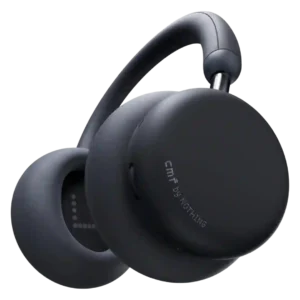
CMF Headphone Pro
Where It Has the Edge
- Overall recommendation is 4.7 vs 4.3. The overall recommendation is overwhelmingly positive, especially for shoppers around the $80–$100 range. Even reviewers with complaints about...

Scorata scores summarize analyzed review evidence on a 1–5 scale; they are not laboratory measurements or a simple average of customer star ratings. Feature scores summarize the reviews covering that feature. The overall score averages feature scores within each review, then combines review averages. When both expert and customer evidence are available, those two groups receive equal weight. Products can have different review coverage, so small score gaps do not establish a winner.
Recommendations prioritize important features for the category, with a score of at least 3.5, a gap of at least 0.25 points and at least two supporting reviews per product. Features with widely varying scores or broad connectivity contexts are excluded from recommendations. These safeguards do not establish statistical significance.
Quick verdict
The review evidence points to a tradeoff: Overall recommendation versus Sound quality and Water/sweat resistance rating. Choose according to which strengths matter more to you; the overall score alone does not settle that choice.
Choose CMF Headphone Pro for Overall recommendation.
Choose Nothing Headphone (1) Pro for Sound quality and Water/sweat resistance rating.
Scores are out of 5. Missing scores mean missing review evidence, not a missing feature.
Sound quality is the headline strength: most reviewers found it unusually good for the price, especially after light EQ or LDAC. Stock tuning can be bass-heavy, but the overall presentation is energetic, clean, and far better than typical budget expectations.
Sound quality is a major strength, with most hands-on reviewers praising the Pro’s clarity, detail and overall refinement. A few found the tuning merely good or behind top rivals, so it is not universally class-leading.
Wind handling is mixed. One reviewer noticed more wind noise than on pricier models, while another found wind pickup fairly low, so outdoor call performance is not completely consistent.
Wind handling is excellent by the standards of ANC headphones. Reviewers say the Pro nearly solves the wind-noise weakness of cheaper Nothing models and remains effective outdoors.
Dynamics are lively and energetic at normal listening levels, with good punch and excitement. Heavy bass at higher volume can soften attack and precision, so the strongest performance is not at maximum drive.
The Pro can sound exceptionally lively and dynamic, especially in its processed listening modes.
Soundstage is respectable for a budget closed-back headphone, with several reviewers hearing more width than expected. Others still found it narrow compared with pricier over-ears, so it is good rather than truly expansive.
The presentation is wider and more open than earlier Nothing models, with strong spatial placement. It still sounds more closed-in than large open-back reference headphones.
Detail retrieval is strong for the price, especially after personalization or EQ. Reviewers heard subtle instruments and texture that cheaper headphones often miss, although true audiophile nuance is still limited.
Detail retrieval is one of the Pro’s clearest strengths. Reviewers repeatedly heard extra texture, breaths, instrumentation and leading-edge information that cheaper or older headphones obscured.
Background hiss from ANC is present but usually modest. Some reviewers noticed thin white noise or a telltale hiss, while others found pressure and noise artifacts minimal.
Steady background noise and ANC hiss are well controlled: hums can disappear entirely, and the faint hiss heard on the older model is less perceptible here.
Microphone noise reduction is better than the raw mic quality might suggest. Wind and steady background noise are often reduced effectively, though unpredictable noisy environments can still overwhelm speech cleanup.
The microphones suppress environmental noise very effectively, with reports of callers hearing little background noise even in wind or around a lawnmower. Voice quality may still sound slightly processed.
Bass is powerful and fun, but opinions split on how much is too much. Several reviewers praised its punch once dialed in, while others found the stock low end bloated or overly dominant.
Bass is generally controlled and punchy rather than bloated, with good depth and timbre. Bass-heavy listeners may want more impact, and one reviewer specifically found the punch softer than expected.
Passive isolation is consistently strong thanks to the large, well-sealing earcups. Even without ANC, the fit blocks a useful amount of surrounding noise and helps the active cancellation work more effectively.
The soft cushions can create a strong passive seal, and one reviewer called the isolation impressive. Another found the softer pads reduced isolation, while fit and glasses can change the result.
Spatial audio is highly mixed and often the weakest software feature. Concert mode sometimes adds welcome width, but Cinema and other processing frequently introduce muddiness, harshness, echo, or an unnatural presentation.
Spatial audio is capable but taste-dependent. Some reviewers found the modes immersive and technically impressive, while others called them light-touch, gimmicky or something they would rarely use.
ANC is good for the price and strongest against steady low-frequency noise such as engines, fans, and traffic. It is not class-leading, and voices, sudden sounds, and higher frequencies are more likely to leak through.
ANC is consistently strong, often described as close to flagship Sony and Bose performance and especially effective against hum, voices and travel noise. Seal sensitivity can make results less consistent on some heads.
Gaming performance is good for casual play, especially with the low-latency mode or a wired connection. Competitive gamers may still want lower latency and more specialized positional tuning.
Spatial audio can enhance gaming, adding a stronger sense of placement and immersion when the effect suits the game.
Concert-mode spatial processing can create a convincing sense of space and immersion when it works well. That positive result is not universal across the broader spatial-audio impressions.
Spatial processing can make movies and other compatible content feel more atmospheric and immersive, especially when the effect suits the material.
Latency is well controlled for video and casual gaming, especially in wired or low-lag modes. Reviewers who tested sync found speech, effects, and on-screen action aligned closely enough for normal use.
Low-latency mode kept audio tightly synchronized with video and gaming in the real-world test that addressed it.
The stock frequency balance is lively rather than neutral, usually with extra bass and elevated treble. EQ can make it substantially more balanced, but buyers seeking flat tuning should expect to adjust it.
Flat mode can sound impressively accurate, but lab measurements raised concerns about high-frequency variability and positioning sensitivity. Fit appears to affect the measured response more than usual.
ANC preserves the underlying music surprisingly well in at least one detailed account. Noise reduction did not noticeably disturb timbre or detail, which is a useful advantage for listeners sensitive to ANC-related sound changes.
ANC has little audible effect on the music in the direct on/off comparison, preserving the headphone’s sound while reducing outside noise.
Wear-detection auto-pause is simply missing, and reviewers repeatedly noticed it. Most adapted by manually pausing, but it is one of the clearest convenience features sacrificed to hit the price.
Auto-pause behavior tied to wear detection worked reliably in the test that focused on it.
USB-C is limited to charging, and one reviewer specifically disliked the lack of USB audio. Buyers wanting digital wired playback through the USB port will not get it here.
USB-C audio is more than a convenience here: hi-res wired playback can reveal extra detail compared with lower-resolution alternatives.
Water protection is weak. The low IPX2 rating—or lack of a meaningful weather rating in one account—makes these better suited to light sweat than serious workouts or wet commutes.
IP52 protection is useful for workouts and light weather, but it should not be mistaken for heavy water resistance.
The removable earpads are excellent, but the headband is not similarly replaceable. That asymmetry limits how far the modular repairability concept goes.
The earpads are easy to pull off and reinstall, making pad replacement and cleaning unusually convenient.
Travel use benefits from good comfort, long battery life, and cups that rotate flat. The main limitation is bulk, since the headphones do not collapse into a smaller shape.
The headphones can work well for travel, but the heavy partial case repeatedly undermines portability. Several reviewers said the case was bulky enough to discourage packing them for longer trips.
The included analog cable works, but one reviewer found it noticeably short. It is fine for nearby laptops and handheld devices, less ideal for setups that need more reach.
The included wired cables are a nice touch and feel purpose-built, though one reviewer would have preferred a darker color to match the headphones.
The accessory bundle is sparse. A 3.5mm cable and soft pouch are useful, but the missing charging cable or hard case left several reviewers feeling the package had obvious cost-cutting.
The box includes useful wired-listening accessories, though cable color and the case’s lack of storage drew minor complaints.
Android pairing and feature support are generally strong, especially with Fast Pair and LDAC. One microphone test found device-dependent behavior, so the experience is not perfectly consistent across every phone.
Android compatibility worked smoothly in a mixed Android-and-Mac setup, including dual-device use.
Fit stability is good for normal daily use and even some workouts, but not universally secure. Larger movements can shift the cups, and the bulky design is not ideal for intense exercise.
Fit stability is good enough that the headphones stay in place rather than slipping off during normal use.
Treble is one of the more inconsistent areas. Some reviewers heard crisp detail and good extension, while others found the highs sharp, scratchy, muted, or lacking sparkle depending on tuning and volume.
Treble earns strong marks for sparkle, clarity and natural detail. There are isolated concerns about high-frequency emphasis, variability and a somewhat recessed presentation in Flat mode.
Imaging is competent rather than exceptional. Directional placement can be surprisingly clear on some tracks, but the overall precision remains below dedicated higher-end headphones.
Imaging is excellent, with precise instrument positioning complementing the wider soundstage.
Premium feel depends heavily on color and expectations. The design and finish can look far more expensive than the price, but glossy plastic and hollow-feeling parts remind some reviewers that this is still a budget product.
Premium materials are a consistent strength. Aluminum, titanium and glass give the Pro a more expensive feel without making it as heavy as the AirPods Max.
Smudge resistance depends heavily on finish. Matte versions resist fingerprints well, while glossy variants attract prints and can pick up visible scuffs more easily.
The glossy glass is a fingerprint magnet. Multiple reviewers noticed smudges quickly, making this one of the few repeated cosmetic complaints about the headphones themselves.
Transparency mode is usable for quick conversations and awareness, but it is not consistently natural. Some reviewers liked its clear handling of nearby voices, while others heard a processed or slightly dull presentation.
Transparency mode is one of the more consistently praised features, sounding clear, natural and markedly improved from earlier Nothing headphones. Several reviewers place it just below Apple’s best implementation.
Portability is compromised by the non-folding chassis. The cups rotate flat, but the headphones remain bulky in a bag and take more space than folding competitors.
The headphones do not fold, which hurts compact portability compared with rivals designed to collapse for travel.
The 3.5mm input is a welcome fallback for zero-latency listening, laptops, older gear, and travel. A caveat is that the headphones still need power for wired playback.
The 3.5mm input is genuinely useful for analog sources, adding flexibility for travel and legacy gear.
Headband padding is more divisive than the ear cushions. Some reviewers found it soft and comfortable, while others wanted more padding or felt the narrow band created pressure over time.
Headband padding is much improved overall and reduces pressure during long sessions. One reviewer still found the top padding too light, so comfort can vary by head shape.
The midrange is generally competent, with vocals staying clear enough for everyday listening. A recurring caveat is that the bass can push mids backward or make them feel congested on busier tracks.
The midrange is usually clear and well presented, especially for vocals and instruments. Some listeners found it a little too forward or slightly subdued depending on mode and tuning.
The preset EQs are mixed. Pop is often the safest choice, while several other presets were criticized for extra boominess, thinness, or awkward tonal shifts.
Flat EQ is the most divisive sound feature: some reviewers love its neutral, work-ready presentation and physical toggle, while others find it dull, niche, fiddly or sonically unsuccessful.
Hi-Res support is impressive for the price and works through the supported wired/wireless paths. Reviewers treated the certification as part of the unusually premium audio feature set.
The onboard DAC and hi-res wired path are genuinely useful for lossless libraries, supporting high-resolution playback without fuss.
Connectivity is flexible and well executed, combining wireless codecs with wired 3.5mm listening and reliable pairing options. Reviewers generally found the overall connection setup solid.
Connectivity is unusually flexible, with Bluetooth, 3.5mm analog and USB-C digital listening all available.
The launch feature set is unusually generous for the price, with LDAC, Hi-Res support, spatial modes, personalization, ANC, and customizable controls. Reviewers often described the package as closer to premium than entry-level.
The launch feature set is broad and immediately useful, with advanced listening and connectivity tools available from the start.
Headband adjustment is straightforward and offers enough range for larger heads. The slider generally stays where set, with reviewers describing the mechanism as easy and secure.
The headband offers generous adjustment and accommodated larger heads without trouble in the tests that discussed fit range.
The headphones work well across Android, iPhone, Windows, and wired sources. Reviewers appreciated the broad compatibility, although some advanced features are stronger on Android/Nothing devices.
The Pro handled mixed-platform use cleanly, including an Android phone and MacBook connected at the same time.
The overall recommendation is overwhelmingly positive, especially for shoppers around the $80–$100 range. Even reviewers with complaints about ANC, EQ, or build usually still viewed the package as easy to recommend at the right price.
Overall recommendations lean positive: reviewers see a genuinely premium, feature-rich flagship with excellent ANC, controls and detail. The case, price and cheaper Nothing alternatives are the main reasons some stop short of a full recommendation.
The included soft pouch is better than nothing but feels basic. Reviewers repeatedly wished for a protective hard case, especially because the headphones do not fold compactly.
The carrying case is the product’s most divisive—and usually most criticized—part. Most reviewers dislike its weight, exposed headband and lack of cable storage, though a minority love its unusual protective design.
The ear cushions are consistently praised for being plush, soft, deep, and generously padded. Their thickness helps keep ears away from the inner hardware and supports long-session comfort.
The revised ear cushions are a clear upgrade: softer, plusher and more comfortable than previous Nothing models, including for glasses wearers.
The earcups offer plenty of swivel and can rotate flat, which helps fit and neck-wearing. They do not provide the compact inward fold that some travelers may expect.
The rotating earcups provide useful fit flexibility and can lay flat for storage.
Glasses wearers generally fare very well. Plush pads and manageable clamp pressure let multiple reviewers wear the headphones for long work or editing sessions without the usual frame pinch.
The soft, pliable cushions work well around glasses and help preserve comfort and seal. One reviewer still found fit with glasses inconsistent, so head shape and frame style can matter.
Overall satisfaction is extremely high among reviewers who discussed ownership-like use. Several said the headphones replaced pricier daily drivers or delivered almost exactly what they wanted from an affordable over-ear.
Hands-on satisfaction is overwhelmingly high among the reviewers who gave a direct personal verdict, with several saying they loved the headphones or had very little to complain about.
LDAC is widely appreciated and often improves clarity, texture, and bass control. The size of the improvement varies by listener, but reviewers consistently treated its inclusion as a premium feature for a budget headphone.
LDAC support is useful for higher-quality wireless listening and was judged to sound good through the Pro’s drivers, though it shortens battery life.
Instrument separation is a clear strength for the money. Reviewers often heard vocals, percussion, guitars, and layered elements distinctly, though dense tracks can expose the limits of the drivers.
Most reviewers who focused on separation heard cleaner spacing between vocals and instruments. One prominent comparison found the Pro more muddled than Sony and AirPods Max, making this a point of disagreement.
Heat buildup is a recurring comfort tradeoff. The plush sealed cups can make ears warm during long sessions or exercise, and the low water-resistance rating makes sweaty workouts a poor match.
Closed-back heat buildup is present but moderate; one reviewer’s ears warmed slightly, yet less than with several competing headphones.
Long-term durability has limited direct testing, but one extended-use account reported the controls and functions still performing like new. That is encouraging, though broader longevity remains less established than short-term build impressions.
The headphones themselves show encouraging durability, including scratch resistance in early use, but one reviewer raised concerns about the case hinge rather than the headphones.
Clamping force is mostly well judged but somewhat head-dependent. Some reviewers found it snug without pain, while others felt initial tightness or pressure that tended to ease with use.
Clamp pressure was described as secure without feeling vice-like, giving the headphones a stable but comfortable fit.
The playful rounded design stands out from generic black budget headphones and earns broad praise. Color preferences vary, but reviewers frequently called the look fresh, distinctive, attractive, or surprisingly premium for the price.
Nothing’s distinctive transparent, squared-off design is widely loved. Reviewers repeatedly call it unique, recognizable and among the brand’s best-looking work.
Build quality is better than the price suggests but still clearly plastic. Some reviewers found it solid and confidence-inspiring, while others heard creaks or felt the shell was cheap and hollow.
The metal, titanium and glass construction feels sturdy and significantly upgraded over the standard model.
Comfort is one of the strongest recurring positives. Most reviewers could wear the Headphone Pro for hours, flights, work sessions, or editing without major fatigue, though a few head shapes experienced pressure after extended use.
Long-session comfort is excellent despite the 327g weight. Softer ear cushions, a wider headband and better padding let multiple reviewers wear the Pro for hours or nearly a full workday with little discomfort.
The hinges drew limited but positive comments. Reviewers who discussed them found the mechanism solid and stable rather than loose or fragile.
The hinges feel more premium and operate quietly, with no creaking noted in the review that focused on them.
Despite their chunky appearance, the headphones feel relatively light and easy to wear. Reviewers often credited the 283g weight and balanced distribution for reducing fatigue over long sessions.
On-head weight is better managed than the raw 327g figure suggests, though some reviewers still notice that these are heavier than key Sony and Bose rivals.
Value for money is exceptional and the strongest point of consensus. Many reviewers felt the Headphone Pro competes with headphones costing substantially more, with sale prices making the recommendation even easier.
Value is mixed at $399. Some reviewers think the Pro competes well with pricier flagships, while others feel the cheaper Headphone (1) or Headphone (a) delivers most of the experience for much less.
Multipoint works very well for switching between a phone and computer. Reviewers repeatedly described device changes as smooth, quick, and useful for mixed music, meeting, and call workflows.
Dual-device switching worked reliably in the reviews that tested it, including mixed Android, Mac and phone use.
Replaceable earpads are one of the most universally praised features. They twist off quickly, make color changes easy, and provide a practical way to replace the part most likely to wear out first.
The earpads are unusually easy to remove and reinstall, which makes replacement and cleaning simple.
The mix of AAC, SBC, and LDAC is unusually strong at this price. The broader codec support gives buyers flexibility, with LDAC standing out as the meaningful high-quality option.
High-quality wireless codec playback is a positive, with LDAC delivering strong results despite a modest battery tradeoff.
EQ customization is the biggest software compromise. The basic three-band controls can improve the stock tuning, but many reviewers wanted the more granular advanced EQ available on Nothing’s pricier headphones.
EQ customization is unusually deep, ranging from simple presets to a flexible parametric EQ with per-driver control. Enthusiasts love the flexibility, though the sheer number of options can feel overwhelming.
Physical controls are a major part of the appeal: the roller is frequently praised as intuitive and more dependable than touch gestures. The Energy Slider is divisive, with some reviewers loving the instant adjustment and others calling it pointless or gimmicky.
The tactile roller, paddle and physical buttons are a standout strength. Reviewers repeatedly call them intuitive, easy to identify by feel and among the best headphone controls available.
Call quality ranges from good to merely serviceable. Voices are generally intelligible, but several reviewers heard muffling or softness, while a few found the microphones impressively clear in quieter conditions.
Call quality ranges from average to excellent: voices are usually clear and understandable, even outdoors, but occasional warbling or a processed tone can be audible.
The personalized hearing profile is one of the more successful smart features. Most reviewers found it useful or noticeably better balanced, although a few preferred the stock sound or experienced uneven results.
Personalized listening features work well, with Personal Sound making a meaningful difference for some users even though the setup is simpler than a few competing systems.
The Nothing X app is a consistent strength. Reviewers describe it as clean, polished, easy to navigate, and unusually pleasant for a budget headphone companion app.
The Nothing X app is intuitive and easy to connect, with a straightforward path to the headphone’s deeper settings.
Advanced software features add real value, particularly personalized hearing calibration and customizable shortcuts. ChatGPT-style integration is more niche, while the hearing-based tuning was far more consistently useful.
The Pro is packed with advanced controls and listening features, including deep EQ, personalized sound and spatial options. The breadth is a strength, though limited remapping and complexity can temper the experience.
Bluetooth performance is one of the least troublesome parts of the experience. Pairing is quick, reconnection is dependable, and reviewers generally reported strong range with few dropouts.
Bluetooth setup was quick and trouble-free in the hands-on test that directly assessed it.
Setup is exceptionally easy. Fast Pair, Swift Pair, and the clear Nothing X interface make initial pairing and ongoing configuration simple even for less technical users.
Setup is straightforward, and the personalization process takes only a few minutes. Connecting the headphones through the app was also easy.
The audible control feedback is playful and easy to understand. One reviewer specifically enjoyed the little sounds that confirm volume and button interactions.
Auditory feedback from the physical controls is unusually satisfying, including the distinctive ratcheting sound of the volume roller.
Battery life is outstanding and arguably the product’s most consistent strength. Real-world testing repeatedly supported very long runtimes, with roughly 40–50 hours with ANC common and much longer endurance available with features reduced.
Battery life is adequate to strong in isolation, with around 30 hours quoted or observed with ANC. The recurring complaint is that cheaper Nothing models last longer, which makes the Pro’s stamina feel underwhelming for the price.
Fast charging is excellent for everyday use. A five-minute top-up commonly delivers several hours of playback, making low-battery situations easy to recover from.
Fast charging is a clear strength, with reviewers praising the quick top-ups and useful listening time from a short charge.
Auracast adds practical flexibility for broadcasts and shared audio, and was highlighted as a genuinely useful feature rather than a spec-sheet novelty.
Automatic power behavior is limited. One reviewer specifically called out the lack of the hoped-for auto-off behavior as a notable feature omission.
The Headphone Pro earned strong external recognition in the supplied coverage, including an Editors’ Choice and a best-budget-headphone award. Those awards reflect how strongly it competes on overall value.
Personalized tuning created an uneven left-channel result for one reviewer, making the presentation feel unbalanced. That reviewer preferred the sound with the personalized profile disabled.
Ecosystem integration is mostly good but not perfectly even. Some advanced functions may lean more heavily on Nothing OS or Android, so buyers outside that ecosystem may not get identical feature parity.
Find My is basic rather than precision tracking. It can play a sound to help locate nearby headphones, but it does not provide AirTag-style directional finding.
Competitive gaming gets no dedicated sound-profile presets. The headphones can still game well through wired or low-latency modes, but there is little specialization for positional competitive play.
The built-in microphone system delivered very good call quality in the review that assessed it directly.
Clarity usually holds up well at higher volumes, with multiple reviewers reporting little obvious distortion. The main exception is bass-heavy playback, where punch and precision can soften when driven hard.
The wear-detection sensors worked reliably in real-world use.
There is no sidetone-style feature to feed your own voice back during calls. Because passive isolation is strong, one reviewer found that omission noticeable when speaking.
Repairability is a standout advantage because the ear cushions twist off easily and can be replaced without tools. Reviewers repeatedly saw this as a genuine longevity benefit rather than just a color-customization gimmick.
Maximum loudness is a recurring weakness. Several reviewers reached full volume and still wanted more output, although a minority found the available level perfectly adequate.
Bluetooth 5.4 is a modern implementation and was viewed positively for current-device support. Real-world pairing and range were strong enough to make the newer radio feel useful rather than merely a spec-sheet upgrade.
Voice-assistant access is easy to map and responsive when used. The customizable action button adds flexibility for people who actually want assistant shortcuts on the headphones.
The headphones stay mechanically quiet during movement, with little thudding or creaking heard while running.
Idle ANC hiss is better controlled than on the previous Headphone (1), where the faint background hiss was more noticeable.
Sound leakage is inconsistent across the small number of direct tests. Two reviewers found it low, while one long-term user considered it a serious privacy problem in quiet shared spaces.
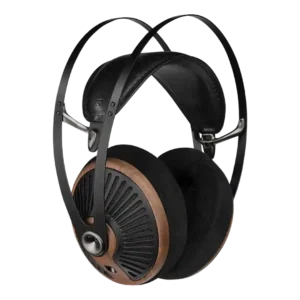
Choose the 105 Silva for beautiful, repairable construction, superb comfort, easy driveability, and an engaging spacious sound. Skip it if you need isolation, balanced connectivity, heavy sub-bass, or consistently smooth...
Pros: Design and Aesthetics, Overall recommendation
Cons: Noise isolation (passive), Connectivity options
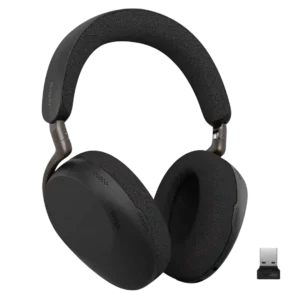
Choose it if your workday revolves around calls and you want exceptional mic isolation, huge battery life, all-day comfort, and a slim travel-friendly design. Skip it if music fidelity, class-leading...
Pros: Battery, Charging
Cons: Value for money, Codec support
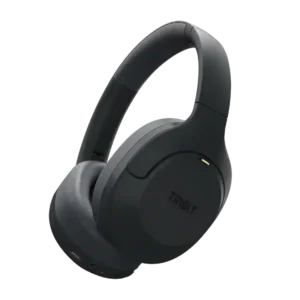
Best for exceptional battery life, useful ANC, flexible EQ, and strong budget value. Skip it if refined, detailed sound or polished controls matter more than price.
Pros: Value for money, Sound quality
Cons: Button control usability, App
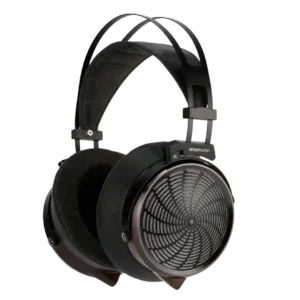
Best for spacious, detailed home listening, excellent comfort, and premium construction. Skip it for commuting, private shared-space use, built-in voice chat, or subwoofer-like bass impact.
Pros: Build quality, Comfort during long use