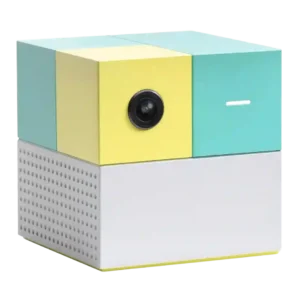
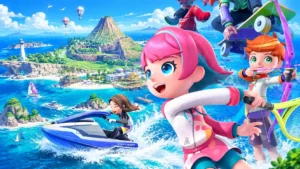
Nex Playground
Where It Has the Edge
No clear scored advantage over the other product.

Scorata scores summarize analyzed review evidence on a 1–5 scale; they are not laboratory measurements or a simple average of customer star ratings. Feature scores summarize the reviews covering that feature. The overall score averages feature scores within each review, then combines review averages. When both expert and customer evidence are available, those two groups receive equal weight. Products can have different review coverage, so small score gaps do not establish a winner.
Recommendations prioritize important features for the category, with a score of at least 3.5, a gap of at least 0.25 points and at least two supporting reviews per product. Features with widely varying scores or broad connectivity contexts are excluded from recommendations. These safeguards do not establish statistical significance.
Quick verdict
There is not enough consistent, comparable evidence for a clear recommendation. Use the feature details and supporting reviews to weigh the tradeoffs.
There is not enough comparable review evidence to recommend Nex Playground over the other product.
There is not enough comparable review evidence to recommend Nintendo Switch Sports Resort over the other product.
No clear scored advantage over the other product.
No clear scored advantage over the other product.
Scores are out of 5. Missing scores mean missing review evidence, not a missing feature.
Motion tracking is usually responsive and impressively accurate, including with multiple players, and several reviewers report little or no lag. The main caveats are occasional lost tracking, spectator confusion, lighting sensitivity, and a few reports of perceptible lag.
Frame-rate performance is a weak spot in the more technically critical reviews. Some games show noticeable dips or poor optimization, especially during busier scenes.
Visuals are intentionally simple and often described as mobile-, Wii-, or throwback-quality rather than modern-console caliber. Some family-focused reviewers think that simplicity fits the experience, while more traditional gaming outlets criticize the lack of polish.
Technical performance is generally dependable and smooth. The collection may not push the hardware dramatically, but the sports themselves usually run well.
Relaxed jazz and breezy resort music complement sightseeing. In tense rallies, pulling the music back can make the action feel more focused and dramatic.
Controller-free play makes Nex unusually approachable for young children and people who do not use conventional gamepads. Several reviewers also praise upper-body-only options and wheelchair-friendly play, though some very young children still need help with certain games.
Accounts differ on the available accessibility tools: one guide praises reduced-motion accommodation, while a detailed review finds the options limited. Dominant-hand settings and golf assistance help, but broad control alternatives are a concern.
Sport-specific achievements encourage experimentation, practice, and repeat visits across the collection. They offer useful goals, although collecting their rewards can involve unnecessary menu hunting.
The dominant strength is physical play: reviewers repeatedly describe children and adults standing, jumping, sweating, burning energy, and getting light workouts instead of sitting with a controller. One long-term owner notes that constant movement can eventually become tiring enough to reduce interest.
Island Crown’s stronger opponents can create satisfying rivalries and teach useful techniques. Easier Thumb Wrestling AI is more predictable, and control inconsistencies can make some high-level matches feel less fair.
Archery and Table Tennis repeatedly earn praise for fine control, satisfying spin, and deliberate placement. Tennis and sensitive golf putting are less consistent for some players.
Expressive character movement helps the bright presentation feel cheerful. Small reactions around each competition contribute to the game’s welcoming personality.
Bright tropical scenery and expressive avatars appeal to many, but the style is divisive. Critics find Sportsmates and the polished resort less quirky or more sterile than the Wii-era look.
Wuhu Island can feel like an uplifting holiday, with active sports venues and relaxed sightseeing. Other accounts find the same polished setting bland or corporate rather than charming.
Prop Plane’s balloon battles can be a lively multiplayer diversion, especially when stealing opponents’ trailing collections. Others find this competitive substitute thin compared with the stronger exploration and racing modes.
One review reports minor texture-loading issues in tabletop Prop Plane. These are described as small blemishes rather than a major disruption.
Golf’s tracking camera and terrain information can improve shot planning. Volleyball’s perspective is less helpful for judging the action and timing a return.
Limited hairstyles for Black men are a notable weakness in the character creator. The lack of even a straightforward buzzcut makes its representation feel dated.
Island Champions can feel distinctive through their advice and playful quips. One less enthusiastic account finds the campaign rivals forgettable.
Coordinating passes and positioning makes Basketball more satisfying once teammates understand it. Clear communication helps overcome the temptation to play alone within a team sport.
Side-by-side island exploration is enjoyable even when players follow separate routes. Shared photo hunting and teaming up for sports provide a pleasant alternative to direct competition.
Volleyball’s CPU partner is praised for contributing appropriately when playing alone or with an odd number of people. It helps those setups feel less disadvantaged.
Packaging is repeatedly praised for being organized, attractive, and premium-feeling. The presentation reinforces the console’s simple family-product positioning.
Photo spots, secret targets, flowers, and hidden missions reward curiosity around Wuhu Island. Many enjoy the hunt, although a few find the photographs less exciting than more substantial unlocks would be.
Thumb Wrestling’s charging and feinting create surprising tactical depth for many players. Boxing is more divisive: stamina adds strategy, but some find punches unreliable or the action too close to flailing.
The Volleyball teammate is helpful rather than obstructive. Its contribution makes solo or uneven-player matches feel workable.
Shared-target Archery is praised for its risk-reward choices and catch-up mechanics. Basketball’s easy steals are a contrasting complaint because they can dominate matches and frustrate both sides.
Expanded modes, a fuller solo campaign, and leisure activities make this feel more complete than the earlier Switch game. Missing favorites such as swordplay, badminton, football, and disc golf still leave some disappointed.
The broad lineup combines familiar sports with vehicle exploration and unusual additions. Many appreciate the range, while others want more genuinely new activities or fewer overlapping court games.
The remote works well for basic menu and game selection, and one reviewer likes how it lets parents choose content before handing play over. Another wishes the system could use gestures for more navigation instead of requiring the remote.
The small remote is generally simple and responsive enough for children to use, but its slim shape also makes it easy to misplace. Overall it is a functional navigation tool rather than a major part of gameplay.
Familiar physical sports remain enjoyable, especially when friendly competition turns simple rounds into personal rivalries. Exploration and unlocks broaden the loop, though some find its repeated routines insufficiently fresh.
Local shared play is repeatedly described as the high point, turning rallies, races, and even simple thumb matches into lively events. Extra controller requirements and a few guest or portable-play restrictions add friction.
Support for original Switch Joy-Con makes assembling a local group easier. Skateboarding needs Joy-Con 2 mouse input, and certain activities can still require extra controllers.
The champions’ quips and tips give the ladder a welcome dose of personality. Their brief exchanges help frame successive matches as encounters with distinct rivals.
Island Crown generally rises from easy introductions to demanding, rewarding contests. Some players find late opponents less energizing, while sensitive inputs can make Golf or other difficult matches frustrating.
Power Cruising’s handlebar steering and twisting throttle are satisfying for many. Others find turning clunky, the pace underwhelming, or the required posture too tiring for a leisure activity.
Earning cosmetic currency through offline and local play is a major improvement. Random pulls, rotating stock, and the inability to buy a chosen item remain frequent frustrations despite generally accessible rewards.
Shared motion play evokes a welcome sense of Wii-era nostalgia. Familiar physical gestures can briefly make an old idea feel new again.
Higher-ranked rivals and post-champion legends provide worthwhile challenges beyond the initial climb. These matches give skilled players something tougher to work toward.
Active sports venues, hidden caves, landmark descriptions, and water reflections help Wuhu feel more substantial. Repeated backdrops and occasional complaints of blandness keep that praise from being universal.
Land, sea, and air traversal turn the island into a rewarding place to discover for many players. Others find the sightseeing shallow, repetitive, or less exciting than its collectible count suggests.
The strongest moments revive the joy of making real gestures produce sporting action on screen. Some fans still miss the original hardware feel, oddball Miis, and absent favorite events.
The game is a natural choice for shared family entertainment, with activities that different generations can understand. Parties and holidays bring out its strongest social qualities.
Tilting a controller like a paper plane makes island flight intuitive and often delightful. The recommended grip and balloon-button reach can be awkward, and the competitive mode is less consistently admired.
The game is generally described as running smoothly with consistent frame rates. Sharp docked presentation is a particular highlight in the more enthusiastic accounts.
Friendly competition, silly gestures, and satisfying precision sports generate substantial enjoyment. The appeal is strongest with company, while individual favorites vary considerably.
The fuller solo ladder, island logs, and hidden objectives provide a satisfying amount of activity. Completion-minded players in particular can spend many hours uncovering the island’s secrets.
The library is the most divided part of the experience. Families praise the variety, licensed characters, fitness options, monthly additions, and easy party games, while critics and some long-term owners find many titles shallow, repetitive, uneven, or unable to hold interest over time.
The best sports balance immediate physical interaction with room for technique. Basketball’s rigid phases, repetitive Volleyball routines, and uneven skating or boxing implementations are common exceptions.
Crisper scenery, clean character edges, and attractive water give the resort a polished look. It is not universally seen as a major hardware showcase, and visual personality matters more than resolution to some.
Timed cosmetic sets and random pulls can pressure players to return on the game’s schedule. Generous points soften the burden for some, but others dislike waiting or chasing unwanted items before getting a favorite.
Portable party play receives conflicting assessments: simple Thumb Wrestling can work away from a dock, while tabletop local-multiplayer restrictions disappoint others. Controller and setup requirements matter when planning to play on the go.
Vibration helps simulate bowstring tension, boxing impacts, and skateboard wheels on pavement. These details strengthen the sense that the controllers are connected to the activity.
Repeated golf instructions and safety reminders can become intrusive. Useful information loses some value when it keeps interrupting familiar routines.
Thumb Wrestling’s outsized digits and unexpected tactics provide the most consistent laughs. Quirky outfits and small visual touches add personality elsewhere, though not everyone finds the resort funny.
Archery’s pull-and-release motion and convincing feedback make it especially involving. Boxing’s wrist flicks feel less authentic to some, while shared movement can evoke a pleasing near-VR sensation.
The leisure sports and mouse-based skateboarding provide the freshest ideas. Familiar returning events are polished more than reinvented, leaving some wanting bolder changes.
Many gestures are immediately understandable while still leaving room to improve. Skateboarding, multi-step court games, and certain boxing techniques need more adjustment, particularly for children.
Several reviewers appreciate the lack of lengthy installs and quick access to play, but others report initial downloads or occasional game loading taking longer than expected. Load-time impressions are positive overall, with scattered friction.
Ranked play is praised for matching players with similarly skilled opponents. That gives continued practice a useful competitive destination.
Cosmetics can be earned through gameplay without spending real money. That absence of cash purchases is specifically welcomed.
Archery, Table Tennis, bowling, and several leisure activities are frequent favorites. Basketball, Boxing, skating, and Thumb Wrestling divide opinion, making the lineup’s quality depend heavily on personal taste.
Photo spots, balloon hunts, flowers, and other hidden tasks give sightseeing several kinds of goals. This variety helps turn the island tours into more than a single collectible sweep.
Keeping cosmetics free of real-money purchases is welcome, and some find points plentiful. Random item pulls and rotating collections still feel needlessly manipulative or restrictive to others.
Physical traversal is a major attraction when gestures click, particularly skating, flying, and revving a jet ski. Mouse pushing and sustained arm positions are divisive, ranging from delightful to awkward or tiring.
Group play is frequently described as the system’s sweet spot, creating laughter, family connection, collaboration, and energetic competition. Tracking mix-ups and room constraints can intrude, but the social experience is overwhelmingly praised.
Familiar gestures and forgiving modes let most players get started quickly. Basketball and Volleyball require more explanation, and long tutorials can interrupt a new group’s momentum.
Most tested sessions feel smooth and responsive, even during precision sports. Some complaints concern bowling waits and lobby transitions rather than in-match lag.
Much of the collection feels carried over from previous Nintendo sports games. New activities and broader progression help, but some players still see too little fresh identity.
The collection is broadly viewed as a substantial, enjoyable evolution of Nintendo’s motion sports. Enthusiasm is tempered by familiar gameplay, uneven events, and differing views on the resort’s personality.
Rigid court-sport phases, Thumb Wrestling resets, and post-match rewards can slow the action. Rank skipping helps reduce easy-match repetition in Island Crown.
Nex works best with a clear area in front of the TV. Furniture, tight rooms, and spectators in the camera view can force rearranging the room and may interfere with tracking, especially during multiplayer.
Sharp visuals, responsive presentation, and fuller launch content give the game a more finished feel than its predecessor. High polish does not completely resolve complaints about character or novelty.
Island Crown, achievements, and rewards from all forms of play give the collection stronger structure. The ladder is especially welcome offline, while timed random cosmetics can complicate the sense of progress.
The returning island is praised as a faithful, attractive recreation. Accounts expecting a comprehensive revival are less satisfied because so many original activities and character details are missing.
Free roaming offers a welcome alternative to competition, but its limits can disappoint. Timer-free modes often remove objectives, and only selected rails allow skateboard grinding.
Several parents report that replacing passive screen use with Nex reduced fights, overstimulation, or shutdown meltdowns and made screen time feel more constructive. One owner had the opposite experience and says turn-off meltdowns and anger persisted despite the added movement.
Themed and seasonal gear gives players something fun to chase. Its value comes from the cosmetic novelty rather than a change to the sports themselves.
One critical account finds the campaign rivals too forgettable to name after playing. Their presence does little to counter that source’s impression of a lifeless resort.
Huddles and expressive reactions help groups stay connected across different sports. Missing spectating and potentially spammed reactions are recurring social limitations.
Island Crown and exploration make solo play far more substantial than before. Enthusiasm ranges from absorbing rivalries and hours of discovery to a limited distraction that still needs human opponents to shine.
Shared local exploration and leisure competition work especially well in split screen. Seeing another player take a different route makes touring the island more engaging.
The 64GB storage is considered adequate because the games are relatively small. Direct evaluation of storage is limited, but the available assessment is positive.
Practice variants and natural gestures often teach the sports effectively. Repeated pop-ups, lengthy Basketball or Volleyball introductions, and insufficient golf feedback receive less favorable reactions.
Plane, skateboard, and jet ski offer distinct ways to experience the same island. Many enjoy all three, but less successful controls or physical discomfort can make one clearly less appealing.
Water reflections and wave rendering stand out as attractive details. They are especially noticeable while touring or racing across the surrounding sea.
The island’s apparent freedom has boundaries: NPCs can vanish on approach, and only selected rails support grinding. Those restrictions disappoint players expecting a more interactive resort.
The sports are widely praised for bringing different generations together. Simpler modes let younger children and older relatives participate, while harder activities leave room to grow.
Outfits, sports equipment, nameplates, and themed cosmetics provide plenty to unlock. Restricted Mii accessories, limited face or hair choices, and guest-account limitations frustrate players who want freer expression.
Archery, Table Tennis, bowling, and many leisure controls often feel precise and natural. Boxing punches, tennis direction, and some basketball or volleyball gestures produce more uneven results.
Fast local menus make switching sports easy, but online lobby returns and buried achievement rewards disrupt the flow. Guest profiles and cosmetic restrictions can also complicate an otherwise immediate party game.
Parents strongly value the closed, kid-focused environment, including the lack of strangers, mature content, ads, and in-app purchases, plus the camera cover and privacy design. One owner criticizes the lack of separate child accounts and age-based restrictions.
Most reviewers find the interface clean, colorful, and simple enough for children to navigate independently. A smaller group reports clunky menus, shifting categories, unclear start flows, or insufficient prompts that can confuse younger players.
The landmark descriptions use a robotic voice that one account finds creepy. It is singled out as a weak point in the audio presentation.
Island Champions add personality and a clear destination to the solo ladder. Their tips and quips help make the climb feel like a contest against distinct rivals.
The small cube is generally described as well made, with robust accessories and a surprisingly premium feel. Build complaints are rare in the supplied reviews.
Unusual controller grips are inventive but can become tiring. The paper-plane hold, prolonged jet-ski posture, and repetitive skateboard pushing are the most common comfort complaints.
Reviewers consistently like the tiny cube’s friendly appearance, calling it cute, beautiful, understated, and even Apple-like. Its soft colors and compact footprint make it easier to leave visible under a TV than many game consoles.
Secret targets, obstacle bowling lanes, varied tennis surfaces, and leisure race routes refresh familiar activities. Some still want more imaginative golf courses, venues, or variants.
Wuhu’s hidden collectibles reward careful searching, but the lack of an in-play map can make complete discovery difficult. Learning the island’s layout becomes part of the challenge.
Hidden island objectives give roaming a purpose beyond simply looking around. Discovering what a mission requires can be rewarding in its own right.
A broad mix of matches, races, shared exploration, and online huddles supports different group sizes. Leisure-mode availability, missing CPU racers, and guest rewards draw criticism.
A connected Wuhu Island gives the sports a sense of place and supports enjoyable wandering. Critics disagree on whether its secrets and scenery are enough to offset a sometimes sterile or underused world.
The console’s tiny, light cube shape is repeatedly praised. Reviewers like that it takes little TV-stand space and can be packed for hotels, relatives’ homes, school use, or family gatherings.
Changing rally sounds, convincing physical feedback, and cheerful presentation help create tension and atmosphere. Robotic landmark narration is a notable exception to otherwise positive audio impressions.
Clean, crisp menus contribute to the polished presentation. Others find the styling dull or the repeated on-screen guidance intrusive.
Photo descriptions, linked sports venues, and discoverable landmarks give Wuhu a history and identity. Seeing how the activities fit into one place makes the island feel more coherent.
Setup is one of the strongest consensus positives: most reviewers describe a straightforward HDMI, power, Wi-Fi, and account process that takes only a few minutes. A few mention password entry, terms, or downloads adding minor friction, but the overall experience is notably simple.
Local multiplayer is one of Nex Playground’s clearest strengths. Reviewers repeatedly praise two-to-four-player sessions, the lack of extra controllers, and the way simultaneous body tracking makes family and party play easy to start.
The Joy-Con 2’s motion tracking and mouse functionality enable inventive physical interactions. Skateboarding is the clearest showcase, though its unconventional input does not work equally well for everyone.
Island Crown, secrets, achievements, and human competition give many players good reasons to return. Others find the basic sports shallow or the exploration and cosmetics insufficient for long-term investment.
Play Pass divides reviewers sharply. Supporters consider the annual price reasonable for a growing all-access library, while critics dislike another recurring bill, the expensive shorter plan, the inability to buy most games individually, and the risk that interest fades before a renewal pays off.
Value depends heavily on how often the household uses active family play. Many family-focused reviewers call Nex worthwhile or cheaper than mainstream consoles, while skeptical gaming outlets argue that shallow content plus Play Pass makes the total cost hard to justify.
The fuller modes and roughly $50 positioning make the collection worthwhile for many group players. Those buying again for familiar sports, or needing extra controllers, question the value more.
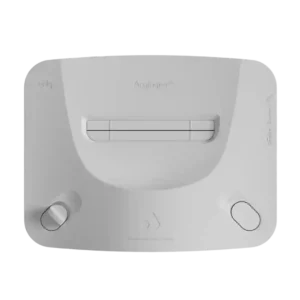
Choose it if you own N64 cartridges and want the most polished, low-lag way to play them on a 4K TV. Skip it if you want cheap emulation, broad flash-cart/controller...
Pros: display quality, performance
Cons: availability
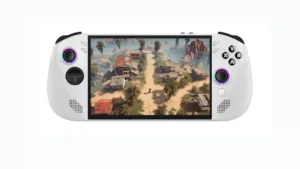
Choose the SteamOS version for a comfortable, console-like handheld with a sharp 120Hz screen and strong performance. Skip it if you prioritize long battery life, quiet fans, or effortless access...
Pros: display quality, user interface
Cons: controller features, battery life
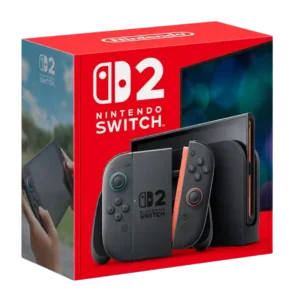
Choose Switch 2 for a sharper, faster, more social Switch with stronger Joy-Cons and broad backward compatibility. Skip it if short battery life, expensive storage, thin launch exclusives, or the...
Pros: value for money, controller features
Cons: power efficiency, user interface
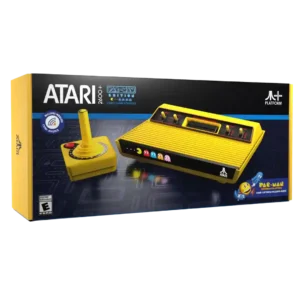
Choose it if you want a display-worthy Pac-Man collectible that plays original Atari cartridges on modern TVs. Skip it if stiff controls, controller reliability, or the $169-ish price matter more...
Pros: performance, collectibility and presentation
Cons: controller quality, controller ergonomics