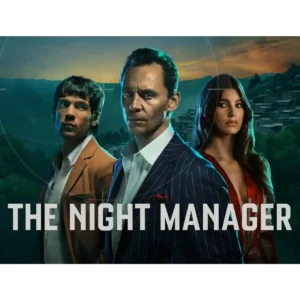
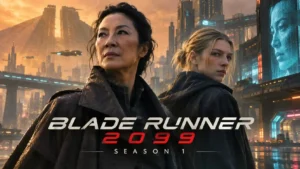
The Night Manager, Season 2
Where It Has the Edge
- suspense is 4.7 vs 4.4. Suspense is one of the clearest strengths. Reviewers repeatedly praise the tense conversations, dangerous missions and late-season set...

Scorata scores summarize analyzed review evidence on a 1–5 scale; they are not laboratory measurements or a simple average of customer star ratings. Feature scores summarize the reviews covering that feature. The overall score averages feature scores within each review, then combines review averages. When both expert and customer evidence are available, those two groups receive equal weight. Products can have different review coverage, so small score gaps do not establish a winner.
Recommendations prioritize important features for the category, with a score of at least 3.5, a gap of at least 0.25 points and at least two supporting reviews per product. Features with widely varying scores or broad connectivity contexts are excluded from recommendations. These safeguards do not establish statistical significance.
Quick verdict
The review evidence points to a tradeoff: suspense versus score quality. Choose according to which strengths matter more to you; the overall score alone does not settle that choice.
Choose The Night Manager, Season 2 for suspense.
Choose Blade Runner 2099 – Season 1 for score quality.
Scores are out of 5. Missing scores mean missing review evidence, not a missing feature.
Pine’s ability to slip rapidly into new identities still feels convincingly in character and remains part of the fun of watching him operate.
Abrupt allegiance shifts and inconsistent rules about replicant behavior can make character decisions feel contrived.
Editing receives direct praise for keeping the intrigue tight and maintaining momentum through shifting identities, locations and parallel operations.
Shaky camera work and choppy cuts make some otherwise well-choreographed fights difficult to follow.
The show largely avoids frivolous comedy, and at least one critic sees that straight-faced seriousness as exactly the right choice for Pine’s world.
The tone is exceptionally solemn, with little comic relief. Some find that consistent with the franchise, while others miss moments of levity.
The music helps heighten tension for some, but critics who mention it directly can find it overly loud or too insistent in telling viewers what to feel.
Leopold Ross’s synths, jazz and expressive saxophone are among the most consistently praised elements. Some find the repeated musical swells or jazzy emphasis distracting.
The finale is the season’s biggest fault line. Its bold villain victory thrills some viewers, but many more resent the lack of closure and feel the season ends as half a story.
The conclusion is generally appreciated for wrapping up the central journey while leaving room for interpretation, although one critic found its last-minute resolutions too convenient.
The six-episode run is praised for compactness, with one critic noting that the limited length helps each chapter feel important.
The eight-episode length gives the visuals room to breathe, but many find the central investigation better suited to a shorter format.
Twists are a major source of excitement, especially once the second half accelerates. Some are predictable, but many viewers still enjoy how quickly loyalties and plans reverse.
The mystery offers ambitious revelations for some viewers, but others find its twists predictable or insufficiently established.
This is one of the most disputed areas. Fans enjoy the new complications and bold twists, but critics frequently call the season a rehash of Season 1 or a collection of familiar spy-thriller devices.
The reversed human-replicant hierarchy is either a bold new angle or an unimaginative swap of familiar roles, depending on how convincingly its consequences land.
As craft, the finale can be thrilling, shocking and tightly executed. As a season ending, however, many viewers dislike its lack of resolution and abrupt handoff to Season 3.
The finale can deliver a satisfying, poetic sense of closure, but its resolution strikes some as too neat or unexplained.
The compact episodic structure is praised for making later chapters feel purposeful and tightly connected to the larger operation.
The extended episodic canvas offers room for new settings and mysteries, but not everyone thinks the story takes full advantage of television’s structure.
The initial multi-episode drop helps viewers reacclimate, but long waits between seasons remain a frequent frustration. Weekly releases also generated strong anticipation for some viewers.
The all-at-once rollout disappointed critics who felt this material deserved a longer weekly release.
The premiere reconnects smoothly to the original series, using returning characters and past consequences without making the decade-long gap feel insurmountable.
The distant setting avoids forcing answers to earlier character fates, but the films’ reproductive revelations and changes to society are not always convincingly carried forward.
Pine’s trauma and emotional isolation add welcome depth, and Teddy grows more compelling as his vulnerability emerges. Roxana’s arc is more divisive, with some finding her layered and others underwritten or contradictory.
Olwen’s mortality and Cora’s struggle to survive give the leads intriguing material, but thin backstories and underdeveloped supporting characters frequently blunt the drama.
Georgi Banks-Davies earns strong praise for brisk suspense, controlled dialogue scenes and cinematic scale, though a few viewers miss Susanne Bier’s sharper visual sparkle.
The directors establish a striking sun-baked noir palette, but uneven staging and some stiff performances or unclear fight coverage prevent the direction from matching the films.
Individual episodes often move well once the mission is underway, but several reviewers find the earliest chapters plodding or overloaded with setup.
Several early and middle episodes meander or introduce unnecessary side stories before the investigation gains focus.
The violence raises the stakes, but some viewers find it graphic or gratuitous, especially when the season’s darker turn piles up deaths.
Frequent graphic fights and bleak violence are criticized for overwhelming the drama rather than adding meaningful depth.
The season reaches beyond espionage mechanics into identity, loyalty, imperial power, exploitation and the cost of doing good. Some critics find those ideas rich; others think the political themes lack subtlety.
Identity, memory, mortality and empathy provide rich philosophical material. Critics differ over whether the series meaningfully develops those ideas or merely repeats the films.
Chemistry is a major talking point. Pine and Teddy are widely praised for a charged, complicated dynamic, while Pine and Roxana draw much more divided reactions.
The guarded, gradually evolving partnership is a major attraction, with the leads often praised for their chemistry and mutual suspicion.
Teddy is magnetic and vulnerable for many reviewers, while others see him as a generic Roper substitute. Roper’s return restores menace for some but becomes cartoonish for others.
Some antagonists bring effective menace or psychotic energy, while others are too familiar, flat or slow to emerge.
Many viewers found the season hard to stop watching, with cliffhangers and escalating intrigue pulling them quickly from one episode to the next.
The propulsive mystery and visual world can keep viewers watching across the full run.
The cinematography remains polished and attractive, with Colombia, luxury interiors and international locations giving the season a premium look.
Carefully composed shadows and scorching sunlight give the future a distinctive look, although shaky camera work in fights can reduce clarity.
The action is often tense, stylish and energetic, especially later in the season. A smaller group feels the more Bond-like action pushes the show away from its grounded roots.
The fights benefit from Yeoh’s physical skills and Schafer’s desperate energy, but some are poorly lit, choppily edited or feel out of place in the slow-burn mystery.
At its best, restrained conversations create more tension than gunfire. At its weakest, critics call out corny lines, ominous half-sentences and clumsy foreshadowing.
The philosophical dialogue can carry the franchise’s grand noir tradition, yet it sometimes becomes too blunt, cryptic, or utilitarian.
Some critics feel the season underuses strong supporting performers, particularly Olivia Colman and Indira Varma, while keeping Jonathan Pine overwhelmingly central.
The two leads dominate the drama, leaving much of the supporting ensemble with comparatively little depth or narrative weight.
The new story earns strong praise for intrigue and emotional stakes, but it also draws criticism for repetition, generic spy mechanics and an incomplete arc.
The investigation and role reversal can be gripping, particularly when the two leads are together. Others find the MacGuffin hunt stretched thin, predictable, or hollow.
The season rewards attention and often trusts viewers to connect the dots, which many appreciate. Others find the aliases, conspiracies and abrupt pivots needlessly confusing.
The mystery asks viewers to follow convoluted plotting and opaque motivations, especially early on. Several critics found the later episodes more rewarding once the pieces came together.
As a spy thriller, the season is usually praised as polished, tense and above average. Detractors argue that familiar Bond-style tropes make it more conventional than the original.
The ambitious philosophical mystery is enthusiastically received as a strong example of contemporary science fiction.
Season 2 is deeply tied to the original, often to good effect. Some reviewers love how the past returns and gains new meaning, while others think the sequel leans too heavily on recreating Season 1.
Faithful noir aesthetics and familiar philosophical questions make this recognizable as part of the saga, but critics disagree on whether it evolves beyond homage.
Suspense is one of the clearest strengths. Reviewers repeatedly praise the tense conversations, dangerous missions and late-season set pieces for keeping the show gripping.
The tension of Cora’s undercover identity and her uneasy partnership creates compelling suspense, though repeated tests and encounters can diminish its impact.
The first half is the most common pacing complaint. Many reviewers say the season takes too long to heat up, but also agree that the back half becomes faster, tighter and more gripping.
The deliberate tempo feels faithful and absorbing to some, but many find the middle stretch padded and the mystery slow to develop.
The season can hit hard, especially in its final stretch. Deaths, betrayals and the villains’ victory create powerful reactions, though that impact is often anger or frustration rather than satisfaction.
The relationship between the two women and Olwen’s approaching death can be poignant, but several critics feel the philosophical and visual ambitions overshadow genuine human connection.
Opinion is sharply split on moving beyond le Carré’s novel. Some see a convincing continuation of his themes and moral ambiguity, while others think the Bond-like action and plotting lose his subtlety and realism.
The series draws on philosophical elements of the original novel, including material left out of the films; some critics feel those nods remain superficial.
The screenplay earns praise for tight intrigue and smart construction from fans, while detractors criticize contrivances and a less disciplined feel than Season 1.
The scripts sometimes find inventive new angles on identity and mortality; detractors find the plotting labored, exposition heavy and characters underwritten.
The return is praised as rare cross-generational Sunday-night viewing, with enough polish and intrigue to appeal beyond hard-core spy-thriller fans.
The series has considerable appeal for established fans, but its familiar sensibilities and slow pace may not bring many new viewers aboard.
Pine’s charm and cool still work strongly for some viewers, but other critics find this older, more withdrawn version less enjoyable or memorable.
Cora’s constant anxiety can make her difficult to connect with when the story gives her little room to reveal other sides of her personality.
Tailored suits, crisp shirts and luxury styling are part of the show’s seductive appeal and help preserve its distinctive high-end spy-thriller identity.
The distinctive oversized jackets and inventive costumes attract attention, though Cora’s bulky silhouette is divisive.
Luxury interiors, international locations and high production values keep the series looking expensive and distinctive even when the story divides opinion.
Tactile interiors, brutalist buildings and lived-in cityscapes make the setting unusually immersive, even for critics who are disappointed with the story.
Glamorous locations, moody lighting and luxury surfaces remain signature strengths. Even negative reviews often concede that Season 2 looks polished and expensive.
Neon, ruined architecture, orange sunlight and textured retro technology earn widespread praise. A minority find the look derivative, muddy or less impressive than the films.
The expanded network of countries, intelligence factions and power players makes the world feel bigger, though that added scale also makes the story heavier and more complex.
The retrofuturistic world looks expansive and richly detailed. Some critics nonetheless wanted more insight into everyday society, politics and the consequences of the uprising.
The supporting ensemble is frequently excellent, with Hayley Squires, Olivia Colman, Paul Chahidi and others adding warmth, menace and texture even when their screen time is limited.
The supporting ensemble includes memorable flashes of menace and eccentricity, especially Matthew Needham, though many secondary roles are too thinly drawn to leave much impression.
Performances are one of the season’s strongest points. Hiddleston, Laurie, Calva, Colman, Squires and the broader ensemble repeatedly earn praise even from reviewers who dislike the plotting.
The leads frequently bring intensity and vulnerability to otherwise stoic roles. Some critics find the performances too wooden or repetitive, particularly when the writing gives them little to express.
Tom Hiddleston remains the central draw for most reviewers, with his quieter, more haunted Pine praised as controlled and magnetic. A minority finds the character too dour or wooden.
Yeoh’s restraint and Schafer’s urgency anchor the season for many critics, though others find their stoicism exaggerated or their emotional range limited.
Most reviewers find the season highly watchable despite its flaws. Strong performances, luxury locations and mounting intrigue carry even stretches that feel repetitive or slow.
Several critics were absorbed by the detective story and its setting, while others found the long, somber journey tedious.
The lack of consequences for the villains frustrated viewers who wanted the season’s elaborate setup to deliver a clearer sense of justice.
The expanded format feels justified to those impressed by the world and new themes, while skeptics would have preferred another film or no sequel at all.
The oppressive sunshine noir, smoky interiors, retro technology and jazz create a distinctive immersive mood; its relentless gloom is not for everyone.
A brief appearance by Freddie Fox is a welcome addition to the prologue.
Many effects look convincingly integrated with physical sets, but occasional digital backgrounds and lower-budget shots stand out.
Some supporting figures are introduced too briefly or too late for their storylines to build much impact.
The reversed hierarchy and the loneliness created by capitalism bring class and inequality into the story’s central concerns.
Cliffhangers reliably create anticipation episode to episode, but the season-ending cliffhanger is much more polarizing because so many major threads remain unresolved.
Regular action beats and twists keep the series moving for some viewers, at the cost of the more meditative quality of the films.
The Colombian setting is visually striking, but some critics object to drug-trade stereotypes or inaccuracies in how the country is portrayed.
The season delivers strong dramatic tension and emotional stakes, with several reviewers calling the relationships and betrayals genuinely gripping.
The expanded geography and environmental damage give the future’s ecological concerns a concrete sense of scale.
The prologue helps orient newcomers, though familiar character backstories can feel less necessary when the actors already convey their emotions.
The two female leads bring a fresh perspective to the traditionally male-centered detective story.
The show is praised for being a self-contained expansion instead of an endless exercise in franchise management.
The investigation blends science fiction, noir thriller and political resistance imagery.
Making replicants the ruling class gives the familiar premise an intriguing new perspective for many critics. Others find the swap unimaginative because society seems largely unchanged.
The premise of passing as another identity briefly opens a thought-provoking connection to transgender experience, but the show does not develop it far.
Grate-filtered light, neon shadows and dramatic sunlight help create an immersive noir atmosphere.
The depiction of loneliness and its corrosive effect on empathy provides a poignant dimension to the dystopian society.
The time jump expands the established mythology and introduces new settings and ideas, though some find the additional details superficial.
Striking doomsday imagery and philosophical questions can linger long after the season ends.
The series explores the relationship between memories, trauma and personhood, with some critics finding the approach sophisticated and others wishing it went further.
The Colombia and regime-change storyline feels strikingly current to several critics, who praise the way the espionage plot echoes modern geopolitical anxieties.
Olwen’s approaching expiration gives the series a moving way to examine mortality and the desire for more time.
Ambiguity is part of the series’ noir appeal, with an elliptical mood and questions that can encourage interpretation.
Repeated test sequences and flights through the city can become time-filling devices instead of advancing the story.
The existential stakes and character motivations can be difficult to parse, weakening investment in the central mystery.
A relatively simple mystery becomes needlessly laborious when the storytelling structure delays clarity.
Michelle Yeoh retains impressive physical authority in an action role centered on aging and mortality.
The prologue recreates the earlier film’s aesthetic with striking accuracy while providing useful franchise context.
The Season 2 premiere is praised as a confident return that reestablishes Pine’s world, trauma and new mission while quickly restoring danger.
Cora’s scrappy determination to survive makes her an engaging action heroine.
Realism is mixed. Some critics praise the grounded atmosphere and authentic-feeling tension, while others point to disguise logic, financial details and implausibly easy infiltration as credibility problems.
Many viewers are eager for Season 3, especially after the cliffhanger. Others say the unresolved ending actively convinced them not to continue.
New environments beyond Los Angeles make the universe feel expansive rather than confined to familiar streets.
The unflinching seriousness suits viewers seeking solemn science fiction, but the unrelieved bleakness can be exhausting.
The change from rainy streets to hypnotic sunlight gives this incarnation a distinct sense of place.
The season’s erotic charge is praised by some as a welcome part of the spy drama, while others feel the promised sexual tension never becomes convincing enough.
Effects can make the large-scale dystopian settings genuinely impressive, though the quality is not uniform across every sequence.
The transition to television is praised for retaining the original cinematic story’s humanity while opening up new territory.
One critic found the picture muddy but acknowledged that screener compression might have contributed.
The symbolism can be cryptic enough to obstruct emotional engagement.
The relationship between engineered life and humanity remains the season’s core, with some finding its new questions profound and others finding them underdeveloped.
The sequel keeps much of the original’s elegance and brooding polish, though some viewers think it has shifted toward a less sophisticated, more action-heavy tone.
Questions about replaceability, human identity and technology are particularly timely in the age of AI.
Yeoh’s clipped delivery and careful vocal modulation convey an alien reserve with flashes of vulnerability.
Darkly lit fights and dim visuals can make parts of the action unnecessarily difficult to follow.
Lavish sets and a large-scale production make the future convincingly tangible, although budget differences from the films sometimes show.
The dense franchise connections reward a second look for clues and details that may have gone unnoticed.
The iconic flying cars retain their futuristic appeal.

Best for sharp adult humor, magnetic chemistry and a deeply satisfying farewell. Skip it if familiar will-they-won’t-they plotting or deliberately messy leads are dealbreakers.
Pros: humor, writing quality

Choose Widow’s Bay for its dark laughs, richly haunted island and memorable ensemble. Skip it if you need straightforward scares, rapid answers to every mystery or a completely resolved finale.
Pros: humor, genre satisfaction
Cons: ending satisfaction, season pacing

Choose Season 15 for warm, character-driven comedy, meaningful growth, and a finale that rewards longtime fans. Skip it if the short binge format, uneven replacement voices, or occasional clumsy commentary...
Pros: franchise connection, character development

Best for sharply acted, compassionate, high-pressure hospital drama. Skip it if graphic procedures unsettle you or you need a neatly resolved season finale.
Pros: character development, acting performance
Cons: character consistency, dialogue quality