
The Rip
Where It Has the Edge
- runtime is 4.0 vs 2.8. The film usually moves well enough that its near-two-hour length is not a major problem. The most common...

Scorata scores summarize analyzed review evidence on a 1–5 scale; they are not laboratory measurements or a simple average of customer star ratings. Feature scores summarize the reviews covering that feature. The overall score averages feature scores within each review, then combines review averages. When both expert and customer evidence are available, those two groups receive equal weight. Products can have different review coverage, so small score gaps do not establish a winner.
Recommendations prioritize important features for the category, with a score of at least 3.5, a gap of at least 0.25 points and at least two supporting reviews per product. Features with widely varying scores or broad connectivity contexts are excluded from recommendations. These safeguards do not establish statistical significance.
Quick verdict
The review evidence points to a tradeoff: runtime versus score quality. Choose according to which strengths matter more to you; the overall score alone does not settle that choice.
Choose The Rip for runtime.
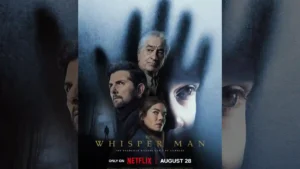
Choose The Whisper Man for score quality.
Scores are out of 5. Missing scores mean missing review evidence, not a missing feature.
Its firmly adult crime-thriller sensibility is part of the appeal for viewers who want a grown-up, hard-edged genre movie.
The child murders, disturbing imagery, profanity, and bleak subject matter make this a poor fit for younger or sensitive viewers.
The movie plays best as a Friday-night, macho crime-thriller watch rather than a broad crowd-pleaser. Viewers already drawn to Damon, Affleck, and old-school cop movies are the clearest fit.
The movie drew substantial streaming attention, but audience reaction was mixed and leaned weak, with generic plotting cited as a common drawback.
Some of the early critical enthusiasm is seen as justified, especially around the darker style and stronger-than-usual Netflix craft. That praise does not erase complaints about generic plotting and thin characters.
Critical reaction trends mixed to negative. Even favorable takes usually frame it as a solid or serviceable thriller rather than a standout.
The strongest dramatic scenes are the face-offs between Damon and Affleck, where their friendship and mutual distrust give the macho posturing real emotional intensity.
One of the harshest critiques is that the movie lacks real dramatic weight or emotional texture despite its grim subject matter.
The film’s moral framing of cops and corruption splits opinion. Some appreciate its search for imperfect heroes, while others see the good-cop message as simplistic, too pointed, or close to copaganda.
One family-oriented review strongly praises the moral emphasis on redemption, protecting children, repairing damaged family ties, and choosing good over evil.
The action is divisive: some praise the clear gunfights, chases, and physical impact, while others find it too sparse, generic, or overbearing late in the film. The suspense often lands better than the spectacle.
The climactic chase and fighting drew a sharp complaint for feeling ridiculous rather than exciting or convincing.
The twists are the most polarizing part of the plot: some land as clever surprises, while others are spotted early or feel mandated by the genre. The structure works better than its actual novelty.
The central reveal is widely considered easy to predict, with red herrings doing little to disguise where the mystery is headed.
The cop lingo, worn-down behavior, and grounded production often create convincing authenticity. That realism is weakened by implausible decisions, continuity errors, and plot mechanics that some reviewers could not buy.
Character decisions and investigative logic are frequent sticking points, with reviewers repeatedly calling out implausible behavior, coincidences, and procedural lapses.
Once suspicion takes hold, the film can move with excellent momentum and make its length feel light. The main complaints are a slow first act, a long setup, and finales that sometimes run past the natural stopping point.
Pacing is inconsistent: several reviewers find it sluggish and short on urgency, while others appreciate the steady or methodical build. The third act is also criticized in places for rushing material that earlier sections take too long to reach.
The humor is light and mostly carried by banter, attitude, and the Damon-Affleck dynamic. Some viewers think that amount is just right, while others wish the grim tone had more levity.
The movie is not praised for intentional comedy; instead, some melodrama and dialogue provoke unintended laughter.
The constant tough-cop profanity can become grating rather than immersive, especially when paired with the film’s sourer stretches.
The profanity level is treated as a drawback for sensitive viewers, with family-focused coverage warning about frequent strong language.
Suspense is the movie’s most dependable craft strength. The money, ticking clock, uncertain loyalties, and Damon-Affleck distrust create sustained pressure even when the eventual action or reveals disappoint.
Suspense is sharply mixed. Some reviewers describe sustained anxiety and edge-of-seat tension, while others say the film is too slow, predictable, or low-energy to become genuinely thrilling.
As an old-school cop and crime thriller, the movie generally delivers what genre fans want: stars, paranoia, moral murk, and escalating danger. Even lukewarm reviews often concede that it functions as a solid throwback.
Crime-thriller fans are split. Some find it a solid throwback with enough atmosphere and star power, while others see a formulaic, underpowered imitation of better serial-killer movies.
The best version of the story is a compact pressure cooker about trust, greed, and corruption. The weaker version becomes generic or muddled once its thin characterization and pileup of twists start showing.
The premise has a workable serial-killer hook, but story logic and familiar plotting drag it down for many reviewers. Positive takes still find the kidnapping investigation engaging enough to carry a streaming watch.
The screenplay earns praise for its contained premise, suspicion engine, and satisfying reveal structure. Its weaker side is exposition, thin secondary characterization, and logic that becomes patchy under the weight of the twists.
The screenplay is a major source of criticism for formula, thin characterization, exposition, and convenient plotting. A smaller group praises its restraint and willingness to let viewers piece together clues.
The film usually moves well enough that its near-two-hour length is not a major problem. The most common runtime complaint is that the wrap-up or finale could lose several minutes.
The roughly two-hour length divides opinion. Some think the material fits the runtime well, while others find it long yet still rushed or too cramped to develop its characters properly.
The ending is sharply divisive. Several critics love the final reveal and resolution, while others think the film keeps going too long, turns generic, or closes on an overly sentimental note.
The ending is one of the most divisive elements. A few reviewers find it strong or satisfyingly brutal, but many call it predictable, rushed, dull, or unable to deliver the promised payoff.
Damon and Affleck’s chemistry is the clearest consensus strength. Their long friendship gives the trust, suspicion, banter, and confrontations a lived-in weight the script could not easily manufacture.
Chemistry varies sharply by pairing: De Niro and Keaton’s confrontations are often praised, while the central father-son relationship works for some reviewers and feels unconvincing or underpowered to others.
The layered double-crosses and hidden motives are often harder to follow than they need to be. Some enjoy that density, but several reviewers call the plotting muddy, convoluted, or logically inconsistent.
The mystery frequently strains credibility through plot holes, contrivances, and forced clues. Some reviewers also find the storytelling convoluted even though the basic story itself is straightforward.
Joe Carnahan is widely praised for controlling suspicion, pressure, and contained action with confident genre instincts. A minority find the filmmaking inert, overly blunt, or chaotic once the final act erupts.
James Ashcroft’s direction splits opinion: some praise the controlled atmosphere, tension, and visual choices, while others call the film flat, lifeless, or unable to turn strong ingredients into suspense.
The contained, grounded pressure-cooker tone works very well at its best. The trouble comes when the movie shifts into shouty action, relentless dourness, or sentimental closure that feels like a different film.
The relentlessly somber, self-serious tone works against the pulpy plot for some reviewers, making the movie feel flatter and less fun than its premise suggests.
The quieter money-counting and interrogation scenes benefit from deliberate cuts that let tension breathe. Action editing is less consistent, with some complaints about choppiness and a chaotic final stretch.
Editing is mostly criticized for feeling choppy, rushed, or even amateurish, although a few individual transitions and structural choices are praised as clever.
The central friendship and weary-cop humanity give the movie real emotional weight for some viewers. Others find late grief beats or sentimental touches unearned, leaving the emotional payoff uneven.
The grief and father-son material can be affecting, but the emotional payoff is inconsistent. Several reviewers say major deaths, reunions, and revelations fail to land with the force the story is aiming for.
The late surge of gunfire and chases can feel excessive when it starts crowding out the intrigue that made the earlier sections work.
Violence involving children, corpses, stabbings, and a brutal finale is repeatedly described as disturbing. The severity makes the film a difficult watch for sensitive viewers even when some horror fans appreciate its edge.
The moody, low-light cinematography often gives the film a gritty theatrical look and turns confined spaces into pressure cookers. The main drawback is that the final act becomes too murky for at least one critic.
The damp, overcast imagery and creative framing earn real praise for mood and unease, though some reviewers find the look drab, generic, or visually lifeless.
Character depth is the most consistent weakness. Damon and Affleck get the most usable material, while several supporting officers are repeatedly described as underdeveloped, thin, or introduced too late.
Character depth is one of the most consistent weaknesses. Reviewers repeatedly describe the roles as thin, archetypal, or underdeveloped, even when the father-son material hints at something richer.
The pulsing, glowering score is a consistent technical strength, amplifying dread and keeping momentum alive through quieter stretches. Even a more skeptical review still finds it propulsive.
Colin Stetson’s tense, unconventional music is a standout technical strength, praised for sustaining dread without overpowering the atmosphere.
The dialogue draws frequent criticism for exposition, tough-guy clichés, and repetitive profanity. A smaller group likes the natural banter and hard-boiled rhythm when the actors can make it feel lived in.
Dialogue is a recurring weakness, with complaints about superficial exchanges, predictable lines, and exposition-heavy writing. A few key confrontations, especially involving the veteran cast, land much better.
The moral ambiguity around greed, loyalty, corruption, and who counts as a good cop gives the thriller more substance than a simple shootout movie. Some critics still wish those ideas were sharper or less simplistic.
Grief, damaged father-son bonds, inherited trauma, and redemption give the movie more substance than its procedural plot alone. Reviewers disagree on whether those ideas are thoughtfully explored or handled too heavily and superficially.
The mystery can reward a second viewing, and some viewers are eager to revisit how the clues fit together. Others expect the movie to fade quickly once the twists are known.
Lasting appeal is low. Several reviewers say the film is quickly forgotten, has little replay value, or is not something they would revisit.
Most reactions land on enjoyable to very entertaining, especially when the movie leans into suspicion and star chemistry. The dissenters see it as disposable, generic streaming fare that is easy to forget.
Reactions range from gripping weekend entertainment to a complete waste of time. The middle ground is a disposable but watchable streaming thriller that rarely becomes memorable.
The stash house itself can feel lived-in and threatening, but the broader Miami setting is underused. Several critics wanted more local texture and a stronger sense that the story truly belonged to that city.
One reviewer strongly criticizes the establishment of the town and its surrounding world, finding the setting poorly developed.
The ordinary cul-de-sac and stash house are transformed into threatening, enclosed spaces, making the modest location feel tense rather than cheap.
Production design gets mixed marks: the house and suburban setting can look polished and premium, but other reviewers find the overall environments drab and forgettable.
The sound can make gunfire and physical hits feel forceful on a good setup, but the mix is inconsistent. One review specifically notes dialogue being swallowed by ambient noise.
Sound design is strongly praised for using small environmental noises and recordings to create a cramped, lonely, threatening atmosphere.
The film’s dark neo-noir lighting and gritty sheen often create a convincing, cinematic mood. The same darkness is also a recurring complaint, with several viewers finding later scenes murky, ugly, or generically Netflix-polished.
The movie has flashes of strong visual personality—dark framing, creepy houses, and unsettling compositions—but several reviewers feel the overall streaming look is too dim, drab, or generic.
The ensemble is one of the movie’s biggest strengths, with the cast repeatedly credited for lifting routine material. Even harsher takes usually blame the script more than the performers.
The cast is widely seen as the movie’s main asset, with several critics saying the performers elevate thin material. That praise is tempered by repeated complaints that parts of the ensemble, especially De Niro in some takes, seem disengaged.
The supporting cast is frequently praised, especially Steven Yeun and Sasha Calle, and several reviews call the ensemble unusually strong. The frustration is that Taylor, Moreno, and others are not always given enough to do.
The supporting cast is a consistent bright spot, with Michael Keaton and Hamish Linklater frequently singled out for injecting menace, eccentricity, or energy into otherwise conventional material.
Damon and Affleck repeatedly elevate the material, with Damon often singled out for the more controlled, layered work. Their performances remain compelling even when the script gives them familiar archetypes.
The lead work is generally strong, especially Adam Scott’s anxious, grieving father, though individual reviews also point to uneven stretches and one weaker child performance.
Book-focused commentary says the adaptation trims or changes character motivations, background, and thematic detail that made the novel richer. Some streamlining suits the movie format, but the loss of depth is a repeated concern.
This is emphatically not family viewing: child murder, disturbing imagery, profanity, and bleak themes dominate the experience.
The practical body effects receive explicit praise for looking convincing and giving the film some welcome grit.
The movie can create a creepy, oppressive mood, especially through its early imagery and villain scenes. Other reviewers barely find it frightening at all, making the scare factor highly dependent on the viewer.
Family-focused reviews flag brief but graphic references to child sexual abuse, making the content especially disturbing even without sexual material being the film’s main focus.
One reviewer specifically calls the movie’s music choices excellent, adding to the uneasy thriller atmosphere.
One enthusiastic reviewer felt the movie offered enough star power and old-school excitement to justify paying for the experience rather than only streaming it.

Choose this inventive, unsettling documentary for fearless questioning, dark humor, and unpredictable storytelling. Skip it if you want a short, straightforward exposé with definitive answers.
Pros: originality, humor

Extraordinary performances and richly observed relationships make this a rewarding, emotionally forceful drama. Its nearly three-hour length and slow opening demand patience and undivided attention.
Pros: class commentary, character development

Best for a hypnotic, bookish mystery with tactile visuals and cerebral chills. Skip it if reading-heavy, attention-demanding storytelling sounds more exhausting than exciting.
Pros: Atmosphere, cinematography
Cons: audience appeal

Best for an intimate, searching documentary that rewards focused attention and invites discussion. Skip it when devastating grief, addiction footage, and unresolved family tensions would be too much.
Pros: emotional impact, theme depth