
The Beauty, Season 1
Where It Has the Edge
- plot originality is 3.6 vs 2.0. The plot originality divides opinion: some moments work, while others feel uneven or overdone.

Scorata scores summarize analyzed review evidence on a 1–5 scale; they are not laboratory measurements or a simple average of customer star ratings. Feature scores summarize the reviews covering that feature. The overall score averages feature scores within each review, then combines review averages. When both expert and customer evidence are available, those two groups receive equal weight. Products can have different review coverage, so small score gaps do not establish a winner.
Recommendations prioritize important features for the category, with a score of at least 3.5, a gap of at least 0.25 points and at least two supporting reviews per product. Features with widely varying scores or broad connectivity contexts are excluded from recommendations. These safeguards do not establish statistical significance.
Quick verdict
The review evidence points to a tradeoff: plot originality versus acting quality and visual style. Choose according to which strengths matter more to you; the overall score alone does not settle that choice.
Choose The Beauty, Season 1 for plot originality.
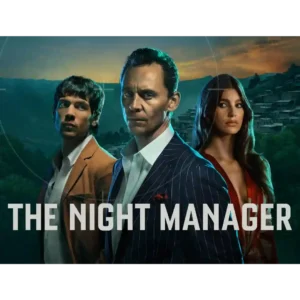
Choose The Night Manager, Season 2 for acting quality and visual style.
Scores are out of 5. Missing scores mean missing review evidence, not a missing feature.
The costume design is a recurring weakness, with critics finding it ineffective or poorly handled.
Tailored suits, crisp shirts and luxury styling are part of the show’s seductive appeal and help preserve its distinctive high-end spy-thriller identity.
The production design is a recurring weakness, with critics finding it ineffective or poorly handled.
Luxury interiors, international locations and high production values keep the series looking expensive and distinctive even when the story divides opinion.
The world-building divides opinion: some moments work, while others feel uneven or overdone.
The expanded network of countries, intelligence factions and power players makes the world feel bigger, though that added scale also makes the story heavier and more complex.
The visual style divides opinion: some moments work, while others feel uneven or overdone.
Glamorous locations, moody lighting and luxury surfaces remain signature strengths. Even negative reviews often concede that Season 2 looks polished and expensive.
The finale satisfaction is a recurring strength, helping the series land its most effective moments.
The finale is the season’s biggest fault line. Its bold villain victory thrills some viewers, but many more resent the lack of closure and feel the season ends as half a story.
The plot twists divides opinion: some moments work, while others feel uneven or overdone.
Twists are a major source of excitement, especially once the second half accelerates. Some are predictable, but many viewers still enjoy how quickly loyalties and plans reverse.
The cliffhanger effectiveness is a recurring weakness, with critics finding it ineffective or poorly handled.
Cliffhangers reliably create anticipation episode to episode, but the season-ending cliffhanger is much more polarizing because so many major threads remain unresolved.
The plot originality divides opinion: some moments work, while others feel uneven or overdone.
This is one of the most disputed areas. Fans enjoy the new complications and bold twists, but critics frequently call the season a rehash of Season 1 or a collection of familiar spy-thriller devices.
The violence level divides opinion: some moments work, while others feel uneven or overdone.
The violence raises the stakes, but some viewers find it graphic or gratuitous, especially when the season’s darker turn piles up deaths.
The dialogue quality is a recurring strength, helping the series land its most effective moments.
At its best, restrained conversations create more tension than gunfire. At its weakest, critics call out corny lines, ominous half-sentences and clumsy foreshadowing.
The episode structure divides opinion: some moments work, while others feel uneven or overdone.
The compact episodic structure is praised for making later chapters feel purposeful and tightly connected to the larger operation.
The genre satisfaction divides opinion: some moments work, while others feel uneven or overdone.
As a spy thriller, the season is usually praised as polished, tense and above average. Detractors argue that familiar Bond-style tropes make it more conventional than the original.
The acting quality divides opinion: some moments work, while others feel uneven or overdone.
Performances are one of the season’s strongest points. Hiddleston, Laurie, Calva, Colman, Squires and the broader ensemble repeatedly earn praise even from reviewers who dislike the plotting.
The action quality divides opinion: some moments work, while others feel uneven or overdone.
The action is often tense, stylish and energetic, especially later in the season. A smaller group feels the more Bond-like action pushes the show away from its grounded roots.
The score quality divides opinion: some moments work, while others feel uneven or overdone.
The music helps heighten tension for some, but critics who mention it directly can find it overly loud or too insistent in telling viewers what to feel.
The theme depth divides opinion: some moments work, while others feel uneven or overdone.
The season reaches beyond espionage mechanics into identity, loyalty, imperial power, exploitation and the cost of doing good. Some critics find those ideas rich; others think the political themes lack subtlety.
The cultural representation is a recurring weakness, with critics finding it ineffective or poorly handled.
The Colombian setting is visually striking, but some critics object to drug-trade stereotypes or inaccuracies in how the country is portrayed.
The pilot episode quality is a recurring strength, helping the series land its most effective moments.
The Season 2 premiere is praised as a confident return that reestablishes Pine’s world, trauma and new mission while quickly restoring danger.
The emotional impact is a recurring strength, helping the series land its most effective moments.
The season can hit hard, especially in its final stretch. Deaths, betrayals and the villains’ victory create powerful reactions, though that impact is often anger or frustration rather than satisfaction.
The faithfulness to source material is a recurring strength, helping the series land its most effective moments.
Opinion is sharply split on moving beyond le Carré’s novel. Some see a convincing continuation of his themes and moral ambiguity, while others think the Bond-like action and plotting lose his subtlety and realism.
The character development divides opinion: some moments work, while others feel uneven or overdone.
Pine’s trauma and emotional isolation add welcome depth, and Teddy grows more compelling as his vulnerability emerges. Roxana’s arc is more divisive, with some finding her layered and others underwritten or contradictory.
The suspense is a recurring strength, helping the series land its most effective moments.
Suspense is one of the clearest strengths. Reviewers repeatedly praise the tense conversations, dangerous missions and late-season set pieces for keeping the show gripping.
The character balance divides opinion: some moments work, while others feel uneven or overdone.
Some critics feel the season underuses strong supporting performers, particularly Olivia Colman and Indira Varma, while keeping Jonathan Pine overwhelmingly central.
The character likability is a recurring strength, helping the series land its most effective moments.
Pine’s charm and cool still work strongly for some viewers, but other critics find this older, more withdrawn version less enjoyable or memorable.
The bingeability is a recurring strength, helping the series land its most effective moments.
Many viewers found the season hard to stop watching, with cliffhangers and escalating intrigue pulling them quickly from one episode to the next.
The episode pacing divides opinion: some moments work, while others feel uneven or overdone.
Individual episodes often move well once the mission is underway, but several reviewers find the earliest chapters plodding or overloaded with setup.
The tone consistency divides opinion: some moments work, while others feel uneven or overdone.
The sequel keeps much of the original’s elegance and brooding polish, though some viewers think it has shifted toward a less sophisticated, more action-heavy tone.
The writing quality divides opinion: some moments work, while others feel uneven or overdone.
Writing is highly divisive. Supporters praise smart plotting, sharp intrigue and le Carré-like moral tension; detractors call it messy, repetitive, contrived or much weaker than Season 1.
The story quality divides opinion: some moments work, while others feel uneven or overdone.
The new story earns strong praise for intrigue and emotional stakes, but it also draws criticism for repetition, generic spy mechanics and an incomplete arc.
The plot clarity divides opinion: some moments work, while others feel uneven or overdone.
The season rewards attention and often trusts viewers to connect the dots, which many appreciate. Others find the aliases, conspiracies and abrupt pivots needlessly confusing.
The sexual content level divides opinion: some moments work, while others feel uneven or overdone.
The season’s erotic charge is praised by some as a welcome part of the spy drama, while others feel the promised sexual tension never becomes convincing enough.
The cast chemistry is a recurring strength, helping the series land its most effective moments.
Chemistry is a major talking point. Pine and Teddy are widely praised for a charged, complicated dynamic, while Pine and Roxana draw much more divided reactions.
The villain quality divides opinion: some moments work, while others feel uneven or overdone.
Teddy is magnetic and vulnerable for many reviewers, while others see him as a generic Roper substitute. Roper’s return restores menace for some but becomes cartoonish for others.
The humor is a recurring strength, helping the series land its most effective moments.
The show largely avoids frivolous comedy, and at least one critic sees that straight-faced seriousness as exactly the right choice for Pine’s world.
The audience appeal divides opinion: some moments work, while others feel uneven or overdone.
The return is praised as rare cross-generational Sunday-night viewing, with enough polish and intrigue to appeal beyond hard-core spy-thriller fans.
The supporting cast performance is a recurring strength, helping the series land its most effective moments.
The supporting ensemble is frequently excellent, with Hayley Squires, Olivia Colman, Paul Chahidi and others adding warmth, menace and texture even when their screen time is limited.
The main cast performance is a recurring strength, helping the series land its most effective moments.
Tom Hiddleston remains the central draw for most reviewers, with his quieter, more haunted Pine praised as controlled and magnetic. A minority finds the character too dour or wooden.
The entertainment value divides opinion: some moments work, while others feel uneven or overdone.
Most reviewers find the season highly watchable despite its flaws. Strong performances, luxury locations and mounting intrigue carry even stretches that feel repetitive or slow.
The lack of consequences for the villains frustrated viewers who wanted the season’s elaborate setup to deliver a clearer sense of justice.
Pine’s ability to slip rapidly into new identities still feels convincingly in character and remains part of the fun of watching him operate.
The cinematography remains polished and attractive, with Colombia, luxury interiors and international locations giving the season a premium look.
The premiere reconnects smoothly to the original series, using returning characters and past consequences without making the decade-long gap feel insurmountable.
Georgi Banks-Davies earns strong praise for brisk suspense, controlled dialogue scenes and cinematic scale, though a few viewers miss Susanne Bier’s sharper visual sparkle.
The season delivers strong dramatic tension and emotional stakes, with several reviewers calling the relationships and betrayals genuinely gripping.
Editing receives direct praise for keeping the intrigue tight and maintaining momentum through shifting identities, locations and parallel operations.
The fourth-wall narration is a recurring strength, helping the series land its most effective moments.
Season 2 is deeply tied to the original, often to good effect. Some reviewers love how the past returns and gains new meaning, while others think the sequel leans too heavily on recreating Season 1.
The language level is a recurring weakness, with critics finding it ineffective or poorly handled.
The Colombia and regime-change storyline feels strikingly current to several critics, who praise the way the espionage plot echoes modern geopolitical anxieties.
The practical effects quality is a recurring strength, helping the series land its most effective moments.
Realism is mixed. Some critics praise the grounded atmosphere and authentic-feeling tension, while others point to disguise logic, financial details and implausibly easy infiltration as credibility problems.
The initial multi-episode drop helps viewers reacclimate, but long waits between seasons remain a frequent frustration. Weekly releases also generated strong anticipation for some viewers.
Many viewers are eager for Season 3, especially after the cliffhanger. Others say the unresolved ending actively convinced them not to continue.
The screenplay earns praise for tight intrigue and smart construction from fans, while detractors criticize contrivances and a less disciplined feel than Season 1.
As craft, the finale can be thrilling, shocking and tightly executed. As a season ending, however, many viewers dislike its lack of resolution and abrupt handoff to Season 3.
The six-episode run is praised for compactness, with one critic noting that the limited length helps each chapter feel important.
The first half is the most common pacing complaint. Many reviewers say the season takes too long to heat up, but also agree that the back half becomes faster, tighter and more gripping.
The soundtrack quality divides opinion: some moments work, while others feel uneven or overdone.

Choose The Pitt Season 2 for a gripping, realistic medical drama with superb acting and emotional depth. Skip it if graphic procedures, unresolved arcs, or slower character-driven pacing bother you.
Pros: episode structure, main cast performance
Cons: age appropriateness, plot clarity

Best for powerhouse performances, thorny character work, and a tense revenge mystery that grows richer as it goes. Skip it if abuse, trafficking, graphic violence, or deliberately messy moral questions...
Pros: episode structure, supporting cast performance
Cons: cinematography, sexual content level

Best for sharp jokes, standout performances, and a warm, emotionally satisfying goodbye. Skip it if you most valued the pricklier Deborah-Ava conflict and biting Hollywood satire; the final season is...
Pros: plot originality, episode structure
Cons: season length, realism

Best for fast, darkly funny spy thrills, standout performances, and a tightly wound six-episode run. Skip it if the familiar formula, dense callbacks, or a major cliffhanger ending are likely...
Pros: season finale quality, character development
Cons: accent authenticity, product placement