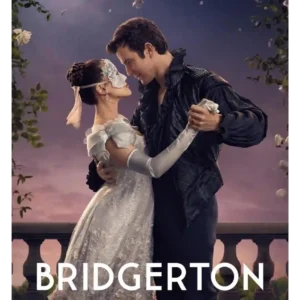

Bridgerton, Season 4
Where It Has the Edge
No clear scored advantage over the other product.

Scorata scores summarize analyzed review evidence on a 1–5 scale; they are not laboratory measurements or a simple average of customer star ratings. Feature scores summarize the reviews covering that feature. The overall score averages feature scores within each review, then combines review averages. When both expert and customer evidence are available, those two groups receive equal weight. Products can have different review coverage, so small score gaps do not establish a winner.
Recommendations prioritize important features for the category, with a score of at least 3.5, a gap of at least 0.25 points and at least two supporting reviews per product. Features with widely varying scores or broad connectivity contexts are excluded from recommendations. These safeguards do not establish statistical significance.
Quick verdict
The available evidence supports the recommendation below, but does not establish an overall winner. Check the remaining features against your priorities.
There is not enough comparable review evidence to recommend Bridgerton, Season 4 over the other product.
Choose DTF St. Louis for character appeal and suspense.
No clear scored advantage over the other product.
Scores are out of 5. Missing scores mean missing review evidence, not a missing feature.
Part 1 and Part 2 do not always feel seamless; some character and story beats are walked back or redirected in ways that can feel disjointed.
Despite the fragmented timeline, scenes are praised for flowing into one another in unorthodox but intuitive ways.
Long scenes and crowded episodes occasionally feel padded, with critics arguing that tighter editing could sharpen momentum.
The nonlinear cutting is repeatedly praised for making flashbacks and flashforwards feel purposeful and for adding to the mystery rather than simply scrambling chronology.
The Cinderella structure is the season’s most repeated criticism. Even positive reviews acknowledge that the setup is familiar, predictable or deliberately traditional.
Reviewers frequently call the show unique, audacious, fresh, or difficult to compare with anything else. Even critics who note a familiar murder hook often praise the unusual way it is told.
Reviewers appreciate the season’s broader attention to class, race and queer identity, especially Sophie’s perspective and the expansion beyond the ton’s elite.
One review specifically praises the show’s sharp understanding of midlife and Middle American anxieties rather than treating its Missouri setting as generic backdrop.
The writing improves markedly for some reviewers in Part 2, especially around class and emotional consequence, while others still fault contrivances and repetitive plotting.
One full-series assessment calls the writing top-notch, praising how the script handles midlife crisis, friendship, and emotional discomfort without feeling manipulative.
The opening can feel busy or shaky while it resets the ensemble, but the masquerade quickly establishes the season’s central hook.
The premiere sharply divides reviewers. One calls it especially strong, while several others find the opening disjointed or off-putting before the series improves in episode two and beyond.
The class divide adds welcome grounding, but reviewers differ on whether the show’s fantasy world makes those social barriers feel credible or selectively convenient.
The deliberately awkward speech is praised for sounding true to the strange, repetitive ways people actually talk, even when the larger world remains stylized.
The central love story earns substantial affection, but the familiar fairy-tale setup and occasional contrivances keep the overall story from being universally embraced.
The broader story draws some of the harshest disagreement. Supporters see a fresh, well-written mystery about loneliness, while detractors think the crime framework stretches or obscures stronger character material.
Episode 8 is one of the strongest-reviewed parts of the season, restoring romance, cleverness and surprise even for critics who struggled with earlier episodes.
The season-ending episode is praised for delivering a satisfying emotional wallop while tying the mystery back to the characters’ loneliness and vulnerability.
As a romance, the season works best when it embraces yearning, tenderness and fairy-tale payoff. Its Cinderella framework delights some viewers and feels overly familiar to others.
The dark comedy and character drama generally fare better than the murder-mystery machinery. Some critics call the blend ideal, while others think the crime framework is conventional, distracting, or unnecessary.
The finale is frequently praised for restoring energy, romance and mystery, but some critics find its solutions too neat or logically strained.
Most finale reactions are strongly positive, praising the ending as haunting, emotionally satisfying, and the show’s greatest strength. One full-season viewer calls it mostly neatly resolved.
Despite mixed feelings about this season, many reviewers remain eager for Season 5 and the storylines teased by the finale.
A full-series reviewer wanted to spend more time with the characters and even floated interest in seeing them return in a spin-off.
The season’s steamy scenes are generally welcomed as part of Bridgerton’s romantic appeal, especially once Part 2 restores the heat that some viewers missed early on.
The series talks explicitly about sex and kink, but a positive review praises its nonjudgmental empathy and its refusal to make unusual preferences the punchline.
The season can deliver strong romantic and family drama, though some critics find the soapier turns contrived or low-stakes.
One mixed review finds the dramatic material humane but not quite poignant, suggesting the emotional intentions land more fully for other critics than for this one.
Eight episodes feel cramped for the number of romances and subplots in play; some reviewers explicitly argue that an extra episode or two would improve breathing room.
One critic wonders whether the material might have worked better as a movie, though the same review says the occasional stretching never fully derails momentum.
The second half earns praise for giving Benedict, Sophie, Violet, Francesca and several supporting characters more growth and emotional dimension.
The strongest praise centers on how Clark, Floyd, and Carol gain layers as new perspectives expose their loneliness, contradictions, and hidden needs. Reviews often describe the shift from pity or suspicion toward empathy.
Benedict’s careless choices are often framed as believable for his established rake persona, even when those choices frustrate viewers.
One critic felt Floyd’s willingness to cheat clashes with the kindness established elsewhere, making that choice feel out of character.
The string-led scoring continues to heighten yearning and melodrama, though the music is sometimes treated as part of the show’s familiar formula.
The score is praised for building dread without obvious musical cues, complementing the show’s restrained and uneasy suburban atmosphere.
Yearning, class barriers and cliffhangers provide romantic tension, although the guaranteed happy ending and obvious secret identity reduce uncertainty for some viewers.
The slow-burn mystery keeps suspicion moving from person to person, and one reviewer says the first four episodes kept them nervous even when the comedy stayed restrained.
Part 2 is repeatedly described as moving, heartbreaking and tear-inducing, with grief, vulnerability and romantic payoff giving the season substantial emotional weight.
The show is repeatedly described as moving, heartwarming, heartbreaking, devastating, and deeply poignant. Later reviews especially praise the finale for turning the mystery into a painful study of isolation.
Ensemble balance is divisive. Some praise the better-integrated supporting stories, while others think too many subplots repeatedly steal time from Benedict and Sophie.
The three central characters get comparable opportunities to carry the story, with each lead receiving meaningful screen time and moments to stand out.
Late-season reveals and the revived Whistledown mystery generate strong surprise, even when some reviewers see them as safe callbacks or convenient solutions.
The shifting perspectives and suspicion keep many critics guessing, with repeated praise for reversals that change how characters and motives are understood. One mixed review finds the puzzle connections less revelatory than hoped.
The season earns praise when Benedict’s mistakes carry consequences and other characters challenge his assumptions instead of letting him coast past them.
The ending gives Clark meaningful consequences for his neglect and selfish choices, and one finale analysis finds that isolation a fitting outcome.
Direction is praised when it heightens romance and visual storytelling, but a few camera and blocking choices miss opportunities in major emotional scenes.
The direction is praised as confident and precise, with deliberate staging, camera movement, and visual control supporting the offbeat tone.
Episodes running around an hour give the ensemble room to breathe, but some reviewers feel the length becomes excessive when plotting is not equally sharp.
One full-season reviewer felt several near-hour episodes contained too much material that did not advance the characters or mystery, making the runtime feel padded.
Pacing is uneven: Part 1 is often called slow or plodding, while Part 2 accelerates sharply and sometimes rushes resolutions.
Season pacing is mixed: the show often grows stronger as it proceeds, but several critics feel the seven-episode shape stretches thin material or becomes ponderous in places.
Convenient misunderstandings and late revelations sometimes strain logic, especially when obvious questions could resolve conflicts much sooner.
The nonlinear mystery becomes clearer after the first episode for some viewers, but the harshest review finds the narrative unable to cohere at all.
Netflix’s two-part release is a consistent complaint, with reviewers saying the month-long split interrupts romantic momentum and exaggerates pacing problems.
One reviewer found weekly viewing difficult and thought the series played better once all episodes were available to binge.
Class, autonomy, grief, friendship and the cost of love give Season 4 more thematic weight than its fairy-tale surface suggests.
This is the strongest consensus beyond the acting: reviewers repeatedly praise the exploration of loneliness, shame, midlife dissatisfaction, male vulnerability, desire, and the need for genuine connection.
Several reviewers found the season extremely easy to keep watching, including critics who consumed whole batches in one sitting despite reservations about the plotting.
Several reviewers found the show hard to stop once its mystery and character layers took hold. One weekly viewer explicitly thought the completed series works better as a binge.
Individual episodes can drag when the search, miscommunication or side plots linger, while stronger installments move briskly once the emotional conflicts sharpen.
Pacing is a recurring weakness. Several critics say the mystery scenes stall momentum or the early episodes take too long to click, although one review appreciates the deliberate slow-burn buildup.
Visual storytelling is frequently effective, particularly in the upstairs/downstairs framing, though at least one pivotal emotional scene drew criticism for its camera blocking.
The visual work is widely admired for careful framing, desaturated suburban spaces, sharp lighting contrasts, and compositions that reinforce the show’s emotional chill.
The season shifts between light fairy tale, steamy romance, grief and soapier ensemble drama; that range works for some reviewers but feels uneven to others.
The show’s mix of absurd comedy, melancholy, sexuality, and mystery is admired by many as a difficult balancing act. Others find the shifts forced, inconsistent, or tonally nightmarish.
Benedict and Sophie’s chemistry is one of the clearest points of praise. Some Part 1 reactions found the spark muted, but most felt it grows into convincing yearning and intimacy.
Bateman and Harbour’s odd-couple friendship is widely praised, and several reviews also like the lead trio and detective pairing. One sharply negative review found chemistry lacking across the cast.
Banter and romantic declarations often work well, while clunky exposition and occasional soapier dialogue draw criticism.
The dialogue is one of the show’s most divisive signatures. Many critics love its repetitive, awkward, precisely observed cadence, while a strong detractor calls it reliably terrible.
Comic banter, sibling moments and physical comedy provide welcome lightness, with several reviewers calling out genuinely funny scenes.
Most reviewers respond well to the dry, surreal, sexually awkward comedy, with several calling it hilarious. A minority finds the jokes muted, forced, or only mildly funny.
Sets, balls, furnishings and locations remain lavish and immersive overall, despite isolated complaints about artificial-looking environments and green-screen work.
The stark sheriff’s station earns especially strong praise, with its brutalist spaces and oppressive colors helping define the show’s strange, hostile atmosphere.
Moving downstairs into servants’ spaces meaningfully broadens the Bridgerton world and makes class differences more tangible than in previous seasons.
The peculiar dialogue, brand-heavy suburbia, specific habits, and recurring visual details create a world that feels intentionally strange despite its mundane setting.
The series remains lush, polished and immediately recognizable, with masquerades, Regencycore pageantry and bright production design continuing to impress.
The desaturated palette, brutalist spaces, off-kilter angles, and carefully controlled compositions give the series a distinctive look. One reviewer finds the grayness dull, but most see it as purposeful.
Sophie is especially easy to root for, while Benedict’s charm survives even when reviewers criticize his oblivious or immature decisions.
Floyd emerges as the most consistently lovable figure: warm, sincere, decent, and emotionally generous even when his choices are messy.
Critical response is mixed-to-positive: the season’s romance and fantasy still appeal, but several published assessments cited in the roundup criticize predictability and lost edge.
Critical reaction is broadly positive but not uniform: several outlets praise the show’s originality and character drama, while others object to the murder-mystery framing.
The season remains easy to recommend to established Bridgerton fans, though its familiar formula and crowded ensemble may test viewers wanting a sharper reinvention.
The show looks capable of reaching beyond Steven Conrad’s cult following, though its deliberately peculiar style remains a hurdle for broader viewers.
The leads carry much of the season’s appeal, with repeated praise for the emotional and romantic work at the center of Benedict and Sophie’s story.
The lead trio is the clearest point of agreement. Bateman, Harbour, and Cardellini are repeatedly described as excellent, nuanced, career-best, or central to why the strange material works.
Performances are widely treated as a major strength, with multiple critics singling out the cast’s emotional precision and romantic conviction.
The performances are a major strength, with the ensemble repeatedly praised for making the show’s odd mix of comedy, melancholy, and mystery feel human.
Instrumental pop covers remain a crowd-pleasing signature, with specific praise for arrangements of contemporary songs woven into romantic scenes.
Needle drops are repeatedly praised for adding energy and contrast to the gray suburban mood, including songs that make the show’s odd flourishes feel playful.
Supporting performers receive strong notices, particularly in the Penwood, Francesca/Michaela, Violet and Lady Danbury storylines.
The supporting players are another strength, with Joy Sunday’s presence and Peter Sarsgaard’s layered turn receiving especially enthusiastic praise.
Overall reactions range from delighted to bored, but the season is more often described as engaging, fun and easy to watch than as a total miss.
Most reviews find the series compelling or highly entertaining once it settles into its rhythm, though one severe pan sees little value and others describe a slower, more selective appeal.
Enthusiastic fans explicitly describe rewatching or planning full-series rewatches, especially after Part 2’s emotional payoff.
The finale’s reinterpretation of earlier behavior gives the opening episode new meaning, prompting one reviewer to say the ending practically demands a rewatch.
A conspicuous green-screen moment was singled out as unusually poor, even by an otherwise positive reviewer.
Midseason and finale hooks generally land well, leaving viewers eager to continue and rewarding those who stay through the final credits.
The flashback-and-flashforward construction is praised as complex but controlled, helping the story reveal motives and relationships piece by piece.
Book readers generally appreciate recognizable scenes and careful updates to more uncomfortable material, though adaptation choices still divide reviewers.
Many reviewers see Season 4 as a return toward Bridgerton’s earlier strengths, while others think the franchise formula is visibly wearing out.
The sexually explicit talk is treated as deliberately excessive but amusing; one critic finds its blunt phrasing part of the show’s comic appeal rather than a drawback.
The more restrained hair and makeup is generally welcomed after Season 3’s excesses, although Sophie’s styling choices divide opinion.
Lady Whistledown remains contentious: some welcome the renewed mystery and gossip engine, while others think the concept has outlived its usefulness.
The class and power-dynamics framing gives the romance more consequence and is often praised for making the season feel more thoughtful than a simple fairy tale.
Familiar brands such as Purina, Outback Steakhouse, and Jamba Juice are seen as purposeful texture that reinforces the story’s aggressively ordinary suburban setting.
The finale produces sharply split interpretation. Two reviews praise its emotional force and human reveal, while another argues the ending retreats into a damaging cliché after a more nuanced season.
Araminta is often praised as a more layered and empathetic villain than the Cinderella template requires, though some late antics still feel cartoonish.
The gowns and masquerade looks remain a signature attraction, with frequent praise for detail and spectacle. A minority found some styling overdone or unflattering.
Muted sound is singled out as part of the show’s cool, emotionally twilight atmosphere, working with the stark imagery rather than competing with it.

Best for sharp adult humor, magnetic chemistry and a deeply satisfying farewell. Skip it if familiar will-they-won’t-they plotting or deliberately messy leads are dealbreakers.
Pros: humor, writing quality

Choose Widow’s Bay for its dark laughs, richly haunted island and memorable ensemble. Skip it if you need straightforward scares, rapid answers to every mystery or a completely resolved finale.
Pros: humor, genre satisfaction
Cons: ending satisfaction, season pacing

Choose Season 15 for warm, character-driven comedy, meaningful growth, and a finale that rewards longtime fans. Skip it if the short binge format, uneven replacement voices, or occasional clumsy commentary...
Pros: franchise connection, character development

Best for sharply acted, compassionate, high-pressure hospital drama. Skip it if graphic procedures unsettle you or you need a neatly resolved season finale.
Pros: character development, acting performance
Cons: character consistency, dialogue quality