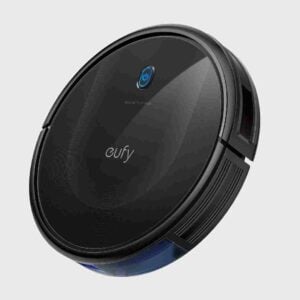
eufy 11S Max Robot Vacuum
Where It Has the Edge
- Bin and Bag is 4.0 vs 1.5. The 0.6-liter dustbin is generous for a budget robot and usually lasts multiple runs. It still requires manual...

Scorata scores summarize analyzed review evidence on a 1–5 scale; they are not laboratory measurements or a simple average of customer star ratings. Feature scores summarize the reviews covering that feature. The overall score averages feature scores within each review, then combines review averages. When both expert and customer evidence are available, those two groups receive equal weight. Products can have different review coverage, so small score gaps do not establish a winner.
Recommendations prioritize important features for the category, with a score of at least 3.5, a gap of at least 0.25 points and at least two supporting reviews per product. Features with widely varying scores or broad connectivity contexts are excluded from recommendations. These safeguards do not establish statistical significance.
Quick verdict
The review evidence points to a tradeoff: Bin and Bag versus Innovation compared to competitors and Suitability for heavy-duty use. Choose according to which strengths matter more to you; the overall score alone does not settle that choice.
Choose eufy 11S Max Robot Vacuum for Bin and Bag.
Choose Roborock Saros 20 for Innovation compared to competitors and Suitability for heavy-duty use.
Scores are out of 5. Missing scores mean missing review evidence, not a missing feature.
Basic operation is simple and approachable, with no app setup or mapping process. The remote makes starting, stopping, scheduling, and changing suction easy.
Daily operation is simple once maps and routines are configured, especially with the capable app and automated dock. The depth of settings creates a modest learning curve for users who want full control.
The quiet, nonthreatening design was gentle enough not to scare a young child in one home.
One household found the robot could run into bare feet hard enough to hurt, making supervision important around seated children.
The cleaning hardware remains competitive, but the navigation system feels dated. Affordable LiDAR and mapping rivals now offer more precise coverage and better automation.
The combination of physical chassis lift, slim solid-state navigation and pressure-adjusting mops feels meaningfully more inventive than another simple suction increase. Reviewers see it as a practical refinement of robotic autonomy.
Pet hair pickup is capable, but the lack of reliable object recognition makes this a poor choice for homes where pets may leave accidents or become startled by bumping.
Pet households often praise the hair pickup, anti-tangle brushes, litter cleaning and ability to avoid animals or pet waste. Serious exceptions include hair clogging, collisions with sleeping pets and a pet-waste miss that damaged carpet.
The 0.6-liter dustbin is generous for a budget robot and usually lasts multiple runs. It still requires manual emptying and has no self-emptying system.
The onboard bin is small and its layout can limit usable capacity, especially with pet hair. One owner found the intake clogged before the bin could fill.
Crevice pickup is poor. Even at maximum power and after extended runtime, much of the debris remained trapped in the test groove.
Strong suction and the extending brush help pull debris from narrow floor gaps and cabinet edges. Performance is good overall, though not every groove or edge is cleared perfectly.
Dog hair on hard floors was collected effectively during routine cleaning. This is a practical strength for everyday pet shedding.
One reviewer found the robot capable on loose hair, but another pet owner reported large clumps left in its path. Hard-floor hair pickup therefore looks less dependable than the broader suction claims suggest.
This is best used for daily upkeep and quick touch-ups, not deep cleaning. Testers still kept an upright or stick vacuum for more demanding jobs.
Its strong suction, long runtime and broad automation make it well suited to large, busy homes with pets, children or frequent debris. Successful users describe it as a true workhorse.
Deep carpet cleaning is a weakness. In an embedded-fine-debris test, it removed only a small fraction of the material after several passes.
Medium-pile carpet cleaning is generally strong, with excellent sand, litter and surface-debris pickup in several tests. Pet hair and some fine debris can still require a second vacuum or an upright cleaner.
Tangle resistance is inconsistent. One home saw little long-hair wrapping, while controlled tests found severe buildup around the roller and side brushes.
The split main brush and curved side brush are highly effective at directing hair into the bin instead of wrapping around rollers. A little long hair can collect at the ends, but maintenance is far lower than on many competing designs.
Random bounce navigation is the defining compromise. It can eventually cover a small room, but it is slower, less predictable, and more likely to miss spots than mapped robots.
Mapping is fast, detailed and generally accurate, while routes become more confident as the robot learns the space. Most reviewers praise efficient coverage, although isolated users saw odd boundaries, missed zones or navigation deterioration.
Obstacle avoidance is basic and highly dependent on a tidy room. It handles ordinary furniture reasonably well but can hit cords, socks, chair bases, pet waste, and other low objects.
It usually identifies cables, shoes, pet waste and clutter with unusual confidence, allowing many hands-off runs without rescues. Failures still occur on carpet, thin objects, socks and a few real homes, including serious pet-waste misses.
It moves onto area rugs smoothly and can increase power when needed. Rug cleaning is strongest when the space is open enough for repeated passes.
Rug results are mixed: the robot can climb plush surfaces, detach or lift its mops and clean many rugs effectively. Other owners report wet carpets, repeated edge attacks, stuck runs and debris collecting at floor transitions.
Short pet hair pickup on carpet is very good, and some tests collected nearly all of it. Longer fur may be lifted from the carpet but remain wrapped around the brushes.
Carpet hair pickup is often impressive, especially for routine pet hair, and the brush design reduces wrap. Thick rugs, embedded hair and large clumps remain weak spots for some testers and owners.
It efficiently collected larger hard-floor debris such as crumbs. Repeated movement helps compensate when a single pass does not capture everything.
Crumbs, cereal, litter and other larger debris are often collected well in one or two passes. Performance is inconsistent in tougher homes, where some debris was pushed around or remained after repeated cycles.
The 0.6-liter bin reduces how often it needs attention, often lasting several runs. Emptying remains fully manual because there is no self-emptying dock.
When working normally, the dock empties the bin cleanly and keeps day-to-day dirt handling largely hands-off. Reviewers especially liked seeing the onboard bin and filter come back clean.
Routine parts are easy to remove and clean, but hair buildup can make maintenance frequent. Experiences range from easy occasional upkeep to hands-on brush cleaning every few runs.
Hot-water washing, drying, auto-emptying and a removable dock tray make routine care unusually light. Owners still need to manage water tanks, bags and occasional clogs, and a few problem units required frequent intervention.
Crumbs and other visible debris are handled well, often with repeated passes. Testers repeatedly found the bin filled with substantial dirt and food debris.
The robot usually handles cereal, litter, crumbs and coffee grounds well, sometimes scoring perfectly. Very large clumps and debris at transitions can still be pushed aside or left behind.
BoostIQ and strong suction make it reasonably effective on dog-hairy, higher-pile carpet, though navigation can leave untouched areas.
The chassis can raise itself onto deep rugs and improve brush contact, but deeply embedded hair and fine debris may remain. A severe customer report also described poor performance on thicker carpet.
Surface pickup on low-pile carpet and rugs is solid, particularly after repeated passes. It transitions onto low rugs without difficulty.
Low-pile carpet pickup was excellent in the available test, leaving the surface thoroughly cleaned after two passes.
There is no full-bin alert. Owners must check the dustbin manually, which is easy to forget during scheduled cleaning.
The full-bin sensing is not consistently trustworthy. Owners reported false clog alerts or a bin that clogged before the system recognized it was full.
The compact, lightweight body is easy to move and remains surprisingly capable for its size.
Its moderate heft helps it apply useful pressure during mopping without making the robot feel excessively bulky.
Stuck resistance varies sharply with room preparation. It may run smoothly in open spaces, but cords, chair bases, clutter, and tight gaps can require rescue.
Many reviewers could run it daily without rescues thanks to its lift system and obstacle recognition. Others experienced repeated jams under furniture, on carpet edges or around thin structures, so reliability depends heavily on the layout.
No boundary strips or compatible virtual barriers are included or available, making it harder to keep the robot out of selected areas.
Bundles may include useful spare bags, filters and mop pads, but contents vary and cleaning solution is often missing. Several reviewers considered the included accessories underwhelming for a flagship price.
The dock takes up little space, but its light construction can slide or shift unless it is braced against a wall or secured.
The dock is large and needs a deliberate placement area, especially in small or high-traffic rooms. Its rectangular shape can blend in, but it remains a prominent appliance.
Under-furniture reach is exceptional. At under three inches tall, it consistently cleans beneath couches, cabinets, tables, and sideboards that taller mapping robots cannot access.
Its unusually slim body is one of the clearest strengths, consistently reaching beneath beds, sofas, cabinets and appliances that taller robots miss. Only isolated navigation trouble under cluttered furniture was reported.
Fine dust and sand pickup on hard floors is one of its strongest abilities. Multiple tests found it removed most or nearly all fine debris after enough passes.
Fine dust is generally removed cleanly from hard floors, including along edges and beneath furniture. One comparison found weaker sand pickup, and isolated users saw little vacuuming effect on flooring.
Battery life is consistently strong, commonly lasting around 90 minutes to two hours. Runtime is ample for a small apartment or several connected rooms.
Battery life is strong enough for large areas, multiple passes and combined vacuum-mop jobs, with several tests setting excellent coverage figures. A few owners reported unexpectedly heavy drain or charging-related failures.
The overall consensus is positive for simple maintenance cleaning, particularly on hard floors. Enthusiasm drops when buyers expect smart navigation, reliable whole-home coverage, or advanced automation.
The overall reception is positive but polarized: most experts and many owners describe an exceptionally capable, autonomous cleaner. A substantial minority report serious mopping, threshold, app, docking or reliability failures that make the purchase feel risky at this price.
Long hair often fails to travel cleanly into the dustbin, instead collecting around the roller and side brushes and requiring manual removal.
One pet owner found the narrow intake unable to move hair into the bin, causing repeated clogs and loss of suction.
It works across hardwood, tile, carpet, and small rugs, making it a flexible basic cleaner for mixed-floor homes.
It adapts well across hard floors, carpets, rugs, edges and stain-focused jobs, with separate vacuum and mop workflows. This flexibility is a major reason it suits complex mixed-floor homes.
The vacuum was described as a reliable, durable workhorse despite its basic feature set.
Two customers experienced severe early decline, including worsening navigation and a dock failure within a week. Long-term confidence is therefore limited despite many strong short-term tests.
Build impressions are mixed: the vacuum itself was called reliable, but one brush deformed after heavy testing and the lightweight dock felt cheap.
Some units feel solid and premium, but early failures involving sensors, docks and mechanical behavior create real durability concern. The mixed record is especially troubling at flagship pricing.
Its slim, glossy body looks cleaner and less imposing than many robot vacuums. The compact design was specifically praised as attractive.
The dark, low-profile design generally looks sleek and blends into modern rooms. The matte dock is easier to keep clean than the older mirrored finish, though some consider it less premium.
The exceptionally low profile is one of the product’s most consistent strengths. It reaches under furniture that many taller, sensor-equipped robots cannot access.
At roughly 3.1 inches tall, the robot reaches under low furniture that many turret-equipped models cannot access. Reviewers repeatedly cite the extra cleaned floor area as a practical daily advantage.
The vacuum has a reputation for reliability, and replacement parts are easy to find. That makes the basic design easier to keep running over time.
Customer-service experiences are mostly poor when serious problems appear, with unresolved calls, repeated troubleshooting and difficult return situations. One owner did receive responsive help, but support is a recurring concern.
Docking is reliable in some open, compact rooms but frequently problematic across larger layouts. The robot may wander, lose power away from the base, or require manual return.
Most units return, empty and resume cleaning reliably, supporting genuinely hands-off use. Several customers report failed docking, incomplete emptying, clog warnings or repeated contact attempts, including an early total charging failure.
Most testers see strong value when the price is near the budget end, especially for hard-floor cleaning. At roughly $150 to $250, some felt newer mapping robots were a better buy.
The flagship price is the most common reservation, and several reviewers say simpler homes or existing Saros 10-series owners gain too little to justify it. Buyers with difficult thresholds, mixed floors or heavy pet cleanup are more likely to see the premium as worthwhile.
For buyers prioritizing basic pickup over smart features, the cleaning performance is excellent for the money. The value is strongest when it is discounted below newer mapping alternatives.
Owners who receive reliable performance often feel the autonomy and cleaning quality justify the expense. Those facing threshold, app or hardware failures quickly view it as poor value and seek refunds.
Setup is exceptionally simple: attach the side brushes, plug in the dock, add remote batteries, and charge. No account, Wi-Fi pairing, or map creation is required.
Setup is usually quick and straightforward, with QR-code pairing, fast mapping and simple tank installation. A few users found onboarding or map transfer less seamless, but initial installation is rarely a major obstacle.
The app-free design is refreshingly simple and private for some users. Others found the lack of mapping, no-go zones, flexible scheduling, and remote phone control too limiting.
SmartPlan, stain recognition, schedules and smart-home integration can make cleaning responsive rather than merely time-based. Most users find the automation genuinely useful, though detection misses, connection failures and limited advanced integrations temper the praise.
The remote is straightforward and covers suction, modes, scheduling, steering, and docking. Infrared line-of-sight control and the lack of phone access make it less convenient across multiple rooms.
The Roborock app is widely regarded as powerful, stable and easy to navigate, with deep room, route, suction and water controls. Its many choices can feel excessive, and a few owners could not resolve specific behavior through settings.
Because it has no Wi-Fi, app, or account requirement, it avoids cloud connections and data-sharing concerns entirely.
Independent security certifications, offline voice control and optional camera features give reviewers confidence in the privacy setup. Photos can remain disabled for users who prefer less visual data collection.
Against similarly priced basic robots, its cleaning is competitive and sometimes excellent. Against newer mapping models, it loses on coverage, automation, and whole-home efficiency.
Most reviewers place it among the strongest current flagships, especially for carpet cleaning, navigation, app quality and threshold handling. Several still prefer cheaper predecessors or rivals for hard-floor mopping, fine debris and obstacle avoidance.
It can meaningfully reduce routine sweeping and vacuuming, especially on hard floors. Convenience falls when the room needs pre-cleaning, the bin needs checking, or the robot gets lost.
For many homes it meaningfully reduces manual cleaning through reliable navigation, automated dock care and set-and-forget routines. Owners who encountered sticking, clogging or tank issues found it demanding rather than hands-off.
Corner results are mixed. One home reported good corner reach, while another found the circular body and short side brushes unable to clean square corners thoroughly.
The extending side brush and mop reach farther into corners than fixed designs and usually leave little behind. Results are not perfect, with occasional cereal, dust or uncleaned gaps still visible.
Edge and baseboard cleaning is generally strong, helped by repeated wall-following and side-brush passes. Some high-traffic debris can remain where the random path fails to revisit an area.
The extending mop and side brush clean close to walls, cabinets and baseboards exceptionally well. This is one of the most consistent strengths across lab tests and everyday use.
Suction is a clear strength for the price, with strong pickup on both hard floors and carpet. Several testers noted that the raw power does not always translate into deep-clean or crevice performance.
The 36,000 Pa system usually delivers excellent pickup on carpet and hard floors, with several tests ranking it near the top of the category. A smaller group reports weak real-world vacuuming, pet-hair clogs or debris left behind.
The vacuum is consistently described as unusually quiet. Its low, steady sound is easy to ignore and often quiet enough for conversation or television.
The robot itself is notably quiet for its power and can often run in the same room without disturbance. The brief self-emptying and water-pumping cycles are much louder.
Wall-following is a standout behavior. The robot can hug edges closely and repeatedly approach them head-on for effective perimeter cleaning.
The robot tracks rounded moldings and baseboards closely without riding up, helping the extending mop maintain contact along the edge.
Runtime is strong, but charging convenience is inconsistent. It can return to the dock in simple layouts, yet several testers found it unable to locate the base from distant rooms.
Fast charging and long routine runtime are strong when the system is healthy. Reports of excessive drain and one early docking failure that left the battery dead prevent a fully dependable verdict.
The lifting chassis is a standout when it works, crossing tall thresholds, thick rugs and awkward furniture bases that stop many robots. Some owners could not clear ordinary 1.25- to 1.5-inch transitions, making performance highly home-dependent.
The brush layout normally channels hair cleanly toward the bin, but clogs can still occur in the intake, onboard bin or dock path. Heavy shedding homes appear most vulnerable.
Coffee, wine, mud and ketchup tests show that repeated targeted passes can remove difficult dried stains impressively. Detection is not always reliable, and some stubborn marks or paw prints require extra cycles.
The wheels moved smoothly across different surfaces, and the slim body maneuvered around ordinary furniture with little trouble.
Detaching or lifting the pads makes mixed-floor cleaning much safer and lets the robot vacuum carpets without dragging wet mops. A few owners reported the system failing and soaking or damaging rugs.
Heated drying and airflow through the mop, bag and ducts help prevent the stale smell common to wet docks. One owner still reported an odor problem, so results depend on maintenance and unit behavior.
The tested retail package arrived well protected and organized, with the robot and dock secured for setup.
One owner reported visible scratches after ordinary operation, suggesting the finish may mark more easily than expected.
Automatic detergent dosing is convenient and removes guesswork, while the dock can tailor water use to the cleaning task. The single solution compartment and restrictions on third-party liquids are less flexible than some rivals.
Floor finish varies sharply by water setting and layout. Some runs leave clean, even surfaces, while others produce streaks, patchy coverage or greasy residue.
The low height and simple bounce pattern work best in small apartments or one or two uncluttered rooms. Larger, multi-room layouts expose its navigation and docking limitations.
Brush components are simple to remove, clean, and reinstall. The snap-on side brush and accessible roller make routine servicing straightforward.
A customer found the tank alerts timely and useful, reducing the chance of interrupted mopping cycles.
The removable tanks are easy to handle and can support substantial cleaning in some homes. Capacity drew mixed reactions, including one owner who needed refills and draining every two days.
A customer reported the exhaust scattering lightweight debris instead of drawing it in, undermining hard-floor pickup.
Self-emptying and water pumping are brief but conspicuously loud, and one household found the sound startling. The cleaning robot itself is much quieter.
Successful mopping runs leave hard floors visibly clean, fresh and polished. Several owners specifically noticed a strong shine after routine use.
Many tests praise the spinning pads for strong daily cleaning, edge reach and impressive stain removal, sometimes leaving floors visibly polished. Others found streaks, patchy coverage, detached pads, greasy residue or weak results, so mopping is the most disputed major function.
Replacement bags and consumables add continuing expense, and reviewers dislike the lack of a bagless option. Included spares soften the initial burden but do not eliminate long-term costs.
The dock's hot-water mop washing, soaking, heated drying and removable tray earn near-universal praise. It cleans pads thoroughly and reduces odors while keeping manual dock scrubbing to a minimum.
Drop sensing worked well in the tested home, turning the robot away from a step instead of letting it fall.
The main cleaning path is narrow, so it depends on side brushes and repeated passes to cover a wider area.
Firmware improvements may address detection issues, and one reviewer expected the platform to evolve. However, app connectivity and navigation failures after initial success raise doubts about software reliability over time.
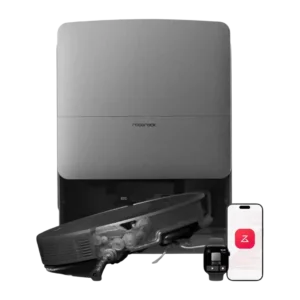
Best for excellent carpet pickup, strong suction, low-clearance reach, and highly automated daily cleaning. Skip it if sticky spills, stubborn wet messes, flawless small-object avoidance, or a compact dock matter...
Pros: Suction and Airflow, Obstacle Avoidance (Robot)
Cons: Streaking / Residue, Solution / Liquid system
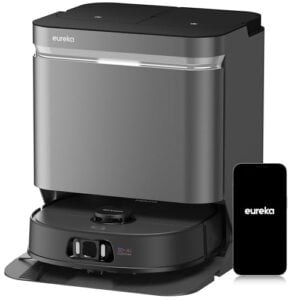
Choose the Eureka J15 Ultra for hands-free vacuuming/mopping, strong suction, edge coverage, and value. Skip it if you need the most advanced obstacle avoidance, compact dock, detergent dispensing, or quieter...
Pros: Obstacle Avoidance (Robot), Maintenance requirements
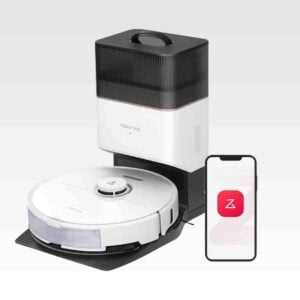
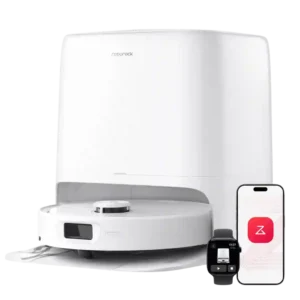
Best for excellent vacuuming, mapping, pet-hair handling, and low-touch daily upkeep. Skip it if you expect deep mop scrubbing, quiet auto-emptying, or premium value in a small or multi-story home.
Pros: Overall opinion, Map and Path Efficiency (Robot Vacuums)
Cons: Dock noise, Price and Value
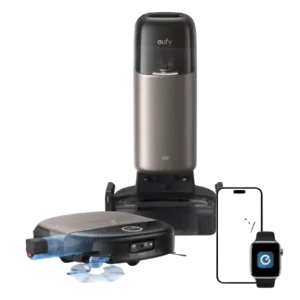
Best for excellent hard-floor mopping, sustained suction and nearly tangle-free hair handling. Skip it if precise edge cleaning, quiet maximum-power operation or flagship value matters more.
Pros: Overall opinion, Mopping performance
Cons: Support and Reliability, Price and Value