Compare Mewgenics vs Theos: Cities of Myth

Mewgenics

Mewgenics

Overall score 4.1 / 5

Based on 62 scored reviews

vs
Theos: Cities of Myth

Theos: Cities of Myth

Overall score 3.9 / 5

Based on 7 scored reviews

How we score

Scorata scores summarize analyzed review evidence on a 1–5 scale; they are not laboratory measurements or a simple average of customer star ratings. Feature scores summarize the reviews covering that feature. The overall score averages feature scores within each review, then combines review averages. When both expert and customer evidence are available, those two groups receive equal weight. Products can have different review coverage, so small score gaps do not establish a winner.

Recommendations prioritize important features for the category, with a score of at least 3.5, a gap of at least 0.25 points and at least two supporting reviews per product. Features with widely varying scores or broad connectivity contexts are excluded from recommendations. These safeguards do not establish statistical significance.

Quick verdict

What each product is best for

The review evidence points to a tradeoff: combat system and polish versus art direction and core gameplay loop. Choose according to which strengths matter more to you; the overall score alone does not settle that choice.

Choose Mewgenics for combat system and polish.

Choose Theos: Cities of Myth for art direction and core gameplay loop.

Why these recommendations?

Mewgenics

Where It Has the Edge

  • combat system is 4.8 vs 1.8. Turn-based combat is the clearest consensus strength. Reviewers repeatedly praise its readable fundamentals, deep interactions, inventive synergies, meaningful...
  • polish is 4.0 vs 2.0. The game often feels remarkably finished and content-rich for such a complicated system-heavy release. Still, UI gaps, missing...
  • replay value is 4.8 vs 4.3. Replayability is one of the strongest points in the entire review set. Randomized cats, huge ability pools, changing...

Theos: Cities of Myth

Where It Has the Edge

  • art direction is 4.9 vs 4.3. Its warm, vivid picture-book take on ancient Greece, with marble temples and busy streets, is one of the...
  • core gameplay loop is 5.0 vs 4.7. Starting from a few homes and building a functioning polis is consistently satisfying. Each expansion creates new supply-chain...
Mewgenics 4.1 overall score
Theos: Cities of Myth 3.9 overall score

Compare features

Scores are out of 5. Missing scores mean missing review evidence, not a missing feature.

Scored on both products

Comfort and build

Sound design
Mewgenics
4.8

Distinct cat voices, crowd reactions, combat sounds, and other small audio touches add personality beyond the music. Reviewers especially appreciate how sound reinforces victories, deaths, and the game’s chaotic comedy.

Theos: Cities of Myth
1.0

Generic ambient noises fail to convey the bustle visible on screen, leaving the audio much flatter than the attractive city visuals.

User interface design
Mewgenics
2.5

UI is one of the most repeated practical complaints. Tracking dozens of cats, hidden traits, gear, mutations, and battle information can be cumbersome, though later updates and tactical-view tools address some of the friction.

Theos: Cities of Myth
4.8

Menus, building tools and service-path indicators are much clearer than in the older games that inspired Theos. A few broader management views still leave troubleshooting to the player.

Quest design
Mewgenics
3.0

Story and side quests can dramatically change run rules and create memorable challenges. Their unusual modifiers are a strength, though failed or randomly resurfacing quests can make access feel less predictable.

Theos: Cities of Myth
4.0

Myth-inspired hero quests add a pleasant storybook flourish to the city-management routine.

Map and navigation design
Mewgenics
3.5

Routes provide some branching risk-reward choices, but several reviewers note that progression between fights is more linear than in many roguelikes. The map works, though it is not a major source of strategic freedom.

Theos: Cities of Myth
4.0

Visible routes, patrol markers and service feedback make logistical paths easier to understand and diagnose.

World-building
Mewgenics
4.5

Boon County’s filthy homes, bizarre NPCs, surreal biomes, and recurring cat-specific details give the world a cohesive grotesque personality even though story is not the main focus.

Theos: Cities of Myth
5.0

Everyday Greek civic life, famous historical figures and imposing Olympian monuments coexist naturally, creating a distinctive mythological setting.

Other features

Combat system
Mewgenics
4.8

Turn-based combat is the clearest consensus strength. Reviewers repeatedly praise its readable fundamentals, deep interactions, inventive synergies, meaningful positioning, and capacity to create wildly different tactical problems every run.

Theos: Cities of Myth
1.8

Battles are the most consistent weakness: critics describe limited tactics, repetitive clashes and clumsy unit control. City management is significantly more rewarding.

Originality
Mewgenics
5.0

Reviewers repeatedly treat the game as a singular mix of tactical RPG, roguelite, pet management, genetic experimentation, and gross comedy. Familiar influences are visible, but the resulting structure feels unusually distinctive.

Theos: Cities of Myth
2.0

Its familiar Zeus, Pharaoh and Caesar mechanics can feel overly predictable to experienced city-builder players.

Immersion
Mewgenics
4.5

The constant stream of tactical problems, emergent stories, and discoveries can absorb players for hours at a time. Multiple reviewers describe losing track of time or thinking about runs away from the game.

Theos: Cities of Myth
2.0

The lively visuals and generic background audio do not always align, leaving settlements quieter and less believable than they appear.

Polish
Mewgenics
4.0

The game often feels remarkably finished and content-rich for such a complicated system-heavy release. Still, UI gaps, missing reference information, and a few rough quality-of-life edges keep the polish from being uniformly praised.

Theos: Cities of Myth
2.0

Well-finished city-building controls contrast with military systems needing refinement and other rough edges that diminish the overall package.

Innovation
Mewgenics
5.0

Blending inherited cat genetics, disposable one-run fighters, and deep grid tactics gives the roguelite formula a genuinely fresh identity rather than merely reskinning familiar systems.

Theos: Cities of Myth
3.3

Modern route controls and meaningful divine patrons refresh the familiar formula. Critics disagree on how far that goes, with some finding the game much too cautious.

Economy and resource balance
Mewgenics
3.0

Food, money, gear, storage, and the choice to bank or risk a run create useful strategic pressure. Resource systems usually support the larger loop, though losses and inventory limits can make recovery feel punishing.

Theos: Cities of Myth
4.6

Food, labour, industry, storage and markets form engaging, interconnected systems. Finding and fixing shortages provides much of the satisfaction, particularly as a city expands.

Content variety
Mewgenics
4.8

The sheer amount of enemies, bosses, classes, abilities, items, zones, quests, and modifiers is repeatedly described as exceptional. Even reviewers with dozens or hundreds of hours were still encountering genuinely new material.

Theos: Cities of Myth
3.3

Adventure and Sandbox offer structured and free-form approaches, a pairing many welcome. One critic found only two modes and the selection of scenarios too limiting.

Environmental detail
Mewgenics
4.0

Weather, terrain, water, fire, ice, electricity, and other map conditions meaningfully interact with combat rather than serving as decoration, creating memorable chain reactions.

Theos: Cities of Myth
5.0

Markets, workshops, mines and inhabitants give the streets plenty of visual movement and personality. Several critics enjoyed simply zooming in to observe the activity.

Sandbox freedom
Mewgenics
4.7

The game encourages experimentation instead of forcing one solved build, and its huge interaction space lets players discover absurdly powerful or disastrous combinations. Forced roster turnover helps keep that creative freedom active.

Theos: Cities of Myth
3.8

Free-form city growth is an attractive alternative to Adventure goals. Yet preset maps, restricted god choices and missing custom seeds curb the freedom some players expect.

Onboarding experience
Mewgenics
3.3

Combat basics are communicated reasonably well, but important breeding information and quality-of-life tools can arrive late. A few reviewers also found the opening tutorial slow or initially overwhelming despite eventually settling in.

Theos: Cities of Myth
4.0

Gradual Adventure unlocks and dedicated lessons make the foundational systems welcoming. More troubleshooting guidance, especially for fires and missing services, would help.

Art direction
Mewgenics
4.3

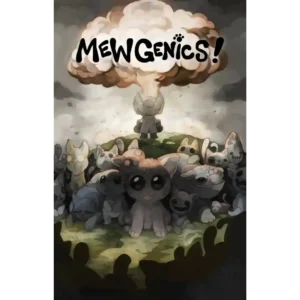
The ugly-cute, hand-drawn look is one of the game’s signatures: expressive, grotesque, and packed with personality. Most reviewers embraced it, though the blood, mutations, fecal imagery, and Newgrounds-era aesthetic will repel some players.

Theos: Cities of Myth
4.9

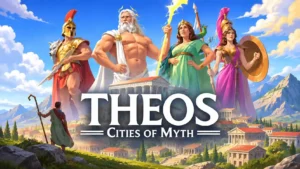
Its warm, vivid picture-book take on ancient Greece, with marble temples and busy streets, is one of the most consistently praised qualities. The stylisation may not appeal to players who prefer realism.

Pacing
Mewgenics
3.2

Individual battles can move briskly, yet full runs often stretch for hours and home management can sap momentum. That makes the overall pace highly dependent on tolerance for long tactical sessions and between-run administration.

Theos: Cities of Myth
2.7

A measured introduction helps beginners but may seem slow to veterans. Certain objectives drag, and the nostalgic formula can wear thin during longer play.

Atmosphere
Mewgenics
4.5

The combination of macabre cat chaos, strange locations, and distinctive audio gives the game a memorable atmosphere that stays playful even when battles become grim.

Theos: Cities of Myth
5.0

Bustling markets, winding roads and imposing sanctuaries create a welcoming mythological city. Watching everyday activity amid monumental buildings is rewarding in its own right.

Grind level
Mewgenics
2.5

The enormous campaign and repeated breeding-management cycles can feel grindy, repetitive, or exhausting, especially for completionists. Some reviewers still call it a fun grind because new unlocks and combat combinations keep arriving.

Theos: Cities of Myth
2.0

Some Adventure objectives rely on prolonged waiting and repetitive production rather than clever challenges, making progress feel laborious.

Graphics quality
Mewgenics
4.8

The hand-drawn presentation is generally praised as clear, characterful, and visually distinctive despite intentionally crude or grotesque subject matter.

Theos: Cities of Myth
4.3

Bright, charming visuals make growing settlements rewarding to watch. The deliberately stylised look may feel too lightweight to players wanting detailed realism.

Core gameplay loop
Mewgenics
4.7

Sending cats on runs, returning with resources, breeding a new generation, and heading back out is intensely habit-forming for most reviewers. The loop is strongest in combat, while home-management downtime can interrupt its momentum.

Theos: Cities of Myth
5.0

Starting from a few homes and building a functioning polis is consistently satisfying. Each expansion creates new supply-chain and service problems worth resolving.

Gameplay mechanics
Mewgenics
4.7

Its many systems interlock in unusually reactive ways, letting traits, abilities, items, terrain, weather, and inherited genetics create surprising outcomes. Reviewers consistently reward the depth because those interactions remain learnable and exploitable.

Theos: Cities of Myth
5.0

Clearer explanations of service coverage mean city-wide problems usually feel traceable to planning decisions rather than opaque rules.

Tutorial quality
Mewgenics
3.5

The tutorial generally teaches the combat foundation clearly, but reactions to its pacing differ. Some found it welcoming and useful, while others thought it ran long or felt overly hand-holding.

Theos: Cities of Myth
3.3

Playable tutorials cover the basics clearly enough for newcomers, but guidance on fires and complex coverage failures can fall short.

Difficulty balance
Mewgenics
3.3

The challenge is deliberately harsh and often rewarding, with careful play and adaptation usually mattering. Still, bad RNG, unfamiliar enemy abilities, long-run losses, and limited difficulty accommodation can make setbacks feel unfair or inaccessible.

Theos: Cities of Myth
3.4

The basics are approachable, but large settlements introduce complicated dependencies and the occasional disaster. Some critics enjoy the planning pressure while others find routine upkeep tiresome.

Animation quality
Mewgenics
4.3

The deliberately floppy, hand-drawn animation usually complements the game’s chaotic personality, and several reviewers found it funny and expressive. Its rough-looking movement is generally treated as an intentional stylistic choice rather than a technical flaw.

Theos: Cities of Myth
4.3

Small worker movements, lively citizens and amusing building animations make settlements more engaging to watch. The overall animation technology is functional rather than cutting-edge.

Controls and connectivity

Controls responsiveness
Mewgenics
3.0

Mouse and keyboard generally suit the precise grid combat well, but controller and Steam Deck input earn mixed reactions. A few reviewers also encountered cursor behavior or virtual-cursor friction that can matter when one wrong tile is costly.

Theos: Cities of Myth
1.5

Military orders do not always register or behave precisely enough, making troop movement frustrating and combat unsatisfying.

Ownership and support

Replay value
Mewgenics
4.8

Replayability is one of the strongest points in the entire review set. Randomized cats, huge ability pools, changing enemy setups, multiple zones, unlocks, and emergent synergies keep runs fresh even after very long playtimes.

Theos: Cities of Myth
4.3

Different patrons provide fresh building priorities, and one player repeatedly restarted after disasters. Still, familiar mechanics can feel less compelling after long sessions.

Evidence available for one product

Other features

Ease of use
MewgenicsNo score yet
Theos: Cities of Myth
5.0

Straightforward menus and relatively accessible management rules make city construction easier to grasp than some deeper simulations.

Accessibility options
Mewgenics
3.7

Remappable controls, scalable UI elements, and some presentation toggles are useful, but the accessibility package is uneven. Missing colorblind, subtitle, and difficulty options were specifically called out in one review, while another praised the text-first information design.

Theos: Cities of MythNo score yet
Automation
MewgenicsNo score yet
Theos: Cities of Myth
2.7

Basic resource production can run smoothly without constant input, but automatic service patrols can miss homes. Repeated manual fixes become especially wearing in larger cities.

Breeding system
Mewgenics
3.9

Breeding creates remarkable long-term strategy by passing stats, traits, mutations, and abilities into future generations. It can also be opaque, random, click-heavy, and chore-like, making the home-management half far more divisive than combat.

Theos: Cities of MythNo score yet
Camera behavior
Mewgenics
2.0

The fixed isometric presentation can make crowded scenes harder to parse and occasionally complicates precise interaction. Reviewers who raised it saw readability, rather than cinematic framing, as the real issue.

Theos: Cities of MythNo score yet
Character roster
Mewgenics
4.5

A broad and expanding set of classes gives parties very different roles and build possibilities. Reviewers liked how new class options keep team construction from settling into one routine.

Theos: Cities of MythNo score yet
Choice impact
Mewgenics
4.1

Runs are full of meaningful risk-reward calls, from pushing into another zone to protecting valuable cats and gear. Random events can sometimes undermine that agency, but the best moments make decisions feel consequential.

Theos: Cities of MythNo score yet
Class balance
Mewgenics
3.6

Classes generally feel distinct and capable of strong synergies, though their usefulness can vary sharply depending on random abilities, inherited traits, and team composition. The imbalance often becomes another puzzle to solve rather than a fixed roster problem.

Theos: Cities of MythNo score yet
Combat readability
MewgenicsNo score yet
Theos: Cities of Myth
1.0

Overlapping units and confusing engagements make it hard to read what is happening in military encounters.

Commentary quality
Mewgenics
3.3

The game’s attempts at satire and social commentary divide opinion. Some reviewers enjoy its irreverence, while others find the caricatures dated or too shallow to land.

Theos: Cities of MythNo score yet
Construction tools
MewgenicsNo score yet
Theos: Cities of Myth
5.0

Cleaner construction and better management controls make it easier to develop neighbourhoods without struggling against older city-builder interface conventions.

Crash stability
Mewgenics
5.0

One long-play review reported zero crashes across more than 40 hours, giving a strong stability impression in that test.

Theos: Cities of MythNo score yet
Dialogue quality
Mewgenics
3.3

Dialogue and NPC banter can be energetic, absurd, and funny, but the same exaggerated character voices become grating or stereotypical for some reviewers over long playtimes.

Theos: Cities of MythNo score yet
Diplomacy depth
MewgenicsNo score yet
Theos: Cities of Myth
3.0

Regional relationships add some welcome complexity to trade and expansion, but diplomacy also draws criticism for being thin and functional.

Emotional impact
Mewgenics
4.8

Despite treating cats as disposable resources, the game can make players unexpectedly attached to particular fighters and bloodlines. Deaths, retirement, and old age sometimes hit harder than the grotesque comedy suggests.

Theos: Cities of MythNo score yet
Endgame content
Mewgenics
4.0

Higher difficulties, boss rematches, secrets, and post-completion unlocks give committed players reasons to keep pushing after major milestones.

Theos: Cities of MythNo score yet
Enemy variety
Mewgenics
4.8

Enemy variety is exceptional, with large numbers of visually and mechanically distinct foes that demand different responses. Reviewers frequently mention still meeting new threats deep into lengthy playtimes.

Theos: Cities of MythNo score yet
Exploration quality
Mewgenics
5.0

New routes, biomes, hidden areas, and unusual encounters make discovery a strong motivator, especially as the game keeps revealing fresh locations far beyond the early acts.

Theos: Cities of MythNo score yet
Family friendliness
Mewgenics
1.3

This is not presented as a child-friendly cat game: reviewers cite gore, poop, sexual breeding animations, and disturbing imagery. Some explicit animations can be reduced, but the core tone remains adult and deliberately tasteless.

Theos: Cities of MythNo score yet
Frame rate stability
Mewgenics
5.0

Steam Deck performance was reported as smooth and stable, including one review citing 60–90fps without performance trouble.

Theos: Cities of MythNo score yet
Fun factor
Mewgenics
4.7

Most reviewers find Mewgenics extremely hard to put down, often describing late-night sessions and immediate urges for another run. Even critics of its management or humor tend to keep returning because the tactical experimentation is so entertaining.

Theos: Cities of MythNo score yet
Handheld play suitability
Mewgenics
3.7

Steam Deck performance is widely workable and sometimes praised as a natural fit, but controls are the caveat. Several reviewers prefer mouse and keyboard because the virtual cursor and slower handheld input can make precise actions less comfortable.

Theos: Cities of MythNo score yet
Hit detection quality
MewgenicsNo score yet
Theos: Cities of Myth
1.0

Battle hits can register unclearly, weakening the already unconvincing military encounters.

HUD clarity
Mewgenics
2.8

Combat information can get visually crowded, especially once hazards, effects, and many units overlap. Tactical-view tools help, but several reviewers still wanted clearer access to crucial battle information.

Theos: Cities of MythNo score yet
Humor
MewgenicsNo score yet
Theos: Cities of Myth
4.0

Quirky worker gestures and little visual gags give the city a playful personality without disrupting the traditional management gameplay.

Learning curve
Mewgenics
3.3

The basic turn structure is easy to understand, but mastering breeding, hidden information, hundreds of interactions, and high-stakes randomness takes time. Some reviewers felt overwhelmed or lost early; others praised how naturally the depth unfolds.

Theos: Cities of MythNo score yet
Load times
Mewgenics
5.0

Loading was described as negligible or quick in the reviews that discussed it, including Steam Deck play.

Theos: Cities of MythNo score yet
Loot system
Mewgenics
4.5

Items can define entire builds, create powerful synergies, and make decisions about what to carry home matter. Their temporary durability and the risk of losing gear also stop one loadout from dominating forever.

Theos: Cities of MythNo score yet
Narrative quality
Mewgenics
3.1

The story is usually described as light, sparse, or secondary to systems and combat. Its bizarre premise can amuse, but players seeking a strong character-driven roguelike narrative may find it thin.

Theos: Cities of MythNo score yet
Overall quality
MewgenicsNo score yet
Theos: Cities of Myth
4.0

Theos is a charming and capable revival of classic Greek city building, with rewarding logistics and delightful scenery. Rough combat, repetitive patrol management and restrictive options keep it from feeling essential for everyone.

Patron deity mechanics
MewgenicsNo score yet
Theos: Cities of Myth
4.7

The seven Olympian patrons offer distinct blessings and priorities that meaningfully shape development. Gods and sanctuaries give familiar economic systems a strong mythological identity.

Pause functionality
MewgenicsNo score yet
Theos: Cities of Myth
4.0

Pause and speed controls help players handle competing civic demands without rushing every decision.

Progression system
Mewgenics
4.6

Permanent house upgrades, class unlocks, legendary rewards, donations, and inherited traits give failed and successful runs longer-term purpose. Reviewers like how progression keeps opening new strategic possibilities rather than simply raising numbers.

Theos: Cities of MythNo score yet
Service route management
MewgenicsNo score yet
Theos: Cities of Myth
4.0

Directly drawing worker patrols is a valuable improvement over old unpredictable walkers. As a settlement grows, checking and redrawing those routes can become repetitive work.

Side character depth
Mewgenics
2.0

Several NPCs are intentionally exaggerated caricatures, and critics found them shallow, stale, or irritating rather than richly developed. They function more as progression hooks and joke delivery than deep companions.

Theos: Cities of MythNo score yet
Strategic depth
MewgenicsNo score yet
Theos: Cities of Myth
4.4

The expanding economy rewards anticipation, efficient layout and solving interdependent supply problems. One critic, however, found the broader city-management systems too shallow and inflexible.

Trade and colony systems
MewgenicsNo score yet
Theos: Cities of Myth
4.0

Trade partners and colonies provide access to scarce resources and make the world feel larger than the home settlement. They add another useful layer to economic planning.

Weapon balance
Mewgenics
4.5

Temporary gear durability and varied item interactions prevent a single weapon or strategy from defining every run. Powerful equipment can be transformative without becoming a permanent crutch.

Theos: Cities of MythNo score yet
Writing quality
Mewgenics
3.5

Writing is one of the biggest taste divides. Fans enjoy the absurd, dark, deliberately juvenile humor, while detractors call the poop jokes, stereotypes, and edgy tone stale, unfunny, or exhausting.

Theos: Cities of MythNo score yet

Controls and connectivity

Age appropriateness
Mewgenics
1.3

The game’s gore, sexual cat-breeding jokes, and scatological humor make it a poor fit for younger players. Some graphic breeding animations can be toned down, but the broader mature gross-out tone remains.

Theos: Cities of MythNo score yet
Collector appeal
Mewgenics
5.0

The huge achievement count, unlocks, items, abilities, secrets, and completion goals give dedicated collectors an unusually large checklist to chase.

Theos: Cities of MythNo score yet
Menu usability
Mewgenics
2.8

Managing large cat populations exposes the menu system’s weaknesses: sorting, comparing, and locating the right cat can require too much cycling and clicking. Reviewers wanted faster organization tools once the house becomes crowded.

Theos: Cities of MythNo score yet

Comfort and build

Boss design
Mewgenics
5.0

Boss fights are a standout, built around distinct mechanics that force players to rethink positioning, turn order, and team abilities. Their bespoke music and unpredictable setups make them especially memorable.

Theos: Cities of MythNo score yet
Level design
Mewgenics
5.0

The reviewed levels are praised for supporting tactical variety and pairing well with changing hazards, enemies, and environmental rules.

Theos: Cities of MythNo score yet
Mission design
MewgenicsNo score yet
Theos: Cities of Myth
2.0

Some Adventure objectives feel built around waiting for resources to accumulate instead of varied, demanding tasks.

Town-building system
MewgenicsNo score yet
Theos: Cities of Myth
4.3

Classic roads, housing, services and industrial chains form a strong city-building foundation, with modernised controls that generally make expansion pleasant.

Ownership and support

Localization support
MewgenicsNo score yet
Theos: Cities of Myth
2.0

The game includes several interface languages, including German, but the absence of Croatian is a drawback for players who need it.

Value for money
Mewgenics
4.9

At roughly $30 in the reviewed material, the game is repeatedly described as exceptional value because of its enormous campaign, replayability, and depth. Several reviewers explicitly contrast its price with much shorter full-price games.

Theos: Cities of MythNo score yet

Performance

Performance optimization
Mewgenics
5.0

Performance impressions are excellent in the reviews that address it, with smooth Steam Deck play and no notable hardware strain reported.

Theos: Cities of MythNo score yet
Soundtrack quality
Mewgenics
4.7

The soundtrack earns near-universal enthusiasm, especially its catchy area themes and bespoke lyrical boss songs. Reviewers repeatedly describe tunes getting stuck in their heads and the music elevating already memorable fights.

Theos: Cities of MythNo score yet

Other Top Video Games to Consider

#1 Well Dweller
4.7

Best for fluid traversal, rewarding exploration, striking art, and forgiving quality-of-life features. Skip it if you want deep combat, radical genre innovation, or consistently demanding bosses.

Pros: difficulty balance, boss design

Cons: innovation, sandbox freedom

#2 Hades II
4.5

Best for superb combat, inventive builds, and richly voiced characters. Skip it if repeated runs, resource gathering, or visually busy battles outweigh the appeal of steady progress.

Pros: overall quality, combat system

Cons: pacing, grind level

#3 Valheim
4.5

Good if you want a beautiful, demanding survival sandbox built around exploration, building, progression, and memorable co-op. Skip it if long resource runs, harsh death recovery, and deliberate pacing sound...

Pros: town-building system, exploration quality

Cons: grind level, fast travel convenience

#4 Clair Obscur: Expedition 33
4.5

Choose Clair Obscur if you want a story-rich RPG with thrilling timed combat, gorgeous art, and standout music. Skip it if poor maps, tight parry timing, or occasional bugs and...

Pros: narrative quality, combat system

Cons: map and navigation design, menu usability