Scorata scores summarize analyzed review evidence on a 1–5 scale; they are not laboratory measurements or a simple average of customer star ratings. Feature scores summarize the reviews covering that feature. The overall score averages feature scores within each review, then combines review averages. When both expert and customer evidence are available, those two groups receive equal weight. Products can have different review coverage, so small score gaps do not establish a winner.
Recommendations prioritize important features for the category, with a score of at least 3.5, a gap of at least 0.25 points and at least two supporting reviews per product. Features with widely varying scores or broad connectivity contexts are excluded from recommendations. These safeguards do not establish statistical significance.
Quick verdict
What each product is best for
The available evidence supports the recommendation below, but does not establish an overall winner. Check the remaining features against your priorities.
Choose Crime 101 for action sequence quality and supporting cast performance.
There is not enough comparable review evidence to recommend Masterplan over the other product.
Why these recommendations?
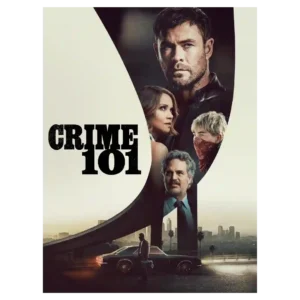
Crime 101
Where It Has the Edge
action sequence quality is 4.6 vs 2.4. The car chases and heist bursts are usually crisp, tense, and easy to follow, with several critics calling...
supporting cast performance is 4.5 vs 3.2. Mark Ruffalo, Halle Berry, Barry Keoghan, and the wider ensemble are a major asset, often giving familiar archetypes...
lead performance is 4.5 vs 3.7. Chris Hemsworth’s restrained, vulnerable take on Mike is widely praised as a welcome change from his bigger action...
Masterplan
Where It Has the Edge
No clear scored advantage over the other product.
Crime 1014.0 overall score
Masterplan2.7 overall score
Compare features
Scores are out of 5. Missing scores mean missing review evidence, not a missing feature.
Scored on both products
Other features
Drama quality
Crime 101
4.9
The character-first crime drama is often more compelling than the mechanics of the heist itself. The moral pressure on Mike, Lou, and Sharon gives the thriller more emotional weight than a simple cops-and-robbers setup.
Masterplan
1.0
The harshest assessment finds no effective drama beneath the comic caper machinery.
Humor
Crime 101
4.8
Dry jokes and understated comedy work well against the movie’s serious tone, giving viewers brief releases from the tension without turning the film into a comedy.
Masterplan
2.4
Most criticism centers on forced banter, crude quips, and jokes that fail to land. More positive responses enjoy the family friction, Tucci’s self-importance, and the opening thieves-at-work rivalry.
Dialogue quality
Crime 101
4.3
The dialogue is often praised as intelligent, efficient, and witty, especially when it lets character subtext do the work. One notably negative take found the conversations flat and unengaging.
Masterplan
1.9
Banter is often criticized as forced, nonsensical, or too frothy to give the actors much to work with. The exchanges rarely supply the consistent wit the caper needs.
Writing quality
Crime 101
4.3
The script gets strong marks for subtext, character motivation, intelligent dialogue, and letting viewers infer rather than overexplaining. Its weaknesses are familiar templates, too many subplots, and occasional contrivance.
Masterplan
2.1
The writing is the main source of criticism: shortcuts, thin relationships, implausible decisions, and weak jokes squander a promising setup. A minority find the family angle nimble and entertaining.
Action sequence quality
Crime 101
4.6
The car chases and heist bursts are usually crisp, tense, and easy to follow, with several critics calling them standout sequences. A smaller group wanted more action or found the set pieces less thrilling than the build suggested.
Masterplan
2.4
Explosions provide some welcome energy, but several assessments find too little action or too little craft in its staging. This is often a planning-and-banter caper rather than an action showcase.
Theme depth
Crime 101
3.9
Class inequality, workplace exploitation, personal codes, corruption, control, and moral compromise give the thriller more to chew on than its heist mechanics alone. Opinions split on whether those ideas are deeply explored or only gestured toward.
Masterplan
2.0
Family, identity, abandonment, and the significance of the stolen artwork remain mostly surface-level. Plot twists often take the place of deeper exploration.
Directing quality
Crime 101
5.0
Bart Layton’s controlled direction is a major strength, particularly in the car chases, slow-burn tension, Los Angeles atmosphere, and clear staging. Even detractors generally concede the film is polished and competently made.
Masterplan
3.1
Vincent’s direction divides opinion between lively, confident suspense and a superficial imitation of familiar heist styles. Quick movement can keep the film watchable without making the operation convincing.
Suspense
Crime 101
4.7
Slow-burn tension is one of the film’s strongest qualities, with the Mike-Ormon friction, police pursuit, and major heist keeping many viewers locked in. A few critics feel the tension never rises enough or is isolated mainly to the action scenes.
Masterplan
2.8
Suspense ranges from steady anticipation to near-total absence of tension. Convenient solutions and predictable turns frequently prevent the dangers from feeling persuasive.
Ending satisfaction
Crime 101
3.4
The finale is the clearest dividing line. Some love its clean character closure and satisfying payoffs, while others find it rushed, too tidy, morally soft, or simply unable to cash in the tension built beforehand.
Masterplan
1.7
The ending is a common stumbling point, with implausible reversals and unearned loyalty outweighing its late bursts of energy. A minority find the final stretch more entertaining than the setup.
Emotional impact
Crime 101
3.4
Emotional response is split: some found the character transformations unexpectedly moving, while others felt the cool tone and familiar arcs kept the payoff muted. The strongest reactions come from viewers who connect with the characters’ personal crossroads.
Masterplan
1.7
Betrayal and reconciliation repeatedly fall short because the relationships have not earned the intended feeling. Thin motivations make the final emotional payoff especially vulnerable.
Story quality
Crime 101
3.9
The story is usually considered solid, intelligent, and engaging, especially when it concentrates on character and moral pressure. Its familiar framework, crowded subplots, and uneven payoff keep it from universal enthusiasm.
Masterplan
2.2
The family-heist premise has appealing ingredients, but many find the story shallow or illogical. More positive reactions enjoy its character angle and willingness to embrace absurdity.
Violence level
Crime 101
2.3
The violence is frequent and intense but generally not described as gory; some mainstream critics appreciate that restraint. Family-focused sources still consider the level too strong for younger or sensitive viewers.
Masterplan
4.0
One favorable content assessment finds the action relatively restrained once the strong language is set aside.
Character development
Crime 101
3.8
The central thief, detective, and insurance broker often feel more layered than stock genre roles, and their moral crossroads are a major draw. The crowded ensemble also leaves several side characters and subplots thin or underexplored.
Masterplan
2.2
A recurring complaint is that the thieves’ emotional changes arrive before the film has earned them, leaving broad characters and rushed loyalties. A more enthusiastic reading finds enough time and personality for the relationships to develop.
Message quality
Crime 101
2.3
The movie’s ideas about class, work, morality, and self-interest divide opinion. Some find them meaningful and well integrated, while family-oriented and skeptical critics see the moral framing as muddled, shallow, or too forgiving of crime.
Masterplan
1.0
The moral objection is that the story rewards theft and deception while treating loyalty as a substitute for accountability or remorse.
Sexual content level
Crime 101
1.0
Family-content assessments criticize the sexual material and nudity as frequent or unwelcome, making the movie a poor fit for viewers seeking restrained adult content.
Masterplan
2.3
Crude sexual quips and flirtation around the supposed sibling relationship can feel off-key or uncomfortable. One more favorable content assessment regards the non-language material as relatively restrained.
Editing quality
Crime 101
3.9
The best notices praise fluid cross-cutting, clear geography, and smooth handling of multiple storylines. The main criticism is that the film still feels overlong, with some editors wishing the same material had been cut far more aggressively.
Masterplan
3.0
Brisk cuts and graphics help maintain momentum in the more favorable accounts. Others find the editing gimmicky or carelessly assembled, with flourishes masking weak details.
Cast chemistry
Crime 101
4.8
Character pairings are a consistent strength, especially Hemsworth with Ruffalo, Berry, and Barbaro. The interpersonal spark helps the film stay engaging even when the plot slows down.
Masterplan
3.8
The trio’s chemistry is a major pleasure for some, particularly when the younger thieves compete and cooperate. Others find the exchanges strained or the relationships difficult to believe.
Language level
Crime 101
1.0
The profanity is judged excessive by the family-focused sources, including repeated f-words that make the dialogue unsuitable for viewers avoiding strong language.
Masterplan
1.8
Frequent profanity is the clearest content complaint and a repeated obstacle to family or teen viewing. Its presence jars with the otherwise breezy caper tone.
Genre satisfaction
Crime 101
4.3
For crime-thriller fans, the movie largely delivers the old-school pleasures it promises: professional criminals, a dogged cop, slow-burn tension, and muscular car chases. Its familiarity keeps it below the genre’s classics for some viewers.
Masterplan
3.6
The caper satisfies viewers willing to embrace its playful silliness, but others find too little wit, action, or ingenuity to fulfill the genre’s promise.
Family friendliness
Crime 101
1.0
Family-oriented assessments strongly advise against it because of profanity, violence, sexual content, nudity, and a morally permissive ending.
Masterplan
1.8
Strong language undercuts the film’s breezy, seemingly family-oriented presentation. The most restrictive assessment advises families to skip it altogether.
Realism
Crime 101
2.8
The grounded cars, physical action, and procedural detail help sell the world, but several plot conveniences and implausible escapes break that realism. The result feels tactile even when the story mechanics strain belief.
Masterplan
2.0
Convenient access routes, magical technology, and gullible decisions repeatedly strain credibility. More forgiving viewers accept the implausibility as part of the cartoonish fun.
Tonal consistency
Crime 101
3.5
The restrained character drama and bursts of action mostly coexist well, but a few viewers notice character or subplot shifts that make the movie feel uneven in places.
Masterplan
2.8
The playful caper tone works best when comedy and suspense support each other. Forced adult jokes, artificial earnestness, and an abrupt pivot into serious feeling can disrupt that balance.
Originality
Crime 101
3.1
The core cops-and-robbers story is repeatedly called familiar, derivative, or built from well-known archetypes. A few viewers still find enough fresh character perspective and twists to keep it from feeling purely recycled.
Masterplan
2.5
Familiar heist formulas and borrowed stylistic flourishes draw frequent criticism. The family angle feels fresh to some, while others find that it barely distinguishes the film.
Runtime
Crime 101
3.1
The roughly 140-minute length is one of the most repeated concerns. Some viewers say it flies by or earns the space through atmosphere and character work, but many believe a tighter cut would be substantially stronger.
Masterplan
2.5
The roughly 110-minute duration feels brisk and sufficient to a few viewers, but others want 20 to 35 minutes removed. Long preparation and an extended final act are the main sources of fatigue.
Cinematography
Crime 101
4.9
Los Angeles is photographed with polished night imagery, freeway geography, and a strong sense of place; the look is one of the most consistently praised elements. Only a few critics found some night scenes too dark or derivative of Michael Mann.
Masterplan
4.5
Sweeping views of Paris after dark make the streets and architecture a visual attraction.
Plot clarity
Crime 101
3.3
The interlocking storylines generally come together, but the broad ensemble can feel busy and occasionally contrived. Some viewers found it easy to follow, while others needed time for the early pieces to click.
Masterplan
3.0
Dividing the operation into distinct specialist tasks makes preparation easy to follow in one account. Elsewhere, techno-babble obscures the mechanics instead of clarifying them.
Pacing
Crime 101
3.1
Pacing is mixed: the slow-burn rhythm works for viewers who enjoy character detail, but many still feel the middle stretches drag or that 15–30 minutes could be cut. The action beats usually restore momentum when they arrive.
Masterplan
3.1
Quick editing and constant movement keep the film breezy for some viewers. Others lose interest during repetitive preparation or feel that the story rushes important emotional changes.
Comfort and build
World-building
Crime 101
5.0
Los Angeles is treated almost like another lead, with highways, beaches, luxury spaces, and street-level contrasts making the city feel integral to the characters and crime story.
Masterplan
2.0
The colorful world can feel empty and artificial, with postcard scenery and streaming gloss replacing a convincing sense of life.
Visual style
Crime 101
4.8
The sleek neo-noir look, night driving, glossy interiors, and L.A. skyline imagery are major selling points. It is stylish and cinematic even when critics argue that the aesthetic borrows heavily from earlier crime films.
Masterplan
3.6
Colorful scenery and stylish presentation are frequent strengths, especially the Parisian locations. The same gloss can also look artificial, empty, or more like a video game than a lived-in world.
Costume design
Crime 101
4.8
Wardrobe choices help signal power, age, status, and personality, from Sharon’s polished professional armor to Ormon’s louder styling. The fashion work adds character information without needing extra exposition.
Masterplan
3.5
Roger’s polished wardrobe helps distinguish his composed organizer from the younger thieves’ more practical roles.
Production design
Crime 101
4.8
The polished offices, luxury spaces, hotels, and wealthy-client environments give the movie a convincing high-end sheen. The craft is repeatedly cited as part of the film’s unusually strong production value.
Masterplan
4.0
Colorful French interiors contribute to the attractive Parisian caper setting.
Controls and connectivity
Critic appeal
Crime 101
4.5
The critical reaction discussed in the videos is broadly favorable, with the film described as solid, well-crafted, and stronger than its modest theatrical performance suggests.
Masterplan
2.0
The critical reception described in the supplied coverage emphasizes familiarity, implausibility, and a weak lasting impression.
Audience appeal
Crime 101
4.2
The film plays especially well for adults who miss old-school crime thrillers, with many calling it highly watchable or theater-worthy. Its long runtime and weak theatrical turnout temper that enthusiasm.
Masterplan
2.5
Audience appeal is strongest for undemanding leisure viewing, although the harshest response finds no reason to recommend it even on those terms.
Age appropriateness
Crime 101
1.0
Heavy profanity, strong violence, sexual material, and nudity make this a poor fit for younger viewers in the family-focused assessments.
Masterplan
2.0
The child-friendly caper setup is compromised by frequent strong language and dishonest behavior played without meaningful consequences.
Performance
Acting performance
Crime 101
4.8
The ensemble is one of the film’s safest bets: strong, committed performances repeatedly lift familiar material. Even cooler reactions tend to blame thin roles or the script more than the cast as a whole.
Masterplan
2.8
The central cast can make the lightweight caper personable, with especially warm praise for their teamwork in the more positive takes. Other reactions find the delivery robotic or unable to rescue the jokes.
Supporting cast performance
Crime 101
4.5
Mark Ruffalo, Halle Berry, Barry Keoghan, and the wider ensemble are a major asset, often giving familiar archetypes distinctive personality. Individual complaints focus more on underwritten roles or casting fit than a weak ensemble overall.
Masterplan
3.2
Tabasco and Belmondo provide charm and energy in the more positive accounts, with Tabasco often standing out. Uneven acting, hesitant English, and ill-judged flirtation limit their impact elsewhere.
Lead performance
Crime 101
4.5
Chris Hemsworth’s restrained, vulnerable take on Mike is widely praised as a welcome change from his bigger action roles. A few critics find the character too blank or dull, but the overall response to the lead performance is strongly positive.
Masterplan
3.7
Tucci’s polished confidence, mischief, and comic flexibility are frequent reasons to keep watching. Less impressed reactions find his familiar persona unfocused, tired, or too exaggerated for the emotional scenes.
Soundtrack quality
Crime 101
4.5
The serious soundtrack is used effectively against the film’s dry humor, making jokes land harder through tonal contrast.
Masterplan
4.0
The chugging guitar and familiar crime-film musical echoes establish an effective caper mood.
Ownership and support
Entertainment value
Crime 101
4.3
Most reactions land on enjoyable-to-excellent, especially for viewers who want a polished adult crime movie with stars, cars, and tension. A minority found the long, familiar story boring or forgettable.
Masterplan
3.2
Enjoyment depends heavily on tolerance for absurdity: some find a lively, attractive romp, while others see tedious planning and failed comedy. The most common middle ground is disposable streaming diversion.
Evidence available for one product
Other features
Atmosphere
Crime 101No score yet
Masterplan
4.5
Paris and the wider European locations give the film an inviting atmosphere that extends beyond the robbery mechanics.
Casting quality
Crime 101No score yet
Masterplan
4.0
Tucci is an appealing fit for a mischievous, confident thief, while Belmondo suits Jay’s youthful ambition and swagger.
CGI quality
Crime 101
5.0
Digital effects are intentionally unobtrusive, with nighttime composites and touch-ups blending into the frame rather than calling attention to themselves.
MasterplanNo score yet
Comic timing
Crime 101No score yet
Masterplan
1.0
The comic timing draws a particularly harsh response, with little sense that the screenplay’s jokes find their rhythm.
Cultural representation
Crime 101No score yet
Masterplan
2.0
The European backdrop does not always translate into cultural specificity; one criticism finds its version of Italy more like an outsider’s impression.
Dialogue clarity
Crime 101No score yet
Masterplan
2.5
The younger leads’ halting English can make the dialogue feel less fluid.
Faithfulness to source material
Crime 101
4.0
The adaptation is generally seen as respectful of Don Winslow’s material and its central moral code, though some details from the novella are streamlined or lost. One negative assessment felt the film was notably less compelling than the source.
MasterplanNo score yet
Family dynamics
Crime 101No score yet
Masterplan
2.9
Sibling rivalry and an overwhelmed would-be father can add playful friction to the heist. Less favorable reactions find the squabbles cheesy or rushed ahead of any believable family adjustment.
Family relationships
Crime 101No score yet
Masterplan
2.0
The supposed reunion promises emotional stakes, but hurried attachment and sudden forgiveness leave many unconvinced. Enthusiasts instead enjoy how personal friction complicates the job.
Fatherhood portrayal
Crime 101No score yet
Masterplan
4.5
Roger’s difficulty handling parenthood, despite his apparent criminal expertise, supplies some of the film’s most charming comedy.
Film framing
Crime 101No score yet
Masterplan
4.0
Appreciative camera framing and playful visual flourishes offer a welcome nod to the female and gay male gaze.
Gadgetry
Crime 101No score yet
Masterplan
2.7
Playful spy tools and the criminal networking site can add inventive fun. Frequent complaints instead see cheap-looking props, techno-babble, and all-purpose hacking that solves obstacles too conveniently.
Genre blending
Crime 101No score yet
Masterplan
4.5
One enthusiastic assessment finds that family comedy and heist suspense strengthen each other, with personal disagreements creating practical complications.
Heist execution
Crime 101No score yet
Masterplan
2.5
The robbery is sharply divisive: a few find creative gadgetry and clever specialist teamwork, while many see convenient tunnels, foolish decisions, and luck replacing planning. Attractive staging alone does not settle whether the job feels ingenious.
Lighting quality
Crime 101No score yet
Masterplan
2.0
The bright lighting is criticized for looking more like a pharmaceutical commercial than a convincing cinematic world.
Location authenticity
Crime 101No score yet
Masterplan
3.8
Paris and the French and Italian settings often provide a strong sense of place and appealing scenery. A conspicuously inaccurate Louvre exhibit weakens that authenticity in one assessment.
Memorability
Crime 101No score yet
Masterplan
1.8
The prevailing concern is how quickly the film fades from memory, even when it passes the evening pleasantly.
Narrative stakes
Crime 101No score yet
Masterplan
2.4
The countdown and famous target often fail to create personal or convincing stakes. An opposing view finds that the family disagreements give the operation its driving tension.
Narrative structure
Crime 101No score yet
Masterplan
2.3
The film can feel like a long introductory television episode or an extended montage, rushing past motivations while delaying its most interesting turns.
Opening sequence quality
Crime 101No score yet
Masterplan
4.0
The mansion burglary is a promising opener, letting the young thieves compete through action before lengthy explanations take over.
Physical comedy
Crime 101No score yet
Masterplan
2.0
An exaggerated physical interaction intended as a suggestive gag is judged awkward rather than amusing.
Plot twists
Crime 101No score yet
Masterplan
2.7
The reversals are often predictable, excessive, or unable to justify earlier contrivances. Some enjoy the escalating silliness and find the later twists the film’s liveliest material.
Romance quality
Crime 101
2.7
Mike and Maya have charm and believable chemistry, but the romance is one of the most common targets for trimming. Several critics see it as forced, underdeveloped, or a distraction from stronger character material.
MasterplanNo score yet
Score quality
Crime 101
5.0
The synth-heavy Blanck Mass score is a standout, repeatedly praised for pulsing tension, melancholy, and late-night heist energy without overpowering the images.
MasterplanNo score yet
Serious tone
Crime 101No score yet
Masterplan
1.5
A late move into serious drama feels unearned after so much exaggerated farce.
Special effects quality
Crime 101
5.0
Visual effects are used sparingly and blend into the environments, supporting the physical crime-thriller aesthetic instead of dominating it.
MasterplanNo score yet
Stunt choreography
Crime 101No score yet
Masterplan
2.5
Some stunts reveal noticeable production shortcuts rather than delivering polished spectacle.
Villain quality
Crime 101No score yet
Masterplan
1.5
The late-introduced villain is criticized as underdeveloped and unmemorable.
Workplace teamwork portrayal
Crime 101No score yet
Masterplan
4.5
Watching the three thieves learn to cooperate is a particular delight in the more enthusiastic account.
Controls and connectivity
Character appeal
Crime 101No score yet
Masterplan
4.0
The thieves can be likable company thanks to their personalities and the performers’ charisma. Their appeal often carries more weight than the robbery’s mechanics.
Nostalgia appeal
Crime 101No score yet
Masterplan
4.0
Its lightly sardonic, old-fashioned caper approach earns praise as an enjoyable throwback to late-20th-century crime comedies.
Title appeal
Crime 101No score yet
Masterplan
2.0
The title strikes one assessment as a generic placeholder that reflects the film’s lack of imagination.
Voiceover effectiveness
Crime 101No score yet
Masterplan
2.0
Roger’s planning narration is criticized as a self-satisfied attempt to seem clever.
Performance
Marketing accuracy
Crime 101No score yet
Masterplan
1.5
The promise of a heist comedy clashes with an assessment that finds the film strikingly unfunny.
Ownership and support
Production value
Crime 101No score yet
Masterplan
2.7
Glossy polish makes the caper watchable for some, while others see hollow expense, cheap-looking gadgets, or careless technical assembly.
Rewatch value
Crime 101
3.2
Memorability splits sharply: some expect the movie to fade quickly, while enthusiastic viewers already want to revisit it for the atmosphere, character details, and heist construction. Familiarity may make it comfortable rewatch material rather than an unforgettable classic.
MasterplanNo score yet
Value for money
Crime 101
3.6
Theatrical value depends heavily on tolerance for the runtime: several viewers recommend paying for a premium or full-price screening, while others say the slow pace makes waiting for streaming the better choice.
Choose this inventive, unsettling documentary for fearless questioning, dark humor, and unpredictable storytelling. Skip it if you want a short, straightforward exposé with definitive answers.
Extraordinary performances and richly observed relationships make this a rewarding, emotionally forceful drama. Its nearly three-hour length and slow opening demand patience and undivided attention.
Best for a hypnotic, bookish mystery with tactile visuals and cerebral chills. Skip it if reading-heavy, attention-demanding storytelling sounds more exhausting than exciting.
Best for an intimate, searching documentary that rewards focused attention and invites discussion. Skip it when devastating grief, addiction footage, and unresolved family tensions would be too much.