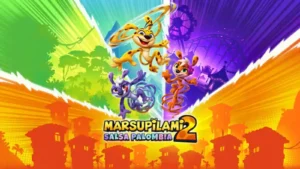
Compare Tales of Berseria Remastered vs Marsupilami 2: Salsa Palombia

Tales of Berseria Remastered

Tales of Berseria Remastered

Overall score 3.7 / 5

Based on 44 scored reviews

vs
Marsupilami 2: Salsa Palombia

Marsupilami 2: Salsa Palombia

Overall score 3.8 / 5

Based on 28 scored reviews

How we score

Scorata scores summarize analyzed review evidence on a 1–5 scale; they are not laboratory measurements or a simple average of customer star ratings. Feature scores summarize the reviews covering that feature. The overall score averages feature scores within each review, then combines review averages. When both expert and customer evidence are available, those two groups receive equal weight. Products can have different review coverage, so small score gaps do not establish a winner.

Recommendations prioritize important features for the category, with a score of at least 3.5, a gap of at least 0.25 points and at least two supporting reviews per product. Features with widely varying scores or broad connectivity contexts are excluded from recommendations. These safeguards do not establish statistical significance.

Quick verdict

What each product is best for

The review evidence points to a tradeoff: character development and world-building versus family friendliness and age appropriateness. Choose according to which strengths matter more to you; the overall score alone does not settle that choice.

Choose Tales of Berseria Remastered for character development and world-building.

Choose Marsupilami 2: Salsa Palombia for family friendliness and age appropriateness.

Why these recommendations?

Tales of Berseria Remastered

Where It Has the Edge

  • character development is 4.9 vs 2.3. Character growth is one of Berseria’s strongest qualities, especially Velvet’s arc and the way major party members evolve...
  • world-building is 4.9 vs 2.3. Midgand’s moral conflicts, regional stories, and changing societies give the setting a stronger sense of history and consequence...
  • originality is 5.0 vs 2.5. The anti-hero revenge structure and morally gray party help Berseria stand apart from the brighter, more traditional hero...

Marsupilami 2: Salsa Palombia

Where It Has the Edge

  • family friendliness is 4.9 vs 2.0. This is one of the game's strongest fits: colorful presentation, adjustable difficulty, simple controls, and local co-op make...
  • age appropriateness is 4.8 vs 2.0. The bright tone, forgiving structure, and simple premise fit younger players especially well, while optional challenges leave room...
  • level design is 4.5 vs 1.7. Level design is one of the strongest areas, with carefully placed hazards, secrets, character-specific routes, and increasingly inventive...
Tales of Berseria Remastered 3.7 overall score
Marsupilami 2: Salsa Palombia 3.8 overall score

Compare features

Scores are out of 5. Missing scores mean missing review evidence, not a missing feature.

Scored on both products

Other features

Monetization fairness
Tales of Berseria Remastered
1.0

One PC-focused review went beyond calling the remaster unnecessary and described the commercial proposition as potentially predatory for existing owners.

Marsupilami 2: Salsa Palombia
5.0

The game is praised for simply offering its platforming experience without ongoing spending pressure or donation-style monetization.

Faithfulness to franchise
Tales of Berseria Remastered
5.0

Despite its darker tone, Berseria still feels recognizably Tales, retaining the series’ charm, party chemistry, visual identity, and action-RPG character.

Marsupilami 2: Salsa Palombia
2.0

One critic familiar with the original comics felt the character designs only vaguely resembled Franquin's creation. The game uses the license lightly rather than deeply embracing the source material.

Family friendliness
Tales of Berseria Remastered
2.0

The revenge plot’s violence, mature themes, and occasional revealing costumes make this a less family-friendly Tales entry than the series’ lighter adventures.

Marsupilami 2: Salsa Palombia
4.9

This is one of the game's strongest fits: colorful presentation, adjustable difficulty, simple controls, and local co-op make it easy to share with children or less experienced players.

Character development
Tales of Berseria Remastered
4.9

Character growth is one of Berseria’s strongest qualities, especially Velvet’s arc and the way major party members evolve across the story.

Marsupilami 2: Salsa Palombia
2.3

Twister, Hope, and Punch are mechanically distinct but thinly characterized. Multiple critics felt the trio lacked enough personality or dialogue to form strong identities.

Dialogue quality
Tales of Berseria Remastered
4.6

Skits, banter, and party conversations are often funny, warm, and character-rich, though one remaster review noticed awkwardly compressed dialogue timing.

Marsupilami 2: Salsa Palombia
2.0

There is effectively no meaningful dialogue, which keeps the pace light but leaves the protagonists with little room to develop personality.

Economy and resource balance
Tales of Berseria Remastered
4.5

The Soul system’s give-and-take creates an enjoyable resource rhythm when earning and spending Souls is working well.

Marsupilami 2: Salsa Palombia
2.0

Fruit and musical-note requirements can become restrictive late in the game. When players fall short, the resource gates can force extra replays that feel more like padding than progression.

Environmental detail
Tales of Berseria Remastered
1.5

Environments are widely criticized as bland, sparse, low-detail, or dated, especially beside the stronger character models and art direction.

Marsupilami 2: Salsa Palombia
4.0

Levels are colorful and layered with foliage, backgrounds, hazards, and distinct settings. A few foreground elements can blend together, but the environments are generally attractive and detailed.

Facial animations
Tales of Berseria Remastered
2.0

Facial models can still look stiff, one of several presentation details that make the game’s older technical foundation visible.

Marsupilami 2: Salsa Palombia
4.5

The Marsupilamis' playful grimaces and animated expressions reinforce the cartoon tone and make the characters feel lively in motion.

Originality
Tales of Berseria Remastered
5.0

The anti-hero revenge structure and morally gray party help Berseria stand apart from the brighter, more traditional hero stories associated with the series.

Marsupilami 2: Salsa Palombia
2.5

The game wears its Donkey Kong, Rayman, and other platforming influences openly. Some critics think its character abilities give it enough personality, while others see the sequel as too derivative or too close to the first game.

Narrative quality
Tales of Berseria Remastered
4.8

The revenge story is the clearest consensus strength, praised for its darker perspective, twists, emotional weight, and willingness to center morally gray characters.

Marsupilami 2: Salsa Palombia
2.5

The story is intentionally thin and mostly exists to move players between levels. It is easy to follow and suits the family tone, but adults seeking memorable characters or narrative depth will find little here.

Exploration quality
Tales of Berseria Remastered
2.3

Exploration is often dragged down by backtracking, long corridors, repetitive dungeons, and repeated fights, although faster movement and encounter toggles improve it in the remaster.

Marsupilami 2: Salsa Palombia
4.5

Hidden notes, bonus areas, secret rooms, and alternate routes reward checking beyond the obvious path. Exploration is one of the stronger reasons to slow down in an otherwise fast platformer.

Load times
Tales of Berseria Remastered
4.8

Modern versions generally load faster, with several reviewers calling the improvements noticeable or nicely brisk.

Marsupilami 2: Salsa Palombia
2.5

The main load-time complaint is a lengthy initial shader compilation on PC. It is a minor issue once play begins but slower than the reviewer expected.

Atmosphere
Tales of Berseria Remastered
5.0

Berseria’s darker, morally gray tone is a standout strength, giving the familiar Tales formula a more mature and emotionally charged identity.

Marsupilami 2: Salsa Palombia
3.0

The game is lively and welcoming, but one critic felt its atmosphere and originality did not quite reach the high point set by earlier franchise content.

Endgame content
Tales of Berseria Remastered
1.0

One detailed review found the endgame side content rushed, typo-heavy, and noticeably less polished than the main story.

Marsupilami 2: Salsa Palombia
3.0

Late-game unlocks add more play, but the path to them can require another collection push after players have already gathered many notes. The endgame is therefore more appealing to completionists than to players eager to move straight to the finale.

Onboarding experience
Tales of Berseria Remastered
2.5

The opening combat hours can feel overwhelming as Artes and interconnected systems arrive before every player feels comfortable with them.

Marsupilami 2: Salsa Palombia
4.5

Newcomers can pick up the mechanics quickly, and prior knowledge of the first game is unnecessary. The colorful presentation and familiar platforming language make it easy to start.

Core gameplay loop
Tales of Berseria Remastered
2.0

One reviewer felt the long combat-exploration-upgrade cycle stopped introducing enough new systems to stay fresh through the full runtime.

Marsupilami 2: Salsa Palombia
3.8

The central run-jump-collect loop is solid and enjoyable, though some critics see it as conventional rather than distinctive. Its strength comes from execution more than reinvention.

Grind level
Tales of Berseria Remastered
4.1

Encounter toggles and Grade Shop XP boosts make grinding far easier to control, a widely appreciated convenience for story-focused or returning players.

Marsupilami 2: Salsa Palombia
2.5

Backtracking and collection gates are the biggest source of grind. Some players find the extra runs manageable or even enjoyable, while others see them as artificial padding that weakens the campaign.

Innovation
Tales of Berseria Remastered
4.5

Berseria’s anti-hero lead, darker story, and freer combat represented meaningful departures from older Tales conventions that several reviewers still appreciate.

Marsupilami 2: Salsa Palombia
2.9

The game improves its predecessor but rarely pushes the platforming genre forward. Its best ideas are polished variations on familiar mechanics rather than major innovations.

Handheld play suitability
Tales of Berseria Remastered
3.6

Portable Berseria is a major selling point for some reviewers, but Switch-specific image quality, 30fps limits, and one severe input-lag report make handheld recommendations platform-sensitive.

Marsupilami 2: Salsa Palombia
5.0

The fast stages, modest session length, and light technical demands make the game an especially good fit for portable systems such as Steam Deck and Switch-style hardware.

Difficulty balance
Tales of Berseria Remastered
2.6

Difficulty can swing too far toward easy when Grade Shop bonuses or Velvet’s strongest loops are used, while harder settings do a better job exposing the combat’s strategic depth.

Marsupilami 2: Salsa Palombia
3.9

Regular stages usually offer a fair, accessible challenge, with harder optional modes for veterans. Bosses and 100% completion create the biggest spikes, so the difficulty curve can feel inconsistent.

Polish
Tales of Berseria Remastered
3.6

Quality-of-life tweaks add welcome smoothness, but dated assets, unresolved rough edges, and the small scale of the update keep the remaster from feeling comprehensively polished.

Marsupilami 2: Salsa Palombia
4.7

The game is consistently described as polished for its scale, with cohesive controls, attractive presentation, and few widespread technical problems.

Tutorial quality
Tales of Berseria Remastered
3.6

Some reviewers think the game teaches its mechanics well, while others find the explanations confusing or insufficient for the combat’s complexity.

Marsupilami 2: Salsa Palombia
2.5

Tutorial reminders help younger or new players at first, but repeated button prompts become distracting once experienced players understand the controls.

Character roster
Tales of Berseria Remastered
4.9

The cast is the most consistently praised element after the story, with strong chemistry, memorable personalities, and unusually compelling anti-hero dynamics.

Marsupilami 2: Salsa Palombia
3.9

The three-character setup adds welcome variety, though balance between them is uneven. Punch or Hope can feel less useful or less enjoyable depending on the reviewer and level.

Immersion
Tales of Berseria Remastered
4.0

Strong art and music can bring Midgand to life, but pop-in and dated environmental presentation can noticeably break immersion.

Marsupilami 2: Salsa Palombia
5.0

One highly positive review found the combination of visual variety, cinematic moments, and adaptive music made the campaign feel consistently fresh and immersive.

Visual effects quality
Tales of Berseria Remastered
5.0

Battle effects and flashy ultimate attacks add energy and spectacle to the real-time combat.

Marsupilami 2: Salsa Palombia
4.0

Lighting and small visual-effect improvements give the sequel a cleaner look, even if they do not radically change the presentation from its predecessor.

Couch co-op quality
Tales of Berseria Remastered
3.8

Local battle co-op is functional and welcome for players who want to share fights, but it is not presented as a major reason to buy.

Marsupilami 2: Salsa Palombia
4.7

Couch co-op is a major strength for families and platforming fans, turning character pairings into shared play and light rivalry. It is repeatedly recommended as one of the best use cases for the game.

Progression system
Tales of Berseria Remastered
3.2

Progression has useful depth through equipment, Grade Shop options, and evolving combat choices, but some reviewers feel growth is muted because the game can be too easy or bonuses too incremental.

Marsupilami 2: Salsa Palombia
2.4

Progression is weakened by note and fruit gates that can force replaying completed stages. This structure is the most common source of frustration outside the boss fights.

Graphics quality
Tales of Berseria Remastered
3.5

The visual picture is mixed: the anime style still looks appealing and some remaster versions are crisp, but many reviewers see only minor upgrades and Switch can look noticeably worse.

Marsupilami 2: Salsa Palombia
4.3

The bright 2.5D presentation is widely praised, with attractive environments and polished animation. The main exception is Switch, where lower clarity can make busy scenes harder to read.

Camera behavior
Tales of Berseria Remastered
4.0

The combat camera was described as mostly well behaved, helping the fast battle system keep a cohesive flow.

Marsupilami 2: Salsa Palombia
3.5

Dynamic camera movement can add energy without hurting play, but another critic found the camera too zoomed out. The result is generally workable with occasional readability concerns.

Content variety
Tales of Berseria Remastered
5.0

Minigames, battle arenas, collectibles, exploration rewards, and other side activities help break up the main loop and give the package welcome variety.

Marsupilami 2: Salsa Palombia
4.5

The worlds and stage gimmicks change frequently, moving through jungles, cities, snowy areas, and late-game settings with distinct hazards. Several critics praise how often the game introduces a new scenario.

Bug frequency
Tales of Berseria Remastered
2.3

Technical polish varies sharply by platform. PS5 reports are often smooth, while Switch reviews repeatedly mention pop-in, flicker, shimmering, and other visual glitches.

Marsupilami 2: Salsa Palombia
2.8

Technical reliability varies by account: one PC review saw only a minor one-off issue, while another playthrough reported a severe looping audio bug. Serious problems do not appear universal, but they can be disruptive when they occur.

Gameplay mechanics
Tales of Berseria Remastered
4.5

Soul management, Break Souls, combo trees, and character-specific systems can create satisfying tactical depth, though some critics think the systems do not always harmonize.

Marsupilami 2: Salsa Palombia
4.1

Character swapping is the sequel's biggest mechanical improvement, giving each Marsupilami a distinct role and creating more tactical platforming. Some critics think the abilities could be used more deeply.

Battle mode quality
Tales of Berseria Remastered
5.0

Reviewers who clicked with the battle system found fights fast, satisfying, and highly engaging, with especially strong moment-to-moment action.

Marsupilami 2: Salsa Palombia
4.7

Competitive Dojo minigames are a standout side activity, with fast rounds and varied objectives that work especially well with a friend.

Pacing
Tales of Berseria Remastered
3.2

Story pacing is often strong, but repetitive dungeons and backtracking can interrupt emotional highs; the remaster’s faster travel helps without eliminating the issue.

Marsupilami 2: Salsa Palombia
3.5

The early stages can feel conventional or repetitive, but the campaign becomes more varied and energetic as it moves into later worlds.

Emotional impact
Tales of Berseria Remastered
5.0

The revenge story repeatedly lands with real emotional force; reviewers describe tears, goosebumps, poignancy, and a strong attachment to Velvet’s journey.

Marsupilami 2: Salsa Palombia
4.8

The game's playful animation and high-energy presentation can produce genuine smiles, excitement, and laughter even when the story itself is slight.

Combat system
Tales of Berseria Remastered
3.8

Combat is the biggest point of disagreement: many reviewers love its speed, combo freedom, and risk-reward systems, while others find it button-mashy, overcomplicated, poorly balanced, or repetitive.

Marsupilami 2: Salsa Palombia
4.0

Basic attacks are easy to execute and fighting fits naturally into the platforming flow. Combat is not especially deep, but it generally supports the game's fast, accessible style.

Learning curve
Tales of Berseria Remastered
3.1

Combat can be approachable at first yet overwhelming as systems stack up; reviewers disagree on whether the tutorials and gradual introductions make that complexity manageable.

Marsupilami 2: Salsa Palombia
2.9

The basic controls are approachable, but remembering which character owns which ability takes adjustment. Character switching can briefly complicate otherwise simple platforming.

Co-op experience
Tales of Berseria Remastered
3.8

Local battle multiplayer is welcomed as a useful extra, though it is described as serviceable rather than essential.

Marsupilami 2: Salsa Palombia
4.0

Local co-op is broadly fun and often one of the best ways to play, especially for families. Its main drawback is that some levels and bosses feel designed around solo play and can become cramped or trivial with two players.

Movement feel
Tales of Berseria Remastered
3.9

The 20% movement-speed boost is one of the most appreciated QoL changes, though some reviewers still find traversal floaty, sluggish, or detached from the world.

Marsupilami 2: Salsa Palombia
3.8

Movement is usually fast, fluid, and satisfying, especially once players learn the dash-and-swap rhythm. A few reviews report slippery hovering, sticky wall interactions, or awkward default speed choices.

Animation quality
Tales of Berseria Remastered
5.0

Character and battle animation was praised as smooth and effective, even when other visual elements still showed the game’s age.

Marsupilami 2: Salsa Palombia
4.9

Character movement is consistently praised as smooth, playful, and expressive. Even more critical takes still treat the animation as one of the presentation strengths.

Enemy variety
Tales of Berseria Remastered
2.1

Enemy variety is a recurring weakness in dungeons, with repeated foes and samey encounter waves undercutting otherwise lively combat.

Marsupilami 2: Salsa Palombia
2.0

Enemy variety is a recurring weakness, with the same basic creatures appearing across many stages and only a small number of new enemy types added per world.

Fun factor
Tales of Berseria Remastered
4.4

Even reviewers who criticize the remaster often still call Berseria itself fun, entertaining, or a must-play first experience.

Marsupilami 2: Salsa Palombia
4.5

Across sources, the game is consistently described as cheerful, energetic, and genuinely fun. Even critics who dislike the grind or short campaign usually still enjoy the platforming itself.

Accessibility options
Tales of Berseria Remastered
4.6

Encounter toggles, difficulty controls, Grade Shop modifiers, button mapping, and other conveniences give players strong control over how demanding or time-consuming the journey feels, though one review noted the lack of colorblind modes.

Marsupilami 2: Salsa Palombia
4.7

Three difficulty settings and easy modes with extra or unlimited health make the game unusually approachable. The flexibility is especially helpful when boss difficulty spikes.

Art direction
Tales of Berseria Remastered
4.7

The anime and watercolor-inspired art direction continues to hold up well, with reviewers praising its style even when textures and environments look dated.

Marsupilami 2: Salsa Palombia
4.6

The colorful cartoon look is one of the game's clearest strengths, with vibrant worlds and strong visual personality. Some critics still find parts of the style derivative of other platformers.

Frame rate stability
Tales of Berseria Remastered
3.4

Performance is strong on PS5 in several reviews, but Switch impressions are much less consistent, with 30fps caps and occasional dips drawing criticism.

Marsupilami 2: Salsa Palombia
3.4

Performance is generally stable on PC and other versions discussed, but the Switch version draws repeated criticism for lower resolution and frame rate in busy scenes. Platform choice matters if visual clarity is a priority.

Controls and connectivity

Age appropriateness
Tales of Berseria Remastered
2.0

The darker story includes death, killing, child-directed violence, and revealing costumes, making it a more mature Tales entry than some reviewers expected.

Marsupilami 2: Salsa Palombia
4.8

The bright tone, forgiving structure, and simple premise fit younger players especially well, while optional challenges leave room for older platforming fans.

Protagonist appeal
Tales of Berseria Remastered
4.8

Velvet is overwhelmingly praised as a distinctive, compelling anti-heroine whose anger, vulnerability, and growth give the story its identity.

Marsupilami 2: Salsa Palombia
3.3

The trio is cute and likeable for some players, but others find them bland compared with the personality associated with the broader Marsupilami property.

Controls responsiveness
Tales of Berseria Remastered
4.2

Most versions feel smooth and responsive in combat, but one Switch review reported severe input lag that made both fighting and exploration unwieldy.

Marsupilami 2: Salsa Palombia
4.5

Controls are usually snappy, intuitive, and smooth, making the fast platforming easy to read and execute. A few character-specific movements feel less polished than the core controls.

Menu usability
Tales of Berseria Remastered
2.6

Menu impressions are mixed: new item indicators can help, but build management, DLC claiming, and some older interfaces are still cumbersome.

Marsupilami 2: Salsa Palombia
2.5

The lack of a Retry option in the menu is an avoidable inconvenience, especially for perfectionists restarting a failed run.

Comfort and build

Level design
Tales of Berseria Remastered
1.7

Dungeon design is one of the clearest weaknesses, repeatedly described as linear, bland, maze-like, repetitive, or too long.

Marsupilami 2: Salsa Palombia
4.5

Level design is one of the strongest areas, with carefully placed hazards, secrets, character-specific routes, and increasingly inventive set pieces. Even more critical reviews usually acknowledge the stages are well built.

World-building
Tales of Berseria Remastered
4.9

Midgand’s moral conflicts, regional stories, and changing societies give the setting a stronger sense of history and consequence than its plain environments suggest.

Marsupilami 2: Salsa Palombia
2.3

The broader Marsupilami setting remains underused, with critics noting that the game relies mostly on the iconic creature and a general South American flavor rather than deeper franchise world-building.

Puzzle design
Tales of Berseria Remastered
2.6

Dungeon puzzles are usually considered simple or underdeveloped, with only occasional later sections standing out positively.

Marsupilami 2: Salsa Palombia
4.0

Light character-specific puzzles use visual clues to signal which ability opens a route. They are not deep, but they add useful variety to the platforming.

Boss design
Tales of Berseria Remastered
3.9

Boss opinions were split: several reviewers enjoyed the stronger encounters, while another found boss battles uninspired.

Marsupilami 2: Salsa Palombia
3.0

Bosses are the most divisive part of the game. Some find them fun and energetic, while others call them too easy, too punishing, repetitive, or poorly matched to the skills taught in the levels.

User interface design
Tales of Berseria Remastered
3.8

New icons and clearer indicators improve navigation and inventory clarity, but older build menus can still feel convoluted.

Marsupilami 2: Salsa Palombia
3.0

The only direct UI impression compares it neutrally to Fortnite, without a stronger judgment on usability or style.

Multiplayer design
Tales of Berseria Remastered
3.5

Battle multiplayer was described as serviceable but superfluous: usable for shared play, yet far from central to the experience.

Marsupilami 2: Salsa Palombia
4.0

Multiplayer adds strong value through co-op and competitive side modes, but the main campaign is not always fully tuned for two players. The result is fun but occasionally crowded or too easy.

Map and navigation design
Tales of Berseria Remastered
4.2

New objective markers, collectible icons, and minimap changes are genuinely useful, although a few reviewers found them inconsistent or absent when most needed.

Marsupilami 2: Salsa Palombia
4.5

Progress tracking clearly shows where stages still contain unseen content, helping completionists return to unfinished areas without guessing.

Sound design
Tales of Berseria Remastered
2.8

Audio opinions are mixed: battle effects can be excellent, but some remaster versions have distracting menu mixing or unusually loud effects.

Marsupilami 2: Salsa Palombia
3.0

Audio presentation is mixed: environmental sounds can add energy, but some effects feel derivative and one reviewer encountered a severe looping audio bug.

Ownership and support

Replay value
Tales of Berseria Remastered
1.5

One repeat player felt the magic faded on subsequent runs and explicitly recommended experiencing Berseria once rather than replaying it repeatedly.

Marsupilami 2: Salsa Palombia
4.0

Salsa mode, Dojos, secrets, completion goals, and competitive challenges provide many reasons to replay stages. The value is strongest when replays feel optional; forced repetition can turn the same content into a chore.

Platform-specific feature support
Tales of Berseria Remastered
3.4

Bringing Berseria to Switch and Xbox expands access, but missing upgrade paths, sparse PC options, screenshot restrictions, and no native Switch 2 version disappointed some reviewers.

Marsupilami 2: Salsa Palombia
2.3

Platform support is uneven: PC controller prompts have limitations, and Switch suffers from visual clarity and frame-rate compromises. Players with multiple systems may prefer PC or PS5.

Value for money
Tales of Berseria Remastered
2.7

Value depends heavily on ownership: newcomers often get the best package with bundled DLC and QoL upgrades, while existing PS4/PC owners repeatedly see little reason to pay again.

Marsupilami 2: Salsa Palombia
3.8

Value depends on platform and tolerance for the short campaign. One critic wanted more content for the price, while another specifically called the $24.99 PC version the best value.

Performance

Performance optimization
Tales of Berseria Remastered
3.8

PS5 performance is usually smooth, while PC and especially Switch reports are more variable; the harshest Switch review described serious input-lag and image-quality problems.

Marsupilami 2: Salsa Palombia
4.5

PC performance is generally smooth and trouble-free, including on modest hardware. The most notable technical caveats are platform-specific rather than broad optimization failures.

Soundtrack quality
Tales of Berseria Remastered
3.7

The soundtrack divides reviewers more than the story or voice acting: some rank it highly, while others call most of it average or forgettable outside standout themes.

Marsupilami 2: Salsa Palombia
4.1

Music is usually upbeat, energetic, and well matched to the game's theme, with several critics calling it a major strength. A minority find it generic or less memorable than the platformers that inspired the game.

Evidence available for one product

Other features

AI behavior
Tales of Berseria Remastered
2.0

Party and enemy AI drew criticism for being basic, with players often expected to do most of the meaningful work themselves.

Marsupilami 2: Salsa PalombiaNo score yet
Character diversity
Tales of Berseria RemasteredNo score yet
Marsupilami 2: Salsa Palombia
4.8

The three playable Marsupilamis feel meaningfully different in play, with distinct movement powers and stage pairings that keep the platforming varied.

Checkpoint system
Tales of Berseria RemasteredNo score yet
Marsupilami 2: Salsa Palombia
2.5

Frequent checkpoints keep failure painless, but some critics think they are so generous that deaths lose much of their consequence.

Class balance
Tales of Berseria Remastered
1.5

Velvet’s power is a recurring balance problem in the more critical combat takes, where her Break Soul loop can make other party members feel unnecessary.

Marsupilami 2: Salsa PalombiaNo score yet
Collectibles
Tales of Berseria RemasteredNo score yet
Marsupilami 2: Salsa Palombia
3.6

Collecting notes, fruit, and secrets can be highly satisfying for completionists, but required collection sometimes crosses into frustration when progression forces repeat runs.

Companion AI
Tales of Berseria Remastered
1.8

Companion AI is a weak spot, with basic behavior and unreliable healing leaving the player to handle much of the important decision-making.

Marsupilami 2: Salsa PalombiaNo score yet
Crafting system
Tales of Berseria Remastered
5.0

Equipment enhancement earned praise for making dropped materials useful and giving gear management a satisfying purpose between battles.

Marsupilami 2: Salsa PalombiaNo score yet
Fast travel convenience
Tales of Berseria Remastered
3.9

Earlier and less restrictive travel tools are a meaningful improvement, though some reviewers still found warping limited or awkwardly structured.

Marsupilami 2: Salsa PalombiaNo score yet
Flying mechanics
Tales of Berseria RemasteredNo score yet
Marsupilami 2: Salsa Palombia
3.8

Twister's hover and aerial movement can be thrilling when they flow well, but one reviewer found the hover slightly slippery. The mechanic is useful and fun, though not perfectly consistent.

Game length
Tales of Berseria RemasteredNo score yet
Marsupilami 2: Salsa Palombia
3.1

The main campaign is short, commonly landing around three to six hours depending on pace. Optional modes and completion goals extend it substantially, but several critics still wish there were more main worlds.

HUD clarity
Tales of Berseria Remastered
5.0

New objective and collectible indicators make the minimap more useful and reduce friction when tracking goals and pickups.

Marsupilami 2: Salsa PalombiaNo score yet
Lore depth
Tales of Berseria Remastered
5.0

The story’s moral ambiguity, revenge themes, free-will questions, and philosophical framing give reviewers more to think about than a typical straightforward hero narrative.

Marsupilami 2: Salsa PalombiaNo score yet
Mission variety
Tales of Berseria Remastered
1.5

One review specifically criticized repeated tasks and story padding for making the adventure feel longer than its central conflict needed.

Marsupilami 2: Salsa PalombiaNo score yet
Platforming precision
Tales of Berseria RemasteredNo score yet
Marsupilami 2: Salsa Palombia
4.7

Precise jumping and responsive traversal are repeatedly singled out as core strengths. Even when individual abilities feel slippery, the overall platforming is considered polished and satisfying.

Remake/remaster quality
Tales of Berseria Remastered
2.6

The dominant complaint is that this feels more like a port or convenience-focused rerelease than a transformative remaster. The QoL work is useful, but many existing owners see too little reason to rebuy.

Marsupilami 2: Salsa PalombiaNo score yet
Side character depth
Tales of Berseria Remastered
5.0

The supporting party is praised for distinct motivations, chemistry, banter, and storylines that make them more than simple companions to Velvet.

Marsupilami 2: Salsa PalombiaNo score yet
Skill tree depth
Tales of Berseria Remastered
4.3

Arte and combo customization gives combat meaningful flexibility, letting players experiment with large move sets and different strings.

Marsupilami 2: Salsa PalombiaNo score yet
Upgrade system
Tales of Berseria Remastered
3.0

Gear and ability systems can support steady growth, but several critics see them as shallow, overly menu-heavy, or unnecessary because combat can be trivialized.

Marsupilami 2: Salsa PalombiaNo score yet
World interactivity
Tales of Berseria Remastered
4.0

Collectibles, Katz rewards, treasure, and other field pickups add small reasons to explore otherwise straightforward spaces.

Marsupilami 2: Salsa PalombiaNo score yet
Writing quality
Tales of Berseria Remastered
3.8

Characterization and emotional writing are often excellent, especially around Velvet and the party, but a few reviewers criticize tropey sections, weaker villains, or missed thematic opportunities.

Marsupilami 2: Salsa PalombiaNo score yet

Controls and connectivity

Character customization
Tales of Berseria Remastered
3.9

Costumes and cosmetic options are fun and plentiful, but deeper build customization can feel limited or inflexible in places.

Marsupilami 2: Salsa PalombiaNo score yet
Collector appeal
Tales of Berseria Remastered
5.0

A physical release with extra presentation value was specifically appreciated by a longtime Tales fan.

Marsupilami 2: Salsa PalombiaNo score yet
Voice acting
Tales of Berseria Remastered
4.7

Voice work is a major strength, especially the performances behind Velvet and the main cast, though one reviewer strongly preferred Japanese audio over the English dub.

Marsupilami 2: Salsa PalombiaNo score yet

Ownership and support

Cross-save support
Tales of Berseria Remastered
1.5

The lack of PS4 save transfer was called a missed opportunity for returning players considering the remaster.

Marsupilami 2: Salsa PalombiaNo score yet
DLC value
Tales of Berseria Remastered
4.6

Bundled DLC is one of the remaster’s clearest wins: most reviewers liked getting the original costumes and extras included, especially for newcomers.

Marsupilami 2: Salsa PalombiaNo score yet
Save system reliability
Tales of Berseria Remastered
5.0

Autosave is a welcome modern convenience that reduces the risk of lost progress and makes the long RPG easier to play casually.

Marsupilami 2: Salsa PalombiaNo score yet

Comfort and build

Mission design
Tales of Berseria Remastered
2.0

Repeated objectives and forced backtracking can turn progression into a routine trek through already visited maps.

Marsupilami 2: Salsa PalombiaNo score yet
Open-world design
Tales of Berseria Remastered
2.0

Berseria is notably linear rather than truly open, and a couple of reviewers felt the zones were smaller or more constrained than they first appeared.

Marsupilami 2: Salsa PalombiaNo score yet
Quest design
Tales of Berseria Remastered
1.5

One review specifically lamented the absence of a meaningful side-quest system alongside the game’s uninspired dungeon structure.

Marsupilami 2: Salsa PalombiaNo score yet

Other Top Video Games to Consider

#1 Well Dweller
4.7

Best for fluid traversal, rewarding exploration, striking art, and forgiving quality-of-life features. Skip it if you want deep combat, radical genre innovation, or consistently demanding bosses.

Pros: difficulty balance, boss design

Cons: innovation, sandbox freedom

#2 Hades II
4.5

Best for superb combat, inventive builds, and richly voiced characters. Skip it if repeated runs, resource gathering, or visually busy battles outweigh the appeal of steady progress.

Pros: overall quality, combat system

Cons: pacing, grind level

#3 Valheim
4.5

Good if you want a beautiful, demanding survival sandbox built around exploration, building, progression, and memorable co-op. Skip it if long resource runs, harsh death recovery, and deliberate pacing sound...

Pros: town-building system, exploration quality

Cons: grind level, fast travel convenience

#4 Clair Obscur: Expedition 33
4.5

Choose Clair Obscur if you want a story-rich RPG with thrilling timed combat, gorgeous art, and standout music. Skip it if poor maps, tight parry timing, or occasional bugs and...

Pros: narrative quality, combat system

Cons: map and navigation design, menu usability