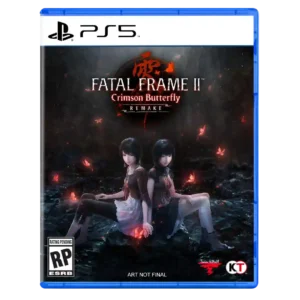
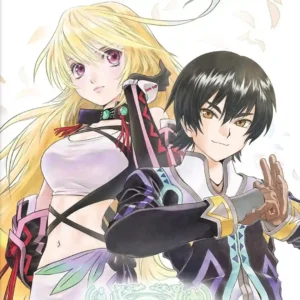
Fatal Frame II: Crimson Butterfly Remake
Where It Has the Edge
- environmental detail is 4.0 vs 2.1. Houses, streets, textures, and small lived-in touches make Minakami feel convincingly decayed and unsettling.

Scorata scores summarize analyzed review evidence on a 1–5 scale; they are not laboratory measurements or a simple average of customer star ratings. Feature scores summarize the reviews covering that feature. The overall score averages feature scores within each review, then combines review averages. When both expert and customer evidence are available, those two groups receive equal weight. Products can have different review coverage, so small score gaps do not establish a winner.
Recommendations prioritize important features for the category, with a score of at least 3.5, a gap of at least 0.25 points and at least two supporting reviews per product. Features with widely varying scores or broad connectivity contexts are excluded from recommendations. These safeguards do not establish statistical significance.
Quick verdict
The review evidence points to a tradeoff: environmental detail versus DLC value and performance optimization. Choose according to which strengths matter more to you; the overall score alone does not settle that choice.
Choose Fatal Frame II: Crimson Butterfly Remake for environmental detail.
Choose Tales of Xillia Remastered for DLC value and performance optimization.
Scores are out of 5. Missing scores mean missing review evidence, not a missing feature.
Several customers expected preorder bonuses and were disappointed when the promised extras were missing.
Bundled costumes and legacy DLC are viewed as a welcome bonus, especially when included without extra cost, although some licensed items could not return.
Reliable autosaves pair well with generous checkpoints, making progress feel secure even when combat suddenly turns punishing.
Autosave is one of the most consistently appreciated additions, reducing the risk of lost progress and making long stretches between manual saves far less stressful.
Multiple endings, New Game+, higher difficulties, missed ghosts, and collectibles give strong reasons to revisit Minakami.
Two protagonists, New Game+, and Grade Shop modifiers give the game real replay potential. The tradeoff is that several reviewers feel Jude and Milla's routes overlap too heavily to justify another full-length run.
3D audio can noticeably strengthen the horror, but missing gyro support, HDR/film-grain issues, and console limitations make platform features inconsistent.
Platform parity is a weak point. Switch and Switch 2 users do not receive the same frame-rate and visual experience available on PS5 and PC, and reviewers wanted a more capable native Switch 2 version.
For horror fans, the expanded content and strong presentation generally justify the purchase, while performance-sensitive players may prefer a sale or patches.
Value is positive for many reviewers who see a strong JRPG and useful upgrades at a mid-range price. Others think the package asks too much for such a conservative remaster, and premium-edition value draws additional criticism.
A persistent minimap and interface can feel intrusive for players who want an uncluttered, more immersive horror presentation.
Clearer directional and objective information makes navigation easier to understand at a glance.
New side stories, areas, collectibles, and endings give returning players meaningful extra material, even if a few additions feel secondary.
The remaster loses some original crossover or licensed content, which contributes to the feeling that the package is less complete than it could have been.
Journals, spirit traces, side stories, and new locations deepen the village’s ritual history and make its ghosts more tragic and memorable.
One reviewer wanted the game's interesting ideas and lore explored more deeply, finding too much of the world-building left at a surface level.
A customer reports the game feeling both clunky and buggy, pointing to rough technical edges.
Technical issues vary by platform and reviewer. Most are minor or non-game-breaking, but reported problems include subtitle behavior, audio drops, visual glitches, high-frame-rate bugs, and severe pop-in in older-source impressions.
Character faces look much improved overall, but facial motion can still lack the fluidity and polish of the best modern remakes.
Facial animation still looks stiff and dated in the remaster, limiting how modern the presentation feels.
Modernized mechanics add depth and convenience, yet the extra systems sometimes feel overcomplicated or at odds with the series’ vulnerability-first horror.
The underlying gameplay hooked the reviewer quickly, with its systems feeling immediately engaging rather than merely functional.
Console performance is the clearest technical complaint, with a 30 FPS cap and reports of stutter or drops overshadowing otherwise strong presentation.
PS5 and PC are repeatedly praised for smooth, stable frame rates, often at 60 FPS or better. Switch impressions are substantially weaker, with a 30 FPS cap and dips in busier areas.
Houses, streets, textures, and small lived-in touches make Minakami feel convincingly decayed and unsettling.
Environmental detail is a recurring weakness: fields, caves, ports, and connecting areas are often described as bare, repetitive, or low-detail. Strong color and occasional attractive locations soften the criticism but do not erase it.
Mio is easier to steer than in older versions, but slow, heavy, or stiff movement remains one of the most common frustrations during combat.
The added dash and faster traversal noticeably improve movement, making the older world quicker and more pleasant to navigate.
Loading can interrupt the experience in spots, adding another small layer of friction to an already deliberate pace.
Loading is dramatically improved on faster platforms and often described as nearly instant. The base Switch version is the main outlier, where longer loads contribute to a slower overall feel.
Camera-based combat remains distinctive, tense, and satisfying when it clicks, but aggravated wraiths, long health bars, and clunky movement frequently turn fights into frustration.
Combat is the clearest strength across the reviews. Linked Artes, character swapping, fast real-time attacks, and build experimentation are repeatedly described as fluid, deep, and fun, though a few reviewers find regular encounters repetitive or simpler than other Tales entries.
Tutorials explain many systems, but the timing and volume of instruction can be awkward, with some crucial guidance arriving only after failure.
Tutorials are consistently regarded as helpful, making layered combat mechanics understandable as they are introduced.
Mayu can reinforce the sisters’ bond without making escort sections unbearable, yet she is often too passive or becomes a liability during fights.
Linked companions are usually helpful and automate partner abilities smoothly, but one reviewer reports allies wasting resources or positioning poorly against tougher enemies.
The photography-and-exploration loop can lose momentum when repeated ghost encounters interrupt the slow-burn horror too often.
The main loop can be engaging when combat and progression are clicking, but repetition becomes noticeable over longer sessions.
The remake preserves the tragic story and Fatal Frame identity well, while modern camera and combat changes divide purists who preferred the older feel.
The remaster is praised for faithfully preserving what worked in the original while smoothing rough edges rather than rewriting the game.
The camera system needs some adjustment time, but combat becomes more natural once focus, timing, filters, and Fatal Frames click.
Combat has a learning curve, but reviewers repeatedly say it becomes intuitive with practice and rewards players who keep experimenting.
Settings cover useful basics such as subtitles, control choices, lock-on, and vibration, but PC keyboard support and customization are uneven.
Modern convenience and accessibility additions are broadly praised, including difficulty settings, remapping, encounter toggles, subtitles, autosave, and clearer navigation. The suite is helpful rather than exhaustive, with at least one reviewer wishing for options such as colorblind modes.
The remake looks ambitious but retains noticeable jank, with clunky controls, awkward animations, and performance roughness keeping it from feeling fully refined.
The remaster adds welcome polish and refinement, but reviewers still see visible PS3-era rough edges. The overall presentation is cleaner without feeling rebuilt from the ground up.
The themes of sacrifice, guilt, loss, and the sisters’ bond give the horror a melancholy weight beyond its jump scares.
The cast and story land emotionally for many reviewers, with heartfelt character moments, sacrifice, and relationship arcs giving the adventure lasting warmth despite structural weaknesses.
Sound, lighting, village detail, and the sisters’ vulnerability pull players into Minakami, while busy HUD elements and gamey upgrade systems can break the spell.
Crisp effects and environmental audio help one reviewer feel more immersed in the world and battles.
The remake’s moody J-horror look is widely effective, but the heavy film-grain treatment is divisive and can obscure the cleaner visual upgrade.
The colorful anime-inspired art direction has aged well and helps the game retain charm even when individual models, textures, and environments reveal their PS3 origins.
Character and ghost animation is generally expressive and improved, though some movement still looks stiff or less polished than modern peers.
Animation quality is mixed. Combat can look fluid and energetic, but stiff cutscenes, older facial movement, and dated character animation repeatedly reveal the game's age.
Lighting, fog, shadows, and spectral effects strongly reinforce the horror, but aggressive film grain can muddy an otherwise impressive image.
Battle effects are praised for looking dramatic and lively, helping combat pop visually.
Minakami Village is the remake’s defining strength: oppressive darkness, fog, lighting, and eerie spaces keep the experience tense even between fights.
The world's mood is split between cozy, colorful charm and criticism that repetitive spaces fail to captivate. Atmosphere depends heavily on how much the art style and cast carry the environment for the player.
Camera and filter upgrades can be rewarding, yet balance is shaky: some boosts feel unclear or weak while others eventually trivialize enemies.
Upgrade systems are mixed: character and replay modifiers can be useful and flexible, but immediate Grade Shop access can undermine the intended progression and sense of earning upgrades.
Repeated ghost fights and health regeneration can grind the pacing down, especially when ordinary enemies take too long to finish.
Grinding is highly context-dependent. Grade Shop modifiers can dramatically reduce repetitive leveling, while achievements, trophies, shop leveling, and some midgame progression can still demand busywork.
Most players still find the remake enjoyable and compelling, but prolonged combat and technical friction can turn tense encounters into chores.
The game is widely described as enjoyable, charming, and easy to keep playing, with combat and party chemistry doing most of the work. Even more critical reviews usually still regard the core game as fun.
The Camera Obscura remains an inventive horror concept, and the remake takes some smart chances with filters and combat without reinventing the series.
The dual-protagonist structure and combat ideas are credited as meaningful innovations for the series, even though later reviewers debate how fully those ideas were realized.
Photography-based exorcism still gives Fatal Frame a distinctive identity that stands apart from gun-focused survival horror.
One retrospective view treats Xillia as an unusually distinctive step for the series, crediting it with an identity that stood out in its era.
Mio and Mayu’s strained bond comes through strongly, with side stories and hand-holding mechanics adding texture to their relationship.
Character growth is one of the strongest narrative qualities. Reviewers repeatedly praise the way Jude, Milla, Alvin, and the wider party evolve through personal struggles and relationships.
Limited film and healing supplies create useful survival-horror pressure, but health-regenerating enemies can make resource loss feel unfair.
The shop-leveling economy is distinctive and can make gathering materials feel purposeful, but some reviewers think universal shop inventories and donation requirements overstreamline shopping or encourage unnecessary grind.
The restrained exposition and improved translation let the mystery unfold naturally without burying the player in long explanations.
Character-focused writing is a major strength, with reviewers praising expressive interactions, themes, and emotional arcs. Even more critical takes usually reserve their complaints for familiar tropes or underdeveloped larger ideas rather than the cast writing.
Holding hands can sometimes confuse enemy behavior, causing ghosts to shuffle awkwardly around the sisters.
One reviewer finds enemy AI too passive, reducing the pressure and tactical demand of some fights.
Ghosts have memorable designs and behaviors, but repeated encounters can make the roster feel less varied over a full playthrough.
Enemy variety receives mixed feedback: some reviewers enjoy the range of encounters and memorable foes, while others feel the regular enemy pool becomes repetitive.
Camera progression gives exploration a satisfying sense of growth and makes later encounters more manageable.
The Lilium Orb progression system is widely praised for being flexible, rewarding, and constantly engaging. Reviewers like choosing stat, skill, and Arte growth instead of following a rigid path.
The tragic mystery of Mio, Mayu, and Minakami is consistently praised as a major strength, with new material generally expanding the story without disrupting it.
The story is generally liked for its emotional themes, political conflict, and character focus, but opinion is not unanimous. Some reviewers find it layered and gripping, while others call parts predictable, underdeveloped, or weaker than the cast.
Detailed environments, lighting, character models, and ghost designs make this the best-looking Fatal Frame for many, despite some film-grain and performance complaints.
Sharper resolution, stronger color, and cleaner presentation make the remaster look noticeably better, especially on PS5 and PC. Reviewers still see dated models, sparse assets, and notably softer image quality on Switch.
Exploration rewards curiosity with lore, upgrades, and secrets, though backtracking, slow movement, and occasional over-signposting can sap momentum.
Exploration benefits from faster movement, marked objectives, treasure indicators, and optional detours, but repetitive fields and backtracking keep it from being a universal strength.
The story’s slow-burn rhythm often works beautifully, but backtracking, optional material, and overlong ghost battles can make stretches drag.
Pacing is a recurring concern, especially through the middle of the game where cutscenes, formulaic progression, or repeated structure can slow momentum. A few reviewers still find the overall story flow strong.
Difficulty is uneven: early fights and aggravated wraiths can spike sharply, while later upgrades or patches can swing combat toward trivial.
Several reviewers call out difficulty spikes around the middle of the game. The challenge can be managed, but the curve is not always as smooth as the otherwise approachable systems suggest.
The unusual line delivery fits the uncanny tone and helps the sisters’ conversations feel appropriately unsettling.
Skits and party banter are repeatedly praised for humor, chemistry, and characterization. Repeated lines and occasional slow or awkward exchanges are the main drawbacks.
The over-the-shoulder view makes exploration easier to control, but some players feel losing fixed angles weakens surprise and dread.
Camera behavior remains somewhat dated, with occasional clunky movement or obstructed views in combat, though not every reviewer finds it troublesome.
Handheld play keeps the same general experience, but reduced clarity and blur make the Switch 2 presentation less appealing on the small screen.
Portable play is possible, but one detailed comparison recommends Steam Deck or ROG Ally over the Switch versions because of image quality and performance compromises.
Lock-on, dodging, difficulty choices, and clearer navigation make this an approachable entry point, though some guidance arrives awkwardly or feels excessive.
Newcomers generally get a friendly entry point through clearer systems and quality-of-life changes, though the Grade Shop appearing immediately can be confusing or overly front-loaded.
This is broadly seen as a strong, visually striking modernization that respects the original story, but combat balance, camera changes, and console performance keep it from being definitive for everyone.
Most reviewers consider this the definitive or easiest modern way to play Xillia thanks to autosave, markers, faster movement, smoother performance, and bundled extras. The central criticism is ambition: several call it barebones, conservative, or essentially an upscaled port, and the absence of Xillia 2 is repeatedly lamented.
Technical performance is a weak point, especially on consoles where stutter, frame drops, and limited performance options are repeatedly criticized.
Performance is strong on PS5 and PC in most reviews, with smooth play and responsive combat. Switch is the clear exception, where lower image quality, frame-rate limits, and sluggishness receive criticism.
The music supports both the story’s melancholy and its tension without overpowering the quieter environmental horror.
The soundtrack is one of the most dependable audiovisual strengths, with energetic battle themes, melodic town music, and orchestral pieces repeatedly singled out for praise.
Side stories can deepen the village and its spirits in rewarding ways, although a few players find the quest-like structure artificial or poorly integrated.
Side quests are commonly described as basic, repetitive, or fetch-heavy. A few have worthwhile narrative context, but their structure rarely matches the quality of the main cast and combat.
Creaks, distant cries, spatial audio, and oppressive silence are standout strengths that make the village feel hostile before anything appears.
Sound design is uneven. Effects and music can be crisp and immersive, but English voice compression, muffled clips, and occasional mixing problems are repeated complaints.
Major apparitions can be memorable and terrifying, but early mini-boss spikes and drawn-out encounters make boss quality inconsistent.
Bosses are often a combat highlight and can be memorable, but their quality is uneven; some rely on inflated health, stun-heavy behavior, or disruptive armor mechanics.
Minakami’s dense houses and winding paths build strong tension and familiarity, though some corridors and chase spaces can feel restrictive or confusing.
Level design is one of the most consistent weak points. Reviewers repeatedly call dungeons and field areas linear, samey, or visually repetitive, even when individual locations or gimmicks work well.
The interface is serviceable, but persistent HUD elements and a few menu choices can feel visually intrusive in such an atmosphere-driven game.
The interface is cleaner and more usable for some reviewers, while others still find portions dated or awkward, particularly settings buried too deeply in menus.
Minakami’s architecture, rituals, journals, spirits, and side stories form a cohesive folk-horror setting that grows richer the more it is explored.
One reviewer strongly praises the way political context and skits make Rieze Maxia feel lived-in rather than merely decorative.
Puzzles provide welcome breaks from combat and generally fit classic survival horror, but some are simple while chase-related problem solving can become trial and error.
Puzzle and dungeon interactions draw mixed reactions: some reviewers appreciate the occasional environmental tasks, while others criticize the game for lacking substantial traditional puzzles.
Maps and signposting usually keep objectives readable, but guidance ranges from welcome clarity to hand-holding that some players find excessive.
New objective, event, and treasure markers are broadly useful, but the map itself can become confusing in multi-level areas where icons overlap or elevation is awkward to read.
Menus are functional for most needs, yet customization is limited and at least one player considers the UI a major downgrade.
One reviewer specifically praises the character menu as organized and easy to return to between fights.
Mio’s vulnerability and determination suit the story well, though her slow movement and dependence on Mayu-related systems can be frustrating in play.
Jude and Milla are both regarded as compelling leads, with reviewers especially responding to Milla's unusual perspective and the contrast between the two protagonists.
The English dub receives unusually strong praise, with the leads selling fear and emotion well; the Japanese track remains an appealing alternative.
Voice performances are mostly well received, especially the ensemble cast, but audio quality creates a persistent caveat. Milla's English delivery and compressed or muffled voice recordings are singled out more than once.
Modern controls are easier to live with than the originals, but stiffness, awkward bindings, and slow combat inputs remain recurring complaints.
Controls are generally responsive and flexible once learned, especially in combat, but a few reviewers still find the older control and camera conventions clunky.
Aiming can still feel awkward when the Camera Obscura gets hectic, even with the remake’s extra focus and targeting tools.
Higher battle settings can balloon enemy health enough to make encounters feel excessive rather than meaningfully tougher.
The party is one of the most consistently praised parts of the game. Reviewers love the colorful personalities, chemistry, distinct combat roles, and character arcs, with very few complaints about the core cast.
Generous checkpoints reduce the sting of deaths and keep difficult sections from forcing long replays.
The dual-protagonist choice sounds more consequential than it often feels. Some reviewers enjoy the different viewpoints and replay motivation, but many say Jude and Milla share too much of the same story for the choice to transform the campaign.
One reviewer highlights the game's co-op capability as a meaningful way to share battles with other players.
One tested run reported no crashes, even while other performance limitations remained.
New Game+ extends camera progression and gives completion-focused players more to pursue after the first ending.
Fast travel is a useful convenience that cuts down on manual backtracking once locations have been discovered.
A first run generally lands around the mid-30-hour range, which some find comfortable and others find daunting when considering a second protagonist playthrough.
Controller vibration is notably light for at least one player, leaving the remake with less tactile feedback than expected.
The remake remains intensely creepy and often terrifying, although greater player control and overlong fights can occasionally dilute the fear.
Pausing cutscenes has a specific technical flaw in one review: resuming can cause the voice audio to drop out.
Most physical copies arrived sealed or in excellent condition, but several customers received loose discs and a few reported damage.
Some added material gives supporting spirits more context, though not every side story feels substantial enough to deepen its character.
The skill-tree-style Lilium Orb offers meaningful build freedom and depth for most reviewers, although one critique finds parts of the progression less satisfying than they first appear.
Running and hiding can create excellent panic, but dark visual filters, unclear hiding spots, and trial-and-error failures make stealth inconsistent.
Camera filters and upgrades can swing too far, with powerful setups trivializing ghosts after earlier fights feel overly resistant.
Holding Mayu’s hand is a meaningful, health-restoring expression of the sisters’ bond, though the interaction can feel clumsy or underused.
Build customization is a standout strength. The Lilium Orb, Artes, skills, equipment, and party-link choices let players shape characters into distinct roles without making the system inaccessible.
Optional side stories often add worthwhile character and lore context, though some feel redundant or less naturally integrated than the main path.
One reviewer specifically enjoyed the open map structure, side quests, and tucked-away areas, finding that they add to the sense of adventure.

Best for fluid traversal, rewarding exploration, striking art, and forgiving quality-of-life features. Skip it if you want deep combat, radical genre innovation, or consistently demanding bosses.
Pros: difficulty balance, boss design
Cons: innovation, sandbox freedom

Best for superb combat, inventive builds, and richly voiced characters. Skip it if repeated runs, resource gathering, or visually busy battles outweigh the appeal of steady progress.
Pros: overall quality, combat system
Cons: pacing, grind level

Good if you want a beautiful, demanding survival sandbox built around exploration, building, progression, and memorable co-op. Skip it if long resource runs, harsh death recovery, and deliberate pacing sound...
Pros: town-building system, exploration quality
Cons: grind level, fast travel convenience

Leonida is a breathtakingly alive crime sandbox with memorable protagonists, spectacular heists, and extraordinary detail. The tradeoff is a 30 fps ceiling, occasional control awkwardness, and some progression friction.
Pros: immersion, graphics quality
Cons: grind level, controls responsiveness