Compare Marathon vs Halloween: The Game

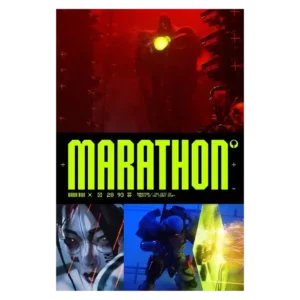
Marathon

Marathon

Overall score 3.8 / 5

Based on 65 scored reviews

vs
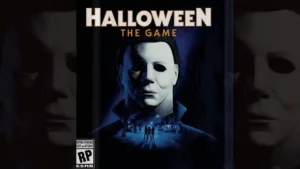
Halloween: The Game

Halloween: The Game

Overall score 3.2 / 5

Based on 72 scored reviews

How we score

Scorata scores summarize analyzed review evidence on a 1–5 scale; they are not laboratory measurements or a simple average of customer star ratings. Feature scores summarize the reviews covering that feature. The overall score averages feature scores within each review, then combines review averages. When both expert and customer evidence are available, those two groups receive equal weight. Products can have different review coverage, so small score gaps do not establish a winner.

Recommendations prioritize important features for the category, with a score of at least 3.5, a gap of at least 0.25 points and at least two supporting reviews per product. Features with widely varying scores or broad connectivity contexts are excluded from recommendations. These safeguards do not establish statistical significance.

Quick verdict

What each product is best for

The review evidence points to a tradeoff: frame rate stability and bug frequency versus soundtrack quality and co-op experience. Choose according to which strengths matter more to you; the overall score alone does not settle that choice.

Choose Marathon for frame rate stability and bug frequency.

Choose Halloween: The Game for soundtrack quality and co-op experience.

Why these recommendations?

Marathon

Where It Has the Edge

  • frame rate stability is 4.9 vs 1.6. Frame rates are consistently described as stable, including solid 60fps console performance and smooth higher-end PC results. Dropped-frame...
  • bug frequency is 5.0 vs 1.8. Major bugs appear uncommon during play. Serious issues are rare, with only a minor one-off NPC problem standing...
  • polish is 4.6 vs 1.9. The core shooter feels highly polished, from weapon handling to map presentation and audiovisual feedback. UI and onboarding...

Halloween: The Game

Where It Has the Edge

  • soundtrack quality is 4.7 vs 4.3. John Carpenter’s familiar themes and the game’s period-styled music are repeatedly praised for completing the Halloween atmosphere.
  • co-op experience is 4.6 vs 4.3. The game is at its best with friends: coordination, proximity chat, rescues, and improvised chaos create many of...
  • immersion is 4.8 vs 4.5. When the systems behave, the game convincingly puts players inside a playable Halloween movie, especially through Michael’s first-person...
Marathon 3.8 overall score
Halloween: The Game 3.2 overall score

Compare features

Scores are out of 5. Missing scores mean missing review evidence, not a missing feature.

Scored on both products

Other features

Dialogue quality
Marathon
4.5

Faction dialogue helps sell the mystery and corporate personalities, with interactions described as meaningful, unnerving, and worth following. It works best for players already interested in the setting.

Halloween: The Game
1.0

Dialogue is a weak point in the harshest assessments, where campy delivery and awkward lines make the campaign feel sillier than intended.

Online stability
Marathon
5.0

Connections are generally stable, with few disconnect-style problems surfacing during long sessions. Online reliability is much less troublesome than the game’s UI or balance.

Halloween: The Game
1.5

Connection loss, latency, and other network problems can interrupt matches and add to the launch-period roughness.

Frame rate stability
Marathon
4.9

Frame rates are consistently described as stable, including solid 60fps console performance and smooth higher-end PC results. Dropped-frame complaints are rare in the scored material.

Halloween: The Game
1.6

Frame-rate drops, stutter, and slowdown are common launch complaints, though a few setups perform much better than others.

Bug frequency
Marathon
5.0

Major bugs appear uncommon during play. Serious issues are rare, with only a minor one-off NPC problem standing out among otherwise clean technical reports.

Halloween: The Game
1.8

Bugs are the most repeated complaint, ranging from funny visual jank to broken interactions, progression issues, invisible characters, and match-disrupting glitches.

Polish
Marathon
4.6

The core shooter feels highly polished, from weapon handling to map presentation and audiovisual feedback. UI and onboarding roughness keep that polish from feeling equally strong outside matches.

Halloween: The Game
1.9

Across otherwise enthusiastic and critical takes alike, the game is repeatedly described as needing more polish, especially in interactions, animations, AI, and stability.

Aiming precision
Marathon
4.0

Aiming benefits from Bungie’s familiar precision and strong weapon feedback, making accurate shooting feel satisfying. Some ADS-focused build effects matter less when fights end almost instantly.

Halloween: The Game
1.5

Gun aiming can glitch instead of tracking smoothly, making ranged actions feel less dependable than they should.

Core gameplay loop
Marathon
4.2

The drop-loot-extract loop produces tense, memorable runs and a strong one-more-match pull. Repetition can creep in when contracts stall or the available content starts feeling familiar.

Halloween: The Game
1.9

The NPC-rescue premise is distinctive, but its door-to-door repetition divides opinion and can become boring for players who want more direct PvP pressure.

Animation quality
Marathon
4.3

Small animation details, including reload and movement touches, reinforce the snappy feel of play. The wider presentation also gives shells and weapons distinct animation work.

Halloween: The Game
2.2

Execution animations can look brutal and impressive, but ordinary movement, grabs, clipping, and broken states make animation quality inconsistent.

Pacing
Marathon
4.1

The pace swings between careful, slow movement and explosive, very short firefights. That contrast can create terrific tension, but it also makes the game feel abrupt or uneven for players expecting a faster run-and-gun shooter.

Halloween: The Game
2.3

Matches can start tense and exciting but lose momentum once human players escape or die and everyone waits for the last NPCs to be found.

Character roster
Marathon
4.2

The six main Runner shells plus Rook support noticeably different playstyles through movement, stealth, healing, defense, and utility. Their identities are useful and varied even when some archetypes feel familiar.

Halloween: The Game
2.5

Civilian traits provide some differentiation, but several players feel the roster plays too similarly for those stat differences to matter much.

AI behavior
Marathon
3.3

Enemy AI is dangerous, aggressive, and often smart enough to flank, pressure, or expose players to rival squads. Balance has shifted through patches, and some players still find the bots either too punishing or less threatening than they should be.

Halloween: The Game
1.6

Resident AI is one of the clearest weaknesses: NPCs can ignore danger, obstruct players, lock doors at bad times, or otherwise undermine the rescue-focused objective.

Loot system
Marathon
4.1

Loot creates the stakes that make extraction exciting, and modular gear can produce genuinely valuable finds. Losing a prized kit is thrilling when the system clicks and deeply frustrating when deaths or inventory friction feel unfair.

Halloween: The Game
2.5

Searching drawers and buildings for specific escape items can become tedious, especially when required pieces are hard to locate across large maps.

Combat system
Marathon
4.5

Bungie-style gunplay is the clearest strength: weapons feel punchy, precise, and satisfying, and team fights can be exhilarating. The very short time-to-kill can also make some deaths feel abrupt or frustrating.

Halloween: The Game
2.9

Michael’s environmental executions are a highlight, but basic melee, grabs, hit registration, and civilian counterattacks can feel clumsy or inconsistent.

Originality
Marathon
4.3

Marathon feels most original in its audiovisual identity, corporate sci-fi setting, and the way it reshapes extraction-shooter conventions. Some class and genre elements are familiar enough to keep it from feeling wholly new.

Halloween: The Game
2.8

The game has fresh ideas around NPC rescue and stalking, but comparisons to IllFonic’s earlier asymmetrical titles leave some players feeling the broader structure is familiar.

Weapon balance
Marathon
3.0

The arsenal is broadly viable, but not perfectly tuned. Sniper rifles in particular are described as slightly overtuned even while the overall weapon pool remains varied and useful.

Halloween: The Game
1.5

Weapons can make coordinated civilians extremely difficult for Michael to handle, especially when several armed players stack together.

Crash stability
Marathon
3.3

Crash behavior is mostly manageable but not flawless. A few mid-match crashes can occur, although rejoining softens the impact and some long sessions run without crashing at all.

Halloween: The Game
1.9

Crashes remain a serious launch concern in several accounts, including hard crashes and sessions ending abruptly.

Accessibility options
Marathon
2.8

Accessibility is mixed: customizable subtitles and color options help, but there is no dedicated accessibility hub and audio-heavy play lacks strong visual sound-direction support. Hard-of-hearing players may be especially underserved.

Halloween: The Game
1.5

Accessibility is limited by missing options such as adjustable field of view, a particular concern for motion-sensitive players.

Social features
Marathon
3.9

Friends, proximity chat, and coordinated squads can produce some of the game’s best moments. Solo-focused players also point out that finding a dependable group is harder than it should be.

Halloween: The Game
5.0

Proximity chat is a standout social feature, turning scares, role-playing, and accidental comedy into a major part of the multiplayer appeal.

Narrative quality
Marathon
4.0

The underlying story and mystery are compelling, but Marathon tells them indirectly through factions, lore entries, briefings, and environmental clues. That approach fascinates lore-minded players and leaves others wishing for a more direct campaign-style narrative.

Halloween: The Game
3.0

The campaign is a faithful Michael-focused retelling with some enjoyable added moments, yet many see it primarily as an extended tutorial rather than a substantial story.

Tutorial quality
Marathon
3.1

The tutorial covers the basic extraction loop, but it often leaves deeper systems to text prompts and trial-and-error. Its basic introduction works, yet the lack of guidance quickly becomes frustrating.

Halloween: The Game
4.1

Michael’s campaign usually works well as a hands-on tutorial, but its tutorial-like structure is also why solo players often find it insubstantial.

Fun factor
Marathon
4.5

The game is highly enjoyable once it clicks, with gunplay and extraction highs repeatedly pulling players back. It is not instantly fun for everyone, and some players never get past the early friction.

Halloween: The Game
3.6

Fun depends heavily on tolerance for jank and on who you play with; many find it hilarious and addictive, while others find the same systems repetitive or frustrating.

Gameplay mechanics
Marathon
3.9

The underlying systems are layered and often rewarding, especially once builds, faction goals, and extraction risks start working together. Some mechanics can clash with the very short time-to-kill.

Halloween: The Game
3.1

Michael’s abilities and the rescue systems can create clever horror scenarios, but mechanical roughness keeps the package from feeling consistently refined.

Innovation
Marathon
3.7

Progression ideas, Cryo Archive, and the interaction between PvP and extraction systems show real cleverness. Still, the broader extraction-shooter direction can feel more trend-following than groundbreaking.

Halloween: The Game
4.5

Making civilians responsible for rescuing Haddonfield residents instead of simply escaping gives the asymmetrical formula a recognizable identity of its own.

Competitive balance
Marathon
2.1

Competitive balance is most satisfying when teams and gear are evenly matched. Skill gaps, gear gaps, and uneven squad sizes can create lopsided fights that feel decided before tactics have a chance to matter.

Halloween: The Game
2.9

Balance is highly context-dependent: some groups find both sides viable, while others see coordinated civilians bullying Michael or Michael feeling oppressive against less organized teams.

Onboarding experience
Marathon
2.2

Onboarding is one of the biggest barriers. Dense menus, limited guidance, unclear objectives, and unfamiliar extraction systems can make the first several hours feel much harder than the later game.

Halloween: The Game
1.5

Civilian onboarding is a major weakness: Michael gets a campaign tutorial, while survivors are often left to discover objectives, perks, and systems through trial and error.

Stealth mechanics
Marathon
3.9

Stealth is a real playstyle rather than a novelty, especially with Rook and Assassin abilities. Sneaking, invisibility, noise control, and alternate routes can let careful players avoid or set up fights.

Halloween: The Game
4.6

Stalking, darkness, power cuts, and surprise repositioning make Michael feel appropriately predatory and are among the strongest franchise-specific mechanics.

Matchmaking quality
Marathon
2.3

Matchmaking quality depends heavily on who fills the squad. Coordinated friends are preferred, while random teammates can make runs miserable even when the technical act of matchmaking works reliably.

Halloween: The Game
1.7

Launch matchmaking is uneven, with reports of stalled lobbies, long killer queues, and difficulty filling sessions.

Grind level
Marathon
2.7

The grind is substantial and central to Marathon’s identity. Some players enjoy faction progression and long-term goals, while others find repetitive quests and time demands exhausting.

Halloween: The Game
2.0

Progression can become a slog when basic cosmetics or abilities sit behind long, sequential unlock paths.

Atmosphere
Marathon
4.3

Tau Ceti IV has a distinctive uneasy atmosphere, mixing bright retro-futurism with abandoned spaces, corporate menace, and creeping dread. The contrast makes the world memorable even before combat starts.

Halloween: The Game
4.8

Haddonfield’s darkness, period details, music, and stalking imagery consistently recreate the oppressive mood of the 1978 film.

Art direction
Marathon
4.4

The loud retro-futurist art direction is one of the game’s defining traits. It is often gorgeous, vibrant, and refreshingly distinctive, though the color and visual density can be overwhelming.

Halloween: The Game
5.0

Rainy streets, glowing interiors, and careful lighting give Haddonfield a striking, film-like visual identity.

Horror tension
Marathon
3.9

Tension is one of Marathon’s best tools: quiet looting can turn into a lethal encounter in seconds, and solo Rook runs can feel like survival horror. For some players that pressure becomes frustration rather than excitement.

Halloween: The Game
4.5

Shape Jump, stalking, restricted awareness, and Michael’s sudden appearances generate genuine jump scares and sustained moments of dread.

Progression system
Marathon
3.6

Faction progression is one of the strongest long-term hooks, with reputation, upgrades, materials, and rewards giving failed runs some forward momentum. Seasonal resets and slow early progress are the main reservations.

Halloween: The Game
4.0

Perks, prestige, cosmetics, weapons, and challenges provide a substantial progression chase, though randomness and grind can add friction.

Co-op experience
Marathon
4.3

Marathon is at its best with a coordinated group that communicates and combines shell abilities. Friends make risky gear choices and intense fights more manageable, while silent random squads can quickly unravel.

Halloween: The Game
4.6

The game is at its best with friends: coordination, proximity chat, rescues, and improvised chaos create many of its most memorable moments.

Immersion
Marathon
4.5

The game can become deeply immersive once its lore, sound cues, world design, and tense extraction rhythm click together. Its unusual presentation helps players inhabit the role of a Runner rather than simply chase kills.

Halloween: The Game
4.8

When the systems behave, the game convincingly puts players inside a playable Halloween movie, especially through Michael’s first-person stalking perspective.

Content variety
Marathon
2.0

The available maps have distinct personalities, but the overall amount of launch content is a recurring concern. More maps and modes would help the strong individual spaces feel less limited over time.

Halloween: The Game
1.8

The launch package can feel thin over time, with repeated objectives, a limited map pool, and only Michael as the killer making long sessions feel familiar.

Environmental detail
Marathon
4.8

Maps reward close attention with environmental details that support both atmosphere and storytelling. The strongest spaces feel deliberately built rather than like generic combat arenas.

Halloween: The Game
4.9

Homes, streets, cars, décor, and other period touches make Haddonfield feel unusually specific and lived-in rather than like generic multiplayer arenas.

Faithfulness to franchise
Marathon
5.0

The reboot carries meaningful connections to Bungie’s older Marathon games through lore, aesthetics, locations, and endgame references. Fans of the original universe get more continuity than the genre shift initially suggests.

Halloween: The Game
4.9

The strongest consensus is its devotion to Halloween: locations, music, visual details, Michael’s behavior, and familiar story beats closely evoke the 1978 film.

Graphics quality
Marathon
4.2

Graphics are widely praised for sharp detail, bold color, and strong presentation across platforms. The visual identity is a major draw even for players who are unsure about the extraction-shooter format.

Halloween: The Game
4.1

Haddonfield often looks excellent, especially in lighting and environmental scenes, although performance modes and some effects can reduce clarity or visual consistency.

Visual effects quality
Marathon
4.5

Shield breaks and explosive hits provide satisfying visual feedback during combat. Those effects help gunfights feel punchy without needing elaborate spectacle.

Halloween: The Game
4.5

Lighting, reflections, fog, and shadow work create strong nighttime imagery, though a few graphical effects and edges draw criticism.

World interactivity
Marathon
5.0

The strongest spaces are more than scenery: windows, doors, vertical routes, and interactive areas can change how a fight or infiltration plays out. Environmental choices have real tactical value.

Halloween: The Game
5.0

Environmental kill spots turn ordinary household objects into playful, gruesome opportunities and reward experimentation.

Ownership and support

Platform-specific feature support
Marathon
4.5

PS5-specific features are used well, especially the strong DualSense haptics and PS5 Pro image treatment. These additions reinforce the already strong presentation rather than changing the core game.

Halloween: The Game
2.0

PS5 Pro performance can be strong, but the lack of native PS5 Pro feature support is still a disappointment.

Replay value
Marathon
4.4

The best runs create a powerful one-more-match pull, with several players staying hooked for dozens or even hundreds of hours. Long-term replayability depends on whether fresh content can keep repetition from overtaking the core loop.

Halloween: The Game
3.0

Replayability is mixed: multiplayer unpredictability and campaign challenges add reasons to return, but repeated objectives and limited launch content raise longevity concerns.

Value for money
Marathon
3.5

The $39.99 entry price is considered reasonable by some players given the production quality, though the premium pass and live-service model complicate the value proposition. It is easier to justify for committed extraction-shooter fans than casual players.

Halloween: The Game
2.3

Value is divisive: hardcore Halloween and multiplayer fans can justify the price, while solo-focused or polish-sensitive players are repeatedly advised to wait for fixes or a sale.

Server reliability
Marathon
4.0

Servers held up well during play, with no major reliability problems standing out. The bigger uncertainty is long-term population and support rather than immediate server stability.

Halloween: The Game
4.5

One launch account reports servers holding up well enough for players to get into matches without major trouble.

Live-service support
Marathon
4.3

Early support looks responsive, with balance patches, fixes, and community feedback moving quickly. Long-term confidence still depends on Bungie maintaining that pace and expanding the game enough to sustain its audience.

Halloween: The Game
4.3

Early patches are encouraging, but long-term confidence depends on steady fixes and enough new maps, characters, and objectives to keep the community active.

Performance

Performance optimization
Marathon
3.9

Performance is generally strong across consoles and a range of PCs, including older hardware. Most reports describe smooth play with few major technical problems, though isolated issues remain.

Halloween: The Game
2.3

Optimization is inconsistent across hardware, with reports ranging from smooth PS5 Pro play to severe stutter, low frame rates, and heavy PC performance demands.

Soundtrack quality
Marathon
4.3

The soundtrack ranges from understated and atmospheric to haunting and memorable. Music reinforces the uneasy sci-fi mood without overpowering the important positional audio.

Halloween: The Game
4.7

John Carpenter’s familiar themes and the game’s period-styled music are repeatedly praised for completing the Halloween atmosphere.

Controls and connectivity

Voice acting
Marathon
5.0

Voice work is a presentation strength, especially in faction scenes and debriefs. The cast and performances add personality to material that could otherwise feel like dry lore delivery.

Halloween: The Game
3.4

Voice work ranges from performances praised as close to the film to harsher complaints about campy or off-sounding delivery.

Controls responsiveness
Marathon
3.6

Shooting and movement controls are often described as crisp and responsive, but inventory swapping and a few control choices can feel cumbersome. Some players needed tweaking before the controls felt right.

Halloween: The Game
2.1

Grabs, item interactions, and movement inputs can fail or feel sluggish, which is especially frustrating during chases and executions.

Character customization
Marathon
3.6

Shell skins and weapon cosmetics give players ways to personalize their look, but the reward quality is inconsistent. Recolors, repeated items, and paid cosmetics reduce the appeal of customization for some players.

Halloween: The Game
4.4

Cosmetics, loadouts, weapons, and unlockable looks give regular players plenty to chase, even if some individual rewards feel minor.

Comfort and build

Sound design
Marathon
4.7

Sound design is a major strength, with footsteps, weapons, abilities, environmental hazards, and distant fights providing both atmosphere and tactical information. Good headphones materially improve situational awareness.

Halloween: The Game
4.3

Sound is generally a strength, using cues and effects to intensify danger, although isolated spatial-audio bugs can be especially disruptive in a stealth game.

World-building
Marathon
4.7

Corporate factions, environmental storytelling, and sci-fi lore give Tau Ceti IV a strong sense of place. The world-building is often praised as unusually rich for a multiplayer extraction game.

Halloween: The Game
5.0

Haddonfield feels inhabited rather than empty, with detailed homes and residents giving the town a convincing everyday life for Michael to disrupt.

User interface design
Marathon
1.8

The interface is the most consistent criticism. Menus, inventory icons, loot management, and information density are stylish but frequently described as cluttered, confusing, or unnecessarily hard to use.

Halloween: The Game
1.5

Unlock and challenge screens can be confusing, adding friction to an already grind-heavy progression system.

Multiplayer design
Marathon
3.9

Multiplayer is aggressively PvP-focused, with trios, solo play, and emerging duo options producing very different experiences. Squad play can be excellent, while solo and mismatched team sizes expose some of the game’s harshest tradeoffs.

Halloween: The Game
4.2

The resident-rescue scoring system and two-sided objectives make multiplayer feel different from many rivals, but AI, pacing, and PvE emphasis determine whether that difference feels fresh or frustrating.

Map and navigation design
Marathon
2.2

Objectives are not always well signposted, and several maps can become hard to navigate under pressure. The problem ranges from tiny markers to layouts that make players lose time simply finding the next interaction point.

Halloween: The Game
2.0

Mission navigation can be too vague in solo play, with a stronger waypoint system likely to reduce time spent simply hunting for targets.

Level design
Marathon
4.4

Map design improves noticeably as the game opens up, with Outpost and Cryo Archive earning especially strong praise for verticality, secrets, and combat flow. The earliest maps are more divisive and can feel flat or repetitive.

Halloween: The Game
4.4

Most maps are dense, moody, and well sized for chases and rescues, though some players worry their suburban similarity will become stale.

Evidence available for one product

Ownership and support

Battle pass value
Marathon
2.4

The first battle or rewards pass is a weak point, with recolors, duplicate items, and underwhelming cosmetics drawing criticism. Its non-expiring, low-pressure structure is one of the few positives.

Halloween: The GameNo score yet
Cross-play support
MarathonNo score yet
Halloween: The Game
5.0

Cross-play is a welcome inclusion that helps PC and console players share the same multiplayer pool.

Comfort and build

Boss design
Marathon
4.0

Cryo Archive gives boss encounters real endgame weight, with difficult fights and a final encounter that can feel worth the preparation. Bosses are most effective when combined with the map’s PvP and puzzle pressure.

Halloween: The GameNo score yet
Mission design
Marathon
3.3

Contracts give each run a concrete purpose and feed faction progression, but several missions are vague, repetitive, or frustrating. The one-active-contract restriction is a frequent complaint because it can make failed runs feel wasted.

Halloween: The GameNo score yet
Puzzle design
Marathon
4.3

Cryo Archive’s vaults and endgame spaces add meaningful puzzle-solving to the extraction formula. The puzzle-heavy design is praised for depth, though some random elements can undermine a clean solution.

Halloween: The GameNo score yet
QTE design
MarathonNo score yet
Halloween: The Game
1.5

Post-death and interaction minigames wear out their welcome quickly for several players, turning downtime into repetitive button work rather than meaningful participation.

Quest design
Marathon
3.3

Questing gives the extraction loop direction and steady progression, yet the structure can be restrictive and grindy. Fetch-style objectives, poor signposting, and one-at-a-time progression are common pain points.

Halloween: The GameNo score yet

Other features

Camera behavior
MarathonNo score yet
Halloween: The Game
4.5

The close, constrained camera during interactions can leave players exposed, a choice that effectively raises tension when Michael may be nearby.

Checkpoint system
MarathonNo score yet
Halloween: The Game
1.5

Solo checkpointing can be unforgiving and awkward, making campaign setbacks more annoying than they need to be.

Choice impact
MarathonNo score yet
Halloween: The Game
2.0

The campaign is highly linear; changing tactics or kills rarely changes the larger outcome of Michael’s story.

Class balance
Marathon
2.0

Shell balance needs tuning. Assassin can feel overpowered, while Recon can lag behind stronger defensive and offensive options.

Halloween: The GameNo score yet
Community features
Marathon
3.8

Proximity chat and lightweight communication can create memorable truces or help clear up intentions, but the wider culture remains heavily shoot-on-sight. Social cooperation is possible rather than encouraged.

Halloween: The GameNo score yet
Crafting system
Marathon
4.5

Build-crafting through mods and gear is flexible and satisfying, and the lack of extra crafting chores keeps the loop moving. The main tradeoff is that very short firefights can make some carefully built bonuses feel less important.

Halloween: The GameNo score yet
Difficulty balance
Marathon
2.8

Marathon is intentionally demanding, with lethal PvP, dangerous AI, and a steep skill curve. Hardcore players often admire that commitment, while casual and new players repeatedly find the difficulty intimidating or punishing.

Halloween: The GameNo score yet
Economy and resource balance
Marathon
4.3

Materials and faction economies give players useful goals beyond simple kills, while barter rewards make salvage feel valuable. The better implementations keep resources circulating without completely removing the consequences of losing gear.

Halloween: The GameNo score yet
Emotional impact
Marathon
4.8

Successful extractions and close fights can produce unusually physical reactions—shaking hands, pounding hearts, relief, and triumph. The risk of losing gear gives victories and defeats more emotional weight than a routine shooter match.

Halloween: The GameNo score yet
Endgame content
Marathon
4.1

Cryo Archive is the standout endgame attraction, combining tougher AI, puzzles, high-value gear, bosses, and heavy PvP pressure. Its weekend-only access is repeatedly questioned despite the activity itself earning strong praise.

Halloween: The GameNo score yet
Enemy variety
Marathon
3.3

Enemy variety is serviceable rather than a standout. Some players find enough variety to keep encounters from going stale, while others specifically call the bot roster limited.

Halloween: The GameNo score yet
Exploration quality
Marathon
4.2

Exploration is rewarding when maps reveal vents, tunnels, locked rooms, hidden loot, and secrets. Some early areas become familiar too quickly, reducing the sense of discovery over time.

Halloween: The GameNo score yet
Game length
MarathonNo score yet
Halloween: The Game
2.1

The solo campaign is brief and widely treated as supplemental content rather than a full-length reason to buy the game by itself.

Haptic feedback integration
Marathon
5.0

DualSense haptics noticeably strengthen weapon feel on PS5. The implementation is singled out as stellar rather than merely present.

Halloween: The GameNo score yet
HUD clarity
Marathon
1.5

HUD readability has clear weaknesses, including very small text and objective markers that can be hard to spot. Those problems are especially costly when the game is already asking players to make quick decisions.

Halloween: The GameNo score yet
Learning curve
Marathon
2.3

The learning curve is steep and sometimes brutal, but many players say the game becomes far more rewarding once its systems click. That delayed payoff is a strength for committed players and a major obstacle for casual ones.

Halloween: The GameNo score yet
Lore depth
Marathon
3.9

Lore is unusually deep for a competitive shooter, with factions, AIs, codex entries, and ties to the original games creating a dense mystery. Players willing to read and connect clues get much more from the world than those who ignore it.

Halloween: The GameNo score yet
Microtransaction impact
Marathon
3.5

Paid extras are mostly cosmetic and do not appear to create a serious pay-to-win problem. The bigger concern is the quality and pricing of the store and rewards pass rather than direct gameplay power.

Halloween: The GameNo score yet
Mission variety
Marathon
2.5

Mission variety is a weak spot, especially early on. Repetitive fetch-style objectives can make the grind feel artificial even when later contracts become more interesting.

Halloween: The GameNo score yet
Monetization fairness
Marathon
3.5

Monetization earns mixed-to-negative reactions: expensive cosmetics and a weak rewards track draw criticism, but the lack of meaningful pay-to-win advantages is a clear positive. The base game is not gated by paid maps or abilities.

Halloween: The GameNo score yet
Movement feel
Marathon
3.9

Movement is generally fluid and expressive, with sprinting, sliding, grapples, jumps, and shell abilities creating tactical routes. Heat limits, fall damage, and occasional mantling friction can make it feel less free-flowing than it first appears.

Halloween: The GameNo score yet
Platforming precision
Marathon
2.0

Jumping and climbing can feel smooth when the geometry cooperates, but mantling is inconsistent enough to cause failures at bad moments. Ledge grabs are the clearest point of frustration.

Halloween: The GameNo score yet
Sandbox freedom
Marathon
4.5

Players can often choose how much danger to accept, from quietly looting and extracting to chasing tougher events or fights. That flexibility is a major part of the appeal for players who dislike being forced into constant combat.

Halloween: The GameNo score yet
Seasonal content quality
Marathon
4.5

Season 1’s early content is described as a fun addition, with extra rewards and activities fitting naturally into normal play. The longer-term seasonal cadence still has more to prove.

Halloween: The GameNo score yet
Skill tree depth
Marathon
3.1

The faction trees create useful goals, but their structure is not always clear. Some players like having upgrades to chase, while others find the paths too loosely organized to make build decisions feel exciting.

Halloween: The GameNo score yet
Upgrade system
Marathon
3.5

Weapon mods, faction upgrades, cores, and implants can meaningfully reshape a loadout and keep progression interesting. The depth is rewarding once understood, though the surrounding menus can make upgrades harder to parse than necessary.

Halloween: The GameNo score yet
Writing quality
Marathon
4.5

Faction introductions and story moments benefit from sharp, personality-driven writing. The strongest dialogue and briefings make the corporations and AIs feel distinctive rather than like generic quest dispensers.

Halloween: The GameNo score yet

Controls and connectivity

Menu usability
Marathon
1.5

Menu navigation is often slower and more confusing than the shooting itself. The layout can become familiar with time, but familiarity does not fully solve the clutter and extra steps.

Halloween: The GameNo score yet

Other Top Video Games to Consider

#1 Well Dweller
4.7

Best for fluid traversal, rewarding exploration, striking art, and forgiving quality-of-life features. Skip it if you want deep combat, radical genre innovation, or consistently demanding bosses.

Pros: difficulty balance, boss design

Cons: innovation, sandbox freedom

#2 Hades II
4.5

Best for superb combat, inventive builds, and richly voiced characters. Skip it if repeated runs, resource gathering, or visually busy battles outweigh the appeal of steady progress.

Pros: overall quality, combat system

Cons: pacing, grind level

#3 Valheim
4.5

Good if you want a beautiful, demanding survival sandbox built around exploration, building, progression, and memorable co-op. Skip it if long resource runs, harsh death recovery, and deliberate pacing sound...

Pros: town-building system, exploration quality

Cons: grind level, fast travel convenience

#4 Grand Theft Auto VI
4.5

Leonida is a breathtakingly alive crime sandbox with memorable protagonists, spectacular heists, and extraordinary detail. The tradeoff is a 30 fps ceiling, occasional control awkwardness, and some progression friction.

Pros: immersion, graphics quality

Cons: grind level, controls responsiveness