Compare Jackery Explorer 1000 V2 vs Jackery Explorer 500 v2

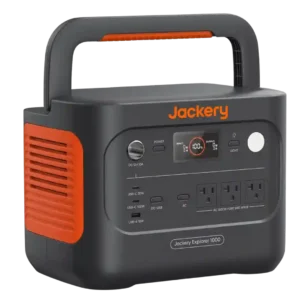
Jackery Explorer 1000 V2

Jackery Explorer 1000 V2

Overall score 4.4 / 5

Based on 32 scored reviews

vs
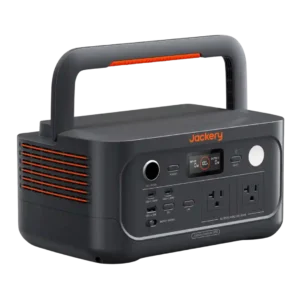
Jackery Explorer 500 v2

Jackery Explorer 500 v2

Overall score 4.1 / 5

Based on 16 scored reviews

How we score

Scorata scores summarize analyzed review evidence on a 1–5 scale; they are not laboratory measurements or a simple average of customer star ratings. Feature scores summarize the reviews covering that feature. The overall score averages feature scores within each review, then combines review averages. When both expert and customer evidence are available, those two groups receive equal weight. Products can have different review coverage, so small score gaps do not establish a winner.

Recommendations prioritize important features for the category, with a score of at least 3.5, a gap of at least 0.25 points and at least two supporting reviews per product. Features with widely varying scores or broad connectivity contexts are excluded from recommendations. These safeguards do not establish statistical significance.

Quick verdict

What each product is best for

The review evidence points to a tradeoff: input and output monitoring and USB-C ports versus eco mode and battery chemistry. Choose according to which strengths matter more to you; the overall score alone does not settle that choice.

Choose Jackery Explorer 1000 V2 for input and output monitoring and USB-C ports.

Choose Jackery Explorer 500 v2 for eco mode and battery chemistry.

Why these recommendations?

Jackery Explorer 1000 V2

Where It Has the Edge

  • input and output monitoring is 5.0 vs 2.0. Real-time input, output, percentage, and runtime data make it easy to manage loads directly from the screen or...
  • USB-C ports is 5.0 vs 3.0. The USB-C selection suits phones, tablets, and laptops without using the AC outlets.
  • power output is 4.9 vs 3.3. The 1,500W inverter comfortably runs most camping gear, office equipment, and household essentials, extending well beyond basic device...

Jackery Explorer 500 v2

Where It Has the Edge

  • eco mode is 4.5 vs 3.0. Energy-saving behavior is generally useful for reducing idle drain and extending stored power, though one reviewer worried the...
  • battery chemistry is 5.0 vs 4.3. LiFePO4 chemistry is treated as a substantial improvement, with durability and long-term ownership benefits outweighing the modest energy-density...
  • weight is 4.9 vs 4.2. At roughly 5.7kg, the unit is consistently praised as light for its capacity and easy to carry one-handed.
Jackery Explorer 1000 V2 4.4 overall score
Jackery Explorer 500 v2 4.1 overall score

Compare features

Scores are out of 5. Missing scores mean missing review evidence, not a missing feature.

Scored on both products

Other features

Ease of use
Jackery Explorer 1000 V2
4.9

Straightforward controls, a clean display, and logical ports make the station approachable even for first-time power-station owners.

Jackery Explorer 500 v2
5.0

Simplicity is a major strength: the controls are approachable, setup is straightforward, and the lack of complex menus appeals even to nontechnical users.

Remaining runtime estimate
Jackery Explorer 1000 V2
5.0

The live runtime estimate is practical and helps users decide which devices to keep connected during limited-power situations.

Jackery Explorer 500 v2
1.5

The display does not show remaining hours or minutes, a significant usability omission during backup use.

Input and output monitoring
Jackery Explorer 1000 V2
5.0

Real-time input, output, percentage, and runtime data make it easy to manage loads directly from the screen or app.

Jackery Explorer 500 v2
2.0

Low-wattage output monitoring is a weakness: the screen can show 0W even while a laptop is charging.

Quiet mode
Jackery Explorer 1000 V2
4.9

Quiet charging meaningfully reduces fan noise for nighttime use, with the expected tradeoff of a slower refill.

Jackery Explorer 500 v2
2.0

There is no dedicated quiet mode, so users cannot manually prioritize lower fan noise when the unit becomes audible under load.

Remote control
Jackery Explorer 1000 V2
4.7

The app can switch outputs, lights, timeouts, and charge modes from a distance, reducing the need to reach a tucked-away unit.

Jackery Explorer 500 v2
2.0

There is no app-based remote control, which connected-power-station users may miss.

Remote monitoring
Jackery Explorer 1000 V2
4.7

Battery level and power flow can be checked from a phone, especially useful when the station is hidden in a vehicle or equipment area.

Jackery Explorer 500 v2
2.0

Remote monitoring is absent, so status and usage must be checked directly on the unit.

AC outlet count
Jackery Explorer 1000 V2
2.0

One comparison-focused review found the limited number of AC sockets disappointing beside rivals that provide more plug space.

Jackery Explorer 500 v2
4.5

Two AC outlets help make the front-panel connection mix feel practical for everyday use.

Peak output
Jackery Explorer 1000 V2
5.0

The 3,000W surge rating gives short startup bursts enough headroom for many motors and kitchen appliances.

Jackery Explorer 500 v2
2.5

Surge performance is uncertain: one analysis observed protection cutting in below the claimed 1,000W figure during a sustained overload test.

Self-discharge rate
Jackery Explorer 1000 V2
2.5

Long idle storage may require a top-up every few months rather than true set-and-forget readiness.

Jackery Explorer 500 v2
5.0

Low self-discharge is useful for emergency storage because the station retains charge more effectively while sitting unused.

Surge capacity
Jackery Explorer 1000 V2
4.7

The 3,000W surge headroom successfully absorbs refrigerator, tool, and appliance startup spikes without nuisance shutdowns.

Jackery Explorer 500 v2
2.5

Surge capability is a point of caution because one overload test cut power below the advertised 1,000W surge figure.

Firmware updates
Jackery Explorer 1000 V2
4.0

The lack of firmware upkeep can simplify ownership by avoiding update management and app-related problems.

Jackery Explorer 500 v2
2.0

Without Wi-Fi or Bluetooth, users cannot initiate the kind of firmware updates that can add or improve functionality over time.

Operating temperature range
Jackery Explorer 1000 V2
4.5

The broad stated temperature range supports use from cold-weather trips to hot summer conditions, with normal charging precautions.

Jackery Explorer 500 v2
2.5

Performance is best in dry, temperate conditions rather than temperature extremes, limiting confidence for harsher environments.

USB-C ports
Jackery Explorer 1000 V2
5.0

The USB-C selection suits phones, tablets, and laptops without using the AC outlets.

Jackery Explorer 500 v2
3.0

The USB-C count is adequate but not generous; more than one reviewer wished for an extra modern charging port.

Power output
Jackery Explorer 1000 V2
4.9

The 1,500W inverter comfortably runs most camping gear, office equipment, and household essentials, extending well beyond basic device charging.

Jackery Explorer 500 v2
3.3

The 500W output is strong for small devices and a station this compact, but several competitors offer more inverter headroom in a similar size class.

12-volt outlet
Jackery Explorer 1000 V2
5.0

The 12-volt socket is genuinely useful for fridges and other vehicle-style gear, including continuous car-camping use.

Jackery Explorer 500 v2
3.5

The 12V car socket is still useful for accessories, though one reviewer felt it is becoming less important as USB standards take over.

Eco mode
Jackery Explorer 1000 V2
3.0

Eco behavior is useful for preventing idle drain, but low-watt devices may shut off unless the threshold or timeout is adjusted.

Jackery Explorer 500 v2
4.5

Energy-saving behavior is generally useful for reducing idle drain and extending stored power, though one reviewer worried the physical switch could be bumped accidentally.

Recharge speed
Jackery Explorer 1000 V2
5.0

Rapid recovery is a defining advantage, turning a nearly empty station into usable backup power during a short break.

Jackery Explorer 500 v2
3.5

Recharge speed is generally good, but one direct comparison found the 500 v2 slower than the larger 600 v2 despite only a modest price gap.

Overload protection
Jackery Explorer 1000 V2
4.5

Testing showed a little tolerance above rated output before shutdown, giving brief startup loads room without immediate failure.

Jackery Explorer 500 v2
3.5

The inverter shuts down under sustained overload as expected, but the way it communicates that cutoff could be clearer.

Sleep mode behavior
Jackery Explorer 1000 V2
3.0

Automatic shutdown protects against idle drain, yet low-power accessories can be interrupted unless sleep settings are changed.

Jackery Explorer 500 v2
4.0

The physical energy-saving control gives users a simple way to prevent unwanted low-load shutoff, which is useful for devices that must stay running.

Home backup capability
Jackery Explorer 1000 V2
4.9

As an essentials backup, it is excellent for refrigeration, networking, lights, medical devices, and short outages without generator noise or fuel.

Jackery Explorer 500 v2
4.2

For short blackouts, the station is well suited to routers, laptops, lights, and other essentials. Its capacity and output are too limited to replace a larger home-backup system.

Weight
Jackery Explorer 1000 V2
4.2

Around 24 pounds is manageable for a 1kWh station and lighter than many rivals, but it remains too heavy for long hikes or effortless carrying.

Jackery Explorer 500 v2
4.9

At roughly 5.7kg, the unit is consistently praised as light for its capacity and easy to carry one-handed.

Maximum solar input
Jackery Explorer 1000 V2
3.6

The solar-input ceiling is relatively modest beside some rivals, even though it can still support useful off-grid charging.

Jackery Explorer 500 v2
4.3

The 200W solar-input ceiling is a meaningful upgrade and well matched to this capacity, even if it is not class-leading.

EPS switchover speed
Jackery Explorer 1000 V2
4.4

The roughly 20ms switchover was seamless for routers and appliances in most tests, though sensitive desktops may still reboot.

Jackery Explorer 500 v2
5.0

Backup handover was seamless in an office test, with no visible flicker, reboot, or delay when mains power was cut.

Control panel layout
Jackery Explorer 1000 V2
5.0

A simple front-facing layout keeps outlets, buttons, and status information easy to find without a learning curve.

Jackery Explorer 500 v2
4.5

The controls and ports are arranged simply and intuitively, making the front panel easy to understand without digging through menus.

Energy efficiency
Jackery Explorer 1000 V2
5.0

One direct comparison measured strong efficiency, placing the Jackery ahead of several competing power stations.

Jackery Explorer 500 v2
4.5

Direct USB-C charging avoids unnecessary DC-to-AC conversion losses, making laptop charging more efficient than using a mains adapter.

Heat management
Jackery Explorer 1000 V2
5.0

Even aggressive fast charging kept temperatures surprisingly controlled, supporting confidence in the charging system.

Jackery Explorer 500 v2
4.5

The battery design is credited with keeping temperatures under control and improving thermal safety in normal use.

Included accessories
Jackery Explorer 1000 V2
3.0

The basic charging cord is solid, but the sparse package and extra-cost car or solar adapters leave some buyers wanting more.

Jackery Explorer 500 v2
2.5

The basic package is sparse, and the missing car-charging cable disappointed more than one reviewer.

Instruction quality
Jackery Explorer 1000 V2
5.0

The manual is praised as clear, concise, and sufficient for setup, care, and basic troubleshooting.

Jackery Explorer 500 v2
4.5

The included manual is simple and straightforward, matching the product’s uncomplicated setup.

Storage convenience
Jackery Explorer 1000 V2
5.0

The flat top and folding handle make the station stackable and much easier to fit into vehicles, shelves, and crowded gear areas.

Jackery Explorer 500 v2
4.5

The compact housing and folding handle make the station easy to stow in a car, campervan, or home between uses.

Accessory ecosystem
Jackery Explorer 1000 V2
3.6

Jackery’s matching panels and accessories work smoothly together, but proprietary connectors and separately sold pieces can make the ecosystem costly or restrictive.

Jackery Explorer 500 v2
4.0

The broader Jackery ecosystem, warranty support, and brand reputation add appeal for buyers who already value the brand’s accessories and support.

Expandability
Jackery Explorer 1000 V2
2.4

The fixed-capacity design keeps the unit simple and portable, but it is a major limitation for buyers expecting to add batteries later.

Jackery Explorer 500 v2
2.0

Capacity cannot be expanded, which limits the product for buyers whose power needs may grow beyond this mid-range size.

Built-in light
Jackery Explorer 1000 V2
4.8

The front light is more useful than it first appears, providing bright task lighting and emergency modes at campsites or during outages.

Jackery Explorer 500 v2
4.4

The integrated LED is a useful bonus for camping and outages, offering practical illumination and emergency modes.

Solar panel compatibility
Jackery Explorer 1000 V2
2.9

Compatibility is disputed: some accounts call it Jackery-only, while others say adapters allow standard third-party panels.

Jackery Explorer 500 v2
2.5

Jackery’s own panels fit naturally, but using another brand is less convenient because of the proprietary DC8020 connection.

Load handling
Jackery Explorer 1000 V2
4.8

The inverter supports mixed electronics and appliances at once with impressive stability, provided the combined draw stays within 1,500W.

Jackery Explorer 500 v2
4.5

Within its intended range, load handling is strong; small household devices run comfortably, and one test even powered a 600W drill briefly.

Portability
Jackery Explorer 1000 V2
4.6

Its compact body and fold-down handle make it one of the easier 1kWh stations to move, though the weight is still noticeable on long carries.

Jackery Explorer 500 v2
4.9

Portability is exceptional for the capacity, combining low weight, a compact body, and an easy carry handle that works well for camping, vehicles, and job sites.

Outlet selection
Jackery Explorer 1000 V2
4.6

The mix of AC, USB-C, USB-A, and 12-volt outputs suits most modern setups, although one comparison criticizes the total port count.

Jackery Explorer 500 v2
4.3

The overall connection mix is versatile for laptops, phones, and small appliances, though heavier multi-device setups may still need an extra adapter or hub.

UPS functionality
Jackery Explorer 1000 V2
4.7

UPS operation generally kept routers, printers, and computers running through outages, though one account claimed manual switchover.

Jackery Explorer 500 v2
4.4

UPS behavior is generally viewed positively for routers, computers, and short outages, including a seamless hands-on transfer. A more cautious analysis noted that sensitive-equipment performance has not been independently quantified.

Impact resistance
Jackery Explorer 1000 V2
4.8

The casing is expected to tolerate minor drops and bumps, giving it useful resilience for travel and campsite handling.

Jackery Explorer 500 v2
4.5

Shock-resistant construction adds confidence for outdoor, workshop, and travel use where the unit may be moved or set down frequently.

Solar cable compatibility
Jackery Explorer 1000 V2
2.8

Proprietary 8mm connections are a recurring frustration, although inexpensive adapters can open the door to third-party panels.

Jackery Explorer 500 v2
2.5

Third-party solar cabling is less convenient because an MC4-to-DC8020 adapter may be required and can be difficult to source.

Lifting ease
Jackery Explorer 1000 V2
4.8

Despite weighing around 24 pounds, the balanced shape and folding handle let one person move it comfortably in most situations.

Jackery Explorer 500 v2
5.0

At about 5.7kg, the station is easy to pick up and carry with one hand.

Pure sine wave output
Jackery Explorer 1000 V2
4.8

Clean sine-wave power is valued for safely running laptops, medical equipment, motors, and other sensitive electronics.

Jackery Explorer 500 v2
5.0

The pure-sine inverter is a strong fit for sensitive electronics, providing grid-like power rather than a cheaper modified waveform.

Weather resistance
Jackery Explorer 1000 V2
2.3

Rugged construction helps outdoors, but the unit is not weatherproof and should be brought under cover when conditions turn wet.

Jackery Explorer 500 v2
2.5

Outdoor use is fine in fair conditions, but rain and temperature extremes call for added protection.

Solar generator functionality
Jackery Explorer 1000 V2
4.9

Paired with suitable panels, it becomes a practical off-grid system that can sustain camping and remote-work loads without wall charging.

Jackery Explorer 500 v2
5.0

Paired with a solar panel, the station works well as a compact off-grid solar setup for camping and mobile use.

Compactness
Jackery Explorer 1000 V2
4.9

The redesigned body is notably compact for a 1kWh station and fits easily in trunks, RV storage, workshops, and tight camp setups.

Jackery Explorer 500 v2
5.0

Compactness is a defining strength. Reviewers repeatedly praised the lunch-box-like footprint, easy vehicle storage, and ability to deliver meaningful capacity without becoming bulky.

Overall product satisfaction
Jackery Explorer 1000 V2
4.7

The station earns strong approval for fast charging, useful power, quiet operation, and a practical portable design.

Jackery Explorer 500 v2
4.7

Overall sentiment is strongly positive: the Explorer 500 v2 is repeatedly praised as a compact, capable, easy-to-live-with mid-range station. The recurring reservations are its 500W ceiling and missing connected features.

Runtime
Jackery Explorer 1000 V2
4.2

Runtime is strong for electronics, refrigeration, and moderate loads, but high-watt heating or cooking devices can consume the battery rapidly.

Jackery Explorer 500 v2
4.2

Runtime is strong for light loads and camping essentials but varies sharply by use case; laptops and small fridges fare well, while higher-draw backup use drains the modest battery quickly.

Maintenance ease
Jackery Explorer 1000 V2
5.0

No oil, fuel system, spark plug, or carburetor work makes ownership dramatically simpler than a gas generator.

Jackery Explorer 500 v2
5.0

Maintenance-free operation is a meaningful convenience compared with fuel-powered generators, especially for occasional backup use.

Output stability
Jackery Explorer 1000 V2
5.0

Stable sustained delivery and clean behavior under cold conditions give confidence for appliances and sensitive electronics.

Jackery Explorer 500 v2
5.0

Stable output and pure-sine power make the station comfortable to use with sensitive electronics.

Power quality
Jackery Explorer 1000 V2
5.0

Sensitive and variable-speed equipment ran without flicker, buzzing, or noticeable fluctuations.

Jackery Explorer 500 v2
5.0

Pure-sine output was viewed as safe and stable for computers and other sensitive electronics.

USB-C power delivery
Jackery Explorer 1000 V2
5.0

The 100W USB-C port receives consistent praise for charging laptops at proper wall-adapter speeds.

Jackery Explorer 500 v2
5.0

The 100W USB-C PD port is a standout feature, repeatedly praised for charging laptops directly at full speed without needing an AC brick.

Controls and connectivity

Bluetooth connectivity
Jackery Explorer 1000 V2
4.5

Bluetooth provides responsive local control and is generally easy to connect when the phone is near the station.

Jackery Explorer 500 v2
1.8

Bluetooth is absent, which several reviewers treated as a clear limitation for users who want connected control.

Review contexts may differ, so use caution when interpreting the score gap.

Wi-Fi connectivity
Jackery Explorer 1000 V2
4.2

Wi-Fi enables useful remote access, but 2.4GHz-only support and setup dependence may inconvenience some networks.

Jackery Explorer 500 v2
1.8

Wi-Fi is missing, preventing app-based monitoring and control and standing out against more connected competitors.

Review contexts may differ, so use caution when interpreting the score gap.

High-demand appliance support
Jackery Explorer 1000 V2
3.5

It handles many kettles, coffee makers, microwaves, tools, and small AC units, but 1,500W is a firm ceiling for larger heaters and household appliances.

Jackery Explorer 500 v2
2.2

The 500W continuous ceiling is the clearest limitation. It is comfortable with small electronics and camping gear but not a good fit for heaters, full-size kettles, air fryers, or many power tools.

App connectivity
Jackery Explorer 1000 V2
3.1

Phone pairing generally works through Bluetooth and Wi-Fi, though reconnection trouble and 2.4GHz-only Wi-Fi can make access less dependable.

Jackery Explorer 500 v2
2.2

There is no app connectivity, a recurring drawback for buyers who want remote monitoring or settings. One reviewer saw the omission as a possible benefit for people who prefer a simpler, receiver-free device.

Performance

Cold-weather performance
Jackery Explorer 1000 V2
5.0

Winter testing found stable output in freezing conditions, although charging improves when the unit is brought above freezing.

Jackery Explorer 500 v2
2.5

Extreme cold is not the ideal operating environment; one reviewer specifically advised against leaving the unit in freezing conditions.

Hot-weather performance
Jackery Explorer 1000 V2
5.0

LiFePO4 chemistry is credited with maintaining stronger performance in hot environments than older battery types.

Jackery Explorer 500 v2
2.5

The station is better suited to temperate conditions than extreme heat, and reviewers caution against leaving it in a very hot vehicle.

Specification accuracy
Jackery Explorer 1000 V2
1.0

Jackery’s website is strongly criticized for conflicting solar-input claims, making independent specification checks worthwhile.

Jackery Explorer 500 v2
2.3

Some published claims deserve caution, including conflicting charge-time figures and aggressive cycle-life or class-leading marketing statements.

Full-load noise
Jackery Explorer 1000 V2
3.5

At near-maximum output the fan becomes audible, but the measured level was still considered reasonable rather than disruptive.

Jackery Explorer 500 v2
3.0

Fan noise at heavier loads is inconsistent across accounts, ranging from very quiet to noticeably noisy, so full-load acoustics are a mixed point.

Noise level
Jackery Explorer 1000 V2
4.9

Quiet operation is one of the clearest strengths, with most users comfortable running it indoors, overnight, or near neighbors.

Jackery Explorer 500 v2
4.8

Quiet operation is one of the product’s strongest comfort advantages, with several reviewers describing it as nearly silent or whisper-quiet in normal use.

Display quality
Jackery Explorer 1000 V2
5.0

The LCD is consistently described as clear and informative, showing the essential status data without clutter.

Jackery Explorer 500 v2
5.0

The display is bright and crisp, staying clear enough to use outdoors in direct sunlight.

Display readability
Jackery Explorer 1000 V2
5.0

Large numbers and strong contrast make the screen easy to read at a glance, including outdoors and in bright light.

Jackery Explorer 500 v2
5.0

Outdoor legibility is excellent, with key status information remaining easy to read even in bright sun.

Battery and charging

Battery storage performance
Jackery Explorer 1000 V2
3.0

Storage behavior is mixed: one drained unit recovered after a week, while long idle periods may slowly reduce charge.

Jackery Explorer 500 v2
5.0

Stored-charge retention is a strength, helping the station remain ready after sitting unused for emergency backup.

Car charging speed
Jackery Explorer 1000 V2
2.0

Vehicle charging works as a travel top-up, but it is too slow for quick refills and makes the most sense on long drives.

Jackery Explorer 500 v2
4.0

Vehicle charging was considered reasonably quick for topping up while driving, even though it remains slower than mains charging.

Usable battery capacity
Jackery Explorer 1000 V2
5.0

A measured 91.5% usable capacity was considered well above average and supports confidence in the inverter and battery design.

Jackery Explorer 500 v2
3.0

Delivered capacity varied by test method, ranging from close to the rated figure to a noticeably lower result under a heater load.

Battery chemistry
Jackery Explorer 1000 V2
4.3

Exact chemistry is described inconsistently, but the newer battery design is still presented as a major longevity upgrade.

Jackery Explorer 500 v2
5.0

LiFePO4 chemistry is treated as a substantial improvement, with durability and long-term ownership benefits outweighing the modest energy-density tradeoff.

Battery capacity
Jackery Explorer 1000 V2
4.5

Around 1kWh gives useful endurance for fridges, laptops, lights, networking gear, and camping essentials, though sustained high-draw loads drain it quickly.

Jackery Explorer 500 v2
3.7

The roughly 512Wh capacity is well suited to weekend camping, small electronics, and brief outages, but it is not enough for sustained heavy backup. Opinions soften when it is compared with slightly larger mid-range models.

Solar charging speed
Jackery Explorer 1000 V2
4.1

Good sun and enough panel wattage can refill it in a day or less, while clouds, winter light, and the input ceiling slow results considerably.

Jackery Explorer 500 v2
4.8

Solar charging is well matched to the battery size, with a 100W panel producing practical full-day recharge times and clear gains over the previous generation.

Battery cycle life
Jackery Explorer 1000 V2
4.9

The 4,000-cycle rating earns near-universal praise and is repeatedly framed as enough for roughly a decade of frequent use.

Jackery Explorer 500 v2
4.3

Cycle life is widely seen as a strength, with several reviewers impressed by the long service-life claims. Some caution remains because the headline 6,000-cycle figure uses a 70% capacity threshold and lacks long-term independent verification.

Pass-through charging
Jackery Explorer 1000 V2
4.5

Devices can keep running while the station recharges, a valuable outage feature, though very heavy loads reduce incoming charge speed.

Jackery Explorer 500 v2
5.0

Pass-through charging is a major practical advantage for road trips and outages because devices can stay powered while the station itself recharges.

AC charging speed
Jackery Explorer 1000 V2
4.9

Wall charging is a standout strength: standard mode is already quick, while the app-enabled emergency mode can refill the battery in about an hour.

Jackery Explorer 500 v2
4.6

Mains charging is a major strength, with most accounts describing roughly 70–80 minute full charges as fast or competitive. One more skeptical take called the charging specs merely okay.

Battery management system
Jackery Explorer 1000 V2
4.8

ChargeShield and the battery-management system are praised for controlling heat, charge rates, and cell protection without complicating everyday use.

Jackery Explorer 500 v2
4.5

The safety and temperature-management systems inspire confidence for powering sensitive electronics indoors and outdoors.

Battery expandability
Jackery Explorer 1000 V2
2.3

Capacity is fixed, so buyers who may need extra battery modules are repeatedly directed toward larger expandable alternatives.

Jackery Explorer 500 v2
2.0

Battery capacity cannot be expanded, so buyers who may outgrow 512Wh will need to move to a larger system rather than add packs.

Battery longevity
Jackery Explorer 1000 V2
4.8

Long service life is a defining strength, with the battery expected to remain useful for many years of regular cycling.

Jackery Explorer 500 v2
4.9

Long-term battery life is one of the clearest advantages, with multiple reviews expecting many years of regular use and much slower degradation than older designs.

Dual-input charging
Jackery Explorer 1000 V2
5.0

Two solar/DC inputs make it practical to combine panels or charge from separate travel sources for faster recovery.

Jackery Explorer 500 v2
5.0

Combining power sources is highly useful, cutting full recharge time and giving off-grid users more flexibility when fast turnaround matters.

LiFePO4 battery
Jackery Explorer 1000 V2
5.0

The move to LiFePO4 is treated as a defining upgrade for safety, cycle life, and long-term ownership value.

Jackery Explorer 500 v2
5.0

The move to LiFePO4 is one of the most praised upgrades, improving expected service life and making the v2 much more compelling than older chemistry.

Ownership and support

Customer support
Jackery Explorer 1000 V2
3.0

Support experiences conflict sharply, ranging from reassuring warranty care to poor phone service and declining trust.

Jackery Explorer 500 v2
4.8

Support receives strong marks, including praise for responsiveness and for the long support period accompanying the product.

Value for money
Jackery Explorer 1000 V2
4.5

Value is strongest at common sale prices, where fast charging, long cycle life, and capable output outweigh the accessory costs.

Jackery Explorer 500 v2
3.9

Value is strongest at discounted prices and for buyers who prioritize portability, battery life, and simplicity. At full price, some rivals offer more output or capacity for a similar spend.

Warranty
Jackery Explorer 1000 V2
4.4

Coverage can extend to five years and reassures many buyers, although the three-year standard term is considered uncompetitive.

Jackery Explorer 500 v2
4.8

The five-year warranty/support package is repeatedly viewed as generous for a battery product.

Solar panel bundle value
Jackery Explorer 1000 V2
4.8

Jackery’s newer panels are efficient, rugged, and easy to deploy, but their premium price affects the appeal of a complete bundle.

Jackery Explorer 500 v2
5.0

The solar-panel bundles are viewed favorably, especially when they include the panel and extension cable needed for a practical off-grid setup.

Simultaneous device support
Jackery Explorer 1000 V2
4.6

Most users powered several devices together without trouble, but limited outlet count can constrain larger multi-plug arrangements.

Jackery Explorer 500 v2
4.8

Multiple phones, laptops, cameras, and other small devices can be powered together comfortably as long as total draw stays within the 500W limit.

Long-term reliability
Jackery Explorer 1000 V2
5.0

Heavy daily use over several months produced dependable performance, with users describing it as equipment they could trust every day.

Jackery Explorer 500 v2
4.9

Reliability is a consistent strength, with the product described as dependable, built to last, and easy to trust on regular trips.

Comfort and build

Water resistance
Jackery Explorer 1000 V2
2.8

The station itself is not waterproof and needs shelter from rain, despite some tolerance for light splashes.

Jackery Explorer 500 v2
2.0

Water protection is limited; the unit should be kept sheltered if rain starts.

Build quality
Jackery Explorer 1000 V2
4.9

The enclosure, controls, and internal construction feel solid and well finished, reinforcing the product’s reputation for rugged portable use.

Jackery Explorer 500 v2
5.0

Construction quality is consistently excellent, with reviewers describing the station as well made, premium, and dependable enough for regular camping use.

Durability
Jackery Explorer 1000 V2
4.8

The station handles transport, campsite use, and minor impacts well, though it still needs protection from rain.

Jackery Explorer 500 v2
4.8

The unit feels robust enough for travel, workshops, and campsite handling rather than something that needs to be babied.

Housing durability
Jackery Explorer 1000 V2
4.5

The robust plastic shell feels capable of surviving routine transport and minor knocks without flexing or rattling.

Jackery Explorer 500 v2
4.5

The shock-resistant, fire-protected casing is built for travel and practical handling rather than delicate indoor-only use.

Materials quality
Jackery Explorer 1000 V2
5.0

High-grade cells and well-finished components give the station a premium, durable feel.

Jackery Explorer 500 v2
5.0

The finished plastic exterior and integrated handle give the unit a premium, well-made feel.

Size and footprint
Jackery Explorer 1000 V2
5.0

The compact footprint is easy to place beside other gear and fits well in trunks without dominating storage space.

Jackery Explorer 500 v2
5.0

The lunch-box-like footprint is a major advantage, giving the station meaningful capacity without taking up much room.

Evidence available for one product

Controls and connectivity

App quality
Jackery Explorer 1000 V2
4.3

The app is usually praised for clear monitoring, remote controls, and charging modes, but a few users found reconnection or required toggles frustrating.

Jackery Explorer 500 v2No score yet

Battery and charging

Battery reliability
Jackery Explorer 1000 V2
4.8

Testing ranged from repeated cycling to months of daily travel use, with the battery consistently holding up without sudden failures.

Jackery Explorer 500 v2No score yet
Charging cable quality
Jackery Explorer 1000 V2
4.8

The included AC cord is thick, sturdy, and able to support fast wall charging without a bulky external brick.

Jackery Explorer 500 v2No score yet
Charging efficiency
Jackery Explorer 1000 V2
5.0

Measured conversion efficiency was strong for the class, giving buyers more usable energy from the rated battery capacity.

Jackery Explorer 500 v2No score yet
Charging input compatibility
Jackery Explorer 1000 V2No score yet
Jackery Explorer 500 v2
3.5

The DC8020 input is less common than XT60-style standards, but readily available adapters reduce some of the inconvenience.

Generator charging speed
Jackery Explorer 1000 V2
5.0

During an outage, brief access to a neighbor’s generator was enough to restore capacity quickly because of the fast AC input.

Jackery Explorer 500 v2No score yet
Wireless charging
Jackery Explorer 1000 V2
2.3

The missing top charging pad is a minor disappointment rather than a dealbreaker.

Jackery Explorer 500 v2No score yet

Other features

Cable storage
Jackery Explorer 1000 V2
2.0

The removable solar cable has no dedicated storage spot, creating an easy-to-lose accessory problem.

Jackery Explorer 500 v2No score yet
Cold-weather starting
Jackery Explorer 1000 V2
5.0

Instant battery power avoids the pull-start difficulties and warm-up concerns associated with fuel generators in freezing weather.

Jackery Explorer 500 v2No score yet
DC output
Jackery Explorer 1000 V2
5.0

The 12-volt DC output proved reliable enough to run a portable fridge continuously during a three-month road trip.

Jackery Explorer 500 v2No score yet
Dust resistance
Jackery Explorer 1000 V2
4.5

The rugged housing is considered suitable for dusty environments, provided the unit is still handled with normal care.

Jackery Explorer 500 v2No score yet
Exhaust emissions
Jackery Explorer 1000 V2
5.0

With no combustion or carbon monoxide, the station is repeatedly praised as a much easier indoor alternative to fuel generators.

Jackery Explorer 500 v2No score yet
Fold-flat handle
Jackery Explorer 1000 V2No score yet
Jackery Explorer 500 v2
4.3

The folding carry handle contributes to easy transport and helps keep the unit convenient to stow when not in use.

Inverter quality
Jackery Explorer 1000 V2
5.0

Testing found high usable output and strong conversion efficiency, with the inverter sustaining demanding loads better than expected.

Jackery Explorer 500 v2No score yet
Maintenance frequency
Jackery Explorer 1000 V2
5.0

Routine engine servicing is eliminated, leaving little more than charging and sensible storage care.

Jackery Explorer 500 v2No score yet
Outlet accessibility
Jackery Explorer 1000 V2
5.0

Front-mounted sockets and ports are easy to reach, simplifying multi-device setups in cramped vehicles or workspaces.

Jackery Explorer 500 v2No score yet
Over-temperature protection
Jackery Explorer 1000 V2
4.8

Multiple safeguards and active cell monitoring help keep temperatures within safe limits during charging and use.

Jackery Explorer 500 v2No score yet
Over-voltage protection
Jackery Explorer 1000 V2
4.8

The protection system continuously watches cell voltage and is repeatedly described as reassuring and well developed.

Jackery Explorer 500 v2No score yet
Packaging quality
Jackery Explorer 1000 V2No score yet
Jackery Explorer 500 v2
4.5

The power station arrived securely protected with cardboard corner supports and foam inserts.

Rated output
Jackery Explorer 1000 V2
5.0

Sustained 1,500W delivery is repeatedly confirmed as a meaningful upgrade over the original model.

Jackery Explorer 500 v2No score yet
Runtime at full load
Jackery Explorer 1000 V2
1.5

A heavy griddle test drained roughly 60% in about 35 minutes, showing how quickly continuous near-limit loads exhaust the battery.

Jackery Explorer 500 v2No score yet
Safety certifications
Jackery Explorer 1000 V2No score yet
Jackery Explorer 500 v2
4.5

CE, WEEE, and RoHS certifications add reassurance about manufacturing and environmental standards.

Short-circuit protection
Jackery Explorer 1000 V2
4.5

Built-in short-circuit protection adds a reassuring layer of safety for electronics and charging setups.

Jackery Explorer 500 v2No score yet
Standby power loss
Jackery Explorer 1000 V2
1.0

One direct test found unexpectedly high idle consumption, calling it a serious weakness for long unattended use.

Jackery Explorer 500 v2No score yet
Sustainability
Jackery Explorer 1000 V2No score yet
Jackery Explorer 500 v2
4.8

Long-lived LiFePO4 cells, solar charging, and emission-free operation make the product appealing to buyers who want a lower-maintenance renewable-power option.

USB-A ports
Jackery Explorer 1000 V2No score yet
Jackery Explorer 500 v2
3.0

The single USB-A connection can feel limiting when several legacy devices need charging at once.

Ventilation requirements
Jackery Explorer 1000 V2
4.5

Indoor use is convenient and emission-free, but the unit should still remain dry, uncovered, ventilated, and away from heat.

Jackery Explorer 500 v2No score yet
Voltage regulation
Jackery Explorer 1000 V2
5.0

Appliances ran smoothly without flicker or power fluctuation, indicating stable voltage delivery.

Jackery Explorer 500 v2No score yet
Wheel quality
Jackery Explorer 1000 V2
2.0

There are no wheels, so longer moves depend entirely on carrying the unit by its handle.

Jackery Explorer 500 v2No score yet
Whole-home integration
Jackery Explorer 1000 V2
2.0

This is an essentials battery rather than a whole-home system; central HVAC, electric heat, pumps, and multiple major appliances exceed its role.

Jackery Explorer 500 v2No score yet

Performance

Cooling performance
Jackery Explorer 1000 V2
4.8

Cooling remains controlled even during rapid charging or heavy loads, with fans responding quickly and the case staying comparatively cool.

Jackery Explorer 500 v2No score yet
Idle noise
Jackery Explorer 1000 V2
5.0

At light loads the unit is nearly silent, making it suitable for bedrooms, offices, and overnight outage use.

Jackery Explorer 500 v2No score yet
MPPT controller performance
Jackery Explorer 1000 V2
5.0

The dual MPPT system is credited with extracting useful energy even when sunlight is partly obstructed.

Jackery Explorer 500 v2No score yet
Startup performance
Jackery Explorer 1000 V2
5.0

Power is available instantly, avoiding the cold-start effort and delay associated with engine generators.

Jackery Explorer 500 v2No score yet

Comfort and build

Design aesthetics
Jackery Explorer 1000 V2No score yet
Jackery Explorer 500 v2
5.0

The cleaner, more subdued redesign is widely liked, with reviewers praising its shape, styling, and reduced use of the older bright-orange look.

Handle comfort
Jackery Explorer 1000 V2
4.6

The fold-flat handle makes lifting and stacking much easier, though extended carries would benefit from more padding.

Jackery Explorer 500 v2No score yet

Ownership and support

Ease of setup
Jackery Explorer 1000 V2
5.0

There is no assembly or complicated startup process; users can connect the app or simply plug in devices and begin.

Jackery Explorer 500 v2No score yet
Operating cost
Jackery Explorer 1000 V2
5.0

Charging from the grid costs very little and avoids the recurring fuel and maintenance expenses of an engine generator.

Jackery Explorer 500 v2No score yet

Tracking and training

Energy usage tracking
Jackery Explorer 1000 V2
4.5

The app’s monitoring and analytics make it easy to follow power consumption and understand where battery capacity is going.

Jackery Explorer 500 v2No score yet

Other Top Generators to Consider

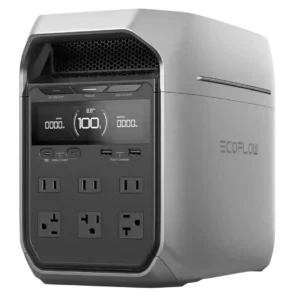
#1 EcoFlow Delta 3 Plus Review
4.6

Best for rapid charging, versatile ports, excellent app control, and portable backup for appliances or electronics. Skip it for unattended low-load use or sustained heavy loads unless fan behavior and...

Pros: overall product satisfaction, solar panel compatibility

Cons: long-term reliability, standby power loss

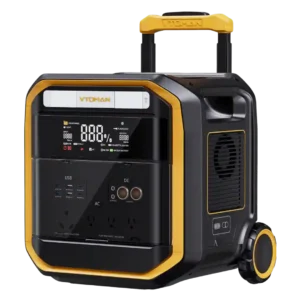
#2 Vtoman FlashSpeed Pro 3600
4.5

Best for fast-charging, high-output backup power that can run major appliances and roll easily between locations. Skip it if you need frequent lifting, a small footprint, or a screen that...

Pros: overall product satisfaction, recharge speed

Cons: weight, lifting ease

#3 Anker Solix C1000
4.5

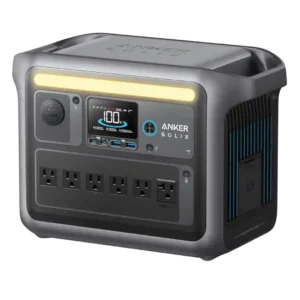
Best for fast charging, strong portable output, and short outage or camping duty. Skip it for quiet rooms, multi-day whole-home backup, or solar-only use with small panels.

Pros: overall product satisfaction, runtime

Cons: noise level, weight

#4 AFERIY P280
4.5

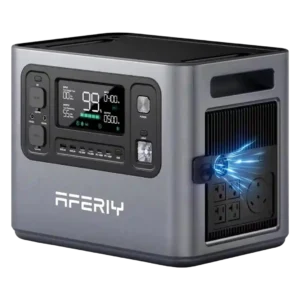
Choose the P280 for high-output home, RV, or off-grid backup with fast charging, strong usable capacity, UPS protection, and expansion. Skip it if you need lightweight portability, polished app control,...

Pros: overall product satisfaction, battery expandability

Cons: weight, built-in light