Compare LG G6 vs LG G5 OLED

LG G6

LG G6

Overall score 4.4 / 5

Based on 26 scored reviews

vs
LG G5 OLED

LG G5 OLED

Overall score 4.2 / 5

Based on 42 scored reviews

How we score

Scorata scores summarize analyzed review evidence on a 1–5 scale; they are not laboratory measurements or a simple average of customer star ratings. Feature scores summarize the reviews covering that feature. The overall score averages feature scores within each review, then combines review averages. When both expert and customer evidence are available, those two groups receive equal weight. Products can have different review coverage, so small score gaps do not establish a winner.

Recommendations prioritize important features for the category, with a score of at least 3.5, a gap of at least 0.25 points and at least two supporting reviews per product. Features with widely varying scores or broad connectivity contexts are excluded from recommendations. These safeguards do not establish statistical significance.

Quick verdict

What each product is best for

The review evidence points to a tradeoff: input lag and auto low-latency mode versus value for money and 4K at 120 Hz support. Choose according to which strengths matter more to you; the overall score alone does not settle that choice.

Choose LG G6 for input lag and auto low-latency mode.

Choose LG G5 OLED for value for money and 4K at 120 Hz support.

Why these recommendations?

LG G6

Where It Has the Edge

  • input lag is 5.0 vs 4.5. Measured latency is consistently extremely low, often below one frame and dropping further at 120Hz or 165Hz.
  • auto low-latency mode is 5.0 vs 3.7. ALLM is part of the G6’s complete gaming toolkit and helps consoles switch into responsive play automatically.
  • response time is 5.0 vs 4.1. OLED pixel response is nearly instantaneous, producing crisp motion and exceptionally responsive gaming.

LG G5 OLED

Where It Has the Edge

  • value for money is 3.8 vs 2.9. The G5 is expensive beside LG's C-series, but its extra brightness, wall-flush design and gaming flexibility help justify...
  • 4K at 120 Hz support is 5.0 vs 4.7. The TV handles demanding 4K/120 console signals with low delay and the features expected from current Xbox and...
  • color accuracy is 4.8 vs 4.5. Accurate presets create credible skin tones and nuanced colors with little need for adjustment. SDR is particularly strong;...
LG G6 4.4 overall score
LG G5 OLED 4.2 overall score

Compare features

Scores are out of 5. Missing scores mean missing review evidence, not a missing feature.

Scored on both products

Performance

Picture quality
LG G6
4.8

Across movies, sports, games, SDR, and HDR, the G6 delivers a brilliant, cinematic image with deep blacks, rich color, and strong detail. Most criticism centers on firmware-specific flaws rather than the core panel.

LG G5 OLED
4.8

Across tests, the G5 is celebrated for its vivid, high-contrast, bright and precise image. Some processing sharpness and near-black artifacts temper the otherwise top-tier showing.

Display technology
LG G6
5.0

The tandem OLED implementation delivers the cinematic blacks, depth, and color that make OLED especially compelling for movies.

LG G5 OLED
4.0

LG’s four-stack Primary RGB Tandem OLED panel brings a substantial step up in brightness and color over prior WOLED models. The biggest size uses different, less capable panel hardware.

Dark-room performance
LG G6
5.0

Inky blacks, precise highlights, and cinematic depth make the G6 superb for lights-off movie viewing.

LG G5 OLED
4.0

In dim rooms, per-pixel blacks and intense highlights make films especially involving; faint near-black patterns can occasionally be seen close up.

Bass performance
LG G6
3.9

AI Sound Pro adds noticeably more bass punch and warmth than the G5. The low end can still turn soft, tubby, or underpowered in demanding movie soundtracks.

LG G5 OLED
3.0

Bass performance is a mixed area, combining useful capabilities with practical caveats.

HDR performance
LG G6
4.7

The combination of bright highlights, deep blacks, broad color, and fine detail creates spectacular HDR. Firmware and Dolby Vision inconsistencies prevent completely uniform results.

LG G5 OLED
3.9

HDR performance is a mixed area, combining useful capabilities with practical caveats.

Sound quality
LG G6
3.3

Built-in sound is fuller and bassier than the G5 and adequate for everyday TV, but it falls well short of the picture quality and usually deserves a soundbar.

LG G5 OLED
3.9

Built-in audio is adequate for casual viewing, and voices are often intelligible, but bass and cinema impact trail the picture quality; a soundbar improves the experience.

Sustained brightness
LG G6
4.7

Full-screen HDR brightness around the mid-400-nit range is a meaningful OLED upgrade, improving sports, bright scenes, and room-light performance.

LG G5 OLED
4.4

Bright scenes stay more convincing than on earlier OLED generations, with less dimming as larger areas light up. Some very bright full-field content can still favor top Mini LED TVs.

Color accuracy
LG G6
4.5

Color is usually natural, vivid, and highly accurate out of the box, particularly in Filmmaker Mode. Some samples showed green tint, warm magenta, or firmware-related saturation errors.

LG G5 OLED
4.8

Accurate presets create credible skin tones and nuanced colors with little need for adjustment. SDR is particularly strong; HDR can require modest calibration for strict accuracy.

White balance accuracy
LG G6
3.8

Most modes are well balanced after proper setup, but some samples show green, pink, or warm magenta tint, especially off-axis or in selected scenes.

LG G5 OLED
4.0

Its factory white balance is close to reference, with some cool bias or subtle gray-level variation noted in stricter tests.

Peak brightness
LG G6
4.9

The G6 reaches exceptional OLED peaks, often around 2500–3100 nits and higher in tiny highlights. Measurements vary by mode and firmware, but brightness is a major strength.

LG G5 OLED
4.6

The G5 reaches exceptional peak brightness for an OLED, making HDR light sources pop and frequently outshining rival flagships. Its biggest panel improvements do not extend to the 97-inch model.

Noise reduction
LG G6
4.6

Dithering and dark-scene noise are greatly reduced, and DVD grain is usually preserved. Compressed HDR can still reveal flicker or temporal noise.

LG G5 OLED
4.8

The G5 cleans up compression blocks and low-bitrate noise impressively without sacrificing much fine detail, often keeping pace with Sony's premium processing.

HDR brightness
LG G6
4.5

Small highlights are intensely bright and full-screen HDR output is substantially stronger than before. Some firmware versions undertracked real scenes despite excellent test-pattern results.

LG G5 OLED
4.7

The G5's tandem OLED panel produces exceptionally striking specular highlights while keeping large HDR scenes bright. Brightness is among its most consistent advantages over other OLED flagships.

Gaming performance
LG G6
4.8

Fast response, extremely low input lag, four full-bandwidth HDMI ports, and rich HDR make the G6 an elite gaming TV across consoles and PCs.

LG G5 OLED
5.0

The G5 ranks among the strongest OLED gaming screens, combining bright HDR, low latency, sharp motion, and generous ports. Historical HDR10 banding complaints were largely patched.

Contrast ratio
LG G6
4.9

Perfect OLED blacks beside intense highlights create exceptional depth and punch. This remains a standout advantage in both dark and bright rooms.

LG G5 OLED
5.0

Near-perfect pixel-level contrast lends images striking depth without LCD-style backlight compromises.

Other features

Input lag
LG G6
5.0

Measured latency is consistently extremely low, often below one frame and dropping further at 120Hz or 165Hz.

LG G5 OLED
4.5

Controller inputs respond quickly, especially at high refresh rates; updates reduced early 165 Hz latency to roughly four milliseconds.

Banding control
LG G6
4.8

The new processing pipeline produces exceptionally smooth HDR10 gradients and greatly reduces the G5’s banding. Very dark compressed material and some Dolby Vision scenes can still expose artifacts.

LG G5 OLED
2.8

Initial HDR10 contouring complaints were substantial, especially in Game Optimizer. Later updates fixed the excess banding in most accurate picture modes, although Standard and Vivid remain exceptions.

Stand quality
LG G6
3.7

The sturdy, height-adjustable pedestal works well with soundbars where included. Several wall-mount variants omit a stand entirely, creating extra cost for tabletop users.

LG G5 OLED
2.0

Stand quality is a weak spot, with the chief limitation affecting normal use.

Auto low-latency mode
LG G6
5.0

ALLM is part of the G6’s complete gaming toolkit and helps consoles switch into responsive play automatically.

LG G5 OLED
3.7

Auto low-latency mode is a mixed area, combining useful capabilities with practical caveats.

Motion interpolation
LG G6
3.8

Cinematic Movement can add useful smoothness without obvious artifacts, while stronger settings may hesitate or create an artificial look.

LG G5 OLED
2.5

Interpolation can reduce some 24fps judder but does not fully smooth slow camera pans, and stronger settings may compromise cinematic authenticity.

Wall-mount compatibility
LG G6
4.9

The flat Gallery chassis and included zero-gap or slim mounts create an especially clean, picture-like wall installation.

LG G5 OLED
3.8

Wall mounting is central to the G5’s appeal, although cable routing, port access, and installation planning deserve attention.

Low-resolution content handling
LG G6
3.9

Good DVDs and HD sources can look crisp and detailed, but heavily compressed broadcasts expose ringing, artifacts, and inconsistent processing.

LG G5 OLED
5.0

Low-resolution content handling draws favorable reactions, with clear strengths noted in the G5’s real-world performance.

Remote layout
LG G6
3.2

The revised layout is cleaner for some users, yet missing backlighting, charging, and a straightforward source button keeps it from feeling fully premium.

LG G5 OLED
2.3

The updated layout removes handy dedicated controls, particularly the input button and numeric keypad, creating more menu steps.

Response time
LG G6
5.0

OLED pixel response is nearly instantaneous, producing crisp motion and exceptionally responsive gaming.

LG G5 OLED
4.1

Near-instant pixel response produces sharp motion with very little ghosting, though it can make low-frame-rate panning appear stuttery.

G-SYNC compatibility
LG G6
5.0

Nvidia G-Sync compatibility combines with high refresh rates and low latency for excellent PC gaming.

LG G5 OLED
4.3

G-SYNC compatibility is a mixed area, combining useful capabilities with practical caveats.

Refresh rate
LG G6
5.0

The native 120Hz panel extends to 165Hz with compatible PCs, providing excellent flexibility for gaming.

LG G5 OLED
4.3

Refresh rate is a mixed area, combining useful capabilities with practical caveats.

Remote control quality
LG G6
2.8

The Magic Remote’s pointer can be genuinely useful, but many versions feel light, plasticky, and unworthy of an expensive flagship.

LG G5 OLED
2.1

The updated remote divides opinion chiefly because of its button layout and pointer controls; the missing dedicated input key is a recurring annoyance.

Gaming mode quality
LG G6
3.8

Game Optimizer is feature-rich and responsive, but firmware-dependent HGiG, color, and high-refresh accuracy issues keep it from being flawless.

LG G5 OLED
4.5

Game Optimizer offers responsive play and extensive controls, and later firmware fixed its original HDR10 banding problem. Some early impressions were more critical before the fixes.

Gradient handling
LG G6
4.9

Complex color transitions are exceptionally smooth and among the best seen on OLED. Only heavily compressed or Dolby Vision material occasionally reveals residual issues.

LG G5 OLED
4.3

After firmware refinements, most accurate picture modes show smooth color transitions. Vivid and Standard can retain some harsher HDR10 gradients.

Variable refresh rate
LG G6
5.0

FreeSync, G-Sync, and HDMI VRR work smoothly up to very high frame rates, with only the usual OLED flicker possible in some static game scenes.

LG G5 OLED
4.4

VRR, FreeSync and G-SYNC support help accommodate changing game frame rates without distracting tearing.

Black levels
LG G6
4.9

Blacks are consistently deep, rich, and precise, even with room lights on. A few tests found mild black crush in the darkest HDR scenes.

LG G5 OLED
4.4

Self-lit pixels produce inky blacks and powerful contrast, including under ordinary ambient lighting. Early firmware reports noted some floating or raised blacks, most of which were later addressed.

VRR range
LG G6
4.5

VRR remains smooth and tear-free up to 4K HDR 165Hz, giving PCs a very wide operating range.

LG G5 OLED
5.0

VRR range draws favorable reactions, with clear strengths noted in the G5’s real-world performance.

Reflection handling
LG G6
4.8

Reflections are greatly reduced without using a matte finish, so the screen keeps glossy depth and strong black retention. A faint magenta tint can appear in reflected light.

LG G5 OLED
4.3

The glossy coating controls many reflections while preserving deep blacks in ambient light. Direct windows or lamps still create more visible glare than Samsung’s matte finish.

Color gamut
LG G6
4.7

The panel covers virtually all DCI-P3 and a strong portion of Rec.2020, producing broad HDR color. A few comparisons found slightly less high-brightness coverage than rival QD-OLEDs.

LG G5 OLED
4.2

The G5 offers broad, vibrant color coverage, although some QD-OLED rivals still stretch further into the widest HDR gamut.

Color volume
LG G6
4.9

Rich, bright color is one of the G6’s defining strengths, with bold highlights retaining impressive saturation and realism.

LG G5 OLED
4.5

The tandem panel delivers vivid highlights and noticeably stronger saturated colors than older WOLED sets, though top-end QD-OLED rivals still reproduce the very brightest colors more purely.

High-refresh-rate gaming
LG G6
4.8

PC gaming reaches up to 165Hz, while consoles are exceptionally well served at 120Hz. The maximum 165Hz mode can trade some gradation and chroma quality for speed.

LG G5 OLED
4.3

Extremely fast response and support up to 165 Hz keep PC games crisp and responsive. The 97-inch panel has different capabilities.

Stutter handling
LG G6
3.5

Near-instant OLED response makes 24p stutter visible, especially on larger screens; light TruMotion can smooth it at the risk of some soap-opera effect.

LG G5 OLED
3.9

Rapid pixel transitions produce wonderfully crisp motion but can also make slow 24fps pans look choppy; careful motion settings help only partially.

HDMI 2.1 port count
LG G6
5.0

All four HDMI ports support modern high-bandwidth gaming, avoiding the two-port limitation found on many rivals.

LG G5 OLED
4.6

All four ports provide full-bandwidth HDMI 2.1, allowing several consoles and a gaming PC to remain connected at once.

HDMI port count
LG G6
5.0

Four capable HDMI inputs provide ample room for consoles, PCs, and external media devices.

LG G5 OLED
4.6

HDMI port count is a mixed area, combining useful capabilities with practical caveats.

Motion clarity
LG G6
4.9

Sports and games look smooth, responsive, and largely free of ghosting or obvious artifacts.

LG G5 OLED
4.5

Motion clarity draws favorable reactions, with clear strengths noted in the G5’s real-world performance.

Judder handling
LG G6
4.5

Cinematic Movement controls panning judder effectively without strongly exaggerating the soap-opera effect, though some smoothing is needed.

LG G5 OLED
4.2

Native 24p movies can be displayed without cadence judder, but a few unusual source-frame-rate combinations still create jitter.

Upscaling quality
LG G6
4.6

DVD and HD material often gains crisp texture and careful detail, especially from cleaner sources. The weakest compressed broadcasts can still expose overprocessing.

LG G5 OLED
4.3

DVDs, HD broadcasts and lower-resolution streams look unusually clear and sharp for a large OLED, though extremely poor sources cannot be fully rescued.

Image processing
LG G6
3.9

The Alpha 11 Gen 3 processor improves gradation, clarity, and detail, but low-quality sources can trigger ringing or aggressive smoothing that erases fine texture.

LG G5 OLED
4.1

Upscaling and cleanup rank near the top of the class, often competing with Sony. Some owners and testers dislike always-on microcontrast or conspicuous fine-detail sharpening.

Shadow detail
LG G6
4.3

Dark-scene texture is often excellent and preserved without raising blacks. A few firmware versions and challenging scenes showed mild crush or required a small Near Black adjustment.

LG G5 OLED
4.1

Shadow detail is a mixed area, combining useful capabilities with practical caveats.

Glare resistance
LG G6
4.8

The glossy anti-reflection coating suppresses glare extremely well while preserving image depth, contrast, and saturated color.

LG G5 OLED
4.7

This screen is bright enough to overcome much everyday glare, though a direct light source can still be distracting.

Screen uniformity
LG G6
4.8

Uniformity is very good overall, with clean gray fields and strong sports performance. One sample showed minor edge tint and faint dark vertical streaks.

LG G5 OLED
4.7

Gray-screen uniformity is generally good, with little dirty-screen effect, though near-black vertical bands can be visible in challenging scenes or test patterns.

Advertising intrusiveness
LG G6
2.1

Large banner ads occupy a substantial portion of the webOS home screen. Some promotions can be disabled, but the space cannot be removed entirely.

LG G5 OLED
2.0

Advertising intrusiveness is a mixed area, combining useful capabilities with practical caveats.

Viewing angles
LG G6
4.4

Off-axis viewing is generally excellent, though extreme seats can reveal a green or pink shift on white objects.

LG G5 OLED
4.3

The picture largely holds together for people seated off center, though slight color shifts become noticeable at wider angles.

Blooming control
LG G6
5.0

Per-pixel OLED lighting eliminates the halos and bloom associated with backlit TVs, preserving clean high-contrast edges.

LG G5 OLED
5.0

Bright objects sit against dark backgrounds without the distracting halos seen on many backlit televisions.

Dialogue clarity
LG G6
4.2

Speech is generally clear, natural, and separated from background effects, though the warmer tuning can make some male voices sound slightly bass-heavy.

LG G5 OLED
4.2

Speech generally remains intelligible and AI-based voice processing can bring dialogue forward without drowning other soundtrack elements.

Dirty screen effect
LG G6
5.0

The tested panel showed no visible dirty-screen effect on full-field gray slides.

LG G5 OLED
5.0

Minor uneven patches may show on broad uniform surfaces, such as an ice rink, even though regular viewing is usually unaffected.

Energy efficiency
LG G6
4.5

The second-generation tandem panel improves efficiency while also increasing brightness and color performance.

LG G5 OLED
4.5

Energy efficiency draws favorable reactions, with clear strengths noted in the G5’s real-world performance.

Controls and connectivity

Voice control accuracy
LG G6
2.3

Voice ID and queries have potential, but slow responses, limited language support, and inconsistent usefulness weaken the experience.

LG G5 OLED
4.5

Voice control accuracy draws favorable reactions, with clear strengths noted in the G5’s real-world performance.

App selection
LG G6
5.0

webOS offers an excellent app catalog covering major streaming services plus niche platforms such as Crunchyroll and Hidive.

LG G5 OLED
3.4

App selection is a mixed area, combining useful capabilities with practical caveats.

Tone mapping
LG G6
2.8

Dynamic tone mapping can reveal shadows and add punch, but several tests found it overbrightened, washed out, or reduced highlight and color nuance. Accuracy is usually best with it disabled.

LG G5 OLED
4.2

The G5 offers controlled HDR tone mapping and optional extra punch, although aggressive dynamic modes can depart from creator intent.

Smart TV platform
LG G6
4.8

webOS 26 remains a fast, customizable, app-rich platform with useful Quick Cards and settings. Ads, account requirements, and uneven AI features are its main drawbacks.

LG G5 OLED
4.0

webOS offers a broad app selection and generally quick navigation, though several viewers dislike the home-screen layout, promotional content, or the revamped remote.

Software updates
LG G6
4.0

Firmware has already corrected major HDR and Dolby Vision problems, and LG promises years of webOS updates. The messy launch showed how dependent performance can be on software version.

LG G5 OLED
4.6

Firmware has fixed many early HDR10, Dolby Vision and gaming problems. One update temporarily reduced brightness, reinforcing the need to check release notes.

Menu responsiveness
LG G6
4.8

webOS is usually intuitive and quick, especially with the pointer remote, though occasional settings-menu sluggishness remains.

LG G5 OLED
5.0

Most reviewers find navigation fluid, but interactions with webOS and the pointer remote are not universally smooth.

Smart home integration
LG G6
4.8

Matter support and compatibility with Thread, Zigbee, Homey, and connected devices make the G6 a capable smart-home hub.

LG G5 OLED
5.0

Smart home integration is a mixed area, combining useful capabilities with practical caveats.

Operating system speed
LG G6
4.3

webOS feels swift and snappy in most use, with only occasional hesitation in deeper settings.

LG G5 OLED
4.5

webOS feels quick in many tests, although menu and input-switching responsiveness are not uniformly praised.

Ownership and support

Dolby Vision support
LG G6
3.9

Dolby Vision can look excellent and improved substantially after firmware updates, but early units showed serious near-black artifacts. Dolby Vision 2 is also absent.

LG G5 OLED
5.0

Dolby Vision is a meaningful advantage over Samsung flagships that omit it, especially for movies, streaming, and compatible Xbox games.

AirPlay support
LG G6
5.0

Apple AirPlay 2 works alongside Google Cast to make wireless sharing flexible across device ecosystems.

LG G5 OLED
4.0

AirPlay support is a mixed area, combining useful capabilities with practical caveats.

Value for money
LG G6
2.9

Performance is genuinely flagship-level, but launch pricing is difficult to justify while the discounted G5 and cheaper C6/C6H deliver much of the experience.

LG G5 OLED
3.8

The G5 is expensive beside LG's C-series, but its extra brightness, wall-flush design and gaming flexibility help justify the premium for enthusiasts; discounts improve its case.

FreeSync support
LG G6
5.0

AMD FreeSync support is consistently praised as part of the G6’s complete adaptive-sync package.

LG G5 OLED
4.3

FreeSync support draws favorable reactions, with clear strengths noted in the G5’s real-world performance.

DTS support
LG G6
1.4

DTS decoding and passthrough are completely absent, a recurring drawback for Blu-ray collections and external audio setups.

LG G5 OLED
2.0

Missing DTS decoding and passthrough can complicate playback from physical discs or older theater setups that use DTS soundtracks.

HDMI 2.1 support
LG G6
5.0

Full-bandwidth HDMI 2.1 across every input supports the G6’s comprehensive gaming feature set.

LG G5 OLED
4.4

Four 48 Gbps connections make the set unusually flexible for demanding game sources and AV systems.

4K gaming support
LG G6
5.0

Four capable HDMI inputs and a broad gaming feature set make the G6 a first-rate 4K gaming display.

LG G5 OLED
4.5

4K gaming support draws favorable reactions, with clear strengths noted in the G5’s real-world performance.

Casting support
LG G6
5.0

Built-in Google Cast and AirPlay provide broad, convenient wireless sharing.

LG G5 OLED
4.5

Casting support is a mixed area, combining useful capabilities with practical caveats.

Dolby Atmos support
LG G6
4.5

Dolby Atmos FlexConnect is a promising way to add wireless surround speakers and use the TV within a larger audio system.

LG G5 OLED
4.0

Dolby Atmos support draws favorable reactions, with clear strengths noted in the G5’s real-world performance.

4K at 120 Hz support
LG G6
4.7

Console gaming is exceptionally well covered at 4K/120Hz, including Dolby Vision on compatible systems. Image fidelity is generally strongest at 120Hz rather than pushing the optional 165Hz mode.

LG G5 OLED
5.0

The TV handles demanding 4K/120 console signals with low delay and the features expected from current Xbox and PlayStation hardware.

Warranty
LG G6
4.8

A five-year panel warranty on G6 models adds valuable protection beyond LG’s standard one-year coverage.

LG G5 OLED
4.5

Warranty is a mixed area, combining useful capabilities with practical caveats.

HDR10+ support
LG G6
2.2

HDR10+ remains unsupported, leaving Dolby Vision, HDR10, and HLG as the main formats.

LG G5 OLED
2.0

The lack of HDR10+ is a drawback for viewers seeking every premium HDR format, although Dolby Vision coverage is a meaningful offset.

Comfort and build

Bezel size
LG G6
5.0

The almost borderless screen creates a clean, floating-picture effect that suits the Gallery design.

LG G5 OLED
4.3

Bezel size draws favorable reactions, with clear strengths noted in the G5’s real-world performance.

Design and appearance
LG G6
4.9

The slim, understated Gallery design looks premium and especially elegant when flush-mounted. Its familiar appearance has changed little, which some consider overdue for a refresh.

LG G5 OLED
4.4

Its thin bezels, minimal chassis, and gallery-style wall profile earn praise, particularly in rooms where the TV is a design feature.

Build quality
LG G6
5.0

The metal frame and substantial construction feel reassuringly sturdy and appropriately premium.

LG G5 OLED
5.0

Build quality draws favorable reactions, with clear strengths noted in the G5’s real-world performance.

Evidence available for one product

Other features

Motion handling
LG G6
4.7

Fast sports and movie movement is generally excellent. Default processing can look heavy-handed, but better-tuned modes restore natural motion.

LG G5 OLEDNo score yet
Ease of use
LG G6No score yet
LG G5 OLED
4.6

Ease of use draws favorable reactions, with clear strengths noted in the G5’s real-world performance.

Accessibility features
LG G6
5.0

Accessibility options are extensive and easy to reach, while eye-care features can reduce fatigue during long viewing sessions.

LG G5 OLEDNo score yet
Account requirements
LG G6
1.3

Streaming apps being locked behind an LG account is one of webOS 26’s most disliked changes, with added concern over required data consent.

LG G5 OLEDNo score yet
AI Chatbot usefulness
LG G6No score yet
LG G5 OLED
2.0

AI Chatbot usefulness is a weak spot, with the chief limitation affecting normal use.

AI scene optimization
LG G6No score yet
LG G5 OLED
5.0

AI scene optimization draws favorable reactions, with clear strengths noted in the G5’s real-world performance.

Backlight strobing
LG G6No score yet
LG G5 OLED
3.0

Backlight strobing is a weak spot, with the chief limitation affecting normal use.

Black uniformity
LG G6No score yet
LG G5 OLED
5.0

Deep blacks and no OLED blooming form a major advantage for movie nights, although near-black gray screens are less pristine.

Broadcast TV guide functionality
LG G6No score yet
LG G5 OLED
5.0

Broadcast TV guide functionality draws favorable reactions, with clear strengths noted in the G5’s real-world performance.

Burn-in resistance
LG G6No score yet
LG G5 OLED
3.0

Long periods with fixed logos or news tickers pose burn-in risk, so the G5 is better suited to varied content than static unattended imagery.

Cable management
LG G6
3.7

Rear channels and clips can keep wiring tidy, but the permanently attached power cord and cable-length requirements complicate concealed installations.

LG G5 OLEDNo score yet
Calibration options
LG G6
4.2

Filmmaker Mode and Calman support can deliver reference-grade accuracy with extensive adjustment. One firmware version’s broken HDR color controls created a notable exception.

LG G5 OLEDNo score yet
Content recommendations
LG G6
3.3

AI Concierge can surface useful suggestions, but several tests found the recommendations too limited or unremarkable to become a regular feature.

LG G5 OLEDNo score yet
Distortion control
LG G6
2.5

Pushing the volume introduces slight distortion, and action scenes can sound sluggish rather than clean and forceful.

LG G5 OLEDNo score yet
Dolby Vision gaming quality
LG G6No score yet
LG G5 OLED
5.0

Dolby Vision gaming quality draws favorable reactions, with clear strengths noted in the G5’s real-world performance.

Flicker control
LG G6No score yet
LG G5 OLED
3.0

Flicker is subtle for most viewers but not completely absent; highly sensitive viewers may notice it.

Gaming dashboard
LG G6
4.8

Game Optimizer provides quick, customizable access to frame rate, VRR status, genre presets, black level, HGiG, and latency controls.

LG G5 OLEDNo score yet
HDR highlight detail
LG G6No score yet
LG G5 OLED
4.8

The bright panel preserves detail around intense light sources, making sunlit skies, fire, and specular reflections especially convincing.

Image realism and naturalness
LG G6No score yet
LG G5 OLED
4.4

Well-tuned modes deliver believable faces, refined highlights, and striking depth without relying on exaggerated colors.

Maximum volume
LG G6
3.5

AI Sound Pro can produce sufficient or improved loudness, yet other tests found the speakers too quiet until pushed near their upper range.

LG G5 OLEDNo score yet
Near-black uniformity
LG G6No score yet
LG G5 OLED
2.7

Faint diagonal dithering and occasional dark-scene grain are more distracting at desk distance than from a sofa, and some panels show visible vertical bands near black.

Off-axis color shift
LG G6No score yet
LG G5 OLED
3.0

Colors are largely stable from the side, but direct comparisons find a little more shift than on certain QD-OLED flagships.

Overall satisfaction
LG G6No score yet
LG G5 OLED
4.8

The G5 earns enthusiastic praise for its unusually bright OLED picture and gaming versatility. Value, the new remote and some near-black processing quirks are the most common reservations.

Panel type
LG G6
5.0

The four-stack tandem OLED panel combines premium blacks, high brightness, and richly realistic color.

LG G5 OLEDNo score yet
PC text clarity
LG G6
5.0

The RGWB subpixel arrangement makes desktop text noticeably clearer, with less fringing and blur than the G5.

LG G5 OLEDNo score yet
Remote control usability
LG G6No score yet
LG G5 OLED
3.5

Some users enjoy the pointing cursor, while others find its motion control imprecise or the missing input key frustrating.

Remote responsiveness
LG G6
4.2

Pointer controls, the scroll wheel, and navigation pad make webOS fast to operate, although some buttons require excessive pressure.

LG G5 OLEDNo score yet
Screen mirroring
LG G6
5.0

Classic screen mirroring joins AirPlay and Chromecast for flexible wireless display sharing.

LG G5 OLEDNo score yet
Search quality
LG G6
3.0

AI Search can be convenient for simple requests, but broader queries may return slow, inaccurate, or irrelevant results.

LG G5 OLEDNo score yet
Speaker quality
LG G6No score yet
LG G5 OLED
3.8

Speakers do a respectable job for a thin TV, though several comparisons favor rival sets with larger dedicated audio hardware.

Stand stability
LG G6
5.0

The heavy metal pedestal is consistently described as reassuringly sturdy.

LG G5 OLEDNo score yet
Stand width
LG G6
5.0

A skinny, flat base leaves room for a soundbar without dominating the furniture.

LG G5 OLEDNo score yet
USB port count
LG G6
2.0

There are three USB ports, but limiting all of them to slow USB 2.0 is disappointing on a flagship.

LG G5 OLEDNo score yet
Wall flushness
LG G6No score yet
LG G5 OLED
5.0

The gallery chassis sits exceptionally close to the wall, giving the G5 a clean, built-in look.

Ownership and support

Reliability
LG G6
3.4

The hardware is widely regarded as excellent, but launch firmware varied across units and introduced inconsistent HDR, Dolby Vision, and processing behavior. Later updates fixed many of those problems.

LG G5 OLEDNo score yet
4K at 144 Hz support
LG G6
5.0

HDR gaming can run at 4K/144Hz on compatible hardware, giving high-end PC players plenty of headroom.

LG G5 OLEDNo score yet
4K at 165 Hz support
LG G6No score yet
LG G5 OLED
5.0

PC owners can push compatible games up to 4K at 165 Hz, an extra margin above typical 120 Hz console output.

Chromecast support
LG G6
5.0

Google Cast is built in and works as part of a versatile wireless streaming setup.

LG G5 OLEDNo score yet
Cloud gaming support
LG G6
4.8

GeForce Now can reach 4K/120Hz, and the portal includes several major cloud services. Low-latency controller support makes the feature unusually capable for a TV.

LG G5 OLEDNo score yet
EARC support
LG G6
5.0

eARC is available for connecting a soundbar or receiver, though it cannot pass DTS.

LG G5 OLEDNo score yet
HDR format support
LG G6No score yet
LG G5 OLED
4.1

HDR format support is a mixed area, combining useful capabilities with practical caveats.

Setup ease
LG G6
4.3

Stand or wall-mount installation is generally straightforward, although one 5GHz Wi-Fi issue made initial software setup painfully slow.

LG G5 OLEDNo score yet
Tuner support
LG G6
3.8

Traditional TV functions include useful recording and time-shifting, but the US tuner remains ATSC 1.0 rather than the newer ATSC 3.0 standard.

LG G5 OLEDNo score yet

Performance

AI audio processing
LG G6No score yet
LG G5 OLED
4.3

The AI sound tools can clarify voices and enlarge the virtual stage, but they cannot fully compensate for the limited physical bass of the slim TV.

Audio passthrough
LG G6
1.5

DTS passthrough over eARC is missing, forcing disc users to route compatible players directly through an external audio system.

LG G5 OLEDNo score yet
Audio settings
LG G6No score yet
LG G5 OLED
4.3

Audio settings is a mixed area, combining useful capabilities with practical caveats.

Daytime viewing performance
LG G6
4.9

High full-screen brightness and excellent anti-reflection treatment make this one of the strongest OLEDs for bright living rooms without sacrificing deep blacks.

LG G5 OLEDNo score yet
Dolby Vision picture quality
LG G6No score yet
LG G5 OLED
3.8

Dolby Vision can look exceptionally rich, although early streamed content exposed shadow and gradient errors that firmware improved.

Local dimming performance
LG G6
5.0

Per-pixel OLED dimming precisely separates stars and highlights from black backgrounds without blooming.

LG G5 OLEDNo score yet
Overall image accuracy
LG G6
4.3

Filmmaker Mode can look natural and reference-like, especially after firmware fixes. Sample-to-sample tint and changing HDR tracking caused some inconsistent early results.

LG G5 OLEDNo score yet
Picture detail
LG G6No score yet
LG G5 OLED
3.8

Crisp processing preserves fine detail in good sources, while rough broadcast feeds can expose noise or slightly overprocessed texture.

Picture mode tuning
LG G6No score yet
LG G5 OLED
5.0

Picture mode tuning draws favorable reactions, with clear strengths noted in the G5’s real-world performance.

SDR brightness
LG G6No score yet
LG G5 OLED
4.5

Bright regular television and streaming content remains punchy during daytime viewing, a notable departure from dimmer generations of OLED TVs.

SDR picture performance
LG G6No score yet
LG G5 OLED
4.5

SDR picture performance draws favorable reactions, with clear strengths noted in the G5’s real-world performance.

Soundstage
LG G6
3.8

Audio can spread beyond the screen with decent directionality, yet it often remains contained and lacks the scale of stronger built-in systems.

LG G5 OLEDNo score yet
Stand specification accuracy
LG G6No score yet
LG G5 OLED
2.4

U.S. packages are designed around wall mounting rather than an included tabletop stand, so buyers using a TV cabinet need to budget for a compatible stand.

Surround sound virtualization
LG G6No score yet
LG G5 OLED
4.0

Surround sound virtualization is a mixed area, combining useful capabilities with practical caveats.

Controls and connectivity

App performance
LG G6
4.5

The ThinQ app works well as a quick remote, and external streaming devices perform smoothly with the TV.

LG G5 OLEDNo score yet
Bluetooth audio connectivity
LG G6No score yet
LG G5 OLED
5.0

Bluetooth audio connectivity draws favorable reactions, with clear strengths noted in the G5’s real-world performance.

Bluetooth connectivity
LG G6
4.5

Ultra-low-latency Bluetooth controller support strengthens the G6’s cloud-gaming credentials.

LG G5 OLEDNo score yet

Review contexts may differ, so use caution when interpreting the score gap.

HDR tone mapping accuracy
LG G6No score yet
LG G5 OLED
4.9

The G5 generally tracks HDR intent closely, with slightly elevated midtones and controlled highlight roll-off. Panasonic's Z95B is sometimes preferred for stricter reference accuracy.

Picture settings menu flexibility
LG G6No score yet
LG G5 OLED
3.8

Extensive picture modes and calibration controls allow close tuning, but finding a pleasing setting can be complicated by the different HDR10 behavior of Standard and Vivid.

Privacy controls
LG G6
1.5

Opening streaming apps can require consent to transmit data outside the European Economic Area, which privacy-conscious users may dislike.

LG G5 OLEDNo score yet
Streaming app support
LG G6
5.0

Major and niche streaming services are widely available and work correctly once the required LG account is active.

LG G5 OLEDNo score yet
Voice assistant support
LG G6
4.8

Voice control and AI search offer broad device and content commands, and some consider LG’s assistant among the best for TV control.

LG G5 OLEDNo score yet
Wi-Fi performance
LG G6
2.8

Wireless results vary by region and unit: Wi-Fi 6E is welcome where included, while Wi-Fi 5 and a reported 5GHz setup failure feel like regressions.

LG G5 OLEDNo score yet

Comfort and build

Inconsistent panel and coating by size
LG G6No score yet
LG G5 OLED
2.5

The 55–83-inch models receive the brighter primary RGB tandem panel, while the 97-inch version does not. Smaller regional variants can also perform differently.

Size options
LG G6
4.5

The tandem panel reaches up to 83 inches, giving big-screen buyers access to the flagship picture technology.

LG G5 OLEDNo score yet

Reviews Comparing These Products

These are a few of the reviews included in our analysis.

Other Top TVs to Consider

#1 Samsung S90H
4.5

Choose the S90H for bright-room OLED viewing, deep blacks and top-tier gaming without flagship pricing. Skip it if you want Dolby Vision, a glossy screen or the simplest smart-TV software.

Pros: glare resistance, black levels

Cons: Dolby Vision support, color gamut

#2 Roku Pro Series (2025)
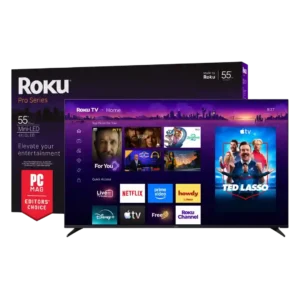
4.4

Best for bright Mini-LED picture, excellent built-in audio, easy Roku navigation, and responsive 4K/120 gaming. Skip it if you want ad-free menus, premium motion consistency, or stronger confidence in long-term...

Pros: overall satisfaction, picture quality

Cons: reliability, portability and versatility

#3 TCL QM8L
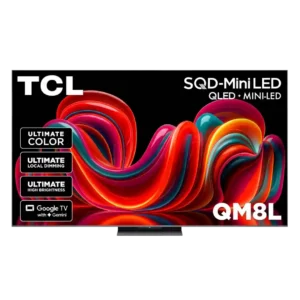
4.4

Choose the QM8L for a big, brilliantly bright TV with vivid HDR, deep mini-LED blacks, low input lag, and four HDMI 2.1 ports. Skip it if you need OLED-clean motion,...

Pros: picture quality, value for money

Cons: stand quality, judder handling

#5 Sony Bravia 9 II
4.3

Best for exceptional bright-room HDR, accurate color, strong processing and unusually capable built-in sound. Skip it if you prioritize OLED-perfect blacks, four HDMI 2.1 ports, high-refresh PC gaming or maximum...

Pros: overall satisfaction, overall image accuracy

Cons: value for money, bass performance