Compare Zero Parades: For Dead Spies vs Hillthorn

Zero Parades: For Dead Spies

Zero Parades: For Dead Spies

Overall score 4.1 / 5

Based on 45 scored reviews

vs
Hillthorn

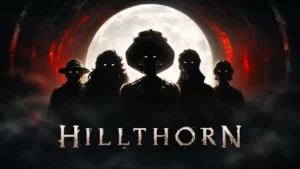
Hillthorn

Overall score 4.3 / 5

Based on 18 scored reviews

How we score

Scorata scores summarize analyzed review evidence on a 1–5 scale; they are not laboratory measurements or a simple average of customer star ratings. Feature scores summarize the reviews covering that feature. The overall score averages feature scores within each review, then combines review averages. When both expert and customer evidence are available, those two groups receive equal weight. Products can have different review coverage, so small score gaps do not establish a winner.

Recommendations prioritize important features for the category, with a score of at least 3.5, a gap of at least 0.25 points and at least two supporting reviews per product. Features with widely varying scores or broad connectivity contexts are excluded from recommendations. These safeguards do not establish statistical significance.

Quick verdict

What each product is best for

The review evidence points to a tradeoff: dialogue quality and character development versus originality. Choose according to which strengths matter more to you; the overall score alone does not settle that choice.

Choose Zero Parades: For Dead Spies for dialogue quality and character development.

Choose Hillthorn for originality.

Why these recommendations?

Zero Parades: For Dead Spies

Where It Has the Edge

  • dialogue quality is 5.0 vs 2.3. Conversations are enormous, intricate, witty, and novelistic. The dialogue trees reward close reading and make even small interactions...
  • character development is 4.4 vs 2.3. The strongest arcs center on guilt, rebuilding, and whether Cascade and her former crew can move beyond past...
  • exploration quality is 4.7 vs 4.0. Portofiro rewards curiosity with hidden routes, interconnected quests, memorable residents, and environmental storytelling. Sparse guidance can make that...

Hillthorn

Where It Has the Edge

  • originality is 4.8 vs 2.3. The detective premise is familiar, but expressing nearly everything through a card-table vocabulary gives it a distinctive identity....
Zero Parades: For Dead Spies 4.1 overall score
Hillthorn 4.3 overall score

Compare features

Scores are out of 5. Missing scores mean missing review evidence, not a missing feature.

Scored on both products

Performance

Performance optimization
Zero Parades: For Dead Spies
2.0

Optimization is a clear weakness on handheld hardware, with bugs, frame drops, and unstable performance requiring reduced settings.

Hillthorn
5.0

The tested PC playthrough ran smoothly, with no reported frame drops or stuttering.

Soundtrack quality
Zero Parades: For Dead Spies
3.7

The soundtrack is atmospheric and occasionally outstanding, especially when jazz or diegetic music takes over. Other reviewers found it too subdued, sparse, or forgettable.

Hillthorn
5.0

The music moves from relaxed, almost lounge-like tunes to ominous and affecting passages. Its shifts match the investigation and heighten emotional stakes.

Other features

Dialogue quality
Zero Parades: For Dead Spies
5.0

Conversations are enormous, intricate, witty, and novelistic. The dialogue trees reward close reading and make even small interactions feel consequential.

Hillthorn
2.3

Traditional conversations are largely absent, leaving relationships to be inferred from pictures and brief labels. That helps the mystery feel unusual but can disappoint players wanting extensive character exchanges.

Frame rate stability
Zero Parades: For Dead Spies
2.3

Frame rates fluctuate in busy districts, particularly on Steam Deck. Lower settings help, but outdoor scenes and effects can still produce visible drops.

Hillthorn
5.0

Gameplay remained smooth in the reported PC playthrough, without noticeable stutters or frame drops.

Originality
Zero Parades: For Dead Spies
2.3

The game develops its own themes and mechanical ideas, but many reviewers still felt it lived too closely in Disco Elysium’s shadow. For some, that familiarity was comforting; for others, it limited the game’s identity.

Hillthorn
4.8

The detective premise is familiar, but expressing nearly everything through a card-table vocabulary gives it a distinctive identity. Even players skeptical of card games find the experiment refreshing.

Character development
Zero Parades: For Dead Spies
4.4

The strongest arcs center on guilt, rebuilding, and whether Cascade and her former crew can move beyond past failures. These themes give the character work unusual emotional weight.

Hillthorn
2.3

The townspeople are visually intriguing and often menacing, but their card-sized descriptions leave limited space for personal development. Several players wish the cast had more conversational depth.

Side character depth
Zero Parades: For Dead Spies
4.1

The supporting cast is frequently funny, tragic, strange, and deeply humane. The expanding plot occasionally sidelines important figures, but the strongest character stories are among the game’s highlights.

Hillthorn
2.5

Cult members are compelling at first glance, yet their lives and motives receive little detailed exploration. More conversation would have helped their personalities breathe.

Immersion
Zero Parades: For Dead Spies
5.0

The writing, art, and lived-in setting make Portofiro easy to inhabit, even when outfit swapping or missing voice lines occasionally break the spell.

Hillthorn
3.4

Strong mental imagery and suspense draw some players deeply into the town, despite the limited on-screen world. Others find staring down at cards and missing conversational detail makes the setting less tangible.

Progression system
Zero Parades: For Dead Spies
2.5

Experience and skill points offer broad build freedom, but generous gains can undermine specialization and make intended tradeoffs too easy to bypass.

Hillthorn
3.5

The real upgrade is what the detective learns: discoveries persist even as the physical inventory resets. Some find that clever and rewarding; others think retained knowledge skips too little work.

Handheld play suitability
Zero Parades: For Dead Spies
4.2

The slow, text-heavy structure suits handheld play well, and the game remains a good Steam Deck experience once settings are adjusted.

Hillthorn
5.0

The digital-board-game layout fits naturally into a handheld screen, and the presentation remains clear and responsive.

Atmosphere
Zero Parades: For Dead Spies
4.0

The game creates a haunting, oppressive spy-thriller mood through its art, writing, and sound. Most reviewers found the atmosphere distinctive, though one strongly felt it lacked the melancholy of its predecessor.

Hillthorn
4.7

A secluded cult community, oppressive imagery, shadows, and unsettling sound create an unusually potent sense of dread. Even with most of the world represented by cards, the mountain feels threatening.

Exploration quality
Zero Parades: For Dead Spies
4.7

Portofiro rewards curiosity with hidden routes, interconnected quests, memorable residents, and environmental storytelling. Sparse guidance can make that freedom feel disorienting for some players.

Hillthorn
4.0

Alternate leads often let players move on instead of getting stuck, rewarding curiosity and self-directed investigation. Retracing familiar routes after midnight is the recurring drag.

Learning curve
Zero Parades: For Dead Spies
3.5

The systems can look dense at first, but they become manageable when approached like a tabletop RPG rather than a conventional action game.

Hillthorn
4.1

The unusual card language can look strange or complicated at first, but it quickly becomes understandable for many players. Initial confusion and a few overlooked clues are still possible.

World interactivity
Zero Parades: For Dead Spies
5.0

The world reacts richly to choices, clothing, conditioned thoughts, failures, and prior conversations, making small decisions echo into later scenes.

Hillthorn
4.5

The same cards used to inspect clues also let players explore, question people, and act on deductions. That coherence helps the stripped-back world feel interactive.

Pacing
Zero Parades: For Dead Spies
2.7

The first act is widely considered slow, dense, and sometimes aimless. Momentum improves sharply once the true mission emerges, but players need patience to reach that payoff.

Hillthorn
2.2

The mystery is most compelling when clues keep opening new possibilities. Multiple reviewers find its momentum weakened by rebuilding inventories and repeating familiar routes.

Grind level
Zero Parades: For Dead Spies
2.2

Resource and pressure management can occasionally become tedious, especially when the player is juggling supplies simply to keep the story moving.

Hillthorn
1.8

The repeated collection of keys, items, and route steps is the clearest recurring complaint. Although shortcuts reduce some of the load, a number of players feel the clock turns discovery into errands.

Fun factor
Zero Parades: For Dead Spies
5.0

The mystery, characters, and constant promise of another discovery make it difficult to stop playing once the story takes hold.

Hillthorn
4.6

The urge to chase another lead keeps many players immersed for hours and prompts enthusiastic demo reactions. Repeated collection and tighter time pressure are the main interruptions to that enjoyment.

Narrative quality
Zero Parades: For Dead Spies
4.8

The espionage mystery grows into a layered story about identity, guilt, ideology, and cultural power. The opening can be difficult to parse, but the later convergence of its threads earned exceptionally strong praise.

Hillthorn
4.5

The disappearing-person mystery builds curiosity through clues and implications rather than traditional exchanges. Admirers find the restraint evocative; others miss the texture of fully developed scenes and conversations.

Difficulty balance
Zero Parades: For Dead Spies
3.2

The pressure system is generally well tuned, but some builds can trivialize intended tradeoffs. Other reviewers felt the game’s reduced punishment also made it less interesting.

Hillthorn
3.5

Most puzzles ask for attention and sensible connections, not extreme leaps of logic. A few poorly signposted timing requirements and enforced repeats create spikes in frustration.

Animation quality
Zero Parades: For Dead Spies
4.2

Animations and environmental presentation are solid, helping the painterly world feel cohesive even if they are not a major talking point.

Hillthorn
4.5

Small animated touches, such as characters represented by moving cards, bring a little movement and life to the restrained presentation.

Environmental detail
Zero Parades: For Dead Spies
4.8

Portofiro feels lived in rather than staged, with distinctive landmarks, dense neighborhoods, and small visual details that make navigation and discovery rewarding.

Hillthorn
4.5

Subtle shadow changes and location-specific backgrounds suggest much more of the mountain than the card table directly shows. Their restrained visual cues make the surroundings feel ominous.

Core gameplay loop
Zero Parades: For Dead Spies
4.8

The combatless loop of exploring, talking, rolling checks, and living with failure remains engrossing for players who enjoy text-heavy RPGs.

Hillthorn
5.0

Finding a new clue usually opens another question, creating a strong urge to keep playing. The desire to understand the mountain makes long investigative sessions fly by.

Onboarding experience
Zero Parades: For Dead Spies
4.2

The streamlined systems help newcomers settle into the rhythm without stripping away the genre’s depth.

Hillthorn
4.0

The card interactions are introduced through the same process used to investigate the world, making the learning feel natural. The first few minutes still leave room for confusion or a missed clue.

Art direction
Zero Parades: For Dead Spies
4.9

The painterly, graphic-novel-inspired visuals are one of the game’s clearest strengths. Portofiro’s beauty, grime, neon color, and surreal imagery consistently reinforce its political and psychological tone.

Hillthorn
4.7

Moody portraits, stark symbols, shifting shadows, and hand-drawn card art give a sparse tabletop striking personality. The noir and folk-horror influences make even simple layouts uneasy.

Innovation
Zero Parades: For Dead Spies
4.8

Conditioning meaningfully expands the familiar thought-system formula with violations, restrictions, and stronger interaction with the rest of the build.

Hillthorn
5.0

The unusual card-table detective interface and almost wordless narration feel like a genuine change from familiar adventure formulas. It is an especially memorable design concept, even when it introduces tradeoffs.

Gameplay mechanics
Zero Parades: For Dead Spies
4.6

Pressure meters, exertion, conditioning, clothing, and failure-driven branches form a deep, reactive RPG system. Reviewers especially praised how mechanical consequences reinforce Cascade’s unstable inner life.

Hillthorn
4.7

The small vocabulary of card actions keeps investigation manageable and makes discoveries satisfying. Its simplicity can sometimes encourage trying every combination rather than reasoning deeply.

Accessibility options
Zero Parades: For Dead Spies
4.5

Readability controls are a strong point, with useful text sizing, contrast, outline, and dyslexic-font options. Some settings can strain the interface when pushed too far.

Hillthorn
4.5

Adjustable card sizing and visual settings help make the small tabletop text and clues more comfortable to read.

Graphics quality
Zero Parades: For Dead Spies
5.0

The overall visual presentation is exceptionally attractive, combining bold color, painterly textures, and striking character imagery.

Hillthorn
5.0

The stylized noir imagery and expressive card portraits give the game an immediately memorable look. The restrained illustrations help carry its dark themes.

Controls and connectivity

Menu usability
Zero Parades: For Dead Spies
2.1

Menus look attractive, but outfit management is a recurring frustration. Constantly swapping clothes without saved sets or useful sorting interrupts the flow of conversations.

Hillthorn
4.5

Even the menus use card investigations, so the control language stays consistent from setup into the mystery. That integration makes the unusual interface easier to learn.

Controls responsiveness
Zero Parades: For Dead Spies
3.0

Controller movement is generally workable, but crowded interactables and elevation changes can make navigation feel clumsy.

Hillthorn
4.5

Direct touch input makes card selection, dragging, and dropping feel snappy on Switch hardware.

Comfort and build

World-building
Zero Parades: For Dead Spies
4.8

Portofiro is a richly layered city shaped by debt, empire, propaganda, local culture, and personal survival. Its history, neighborhoods, and residents make it one of the game’s most consistently praised achievements.

Hillthorn
2.5

The mountain village hints at compelling occult history, but seeing mainly tabletops and changing light makes some of its locations feel under-realized.

Map and navigation design
Zero Parades: For Dead Spies
2.5

Landmarks help in some districts, but weak quest tracking and limited directions can make objectives difficult to relocate. Short play sessions are especially likely to feel disorienting.

Hillthorn
3.5

Learnable routes and green travel shortcuts reduce some early confusion. However, repeating sequences of directional cards when crossing the forest can become an unnecessary chore.

Quest design
Zero Parades: For Dead Spies
3.9

The best quests are large, interconnected, and open to several solutions. A smaller number feel unclear, abrupt, or more convergent than their apparent choices suggest.

Hillthorn
4.5

Goals and routes are often visible early, making the satisfying part finding a clever way to achieve them. Several outcomes emerge from the same mystery rather than a rigid sequence.

Sound design
Zero Parades: For Dead Spies
4.5

Ambient sound and restrained music effectively sell Portofiro’s oppressive, uneasy mood without overwhelming the dialogue.

Hillthorn
4.8

Creeping background noises and environmental audio turn card interactions into threatening encounters. Changes in scene and danger are communicated effectively through sound.

User interface design
Zero Parades: For Dead Spies
4.4

The interface is stylish, tactile, and generally clear despite the game’s complexity. Minor tracking and navigation frustrations keep it from being flawless.

Hillthorn
4.1

Color coding, clear action symbols, and sorting make the tabletop readable and intuitive for most players. Occasional overlapping cards and hard-to-see clues interrupt an otherwise elegant interface.

Ownership and support

Platform-specific feature support
Zero Parades: For Dead Spies
4.8

Handheld-friendly text scaling, frame-rate options, and readability settings show thoughtful support for Steam Deck and similar devices.

Hillthorn
4.5

The Switch version makes good use of touchscreen input, providing a more immediate way to manipulate the many cards.

Value for money
Zero Parades: For Dead Spies
4.2

Reviewers generally considered the experience worth playing, with the roughly $40 price seen as fair for its length, density, and replay potential.

Hillthorn
4.0

The unusual investigation system and unsettling art are considered worthwhile at the modest launch price, especially for curious mystery fans.

Replay value
Zero Parades: For Dead Spies
4.8

Different builds, crew compositions, failures, and endings make repeat playthroughs especially appealing. Several reviewers began planning another run before the credits had fully settled.

Hillthorn
4.8

Different routes and endings make the mountain worth investigating more than once. The desire to see alternative outcomes is tempered by needing to repeat old errands after resets.

Evidence available for one product

Other features

Automation
Zero Parades: For Dead SpiesNo score yet
Hillthorn
4.5

Repeated interactions eventually receive routine cards that carry out familiar actions automatically. This noticeably reduces the tedium of replaying certain steps.

Bug frequency
Zero Parades: For Dead Spies
2.6

Bugs range from minor dialogue and interaction oddities to inventory problems and stuck traversal. Some reviewers shrugged them off, while others found the launch build noticeably rough.

HillthornNo score yet
Card-based investigation system
Zero Parades: For Dead SpiesNo score yet
Hillthorn
4.8

Clues, characters, places, and actions are handled as cards, turning investigative reasoning into something tactile and easy to parse. Some players find the limited combinations a little too simple, but almost everyone admires the approach.

Character roster
Zero Parades: For Dead Spies
4.0

Portofiro is filled with eccentric, contradiction-rich personalities, and many are memorable and deeply written. A few reviewers found parts of the cast subdued or uneven.

HillthornNo score yet
Choice impact
Zero Parades: For Dead SpiesNo score yet
Hillthorn
4.7

Players can pursue separate leads, force entry, mishandle encounters, and earn very different conclusions. Consequences give the investigation meaningful agency rather than a single fixed solution.

Content variety
Zero Parades: For Dead Spies
5.0

Side stories branch in every direction, mixing political commentary, personal tragedy, absurd comedy, and strange local mysteries.

HillthornNo score yet
Crash stability
Zero Parades: For Dead Spies
2.2

Crashes are an inconsistent but real concern, especially on Steam Deck and in certain locations. Some runs saw only one or two crashes, while others encountered repeated failures.

HillthornNo score yet
Demo quality
Zero Parades: For Dead SpiesNo score yet
Hillthorn
3.9

The sample wins excitement for its inventive cards and unsettling setup. A repeated caveat is that the demo ends just as players begin to settle into its mystery.

Emotional impact
Zero Parades: For Dead Spies
5.0

Themes of guilt, abandonment, atonement, and political cruelty hit hard. Several reviewers described the game as haunting, heartbreaking, or personally affecting long after play ended.

HillthornNo score yet
Faithfulness to franchise
Zero Parades: For Dead Spies
4.8

Although it is a new world rather than a direct sequel, the game is widely seen as a worthy continuation of the studio’s dialogue-driven RPG legacy.

HillthornNo score yet
Fast travel convenience
Zero Parades: For Dead Spies
4.5

The map’s fast-travel system is easy to use and practical, even for players who prefer learning the city on foot.

HillthornNo score yet
Game length
Zero Parades: For Dead SpiesNo score yet
Hillthorn
3.3

An ending can arrive in just a few hours, while exploring different paths extends the experience. Some players finish satisfied; others wish there were more stories to tell with these mechanics.

Hint system
Zero Parades: For Dead SpiesNo score yet
Hillthorn
2.0

One crucial time-dependent clue is poorly signposted after it appears to have already served its purpose. That opacity can lead to wasteful repeat attempts.

Horror tension
Zero Parades: For Dead SpiesNo score yet
Hillthorn
4.8

The game generates real panic and unease using surprisingly little movement, text, or scenery. Its occult village and eerie audiovisual cues provide strong slow-burn dread.

HUD clarity
Zero Parades: For Dead Spies
4.8

Status effects and active conditions are easy to understand at a glance, helping players manage several overlapping systems.

HillthornNo score yet
Inventory management
Zero Parades: For Dead SpiesNo score yet
Hillthorn
3.0

The board must be kept organized to prevent important cards from disappearing among the clutter. The added housekeeping can make progression less seamless.

Knowledge retention and shortcuts
Zero Parades: For Dead SpiesNo score yet
Hillthorn
4.4

Passwords, learned routes, and routine cards can carry useful progress into a new day and prevent total restarts. These conveniences help considerably, although they do not eliminate item-retrieval chores.

Load times
Zero Parades: For Dead SpiesNo score yet
Hillthorn
5.0

Loading interruptions were minimal in the reported Switch 2 playthrough, supporting the adventure’s calm but consistent flow.

Lore depth
Zero Parades: For Dead Spies
5.0

The game builds a dense political and cultural history around Portofiro, its neighboring powers, and the everyday consequences of ideology.

HillthornNo score yet
Mission variety
Zero Parades: For Dead Spies
4.7

Most objectives can be approached through different skills, allies, and failed outcomes. That flexibility makes each playthrough feel improvised rather than rigidly scripted.

HillthornNo score yet
Overall quality
Zero Parades: For Dead SpiesNo score yet
Hillthorn
3.5

The inventive card mechanics and eerie presentation make the game worth considering, despite an oppressive loop that can detract from enjoyment.

Polish
Zero Parades: For Dead Spies
4.0

The moment-to-moment presentation can feel polished and carefully crafted, but clunky interactions and launch bugs keep the overall experience from feeling uniformly finished.

HillthornNo score yet
Sandbox freedom
Zero Parades: For Dead SpiesNo score yet
Hillthorn
4.5

Several solutions and endings allow players to follow their own deductions instead of moving through a fixed chain. Freedom is limited by the small set of cards available at a given time.

Skill tree depth
Zero Parades: For Dead Spies
4.5

The reduced fifteen-skill structure remains flexible and meaningful, supporting distinct builds without feeling shallow.

HillthornNo score yet
Stealth mechanics
Zero Parades: For Dead Spies
2.7

The game captures espionage through dialogue and role-playing more than systemic stealth. Players expecting covert simulation, information control, or sustained deception may be disappointed.

HillthornNo score yet
Strategic depth
Zero Parades: For Dead SpiesNo score yet
Hillthorn
3.7

Deciding which leads to pursue before midnight gives planning real stakes. That satisfaction is reduced when a familiar item has to be fetched repeatedly instead of moving to a new deduction.

Visual readability
Zero Parades: For Dead SpiesNo score yet
Hillthorn
4.5

Color-coded cards and adjustable sizes make the clues easier to separate and identify. The interface generally succeeds despite occasional difficult-to-see visual details.

Writing quality
Zero Parades: For Dead Spies
4.8

The prose is sharp, funny, politically incisive, and often emotionally devastating. Even reviewers who criticized imitation or excess generally agreed that the writing is a major strength.

HillthornNo score yet

Controls and connectivity

Character customization
Zero Parades: For Dead Spies
4.5

Skill choices, clothing, and role-playing decisions give players substantial freedom to shape their version of Cascade and the story around her.

HillthornNo score yet
Protagonist appeal
Zero Parades: For Dead Spies
4.1

Cascade is a damaged, flexible, and often compelling lead whose failures shape the entire game. Some reviewers loved her immediately, while others felt her behavior undermined the spy fantasy or left her less defined.

HillthornNo score yet
Touchscreen responsiveness
Zero Parades: For Dead SpiesNo score yet
Hillthorn
4.5

Touch input lets players tap and drag cards directly, making the Switch version feel snappier than cursor-only control.

Voice acting
Zero Parades: For Dead Spies
3.5

The strongest performances are excellent, with several narrators and characters earning high praise. Incomplete coverage, mismatched lines, uneven recording quality, and divisive delivery make the overall result inconsistent.

HillthornNo score yet

Comfort and build

Level design
Zero Parades: For Dead Spies
5.0

Districts, interiors, rooftops, and alleys communicate history and mood before dialogue begins. The compact city supports discovery without feeling like a generic open world.

HillthornNo score yet
Mission design
Zero Parades: For Dead Spies
4.3

Dramatic encounters and multi-stage operations create some of the game’s tensest moments. They are memorable and well constructed, though several reviewers wished there were more of them.

HillthornNo score yet
Puzzle design
Zero Parades: For Dead SpiesNo score yet
Hillthorn
4.0

Combining clues, people, objects, and action cards makes deductions approachable and frequently satisfying. Some combinations are shallow enough to solve through trial and error, and an unclear timed clue can stall the investigation.

Time-loop design
Zero Parades: For Dead SpiesNo score yet
Hillthorn
3.4

Midnight restarts create urgent decisions and opportunities to act with better knowledge next time. The dividing line is repetition: returning to known locations and retrieving familiar objects can feel like busywork.

Ownership and support

Localization support
Zero Parades: For Dead SpiesNo score yet
Hillthorn
4.0

Visual interactions carry much of their meaning independently of translated dialogue, supporting play across languages. Short labels still matter when images alone are ambiguous.

Other Top Video Games to Consider

#1 Well Dweller
4.7

Best for fluid traversal, rewarding exploration, striking art, and forgiving quality-of-life features. Skip it if you want deep combat, radical genre innovation, or consistently demanding bosses.

Pros: difficulty balance, boss design

Cons: innovation, sandbox freedom

#2 Hades II
4.5

Best for superb combat, inventive builds, and richly voiced characters. Skip it if repeated runs, resource gathering, or visually busy battles outweigh the appeal of steady progress.

Pros: overall quality, combat system

Cons: pacing, grind level

#3 Valheim
4.5

Good if you want a beautiful, demanding survival sandbox built around exploration, building, progression, and memorable co-op. Skip it if long resource runs, harsh death recovery, and deliberate pacing sound...

Pros: town-building system, exploration quality

Cons: grind level, fast travel convenience

#4 Clair Obscur: Expedition 33
4.5

Choose Clair Obscur if you want a story-rich RPG with thrilling timed combat, gorgeous art, and standout music. Skip it if poor maps, tight parry timing, or occasional bugs and...

Pros: narrative quality, combat system

Cons: map and navigation design, menu usability