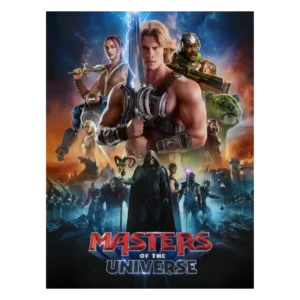
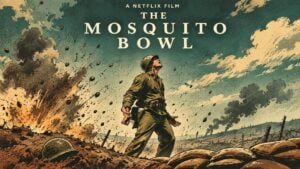
Masters of the Universe
Where It Has the Edge
- family friendliness is 4.0 vs 1.3. Families with older children can have a lively time, but the PG-13 violence, scary deaths, and adult jokes...

Scorata scores summarize analyzed review evidence on a 1–5 scale; they are not laboratory measurements or a simple average of customer star ratings. Feature scores summarize the reviews covering that feature. The overall score averages feature scores within each review, then combines review averages. When both expert and customer evidence are available, those two groups receive equal weight. Products can have different review coverage, so small score gaps do not establish a winner.
Recommendations prioritize important features for the category, with a score of at least 3.5, a gap of at least 0.25 points and at least two supporting reviews per product. Features with widely varying scores or broad connectivity contexts are excluded from recommendations. These safeguards do not establish statistical significance.
Quick verdict
The review evidence points to a tradeoff: family friendliness versus production design. Choose according to which strengths matter more to you; the overall score alone does not settle that choice.
Choose Masters of the Universe for family friendliness.
Choose The Mosquito Bowl for production design.
Scores are out of 5. Missing scores mean missing review evidence, not a missing feature.
Families with older children can have a lively time, but the PG-13 violence, scary deaths, and adult jokes make it a poor fit for the youngest viewers.
This is a difficult family recommendation because of graphic war violence, heavy profanity, and sexual material. Several content-conscious assessments explicitly advise families to skip it.
The strongest consensus is that the movie understands and recreates the cartoon’s costumes, characters, silliness, and toy-box spirit with obvious affection.
The adaptation is criticized for losing the book’s interest in the men behind the game. Its characters become tools for an antiwar argument rather than lives explored in their own right.
Most creature and costume work supports the colorful fantasy, but one reviewer noticed an unconvincing wig that broke the illusion.
Makeup contributes to the film’s convincing period presentation and overall visual finish. It is included among the production elements praised for making the setting work.
The climax and multiple post-credit teases generally leave enthusiastic viewers wanting a sequel, though the franchise setup will matter less to skeptical viewers.
The closing memorial and return to the football field can be deeply affecting. For less persuaded viewers, the emotion is unearned or the final patriotic and atomic-bomb imagery leaves the message confused.
Duncan’s redemption and Adam’s gentler approach to heroism give the story some satisfying growth. Other supporting characters and relationships receive less development than reviewers wanted.
The four leads often feel like familiar war-movie types whose lives receive only quick sketches. A smaller group finds their introductions distinct and their ordinary personalities sufficient to make the losses matter.
The movie has sincere ideas about empathy and failure, yet some emotional beats land flat because jokes or familiar clichés interrupt them.
The human impact divides sharply: a haunted lead performance, lost futures, and brief returns to boyhood move some viewers deeply. Others feel the thin character sketches and repeated carnage prevent the emotion from landing.
The digital work is uneven. Skeletor and many fantasy elements impress, but several reviewers noticed rough compositing, weightless environments, and poorly integrated creatures.
Digital effects are seamless and convincing in one assessment, but excessive patchwork in another. Their success depends on whether the larger battle spectacle feels immersive or artificial.
The knowingly campy humor is the movie’s biggest dividing line. Supporters found it much funnier than expected, while detractors felt relentless quips and self-mockery weakened the adventure.
Small jokes and moments of shared play provide welcome relief. The humor is limited and uneven, but the camaraderie and the confusion over “nuance” can produce effective laughs.
The action stays busy, but a predictable path and obvious outcomes limit tension, especially through the middle of the movie.
A steady buildup sustains suspense in one assessment. Another finds that the opening’s retrospective frame reveals too much and drains tension from the story.
The simple good-versus-evil framework works as uncomplicated adventure for some viewers, but others found the plot sloppy, derivative, or emotionally empty.
A compelling true story becomes a familiar chain of boot camp, battles, and brief football respite. Some find the journey rich and moving; many others think the spectacle leaves too little story between the set pieces.
The glam-rock score is one of the most consistently praised elements, giving the action scale, momentum, and an unmistakable 1980s identity.
Explosions in the Sky’s music is often praised for its emotional lift and well-timed restraint, especially during football. A few hear a grinding, overbearing accompaniment or an uneasy celebration of American victories.
The 140-minute-plus length is the most consistent complaint. Even positive reviewers felt the origin story, repeated jokes, and stacked battles needed substantial trimming.
Several critics think the running time is poorly allocated or simply too long. The film spends substantial time on battles while leaving character detail and its best football sequence comparatively underdeveloped.
The opening and Earth material often take too long to reach the main adventure, and the lengthy final stretch can feel repetitive even when the action remains lively.
The pace often rushes past personal scenes while spending long stretches on combat. Some find the momentum breathless or the buildup steady; others experience an exhausting, repetitive, or occasionally boring rhythm.
The dialogue earns laughs when it embraces the absurdity, but some reviewers wanted sharper lines and fewer repetitive innuendos.
Heavy speeches and familiar lines frequently draw more attention than the men speaking them. There are occasional natural exchanges and a welcome joke, but much of the dialogue is considered blunt or clichéd.
The basic quest is easy enough for fans, but compressed lore, unexplained gaps, and dropped threads can make the story confusing for newcomers.
The retrospective opening can leave viewers unsure of the timeline. The confusion is compounded when the central performance does little to mark an emotional change.
The movie constantly balances sincere heroism with parody and self-aware camp. Some found that blend charming, while many thought the jokes repeatedly undercut stakes and emotion.
The warm football passages offer a deliberate contrast with the bleak combat. That contrast works for some, while others find the film’s shifting celebration and condemnation of aggression difficult to reconcile.
The editing keeps many action scenes moving, but transitions and later battle sequences can feel repetitive, spotty, or visually muddled.
Editing draws opposing reactions: some praise the integration of archival images, while others find the cuts abrasive, fragmented, or too much like a trailer. Emotional scenes can lose their force in the rush between set pieces.
The script contains a promising empathy-centered idea, but many critics felt overused jokes, contradictory themes, and underdeveloped story logic kept it from cohering.
The screenplay is repeatedly faulted for stock personalities, abbreviated emotional beats, and weak connections between major scenes. Its defenders find distinctive introductions and enough humanity to make the wartime losses resonate.
The fights are usually energetic, clearly staged, and colorful, with several standout set pieces. A minority found later battles repetitive or too dependent on weightless digital spectacle.
The beach landings and later combat deliver enormous physical force, often with impressive geography and immediacy. A minority finds the chaos unreadable, but even many disappointed viewers admire the battle staging.
The hero’s journey is familiar and frequently compared with other major fantasy franchises. Its self-aware treatment of He-Man gives the formula some personality but not much novelty.
The football premise offers a distinctive opportunity, but most critics find the surrounding war story highly conventional. A few consider the combination fresh; many think the film repeats familiar combat images and dramatic rituals.
The film attempts a thoughtful contrast between brute strength and empathy, but critics disagree on whether it develops that idea or merely gestures toward it.
Lost youth, sacrifice, and the relationship between sport and war give the film meaningful themes. Critics frequently argue that these ideas remain at the level of blunt statements rather than sustained reflection.
The largely bloodless action is still heavier and more frequent than several reviewers expected from a family-oriented toy franchise.
The graphic violence is purposeful and devastating for some, but excessive, exploitative, or numbing for many others. Praise centers on its antiwar effect, while criticism targets the sheer time spent on mangled bodies and suffering.
The film’s emphasis on empathy, kindness, and a healthier model of masculinity is often praised. Critics argue that the message becomes muddled when every conflict is ultimately solved through violence.
Supporters see a powerful antiwar tribute that respects military service while exposing its human cost. Detractors find confused sports analogies, patriotic contradictions, and heavy-handed statements that the film never fully examines.
The lead pairing has appealing chemistry, and the Teela-Duncan family dynamic adds warmth and friction to the adventure.
The quartet often creates a convincing bond through contrasting personalities, rivalry, and shared fear. That chemistry can make the group believable even when the individual arcs remain thin.
Real sets, physical costumes, and practical creature work give many scenes a welcome sense of texture and help ground the more fantastical imagery.
Practical explosions, flames, and physical effects give the action tangible heat and weight. The blend with digital work is praised for making the battlefields feel immediate.
The adventure can work for older children and teens, but reviewers repeatedly warn that some deaths, grotesque imagery, and violence may be too intense for younger kids.
The severe war imagery and coarse language make the film inappropriate for children. Even recommendations for older teens are cautious and depend on maturity and readiness for graphic combat.
Longtime He-Man fans and nostalgic adults are the clearest audience, though several newcomers also found it accessible and fun. Some critics doubt the property has enough relevance for a broad modern audience.
The film has a clear audience among viewers drawn to traditional, masculine war dramas. Its broader appeal is less secure, with critics repeatedly describing a divide between the intended demographic and everyone else.
Bold colors, retro fantasy design, and comic-book energy give the film a distinctive surface. Heavy digital environments sometimes make that world feel glossy and weightless.
The desaturated palette is widely noticed and often criticized as muddy, dull, or monotonous. A smaller group finds the muted colors appropriate to wartime ugliness and the film’s bleak tone.
The bright pulp-fantasy sets and analog sci-fi details bring Eternia to life and closely resemble an elaborate live-action toy world.
Battlefield scale, period sets, vehicles, and physical environments contribute strongly to the film’s convincing presentation. The production design is often praised even when the narrative disappoints.
The ensemble is widely considered better than expected for a toy-based blockbuster, with several performers bringing charm, comic timing, and emotional weight.
The ensemble is frequently credited with elevating thin material and making its shared bond believable. Ray Nicholson and Tom Francis attract particular praise, while reactions to Nicholas Galitzine are much more divided.
Many reviewers found it colorful, energetic, and unexpectedly fun, especially as a popcorn movie. Others found the same approach exhausting, shallow, or too dependent on nostalgia.
The film can be gripping, moving entertainment even for viewers who dislike its script. Its punishing violence and uneven storytelling also leave some bored, alienated, or thoroughly miserable.
Skarsgård’s accent work is singled out as a convincing part of his performance. It adds to the praise for his versatility in this role.
Archival footage can connect the dramatized soldiers with real history and strengthen the period atmosphere. Some criticize scattershot montages or jarring comparisons between actors and historical figures.
The mixture of film footage and photographs effectively establishes the period. Showing a real historical person beside the actor playing them can still break the spell.
The integration of archival footage and photographs helps establish the period’s atmosphere. It can be an effective way to evoke the time without adding lengthy exposition.
The main ensemble is often seen as a major asset, but casting choices also draw sharp objections. McAfee’s drill instructor is frequently considered a distracting misfit, and one assessment finds Galitzine the wrong anchor.
Close handheld photography places faces and bodies inside large, chaotic battlefields. Admirers find it immersive and striking; detractors find the framing cramped, the movement nauseating, or the imagery too dark and drab.
The treatment of Japanese soldiers is a major fault line. Many object to faceless, dehumanizing portrayals and isolated executions; others see frightened people and lost innocence on both sides.
Nicholson is easier to hear and engage with than some of his more mumbled or sullen co-stars. His clearer delivery helps his character command attention.
Peter Berg’s command of large-scale action earns substantial praise. The recurring reservation is that technical force and relentless movement take precedence over character, subtlety, and reflection.
The dramatic response ranges from a poignant portrait of young lives to a hollow framework around spectacle. The sports passages generally fare better than the extended war material when critics assess the film’s human depth.
One assessment praises a balanced quartet in which nobody gets lost. Another objects that the film puts its greatest emphasis on the least interesting of its four leads.
Some critics feel that shock-driven violence and forced emotional devices undermine the respect owed to the real men. The concern is how suffering and sacrifice are presented, rather than their historical importance.
Jumping back from a postwar football field can effectively establish what the men once had. The same device frustrates viewers who find it confusing or too revealing about survival.
The game often supplies the film’s warmest, most distinctive, and most joyful stretch. The recurring complaint is that football receives too little time or narrative importance within the much longer combat story.
Brotherhood and sporting camaraderie are among the film’s most valued human elements. Shared play can make the men feel like friends again and sharpen the sadness of what war takes away.
Football and war create a potent contrast when the men briefly recover a world with rules and survivable stakes. Several critics find the larger analogy clumsy or confused, especially when sporting aggression becomes a reason to cheer.
The film is often judged stronger as a sports story than as a war drama. Its battle craft can satisfy genre expectations, but familiar ideas and thin characterization keep it below the strongest war films for many viewers.
Graphic, realistic deaths, dismemberment, and prolonged battlefield suffering make this a poor fit for gore-sensitive viewers. Several accounts describe the experience as sickening or emotionally punishing.
The period hair work contributes to a convincing visual recreation of the setting. It forms part of a broader production package that looks carefully assembled.
The film can leave the strategic importance of battles and the details of the football event insufficiently explained. Its historical setting is stronger as atmosphere than as a detailed account.
Pervasive profanity is a significant objection for content-conscious viewers and a barrier to family viewing. One critic appreciates the coarse speech for making the men sound less like polished period stereotypes.
A few sequences are so dark that the men become difficult to distinguish even in a cinema. Those passages are especially vulnerable to glare during home viewing.
The shooting locations help sell the wartime setting. Alongside sets and vehicles, they contribute to the film’s strong physical presentation.
The emphasis on male duty, physical courage, competition, and sacrifice has strong admirers. For others, the macho presentation becomes narrow, exclusionary, or frustratingly uncritical.
One enthusiastic account finds the four men linger long after the ending. A less persuaded viewer thinks the film could have been far more memorable with stronger individual characterization.
The combat creates a strong sense that any of the central men could die without warning. That unpredictability gives the experiential story immediate stakes.
The retrospective framing and progression through battles work as an immersive journey for some. Others find a fragmented opening, little connective tissue, and a misleading buildup to a game that passes very quickly.
The opening divides viewers between those who appreciate its introductions and those who find it rushed, fragmented, or confusing. Its postwar frame can either add poignancy or remove suspense.
Broader strategic, political, and geopolitical questions receive little sustained attention. Several critics think the film avoids the context needed to make its antiwar position more searching.
Some see a respectful antiwar film that acknowledges suffering on both sides. Others find an overwhelmingly American, heroic perspective that leaves racist attitudes and patriotic assumptions unchallenged.
The women are commonly reduced to anxious relatives or supportive girlfriends. Their brief appearances do little to establish lives or perspectives beyond the men going to war.
The actors can convincingly convey the shock, fear, and anguish of combat. Some find that portrayal powerful, while others think the film stops at visible suffering without exploring its deeper psychological consequences.
Combat often feels immediate, physically grounded, and difficult to escape. Some question whether the film’s supposed realism is necessary or whether familiar Hollywood conventions undermine its authenticity.
The religious treatment is criticized for giving Christianity little room beyond a brief blessing while allowing mockery and blasphemy. Its sacrificial and moral moments do not overcome that concern for this audience.
The limited romantic material struggles to establish what the soldiers are leaving behind. Brief, clichéd exchanges do little to create a convincing emotional life outside the war.
The film’s serious approach is appreciated in an especially enthusiastic account. Its refusal to lighten the wartime assignment supports that viewer’s sense of a heartfelt undertaking.
Sexual content and nudity are criticized as unnecessary additions to an already very mature film. They further limit its suitability for younger viewers and families.
The combination of physical and visual effects is a craft strength. Convincing integration and effective practical work help sell the scale and danger of combat.
Combat choreography and gunfights earn emphatic praise for their execution. The staging is described as jaw-dropping by an especially enthusiastic critic.
Repeated images of Earth and indifferent nature divide viewers. Some find a simple, effective reminder of war’s absurdity; others consider the symbolism heavy-handed or thematically incoherent.
The four central soldiers can come across as colorless, interchangeable alpha males. Their limited individuality makes it difficult for this assessment to connect with them as people.
Critical enthusiasm is sharply divided, with some embracing the campy throwback and others rejecting it as creatively unsuccessful nostalgia packaging.
The brief football game gains poignancy from the men’s return to versions of themselves that war has taken away. That recovery of lost boyhood is both freeing and sad.
Period costumes help establish the setting and show the men’s progression from clean uniforms to battered soldiers. The work is repeatedly singled out as an impressive craft contribution.
Gunfire, explosions, close breathing, and sudden changes in hearing make the battlefield unusually immediate. This is among the most consistently praised elements, although a few find the mix excessive or distracting.
The film compresses chronology and invents connections to bring its four leads together sooner. Its combat can feel convincing, but it should not be treated as a precise account of these men’s service or the game.
Galitzine’s restrained, haunted presence anchors the film for some viewers. Others find him wooden or insufficiently compelling, with several blaming a role that gives him little to work with.
The title encourages an expectation of a football-centered story that the film does not fulfill. The named game functions more like a brief stop within a much larger war drama.
The synths, rock songs, Queen references, and guitar-heavy soundtrack give the movie a lively retro personality that complements its colorful camp.
Nicholson, Francis, and several smaller-role actors give the supporting ensemble considerable life. Pat McAfee is the major dividing presence, praised by some but often criticized as distracting, cartoonish, or overblown.
The film generally looks like a large, well-used production, with expensive battlefield staging and strong technical finish. Even critics disappointed by the story often admire what the budget puts on screen.
Fans and viewers who enjoy campy fantasy may revisit it for the characters, music, and Easter eggs, while others see limited novelty after the first viewing.
The close breathing, snapping bullets, and immersive sound make a cinema ticket feel worthwhile. The theatrical presentation supplies a concrete reason to pay for the larger experience.

Choose this inventive, unsettling documentary for fearless questioning, dark humor, and unpredictable storytelling. Skip it if you want a short, straightforward exposé with definitive answers.
Pros: originality, humor

Extraordinary performances and richly observed relationships make this a rewarding, emotionally forceful drama. Its nearly three-hour length and slow opening demand patience and undivided attention.
Pros: class commentary, character development

Best for a hypnotic, bookish mystery with tactile visuals and cerebral chills. Skip it if reading-heavy, attention-demanding storytelling sounds more exhausting than exciting.
Pros: Atmosphere, cinematography
Cons: audience appeal

Best for an intimate, searching documentary that rewards focused attention and invites discussion. Skip it when devastating grief, addiction footage, and unresolved family tensions would be too much.
Pros: emotional impact, theme depth