Scorata scores summarize analyzed review evidence on a 1–5 scale; they are not laboratory measurements or a simple average of customer star ratings. Feature scores summarize the reviews covering that feature. The overall score averages feature scores within each review, then combines review averages. When both expert and customer evidence are available, those two groups receive equal weight. Products can have different review coverage, so small score gaps do not establish a winner.
Recommendations prioritize important features for the category, with a score of at least 3.5, a gap of at least 0.25 points and at least two supporting reviews per product. Features with widely varying scores or broad connectivity contexts are excluded from recommendations. These safeguards do not establish statistical significance.
Quick verdict
What each product is best for
The review evidence points to a tradeoff: romance quality and acting performance versus message quality. Choose according to which strengths matter more to you; the overall score alone does not settle that choice.
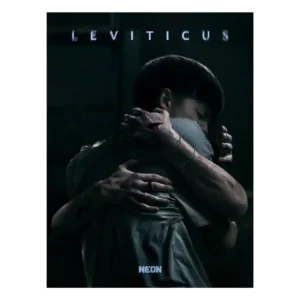
Choose Leviticus for romance quality and acting performance.
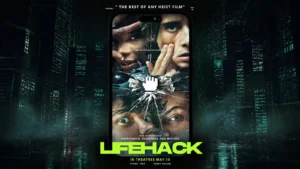
Choose LifeHack for message quality.
Why these recommendations?
Leviticus
Where It Has the Edge
romance quality is 4.6 vs 3.8. The tender, awkward first-love story is one of the film’s most consistently praised elements. Its intimacy gives the...
acting performance is 4.6 vs 4.3. Joe Bird and Stacy Clausen are the clear standout, bringing tenderness, panic, guilt, and menace to emotionally demanding...
LifeHack
Where It Has the Edge
message quality is 5.0 vs 2.4. The film’s warnings about online privacy, digital vulnerability, and the consequences of seemingly distant cybercrime give the heist...
Leviticus4.2 overall score
LifeHack3.9 overall score
Compare features
Scores are out of 5. Missing scores mean missing review evidence, not a missing feature.
Scored on both products
Comfort and build
Sound design
Leviticus
4.7
Clanks, hums, silence, and other abrasive textures create a sinister atmosphere that feels larger than the film’s budget. The soundscape is especially effective when reality and imitation begin to blur.
LifeHack
2.0
Constant notification pings and app sounds reinforce the screenlife environment, but they can also become distracting enough to make viewers check their own phones.
World-building
Leviticus
2.1
The town and its social pressure feel convincing, but the supernatural mythology is notably thin. Several critics wanted clearer lore, stronger rules, and more context for the healer’s power.
LifeHack
4.0
Small background details, hacked inboxes, apps, and internet ephemera make the digital environment feel densely observed and lived-in rather than merely functional.
Visual style
Leviticus
4.6
Muted colors, industrial decay, shadows, and carefully separated figures create a bleak social-realist texture. Softer images of togetherness provide a meaningful contrast.
LifeHack
3.7
The layered screenlife style is inventive and functional for many viewers, turning tabs, calls, and surveillance feeds into active storytelling. For others, the same density becomes mechanical, exhausting, or headache-inducing.
Production design
Leviticus
4.6
The abandoned mill, faded homes, church interiors, and industrial surroundings create a spare, oppressive world. Small visual details reinforce the boys’ isolation and the community’s emotional austerity.
LifeHack
4.0
Thoughtful background and set details help reveal personality even within small webcam frames, giving the screen-bound characters a more lived-in presence.
Other features
Message quality
Leviticus
2.4
The condemnation of conversion therapy and religiously sanctioned shame is forceful and easy to understand. Some critics felt the message became too blunt, repetitive, or heavy-handed.
LifeHack
5.0
The film’s warnings about online privacy, digital vulnerability, and the consequences of seemingly distant cybercrime give the heist extra relevance beyond its mechanics.
Plot originality
Leviticus
4.5
The monster’s use of a loved one’s face is a strong, emotionally loaded horror hook. Familiar stalking mechanics remain, but the conversion-therapy framework gives the plot a distinctive purpose.
LifeHack
2.7
The screen-based heist gives familiar crime mechanics a fresh surface, but the underlying plotting is more conventional: several reactions note predictable turns, genre clichés, or a by-the-numbers structure.
Humor
Leviticus
2.0
Humor is rare and deliberately uncomfortable. The few darkly comic beats do not land for every viewer and offer little relief from the film’s bleakness.
LifeHack
3.5
The movie often gets laughs from character banter, internet behavior, and topical satire. The Elon Musk/Joe Rogan-style material is more divisive, with some finding it funny and others repetitive or eye-rolling.
Theme depth
Leviticus
4.7
The curse turns imposed shame into a physical threat, making desire, repression, betrayal, and community control inseparable. The metaphor is blunt but widely considered powerful, timely, and emotionally coherent.
LifeHack
3.3
Class resentment, online power, isolation, and digital dependency give the story more to consider than the heist alone. Some critics still find those ideas underexplored or too surface-level.
Plot clarity
Leviticus
2.7
The central curse is easy to grasp, but its boundaries and behavior are not always consistent. Questions about when victims are truly alone and how the entity learns remain underexplained.
LifeHack
4.0
Despite dense screens and technical detail, the central heist is often easy enough to follow and visually organized. At its busiest, however, the information flow can become muddled or overwhelming.
Scares
Leviticus
3.9
The film earns strong tension, a few standout jump scares, and several disturbing identity-switch set pieces. Reactions are mixed on overall fright level, with some viewers finding the supernatural element restrained or underwhelming.
LifeHack
5.0
The film is not conventional horror, but its fear of getting caught and real-world cyber anxiety can create an effective, nerve-rattling kind of horror-adjacent tension.
Drama quality
Leviticus
4.0
The jealousy, betrayal, repression, and longing often carry more force than the supernatural attacks. The romantic conflict gives the horror its emotional stakes.
LifeHack
3.0
The friendship fractures and shifting loyalties can create effective drama, but the emotional material is not universally convincing and can feel familiar or underdeveloped.
Romance quality
Leviticus
4.6
The tender, awkward first-love story is one of the film’s most consistently praised elements. Its intimacy gives the supernatural threat real weight and keeps the movie from becoming only a trauma allegory.
LifeHack
3.8
Kyle and Alex’s awkward, slow-building connection adds tenderness to the digital friendship story, though the relationship remains deliberately understated and somewhat open-ended.
Realism
Leviticus
4.8
Despite the supernatural premise, the social pressure, secrecy, jealousy, and religious coercion feel painfully plausible. That grounded reality makes the curse more disturbing.
LifeHack
3.9
The hacking, software, and social-engineering details are often praised as unusually grounded for a thriller. The larger heist eventually strains credibility for some viewers, especially as the plot escalates.
Ending satisfaction
Leviticus
4.1
Many critics admired the bittersweet final note and its refusal to offer an easy cure, finding it graceful and hopeful without denying lasting danger. Others found the ending abrupt or insufficiently resolved.
LifeHack
3.3
The finale is sharply divisive: some find it satisfying, emotionally fulfilling, and true to the characters, while others call it overly tidy, predictable, or less convincing than the setup.
Directing quality
Leviticus
4.8
Adrian Chiarella’s debut is widely regarded as assured, sensitive, and controlled. He handles intimacy and dread especially well, even when the screenplay’s rules or side characters are less polished.
LifeHack
4.3
Ronan Corrigan’s debut direction is widely praised for controlling a complicated screenlife format, sustaining tension, and understanding online behavior. A smaller group finds the approach irritating or more competent than distinctive.
Runtime
Leviticus
4.5
The sub-90-minute length is generally viewed as welcome and efficient. A few critics still felt the final stretch repeated itself or that the story needed more room to develop.
LifeHack
4.0
The compact length works for several viewers who feel the film stays brisk and avoids overstaying its welcome. Others still experience fatigue from the screenlife presentation before it ends.
Originality
Leviticus
3.4
The desire-shaped demon is a sharp variation on the supernatural-stalker formula, and the queer perspective gives it distinct emotional meaning. Comparisons with It Follows are unavoidable, and a few critics found the execution overly familiar.
LifeHack
3.9
Turning screenlife into a cyber-heist is frequently praised as a fresh use of the format, with inventive digital storytelling. Familiar satire and established screenlife conventions keep it from feeling wholly new to everyone.
Screenplay quality
Leviticus
2.9
The script has a potent premise and strong relationship details, but its development is uneven. Critics most often questioned thin supporting roles, repeated third-act beats, and incomplete supernatural rules.
LifeHack
3.3
The writing earns praise for giving the heist motives, class concerns, and friendship dynamics some substance, but it also draws criticism for contrived conflicts, familiar beats, and limited character depth.
Genre satisfaction
Leviticus
4.2
The movie delivers enough gore, jumps, stalking tension, and dread to function as horror while remaining primarily character-driven. Viewers seeking nonstop scares may find it quieter than expected.
LifeHack
3.8
The cyber-heist and screenlife formats pair unusually well for many viewers, producing a tense, energetic thriller. Dissent centers on the perceived limits of screenlife itself and familiar heist conventions.
Pacing
Leviticus
3.3
The compact runtime keeps most of the film focused, and several critics praised its escalating tension. Others felt the slow-burn setup dragged, the final act repeated itself, or the story moved too quickly to deepen its characters.
LifeHack
3.6
The movie is usually described as brisk, propulsive, and energetic, especially during the heist. Some find the pace relentless or overwhelming, while others see a slower opening and occasional filler before the story fully accelerates.
Cultural representation
Leviticus
5.0
The film’s direct queer perspective gives its horror unusual specificity and emotional authenticity. It has been praised as a meaningful contribution to queer horror rather than a generic curse story with representation added on.
LifeHack
4.8
The film captures Gen Z internet culture with unusually specific detail, from games and Discord habits to memes and screen-driven social life. Its online world often feels current and recognizable rather than generically digital.
Story quality
Leviticus
3.8
The core story combines first love, betrayal, conversion therapy, and supernatural pursuit with clear emotional purpose. Its impact is reduced for some viewers by sparse character history and an underdeveloped mythology.
LifeHack
3.6
The cyber-heist is broadly seen as compelling and easy to invest in, with strong momentum and a clear central hook. Criticism focuses on familiar plotting, shallow character work, and a later story that can become messy or too neat.
Dialogue quality
Leviticus
3.3
The strongest exchanges feel casual and revealing, especially between the two boys. Some later dialogue is clunky or too explicit about the film’s themes.
LifeHack
3.4
The friends’ banter is often praised as natural and specific to their online dynamic, though some conversations feel choppy and one harsh reaction finds the jargon grating.
Score quality
Leviticus
4.7
Jed Kurzel’s score blends melancholy with low, ominous pressure. It supports both the romance and the dread without overwhelming the film’s quieter moments.
LifeHack
4.8
The electronic score is repeatedly praised for giving the screen-based action momentum and matching the frantic pace of the heist.
Chemistry between characters
Leviticus
4.7
The central romance is powered by unusually strong chemistry, with the leads making stolen affection, distrust, and reconciliation feel immediate. A small minority found the relationship underwritten despite the performances.
LifeHack
4.8
The central group’s chemistry is a major asset, making online friendships feel lived-in and emotionally credible even when the characters rarely share physical space.
Suspense
Leviticus
4.6
Uncertainty over whether Naim or Ryan is real drives sustained, often nail-biting tension. The film is strongest when affection and danger occupy the same scene.
LifeHack
4.7
Suspense is the film’s strongest consensus strength: the hacking, surveillance, and physical infiltration repeatedly create nail-biting tension and an escalating fear of getting caught.
Character development
Leviticus
3.1
Naim’s flaws and emotional shifts come through clearly, but Ryan and several supporting characters can feel thin or unevenly developed. The limited backstory weakens the impact for some viewers.
LifeHack
3.2
Character depth divides opinion. Some find the friends fully formed and emotionally grounded, while others see thin motivations, limited backstory, or too little time spent understanding how the heist changes them.
Emotional impact
Leviticus
4.3
The film is frequently described as heartbreaking, haunting, and deeply upsetting, with a modest thread of hope. Viewers who wanted fuller characterization were less emotionally invested.
LifeHack
4.3
The film finds unexpected poignancy in online friendship, loneliness, and youthful pressure, though emotional connection weakens for viewers who find the characters too distant or frustrating.
Editing quality
Leviticus
4.8
The editing creates sharp shifts between open-space unease and claustrophobic danger while keeping the story compact. Its timing helps uncertainty linger whenever a familiar face appears.
LifeHack
4.8
Editing is one of the clearest strengths, using rapid cuts, layered windows, and shifting focus to keep dense digital action legible and propulsive rather than static.
Controls and connectivity
Audience appeal
Leviticus
4.5
The emotional romance and accessible curse premise give the film crossover potential beyond dedicated horror fans. Its bleak subject matter and restrained supernatural spectacle may narrow that appeal.
LifeHack
2.8
The screenlife presentation is the biggest taste test: digitally fluent and younger viewers are the clearest fit, while dense interfaces, jargon, and constant screen activity can alienate others.
Performance
Soundtrack quality
Leviticus
4.5
The selective use of songs, especially Frank Ocean’s “Self Control,” gives the closing movement a bittersweet emotional lift. The soundtrack complements rather than overwhelms the original score.
LifeHack
3.7
The music is generally praised as energetic and propulsive, adding urgency to otherwise static computer activity, though one response finds some cueing distracting.
Supporting cast performance
Leviticus
4.0
Mia Wasikowska makes the mother’s cold, conflicted faith unsettling, even with limited screen time. Critics often wished the role and other adults had been developed further.
LifeHack
3.3
Jessica Reynolds brings assertiveness and charisma to Lindsey, giving the heist a strong destabilizing presence. Other supporting reactions are more mixed, with one performance described as distracting.
Lead performance
Leviticus
4.9
Joe Bird gives Naim a vulnerable, expressive interior life, while Stacy Clausen shifts convincingly between tenderness, bravado, and frightening impersonation. Both leads are repeatedly singled out as major strengths.
LifeHack
4.2
Georgie Farmer is usually praised as a charming, confident anchor who can carry the film’s frantic perspective. One notable dissent finds Kyle’s cockiness grating and difficult to invest in emotionally.
Acting performance
Leviticus
4.6
Joe Bird and Stacy Clausen are the clear standout, bringing tenderness, panic, guilt, and menace to emotionally demanding roles. Even less enthusiastic critics generally praised the acting.
LifeHack
4.3
The young ensemble is a consistent strength, with the cast often described as natural, authentic, and effective inside the screen-bound format. A few dissenting reactions still acknowledge the actors even when the film itself does not land.
Ownership and support
Entertainment value
Leviticus
3.5
The film can be gripping and emotionally absorbing, but its bleakness makes it more punishing than conventionally fun. Its strongest appeal is to viewers who value mood, metaphor, and romance over constant thrills.
LifeHack
3.9
Most reactions describe the film as fun, engaging, or exhilarating, especially once the heist tightens. Screen fatigue and one strongly negative response show that the same digital intensity can become exhausting.
Evidence available for one product
Other features
Action sequences
LeviticusNo score yet
LifeHack
5.0
The later physical heist beats add welcome movement beyond the desktop and deliver convincing action without abandoning the screenlife setup.
Cinematography
Leviticus
4.7
Desaturated industrial landscapes, intimate close-ups, and isolating compositions give the film a bleak but striking look. The camera repeatedly turns open spaces and familiar faces into sources of unease.
LifeHackNo score yet
Friendship portrayal
LeviticusNo score yet
LifeHack
4.7
The online friendships usually feel genuine, familiar, and emotionally meaningful, giving the heist a human center. The main limitation is that individual friends are not always developed as deeply as the group dynamic.
Practical effects quality
Leviticus
4.5
The wound effects are used sparingly but land with convincing impact. Their restraint keeps the violence tactile without turning the film into a gore showcase.
LifeHackNo score yet
Special effects quality
Leviticus
4.5
Practical wounds and digital enhancements are used selectively and effectively. The effects support the violence without distracting from the performances.
LifeHackNo score yet
Tonal consistency
Leviticus
4.7
Romance, dread, sorrow, and cautious hope are balanced with unusual confidence. The film can pivot from tenderness to violence without making either side feel incidental.
LifeHackNo score yet
Violence level
Leviticus
4.0
The violence is brutal and emotionally purposeful rather than constant. Its limited but graphic attacks reinforce the cruelty of the premise without becoming sadistic spectacle.
LifeHackNo score yet
Comfort and build
Costume design
Leviticus
4.2
Understated clothing supports the town’s drab conformity and the film’s grounded unease. The design works quietly with the setting rather than calling attention to itself.
LifeHackNo score yet
Controls and connectivity
Critic appeal
Leviticus
5.0
Critical response is strongly favorable, with particular enthusiasm for the performances, central metaphor, suspense, and romance. Reservations focus mainly on familiar influences and underdeveloped rules.
LifeHackNo score yet
Performance
Historical accuracy
LeviticusNo score yet
LifeHack
5.0
Its 2018 internet setting is praised for precisely capturing the apps, technology, and online culture of that moment, giving the digital period detail unusual specificity.
Best for pristine archival footage, immersive sound, and a surprisingly tense look at Disneyland’s construction. Skip it if you want a comprehensive, deeply critical history; several reviewers found the 78–79-minute...
Best for an intimate, inventive archival portrait with strong emotional and cultural impact. Skip it if substantial nudity or an occasionally wandering biographical structure will frustrate you.
Pros: chemistry between characters, emotional impact
Best for an audacious, text-driven conspiracy thriller with gorgeous 16mm atmosphere and mounting dread. Skip it if long stretches of reading, deliberate repetition, and an intentionally austere narrative sound more...
Best for slow-burn suspense, iconic synth music, and shadow-soaked filmmaking that still feels influential. Skip it if you need fast pacing, polished sound, consistently natural dialogue, or modern gore-heavy kills.
Pros: chemistry between characters, directing quality