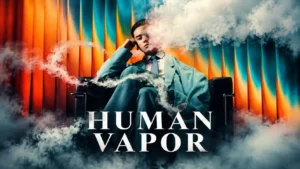
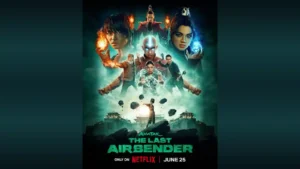
Human Vapor, Season 1
Where It Has the Edge
- acting performance is 4.6 vs 4.0. The lead ensemble receives steady praise for giving an outrageous premise believable stakes, particularly the detective’s fatigue and...

Scorata scores summarize analyzed review evidence on a 1–5 scale; they are not laboratory measurements or a simple average of customer star ratings. Feature scores summarize the reviews covering that feature. The overall score averages feature scores within each review, then combines review averages. When both expert and customer evidence are available, those two groups receive equal weight. Products can have different review coverage, so small score gaps do not establish a winner.
Recommendations prioritize important features for the category, with a score of at least 3.5, a gap of at least 0.25 points and at least two supporting reviews per product. Features with widely varying scores or broad connectivity contexts are excluded from recommendations. These safeguards do not establish statistical significance.
Quick verdict
The available evidence supports the recommendation below, but does not establish an overall winner. Check the remaining features against your priorities.
Choose Human Vapor, Season 1 for acting performance.
There is not enough comparable review evidence to recommend Avatar: The Last Airbender, Season 2 over the other product.
No clear scored advantage over the other product.
Scores are out of 5. Missing scores mean missing review evidence, not a missing feature.
Energetic action and multi-genre staging gain praise, but one critic sees a bland streaming-house style in the execution.
One strongly negative review faults the directing, alongside the writing, for losing sight of what made the source material work.
Finds the restrained villain unusually distant.
The harshest adaptation-focused reviews argue that some characters, especially Azula and Toph, are changed in ways that undermine defining traits.
The added action shifts the series away from the original film’s grounded quality, a tradeoff one reviewer accepts for greater spectacle.
One review finds the stage-bound environments so artificial that they prevent suspension of disbelief.
A reviewer recommends the show but cautions that an eight-episode first season guarantees neither closure nor another installment.
The season’s ending leaves at least one enthusiastic reviewer eager to see how the story concludes in Season 3.
The eight-episode format is easy to binge, but one pilot reviewer questions whether the initial central mystery alone can sustain that runtime.
The seven-episode order is one of the most criticized structural choices, with reviewers repeatedly arguing that major arcs needed more room.
Rather than merely duplicating the 1960 film, this reboot earns praise for opening a new investigation and broader institutional conspiracy. One critic finds the genre pedigree more interesting than the execution.
Opinions split sharply on whether this live-action version justifies itself: some see a confident reinterpretation with its own purpose, while others still regard the remake as unnecessary.
The story abandons the film’s bank robberies but holds on to its stranger-than-life sci-fi identity and unease about power. Supporters consider that thematic continuity more meaningful than a scene-for-scene remake.
This is the central divide: supporters like the selective remixing and stronger confidence, while detractors feel condensed or rearranged arcs lose the logic and emotional payoff of the animated series.
Its reimagined premise and genre fusion feel inventive to most critics, although a harsh detractor sees old crime-drama clichés beneath the novelty.
Original additions are praised when they deepen character motivations and expand familiar material instead of simply recreating it.
The villain’s tragic history and the leads’ sacrifices add unexpected tenderness to the gruesome premise, producing a bittersweet finish.
The best character stories land with real weight, but rushed pacing and altered scenes sometimes blunt moments that needed more time to breathe.
Flashbacks and shifts between investigators reveal history gradually, making the broader conspiracy more layered.
Individual episodes can work well as remixed stories, but serialized restructuring occasionally feels overloaded.
The detective and reporter’s damaged relationship provides emotional fuel and connects flashbacks with current events. Not everyone likes the lingering looks and melodrama.
Sokka and Suki’s romance is described as sweet in one review, while another finds the central romantic material unconvincing in live action.
Many praise vivid transformations and blockbuster-like action, but the effects are uneven: an airborne scientist and some smoke fail to convince one reviewer.
CGI is one of the season’s more divisive technical areas: some bending, creatures, and larger effects impress, while full-CG characters, green-screen moments, and virtual environments can still look artificial.
One full-season assessment calls it a quick, smoothly moving eight-episode binge, despite a brief comedown after the explosive opening.
Even with noticeable flaws, the seven-episode run is described as an easy, satisfying summer binge.
The ambiguous final hint of a return preserves an unsettling emotional connection beyond the apparent ending.
The ending’s large cliffhanger creates strong tension and leaves at least one reviewer eager for the final season.
Finds multiple story threads manageable.
The season can be accessible to newcomers, but the amount of compressed material occasionally makes the larger Ba Sing Se story harder to follow.
The music draws polarized reactions: an energetic, retro-modern score is a standout for one critic, while another finds the cues too obvious.
The orchestral score is a consistent standout, praised for enlarging action while giving quieter scenes melancholy and emotional lift.
The show finds human stakes in the people exploited by institutions, and its moral anger impresses several critics. The same solemnity feels overbearing to others.
The season’s strongest material explores grief, responsibility, identity, authoritarian control, redemption, and the moral cost of war with more maturity than before.
The idea of tracking a murderer who can vanish into smoke is gripping, and small environmental details keep danger nearby. Long explanatory stretches sometimes blunt the tension.
The darker conflicts and escalating final episodes create genuine fear and tension for the characters’ safety.
The central investigation builds a sprawling conspiracy from an initially bizarre murder, gaining depth as more people and motives emerge. Some find the twists absorbing; others see thin or familiar plotting.
The story earns praise for stronger emotional and political material, but heavy compression and controversial remixes make the overall narrative response sharply mixed.
Many welcome the focus on labor exploitation and elite corruption, finding the anti-authority themes relevant. A dissenting critic considers the message too heavy and dispiriting.
Ba Sing Se’s bureaucracy, surveillance, propaganda, and refugee stories give the season a political-thriller dimension that one review sees as a major strength.
Finds the genre blend cohesive overall; however, severe tonal complaints.
Some see the darker tone as a confident solution to Season 1’s tonal clash, while others miss the animated show’s lightness and find the live-action mood too grim.
The reporter, detective, streamers and vaporous antagonist gain more dimensions as their histories connect. Especially admired are the villain’s tragedy and a streamer’s growing confidence.
Growth is uneven but often rewarding: Zuko, Toph, Sokka, Iroh, and others gain meaningful material, while compression leaves several arcs feeling rushed or incomplete.
Its conclusion closes the conspiracy on a tragic, compassionate note, though the emotional outcome remains bittersweet rather than triumphant.
The finale is described as successfully bringing key arcs together while redirecting the story toward the final conflict.
The last episodes turn an effects-driven mystery into a humane reckoning, with a meaningful sacrifice and a lingering question.
The finale receives positive appraisal for combining political stakes, character conflict, payoff, and setup for the final season.
Police clashes, transformations and a standout chase draw considerable enthusiasm, though one critic finds the combat monotonous and another sees only a single convincing sequence.
Bending fights and choreography are among the clearest wins, repeatedly described as sharper, more dynamic, and more exciting than before.
Transformations and grotesque attacks are often the season’s selling point, with a distinctive sense of physical disintegration. One critic spots fake-looking levitation and smoke.
Bending and creature effects are usually stronger than before, but uneven green-screen work, virtual sets, and occasional wonky shots keep the visuals from being uniformly polished.
The pilot moves briskly for some, but others find excessive setup, quiet stretches and one sluggish subplot interrupt the momentum.
Early impressions find the first episode rushed while the second flows much better, making episode-level pacing uneven.
Human vulnerability and adult stakes lend weight to the sci-fi premise, though some stretches become cheesy or emotionally wearying.
The dramatic material ranges from moving and intense to forced or CW-like, producing a clearly mixed response.
Viewers praise the interlocking mystery and lively early setup; critics of the middle stretch object to exposition, stock characters and occasional tonal detours.
Writing shows clear improvement for some reviewers, especially in character conversations and later episodes, but exposition, compression, and clumsy adaptation choices remain frequent complaints.
Opinions diverge sharply: some race through eight episodes, while others say the first half lingers and that the plot clicks only around episode five.
Pacing is the dominant complaint: even reviewers who like the season often say seven episodes force too many storylines together, though a few find the faster structure effective.
Its conspiracy-noir mystery, horror effects and melancholy drama make a distinctive genre blend. Some viewers embrace the weirdness; others find it too silly or tonally uneven.
As an action-fantasy series on its own terms, the season still provides enough spectacle and cast appeal to work for some viewers despite adaptation flaws.
The nearly silent, blue-suited killer is creepy and memorable, with both transformation spectacle and tragic motivation. Some find him emotionally muted or underused.
Azula and the wider antagonist side are generally compelling, with several reviewers finding the villains among the season’s strongest elements.
The detective-reporter pairing creates engaging investigative friction, while the sibling vloggers develop a natural back-and-forth. Their early antics can still be distracting.
Team Avatar generally feels warmer and more connected this season, though one review strongly criticizes the Aang-Katara chemistry.
The plight of disposable workers is central to the story rather than just background for the killer’s powers, and the conclusion foregrounds compassion.
The season is praised for handling genocide, war, immigration, prejudice, and their human consequences with more awareness and seriousness.
Modern practical work paired with CGI is credited with preserving a tokusatsu spirit while making the transformations feel cinematic.
Greater use of practical sets is viewed as a major visual improvement, helping Earth Kingdom locations feel more convincing than Season 1’s virtual environments.
Praises sensitive insecurity arc.
Sokka’s grief, Iroh’s guilt, and other characters’ lingering pain are praised for being allowed to shape behavior rather than disappearing after a single episode.
Reviewers appreciate cinematic landscapes, a blue-toned noir palette and striking body-horror images. The show looks expensive even when individual digital effects falter.
The season can look richly designed and cinematic, but persistent dimness, gray skies, and a stage-like quality are recurring visual complaints.
Criminal gangs, media interests and political power centers feed into one conspiracy without losing the central investigative thread.
Ba Sing Se and the Earth Kingdom often feel politically richer and more layered, even though some reviewers think compression makes the wider world feel smaller.
Production values and expansive locations give the story the feel of a feature film, not a cheap effects showcase.
Sets, locations, and environmental detail are often impressive, although a few reviewers feel Ba Sing Se can still look stage-bound or digitally confined.
Most reviewers find plenty to enjoy in the mystery and spectacle despite the flaws, but reactions range from an easy recommendation to outright dismissal.
Reactions range from an inoffensive, watchable experience to outright boredom, leaving overall entertainment value mixed.
A driven reporter, conscientious detective and wounded villain give the show personalities to follow beyond its premise. At least one critic sees the detective as a familiar maverick-cop stereotype.
Toph’s energy is a clear boost, but the darker handling of Aang and other characters can make parts of the ensemble less appealing to some viewers.
The lead ensemble receives steady praise for giving an outrageous premise believable stakes, particularly the detective’s fatigue and the gas man’s eerie restraint.
The ensemble is generally viewed as a strength, with several standout performances outweighing isolated complaints about flat or underbaked moments.
Shun Oguri and Yu Aoi help ground the procedural story, with the enigmatic title performance another frequent highlight.
The returning leads are generally seen as more comfortable and improved, with stronger chemistry and more confident performances than in Season 1.
The streamer siblings receive praise for convincing banter and an approachable perspective on the conspiracy, even when their subplot initially feels jarring.
Supporting performers, especially Toph and Zuko-centered characters, are described as strong enough to outshine parts of the main trio.
The season earns strong praise for forcing Iroh to confront the civilian cost of his past as a Fire Nation general rather than treating that history as background texture.
Wisps of everyday smoke make the killer feel omnipresent, maintaining tension between encounters. For another critic, the eight-episode gloom grows exhausting.
The broad AAPI and Indigenous ensemble is praised as one of television’s notably diverse casts.
Casting is a near-universal strength, especially the choices for Toph and the returning core cast.
The title character dominates the most striking scenes, but a critic objects that he vanishes from substantial stretches of his own show.
Action framing can be dynamic, but static compositions and persistently dark lighting keep the photography from consistently showcasing the production.
Season 2 is praised for feeling like a natural continuation while still giving newer viewers enough orientation to follow the story.
The live-action series continues to receive strong approval for culturally authentic casting and its large AAPI and Indigenous ensemble.
Dialogue remains a major weakness overall, especially exposition-heavy scenes, though several reviewers see a meaningful improvement in natural conversation compared with Season 1.
Toph’s blindness is handled with particular care, including thoughtful physical behavior and consultation aimed at making the portrayal feel authentic and dignified.
Reviewers critical of the middle chapters want less detouring and more restraint, particularly when the show turns unexpectedly campy.
One major criticism is that Aang can feel secondary in his own story while Zuko and Katara receive more narrative weight.
The hour-long, plot-heavy format is criticized for making the adaptation feel slower and more serious than the animated version.
Long explanations and melodramatic setup sometimes pull the story away from the mystery; multiple critics want a tighter middle.
A family-oriented review explicitly recommends the show as appropriate viewing for families, including children around eight and older.
Comedy remains inconsistent: some reviewers find the banter much improved, while others say slapstick and one-liners rarely land or that the season feels almost humorless.
The siblings eventually provide a useful outsider perspective and character growth, but their awkward tone and slow midseason detour divide reviewers.
The season sometimes deepens Avatar lore in useful ways, but certain rearrangements and spiritual changes are criticized for weakening established rules.
Makeup is praised as part of the production’s standout craft, with the Kyoshi Warrior work called especially effective.
A revenge mystery, online creators and anti-authority themes give the old gaseous villain a modern context. Most welcome the ambition, though one calls the streamer addition gimmicky.
As clues about White Center and the political cover-up converge, several critics enjoy the accumulating revelations. One finds the underlying corruption too predictable for the final reveal to surprise.
An explosive opening and a formidable first confrontation with the vaporous killer make a convincing introduction. Most find the pilot intriguing even when the setup feels conventional.
The unfolding conspiracy has turns that delighted one full-season critic; another recap highlights the governor’s reveal as a particularly surprising discovery.
Graphic body-horror and chaotic fights make an impression; horror-oriented voices like the grotesque payoff, while another critic finds the violence repetitive.
One family-focused assessment specifically considers the season suitable for children around age eight and up.
Positive reviewers describe the season as quickly hooking them and renewing their excitement for the live-action series.
Guest performers are singled out as an ongoing highlight, adding recognizable and varied supporting faces across the season.
Costumes are usually praised as detailed and striking, although one adaptation-focused review finds some outfits overly costume-like.
One critic feels the show sells itself as a monster showcase but spends far more time unpacking social betrayal and institutional wrongdoing.
Its bombastic mix of retro motifs and modern scoring suits the updated monster concept.

Best for sharp adult humor, magnetic chemistry and a deeply satisfying farewell. Skip it if familiar will-they-won’t-they plotting or deliberately messy leads are dealbreakers.
Pros: humor, writing quality

Choose Widow’s Bay for its dark laughs, richly haunted island and memorable ensemble. Skip it if you need straightforward scares, rapid answers to every mystery or a completely resolved finale.
Pros: humor, genre satisfaction
Cons: ending satisfaction, season pacing

Choose Season 15 for warm, character-driven comedy, meaningful growth, and a finale that rewards longtime fans. Skip it if the short binge format, uneven replacement voices, or occasional clumsy commentary...
Pros: franchise connection, character development

Best for sharply acted, compassionate, high-pressure hospital drama. Skip it if graphic procedures unsettle you or you need a neatly resolved season finale.
Pros: character development, acting performance
Cons: character consistency, dialogue quality