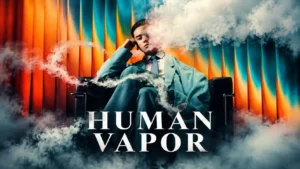
Human Vapor, Season 1
Where It Has the Edge
- character development is 4.3 vs 1.8. The reporter, detective, streamers and vaporous antagonist gain more dimensions as their histories connect. Especially admired are the...

Scorata scores summarize analyzed review evidence on a 1–5 scale; they are not laboratory measurements or a simple average of customer star ratings. Feature scores summarize the reviews covering that feature. The overall score averages feature scores within each review, then combines review averages. When both expert and customer evidence are available, those two groups receive equal weight. Products can have different review coverage, so small score gaps do not establish a winner.
Recommendations prioritize important features for the category, with a score of at least 3.5, a gap of at least 0.25 points and at least two supporting reviews per product. Features with widely varying scores or broad connectivity contexts are excluded from recommendations. These safeguards do not establish statistical significance.
Quick verdict
The review evidence points to a tradeoff: character development versus directing quality. Choose according to which strengths matter more to you; the overall score alone does not settle that choice.
Choose Human Vapor, Season 1 for character development.
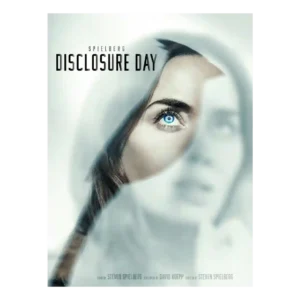
Choose Disclosure Day for directing quality.
Scores are out of 5. Missing scores mean missing review evidence, not a missing feature.
Finds multiple story threads manageable.
Starting in medias res creates intrigue, but the alien device, character motivations, and unresolved logic leave many viewers confused.
Many praise vivid transformations and blockbuster-like action, but the effects are uneven: an airborne scientist and some smoke fail to convince one reviewer.
Digital animals and the final alien imagery repeatedly draw criticism for looking artificial, distracting, or below the standard of the surrounding craft.
The reporter, detective, streamers and vaporous antagonist gain more dimensions as their histories connect. Especially admired are the villain’s tragedy and a streamer’s growing confidence.
Several reviewers find Daniel, Hugo, Noah, and some supporting roles underwritten, leaving Blunt’s Margaret to carry much of the emotional development.
The villain’s tragic history and the leads’ sacrifices add unexpected tenderness to the gruesome premise, producing a bittersweet finish.
Many reviewers find the climax deeply moving and sincere, while others say the emotional beats feel forced or fail to land.
Its conclusion closes the conspiracy on a tragic, compassionate note, though the emotional outcome remains bittersweet rather than triumphant.
The final act is highly divisive: some call it riveting and powerful, while others find it abrupt, confusing, or underwhelming.
The central investigation builds a sprawling conspiracy from an initially bizarre murder, gaining depth as more people and motives emerge. Some find the twists absorbing; others see thin or familiar plotting.
The central idea is ambitious, timely, and emotionally generous, but reviewers disagree on whether the narrative earns its optimism or coherently develops its many ideas.
The added action shifts the series away from the original film’s grounded quality, a tradeoff one reviewer accepts for greater spectacle.
The emotional sincerity helps sell the premise, but elastic alien-tech rules, implausible media logic, and hokey effects strain credibility.
Viewers praise the interlocking mystery and lively early setup; critics of the middle stretch object to exposition, stock characters and occasional tonal detours.
The screenplay is the most repeated weakness, criticized for overstuffed ideas, plot holes, exposition, uneven character arcs, and convenient alien technology.
Energetic action and multi-genre staging gain praise, but one critic sees a bland streaming-house style in the execution.
Spielberg’s command of staging, camera placement, suspense, and visual storytelling remains the film’s most broadly admired strength.
Finds the genre blend cohesive overall; however, severe tonal complaints.
The mixture of earnest spirituality, conspiracy suspense, comedy, and sentiment works for some viewers but feels awkward or uneven to others.
Its conspiracy-noir mystery, horror effects and melancholy drama make a distinctive genre blend. Some viewers embrace the weirdness; others find it too silly or tonally uneven.
As a conspiracy chase thriller with alien themes, it delivers classic Spielberg spectacle, though viewers expecting extensive extraterrestrial contact may be disappointed.
The show finds human stakes in the people exploited by institutions, and its moral anger impresses several critics. The same solemnity feels overbearing to others.
Questions about empathy, faith, truth, institutional control, and human connection give the film weight, though some reviewers call the treatment shallow or overexplained.
Its reimagined premise and genre fusion feel inventive to most critics, although a harsh detractor sees old crime-drama clichés beneath the novelty.
The original-IP approach feels refreshing, yet the film openly revisits familiar Spielberg imagery, themes, and structures rather than breaking entirely new ground.
Police clashes, transformations and a standout chase draw considerable enthusiasm, though one critic finds the combat monotonous and another sees only a single convincing sequence.
The car chases and especially the freight-train sequence are the most consistent crowd-pleasers, admired for clarity, momentum, and tactile staging.
The music draws polarized reactions: an energetic, retro-modern score is a standout for one critic, while another finds the cues too obvious.
John Williams’ score is widely admired for tension, warmth, and atmosphere, though some find it less memorable or inspired than his iconic themes.
Transformations and grotesque attacks are often the season’s selling point, with a distinctive sense of physical disintegration. One critic spots fake-looking levitation and smoke.
Several large-scale effects and invisibility concepts impress, but the visual-effects package is inconsistent because creature work looks noticeably weaker.
The idea of tracking a murderer who can vanish into smoke is gripping, and small environmental details keep danger nearby. Long explanatory stretches sometimes blunt the tension.
Spielberg’s pursuit scenes, close calls, and controlled visual geography create sustained tension, especially during the train sequence.
The streamer siblings receive praise for convincing banter and an approachable perspective on the conspiracy, even when their subplot initially feels jarring.
The supporting ensemble is generally strong, with Colman Domingo, Eve Hewson, Colin Firth, and Wyatt Russell earning praise despite limited or uneven material.
The lead ensemble receives steady praise for giving an outrageous premise believable stakes, particularly the detective’s fatigue and the gas man’s eerie restraint.
The ensemble is widely praised for grounding the film’s outsized ideas, with even skeptical reviewers acknowledging strong work across the cast.
Most reviewers find plenty to enjoy in the mystery and spectacle despite the flaws, but reactions range from an easy recommendation to outright dismissal.
Most reviewers find the film energetic and enjoyable, but a sizable dissenting group considers it overlong, boring, or less engaging as it progresses.
Rather than merely duplicating the 1960 film, this reboot earns praise for opening a new investigation and broader institutional conspiracy. One critic finds the genre pedigree more interesting than the execution.
Wisps of everyday smoke make the killer feel omnipresent, maintaining tension between encounters. For another critic, the eight-episode gloom grows exhausting.
One full-season assessment calls it a quick, smoothly moving eight-episode binge, despite a brief comedown after the explosive opening.
The detective-reporter pairing creates engaging investigative friction, while the sibling vloggers develop a natural back-and-forth. Their early antics can still be distracting.
Finds the restrained villain unusually distant.
The title character dominates the most striking scenes, but a critic objects that he vanishes from substantial stretches of his own show.
Fluid camera movement, intricate blocking, long takes, and expressive lighting give the film a polished, propulsive visual identity.
The ambiguous final hint of a return preserves an unsettling emotional connection beyond the apparent ending.
The dialogue can be direct and effective in lighter moments, but exposition and philosophical speeches are frequently described as clunky or stilted.
Human vulnerability and adult stakes lend weight to the sci-fi premise, though some stretches become cheesy or emotionally wearying.
Reviewers critical of the middle chapters want less detouring and more restraint, particularly when the show turns unexpectedly campy.
The pilot moves briskly for some, but others find excessive setup, quiet stretches and one sluggish subplot interrupt the momentum.
Flashbacks and shifts between investigators reveal history gradually, making the broader conspiracy more layered.
The plight of disposable workers is central to the story rather than just background for the killer’s powers, and the conclusion foregrounds compassion.
Long explanations and melodramatic setup sometimes pull the story away from the mystery; multiple critics want a tighter middle.
The story abandons the film’s bank robberies but holds on to its stranger-than-life sci-fi identity and unease about power. Supporters consider that thematic continuity more meaningful than a scene-for-scene remake.
Emily Blunt and Wyatt Russell bring welcome comic energy, although some viewers feel the goofiness clashes with the film’s serious ideas.
The siblings eventually provide a useful outsider perspective and character growth, but their awkward tone and slow midseason detour divide reviewers.
The plea for empathy, truth, and listening resonates strongly with many reviewers, but others find it simplistic, sermonistic, or heavy-handed.
A revenge mystery, online creators and anti-authority themes give the old gaseous villain a modern context. Most welcome the ambition, though one calls the streamer addition gimmicky.
Many welcome the focus on labor exploitation and elite corruption, finding the anti-authority themes relevant. A dissenting critic considers the message too heavy and dispiriting.
As clues about White Center and the political cover-up converge, several critics enjoy the accumulating revelations. One finds the underlying corruption too predictable for the final reveal to surprise.
Many reviews praise the propulsive chase structure, while others find the opening disorienting, the middle repetitive, or the overall rhythm rushed and overextended.
An explosive opening and a formidable first confrontation with the vaporous killer make a convincing introduction. Most find the pilot intriguing even when the setup feels conventional.
The unfolding conspiracy has turns that delighted one full-season critic; another recap highlights the governor’s reveal as a particularly surprising discovery.
Modern practical work paired with CGI is credited with preserving a tokusatsu spirit while making the transformations feel cinematic.
A reviewer recommends the show but cautions that an eight-episode first season guarantees neither closure nor another installment.
The detective and reporter’s damaged relationship provides emotional fuel and connects flashbacks with current events. Not everyone likes the lingering looks and melodrama.
At roughly two and a half hours, the film feels justified to some viewers but noticeably overlong to others, especially when chase beats repeat.
The last episodes turn an effects-driven mystery into a humane reckoning, with a meaningful sacrifice and a lingering question.
The eight-episode format is easy to binge, but one pilot reviewer questions whether the initial central mystery alone can sustain that runtime.
Opinions diverge sharply: some race through eight episodes, while others say the first half lingers and that the plot clicks only around episode five.
Praises sensitive insecurity arc.
The nearly silent, blue-suited killer is creepy and memorable, with both transformation spectacle and tragic motivation. Some find him emotionally muted or underused.
Graphic body-horror and chaotic fights make an impression; horror-oriented voices like the grotesque payoff, while another critic finds the violence repetitive.
Its sincere, old-fashioned optimism strongly appeals to classic Spielberg fans, while more cynical viewers may find the approach distancing.
A driven reporter, conscientious detective and wounded villain give the show personalities to follow beyond its premise. At least one critic sees the detective as a familiar maverick-cop stereotype.
Critical response ranges from masterpiece-level enthusiasm to major disappointment, though even detractors often respect the filmmaking craft.
Emily Blunt is the clearest consensus standout, repeatedly described as magnetic, emotionally agile, funny, and among the best work of her career.
Shun Oguri and Yu Aoi help ground the procedural story, with the enigmatic title performance another frequent highlight.
One critic feels the show sells itself as a monster showcase but spends far more time unpacking social betrayal and institutional wrongdoing.
Its bombastic mix of retro motifs and modern scoring suits the updated monster concept.
Production values and expansive locations give the story the feel of a feature film, not a cheap effects showcase.
Reviewers appreciate cinematic landscapes, a blue-toned noir palette and striking body-horror images. The show looks expensive even when individual digital effects falter.
Criminal gangs, media interests and political power centers feed into one conspiracy without losing the central investigative thread.

Best for sharp adult humor, magnetic chemistry and a deeply satisfying farewell. Skip it if familiar will-they-won’t-they plotting or deliberately messy leads are dealbreakers.
Pros: humor, writing quality

Choose Widow’s Bay for its dark laughs, richly haunted island and memorable ensemble. Skip it if you need straightforward scares, rapid answers to every mystery or a completely resolved finale.
Pros: humor, genre satisfaction
Cons: ending satisfaction, season pacing

Choose Season 15 for warm, character-driven comedy, meaningful growth, and a finale that rewards longtime fans. Skip it if the short binge format, uneven replacement voices, or occasional clumsy commentary...
Pros: franchise connection, character development

Best for sharply acted, compassionate, high-pressure hospital drama. Skip it if graphic procedures unsettle you or you need a neatly resolved season finale.
Pros: character development, acting performance
Cons: character consistency, dialogue quality