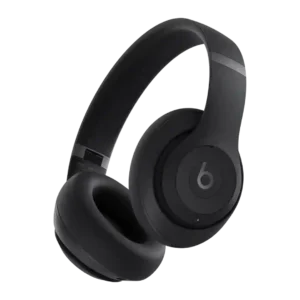
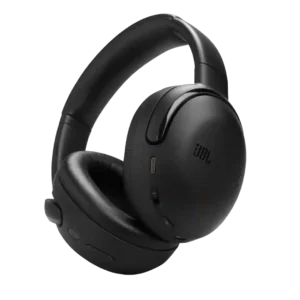
Beats Studio Pro Headphones
Where It Has the Edge
- Bluetooth is 4.3 vs 3.3. Bluetooth reliability was generally positive, with reviewers citing stable connections and strong range.

Scorata scores summarize analyzed review evidence on a 1–5 scale; they are not laboratory measurements or a simple average of customer star ratings. Feature scores summarize the reviews covering that feature. The overall score averages feature scores within each review, then combines review averages. When both expert and customer evidence are available, those two groups receive equal weight. Products can have different review coverage, so small score gaps do not establish a winner.
Recommendations prioritize important features for the category, with a score of at least 3.5, a gap of at least 0.25 points and at least two supporting reviews per product. Features with widely varying scores or broad connectivity contexts are excluded from recommendations. These safeguards do not establish statistical significance.
Quick verdict
The review evidence points to a tradeoff: Bluetooth versus Equalizer customization and Codec support. Choose according to which strengths matter more to you; the overall score alone does not settle that choice.
Choose Beats Studio Pro Headphones for Bluetooth.
Choose JBL Tour One M3 Headphones for Equalizer customization and Codec support.
Scores are out of 5. Missing scores mean missing review evidence, not a missing feature.
Reviewers generally found the Studio Pro sound better and more balanced than older Beats, though some said class leaders are more refined.
Sound quality was mostly praised as clear, punchy, detailed, or excellent, though several reviewers wanted EQ or found stock sound less exciting.
ANC background artifacts were a recurring caveat, including adaptive shifts, audible hiss, and leakage of chatter.
Noise-canceling background hiss was specifically praised in one review, which found the headphones almost silent with ANC active.
ANC sometimes added hiss or white-noise artifacts, creating a mild audio-side drawback.
Sound impact from ANC was mostly acceptable: one reviewer heard no sonic penalty, while another said turning ANC off made the sound thinner.
Wind handling was mixed: some mics reduced wind well, while others struggled or could not fully block wind noise.
Wind handling was praised in calls, ANC, and outdoor use, with reviewers noting wind resistance and reduced wind noise.
Passive isolation depended heavily on fit and seal, helping some listeners while causing performance drops for others.
Passive isolation was praised as impressive and helpful even before active noise cancellation was enabled.
Microphone noise reduction was praised in several call tests, but other reviewers found background rejection inconsistent or damaging to voice clarity.
Microphone noise reduction was a major strength, with reviewers praising wind handling, echo reduction, and background-noise filtering.
Soundstage impressions were split: some heard a compact or closed stage, while others found the image reasonably spacious for closed headphones.
Soundstage was generally above average or expansive, but not universally deep or as spacious as some higher-end rivals.
Mechanical or earpad-adjacent noise was a minor annoyance, including loud clicks or popping during use/folding.
Earpad heat and discomfort were raised in one review, which treated the fake leather as a comfort downside over longer wear.
ANC was usually considered good to very good, but not consistently at the very top of the premium class.
ANC was broadly praised as strong to excellent, especially for travel and commuting, but a few reviewers found it behind Bose or Sony or somewhat pressure-heavy.
Wired USB-C use was praised for eliminating lag in a gaming/editing-style use case.
Audio-video sync was a strength with the Smart Tx and wired-transmitter use, with reviewers reporting no discernible latency, no lag, or clean video sync.
Measured and subjective comments generally viewed the frequency response as close to target and more balanced than older Beats tuning.
Frequency balance was generally seen as warm, rich, entertaining, or more balanced than many consumer headphones, with some tuning caveats.
Bass was widely described as strong, controlled, and enjoyable, with a few reviewers wishing for tuning flexibility.
Bass impressions were mixed: many reviewers praised its punch, richness, and control, while a few found stock bass boomy, bland, or overemphasized.
Spatial audio worked well for Apple movies and supported immersion, but at least one reviewer still found it gimmicky or unappealing.
Spatial audio was divisive: some reviewers loved the movie immersion, while others found it echoey, disappointing, or merely decent.
LDAC was also cited as absent, especially compared with Sony alternatives that support it.
LDAC was viewed positively for better fidelity, higher resolution, and stronger wireless sound quality.
Launch feature completeness was criticized because head detection and other basics were missing.
Reviewers saw the launch feature set as unusually rich, especially the companion app, transmitter, personalization, ANC modes, and travel-focused tools.
Headband padding was criticized by reviewers who found it scant or insufficient for long comfort.
Headband padding was described as adequate for longer listening, supporting the broader comfort consensus.
Water and dust resistance was criticized as absent for a Bluetooth headphone at this level.
Water/sweat resistance was a weakness overall because reviewers noted no official IP rating, even if one tester found incidental moisture did not stop them.
The integrated microphone hardware worked well in some tests but could sound muffled in others.
The integrated microphone setup was praised for making voices sound clear on calls.
Wear detection auto-pause was repeatedly criticized as absent, especially at the price.
Wear-detection auto-pause was criticized in one review for false triggers during flight use.
Carry case reactions were mixed: reviewers liked the compact soft case, but several felt it was less protective or awkward.
The carry case was consistently liked for being slim, compact, stylish, travel-friendly, and useful for storing accessories.
At higher volumes, reviewers reported that clarity largely held up and distortion stayed controlled.
High-volume performance was split: one reviewer said composure fell apart at big volume, while another praised the ability to handle more volume clearly.
Volume output divided reviewers, with one noting loud playback and another wanting more headroom for blasting music.
Volume output had limited but positive evidence from one reviewer who found gaming audio loud and clear.
Ear pad changes helped comfort and seal for some reviewers, but stiffness and shallow cups remained concerns.
Ear cup and headband padding were widely praised for softness, plushness, and comfort, with some caveats about heat or sweat over time.
Overall recommendations were mixed: reviewers liked sound and features more at sale prices, but many flagged comfort, ANC, or value caveats.
Overall recommendations were generally positive, especially for travelers, feature seekers, and buyers who value comfort and flexibility.
Treble was often praised for clarity and sparkle, but several reviewers found it sharp, intense, or overemphasized at times.
Treble was praised for clarity, sparkle, and air in several reviews, though some found it bright, edgy, or close to harsh.
Headband adjustability was praised for allowing precise fit changes.
Headband adjustability received positive feedback for accommodating different head sizes.
The built-in DAC and USB-C hi-res playback were praised for cleaner or more present wired sound, with some execution caveats.
The built-in DAC and hi-res wired playback were praised for improving stability, detail, resolution, and flexibility with USB-C or wired use.
Included accessories were viewed positively where reviewers noted the full cable-and-case package.
Included accessories were considered generous, especially the USB-C, 3.5mm, USB-A adapter, pouch, and case setup.
Transparency mode received some of the strongest praise, often sounding natural, though a few reviewers heard hollowness or digital coloration.
Transparency mode was generally praised as natural or effective, with some minor caveats about hiss, muffling, or not matching Apple’s best tone.
Multi-platform compatibility was one of the strongest differentiators, especially for users moving between Apple and Android.
Multi-platform compatibility was praised for letting the headphones connect through USB-C, USB-A, headphone jacks, and many device types.
Travel friendliness was a clear strength due to compact folding, a small case, battery life, and wired options.
Travel friendliness was one of the strongest themes, driven by comfort, battery life, compact folding, the case, and the Smart Tx airplane use case.
Portability was a major strength thanks to folding and a very compact footprint.
Portability was praised for folding, collapsing, and fitting into compact travel cases.
USB-C preset EQ modes were useful and generally worked as intended, but reviewers still wanted fuller EQ control.
Preset EQ quality was mixed: some reviewers liked or benefited from presets, while others disliked the presets or found bass-heavy modes too boomy.
The 3.5mm input was appreciated as a practical wired listening option.
Reviewers valued the analog path mainly for travel and older sources, with the Smart Tx and included AUX/USB-C cabling making airplane and headphone-jack use more practical.
Stability was positive where tested, with reviewers finding the fit secure during movement.
Fit stability was praised in limited evidence, with snug clamp distribution keeping the headphones secure while walking.
Connectivity options were a strength, with Bluetooth, 3.5mm, and USB-C audio repeatedly appreciated.
Connectivity options were a signature strength, with reviewers praising the ability to connect to phones, laptops, planes, older devices, and many sources.
Midrange and vocals were usually clear and present, though one reviewer found a bit too much midrange boost.
Midrange clarity was mostly positive, especially vocals and detail, with a few reviews wanting fuller or clearer mids.
Instrument separation drew praise in several reviews, especially on complex tracks and spatially busy mixes.
Instrument separation was a clear strength in many reviews, with praise for clarity, spacing, and the ability to pick out details in busy tracks.
Android compatibility was a major strength, with reviewers praising cross-platform support and Android-specific pairing features.
Android setup received a positive note for Google Fast Pair, which made pairing quick and simple.
Premium feel was a recurring weakness because the plastic finish did not always match the premium price.
Premium feel was a common weakness, with many reviewers saying the plastic design looked or felt less luxurious than rivals.
Replaceable pads or headband support was weak in reviews that noted limited official replacement options.
Replaceable pads/headband repairability was weakly supported only by criticism that the cups do not pop off for replacement.
USB-C was a standout upgrade for charging, wired audio, and lossless listening, despite some mode limitations.
USB-C was positively tied to high-resolution wired use and data transfer, making the headphones more flexible than Bluetooth-only models.
EQ customization was one of the strongest complaints because wireless listening lacks adjustable EQ.
EQ customization was a major strength, with reviewers praising the flexible 10- or 12-band EQ and the ability to noticeably improve the sound.
Advanced features were mixed, with useful cross-platform extras offset by missing iOS-native and premium functions.
The feature set was repeatedly described as loaded, next-gen, or unusually extensive for premium ANC headphones.
Smart listening features felt underdeveloped because the headphones lack several premium convenience features.
Smart listening features such as Personi-Fi, Smart Talk, hearing profiles, and ambient tools were useful overall but varied by feature.
Voice prompts and feedback were weak because reviewers noted missing audio prompts for modes.
Voice prompts and feedback were mixed, with useful tap feedback in one review and overly loud or annoying prompts in others.
Bluetooth reliability was generally positive, with reviewers citing stable connections and strong range.
Bluetooth pairing and range received mixed feedback, with easy Apple/Android pairing in one test but weaker-than-expected wireless range in another.
The app and platform controls were useful, especially on Android or iOS, but not a deep customization hub.
The JBL app was a major strength, described as comprehensive, user-friendly, class-leading, and packed with useful control and EQ options.
Call quality ranged from excellent to disappointing, with strong results in some tests and muted voice pickup in others.
Call microphone quality was generally strong, often described as clear or high quality, though one review found it merely acceptable.
Setup was usually simple, especially with fast pairing, though customization depth was limited.
Software and setup simplicity were praised through the app’s easy design and broad customization access.
Physical buttons were often praised for simplicity and reliability, though some reviewers disliked the loud or clunky actuation.
Physical controls and buttons were generally praised as easy, certain, and well implemented, especially volume controls and tactile switching.
Codec support was judged limited because Bluetooth playback is restricted to AAC and SBC, without higher-quality options.
Codec support was viewed positively because reviewers noted LDAC, LC3, AAC, and SBC coverage as a useful or strong selection.
Multipoint was a repeated weakness because support was limited, missing, or less flexible than expected across platforms.
Multipoint reliability was mixed: one review noted stuttering and another noted limited device control, while basic support was present.
Value depended heavily on sale pricing: many reviewers disliked the launch price but became more positive at discounts.
Value opinions were split: some reviewers called them strong value, while others thought the price, transmitter cost, and plastic feel hurt the equation.
Auto-off was a small positive where mentioned, with the headphones shutting down after inactivity.
Auto-off behavior was seen as reliable, with reviewers noting the headphones and transmitter avoid unnecessary battery drain.
Replaceable earpad support was criticized where reviewers noted Beats did not offer easy official replacements.
Replaceable earpads were a weakness in one review because the cups were not removable.
Clamping force was a common caveat, with several reviewers finding the fit tight or pressure-heavy.
Clamp comfort was praised across reviews as snug, secure, and not too tight, supporting long sessions without squeezing.
Comfort was the most divisive area: some reviewers wore them for hours, while others found the fit tight, shallow, or uncomfortable.
Long-wear comfort was one of the strongest consensus areas, with many reviewers reporting hours of use, flights, or workdays without pain.
Build quality split reviewers sharply, from durable and robust to plasticky or cheap for the price.
Build quality was mixed: some reviews found it solid or durable enough, while others criticized cheap-feeling plastic or average construction for the price.
Durability over time was viewed positively in CNET's hands-on assessment, particularly compared with older Studio hinge concerns.
Durability over time had limited but positive evidence, with one review noting no damage after weeks of bag carry and stress testing.
Weight was a mild positive where mentioned, with the headphones considered relatively light.
Weight comfort was strongly positive, with reviewers repeatedly praising the light feel and reduced head or neck strain.
Design was generally viewed as stylish, mature, and recognizable, though some reviewers found it too familiar or plain.
Design feedback was mostly positive for clean, understated styling, though it rarely reached luxury-level excitement.
Battery life was usually considered solid, with some tests exceeding claims, though a few rivals last much longer.
Battery life was one of the clearest strengths, repeatedly described as long-lasting, class-leading, or exceptional for travel and extended use.
Fast charging was consistently received positively, with short charges giving several hours of playback.
Charging feedback was mostly positive thanks to fast top-ups and reasonable full-charge times, though the separate Smart Tx adds another device to charge.
Apple H2 chip support was a consistent miss for reviewers expecting deeper Apple feature upgrades.
Voice assistant support worked well for Apple users, especially hands-free Siri.
aptX was treated as a missing Android-friendly codec, limiting high-quality Bluetooth options for Android users.
Cable quality drew a practical complaint from one reviewer who wanted a longer USB-C cable.
The Smart Tx dongle split opinion: many called it unique, practical, or game-changing for travel, while others found it niche, costly, easy to lose, or unnecessary.
Ecosystem integration was strong across Apple and Android, but some compromises remained compared with platform-specific rivals.
Find My support was useful, but reviewers noted limitations versus more advanced precision finding.
Smudge resistance was weak on darker colors, which reviewers said showed fingerprints easily.
Firmware outlook was uncertain where reviewers hoped for fixes but had no clear update timing.
The gaming/movie preset was considered useful where reviewers evaluated the USB-C EQ modes.
Sensor support was weak because ear-detection sensors were missing.
Sidetone/VoiceAware adjustment received a positive user preference note from one reviewer who liked hearing more of his own voice.
Hi-res streaming service support was a plus through USB-C playback with compatible services.
Repairability was a concern because reviewers noted no direct Apple repair path or limited replacement support.
Touch controls were mixed, ranging from responsive and intuitive to oversensitive, limited, or unreliable in some testing.
Auracast support was treated as a forward-looking differentiator for shared listening, though its value depends on compatible devices becoming more common.
Dolby Atmos with head tracking was praised as enjoyable or useful on Apple devices.
Immersive audio quality was praised in flight/movie use, where the experience felt theater-like and more involving.
LE Audio evidence was limited but mildly positive, with one reviewer saying it worked well and another preferring LDAC.
Recycled materials were noted positively, though sustainability reporting and repair options were more limited.
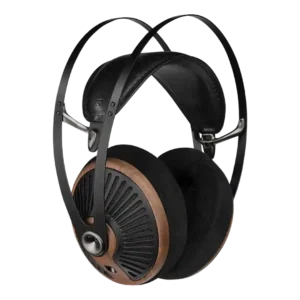
Choose the 105 Silva for beautiful, repairable construction, superb comfort, easy driveability, and an engaging spacious sound. Skip it if you need isolation, balanced connectivity, heavy sub-bass, or consistently smooth...
Pros: Design and Aesthetics, Overall recommendation
Cons: Noise isolation (passive), Connectivity options
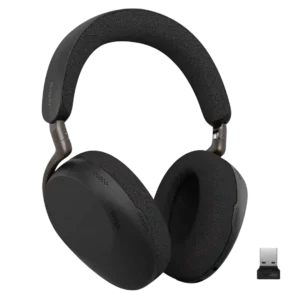
Choose it if your workday revolves around calls and you want exceptional mic isolation, huge battery life, all-day comfort, and a slim travel-friendly design. Skip it if music fidelity, class-leading...
Pros: Battery, Charging
Cons: Value for money, Codec support
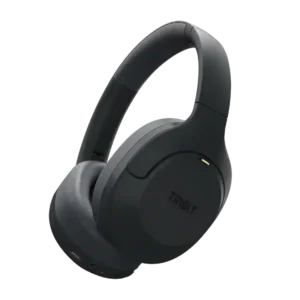
Best for exceptional battery life, useful ANC, flexible EQ, and strong budget value. Skip it if refined, detailed sound or polished controls matter more than price.
Pros: Value for money, Sound quality
Cons: Button control usability, App
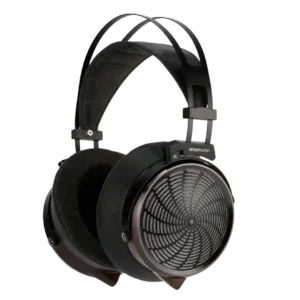
Best for spacious, detailed home listening, excellent comfort, and premium construction. Skip it for commuting, private shared-space use, built-in voice chat, or subwoofer-like bass impact.
Pros: Build quality, Comfort during long use