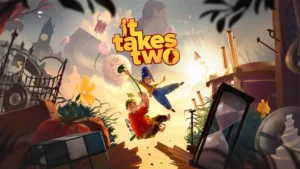
Compare It Takes Two vs Orbitals

It Takes Two

It Takes Two

Overall score 4.4 / 5

Based on 21 scored reviews

vs
Orbitals

Orbitals

Overall score 3.8 / 5

Based on 64 scored reviews

How we score

Scorata scores summarize analyzed review evidence on a 1–5 scale; they are not laboratory measurements or a simple average of customer star ratings. Feature scores summarize the reviews covering that feature. The overall score averages feature scores within each review, then combines review averages. When both expert and customer evidence are available, those two groups receive equal weight. Products can have different review coverage, so small score gaps do not establish a winner.

Recommendations prioritize important features for the category, with a score of at least 3.5, a gap of at least 0.25 points and at least two supporting reviews per product. Features with widely varying scores or broad connectivity contexts are excluded from recommendations. These safeguards do not establish statistical significance.

Quick verdict

What each product is best for

The review evidence points to a tradeoff: learning curve and originality versus dialogue quality and family friendliness. Choose according to which strengths matter more to you; the overall score alone does not settle that choice.

Choose It Takes Two for learning curve and originality.

Choose Orbitals for dialogue quality and family friendliness.

Why these recommendations?

It Takes Two

Where It Has the Edge

  • learning curve is 5.0 vs 2.3. Simple starting controls introduce players gradually to more involved maneuvers, allowing less experienced partners to improve as they...
  • originality is 4.9 vs 2.7. The inventive blend of cooperative mechanics and miniature-world spectacle feels fresh even when its central relationship story follows...
  • character development is 5.0 vs 3.3. Several players appreciate how the bickering parents gradually learn to support each other. Others find the overall romance...

Orbitals

Where It Has the Edge

  • dialogue quality is 4.2 vs 2.3. The leads' banter, puns, and constant chatter are charming to many reviewers but grating to a smaller group,...
  • family friendliness is 4.3 vs 2.6. Reviewers often recommend it for family play because the tone is warm and the systems are forgiving, despite...
  • online stability is 5.0 vs 3.5. Online co-op is available and generally serviceable in the reviews that discuss it, with few recurring connection complaints.
It Takes Two 4.4 overall score
Orbitals 3.8 overall score

Compare features

Scores are out of 5. Missing scores mean missing review evidence, not a missing feature.

Scored on both products

Other features

Learning curve
It Takes Two
5.0

Simple starting controls introduce players gradually to more involved maneuvers, allowing less experienced partners to improve as they progress.

Orbitals
2.3

The controls and cooperative goals are easy to grasp, but synchronized platforming can still challenge complete newcomers.

Originality
It Takes Two
4.9

The inventive blend of cooperative mechanics and miniature-world spectacle feels fresh even when its central relationship story follows familiar beats.

Orbitals
2.7

The anime presentation gives the game a clear identity, but its structure and several mechanics remain visibly indebted to Hazelight-style adventures.

Dialogue quality
It Takes Two
2.3

Relationship banter can feel honest and funny, but repeated arguments, awkward jokes, and mild profanity sometimes undercut the otherwise charming tone.

Orbitals
4.2

The leads' banter, puns, and constant chatter are charming to many reviewers but grating to a smaller group, especially in English.

Family friendliness
It Takes Two
2.6

The cartoony appearance masks divorce arguments, some coarse language, and a notably upsetting toy-elephant sequence. Playing with younger family members may require more discretion than the visuals suggest.

Orbitals
4.3

Reviewers often recommend it for family play because the tone is warm and the systems are forgiving, despite a few demanding coordination tests.

Character development
It Takes Two
5.0

Several players appreciate how the bickering parents gradually learn to support each other. Others find the overall romance unconvincing despite the visible changes in their behavior.

Orbitals
3.3

Maki and Omura are likable together, but several critics find their development thin and the supporting relationships insufficiently explored.

Pacing
It Takes Two
4.6

Most praise the alternation of fast action, cooperative puzzles, and calmer exploration. A minority feel that repeated story interruptions and the lengthier back half slow the momentum.

Orbitals
2.9

Many enjoy the brisk stream of new situations, while others find parts slow and the final stretch rushed or overstuffed.

Handheld play suitability
It Takes Two
4.0

Handheld Switch performance stays smooth and comparable to docked play, although arranging two suitable sets of controls is less convenient.

Orbitals
2.5

Handheld play works, though the split-screen presentation can make the smaller display less ideal than playing on a television.

Online stability
It Takes Two
3.5

Online cooperation is generally playable, though occasional rubberbanding, desynchronization, or drops crop up in Switch accounts.

Orbitals
5.0

Online co-op is available and generally serviceable in the reviews that discuss it, with few recurring connection complaints.

World interactivity
It Takes Two
5.0

Optional toys, instruments, dominoes, and small surprises reward curiosity beyond mandatory objectives. Exploring the environments is enjoyable largely because so many objects react.

Orbitals
3.5

Shipboard minigames, playful props, and small side activities give partners reasons to experiment between missions.

Game length
It Takes Two
4.3

Many find roughly a dozen hours of shifting mechanics generous and well paced, with some longer estimates. One dissenting view says the later chapters stretch a good idea past its natural finish.

Orbitals
2.9

The roughly compact campaign leaves many players wanting more; some appreciate the focus, while others consider the ending abrupt and the price harder to justify.

Movement feel
It Takes Two
5.0

Running, double-jumping, air-dashing, swinging, and sliding feel fluid and enjoyable. The movement remains a reliable foundation even as each chapter changes the surrounding rules.

Orbitals
3.6

Running, jumping, dashing, and character animation generally feel responsive and expressive, making basic traversal enjoyable.

Environmental detail
It Takes Two
5.0

Exquisitely arranged household objects, tiny settlements, garden spaces, and tactile doll materials make each setting memorable. Close inspection often reveals playful surprises.

Orbitals
3.8

Locations, props, and small animated touches reinforce the retro-futurist style and make the world consistently pleasant to explore.

Emotional impact
It Takes Two
4.3

Marriage conflict, a distressed child, and moments of reconciliation can be genuinely moving. A few find the finale overly sweet, but others praise how gameplay reinforces the feelings.

Orbitals
3.1

The presentation and central friendship create genuine warmth, but rushed storytelling prevents the finale from landing equally well for everyone.

Content variety
It Takes Two
5.0

The game rarely repeats a trick: household locations introduce fresh powers, challenges, diversions, and even brief genre swaps. Its abundance of ideas is one of the clearest strengths.

Orbitals
3.8

The game introduces ideas rapidly and often feels inventive, but several reviewers say later sections reuse concepts or abandon promising mechanics too quickly.

Core gameplay loop
It Takes Two
5.0

A polished platforming foundation keeps the experience engaging through the constant rotation of gadgets and cooperative obstacles.

Orbitals
3.8

Moment-to-moment play is lively and cooperative, although some critics find its repeated tool interactions less ambitious than its inspirations.

Writing quality
It Takes Two
2.5

The dialogue and relationship themes win praise for warmth and wit from some players. Others criticize shallow marital conflict, repetitive arguments, and abrupt shifts from comedy to cruelty.

Orbitals
3.7

Warm character banter helps, but the script is frequently criticized for familiar ideas, thin setup, and an underdeveloped ending.

Split-screen quality
It Takes Two
5.0

A clear view of both players helps coordination during shared and separated tasks. The implementation remains functional and fluid even on less powerful hardware.

Orbitals
3.9

The split-screen format supports independent roles well, though duplicated views and crowded action occasionally reduce clarity.

Exploration quality
It Takes Two
5.0

Venturing off the direct path reveals interactive toys, hidden challenges, and small environmental jokes. Wandering around is rewarding even in this linear adventure.

Orbitals
3.9

Linear stages still reward curiosity with playful details, hidden rooms, and activities, though exploration remains secondary to cooperative puzzles.

Checkpoint system
It Takes Two
5.0

Instant or rapid respawns and generous checkpoints keep failure from destroying momentum. Even tougher boss fights usually preserve enough progress to encourage experimentation.

Orbitals
4.0

Quick recovery and forgiving restarts keep most failures from interrupting the cooperative flow for long.

Immersion
It Takes Two
5.0

Interacting with outsized everyday objects and having the players’ cooperation mirror the characters’ struggles makes the adventure unusually absorbing.

Orbitals
4.0

The close match between cinematics and live play makes the adventure feel like stepping directly into a lost retro anime series.

Innovation
It Takes Two
5.0

Its constant invention of new cooperative mechanics stands out in a genre where ideas often repeat. The variety rarely comes at the expense of polished execution.

Orbitals
4.0

Reviewers praise the steady flow of creative setups, yet often note that promising concepts disappear before reaching their full potential.

Gameplay mechanics
It Takes Two
4.8

New paired abilities arrive throughout the adventure, spanning platforming, shooting, racing, and surprising genre changes. The execution earns exceptional praise, with an occasional scripted section that feels too automatic.

Orbitals
3.9

Its grappling, liquid, and beam tools combine in clever cooperative ways, but some reviewers wish the best ideas were explored more deeply.

Animation quality
It Takes Two
5.0

Cartoon-like motion and lively expressions bring the dolls and cinematic moments to life. The exaggerated style suits the inventive setting.

Orbitals
4.1

The hand-drawn cinematics and deliberately anime-like movement are repeatedly described as gorgeous, authentic, and unusually seamless with gameplay.

Co-op experience
It Takes Two
4.9

Two players depend on each other to get through inventive puzzles, set pieces, and boss encounters. Nearly everyone loves the partnership-driven design, though one player found the constant obligation to keep up exhausting.

Orbitals
4.1

Cooperation is the heart of the game: asymmetric roles, shared problem-solving, and constant coordination make it especially rewarding with a compatible partner.

Fun factor
It Takes Two
4.9

Players repeatedly call the shared adventure a blast, from absurd set pieces to spontaneous discoveries. Even critics of the narrative often find the actual play tremendously entertaining.

Orbitals
4.1

Most reviewers find the adventure joyful, charming, and consistently fun with a partner, even when individual mechanics or story beats fall short.

Atmosphere
It Takes Two
5.0

The whimsical doll-scale environments create a sustained sense of wonder even when the actual challenge is modest.

Orbitals
4.3

Its playful, cozy spacefaring atmosphere and abundant charm soften several reviewers' complaints about the story and mechanics.

Character roster
It Takes Two
4.0

The small cast is memorable for its lively supporting toys and central pair, although the protagonists can wear on players over time.

Orbitals
3.3

The central duo tends to overshadow the supporting cast, which some reviewers find colorful but lightly developed.

Tutorial quality
It Takes Two
5.0

New players can pick up more demanding traversal skills naturally as the game introduces abilities and opportunities to practice them.

Orbitals
4.3

Mechanics are introduced clearly enough for most pairs to experiment without lengthy instruction.

Bug frequency
It Takes Two
4.0

Most describe a well-polished experience with very few technical problems. Isolated graphical glitches, a stuck character, and occasional desynchronization have been reported.

Orbitals
3.3

Technical blemishes appear occasionally, including awkward hitboxes and isolated glitches, but most reviewers do not consider them severe.

Platforming precision
It Takes Two
4.4

The jumping and air-dash toolkit is normally responsive and forgiving, offering reliable control over tricky gaps. A few players struggled with depth judgments, timing, or keeping pace with a stronger partner.

Orbitals
3.8

Platforming is mostly responsive and forgiving, but tandem precision sections and occasional hitbox issues can cause frustration.

Onboarding experience
It Takes Two
5.0

On-screen prompts and intuitive controls ease players into the game’s ever-changing gadgets without lengthy mechanical explanations.

Orbitals
4.4

The opening gets pairs into cooperative play quickly and introduces new interactions in digestible bursts.

Couch co-op quality
It Takes Two
4.8

Playing side by side makes coordinating jumps, reacting to surprises, and laughing together especially rewarding. Less patient pairs may find waiting for one another stressful.

Orbitals
4.2

Local split-screen play is a major strength, turning the compact campaign into an easy recommendation for couples, friends, and families sharing a couch.

Frame rate stability
It Takes Two
4.8

Performance is generally fluid across the versions discussed, including the Switch’s handheld presentation. Minor dips or occasional visual compromises appear in especially busy scenes.

Orbitals
4.2

The intentionally stylized frame cadence generally supports the anime illusion, while technical performance is described as mostly smooth.

Art direction
It Takes Two
4.9

The toy-sized perspective, colorful fantasy spaces, and distinct chapter identities receive strong praise. Even the downgraded Switch port retains much of the underlying artistic charm.

Orbitals
4.3

The retro anime art direction is the clearest consensus strength, convincingly recreating the look and texture of late-'80s and '90s animation.

Difficulty balance
It Takes Two
3.3

Forgiving lives, frequent checkpoints, and a gradual ramp keep most of the adventure accessible. Challenge-focused players find much of it too easy, while less confident partners can still struggle with timed jumps.

Orbitals
2.9

The challenge is usually forgiving and family-friendly, though precision platforming and later ship sequences can frustrate less experienced pairs.

Narrative quality
It Takes Two
3.5

A troubled couple learning to cooperate moves some players deeply, while others find the reconciliation contrived, overly simplistic, or awkwardly dark. Story reactions are much more divided than gameplay reactions.

Orbitals
3.2

The story provides a warm premise and likable friendship but draws recurring criticism for thin development, derivative ideas, and a rushed finale.

Graphics quality
It Takes Two
4.1

On the original console and PC versions, colorful environments and attractive materials impress. The Switch preserves the art style but noticeably lowers resolution and texture quality.

Orbitals
4.3

Orbitals is repeatedly called stunning in motion, with its 3D scenes and animated cinematics blending into an unusually convincing playable anime.

Ownership and support

Value for money
It Takes Two
5.0

Players see generous value in the varied campaign, optional minigames, and the ability to invite a second online player through Friend’s Pass. Sale pricing makes the proposition even stronger.

Orbitals
3.3

The polished co-op adventure earns recommendations from many reviewers, but its short length makes the asking price a meaningful concern for some buyers.

Platform-specific feature support
It Takes Two
4.0

Switch adds couch, local wireless, and online options, making play flexible despite its weaker visual presentation.

Orbitals
4.4

Switch 2 features help partners connect and play, though their usefulness depends on the chosen local or online setup.

Replay value
It Takes Two
4.4

Switching Cody and May reveals different abilities and perspectives, while discovered minigames can be replayed separately. Many want a second run, though one frustrated partner had no desire to repeat it.

Orbitals
4.0

The compact length and missed activities encourage some immediate replays, while limited mechanical depth reduces the incentive for others.

Controls and connectivity

Protagonist appeal
It Takes Two
2.4

Cody and May can feel believable and sympathetic as their relationship evolves, but their frequent squabbling and selfish actions seriously alienate some players.

Orbitals
3.9

Maki and Omura's upbeat chemistry is widely liked, although their relentless chatter and limited depth divide some reviewers.

Controls responsiveness
It Takes Two
4.9

Jumping, dashing, shooting, and using temporary gadgets generally feel immediate and natural. Their approachable design helps the game handle many different mechanics without cumbersome controls.

Orbitals
4.1

Movement and tool use are widely considered responsive and intuitive, helping failures feel tied to coordination rather than unreliable input.

Voice acting
It Takes Two
4.9

The cast is widely praised for lively performances, believable arguments, comic timing, and strong emotional delivery. Their work often elevates material that some find weakly written.

Orbitals
4.2

The lead performances receive strong praise for fitting the retro-anime tone, though some reviewers prefer Japanese audio to the chatty English dub.

Age appropriateness
It Takes Two
3.0

The teen-oriented material is more mature than its bright art might imply, with strained family relationships and occasional coarse or unsettling moments.

Orbitals
3.5

Reviewers generally see the adventure as approachable for younger players, while noting that a few coordinated challenges can test novices.

Comfort and build

Level design
It Takes Two
5.0

Inventive versions of a shed, garden, bedroom, snow globe, and more deliver constantly changing traversal and cooperative puzzles. Players praise both the spectacle and how carefully each area uses its own gadgets.

Orbitals
3.8

Stages are visually distinct and packed with changing scenarios, although later areas sometimes feel compressed or less fully developed.

Multiplayer design
It Takes Two
5.0

The campaign is built around simultaneous, complementary player actions instead of adding another player as an afterthought. Coordination is central to how it works.

Orbitals
3.8

Asymmetric responsibilities keep both players involved and make communication essential, although the game requires a second player at all times.

Puzzle design
It Takes Two
4.8

Partner-specific abilities turn switches, platforms, and environmental objects into clever joint challenges. Most puzzles feel satisfying, although some are simple and a few unclear optional tasks can frustrate.

Orbitals
3.7

Cooperative puzzles are clever, varied, and satisfying when both players synchronize, but a repeated criticism is that many solutions are too simple.

Boss design
It Takes Two
4.9

Inventive encounters regularly test each player’s new abilities together, sometimes in unexpected genres. Most find these fights fun and rewarding, often among the more demanding moments.

Orbitals
4.1

Boss encounters stand out when piloting, shooting, and shipboard tasks force both players to coordinate under pressure.

Sound design
It Takes Two
5.0

Lively environmental effects, spatial changes, gadget sounds, and distinct ambient details create a rich soundscape. Reviewers particularly appreciate how audio matches the changing action.

Orbitals
4.4

Sound effects and ambient audio support the tactile tools and spacefaring atmosphere without drawing consistent complaints.

World-building
It Takes Two
5.0

An everyday house becomes a lively miniature universe of talking objects, hostile critters, and themed areas. The imaginative scale gives familiar spaces an unusual charm.

Orbitals
4.5

The cassette-futurist setting is visually distinctive, but reviewers often want more depth behind its communities, technology, and late-game revelations.

Performance

Performance optimization
It Takes Two
5.0

The game maintains convincing fluidity while rendering two viewpoints and frequent set pieces. Switch visuals are simplified to preserve enjoyable performance.

Orbitals
3.9

Performance is generally smooth and polished, with only scattered technical issues reported across the reviewed builds.

Soundtrack quality
It Takes Two
4.8

The music frequently complements whimsical exploration, tense chases, and emotional story beats. One listener wanted more distinctive music during big moments, but most admire the varied score.

Orbitals
4.4

The energetic retro-anime soundtrack—especially the opening and title themes—is repeatedly singled out as a presentation highlight.

Evidence available for one product

Other features

Camera behavior
It Takes TwoNo score yet
Orbitals
2.0

The camera is generally workable, though some sequences make hazards or platforming action harder to read.

Co-op communication
It Takes Two
4.6

Progress requires talking, timing actions together, and understanding what the other character can do. That creates memorable teamwork but can also expose frustration when partners move at different speeds.

OrbitalsNo score yet
Co-op role balance
It Takes Two
3.8

Most chapters give both characters meaningful complementary jobs, but not every section feels equally entertaining. Some notice one role acting first or getting the more exciting mechanic.

OrbitalsNo score yet
Collectibles
It Takes TwoNo score yet
Orbitals
4.0

Hidden finds and unlockable ship activities add light optional exploration, though they are not presented as a major source of depth.

Combat system
It Takes TwoNo score yet
Orbitals
3.9

Ship combat adds welcome urgency but can become chaotic or uncomfortable, particularly when missiles and hazards crowd the screen.

Competitive balance
It Takes Two
3.0

Most optional versus games are entertaining, but a few give one character a slight advantage over the other.

OrbitalsNo score yet
Crash stability
It Takes TwoNo score yet
Orbitals
2.0

Reports of crashes or serious instability are limited; most discussion presents the game as technically dependable.

Cutscene skippability
It Takes Two
3.0

Cutscenes can be skipped if both players agree to hold a button, but their length still frustrates some viewers.

OrbitalsNo score yet
Cutscene visual quality
It Takes Two
2.0

Switch cutscenes lose much of the sharper console presentation, with visibly rough textures and distracting loading or resolution issues.

OrbitalsNo score yet
Flying mechanics
It Takes TwoNo score yet
Orbitals
3.4

Dividing piloting and gunnery between two players creates memorable teamwork, even if visibility and late-game pressure can make flight frustrating.

HUD clarity
It Takes Two
5.0

Contextual button prompts and visual highlights make it easy to identify which objects respond to a character’s tools.

OrbitalsNo score yet
Humor
It Takes Two
3.2

Playful banter and bizarre supporting characters generate plenty of laughs, but Dr. Hakim in particular is polarizing. Some enjoy his goofiness; others cringe at his delivery and interruptions.

OrbitalsNo score yet
Minigame quality
It Takes Two
4.8

Hidden competitive diversions, from chess and whack-a-mole to racing and rhythm challenges, add welcome breaks from the campaign. They are fun to find, replay, and use for friendly rematches.

OrbitalsNo score yet
Monetization fairness
It Takes Two
5.0

The reasonably priced campaign and included online friend access are praised as consumer-friendly alternatives to multiplayer games built around add-on spending.

OrbitalsNo score yet
Narrative tone consistency
It Takes Two
1.0

The shift between a child’s anguish, marital counseling comedy, and sudden cruelty feels jarring to some, making the story harder to embrace.

OrbitalsNo score yet
Overall quality
It Takes Two
5.0

The game earns emphatic recommendations for its design, creativity, and shared enjoyment, even from those who would not replay it themselves.

OrbitalsNo score yet
Polish
It Takes TwoNo score yet
Orbitals
3.8

The audiovisual presentation feels highly polished, while a handful of underdeveloped mechanics and technical rough edges keep it from feeling flawless.

Side character depth
It Takes Two
2.5

The colorful side cast supplies memorable comic relief, but Dr. Hakim divides opinion sharply. His antics are either a highlight or the biggest irritation in the entire story.

OrbitalsNo score yet
Solo play quality
It Takes Two
1.0

There is no solo campaign: every progression puzzle and set piece requires a second human player.

OrbitalsNo score yet
Violence level
It Takes Two
2.0

Most action is fantastical, but the deliberately distressing destruction of a pleading toy elephant struck some as more disturbing than the lighthearted art suggests.

OrbitalsNo score yet
Visual effects quality
It Takes TwoNo score yet
Orbitals
3.7

Lighting, transitions, and stylized effects strengthen the playable-anime illusion and make set pieces visually memorable.

Comfort and build

Controller ergonomics
It Takes Two
3.0

The Switch’s Joy-Cons function, but one player found them less comfortable or optimal for the busy two-stick control scheme.

OrbitalsNo score yet
Mission design
It Takes TwoNo score yet
Orbitals
4.3

The compact mission structure moves quickly between puzzles, traversal, and ship sequences, though some objectives feel underused.

Controls and connectivity

Menu usability
It Takes TwoNo score yet
Orbitals
3.3

Menus and settings are functional, with little reviewer attention compared with the cooperative action.

Ownership and support

Save system reliability
It Takes TwoNo score yet
Orbitals
2.8

Progress saving raises few concerns and generally stays out of the cooperative experience's way.

Other Top Video Games to Consider

#1 Well Dweller
4.7

Best for fluid traversal, rewarding exploration, striking art, and forgiving quality-of-life features. Skip it if you want deep combat, radical genre innovation, or consistently demanding bosses.

Pros: difficulty balance, boss design

Cons: innovation, sandbox freedom

#2 Hades II

4.5

Best for superb combat, inventive builds, and richly voiced characters. Skip it if repeated runs, resource gathering, or visually busy battles outweigh the appeal of steady progress.

Pros: overall quality, combat system

Cons: pacing, grind level

#3 Valheim

4.5

Good if you want a beautiful, demanding survival sandbox built around exploration, building, progression, and memorable co-op. Skip it if long resource runs, harsh death recovery, and deliberate pacing sound...

Pros: town-building system, exploration quality

Cons: grind level, fast travel convenience

#4 Clair Obscur: Expedition 33
4.5

Choose Clair Obscur if you want a story-rich RPG with thrilling timed combat, gorgeous art, and standout music. Skip it if poor maps, tight parry timing, or occasional bugs and...

Pros: narrative quality, combat system

Cons: map and navigation design, menu usability