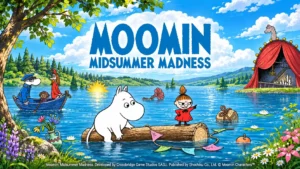
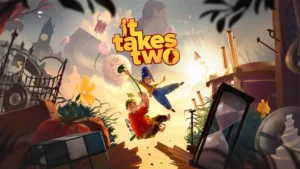
Compare It Takes Two vs Moomin: Midsummer Madness

It Takes Two

It Takes Two

Overall score 4.4 / 5

Based on 21 scored reviews

vs
Moomin: Midsummer Madness

Moomin: Midsummer Madness

Overall score 4.0 / 5

Based on 25 scored reviews

How we score

Scorata scores summarize analyzed review evidence on a 1–5 scale; they are not laboratory measurements or a simple average of customer star ratings. Feature scores summarize the reviews covering that feature. The overall score averages feature scores within each review, then combines review averages. When both expert and customer evidence are available, those two groups receive equal weight. Products can have different review coverage, so small score gaps do not establish a winner.

Recommendations prioritize important features for the category, with a score of at least 3.5, a gap of at least 0.25 points and at least two supporting reviews per product. Features with widely varying scores or broad connectivity contexts are excluded from recommendations. These safeguards do not establish statistical significance.

Quick verdict

What each product is best for

The review evidence points to a tradeoff: controls responsiveness and originality versus dialogue quality and family friendliness. Choose according to which strengths matter more to you; the overall score alone does not settle that choice.

Choose It Takes Two for controls responsiveness and originality.

Choose Moomin: Midsummer Madness for dialogue quality and family friendliness.

Why these recommendations?

It Takes Two

Where It Has the Edge

  • controls responsiveness is 4.9 vs 2.0. Jumping, dashing, shooting, and using temporary gadgets generally feel immediate and natural. Their approachable design helps the game...
  • originality is 4.9 vs 2.0. The inventive blend of cooperative mechanics and miniature-world spectacle feels fresh even when its central relationship story follows...
  • frame rate stability is 4.8 vs 2.7. Performance is generally fluid across the versions discussed, including the Switch’s handheld presentation. Minor dips or occasional visual...

Moomin: Midsummer Madness

Where It Has the Edge

  • dialogue quality is 5.0 vs 2.3. Brief conversations give the eccentric cast distinct voices on the page. Little My's sharp remarks and the gentler...
  • family friendliness is 4.9 vs 2.6. A sweet tone, approachable tasks and skippable activities make this inviting for families. Adults may need to help...
It Takes Two 4.4 overall score
Moomin: Midsummer Madness 4.0 overall score

Compare features

Scores are out of 5. Missing scores mean missing review evidence, not a missing feature.

Scored on both products

Ownership and support

Replay value
It Takes Two
4.4

Switching Cody and May reveals different abilities and perspectives, while discovered minigames can be replayed separately. Many want a second run, though one frustrated partner had no desire to repeat it.

Moomin: Midsummer Madness
1.4

A linear story and fixed solutions offer few fresh discoveries after completion. Several critics see little reason for a second trip once the puzzles are known.

Value for money
It Takes Two
5.0

Players see generous value in the varied campaign, optional minigames, and the ability to invite a second online player through Friend’s Pass. Sale pricing makes the proposition even stronger.

Moomin: Midsummer Madness
3.0

The roughly $20 asking price can feel fair for an illustrated storybook-sized adventure, but less compelling for buyers counting hours. Discounts make its short duration easier to accept.

Other features

Core gameplay loop
It Takes Two
5.0

A polished platforming foundation keeps the experience engaging through the constant rotation of gadgets and cooperative obstacles.

Moomin: Midsummer Madness
2.0

Helping characters and finding items can be cozy and satisfying, but several chapters lean too heavily on repeated fetch quests. The entertaining cast helps offset that repetition.

Movement feel
It Takes Two
5.0

Running, double-jumping, air-dashing, swinging, and sliding feel fluid and enjoyable. The movement remains a reliable foundation even as each chapter changes the surrounding rules.

Moomin: Midsummer Madness
2.0

An unusual single-click versus double-click movement scheme can take time to internalize, especially for genre veterans.

Tutorial quality
It Takes Two
5.0

New players can pick up more demanding traversal skills naturally as the game introduces abilities and opportunities to practice them.

Moomin: Midsummer Madness
2.0

The first chapter introduces exploration and character switching, but not every touchscreen interaction is explained. Players can discover some unmarked actions only by accident.

Originality
It Takes Two
4.9

The inventive blend of cooperative mechanics and miniature-world spectacle feels fresh even when its central relationship story follows familiar beats.

Moomin: Midsummer Madness
2.0

The point-and-click approach is a welcome new lens for Moominvalley, but the underlying tasks borrow familiar genre ideas. Players expecting novel mechanics will find a traditional adventure.

Dialogue quality
It Takes Two
2.3

Relationship banter can feel honest and funny, but repeated arguments, awkward jokes, and mild profanity sometimes undercut the otherwise charming tone.

Moomin: Midsummer Madness
5.0

Brief conversations give the eccentric cast distinct voices on the page. Little My's sharp remarks and the gentler exchanges help the humor and personality land.

Family friendliness
It Takes Two
2.6

The cartoony appearance masks divorce arguments, some coarse language, and a notably upsetting toy-elephant sequence. Playing with younger family members may require more discretion than the visuals suggest.

Moomin: Midsummer Madness
4.9

A sweet tone, approachable tasks and skippable activities make this inviting for families. Adults may need to help younger children decode less obvious puzzle solutions.

Writing quality
It Takes Two
2.5

The dialogue and relationship themes win praise for warmth and wit from some players. Others criticize shallow marital conflict, repetitive arguments, and abrupt shifts from comedy to cruelty.

Moomin: Midsummer Madness
4.7

Dialogue and small requests weave kindness, loneliness, mischief and resilience into apparently simple situations. The writing keeps the recognizable Moomin spirit at the center.

Frame rate stability
It Takes Two
4.8

Performance is generally fluid across the versions discussed, including the Switch’s handheld presentation. Minor dips or occasional visual compromises appear in especially busy scenes.

Moomin: Midsummer Madness
2.7

Minor drops, transition hitches and occasional stutters appear in some versions. Most reports describe them as manageable rather than game-breaking, though PC movement can be noticeably uneven.

Bug frequency
It Takes Two
4.0

Most describe a well-polished experience with very few technical problems. Isolated graphical glitches, a stuck character, and occasional desynchronization have been reported.

Moomin: Midsummer Madness
2.3

Several playthroughs include glitches ranging from small hitches to missing inventory items. A few reports are serious enough to make reliability a concern.

Humor
It Takes Two
3.2

Playful banter and bizarre supporting characters generate plenty of laughs, but Dr. Hakim in particular is polarizing. Some enjoy his goofiness; others cringe at his delivery and interruptions.

Moomin: Midsummer Madness
4.7

Little My's sarcastic mischief and the characters' eccentric logic supply playful comedy. The sharper remarks appeal to most critics but are not universally endearing.

Onboarding experience
It Takes Two
5.0

On-screen prompts and intuitive controls ease players into the game’s ever-changing gadgets without lengthy mechanical explanations.

Moomin: Midsummer Madness
3.5

An early Little My scenario demonstrates basic item use and movement, though some later interactions are not as clearly taught.

Narrative quality
It Takes Two
3.5

A troubled couple learning to cooperate moves some players deeply, while others find the reconciliation contrived, overly simplistic, or awkwardly dark. Story reactions are much more divided than gameplay reactions.

Moomin: Midsummer Madness
4.8

A flood and a floating theatre lead to a sweet, quietly thoughtful adventure about helping others. The tale is easy to follow and engaging, though familiar readers may know its major turns.

Pacing
It Takes Two
4.6

Most praise the alternation of fast action, cooperative puzzles, and calmer exploration. A minority feel that repeated story interruptions and the lengthier back half slow the momentum.

Moomin: Midsummer Madness
3.5

The adventure flows comfortably when characters, clues and chapters move forward. Hidden objects, repeated conversations or opaque puzzle steps sometimes stall its otherwise peaceful rhythm.

Exploration quality
It Takes Two
5.0

Venturing off the direct path reveals interactive toys, hidden challenges, and small environmental jokes. Wandering around is rewarding even in this linear adventure.

Moomin: Midsummer Madness
3.9

Beautiful rooms and whimsical details reward looking around. Repeated sweeps for one overlooked object can make otherwise enjoyable exploration feel like pixel hunting.

Game length
It Takes Two
4.3

Many find roughly a dozen hours of shifting mechanics generous and well paced, with some longer estimates. One dissenting view says the later chapters stretch a good idea past its natural finish.

Moomin: Midsummer Madness
3.2

Most playthroughs take roughly three to six hours, depending on puzzle progress. Some appreciate the storybook-sized runtime; others wish the beautiful world and character-switching sections lasted longer.

Gameplay mechanics
It Takes Two
4.8

New paired abilities arrive throughout the adventure, spanning platforming, shooting, racing, and surprising genre changes. The execution earns exceptional praise, with an occasional scripted section that feels too automatic.

Moomin: Midsummer Madness
3.8

Collecting and combining items, talking to residents and exploiting different character abilities form an approachable point-and-click foundation. The mechanics are familiar rather than deeply innovative.

Handheld play suitability
It Takes Two
4.0

Handheld Switch performance stays smooth and comparable to docked play, although arranging two suitable sets of controls is less convenient.

Moomin: Midsummer Madness
3.0

Portable play is attractive, especially with Switch 2 tabletop mouse input, but small-screen navigation and movement can take adjustment.

Graphics quality
It Takes Two
4.1

On the original console and PC versions, colorful environments and attractive materials impress. The Switch preserves the art style but noticeably lowers resolution and texture quality.

Moomin: Midsummer Madness
5.0

Scenes look vivid and inviting, from the Moominhouse to the flooded valley and floating theatre. The distinctive 2D presentation often impresses more than the mechanics.

Minigame quality
It Takes Two
4.8

Hidden competitive diversions, from chess and whack-a-mole to racing and rhythm challenges, add welcome breaks from the campaign. They are fun to find, replay, and use for friendly rematches.

Moomin: Midsummer Madness
4.1

A frog chase, maze puzzles, music challenges and other short activities break up inventory errands. Many enjoy their variety, though some find them too simple, inconsistent or poorly explained.

Emotional impact
It Takes Two
4.3

Marriage conflict, a distressed child, and moments of reconciliation can be genuinely moving. A few find the finale overly sweet, but others praise how gameplay reinforces the feelings.

Moomin: Midsummer Madness
5.0

The adventure inspires nostalgia, hope and a sense of warmth in people drawn to the Moomins. Its gentle mood also makes room for anxiety and sadness beneath the fairytale surface.

Overall quality
It Takes Two
5.0

The game earns emphatic recommendations for its design, creativity, and shared enjoyment, even from those who would not replay it themselves.

Moomin: Midsummer Madness
4.4

The broad response is positive: a beautifully crafted, affectionate Moomin adventure with memorable characters. Frustrating hints, brief length and repetitive errands are the clearest reservations.

Content variety
It Takes Two
5.0

The game rarely repeats a trick: household locations introduce fresh powers, challenges, diversions, and even brief genre swaps. Its abundance of ideas is one of the clearest strengths.

Moomin: Midsummer Madness
4.4

Optional mini-games and alternating protagonists help break up the repeated item hunts. The mix remains light, with some critics finding the chapter structure formulaic.

Environmental detail
It Takes Two
5.0

Exquisitely arranged household objects, tiny settlements, garden spaces, and tactile doll materials make each setting memorable. Close inspection often reveals playful surprises.

Moomin: Midsummer Madness
4.5

Theatre props, tiny objects and intricately decorated rooms invite close inspection. That density can also hide puzzle-critical objects among visual distractions.

Character roster
It Takes Two
4.0

The small cast is memorable for its lively supporting toys and central pair, although the protagonists can wear on players over time.

Moomin: Midsummer Madness
4.3

Familiar faces from Moominvalley make meetings and small errands enjoyable. The personalities feel true to the books, even if some players would welcome more time with particular favorites.

Difficulty balance
It Takes Two
3.3

Forgiving lives, frequent checkpoints, and a gradual ramp keep most of the adventure accessible. Challenge-focused players find much of it too easy, while less confident partners can still struggle with timed jumps.

Moomin: Midsummer Madness
3.6

Most puzzles are accessible and low-stakes, with occasional lateral-thinking surprises. That balance welcomes beginners but may feel too easy for veterans, while a handful of obscure solutions can still frustrate children.

Atmosphere
It Takes Two
5.0

The whimsical doll-scale environments create a sustained sense of wonder even when the actual challenge is modest.

Moomin: Midsummer Madness
4.8

Moominvalley feels whimsical, gentle and comforting even as a flood upends daily life. Its occasional melancholy and danger give the coziness more texture than a purely carefree outing.

Animation quality
It Takes Two
5.0

Cartoon-like motion and lively expressions bring the dolls and cinematic moments to life. The exaggerated style suits the inventive setting.

Moomin: Midsummer Madness
4.9

Subtle character gestures and moving scenery help the illustrations feel alive. Expressive animation carries personality even without full spoken dialogue.

Fun factor
It Takes Two
4.9

Players repeatedly call the shared adventure a blast, from absurd set pieces to spontaneous discoveries. Even critics of the narrative often find the actual play tremendously entertaining.

Moomin: Midsummer Madness
5.0

The warm atmosphere, thoughtful puzzles and chance to explore Moominvalley make the adventure enjoyable without overstaying its welcome.

Art direction
It Takes Two
4.9

The toy-sized perspective, colorful fantasy spaces, and distinct chapter identities receive strong praise. Even the downgraded Switch port retains much of the underlying artistic charm.

Moomin: Midsummer Madness
5.0

Hand-drawn backdrops give Moominvalley the feel of a living picture book, with rich colour and outlines that recall Jansson's illustrations. The artwork is one of the game's strongest attractions.

Learning curve
It Takes Two
5.0

Simple starting controls introduce players gradually to more involved maneuvers, allowing less experienced partners to improve as they progress.

Moomin: Midsummer Madness
5.0

The basic point-and-click loop is easy to learn, making the game welcoming to genre newcomers. Occasional indirect puzzle logic is a separate hurdle.

Controls and connectivity

Controls responsiveness
It Takes Two
4.9

Jumping, dashing, shooting, and using temporary gadgets generally feel immediate and natural. Their approachable design helps the game handle many different mechanics without cumbersome controls.

Moomin: Midsummer Madness
2.0

Point-and-click input works, but movement and interaction conventions can feel stiff or counterintuitive. Console navigation is less comfortable for some players than a mouse.

Protagonist appeal
It Takes Two
2.4

Cody and May can feel believable and sympathetic as their relationship evolves, but their frequent squabbling and selfish actions seriously alienate some players.

Moomin: Midsummer Madness
4.4

Moomintroll's optimism and Little My's unruly energy make a memorable duo. Little My is especially divisive: many find her delightful, while a minority strongly dislike her attitude.

Voice acting
It Takes Two
4.9

The cast is widely praised for lively performances, believable arguments, comic timing, and strong emotional delivery. Their work often elevates material that some find weakly written.

Moomin: Midsummer Madness
4.0

There is no full voiced dialogue, with conversations shown as text bubbles and only brief character noises. Several critics feel the expressive writing and pleasant audio make that absence easy to accept.

Age appropriateness
It Takes Two
3.0

The teen-oriented material is more mature than its bright art might imply, with strained family relationships and occasional coarse or unsettling moments.

Moomin: Midsummer Madness
3.8

The story and presentation are gentle, but puzzle comprehension is another matter. Young children can become stuck and lose interest without an adult to guide them.

Comfort and build

Puzzle design
It Takes Two
4.8

Partner-specific abilities turn switches, platforms, and environmental objects into clever joint challenges. Most puzzles feel satisfying, although some are simple and a few unclear optional tasks can frustrate.

Moomin: Midsummer Madness
3.4

Inventory combinations and environmental riddles are often clever and satisfying without being punishing. Occasional moon logic, overlooked objects and unexplained steps can turn gentle puzzles into tedious searches.

Sound design
It Takes Two
5.0

Lively environmental effects, spatial changes, gadget sounds, and distinct ambient details create a rich soundscape. Reviewers particularly appreciate how audio matches the changing action.

Moomin: Midsummer Madness
4.7

Ambient effects and the cast's little vocal noises add charm without overwhelming scenes. Sound supports a calm storybook mood.

World-building
It Takes Two
5.0

An everyday house becomes a lively miniature universe of talking objects, hostile critters, and themed areas. The imaginative scale gives familiar spaces an unusual charm.

Moomin: Midsummer Madness
5.0

Moominvalley feels lived-in through its eccentric residents, quiet routines and richly illustrated spaces. The world prioritizes intimacy and personality over a sprawling map.

Performance

Soundtrack quality
It Takes Two
4.8

The music frequently complements whimsical exploration, tense chases, and emotional story beats. One listener wanted more distinctive music during big moments, but most admire the varied score.

Moomin: Midsummer Madness
4.9

Soft melodies, occasional vocal-jazz touches and gentle themes complement the illustrated setting. The music is frequently praised as a major source of warmth.

Evidence available for one product

Other features

Accessibility options
It Takes TwoNo score yet
Moomin: Midsummer Madness
5.0

A larger cursor, a dyslexia-friendly font, and skippable mini-games make the story easier to approach. These conveniences matter when individual interactions become confusing.

Character development
It Takes Two
5.0

Several players appreciate how the bickering parents gradually learn to support each other. Others find the overall romance unconvincing despite the visible changes in their behavior.

Moomin: Midsummer MadnessNo score yet
Character switching
It Takes TwoNo score yet
Moomin: Midsummer Madness
4.8

Moomintroll and Little My handle different obstacles, with occasional chapters reversing or separating their roles. It adds delightful variety, and some wish it were used more often.

Checkpoint system
It Takes Two
5.0

Instant or rapid respawns and generous checkpoints keep failure from destroying momentum. Even tougher boss fights usually preserve enough progress to encourage experimentation.

Moomin: Midsummer MadnessNo score yet
Co-op communication
It Takes Two
4.6

Progress requires talking, timing actions together, and understanding what the other character can do. That creates memorable teamwork but can also expose frustration when partners move at different speeds.

Moomin: Midsummer MadnessNo score yet
Co-op experience
It Takes Two
4.9

Two players depend on each other to get through inventive puzzles, set pieces, and boss encounters. Nearly everyone loves the partnership-driven design, though one player found the constant obligation to keep up exhausting.

Moomin: Midsummer MadnessNo score yet
Co-op role balance
It Takes Two
3.8

Most chapters give both characters meaningful complementary jobs, but not every section feels equally entertaining. Some notice one role acting first or getting the more exciting mechanic.

Moomin: Midsummer MadnessNo score yet
Competitive balance
It Takes Two
3.0

Most optional versus games are entertaining, but a few give one character a slight advantage over the other.

Moomin: Midsummer MadnessNo score yet
Couch co-op quality
It Takes Two
4.8

Playing side by side makes coordinating jumps, reacting to surprises, and laughing together especially rewarding. Less patient pairs may find waiting for one another stressful.

Moomin: Midsummer MadnessNo score yet
Crash stability
It Takes TwoNo score yet
Moomin: Midsummer Madness
4.0

Some critics report frame dips without outright crashes. Others encounter issues that interrupt progression even when the application remains running.

Cutscene skippability
It Takes Two
3.0

Cutscenes can be skipped if both players agree to hold a button, but their length still frustrates some viewers.

Moomin: Midsummer MadnessNo score yet
Cutscene visual quality
It Takes Two
2.0

Switch cutscenes lose much of the sharper console presentation, with visibly rough textures and distracting loading or resolution issues.

Moomin: Midsummer MadnessNo score yet
Faithfulness to franchise
It Takes TwoNo score yet
Moomin: Midsummer Madness
4.9

The adaptation captures Jansson's recognizable character designs, oddball conversations and themes of community. Some events are remixed or omitted, but most Moomin enthusiasts regard it as an affectionate interpretation.

Hint system
It Takes TwoNo score yet
Moomin: Midsummer Madness
2.5

A journal and interactable-object highlighting help identify tasks and hotspots. Critics repeatedly wish the hints were more specific and less constrained by cooldowns when the next step remains unclear.

HUD clarity
It Takes Two
5.0

Contextual button prompts and visual highlights make it easy to identify which objects respond to a character’s tools.

Moomin: Midsummer MadnessNo score yet
Immersion
It Takes Two
5.0

Interacting with outsized everyday objects and having the players’ cooperation mirror the characters’ struggles makes the adventure unusually absorbing.

Moomin: Midsummer MadnessNo score yet
Innovation
It Takes Two
5.0

Its constant invention of new cooperative mechanics stands out in a genre where ideas often repeat. The variety rarely comes at the expense of polished execution.

Moomin: Midsummer MadnessNo score yet
Inventory management
It Takes TwoNo score yet
Moomin: Midsummer Madness
2.8

A compact bag avoids overwhelming players with dozens of unrelated items. Even so, combining and selecting objects can feel awkward, with unclear triggers slowing progress.

Minigame skip option
It Takes TwoNo score yet
Moomin: Midsummer Madness
4.8

Players can bypass optional mini-games without punishment, keeping the story moving if a maze or other activity frustrates them. This is consistently welcomed as an accessibility-friendly choice.

Mission variety
It Takes TwoNo score yet
Moomin: Midsummer Madness
2.0

Different characters and settings give errands some variation, yet the repeated collect-and-deliver structure becomes noticeable over time.

Monetization fairness
It Takes Two
5.0

The reasonably priced campaign and included online friend access are praised as consumer-friendly alternatives to multiplayer games built around add-on spending.

Moomin: Midsummer MadnessNo score yet
Narrative tone consistency
It Takes Two
1.0

The shift between a child’s anguish, marital counseling comedy, and sudden cruelty feels jarring to some, making the story harder to embrace.

Moomin: Midsummer MadnessNo score yet
Objective journal
It Takes TwoNo score yet
Moomin: Midsummer Madness
4.3

A notebook tracks current errands, dialogue and sometimes the story so far. It is useful for returning to the game, though it cannot always substitute for a specific hint.

Online stability
It Takes Two
3.5

Online cooperation is generally playable, though occasional rubberbanding, desynchronization, or drops crop up in Switch accounts.

Moomin: Midsummer MadnessNo score yet
Platforming precision
It Takes Two
4.4

The jumping and air-dash toolkit is normally responsive and forgiving, offering reliable control over tricky gaps. A few players struggled with depth judgments, timing, or keeping pace with a stronger partner.

Moomin: Midsummer MadnessNo score yet
Progression system
It Takes TwoNo score yet
Moomin: Midsummer Madness
2.5

The quest checklist makes goals approachable, but progress sometimes depends on a poorly signposted prerequisite. That can send players in circles despite the straightforward chapter structure.

Side character depth
It Takes Two
2.5

The colorful side cast supplies memorable comic relief, but Dr. Hakim divides opinion sharply. His antics are either a highlight or the biggest irritation in the entire story.

Moomin: Midsummer MadnessNo score yet
Solo play quality
It Takes Two
1.0

There is no solo campaign: every progression puzzle and set piece requires a second human player.

Moomin: Midsummer MadnessNo score yet
Split-screen quality
It Takes Two
5.0

A clear view of both players helps coordination during shared and separated tasks. The implementation remains functional and fluid even on less powerful hardware.

Moomin: Midsummer MadnessNo score yet
Story recap and replay
It Takes TwoNo score yet
Moomin: Midsummer Madness
5.0

Journal summaries of previous events and conversations help players remember their place after a break.

Violence level
It Takes Two
2.0

Most action is fantastical, but the deliberately distressing destruction of a pleading toy elephant struck some as more disturbing than the lighthearted art suggests.

Moomin: Midsummer MadnessNo score yet
Visual readability
It Takes TwoNo score yet
Moomin: Midsummer Madness
2.0

Intricate art looks delightful but can obscure important objects in crowded scenes. Players who dislike pixel hunting may get stuck searching rather than reasoning.

World interactivity
It Takes Two
5.0

Optional toys, instruments, dominoes, and small surprises reward curiosity beyond mandatory objectives. Exploring the environments is enjoyable largely because so many objects react.

Moomin: Midsummer MadnessNo score yet

Comfort and build

Boss design
It Takes Two
4.9

Inventive encounters regularly test each player’s new abilities together, sometimes in unexpected genres. Most find these fights fun and rewarding, often among the more demanding moments.

Moomin: Midsummer MadnessNo score yet
Controller ergonomics
It Takes Two
3.0

The Switch’s Joy-Cons function, but one player found them less comfortable or optimal for the busy two-stick control scheme.

Moomin: Midsummer MadnessNo score yet
Level design
It Takes Two
5.0

Inventive versions of a shed, garden, bedroom, snow globe, and more deliver constantly changing traversal and cooperative puzzles. Players praise both the spectacle and how carefully each area uses its own gadgets.

Moomin: Midsummer MadnessNo score yet
Mission design
It Takes TwoNo score yet
Moomin: Midsummer Madness
2.0

Objectives reflect the Moomins' small, personal concerns and are pleasant when their solutions click. The need to gather several objects per chapter sometimes makes progress resemble a checklist.

Multiplayer design
It Takes Two
5.0

The campaign is built around simultaneous, complementary player actions instead of adding another player as an afterthought. Coordination is central to how it works.

Moomin: Midsummer MadnessNo score yet
User interface design
It Takes TwoNo score yet
Moomin: Midsummer Madness
2.0

The journal and hotspot tools are useful, yet selecting items and recognizing interactions is not always consistent. Touchscreen prompts and cooldown timing create avoidable friction.

Controls and connectivity

Menu usability
It Takes TwoNo score yet
Moomin: Midsummer Madness
2.0

Console menu navigation can feel clumsier than direct mouse selection, occasionally disrupting an otherwise calm pace.

Performance

Performance optimization
It Takes Two
5.0

The game maintains convincing fluidity while rendering two viewpoints and frequent set pieces. Switch visuals are simplified to preserve enjoyable performance.

Moomin: Midsummer MadnessNo score yet

Ownership and support

Platform-specific feature support
It Takes Two
4.0

Switch adds couch, local wireless, and online options, making play flexible despite its weaker visual presentation.

Moomin: Midsummer MadnessNo score yet
Save system reliability
It Takes TwoNo score yet
Moomin: Midsummer Madness
1.0

One account describes a randomly wiped save and lost hours, while a disappearing quest item required reloading. That is a meaningful risk in an otherwise low-stress adventure.

Other Top Video Games to Consider

#1 Well Dweller
4.7

Best for fluid traversal, rewarding exploration, striking art, and forgiving quality-of-life features. Skip it if you want deep combat, radical genre innovation, or consistently demanding bosses.

Pros: difficulty balance, boss design

Cons: innovation, sandbox freedom

#2 Hades II
4.5

Best for superb combat, inventive builds, and richly voiced characters. Skip it if repeated runs, resource gathering, or visually busy battles outweigh the appeal of steady progress.

Pros: overall quality, combat system

Cons: pacing, grind level

#3 Valheim
4.5

Good if you want a beautiful, demanding survival sandbox built around exploration, building, progression, and memorable co-op. Skip it if long resource runs, harsh death recovery, and deliberate pacing sound...

Pros: town-building system, exploration quality

Cons: grind level, fast travel convenience

#4 Grand Theft Auto VI
4.5

Leonida is a breathtakingly alive crime sandbox with memorable protagonists, spectacular heists, and extraordinary detail. The tradeoff is a 30 fps ceiling, occasional control awkwardness, and some progression friction.

Pros: immersion, graphics quality

Cons: grind level, controls responsiveness