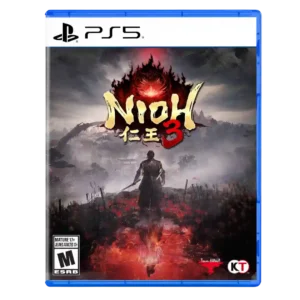
Compare Nioh 3 vs Onimusha: Way of the Sword

Nioh 3

Nioh 3

Overall score 4.0 / 5

Based on 35 scored reviews

vs
Onimusha: Way of the Sword

Onimusha: Way of the Sword

Overall score 4.1 / 5

Based on 100 scored reviews

How we score

Scorata scores summarize analyzed review evidence on a 1–5 scale; they are not laboratory measurements or a simple average of customer star ratings. Feature scores summarize the reviews covering that feature. The overall score averages feature scores within each review, then combines review averages. When both expert and customer evidence are available, those two groups receive equal weight. Products can have different review coverage, so small score gaps do not establish a winner.

Recommendations prioritize important features for the category, with a score of at least 3.5, a gap of at least 0.25 points and at least two supporting reviews per product. Features with widely varying scores or broad connectivity contexts are excluded from recommendations. These safeguards do not establish statistical significance.

Quick verdict

What each product is best for

The review evidence points to a tradeoff: open-world design and mission design versus tutorial quality and crash stability. Choose according to which strengths matter more to you; the overall score alone does not settle that choice.

Choose Nioh 3 for open-world design and mission design.

Choose Onimusha: Way of the Sword for tutorial quality and crash stability.

Why these recommendations?

Nioh 3

Where It Has the Edge

  • open-world design is 4.4 vs 1.5. The open-field/open-world shift was mostly praised as a strong evolution, with a minority finding it unnecessary or gimmicky.
  • mission design is 4.3 vs 2.0. Mission and Crucible design were viewed positively, with reviewers noting more open paths, pressure-test encounters, and dungeon-like challenge.
  • map and navigation design is 4.0 vs 2.0. Map and navigation design was mostly positive, especially collectible reveal systems, though one review disliked checklist-style map completion.

Onimusha: Way of the Sword

Where It Has the Edge

  • tutorial quality is 4.5 vs 1.8. Story mode’s prompts and the practice systems make the timing-heavy mechanics easier to understand, with reviewers praising their...
  • crash stability is 5.0 vs 2.7. The reviewers who addressed crashes reported stable playthroughs without crashes, reinforcing the broader impression of strong technical reliability.
  • bug frequency is 5.0 vs 2.8. The reviewers who discussed technical reliability reported playthroughs without notable bugs, glitches, or crashes.
Nioh 3 4.0 overall score
Onimusha: Way of the Sword 4.1 overall score

Compare features

Scores are out of 5. Missing scores mean missing review evidence, not a missing feature.

Scored on both products

Comfort and build

Open-world design
Nioh 3
4.4

The open-field/open-world shift was mostly praised as a strong evolution, with a minority finding it unnecessary or gimmicky.

Onimusha: Way of the Sword
1.5

The central Kyoto hub is the most consistent structural complaint. Reviewers often see its fetch quests, repeated streets, and resource chores as padding between much stronger linear levels and boss encounters.

Mission design
Nioh 3
4.3

Mission and Crucible design were viewed positively, with reviewers noting more open paths, pressure-test encounters, and dungeon-like challenge.

Onimusha: Way of the Sword
2.0

The bespoke story missions work well, but generic Encounter-style objectives and busywork are repeatedly called filler.

Map and navigation design
Nioh 3
4.0

Map and navigation design was mostly positive, especially collectible reveal systems, though one review disliked checklist-style map completion.

Onimusha: Way of the Sword
2.0

Eastern Kyoto can feel maze-like, and map controls or blocked routes sometimes make simple travel more awkward than it should be.

Quest design
Nioh 3
4.0

Side quests were viewed favorably in the cited review because Myths were spaced out rather than overwhelming the map.

Onimusha: Way of the Sword
2.7

The side content is uneven: Lady Murasaki’s Mysteries and character-focused quests receive real praise, while generic fetch, kill, and resource jobs are frequently dismissed as filler.

World-building
Nioh 3
3.4

World-building was mixed, with time-period variety praised but identity, lore depth, and restored-world immersion criticized in several reviews.

Onimusha: Way of the Sword
4.6

Real mythology, Edo-period details, optional legends, and character stories give Kyoto a rich backdrop that many reviewers found unusually rewarding to dig into.

Boss design
Nioh 3
4.3

Boss design was broadly praised for memorable, fair, and demanding encounters, though a few reviewers found some bosses generic or less memorable.

Onimusha: Way of the Sword
4.7

Boss fights are the standout attraction: dramatic, mechanically distinct, visually memorable, and built to reward mastery of parries, dodges, deflects, and Issens. The main caveat is repeated use of some minibosses and recurring foes.

Level design
Nioh 3
4.6

Level design was broadly praised for open-field layouts, strong world structure, and mission-like areas integrated into larger spaces.

Onimusha: Way of the Sword
4.2

The handcrafted linear stages are generally the strongest spaces, with memorable temples, castles, laboratories, and supernatural areas. The hub and a few repetitive routes are less consistently praised.

Sound design
Nioh 3
4.8

Sound design was strongly praised, especially combat effects, ambient audio, and overall audio presentation.

Onimusha: Way of the Sword
4.5

Sharp sword clashes, parry impacts, executions, and other combat sounds give the fighting strong physical feedback and make successful timing feel satisfying.

Other features

Character roster
Nioh 3
2.0

Character roster was criticized in one review as thin compared with previous entries.

Onimusha: Way of the Sword
4.7

The supporting cast is a major strength, with Shizuka, Okuni, Takamura, Ganryu, and the villains repeatedly praised for personality and memorable interactions.

Tutorial quality
Nioh 3
1.8

Tutorial quality was criticized for poorly introduced systems and badly timed mechanics during difficult early moments.

Onimusha: Way of the Sword
4.5

Story mode’s prompts and the practice systems make the timing-heavy mechanics easier to understand, with reviewers praising their usefulness for newcomers and mastery alike.

Pacing
Nioh 3
5.0

Pacing received excellent marks where reviewers described the setting and exploration rhythm as unrelentingly addictive.

Onimusha: Way of the Sword
2.6

Pacing is the most repeated non-combat concern: early hub stretches, side activities, backtracking, and recycled fights can drag. The linear story missions and final run of set pieces are much more frequently praised for momentum.

Crash stability
Nioh 3
2.7

Crash stability was mixed-negative, with multiple reviewers reporting crashes or fatal errors even when saves survived.

Onimusha: Way of the Sword
5.0

The reviewers who addressed crashes reported stable playthroughs without crashes, reinforcing the broader impression of strong technical reliability.

Skill tree depth
Nioh 3
4.2

Skill trees were praised for depth and hidden unlocks, though some reviewers felt the system could be overwhelming at first.

Onimusha: Way of the Sword
2.0

One critical review argues that some late skill upgrades feel more like delayed quality-of-life fixes than genuinely meaningful progression choices.

Bug frequency
Nioh 3
2.8

Bug frequency was a concern in several reviews, including disappearing health bars, glitches, and enemies behaving incorrectly.

Onimusha: Way of the Sword
5.0

The reviewers who discussed technical reliability reported playthroughs without notable bugs, glitches, or crashes.

Platforming precision
Nioh 3
2.5

Platforming was criticized in one review for inconsistency and for making terrain feel more dangerous than intended.

Onimusha: Way of the Sword
4.5

Wall-running is a small but well-liked traversal addition that expands movement without turning the game into a platformer.

Progression system
Nioh 3
4.7

Progression was praised for free respecs, build freedom, rewarding upgrades, and flexible experimentation across styles and weapons.

Onimusha: Way of the Sword
3.0

Progression is split between useful skill growth and incremental stat upgrades. Some reviewers enjoy how new abilities change combat, while others barely feel the numerical gains.

Content variety
Nioh 3
3.6

Content variety was mixed: several reviews praised packed activities and systems, while others felt repetition or density set in.

Onimusha: Way of the Sword
2.0

One recurring complaint is that the overworld leans on repetitive objectives and familiar enemy groups, reducing variety outside the bespoke story stages and bosses.

Movement feel
Nioh 3
4.5

Movement earned praise for mobility and flow, especially through Ninja style and the broader feel of moment-to-moment action.

Onimusha: Way of the Sword
3.0

Movement is mixed: modern 3D navigation and wall-running can feel good, while the dodge roll, lack of a normal jump, and some traversal friction draw criticism.

Immersion
Nioh 3
3.0

Immersion was mixed: one review said empty restored areas harmed it, while another said technical hiccups did not break it.

Onimusha: Way of the Sword
4.4

Detailed environments, expressive characters, fluid presentation, and the historical-fantasy setting create strong immersion for many reviewers. Repetitive Kyoto layouts and repeated activities can break that spell for some.

Frame rate stability
Nioh 3
3.3

Frame rate stability varied sharply by reviewer and platform, from stable or flawless to serious regional problems and forced FPS caps.

Onimusha: Way of the Sword
4.7

Performance is strong across PS5, Xbox, Switch 2, PC, and handheld testing, with many reports of stable targets and smooth combat. Steam Deck’s Eastern Kyoto hub is the main recurring performance caveat.

Accessibility options
Nioh 3
3.0

Accessibility evidence was mixed: one review criticized the lack of lower difficulty options, while another noted subtitle and caption-related options.

Onimusha: Way of the Sword
4.4

Story mode earns strong praise for wider timing windows and real-time action prompts that teach parries, dodges, deflects, and Issens. One review still wanted broader visual accessibility options.

Enemy variety
Nioh 3
3.9

Enemy variety was divisive, ranging from praise for a huge monster lineup to criticism of recycled or repetitive foes.

Onimusha: Way of the Sword
2.5

Common-enemy variety is a recurring weakness, with several reviews noting repeated basic foes and armored variants across a long campaign. Boss variety is much stronger.

Core gameplay loop
Nioh 3
4.9

The core loop was described as addictive and hard to put down, with repeated praise for combat-driven progression and long-term engagement.

Onimusha: Way of the Sword
3.6

At its best, the loop of dueling, mastering defensive timing, absorbing souls, and upgrading Musashi is highly compelling. Some reviewers felt the opening and repeated hub chores obscure that excellent core.

Checkpoint system
Nioh 3
4.5

Checkpoints were praised as well placed and supported by abundant shortcuts.

Onimusha: Way of the Sword
3.3

Checkpointing is usually generous, especially around difficult fights, though one reviewer disliked having to restart multi-phase boss encounters from the beginning.

Polish
Nioh 3
4.5

Polish was praised by reviews that called Nioh 3 polished, refined, and fleshed out.

Onimusha: Way of the Sword
3.4

The combat, animation, and major presentation beats feel highly polished, but reviewers also point to camera issues, repetitive content, minor technical roughness, and uneven secondary systems.

Graphics quality
Nioh 3
3.7

Graphics were mixed: some called the game good-looking or visually impressive, while others found graphics dated or uneven.

Onimusha: Way of the Sword
4.8

The game is widely regarded as gorgeous, with strong character models, lighting, environments, and RE Engine presentation across platforms. Performance modes and the gap between cinematic and gameplay rendering introduce only minor visual compromises for most reviewers.

Economy and resource balance
Nioh 3
2.5

Resource balance drew criticism around elixir management, especially early on when healing items felt unnecessarily stressful.

Onimusha: Way of the Sword
1.5

The material economy is a weak point for some reviewers: common upgrade resources can be oddly expensive or grindy, and their relationship to the broader progression loop feels less refined than the combat.

Learning curve
Nioh 3
3.4

The learning curve was widely described as approachable but still steep, dense, or overwhelming depending on player familiarity.

Onimusha: Way of the Sword
4.2

The combat is easy to understand but demanding to master, and many reviewers enjoy the process of learning timing and boss patterns. Some training and system explanations could be clearer.

Narrative quality
Nioh 3
2.8

Narrative quality was the clearest creative weakness, often described as hard to follow, dry, rough, or merely functional, with a few positive exceptions.

Onimusha: Way of the Sword
3.6

Story reception is divided. Many reviewers love the character-driven tale, humor, relationships, and emotional beats, while others call the plot thin, convoluted, or less memorable than the combat.

Art direction
Nioh 3
4.2

Art direction was mostly positive, especially for aesthetic and yokai style, despite one review saying it lacked FromSoftware-like beauty.

Onimusha: Way of the Sword
4.8

Reviewers consistently praise the grotesque Genma, corrupted Kyoto, historical architecture, and supernatural imagery. The aesthetic feels recognizably Onimusha while benefiting from much richer modern detail.

Writing quality
Nioh 3
3.9

Writing quality was mixed-positive, with praise for spectacle and some story impact despite broader narrative caveats.

Onimusha: Way of the Sword
4.5

The writing is strongest in character banter, relationships, and emotional moments, though a few reviews describe the larger script as more serviceable than exceptional.

Emotional impact
Nioh 3
4.0

Emotional impact received limited but positive evidence from one review citing some emotional weight in the leadership theme.

Onimusha: Way of the Sword
4.5

Despite the action-heavy premise, reviewers frequently found the character relationships, personal arcs, and later story beats funny, heartfelt, or unexpectedly moving.

Fun factor
Nioh 3
4.8

Fun factor was very high across reviews, with repeated language around fun, addictive play, and strong enjoyment.

Onimusha: Way of the Sword
4.3

Most reviewers found the swordplay and boss mastery intensely fun and addictive, often seeking extra fights simply to keep playing. Repetition and padding are the main factors that wear down that enthusiasm.

AI behavior
Nioh 3
2.5

AI behavior was criticized in one review for enemies failing to react believably to nearby actions.

Onimusha: Way of the Sword
2.0

Regular Genma can be overly passive and easy to dispatch without using the full defensive toolkit, making ordinary encounters feel weaker than the bosses.

Load times
Nioh 3
5.0

Load times were praised as very quick in both supporting reviews.

Onimusha: Way of the Sword
4.5

Transitions between cutscenes and gameplay are described as seamless, and retries after defeat are quick enough to keep difficult fights moving.

Stealth mechanics
Nioh 3
2.5

Stealth received a mixed note because one reviewer found stealth attacks could alert enemies too easily.

Onimusha: Way of the Sword
2.0

Stealth exists, but the reviewer who evaluated it found direct sword combat far more rewarding.

Endgame content
Nioh 3
4.9

Endgame content was strongly praised through NG+, deep loot payoff, and multiplayer/endgame longevity.

Onimusha: Way of the Sword
4.5

Post-game play includes harder Carnage difficulty and New Game Plus-style replay, giving mastery-focused players a reason to continue after the credits.

Onboarding experience
Nioh 3
4.1

Onboarding was usually praised for pacing new systems well and helping players get up to speed despite mechanical density.

Onimusha: Way of the Sword
4.5

The easiest Story setting is praised as an effective introduction to modern timing-based action, especially because it teaches defensive responses without turning the game into a passive tutorial.

Camera behavior
Nioh 3
2.5

Camera behavior received a negative technical note because stuttery camera movement was part of a broader PC issue list.

Onimusha: Way of the Sword
2.8

Cinematic camera work can make attacks look spectacular, but combat framing is inconsistent. A few reviewers found the camera could get trapped or become frustrating near walls and bosses.

Innovation
Nioh 3
4.2

Innovation received positive evidence for blending outside influences into a cohesive whole.

Onimusha: Way of the Sword
4.5

Reviewers praise the way the game modernizes Onimusha and combines familiar action ideas into a distinctive parry-centered system rather than simply becoming another Soulslike.

Visual effects quality
Nioh 3
5.0

Visual effects quality was strongly praised in one review for the Crucible’s striking visual design.

Onimusha: Way of the Sword
4.8

Sparks, slow-motion reactions, attack effects, and cinematic finishing flourishes make clashes look dramatic without obscuring the swordplay.

Weapon balance
Nioh 3
4.3

Weapon balance/depth was positive overall, though style-locked weapons were also described as controversial.

Onimusha: Way of the Sword
4.5

Oni Armaments fill distinct roles such as healing, stamina damage, and crowd control, and at least one reviewer found each option useful rather than redundant.

Faithfulness to franchise
Nioh 3
4.4

Faithfulness to franchise was praised where reviewers felt the game preserved Nioh’s identity while evolving its formula.

Onimusha: Way of the Sword
4.6

The revival modernizes movement, camera, scale, and combat without losing the Oni Gauntlet, soul absorption, Issen timing, horror flavor, or eccentric Onimusha identity. Longtime fans largely see it as a successful return.

Gameplay mechanics
Nioh 3
4.2

Reviewers largely praised the Samurai/Ninja systems and style switching for adding flexibility and depth, though a few found specific mechanics underpowered or limiting.

Onimusha: Way of the Sword
4.3

The layered defensive options, soul management, armaments, environmental tools, and resource systems create unusually rich moment-to-moment play. A few explanations and secondary systems can feel confusing or less polished.

Combat system
Nioh 3
4.9

Combat was the most strongly praised attribute, repeatedly called deep, smooth, flexible, and among the best in the soulslike/action RPG space.

Onimusha: Way of the Sword
4.8

The sword combat is the overwhelming consensus highlight: precise, weighty, reactive, and deeply satisfying, with parries, deflects, dodges, Issens, clashes, and Oni Armaments giving players meaningful options. Even critical reviews tend to praise the core fighting.

Animation quality
Nioh 3
4.5

Animation quality received positive evidence from one review that noted improved animations supporting better combat feel.

Onimusha: Way of the Sword
4.4

Animation is one of the game’s clearest showpieces, with bespoke parries, blocks, executions, facial reactions, and combat transitions repeatedly singled out as exceptional. A few reviewers noticed a gap between cinematic and gameplay presentation.

Difficulty balance
Nioh 3
3.9

Difficulty was generally seen as challenging but more approachable and flexible, though one review strongly criticized the lack of lower difficulty options.

Onimusha: Way of the Sword
4.0

Difficulty is demanding but generally regarded as rewarding, with Story mode offering a gentler route and Action mode asking for precise play. Opinions split where normal enemies feel too easy or late bosses become punishing and unforgiving.

Environmental detail
Nioh 3
4.5

Environmental detail was praised where reviewers found the large landscapes impressive.

Onimusha: Way of the Sword
4.6

Kyoto, temples, forests, palaces, and supernatural spaces are praised for dense detail, historical texture, lighting, and small visual touches that reward close attention.

Atmosphere
Nioh 3
4.5

Atmosphere was praised for distinctive hubs, strong Sengoku flavor, and memorable area identity.

Onimusha: Way of the Sword
4.5

The blend of samurai action, body horror, mythology, and distinct locations creates a strong dark-fantasy atmosphere. The best areas feel eerie and characterful rather than like generic combat spaces.

Exploration quality
Nioh 3
4.5

Exploration was consistently praised as rewarding, meaningful, and strongly tied to progression, though a few reviewers noted checklist fatigue.

Onimusha: Way of the Sword
4.5

Exploration can be rewarding when it leads to charms, upgrade materials, myths, portals, or secrets. The strongest praise comes from reviewers who enjoyed searching every corner despite reservations about the hub structure.

Controls and connectivity

Menu usability
Nioh 3
2.9

Menu usability was a repeated drawback, with reviewers citing convoluted systems, cluttered menus, and too much menu busy work despite mitigation tools.

Onimusha: Way of the Sword
4.5

The interface and menus are praised for staying unobtrusive and avoiding unnecessary tab complexity.

Character customization
Nioh 3
4.4

Character customization was mostly praised as deep and flexible, though one review found it weaker than Nioh 2.

Onimusha: Way of the Sword
3.0

Cosmetic options exist, with additional looks unlocking through play and harder modes, but the selection initially feels limited.

Voice acting
Nioh 3
2.8

Voice acting was mixed, with Japanese voiceover praised but English voice acting criticized as poor or distracting.

Onimusha: Way of the Sword
4.2

Japanese performances receive near-universal praise, while English-language reactions are more mixed because of accent choices and occasional odd delivery. Several English cast members are still singled out for excellent work.

Controls responsiveness
Nioh 3
4.5

Style switching was described as smooth and responsive, with reviewers noting that swapping between Samurai and Ninja quickly became satisfying in battle.

Onimusha: Way of the Sword
4.5

Reviewers who directly addressed the controls describe them as tight and responsive, which helps the demanding timing-based combat feel fair.

Performance

Performance optimization
Nioh 3
3.3

Performance optimization was mixed, with some smooth experiences but repeated PC issues, frame dips, and calls for optimization.

Onimusha: Way of the Sword
4.8

Technical optimization is a strong point, with reviewers highlighting smooth frame rates and good visual quality even on less powerful or handheld hardware.

Soundtrack quality
Nioh 3
3.8

Soundtrack quality ranged from forgettable to gorgeous and well-placed, making the overall evidence mixed-positive.

Onimusha: Way of the Sword
4.5

The score is praised for mixing traditional Japanese instrumentation with cinematic fantasy and horror tones without overpowering the action.

Ownership and support

Replay value
Nioh 3
4.9

Replay value was rated very highly, with reviewers pointing to postgame hostility resets, NG+, long playtimes, and ongoing engagement.

Onimusha: Way of the Sword
4.2

Boss rematches, harder difficulty, challenge rewards, and New Game Plus give combat-focused players meaningful reasons to return. Replaying padded missions is less appealing to some critics.

Value for money
Nioh 3
4.8

Value for money was rated highly due to 100-hour completion, content richness, and strong day-one value claims.

Onimusha: Way of the Sword
4.5

Reviewers who directly discussed price generally felt the campaign quality, replay options, and production values justify the cost for action fans.

Evidence available for one product

Other features

Aiming precision
Nioh 3No score yet
Onimusha: Way of the Sword
2.8

The bow’s generous auto-aim makes headshots easy, but lock-on and targeting can occasionally keep attacks moving in an unwanted direction.

Casting choices
Nioh 3No score yet
Onimusha: Way of the Sword
4.5

The use of Toshiro Mifune’s likeness and the game’s performance casting are generally viewed as fitting and distinctive, even though a minority questioned the ethics or necessity of recreating a deceased actor.

Character development
Nioh 3No score yet
Onimusha: Way of the Sword
4.1

Musashi’s reluctant-hero arc and growing acceptance of the Oni gauntlet are widely appreciated, as are several supporting arcs. Some reviewers wanted the Ganryu rivalry and parts of the cast developed further.

Class balance
Nioh 3
4.2

Class balance was mostly positive, with Samurai and Ninja both seen as viable despite some flexibility concerns.

Onimusha: Way of the SwordNo score yet
Co-op experience
Nioh 3
4.2

Co-op was generally praised as smooth, strong, and helpful, with only some stability caveats.

Onimusha: Way of the SwordNo score yet
Collectibles
Nioh 3No score yet
Onimusha: Way of the Sword
3.8

Collectibles often reward exploration with mythology, story details, cosmetics, or progression, and the Lion Dogs and Oni Portals are particular favorites. Some completion-oriented tasks still feel repetitive or low-value.

Companion AI
Nioh 3
2.5

Companion AI received a negative note where summonable allies were said to be ignored by bosses.

Onimusha: Way of the SwordNo score yet
Dialogue quality
Nioh 3No score yet
Onimusha: Way of the Sword
4.6

Character banter and comic exchanges give the cast personality, while quieter conversations help sell relationships and the reluctant-hero tone.

Facial animations
Nioh 3No score yet
Onimusha: Way of the Sword
4.9

Facial animation is repeatedly described as among the game’s best visual work, especially Musashi’s expressive mannerisms and subtle reactions during both cutscenes and gameplay.

Fast travel convenience
Nioh 3No score yet
Onimusha: Way of the Sword
4.8

Spirit Mirrors make revisiting areas straightforward, although travel is tied to those points rather than available from anywhere. One reviewer specifically liked that restraint.

Game length
Nioh 3No score yet
Onimusha: Way of the Sword
2.4

Opinions on length are mixed, but the strongest criticism says a superb shorter action game has been stretched into a 25–30 hour experience. A smaller group felt the adventure did not overstay its welcome.

Grind level
Nioh 3No score yet
Onimusha: Way of the Sword
3.0

Several reviewers criticize material gathering and repeated combat as unnecessary grind, especially around upgrades. Others found resources plentiful enough that deliberate grinding was rarely required.

Handheld play suitability
Nioh 3No score yet
Onimusha: Way of the Sword
4.8

Steam Deck and Switch 2 coverage is notably positive, with playable performance and strong visuals on the go despite heavier battery or CPU load in Eastern Kyoto.

Horror tension
Nioh 3No score yet
Onimusha: Way of the Sword
4.5

The body horror, grotesque Genma, corrupted environments, and occasional Resident Evil-like sequences add genuine unease without overwhelming the action-adventure focus.

Loot system
Nioh 3
2.7

Loot was one of the most repeated pain points, with reviewers describing abundance, inventory pressure, and menu-heavy cleanup despite some useful tools.

Onimusha: Way of the SwordNo score yet
Lore depth
Nioh 3No score yet
Onimusha: Way of the Sword
4.5

Japanese myths, legends, readables, collectibles, and side stories give the world substantial optional lore without requiring prior knowledge of the series.

Mission variety
Nioh 3No score yet
Onimusha: Way of the Sword
2.0

Fetch quests, repeated demon-clearing jobs, and reused overworld activities create a clear sense of repetition between the stronger set-piece missions.

Online stability
Nioh 3
2.8

Online stability was mixed-negative, with co-op praised but disconnections and network instability noted.

Onimusha: Way of the SwordNo score yet
Originality
Nioh 3No score yet
Onimusha: Way of the Sword
4.0

The best reviews argue that the swordplay has a rhythm and identity of its own despite borrowing from modern action games. More critical voices feel the broader structure follows too many familiar contemporary conventions.

Side character depth
Nioh 3No score yet
Onimusha: Way of the Sword
4.0

Shizuka, Okuni, Takamura, and Ganryu often earn praise for personality and chemistry with Musashi, though some reviewers wanted the rival storyline to go deeper.

Upgrade system
Nioh 3No score yet
Onimusha: Way of the Sword
3.6

Upgrades are mixed: combat skills and some equipment boosts feel meaningful, while incremental stat gains and material requirements can feel dull, imperceptible, or grindy.

World interactivity
Nioh 3No score yet
Onimusha: Way of the Sword
3.7

Combat benefits from environmental tools such as carts, planks, flames, and destructibles, but one reviewer disliked how many seemingly fragile objects cannot be touched.

Comfort and build

Multiplayer design
Nioh 3
4.0

Multiplayer design received limited positive evidence for remaining a strong suit.

Onimusha: Way of the SwordNo score yet
Puzzle design
Nioh 3No score yet
Onimusha: Way of the Sword
4.5

Puzzles are a light part of the experience, but the secrets and environmental challenges that do appear can be enjoyable diversions from combat.

User interface design
Nioh 3No score yet
Onimusha: Way of the Sword
4.5

The UI is praised for being restrained, clear, and largely out of the player’s way.

Ownership and support

Platform-specific feature support
Nioh 3No score yet
Onimusha: Way of the Sword
4.5

Console and Switch 2 versions are generally well supported with useful performance options and stable play; Switch 2-specific control features are seen as fun if somewhat gimmicky.

Controls and connectivity

Protagonist appeal
Nioh 3No score yet
Onimusha: Way of the Sword
4.6

Musashi is one of the strongest points of agreement: reviewers repeatedly call him charismatic, funny, cool, expressive, and easy to root for, with only a small minority finding his arc less compelling.

Other Top Video Games to Consider

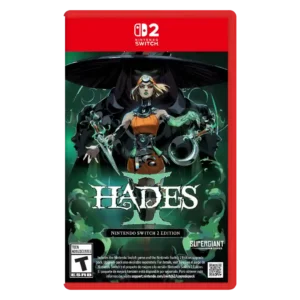
#1 Hades II
4.6

Good if you want fast, tactical roguelite combat with huge progression depth, striking art, and standout music. Skip it if repetition, resource micromanagement, or a less emotionally satisfying sequel story...

Pros: skill tree depth, dialogue quality

Cons: emotional impact, economy and resource balance

#2 Valheim

4.5

Good if you want a beautiful, demanding survival sandbox built around exploration, building, progression, and memorable co-op. Skip it if long resource runs, harsh death recovery, and deliberate pacing sound...

Pros: core gameplay loop, movement feel

Cons: economy and resource balance, map and navigation design

#3 Donkey Kong Bananza

4.5

Best for joyful destruction, dense exploration, and a charming DK-Pauline adventure. Skip it if camera quirks, frame-rate dips, easy bosses, or premium Switch 2 pricing are dealbreakers.

Pros: gameplay mechanics, world interactivity

Cons: economy and resource balance, enemy variety

#4 It Takes Two
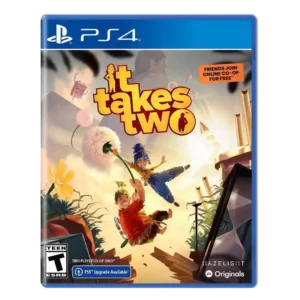
4.5

Best for joyful, inventive co-op with a partner, especially on couch. Skip it if divorce themes, uneven story tone, or Switch visual compromises would distract you.

Pros: core gameplay loop, movement feel

Cons: character development, dialogue quality