Compare Kirby Air Riders vs Tomodachi Life: Living the Dream

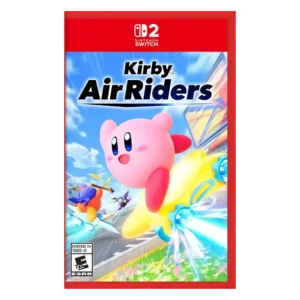
Kirby Air Riders

Kirby Air Riders

Overall score 4.3 / 5

Based on 32 scored reviews

vs
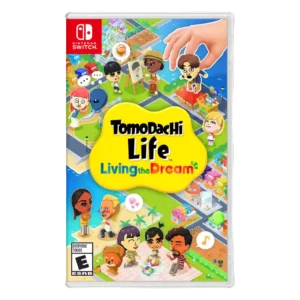
Tomodachi Life: Living the Dream

Tomodachi Life: Living the Dream

Overall score 3.9 / 5

Based on 33 scored reviews

How we score

Scorata scores summarize analyzed review evidence on a 1–5 scale; they are not laboratory measurements or a simple average of customer star ratings. Feature scores summarize the reviews covering that feature. The overall score averages feature scores within each review, then combines review averages. When both expert and customer evidence are available, those two groups receive equal weight. Products can have different review coverage, so small score gaps do not establish a winner.

Recommendations prioritize important features for the category, with a score of at least 3.5, a gap of at least 0.25 points and at least two supporting reviews per product. Features with widely varying scores or broad connectivity contexts are excluded from recommendations. These safeguards do not establish statistical significance.

Quick verdict

What each product is best for

The review evidence points to a tradeoff: social features and community features versus learning curve and core gameplay loop. Choose according to which strengths matter more to you; the overall score alone does not settle that choice.

Choose Kirby Air Riders for social features and community features.

Choose Tomodachi Life: Living the Dream for learning curve and core gameplay loop.

Why these recommendations?

Kirby Air Riders

Where It Has the Edge

  • social features is 4.7 vs 1.9. The Paddock, marketplace, lobbies, and shared custom creations were praised as fun social layers.
  • community features is 4.7 vs 2.4. The marketplace, shared machine creations, and online sharing tools were praised as unusually fun community layers.
  • platform-specific feature support is 4.8 vs 2.6. Reviewers praised Switch 2-specific strengths including haptics and a next-gen technical presentation.

Tomodachi Life: Living the Dream

Where It Has the Edge

  • learning curve is 4.7 vs 3.2. The game is widely framed as easy to pick up, approachable, and accessible in play style rather than...
  • core gameplay loop is 4.0 vs 2.5. The loop of checking in, helping Miis, collecting happiness, and unlocking island features is widely seen as relaxed...
  • controls responsiveness is 4.2 vs 3.5. Controls are generally described as intuitive and responsive, especially for basic island management, though one reviewer wanted stronger...
Kirby Air Riders 4.3 overall score
Tomodachi Life: Living the Dream 3.9 overall score

Compare features

Scores are out of 5. Missing scores mean missing review evidence, not a missing feature.

Scored on both products

Other features

Accessibility options
Kirby Air Riders
5.0

Accessibility was praised for unusually strong remapping, visual, and option customization for a Nintendo release.

Tomodachi Life: Living the Dream
2.0

Only one review directly discusses accessibility options, and it flags the absence of specific settings as a limitation despite general ease of play.

Social features
Kirby Air Riders
4.7

The Paddock, marketplace, lobbies, and shared custom creations were praised as fun social layers.

Tomodachi Life: Living the Dream
1.9

The lack of online sharing, QR-style exchange, and broader social tools is one of the most repeated complaints.

Grind level
Kirby Air Riders
2.5

One reviewer found Road Trip rewards spread across too much work for too little payoff.

Tomodachi Life: Living the Dream
5.0

One reviewer specifically praises the relaxed progression for having no grind.

Community features
Kirby Air Riders
4.7

The marketplace, shared machine creations, and online sharing tools were praised as unusually fun community layers.

Tomodachi Life: Living the Dream
2.4

Community-facing features are a major weakness, with reviewers frustrated by blocked sharing, capture limits, and reduced online potential.

HUD clarity
Kirby Air Riders
2.0

Visual readability drew criticism when chaos, spectacle, and cramped action made information hard to parse.

Tomodachi Life: Living the Dream
4.0

One review highlights the relationship chart as a helpful on-screen aid for understanding nearby Mii connections.

AI behavior
Kirby Air Riders
1.5

One reviewer strongly criticized CPU behavior as too random for difficulty settings to matter.

Tomodachi Life: Living the Dream
3.4

The Miis' semi-autonomous behavior creates enjoyable unpredictability, though reviewers also identify repeated patterns and limited spontaneity over time.

Learning curve
Kirby Air Riders
3.2

Most reviewers noted a real learning curve: easy basics and useful lessons, but an initially overwhelming or unintuitive transition for newcomers.

Tomodachi Life: Living the Dream
4.7

The game is widely framed as easy to pick up, approachable, and accessible in play style rather than demanding or skill-heavy.

World interactivity
Kirby Air Riders
5.0

One reviewer praised the City Trial map for shifting between runs and supporting surprising discoveries.

Tomodachi Life: Living the Dream
3.5

Custom items and island objects can feed into Mii behavior and scenarios, but several reviewers note that some interactions remain shallow or limited.

Core gameplay loop
Kirby Air Riders
2.5

Opinions split: some found the overall loop a loose or candy-like collection of quick thrills, while negative reviews called races short or thin once the novelty faded.

Tomodachi Life: Living the Dream
4.0

The loop of checking in, helping Miis, collecting happiness, and unlocking island features is widely seen as relaxed and satisfying, though best in short sessions.

Content variety
Kirby Air Riders
4.6

Reviewers repeatedly emphasized the breadth of modes, rulesets, challenges, unlocks, and formats, even when some disliked particular modes.

Tomodachi Life: Living the Dream
3.2

Opinions are mixed: many praise surprising events and plentiful unlocks, but repetition, missing activities, and finite scenarios are common concerns.

Gameplay mechanics
Kirby Air Riders
4.3

Reviewers generally found the one-button foundation deeper than it first appears, with skill coming from timing, momentum, machine choice, and subtle race techniques.

Tomodachi Life: Living the Dream
3.0

Reviewers consistently describe the active play as light, simple, and often passive, with minigames and requests adding texture but not deep mechanical substance.

Faithfulness to franchise
Kirby Air Riders
4.7

Reviewers praised the sequel for honoring Air Ride and Kirby history while expanding the concept.

Tomodachi Life: Living the Dream
3.6

Several reviewers see it as a fitting sequel or upgrade, though others feel missing features and sharing cuts weaken its connection to earlier entries.

Endgame content
Kirby Air Riders
5.0

The checklist and achievement chase supported strong endgame evidence, with one reviewer still having many unlocks after 25 hours.

Tomodachi Life: Living the Dream
4.0

One reviewer says reaching credits does not end the game, treating post-credits play as continued island life rather than a conventional ending.

Exploration quality
Kirby Air Riders
5.0

City Trial exploration was praised for rewarding discovery, map knowledge, and new strategies.

Tomodachi Life: Living the Dream
4.0

One review praises the shift from menu screens to a connected island where events unfold more organically as players move through the space.

Innovation
Kirby Air Riders
5.0

Innovation was supported by reviewers who saw the sequel as a significant leap and a genuinely unusual racing alternative.

Tomodachi Life: Living the Dream
4.0

One review frames the sequel as a bold evolution, expanding the series with a more connected world, deeper systems, and player-created content.

Pacing
Kirby Air Riders
3.8

Road Trip's forward momentum helped the package feel brisk, though one review thought the separate modes lacked cohesion.

Tomodachi Life: Living the Dream
2.9

Pacing is divisive: the relaxed daily rhythm suits short bursts, but longer sessions can become slow, empty, or repetitive.

Art direction
Kirby Air Riders
5.0

Art direction received high praise for colorful, dynamic environments and a striking Switch 2 look.

Tomodachi Life: Living the Dream
4.3

The bright, cartoonish, sometimes photorealistic presentation is generally praised for matching the game's strange and playful tone.

Emotional impact
Kirby Air Riders
5.0

One review strongly tied the game to childhood nostalgia and joy.

Tomodachi Life: Living the Dream
4.3

Some reviewers grew attached to their islands and Miis, describing the game as smile-inducing, endearing, and easy to return to.

Progression system
Kirby Air Riders
4.7

Reviewers strongly praised the checklist, achievements, unlocks, and constant rewards, though one negative review felt too many rewards were cosmetic.

Tomodachi Life: Living the Dream
3.9

The Wishing Fountain, island ranks, and Mii levels are often rewarding, but some reviewers found later unlocks generic or less motivating.

Character roster
Kirby Air Riders
4.7

The roster was praised as broad, Kirby-rich, and filled with distinct riders.

Tomodachi Life: Living the Dream
4.0

The 70-Mii limit is generally treated as sufficient by reviewers who discussed it, with one saying even 20 felt like enough.

Tutorial quality
Kirby Air Riders
4.3

Tutorials and training were praised for explaining the unusual control system and easing players into the mechanics.

Tomodachi Life: Living the Dream
3.8

Tutorial impressions are mostly positive for basic play, though one reviewer felt the creation tools could use more guidance after the quick introduction.

Graphics quality
Kirby Air Riders
4.9

Visuals were consistently praised as gorgeous, vibrant, sharp, and among the game's strongest traits.

Tomodachi Life: Living the Dream
4.4

Visuals are consistently described as sharp, colorful, clearer than past entries, and good-looking on Switch 2 hardware.

Atmosphere
Kirby Air Riders
5.0

Atmosphere was praised for nostalgic whimsy and a wild, weird, addictive tone.

Tomodachi Life: Living the Dream
4.5

Atmosphere is praised where discussed, especially for the bright, silly, offbeat mood created by the presentation and sound.

Environmental detail
Kirby Air Riders
5.0

One technical review highlighted richly detailed tracks with extensive animation and moving parts.

Tomodachi Life: Living the Dream
4.5

One review specifically notes that environments are more detailed than before, supporting the upgraded presentation.

Narrative quality
Kirby Air Riders
4.4

Road Trip's story and cutscenes were usually seen as surprisingly polished or charming, though a few found the story slight or secondary.

Tomodachi Life: Living the Dream
3.9

The story is mostly emergent and player-authored, producing memorable relationship drama for some while feeling barebones to others.

Load times
Kirby Air Riders
4.3

Load times were described as fast overall, though one technical review noted the physical version could be slightly slower.

Tomodachi Life: Living the Dream
4.5

Load times are praised as minimal or nearly absent in the reviews that discuss them.

Writing quality
Kirby Air Riders
4.5

Writing evidence was limited but positive where Road Trip's story was described as peculiar in a fitting, engaging way.

Tomodachi Life: Living the Dream
4.7

Localized dialogue, absurd phrasing, and player-seeded language are frequently praised as central to the comedy and personality.

Originality
Kirby Air Riders
4.7

Reviewers strongly emphasized the game's unusual identity as a strange, unique alternative to standard kart racers.

Tomodachi Life: Living the Dream
4.8

Reviewers repeatedly describe the experience as unusually distinctive, hard to compare, and powered by a kind of play few games offer.

Family friendliness
Kirby Air Riders
4.3

Reviewers saw party and family appeal, including play at gatherings and interest from kids.

Tomodachi Life: Living the Dream
4.2

Family friendliness is mostly positive because the game is easy to understand and enjoyable for family watching or younger players, despite caveats around content settings.

Fun factor
Kirby Air Riders
4.6

Most reviewers found the game highly fun, chaotic, or addictive, while even some mixed reviews acknowledged enjoyable bursts.

Tomodachi Life: Living the Dream
4.5

The strongest agreement is that the game is funny, weird, charming, and often laugh-out-loud enjoyable when its absurd systems click.

Sandbox freedom
Kirby Air Riders
4.5

City Trial's roaming, upgrade-collecting structure was treated positively as a freer sandbox-style layer.

Tomodachi Life: Living the Dream
4.5

Creative freedom is one of the strongest points, with reviewers praising island building, custom objects, relationship nudging, and player-authored absurdity.

Animation quality
Kirby Air Riders
4.5

One reviewer praised the Road Trip cutscenes as beautifully animated.

Tomodachi Life: Living the Dream
4.5

Reviewers praise smoother transitions and expressive Mii animation, especially how animation supports personality and absurdity.

Handheld play suitability
Kirby Air Riders
4.5

One reviewer enjoyed relaxed handheld play for completing goals and challenges.

Tomodachi Life: Living the Dream
4.5

Handheld play is praised for sharp 1080p output and a portable, short-session structure that fits the game's rhythm.

Immersion
Kirby Air Riders
4.5

The high-speed rhythm could be absorbing, with one reviewer feeling locked into the action once the mechanics clicked.

Tomodachi Life: Living the Dream
4.5

Reviewers who scored immersion felt the island tracks daily life well enough to feel like a living virtual world.

Onboarding experience
Kirby Air Riders
4.0

Onboarding was seen as helpful and robust overall, though some reviewers still warned that new players need time to adjust.

Tomodachi Life: Living the Dream
4.0

One review notes that new features begin unlocking quickly enough to keep the early setup from dragging.

Ownership and support

Platform-specific feature support
Kirby Air Riders
4.8

Reviewers praised Switch 2-specific strengths including haptics and a next-gen technical presentation.

Tomodachi Life: Living the Dream
2.6

Hardware-specific support is uneven: handheld visuals are praised, but mouse, touch, capture, and local-only sharing limitations frustrate reviewers.

Value for money
Kirby Air Riders
3.6

Value opinions were mixed: some felt the package justified its price or beat rivals, while others thought the $70 price was too high.

Tomodachi Life: Living the Dream
4.2

Value is positive for players who enjoy short-session chaos and creative building, with reviewers citing money's worth and plenty of value.

Replay value
Kirby Air Riders
4.0

Replay value was often strong thanks to Road Trip routes, checklists, unlocks, and multiplayer, though some reviewers expected repetition or burnout.

Tomodachi Life: Living the Dream
3.8

Replay potential depends heavily on player creativity; many reviewers saw long-term daily appeal, while others found repetition and content limits setting in.

Comfort and build

Open-world design
Kirby Air Riders
5.0

City Trial's open city design was praised for rewarding map knowledge and making repeated exploration worthwhile.

Tomodachi Life: Living the Dream
3.8

The connected island is viewed as a meaningful upgrade that gives players a visible, customizable world, though building depth is not universally praised.

User interface design
Kirby Air Riders
5.0

One reviewer praised the presentation, menus, UI, unlocks, sound, and graphics as beautiful.

Tomodachi Life: Living the Dream
4.6

The interface and building tools are repeatedly praised as clean, intuitive, snappy, and easy to use.

Map and navigation design
Kirby Air Riders
4.2

City Trial's map was praised for rewarding learning and shifting play, though one reviewer called the city bland after repeats.

Tomodachi Life: Living the Dream
4.5

One review praises the ability to use the menu to jump straight to characters instead of searching tediously.

Sound design
Kirby Air Riders
4.5

Sound effects and audio presentation drew positive comments, including one review calling the whole presentation beautiful.

Tomodachi Life: Living the Dream
4.3

Sound design supports the quirky atmosphere through playful audio touches and oddball effects that reinforce the game's tone.

World-building
Kirby Air Riders
4.5

World-building was praised through Road Trip's cosmic tale spanning the Kirby universe.

Tomodachi Life: Living the Dream
4.3

The island can become a personalized little society, with reviewers highlighting its growth from a blank space into a distinct Mii world.

Controls and connectivity

Age appropriateness
Kirby Air Riders
4.0

One review framed the game as suitable for younger players while still arguing it was not only for them.

Tomodachi Life: Living the Dream
3.0

One review notes the relaxed content filter can push the humor beyond the expected family rating, broadening appeal but complicating age fit.

Controls responsiveness
Kirby Air Riders
3.5

Controls were divisive: several reviewers praised their tight, deceptively complex feel, while others found the single-button layout slippery, unintuitive, or imprecise.

Tomodachi Life: Living the Dream
4.2

Controls are generally described as intuitive and responsive, especially for basic island management, though one reviewer wanted stronger touchscreen use.

Voice acting
Kirby Air Riders
4.0

One reviewer was pleasantly surprised that Kirby Air Riders includes voice acting alongside strong Road Trip presentation.

Tomodachi Life: Living the Dream
4.3

The robotic text-to-speech voices are repeatedly praised as funny and charming, even when awkward by design.

Character customization
Kirby Air Riders
4.6

Machine and rider customization were widely praised as deep and generous, though one reviewer said designs blur during actual races.

Tomodachi Life: Living the Dream
4.6

Customization is the most consistently praised feature, from upgraded Mii creation and relationship settings to deep custom items and island design.

Menu usability
Kirby Air Riders
4.5

One review singled out the menus as sleek within a polished reward-heavy presentation.

Tomodachi Life: Living the Dream
4.5

One review specifically praises the lack of bloated menus and the ability to jump directly to characters.

Performance

Soundtrack quality
Kirby Air Riders
4.8

The soundtrack was widely praised as catchy, energetic, or excellent, often listed among the package's highlights.

Tomodachi Life: Living the Dream
4.1

Music is generally described as whimsical, playful, and catchy, though one review found the selection more dialed back than before.

Performance optimization
Kirby Air Riders
4.2

Performance was generally strong, with mostly smooth 60 fps play, though one technical review noted City Trial frame drops.

Tomodachi Life: Living the Dream
4.5

Switch and Switch 2 impressions are positive, with reviewers saying the game runs well and feels snappy.

Evidence available for one product

Other features

Battle mode quality
Kirby Air Riders
4.2

City Trial was often called the highlight and a strong party mode, but reviewers also noted imbalance, chaos, or unrewarding solo play.

Tomodachi Life: Living the DreamNo score yet
Bug frequency
Kirby Air RidersNo score yet
Tomodachi Life: Living the Dream
4.0

One reviewer reported no major technical issues during Switch 2 play.

Camera behavior
Kirby Air Riders
4.5

Camera feedback was positive where Top Ride improved legibility and the racing camera pulled players into high-speed action.

Tomodachi Life: Living the DreamNo score yet
Character development
Kirby Air RidersNo score yet
Tomodachi Life: Living the Dream
4.4

Reviewers often felt Miis became memorable through quirks, relationships, and player input, although one noted that development can be slow.

Combat system
Kirby Air Riders
3.2

Combat was praised when folded into chaotic group play, but precise one-on-one targeting exposed the limits of the control scheme.

Tomodachi Life: Living the DreamNo score yet
Competitive balance
Kirby Air Riders
3.4

Balance was mixed: vehicle diversity and rebalancing were praised, but legendary machines, party chaos, and Stadium outcomes limited competitive fairness.

Tomodachi Life: Living the DreamNo score yet
Couch co-op quality
Kirby Air Riders
4.5

One reviewer expected the game to work especially well as a couch game with friends or family.

Tomodachi Life: Living the DreamNo score yet
Crafting system
Kirby Air RidersNo score yet
Tomodachi Life: Living the Dream
4.0

One reviewer explicitly praises the absence of crafting, framing that omission as a benefit rather than a missing feature.

Dialogue quality
Kirby Air RidersNo score yet
Tomodachi Life: Living the Dream
4.5

Dialogue is often called hilarious and well localized, though a few reviewers noticed repeated conversation templates over time.

Difficulty balance
Kirby Air Riders
3.5

Difficulty drew mixed comments, from generous solo challenge to complaints that some penalties or modes felt unfair or too easy.

Tomodachi Life: Living the DreamNo score yet
Driving mechanics
Kirby Air Riders
4.4

Most reviewers praised the boost/brake rhythm, machine mastery, and unusual racing feel, despite one early review criticizing physics as poorly tuned.

Tomodachi Life: Living the DreamNo score yet
Economy and resource balance
Kirby Air RidersNo score yet
Tomodachi Life: Living the Dream
3.8

Economy impressions are mildly mixed, with one reviewer saying cash was never a problem and another joking about surprisingly high food prices.

Facial animations
Kirby Air RidersNo score yet
Tomodachi Life: Living the Dream
2.5

One reviewer criticizes face paint for sometimes blocking traditional facial expressions, limiting expressiveness.

Flying mechanics
Kirby Air Riders
5.0

Sky and gliding identity received positive evidence where the game was described as feeling fantastic back in the air.

Tomodachi Life: Living the DreamNo score yet
Frame rate stability
Kirby Air Riders
4.6

Frame rate was a major strength across reviews, with several calling it smooth or flawless and only occasional hiccups noted.

Tomodachi Life: Living the DreamNo score yet
Haptic feedback integration
Kirby Air Riders
4.5

One review said Switch 2 haptics helped communicate machine differences.

Tomodachi Life: Living the DreamNo score yet
Lore depth
Kirby Air Riders
4.5

Road Trip's lore was praised as worth experiencing, especially around how Air Riding came to exist.

Tomodachi Life: Living the DreamNo score yet
Matchmaking quality
Kirby Air Riders
2.0

One review criticized online waits, saying matchmaking took longer than the races.

Tomodachi Life: Living the DreamNo score yet
Microtransaction impact
Kirby Air Riders
5.0

Reviewers highlighted customization spending as in-game rather than real-money microtransactions, framing it as a positive.

Tomodachi Life: Living the DreamNo score yet
Mission variety
Kirby Air Riders
4.5

Reviewers praised the mix of conventional races, Stadium games, and Road Trip-style micro-challenges.

Tomodachi Life: Living the DreamNo score yet
Monetization fairness
Kirby Air Riders
5.0

Reviewers appreciated customization being funded with in-game currency rather than real-money microtransactions.

Tomodachi Life: Living the DreamNo score yet
Movement feel
Kirby Air Riders
4.3

The automatic, high-speed movement impressed many reviewers once understood, though one reviewer felt events could happen faster than intent could catch up.

Tomodachi Life: Living the DreamNo score yet
Online stability
Kirby Air Riders
4.2

Online play was mostly reported as smooth or pleasant, with some caveats about pre-release conditions and mode population.

Tomodachi Life: Living the DreamNo score yet
Polish
Kirby Air Riders
4.8

Reviewers repeatedly described the game as well-made, lovingly crafted, highly polished, and full of careful detail.

Tomodachi Life: Living the DreamNo score yet
Seasonal content quality
Kirby Air Riders
4.0

One reviewer liked rotating events because they created reasons to step away from ranked City Trial and experiment.

Tomodachi Life: Living the DreamNo score yet
Split-screen quality
Kirby Air Riders
3.0

Split-screen performance was praised by one reviewer, but others criticized hidden rider and machine stats in local play.

Tomodachi Life: Living the DreamNo score yet
Upgrade system
Kirby Air Riders
4.0

Road Trip's upgrade choices added strategic balancing, asking players to build a well-rounded machine rather than chase one stat blindly.

Tomodachi Life: Living the DreamNo score yet
Vehicle roster
Kirby Air Riders
4.3

Vehicle variety was mostly praised for unique handling and meaningful differences, though one review said some machines were unsuitable for racing.

Tomodachi Life: Living the DreamNo score yet
Visual effects quality
Kirby Air Riders
5.0

Reviewers praised the race sequences, effects, and spectacle as visually impressive and highly detailed.

Tomodachi Life: Living the DreamNo score yet

Comfort and build

Boss design
Kirby Air Riders
2.0

Boss-related evidence was limited, but one negative review disliked late-game boss fights that demanded precision the controls did not support well.

Tomodachi Life: Living the DreamNo score yet
Level design
Kirby Air Riders
4.5

Track design was usually praised for style, branching, and spectacle, with only a few complaints about cramped layouts or visual overload.

Tomodachi Life: Living the DreamNo score yet
Mission design
Kirby Air Riders
4.1

Road Trip and challenge design were often praised for fast, varied encounters, but dissenting reviews found Road Trip dull, repetitive, or chore-like.

Tomodachi Life: Living the DreamNo score yet
Multiplayer design
Kirby Air Riders
4.3

Multiplayer was usually praised as the game's happy place, especially with groups, though Stadium splitting and missing Grand Prix-style structure drew complaints.

Tomodachi Life: Living the DreamNo score yet

Ownership and support

Live-service support
Kirby Air Riders
4.0

One review saw upcoming ranked events as a promising sign of longer-term updates and community moments.

Tomodachi Life: Living the DreamNo score yet
Server reliability
Kirby Air Riders
5.0

Connection reliability was praised in the reviewed sessions, especially where reviewers reported no input lag or connection issues.

Tomodachi Life: Living the DreamNo score yet

Controls and connectivity

Protagonist appeal
Kirby Air Riders
4.5

Kirby himself remained appealing, with one reviewer describing the character as a source of joy.

Tomodachi Life: Living the DreamNo score yet

Other Top Video Games to Consider

#1 Well Dweller
4.7

Best for fluid traversal, rewarding exploration, striking art, and forgiving quality-of-life features. Skip it if you want deep combat, radical genre innovation, or consistently demanding bosses.

Pros: difficulty balance, boss design

Cons: innovation, sandbox freedom

#2 Hades II
4.5

Best for superb combat, inventive builds, and richly voiced characters. Skip it if repeated runs, resource gathering, or visually busy battles outweigh the appeal of steady progress.

Pros: overall quality, combat system

Cons: pacing, grind level

#3 Valheim
4.5

Good if you want a beautiful, demanding survival sandbox built around exploration, building, progression, and memorable co-op. Skip it if long resource runs, harsh death recovery, and deliberate pacing sound...

Pros: town-building system, exploration quality

Cons: grind level, fast travel convenience

#4 Grand Theft Auto VI
4.5

Leonida is a breathtakingly alive crime sandbox with memorable protagonists, spectacular heists, and extraordinary detail. The tradeoff is a 30 fps ceiling, occasional control awkwardness, and some progression friction.

Pros: immersion, graphics quality

Cons: grind level, controls responsiveness