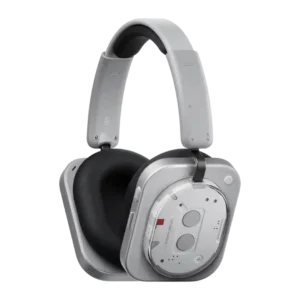
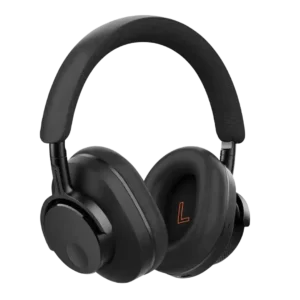
Nothing Headphone (1)
Where It Has the Edge
- Advanced software features is 4.5 vs 4.1. Reviewers consistently praised the broad feature set, especially customization, spatial options, ANC controls, and app-driven extras.

Scorata scores summarize analyzed review evidence on a 1–5 scale; they are not laboratory measurements or a simple average of customer star ratings. Feature scores summarize the reviews covering that feature. The overall score averages feature scores within each review, then combines review averages. When both expert and customer evidence are available, those two groups receive equal weight. Products can have different review coverage, so small score gaps do not establish a winner.
Recommendations prioritize important features for the category, with a score of at least 3.5, a gap of at least 0.25 points and at least two supporting reviews per product. Features with widely varying scores or broad connectivity contexts are excluded from recommendations. These safeguards do not establish statistical significance.
Quick verdict
The review evidence points to a tradeoff: Advanced software features versus Sound quality and Earpad replaceability and replacement ease. Choose according to which strengths matter more to you; the overall score alone does not settle that choice.
Choose Nothing Headphone (1) for Advanced software features.
Choose Cambridge Audio Melomania P100 SE Headphones for Sound quality and Earpad replaceability and replacement ease.
Scores are out of 5. Missing scores mean missing review evidence, not a missing feature.
Sound quality was the most divisive area: some loved the tuned or EQ-adjusted sound, while many criticized the default tuning as dark, flat, or compressed.
Sound quality is the strongest repeated praise, described as detailed, clear, engaging, and high value for the price.
Immersive audio was weak in TechRadar’s testing, where spatial effects added little and sometimes harmed movie or podcast playback.
Immersion is praised through wide, effortless soundstage comments, even without spatial audio.
Soundstage was often criticized as narrow or compressed, though a few reviewers heard decent width after tuning or in positive listening sessions.
Soundstage is generally wide and spacious, though one reviewer heard it as more intimate than wide.
Microphone noise reduction was generally strong, with reviewers praising background suppression, though one noted echo/reverb issues.
Microphone noise reduction is weaker than some competitors, with one reviewer saying it does not filter as much background noise.
One review said audio sounded best with ANC off because switching ANC on narrowed and muted the presentation.
ANC sound impact is similarly split, with TechRadar praising tonal consistency and RecordingNow hearing a more problematic change with ANC on.
Background-noise reduction was mixed: lab-style and street testing praised attenuation, while some reviewers noted weaker handling of voices or sudden sounds.
Background noise reduction is viewed as improved and effective, but not the quietest in the class according to comparison-focused reviewers.
Bass impressions were split: some heard controlled punch and texture, while others described muddy bass or weak low-frequency precision before EQ.
Bass earns strong praise for impact and EQ potential, but some reviewers found the SE tuning too bass-forward or not fully controlled.
Low-latency mode was treated positively as a useful gaming/video feature for reducing delay.
Gaming/low-latency performance was judged snappy and suitable for videos and fast-paced games.
Passive isolation was a clear strength, with the ear pads and seal repeatedly helping noise reduction even before ANC.
Passive noise isolation is a notable strength, with reviewers praising how much noise is blocked before ANC.
Wind handling was mixed: some mic suppression impressed reviewers, while ANC or voice noise gating struggled in wind.
Wind handling is mixed: one review criticized wind noise in transparency mode, while another found ANC outdoor wind handling very good.
Spatial audio was mixed: some found it useful for movies and broad device support, while others called it weak, limp, or harmful to music.
Spatial audio is absent, which some reviewers list as a limitation, though others say the natural soundstage reduces the sting.
ANC was generally viewed as strong for the price and effective in everyday noise, though several reviewers said Sony, Bose, or AirPods Max still outperform it.
ANC is generally judged good or improved, though not always elite; reviewers praised effectiveness while noting Sony/Bose-class options can still outperform it.
Frequency-response evidence was mixed: some heard balanced tuning, while others found the default curve dark, uneven, or treble-recessed.
Frequency-response impressions are mixed because the SE sounds warmer and less flat than the original, even though the tonal balance can be adjusted.
Sustainability materials were a weakness because The Guardian said the headphones were not made with recycled materials.
Sustainability materials earn praise from TechRadar, especially the recycled plastic and driver material claims.
Long-term durability evidence was limited, but one reviewer worried about cosmetic dings from the rectangular cups.
Durability is judged positively through solid materials and a reviewer description of the headphones as durable overall.
Build quality was broadly praised as solid, premium, and better than expected, though one reviewer worried about long-term headband durability.
Build quality is consistently praised as sturdy, premium, or strong for the price, with only minor creaking noted in one review.
Comfort was usually positive over hours of use, but weight, heat, piercings, glasses, and headband pressure made it less universal.
Comfort is mixed: some reviewers found it comfortable or improved, while others criticized weight, snugness, or headband pressure over time.
Design was one of the most discussed strengths, repeatedly praised as distinctive, premium, and eye-catching, though also polarizing.
Design is usually viewed positively, especially the clean lines and color options, although the look is not universally loved.
Clamping force was generally secure and comfortable, but PCMag found it tighter than preferred.
Clamping force is mostly acceptable or well judged, though one review found the fit snug compared with rivals.
Weight comfort was mixed: reviewers often found them wearable, but their 329g weight was repeatedly noticed against lighter Sony/Bose options.
Weight comfort is mixed to negative, with one reviewer calling it among the heaviest in class while another found it substantial but acceptable.
Replaceable earpad evidence was weak-to-negative, with uncertainty around replacements and a long-term reviewer noting Nothing still did not sell them.
Replaceable earpads and battery-related serviceability are repeatedly praised as longevity-friendly.
Codec support was treated positively, with SBC/AAC/LDAC and high-res support helping the value proposition.
Codec support is praised through aptX Adaptive and aptX Lossless support, but wireless LDAC absence is a separate limitation.
Value was generally positive because the headphones undercut major rivals while offering strong build, controls, battery, ANC, and EQ, though weak default sound hurt value for some.
Value is one of the strongest themes, with reviewers repeatedly calling the P100 SE well priced or exceptional for sound quality per dollar.
Multipoint reliability was treated positively, with reviewers highlighting quick switching and two-device connection.
Multipoint generally works, but switching can require pausing and there is no automatic switching in one test.
LDAC support was consistently treated as a positive, especially for Android/high-res wireless listening.
LDAC is a clear omission for reviewers who expect high-res wireless codec support.
Repairability evidence was mixed-to-negative: The Guardian noted replacement cushions, but a long-term reviewer criticized the soldered battery.
Sustainability and repairability are praised thanks to recyclable packaging, recycled materials, user-replaceable batteries, and removable pads.
Water/sweat resistance was praised as rare for premium over-ears, though PCMag cautioned that IP52 is still limited.
Water resistance is a weakness because one reviewer warns users to be careful due to no rating.
Volume output was criticized by reviewers who wanted more headroom or found the roller caused accidental loud jumps.
Volume output is mixed: some found it loud enough or very loud, while another wanted more Bluetooth/3.5mm loudness.
Cable quality was criticized because the included 3.5mm cable was only three-pole and could not carry microphone audio.
Cable quality receives a positive note for the included USB-C and 3.5mm cables.
Treble clarity was a common weakness in negative sound reviews, with several reviewers hearing recessed, dull, or less crisp highs.
Treble is often praised for detail, shine, and sparkle, but DynamEQ can make the sound more aggressive for some listeners.
Smudge resistance was a weakness because the finish visibly picked up oil even if it wiped off easily.
The off-white finish receives a small positive note for resisting a dirty-looking appearance over time.
Midrange clarity was polarizing, with some praising vocals while others heard too much lower-mid darkness or underemphasized midrange.
Mids are frequently praised as clear, rounded, and strong with vocals or instruments.
Instrument separation ranged from crowded and unclear in negative reviews to solid detail and separation in more positive listening impressions.
Detail retrieval and instrument separation are praised in both written and hands-on listening tests.
Overall recommendations were mixed-positive: many reviewers liked the value and debut effort, but sound tuning and comfort kept it from universal praise.
Overall recommendations are very positive, especially for sound-first buyers and value seekers, with caveats around ANC, comfort, and bulk.
Wear detection auto-pause was criticized in long-term Mac use, where the reviewer said over-ear detection was god-awful.
Wear-detection auto-pause is fast, though the broader wear-detection behavior was not flawless.
Travel friendliness was mixed-to-negative because battery life is good but the case is bulky and the headphones do not fold up.
Travel friendliness is mixed: battery life is excellent for long trips, but the large case and limited folding hurt portability.
Headband adjustability drew mixed but mostly positive feedback, with smooth adjustment praised and one top-mounted mechanism criticized.
Headband adjustability was not evaluated directly beyond factual mechanism mentions.
Case feedback was mixed: some praised protection and compactness, while others found it too large, cheap-feeling, or annoying to zip.
The hard case is generally sturdy and solid, but its size hurts compactness.
Preset EQ feedback was mixed, with some finding treble/bass presets useful and others saying presets were not enough or should be skipped.
Preset and DynamEQ-style tuning are useful but taste-dependent; some presets are usable while DynamEQ can be divisive.
Ear cup padding was mostly praised for soft memory foam and a good seal, though a few reviewers felt pressure or heat.
Ear cup padding and space are generally praised for plushness, roominess, and comfort.
Connectivity was a major strength, with reviewers praising the mix of USB-C, 3.5mm, multipoint, and app/device support.
Wired listening options are appreciated as part of the broader connectivity package.
Launch features were viewed positively because the headphones offered several differentiating features beyond visual design.
Feature coverage is viewed positively, with reviewers noting modern ANC-headphone features and useful app-based controls.
Portability was mixed: the headphones lie flat and can pack neatly in some cases, but they do not fold up and remain large.
Portability is a weakness because the headphones and case are not especially compact.
Maximum-volume clarity was positive in CNET’s testing, with almost no distortion even at high volumes.
Clarity at higher volume is praised, with reviewers noting strong clarity and no distortion at raised levels.
Premium feel was widely praised, with reviewers saying the headphones feel expensive, solid, and better than expected at the price.
Premium feel is praised through materials, finish, and comparisons to more expensive headphones.
Transparency mode was generally usable and often natural enough for conversations, but several reviewers found it less natural than Apple, Bose, or Sony.
Transparency mode ranges from natural and useful to merely acceptable and less airy than competitors.
Headband padding was mixed: SoundGuys liked weight distribution, while The Guardian found the padding too thin after hours.
Headband padding is one of the more divisive comfort points, ranging from improved and comfortable to stiff or not meaningfully changed.
USB-C was praised as a useful wired audio and charging option, especially for modern devices and lossless playback.
USB-C connectivity is positively mentioned as part of the wired-listening and cable package.
The six-month review praised the app for working on both iOS and Android, supporting strong Android usability.
Android setup worked smoothly in the tested pairing flow, with the reviewer connecting quickly to a Samsung foldable device.
Sensor evidence was positive but limited, with one reviewer identifying proximity sensing as useful hardware.
Sensor performance is mostly positive through wear-detection testing, though resume behavior had a minor glitch in one review.
Voice prompts and feedback split reviewers sharply: one loved the mode sounds, while others found cues uncomfortable, awful, loud, or jarring.
Voice prompts stand out positively, especially the Matt Berry/Southwark option.
Voice assistant integration was positively supported through the customizable button and Gemini/assistant access.
Voice assistant access worked cleanly in hands-on testing.
Physical controls were a standout strength, widely praised for tactility and usability, although a few reviewers found the layout or paddle/roller behavior finicky.
Physical button controls are praised for usability and responsiveness.
Reviewers consistently praised the broad feature set, especially customization, spatial options, ANC controls, and app-driven extras.
Advanced software features such as DynamEQ and app changes are useful but taste-dependent, with some reviewers liking the added energy and others preferring simpler original tuning.
Smart listening features were positively supported by Personal Sound, which was described as a useful way to personalize tuning.
Smart listening features such as DynamEQ are useful for low-volume listening but not universally preferred.
Call mic quality was mixed-to-positive: several reviewers heard clear calls, while others described the mic as merely fine, tinny, or robotic.
Microphone quality itself is good in quiet conditions, even if background noise filtering is less strong.
EQ customization was a standout feature, repeatedly described as powerful, granular, and sometimes essential for fixing the stock tuning.
EQ customization is a major strength, with reviewers praising the seven-band EQ and how well the headphones respond to tuning.
Setup and software simplicity were praised through Google Fast Pair, an easy app, and automatic pairing behavior.
Setup and software are generally smooth, clean, and intuitive, with fast firmware and app interactions noted.
Bluetooth reliability was supported by positive connectivity evidence, including Bluetooth 5.3 range and dual-device support.
Bluetooth-related experiences were largely positive where judged through pairing and multipoint behavior.
The app was one of the product’s strongest points, with reviewers praising its layout, speed, settings, and unusually deep EQ tools.
The app is widely praised for EQ, controls, and clean layout, though one reviewer wanted clearer EQ frequency labeling.
Battery life was one of the clearest strengths, repeatedly praised for 35+ hours with ANC and exceptional longevity without ANC.
Battery life is one of the clearest strengths, repeatedly called excellent, incredible, extraordinary, or best-in-class.
Reviewers liked that wired listening is covered with a 3.5mm jack, often alongside USB-C, making the headphones more flexible for planes and wired sources.
aptX Lossless support is treated as part of the impressive specification.
RecordingNow gave the product a strong S-Tier expert score, reflecting award-style recognition in that review.
Wired hi-res and USB-C digital playback were viewed as useful extras, with reviewers noting clearer or lossless wired listening.
Ear cup rotation is judged useful and flexible where reviewed.
Ecosystem perks were useful for Nothing Phone users, but some exclusive features limited broader appeal.
Find My support was considered useful but basic, with reviewers noting it mainly plays a sound rather than offering smarter tracking.
Firmware support looked promising because a later Nothing X update added Personal Sound support.
Included accessories are appreciated, especially the case and cable management touches.
Microphone quality is good in quiet conditions, but noise suppression is less impressive in background noise.
Multi-platform use was praised in long-term testing because the app works across iOS and Android with most features available on both.
Replaceable components receive praise where reviewers focus on the user-replaceable battery as a long-term ownership benefit.
Sidetone/voice passthrough needs improvement according to one reviewer who wanted clearer, louder self-voice feedback.
Fit stability was praised where reviewers described a secure fit without excessive tightness.
Streaming-service integration was criticized in long-term use because Channel Hop/favorites behavior felt confusing.
Auracast was a weakness only by absence, with TechRadar saying the lack of LE Audio and Auracast keeps them from feeling fully future-proof.
Auto power/sleep behavior drew criticism in long-term use, especially when connected to a Mac.
Bluetooth 5.3 was described as up to date, giving the headphones a modern wireless baseline.
Charging was praised, especially the fast-charge claims and real-world usefulness before trips or commutes.
One reviewer heard slight creaking during movement, but described it as minor.
LE Audio readiness was marked down because TechRadar noted the lack of Bluetooth LE Audio and Auracast.
Hinge feel and arm construction are praised for tightness, friction, and premium movement.
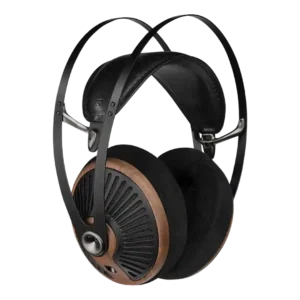
Choose the 105 Silva for beautiful, repairable construction, superb comfort, easy driveability, and an engaging spacious sound. Skip it if you need isolation, balanced connectivity, heavy sub-bass, or consistently smooth...
Pros: Design and Aesthetics, Overall recommendation
Cons: Noise isolation (passive), Connectivity options
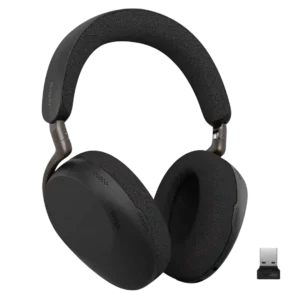
Choose it if your workday revolves around calls and you want exceptional mic isolation, huge battery life, all-day comfort, and a slim travel-friendly design. Skip it if music fidelity, class-leading...
Pros: Battery, Charging
Cons: Value for money, Codec support
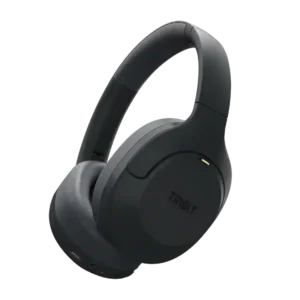
Best for exceptional battery life, useful ANC, flexible EQ, and strong budget value. Skip it if refined, detailed sound or polished controls matter more than price.
Pros: Value for money, Sound quality
Cons: Button control usability, App
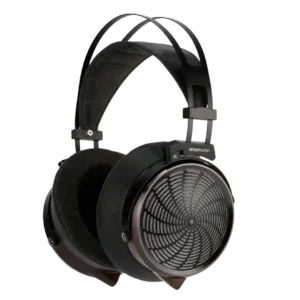
Best for spacious, detailed home listening, excellent comfort, and premium construction. Skip it for commuting, private shared-space use, built-in voice chat, or subwoofer-like bass impact.
Pros: Build quality, Comfort during long use