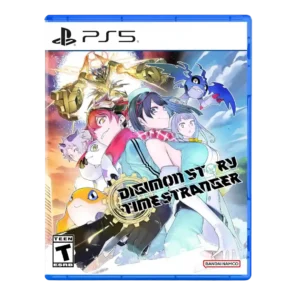
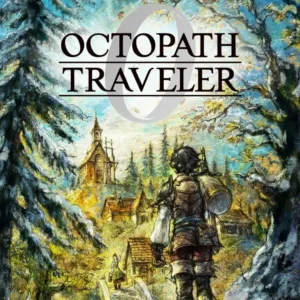
Compare Digimon Story Time Stranger vs Octopath Traveler 0

Digimon Story Time Stranger

Digimon Story Time Stranger

Overall score 3.9 / 5

Based on 29 scored reviews

vs
Octopath Traveler 0

Octopath Traveler 0

Overall score 4.0 / 5

Based on 71 scored reviews

How we score

Scorata scores summarize analyzed review evidence on a 1–5 scale; they are not laboratory measurements or a simple average of customer star ratings. Feature scores summarize the reviews covering that feature. The overall score averages feature scores within each review, then combines review averages. When both expert and customer evidence are available, those two groups receive equal weight. Products can have different review coverage, so small score gaps do not establish a winner.

Recommendations prioritize important features for the category, with a score of at least 3.5, a gap of at least 0.25 points and at least two supporting reviews per product. Features with widely varying scores or broad connectivity contexts are excluded from recommendations. These safeguards do not establish statistical significance.

Quick verdict

What each product is best for

The review evidence points to a tradeoff: immersion and character roster versus content variety and learning curve. Choose according to which strengths matter more to you; the overall score alone does not settle that choice.

Choose Digimon Story Time Stranger for immersion and character roster.

Choose Octopath Traveler 0 for content variety and learning curve.

Why these recommendations?

Digimon Story Time Stranger

Where It Has the Edge

  • immersion is 4.5 vs 2.0. Immersion was praised when world detail, music, characters, and presentation made reviewers want to return to the setting.
  • character roster is 4.8 vs 3.0. The roster was a major strength, with reviewers praising the huge 450-plus Digimon count and the effort behind...
  • polish is 4.3 vs 3.0. Polish was praised in broad terms, especially compared with older entries, though this sat alongside recurring UI and...

Octopath Traveler 0

Where It Has the Edge

  • content variety is 4.6 vs 3.2. The campaign mixes battles, side quests, NPC interactions, recruitment, exploration, town building, elite enemies, and other optional activities,...
  • learning curve is 4.8 vs 3.7. Despite the large party and layered systems, reviewers generally found the fundamentals easy to learn, with complexity building...
  • value for money is 4.7 vs 3.9. The enormous amount of content, strong production values, and removal of gacha mechanics make the premium package feel...
Digimon Story Time Stranger 3.9 overall score
Octopath Traveler 0 4.0 overall score

Compare features

Scores are out of 5. Missing scores mean missing review evidence, not a missing feature.

Scored on both products

Other features

Fast travel convenience
Digimon Story Time Stranger
2.0

Fast travel was specifically criticized as awkward and cumbersome compared with modern RPG expectations.

Octopath Traveler 0
5.0

Later fast-travel upgrades are a welcome quality-of-life benefit, opening direct travel to roads and dungeons as well as towns.

Immersion
Digimon Story Time Stranger
4.5

Immersion was praised when world detail, music, characters, and presentation made reviewers want to return to the setting.

Octopath Traveler 0
2.0

The silent protagonist is the main immersion complaint, with conversations sometimes feeling one-sided and emotional scenes less convincing as a result.

Character roster
Digimon Story Time Stranger
4.8

The roster was a major strength, with reviewers praising the huge 450-plus Digimon count and the effort behind modeling and team variety.

Octopath Traveler 0
3.0

More than 30 recruits offer broad tactical variety, but the roster can become unwieldy and many characters lack enough story time to feel memorable.

Exploration quality
Digimon Story Time Stranger
3.0

Exploration earned praise for curiosity in the Digital World but criticism for shallow hubs, restrictive pathways, and limited discovery in some areas.

Octopath Traveler 0
4.6

Orsterra rewards wandering with high-level areas, recruits, NPC interactions, optional islands, treasure, and side content. Reviewers often found exploration easy to get absorbed in.

Camera behavior
Digimon Story Time Stranger
3.0

Camera behavior drew mild criticism for wonky placement and fixed perspectives that limited appreciation of environments.

Octopath Traveler 0
4.5

Dynamic camera framing gives boosted attacks extra impact while generally keeping busy eight-character battles readable.

Content variety
Digimon Story Time Stranger
3.2

Content variety was mixed: Outer Dungeons, side activities, and a card game added breadth, but the card game was often criticized as shallow.

Octopath Traveler 0
4.6

The campaign mixes battles, side quests, NPC interactions, recruitment, exploration, town building, elite enemies, and other optional activities, giving the very long runtime plenty of different things to do.

Onboarding experience
Digimon Story Time Stranger
4.8

The game was repeatedly described as newcomer-friendly, with reviewers saying prior Digimon knowledge was not required.

Octopath Traveler 0
3.5

The opening hours drew mixed reactions. Some found the systems easy to grasp, while others thought the early game was restrictive, slow, or poor at showing how strong the later experience becomes.

Polish
Digimon Story Time Stranger
4.3

Polish was praised in broad terms, especially compared with older entries, though this sat alongside recurring UI and pacing caveats.

Octopath Traveler 0
3.0

The adaptation often feels like a proper console RPG, but some reviewers still noticed mobile-origin roughness in visual fidelity, pacing, systems, or missing content.

Learning curve
Digimon Story Time Stranger
3.7

The learning curve was mostly manageable, though several reviewers noted many systems, stats, and personalities to absorb.

Octopath Traveler 0
4.8

Despite the large party and layered systems, reviewers generally found the fundamentals easy to learn, with complexity building gradually as new mechanics arrive.

Writing quality
Digimon Story Time Stranger
3.3

Writing quality was mixed: reviewers liked the heart and themes but called out sappy, repetitive, or awkward phrasing.

Octopath Traveler 0
4.3

At its best, the writing gives the villains, themes, and later arcs real weight and emotional force. Critics of the script pointed to blunt messaging, clichés, uneven characterization, and occasional shallow dialogue.

Frame rate stability
Digimon Story Time Stranger
2.8

Frame rate stability was mixed to negative, with console 30 fps and occasional stutters/drops repeatedly mentioned.

Octopath Traveler 0
3.7

Most play was described as smooth, but a few specific locations or effects caused sharp frame-rate drops, making stability good rather than flawless.

Animation quality
Digimon Story Time Stranger
4.1

Animation quality was mostly praised for unique attacks and expressive Digimon, but one negative review criticized pop-in and jittery animation presentation.

Octopath Traveler 0
5.0

Sprite animation was singled out for conveying emotion with unusual subtlety and expressiveness within the HD-2D style.

Innovation
Digimon Story Time Stranger
4.0

Innovation was framed as refinement rather than reinvention, with reviewers praising how existing Digimon systems were modernized.

Octopath Traveler 0
3.3

The eight-character party and Wishvale system add meaningful twists, but several reviewers felt the broader formula remains conservative and does not reinvent the series.

Faithfulness to franchise
Digimon Story Time Stranger
4.7

Faithfulness to franchise was very strong, with reviewers calling it a love letter, fan-focused, and a strong realization of Digimon’s appeal.

Octopath Traveler 0
4.1

The game preserves the series' combat, HD-2D identity, and Orsterra setting while changing the eight-protagonist structure. Some fans welcomed the fresher focus; others felt it was less distinctly 'Octopath.'

Endgame content
Digimon Story Time Stranger
4.0

Endgame content received positive mention through tougher Outer Dungeons that tested late-game parties.

Octopath Traveler 0
4.6

The post-credits and true-ending material significantly expands the adventure, with tougher bosses and major story payoffs that several reviewers considered among the game's best content.

Art direction
Digimon Story Time Stranger
4.3

Art direction was generally praised for anime style, strong Digimon designs, and appealing visual identity.

Octopath Traveler 0
4.9

The HD-2D presentation remains a major attraction, with dramatic lighting, sprite work, and a diorama-like visual style that several reviewers regard as one of the series' defining strengths.

Accessibility options
Digimon Story Time Stranger
4.0

Accessibility was praised in the sense of smoother systems and difficulty options that help players engage without losing depth.

Octopath Traveler 0
3.5

Turn-based pacing, adjustable dialogue speed, and voiced major scenes help players follow the game at their own pace, but motion-related comfort options were called limited.

Grind level
Digimon Story Time Stranger
3.4

Grind level was mixed: automation and field attacks reduce friction, but leveling, complex systems, and late Digivolution still require grinding.

Octopath Traveler 0
2.9

Grinding is another mixed area: some reviewers appreciated systems that reduce mandatory leveling, while others found experience, gear, or late-game preparation slow enough to interrupt the story's momentum.

Progression system
Digimon Story Time Stranger
4.5

Progression was one of the strongest areas, with Digivolution, Agent Rank, personality growth, and team-building repeatedly called gratifying, flexible, and deep.

Octopath Traveler 0
4.1

Job points, mastery skills, transferable abilities, town facilities, and a flexible protagonist give progression substantial depth and keep party experimentation rewarding across the long campaign.

Combat system
Digimon Story Time Stranger
4.2

Combat drew broad praise for its turn-based depth, weakness systems, and boss demands, although some reviewers found normal encounters or HP-heavy fights less exciting.

Octopath Traveler 0
4.6

Eight-character front-and-back-row battles are the clearest standout, adding flexible swaps, party synergies, and deeper weakness management to the familiar Boost-and-Break foundation. A minority found eight characters harder to manage.

Core gameplay loop
Digimon Story Time Stranger
4.7

The loop of collecting, training, evolving, and rebuilding teams was repeatedly described as addictive and rewarding, with only light fatigue or grind caveats.

Octopath Traveler 0
5.0

The blend of questing, combat, exploration, recruitment, and Wishvale upgrades creates a rewarding loop that can make long sessions pass quickly.

Difficulty balance
Digimon Story Time Stranger
3.7

Difficulty was context-dependent: bosses and higher modes could challenge players, while normal encounters were sometimes easy, repetitive, or auto-battle friendly.

Octopath Traveler 0
3.4

Bosses often provide satisfying tactical pressure, but difficulty is uneven: several reviewers reported sudden spikes or unusually punishing encounters while other stretches felt too easy.

Dialogue quality
Digimon Story Time Stranger
2.5

Dialogue quality was one of the clearer weaknesses, with complaints about overexposition, lackluster choices, and repeated explanations.

Octopath Traveler 0
2.3

Dialogue is a weak point for several reviewers, especially when long cutscenes lean on repetitive exposition or generic villain monologues.

Visual effects quality
Digimon Story Time Stranger
4.8

Visual effects were praised for colorful, gorgeous presentation and especially creative Outer Dungeon effects.

Octopath Traveler 0
5.0

Combat effects and cinematic camera flourishes add spectacle without losing the retro-styled identity, and several reviewers called the particle work striking.

Environmental detail
Digimon Story Time Stranger
4.2

Environmental detail was praised in Digital World areas but criticized when Tokyo, dungeons, or shadow/detail handling felt bland.

Octopath Traveler 0
4.0

Towns and fields benefit from small environmental touches and atmospheric scenery, though some areas can look sparse compared with the strongest HD-2D entries.

Side character depth
Digimon Story Time Stranger
3.0

Side character depth was mixed: Digimon characters were praised for charm, while several human NPCs were called forgettable or thin.

Octopath Traveler 0
2.8

The huge roster creates many useful combat options, but character depth is a recurring sacrifice. Numerous recruits receive only brief introductions or optional chats and then fade into the background.

Emotional impact
Digimon Story Time Stranger
4.4

Emotional impact was strong in the best story moments, especially resolutions, bonds, and character beats that several reviewers said hit hard.

Octopath Traveler 0
4.6

When the story lands, reviewers describe powerful late-game revelations, tragedy, rebuilding themes, and memorable character moments that give the long journey a strong emotional payoff.

Handheld play suitability
Digimon Story Time Stranger
4.3

Handheld play suitability was positive overall, with reviewers saying it played well on Steam Deck despite some drops.

Octopath Traveler 0
4.2

Handheld play works well overall and the HD-2D format suits portable sessions, though one reviewer found lighting more washed out on Switch 2's handheld display.

Pacing
Digimon Story Time Stranger
2.8

Pacing was the most repeated caveat: many reviewers said the story starts slowly, drags in the middle, or takes time before its stronger payoffs.

Octopath Traveler 0
2.9

Pacing is one of the most divisive areas: some appreciate the escalating long-form structure, but many found slow openings, repeated climaxes, exposition, or the enormous second half exhausting.

Fun factor
Digimon Story Time Stranger
4.5

Fun factor was consistently high, with many reviewers calling the experience fun, addictive, or a blast despite specific frustrations.

Octopath Traveler 0
4.6

Most reviewers found the game highly enjoyable despite its flaws, often citing the combat loop, experimentation, exploration, and town building as reasons the huge runtime stayed engaging.

Narrative quality
Digimon Story Time Stranger
4.1

Narrative quality was generally positive, especially once the time-travel story builds momentum, but a few reviewers found parts uneven or generic.

Octopath Traveler 0
4.0

The story earns substantial praise for its villains, escalating arcs, stronger cohesion, and ambitious late-game payoff, but reactions vary sharply on its length and consistency. Some found major stretches bland, disjointed, or overextended.

Graphics quality
Digimon Story Time Stranger
4.4

Graphics were widely praised as a major step up for the series, despite some weaker Tokyo environments or platform-specific performance limits.

Octopath Traveler 0
4.4

The game is widely considered beautiful, especially in motion, with strong HD-2D lighting and sprite presentation. Some reviewers saw reduced detail, washed-out lighting, or a visual step down from earlier entries in certain areas.

Atmosphere
Digimon Story Time Stranger
5.0

Atmosphere was strongly praised in the reviews that addressed it, especially for the lively Digital World and overall aura.

Octopath Traveler 0
5.0

The combination of HD-2D scenery, music, and dramatic storytelling gives the adventure a strong fantasy-RPG atmosphere.

Ownership and support

Platform-specific feature support
Digimon Story Time Stranger
4.5

Platform-specific support was praised on Steam Deck for 16:10 support and no black borders.

Octopath Traveler 0
3.0

Switch 2 players get a slightly lower town-decoration object cap than PS5 and Xbox Series X|S, a minor platform-specific compromise.

Value for money
Digimon Story Time Stranger
3.9

Value for money was generally positive for Digimon and monster-taming fans, though the $70 price and sale advice made it somewhat conditional.

Octopath Traveler 0
4.7

The enormous amount of content, strong production values, and removal of gacha mechanics make the premium package feel worthwhile to reviewers who enjoy very long JRPGs.

Comfort and build

Level design
Digimon Story Time Stranger
2.3

Level design was a recurring weak point, with multiple reviewers calling dungeons linear, basic, repetitive, or hallway-like despite stronger worlds around them.

Octopath Traveler 0
3.7

Level and dungeon design improves as the adventure opens up, with later areas becoming more elaborate, though some early dungeons were criticized as basic.

Boss design
Digimon Story Time Stranger
3.9

Boss design drew both strong praise for mechanics and strategy and criticism for long, tanky fights or occasional trial-and-error.

Octopath Traveler 0
4.9

Boss battles are consistently praised as tactical highlights, with changing weaknesses, special rules, dramatic presentation, and punishing attacks that reward careful planning.

Map and navigation design
Digimon Story Time Stranger
4.5

Navigation drew praise in one review for clearly structured areas, appropriate fast travel, and easy map overlay access.

Octopath Traveler 0
5.0

Maps, quest markers, treasure tracking, and later fast-travel conveniences make the enormous world easier to navigate and reduce unnecessary friction.

Sound design
Digimon Story Time Stranger
4.0

Sound design received positive notes for memorable effects and environmental detail, with one small caveat around missing ride sounds.

Octopath Traveler 0
4.3

Environmental ambience and battle audio generally complement the visuals well, with richer soundscapes helping towns, fields, and dramatic scenes feel more immersive.

World-building
Digimon Story Time Stranger
4.9

World-building was one of the strongest consensus positives, with the Digital World repeatedly described as alive, lived-in, and full of Digimon society.

Octopath Traveler 0
5.0

Orsterra is repeatedly praised for feeling interconnected and alive, with evolving regions, NPC backstories, political threads, and consequences that carry across story arcs.

Controls and connectivity

Menu usability
Digimon Story Time Stranger
3.2

Menu usability was a major tradeoff, with streamlining praised but DigiFarm/evolution menu separation and training menuing often criticized.

Octopath Traveler 0
2.0

Managing a sprawling Wishvale exposes a usability weakness: locating specific residents can require manually checking houses instead of using a direct locator.

Age appropriateness
Digimon Story Time Stranger
3.5

Age appropriateness was mixed: reviewers noted a more mature focus and also felt some alcohol content was jarring.

Octopath Traveler 0
4.0

One reviewer framed the game as a retro-styled RPG made for grown-ups, reflecting approval of its more mature themes rather than a child-focused tone.

Voice acting
Digimon Story Time Stranger
4.0

Voice acting was mostly praised, particularly for emotional scenes and Digimon personality, though a few reviewers disliked execution or uneven English phrasing.

Octopath Traveler 0
4.1

Voice performances are generally viewed as a major presentation strength, adding personality and emotional weight to key scenes. A few technical comments noted compressed English audio or uneven implementation.

Protagonist appeal
Digimon Story Time Stranger
2.5

The silent protagonist was a repeated drawback because it could make emotional scenes feel disconnected or flat.

Octopath Traveler 0
2.5

The customizable hero provides a clearer narrative anchor, but the silent-protagonist approach is frequently criticized for reducing personality, immersion, and emotional reciprocity in important scenes.

Controls responsiveness
Digimon Story Time Stranger
4.5

One review specifically praised instant menu response as part of a sharper combat and field flow.

Octopath Traveler 0
4.5

Moment-to-moment controls were described as smooth and responsive, helping the turn-based systems feel easy to operate.

Performance

Soundtrack quality
Digimon Story Time Stranger
4.1

Soundtrack quality was divided but leaned positive, with several reviewers loving the score while others found it less memorable or generic.

Octopath Traveler 0
4.8

The soundtrack is one of the strongest points of agreement, with sweeping battle themes, memorable motifs, quieter town music, and late-game compositions repeatedly singled out as exceptional.

Performance optimization
Digimon Story Time Stranger
3.8

Performance impressions were platform-dependent, ranging from smooth PC/PS5 experiences to wonky performance or adequate-but-imperfect Steam Deck play.

Octopath Traveler 0
3.8

Performance is mostly solid across the tested platforms, but reviewers reported isolated frame drops, lag spikes, brief hitches, or heavier scenes that could strain Switch 2.

Evidence available for one product

Other features

AI behavior
Digimon Story Time Stranger
4.0

Auto-battle AI was positively noted as capable of clearing straightforward fights, especially during grinding.

Octopath Traveler 0No score yet
Character development
Digimon Story Time Stranger
4.4

Character development was praised for Digimon relationships, time-spanning growth, and meaningful arcs, with humans less consistently strong.

Octopath Traveler 0No score yet
Choice impact
Digimon Story Time StrangerNo score yet
Octopath Traveler 0
1.7

Dialogue choices and some role-playing decisions were criticized for having little or no meaningful effect on outcomes, limiting the sense of agency.

Class balance
Digimon Story Time StrangerNo score yet
Octopath Traveler 0
2.0

The class structure drew criticism where fixed roles or uneven options made some jobs feel less flexible or useful than others.

Crash stability
Digimon Story Time StrangerNo score yet
Octopath Traveler 0
5.0

One long PS5 playthrough specifically reported no crashes, supporting strong basic stability in that test.

Economy and resource balance
Digimon Story Time StrangerNo score yet
Octopath Traveler 0
1.8

Early experience, money, and job-point rewards can feel stingy, with a few reviewers saying the mobile-game roots show most clearly in the slow resource flow.

Enemy variety
Digimon Story Time Stranger
4.0

Enemy variety was praised for changing weaknesses and resistances enough to keep battles from feeling stale.

Octopath Traveler 0No score yet
Family friendliness
Digimon Story Time Stranger
3.0

Family friendliness was limited by one reviewer’s concern that sudden alcohol-heavy scenes felt out of place for the game’s tone.

Octopath Traveler 0No score yet
Game length
Digimon Story Time StrangerNo score yet
Octopath Traveler 0
3.6

The enormous 80–100+ hour scale is both a selling point and a liability. Fans of sprawling JRPGs felt richly rewarded, while others thought the game overstayed its welcome or simply became exhausting.

Gameplay mechanics
Digimon Story Time Stranger
4.5

Reviewers liked the layered monster-building mechanics, especially flexible skills and personality systems, though the strongest praise focused on customization rather than novelty.

Octopath Traveler 0No score yet
HUD clarity
Digimon Story Time Stranger
2.0

HUD clarity was criticized for frequent pop-ups, messages, and flashing information that made the screen feel crowded.

Octopath Traveler 0No score yet
Load times
Digimon Story Time StrangerNo score yet
Octopath Traveler 0
5.0

Loading was praised as quick enough that moving between areas rarely interrupted the flow.

Monetization fairness
Digimon Story Time Stranger
3.0

Monetization fairness was mixed: no real-money microtransactions helped, but DLC-locked quests and grind dungeons raised concerns.

Octopath Traveler 0No score yet
Movement feel
Digimon Story Time Stranger
4.0

Rideable Digimon were received as enjoyable traversal flavor, even if this was not a heavily discussed mechanic.

Octopath Traveler 0No score yet
Originality
Digimon Story Time Stranger
4.0

Originality was supported by one reviewer who felt the evolution and combat systems made the game feel distinct in the genre.

Octopath Traveler 0No score yet
Remake/remaster quality
Digimon Story Time StrangerNo score yet
Octopath Traveler 0
4.8

The former mobile RPG is widely regarded as successfully transformed into a premium console experience, with gacha removed, systems rebalanced, and substantial story and gameplay additions.

Sandbox freedom
Digimon Story Time StrangerNo score yet
Octopath Traveler 0
3.8

Players generally liked being able to choose quest directions, wander into dangerous regions, change jobs, and shift between combat and town work, though the main story can feel less focused as a result.

Skill tree depth
Digimon Story Time Stranger
4.3

Agent skill trees were well received as useful, understandable systems that add meaningful progression and personality-based bonuses.

Octopath Traveler 0No score yet
Tutorial quality
Digimon Story Time Stranger
2.5

Tutorial coverage was criticized by one reviewer for glossing over some early systems.

Octopath Traveler 0No score yet
Upgrade system
Digimon Story Time Stranger
3.3

Cross Arts and upgrades added tactical options, but reviewers criticized limits such as only equipping one Cross Art at a time.

Octopath Traveler 0No score yet
Vehicle roster
Digimon Story Time Stranger
4.0

Rideable Digimon variety got a positive mention, including amusing mount options that made traversal more fun.

Octopath Traveler 0No score yet
World interactivity
Digimon Story Time StrangerNo score yet
Octopath Traveler 0
4.1

NPC interactions give towns unusual texture through information gathering, recruiting, purchasing, fighting, and other Path Actions. Some found the simplified system less distinctive than earlier entries.

Controls and connectivity

Character customization
Digimon Story Time StrangerNo score yet
Octopath Traveler 0
4.3

Party building is highly flexible through eight-character pairings, protagonist job changes, transferable mastery skills, equipment, and ability combinations, giving experiment-minded players plenty to tune.

Ownership and support

DLC value
Digimon Story Time Stranger
2.8

DLC value was viewed cautiously because extra dungeons and paywalled content were unnecessary or uncomfortable despite not blocking core progress.

Octopath Traveler 0No score yet
Replay value
Digimon Story Time Stranger
4.0

Replay value was supported by the length and optional Field Guide/evolution goals, with one reviewer saying the game stayed substantial without overstaying.

Octopath Traveler 0No score yet

Comfort and build

Mission design
Digimon Story Time Stranger
2.9

Mission design was mixed to negative: side missions often felt basic or fetch-like, though some reviewers liked their world flavor and progression rewards.

Octopath Traveler 0No score yet
Quest design
Digimon Story Time Stranger
2.9

Quest design split reviewers, with optionality and occasional stronger quests helping, but many side quests were still described as routine or unexciting.

Octopath Traveler 0No score yet
Town-building system
Digimon Story Time StrangerNo score yet
Octopath Traveler 0
4.1

Wishvale rebuilding is a widely liked change of pace that meaningfully feeds back into progression, resources, and training. Its biggest limitation is that building freedom can feel shallow, restricted, or slow to fully open.

User interface design
Digimon Story Time Stranger
4.0

UI design was polarized: some reviewers called it clean and easy, while another strongly criticized clutter and constant pop-ups.

Octopath Traveler 0No score yet

Other Top Video Games to Consider

#1 Hades II
4.6

Good if you want fast, tactical roguelite combat with huge progression depth, striking art, and standout music. Skip it if repetition, resource micromanagement, or a less emotionally satisfying sequel story...

Pros: skill tree depth, dialogue quality

Cons: emotional impact, economy and resource balance

#2 Valheim
4.5

Good if you want a beautiful, demanding survival sandbox built around exploration, building, progression, and memorable co-op. Skip it if long resource runs, harsh death recovery, and deliberate pacing sound...

Pros: core gameplay loop, movement feel

Cons: economy and resource balance, map and navigation design

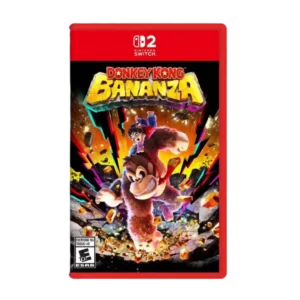
#3 Donkey Kong Bananza
4.5

Best for joyful destruction, dense exploration, and a charming DK-Pauline adventure. Skip it if camera quirks, frame-rate dips, easy bosses, or premium Switch 2 pricing are dealbreakers.

Pros: gameplay mechanics, world interactivity

Cons: economy and resource balance, enemy variety

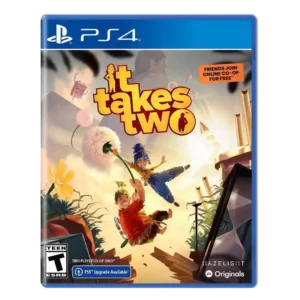
#4 It Takes Two
4.5

Best for joyful, inventive co-op with a partner, especially on couch. Skip it if divorce themes, uneven story tone, or Switch visual compromises would distract you.

Pros: core gameplay loop, movement feel

Cons: character development, dialogue quality