Compare The Alters vs Moomin: Midsummer Madness

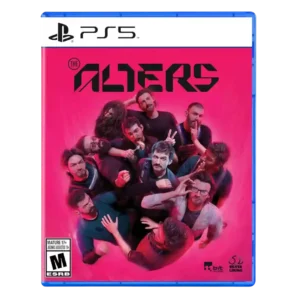
The Alters

The Alters

Overall score 4.2 / 5

Based on 33 scored reviews

vs
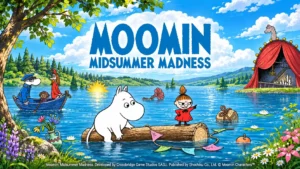
Moomin: Midsummer Madness

Moomin: Midsummer Madness

Overall score 4.0 / 5

Based on 25 scored reviews

How we score

Scorata scores summarize analyzed review evidence on a 1–5 scale; they are not laboratory measurements or a simple average of customer star ratings. Feature scores summarize the reviews covering that feature. The overall score averages feature scores within each review, then combines review averages. When both expert and customer evidence are available, those two groups receive equal weight. Products can have different review coverage, so small score gaps do not establish a winner.

Recommendations prioritize important features for the category, with a score of at least 3.5, a gap of at least 0.25 points and at least two supporting reviews per product. Features with widely varying scores or broad connectivity contexts are excluded from recommendations. These safeguards do not establish statistical significance.

Quick verdict

What each product is best for

The review evidence points to a tradeoff: replay value and originality versus accessibility options and world-building. Choose according to which strengths matter more to you; the overall score alone does not settle that choice.

Choose The Alters for replay value and originality.

Choose Moomin: Midsummer Madness for accessibility options and world-building.

Why these recommendations?

The Alters

Where It Has the Edge

  • replay value is 4.3 vs 1.4. Replay value was widely praised because alternate Alters, choices, endings, and remembered dialogue paths encourage repeat runs, though...
  • originality is 4.7 vs 2.0. Originality was strongly praised, with reviewers calling the concept unique, uncategorizable, ambitious, or unlike anything else.
  • core gameplay loop is 4.3 vs 2.0. The core loop was often described as compelling, addictive, or well-designed, with one dissenting review arguing the hybrid...

Moomin: Midsummer Madness

Where It Has the Edge

  • accessibility options is 5.0 vs 3.0. A larger cursor, a dyslexia-friendly font, and skippable mini-games make the story easier to approach. These conveniences matter...
  • world-building is 5.0 vs 4.5. Moominvalley feels lived-in through its eccentric residents, quiet routines and richly illustrated spaces. The world prioritizes intimacy and...
  • soundtrack quality is 4.9 vs 4.5. Soft melodies, occasional vocal-jazz touches and gentle themes complement the illustrated setting. The music is frequently praised as...
The Alters 4.2 overall score
Moomin: Midsummer Madness 4.0 overall score

Compare features

Scores are out of 5. Missing scores mean missing review evidence, not a missing feature.

Scored on both products

Controls and connectivity

Controls responsiveness
The Alters
5.0

One reviewer specifically praised the controls on both controller and mouse/keyboard, with no conflicting control-responsiveness evidence.

Moomin: Midsummer Madness
2.0

Point-and-click input works, but movement and interaction conventions can feel stiff or counterintuitive. Console navigation is less comfortable for some players than a mouse.

Menu usability
The Alters
3.9

Menu usability was generally positive thanks to quality-of-life tools, though some reviewers found navigation old or menu-jumping cumbersome.

Moomin: Midsummer Madness
2.0

Console menu navigation can feel clumsier than direct mouse selection, occasionally disrupting an otherwise calm pace.

Age appropriateness
The Alters
2.0

Age appropriateness evidence points to mature themes, with one reviewer warning about substance abuse, suicide, and self-harm.

Moomin: Midsummer Madness
3.8

The story and presentation are gentle, but puzzle comprehension is another matter. Young children can become stuck and lose interest without an adult to guide them.

Voice acting
The Alters
4.8

Voice acting was strongly praised across many reviews, especially Alex Jordan’s work differentiating the many Jans, with only one mild delivery caveat.

Moomin: Midsummer Madness
4.0

There is no full voiced dialogue, with conversations shown as text bubbles and only brief character noises. Several critics feel the expressive writing and pleasant audio make that absence easy to accept.

Protagonist appeal
The Alters
3.7

Jan’s appeal was mixed: some found him more complete, plausible, and sympathetic, while one reviewer found him unpleasant.

Moomin: Midsummer Madness
4.4

Moomintroll's optimism and Little My's unruly energy make a memorable duo. Little My is especially divisive: many find her delightful, while a minority strongly dislike her attitude.

Ownership and support

Replay value
The Alters
4.3

Replay value was widely praised because alternate Alters, choices, endings, and remembered dialogue paths encourage repeat runs, though a few reviewers saw replay fatigue.

Moomin: Midsummer Madness
1.4

A linear story and fixed solutions offer few fresh discoveries after completion. Several critics see little reason for a second trip once the puzzles are known.

Save system reliability
The Alters
3.0

Save reliability was mixed: one reviewer lost progress due to daily saves and crashes, while another appreciated nightly/location auto-saves.

Moomin: Midsummer Madness
1.0

One account describes a randomly wiped save and lost hours, while a disappearing quest item required reloading. That is a meaningful risk in an otherwise low-stress adventure.

Value for money
The Alters
4.9

Value for money was praised, especially around the $35 price and replayable mid-sized scope.

Moomin: Midsummer Madness
3.0

The roughly $20 asking price can feel fair for an illustrated storybook-sized adventure, but less compelling for buyers counting hours. Discounts make its short duration easier to accept.

Other features

Originality
The Alters
4.7

Originality was strongly praised, with reviewers calling the concept unique, uncategorizable, ambitious, or unlike anything else.

Moomin: Midsummer Madness
2.0

The point-and-click approach is a welcome new lens for Moominvalley, but the underlying tasks borrow familiar genre ideas. Players expecting novel mechanics will find a traditional adventure.

Crash stability
The Alters
1.5

Crash stability was a major issue in one PC review, which reported frequent crashes around the Quantum Computer.

Moomin: Midsummer Madness
4.0

Some critics report frame dips without outright crashes. Others encounter issues that interrupt progression even when the application remains running.

Core gameplay loop
The Alters
4.3

The core loop was often described as compelling, addictive, or well-designed, with one dissenting review arguing the hybrid systems failed to cohere.

Moomin: Midsummer Madness
2.0

Helping characters and finding items can be cozy and satisfying, but several chapters lean too heavily on repeated fetch quests. The entertaining cast helps offset that repetition.

Frame rate stability
The Alters
4.8

Frame rate stability was generally strong, with reviewers citing consistent 60+ fps, 120 fps, or stable 60 fps with only occasional drops.

Moomin: Midsummer Madness
2.7

Minor drops, transition hitches and occasional stutters appear in some versions. Most reports describe them as manageable rather than game-breaking, though PC movement can be noticeably uneven.

Accessibility options
The Alters
3.0

Accessibility evidence was limited and mixed, with reviewers noting useful settings but also describing the overall accessibility approach as limited.

Moomin: Midsummer Madness
5.0

A larger cursor, a dyslexia-friendly font, and skippable mini-games make the story easier to approach. These conveniences matter when individual interactions become confusing.

Dialogue quality
The Alters
3.4

Dialogue quality was mixed: some praised meaningful character conversations, while others found the script or conversations flat and stilted.

Moomin: Midsummer Madness
5.0

Brief conversations give the eccentric cast distinct voices on the page. Little My's sharp remarks and the gentler exchanges help the humor and personality land.

Onboarding experience
The Alters
5.0

Onboarding was praised for introducing many systems without overwhelming the player.

Moomin: Midsummer Madness
3.5

An early Little My scenario demonstrates basic item use and movement, though some later interactions are not as clearly taught.

Bug frequency
The Alters
3.5

Bug evidence was mixed: several reviewers saw minor bugs, glitches, or stuck characters, while one reported zero bugs and another saw more disruptive issues.

Moomin: Midsummer Madness
2.3

Several playthroughs include glitches ranging from small hitches to missing inventory items. A few reports are serious enough to make reliability a concern.

Handheld play suitability
The Alters
4.0

Handheld suitability had limited but positive evidence, with Steam Deck described as playable with decent image quality.

Moomin: Midsummer Madness
3.0

Portable play is attractive, especially with Switch 2 tabletop mouse input, but small-screen navigation and movement can take adjustment.

Movement feel
The Alters
2.8

Movement drew mixed-to-negative notes, with one reviewer calling traversal cumbersome and another saying Jan could feel awkward or get stuck.

Moomin: Midsummer Madness
2.0

An unusual single-click versus double-click movement scheme can take time to internalize, especially for genre veterans.

Writing quality
The Alters
4.0

Writing was mostly praised as authentic, human, or excellent, though one negative review called it shallow and another noted occasional creaking.

Moomin: Midsummer Madness
4.7

Dialogue and small requests weave kindness, loneliness, mischief and resilience into apparently simple situations. The writing keeps the recognizable Moomin spirit at the center.

Gameplay mechanics
The Alters
4.4

Most reviewers praised the blended survival, management, and narrative mechanics as polished or inventive, though a few found the underlying gameplay basic.

Moomin: Midsummer Madness
3.8

Collecting and combining items, talking to residents and exploiting different character abilities form an approachable point-and-click foundation. The mechanics are familiar rather than deeply innovative.

Animation quality
The Alters
4.3

Animation quality was mostly praised for character design and subtle idle movement, though one reviewer found some animations rough.

Moomin: Midsummer Madness
4.9

Subtle character gestures and moving scenery help the illustrations feel alive. Expressive animation carries personality even without full spoken dialogue.

Fun factor
The Alters
4.5

Fun factor was positive, with reviewers describing the game as entertaining, a blast, hard to put down, or excellent from start to finish.

Moomin: Midsummer Madness
5.0

The warm atmosphere, thoughtful puzzles and chance to explore Moominvalley make the adventure enjoyable without overstaying its welcome.

Difficulty balance
The Alters
3.3

Difficulty balance was mixed: several reviewers valued the pressure, but others found the stress overwhelming or the economy hard for newcomers.

Moomin: Midsummer Madness
3.6

Most puzzles are accessible and low-stakes, with occasional lateral-thinking surprises. That balance welcomes beginners but may feel too easy for veterans, while a handful of obscure solutions can still frustrate children.

Graphics quality
The Alters
4.7

Graphics were praised repeatedly, with reviewers calling the game gorgeous, detailed, good-looking, or visually distinctive.

Moomin: Midsummer Madness
5.0

Scenes look vivid and inviting, from the Moominhouse to the flooded valley and floating theatre. The distinctive 2D presentation often impresses more than the mechanics.

Exploration quality
The Alters
3.6

Exploration divided reviewers: several found it atmospheric, tactile, or satisfying, while others found it basic, repetitive, or chore-like.

Moomin: Midsummer Madness
3.9

Beautiful rooms and whimsical details reward looking around. Repeated sweeps for one overlooked object can make otherwise enjoyable exploration feel like pixel hunting.

Environmental detail
The Alters
4.8

Environmental detail was praised for adorable base rooms, dinky detail, and visually distinct alien landscapes.

Moomin: Midsummer Madness
4.5

Theatre props, tiny objects and intricately decorated rooms invite close inspection. That density can also hide puzzle-critical objects among visual distractions.

Pacing
The Alters
3.3

Pacing was mixed, with praise for quick days and well-timed beats offset by complaints about cyclical acts, clocks, and difficult bad-end pressure.

Moomin: Midsummer Madness
3.5

The adventure flows comfortably when characters, clues and chapters move forward. Hidden objects, repeated conversations or opaque puzzle steps sometimes stall its otherwise peaceful rhythm.

Content variety
The Alters
4.3

Reviewers generally praised the variety created by survival, puzzles, exploration, branching side quests, and genre mixing, with one caveat about restrictive base building.

Moomin: Midsummer Madness
4.4

Optional mini-games and alternating protagonists help break up the repeated item hunts. The mix remains light, with some critics finding the chapter structure formulaic.

Atmosphere
The Alters
4.9

Atmosphere was consistently praised as isolating, eerie, tense, symbolic, and thrilling.

Moomin: Midsummer Madness
4.8

Moominvalley feels whimsical, gentle and comforting even as a flood upends daily life. Its occasional melancholy and danger give the coziness more texture than a purely carefree outing.

Emotional impact
The Alters
4.9

Emotional impact was consistently strong, with reviewers describing thought-provoking, personal, vulnerable, and resonant moments.

Moomin: Midsummer Madness
5.0

The adventure inspires nostalgia, hope and a sense of warmth in people drawn to the Moomins. Its gentle mood also makes room for anxiety and sadness beneath the fairytale surface.

Art direction
The Alters
5.0

Art direction received strong praise for the alien planet, visual design, and Jan/Alter presentation.

Moomin: Midsummer Madness
5.0

Hand-drawn backdrops give Moominvalley the feel of a living picture book, with rich colour and outlines that recall Jansson's illustrations. The artwork is one of the game's strongest attractions.

Character roster
The Alters
4.3

The Alter roster was mostly praised for distinct variants, though one reviewer felt not all Alters were equally useful or nuanced.

Moomin: Midsummer Madness
4.3

Familiar faces from Moominvalley make meetings and small errands enjoyable. The personalities feel true to the books, even if some players would welcome more time with particular favorites.

Narrative quality
The Alters
4.7

Narrative quality was one of the strongest areas, with many reviewers praising the story as compelling, thoughtful, philosophical, or emotionally resonant.

Moomin: Midsummer Madness
4.8

A flood and a floating theatre lead to a sweet, quietly thoughtful adventure about helping others. The tale is easy to follow and engaging, though familiar readers may know its major turns.

Progression system
The Alters
2.5

Progression drew criticism from one reviewer who felt unlocks mostly reduced earlier friction rather than adding exciting new capabilities.

Moomin: Midsummer Madness
2.5

The quest checklist makes goals approachable, but progress sometimes depends on a poorly signposted prerequisite. That can send players in circles despite the straightforward chapter structure.

Comfort and build

User interface design
The Alters
4.2

UI design was mostly praised as clean, tactile, and not intrusive, with some interface quirks noted.

Moomin: Midsummer Madness
2.0

The journal and hotspot tools are useful, yet selecting items and recognizing interactions is not always consistent. Touchscreen prompts and cooldown timing create avoidable friction.

Mission design
The Alters
3.0

Mission design received mixed evidence because one reviewer felt survival objectives and narrative goals could work against each other.

Moomin: Midsummer Madness
2.0

Objectives reflect the Moomins' small, personal concerns and are pleasant when their solutions click. The need to gather several objects per chapter sometimes makes progress resemble a checklist.

World-building
The Alters
4.5

World-building was praised for its strange sci-fi setting, cultural detail, and labor/corporate themes.

Moomin: Midsummer Madness
5.0

Moominvalley feels lived-in through its eccentric residents, quiet routines and richly illustrated spaces. The world prioritizes intimacy and personality over a sprawling map.

Sound design
The Alters
5.0

Sound design evidence was strongly positive, emphasizing exceptional audio, tension-building environmental sound, and fantastic sound design.

Moomin: Midsummer Madness
4.7

Ambient effects and the cast's little vocal noises add charm without overwhelming scenes. Sound supports a calm storybook mood.

Puzzle design
The Alters
3.5

Puzzle evidence was mixed: environmental puzzles earned praise, but the probe-based resource puzzle was criticized as fiddly and low-value.

Moomin: Midsummer Madness
3.4

Inventory combinations and environmental riddles are often clever and satisfying without being punishing. Occasional moon logic, overlooked objects and unexplained steps can turn gentle puzzles into tedious searches.

Performance

Soundtrack quality
The Alters
4.5

Soundtrack quality was praised for its synth mood, Piotr Musial’s work, and enjoyable/chill music.

Moomin: Midsummer Madness
4.9

Soft melodies, occasional vocal-jazz touches and gentle themes complement the illustrated setting. The music is frequently praised as a major source of warmth.

Evidence available for one product

Other features

Character development
The Alters
4.4

Character development was broadly praised for distinct, evolving Jans, though one reviewer felt the alters leaned into caricature.

Moomin: Midsummer MadnessNo score yet
Character switching
The AltersNo score yet
Moomin: Midsummer Madness
4.8

Moomintroll and Little My handle different obstacles, with occasional chapters reversing or separating their roles. It adds delightful variety, and some wish it were used more often.

Combat system
The Alters
3.1

Combat-like anomaly encounters were generally seen as simple or secondary; some found them fitting, while others called them weak or uneven.

Moomin: Midsummer MadnessNo score yet
Crafting system
The Alters
4.5

The crafting and production automation earned positive evidence for reducing food and essential-goods micromanagement.

Moomin: Midsummer MadnessNo score yet
Economy and resource balance
The Alters
4.1

Resource balance was mostly praised for satisfying pressure and strong management hooks, though some reviewers found it irritating or overly punishing.

Moomin: Midsummer MadnessNo score yet
Enemy variety
The Alters
4.0

Enemy or hazard variety had limited but positive evidence, with anomaly variants helping keep exploration tense.

Moomin: Midsummer MadnessNo score yet
Facial animations
The Alters
5.0

Facial animation evidence was positive, with one reviewer specifically praising how faces reflect current attitude.

Moomin: Midsummer MadnessNo score yet
Faithfulness to franchise
The AltersNo score yet
Moomin: Midsummer Madness
4.9

The adaptation captures Jansson's recognizable character designs, oddball conversations and themes of community. Some events are remixed or omitted, but most Moomin enthusiasts regard it as an affectionate interpretation.

Family friendliness
The AltersNo score yet
Moomin: Midsummer Madness
4.9

A sweet tone, approachable tasks and skippable activities make this inviting for families. Adults may need to help younger children decode less obvious puzzle solutions.

Game length
The AltersNo score yet
Moomin: Midsummer Madness
3.2

Most playthroughs take roughly three to six hours, depending on puzzle progress. Some appreciate the storybook-sized runtime; others wish the beautiful world and character-switching sections lasted longer.

Grind level
The Alters
2.0

Grind level drew negative evidence, with reviewers criticizing repetitive busywork and mindless material loops.

Moomin: Midsummer MadnessNo score yet
Hint system
The AltersNo score yet
Moomin: Midsummer Madness
2.5

A journal and interactable-object highlighting help identify tasks and hotspots. Critics repeatedly wish the hints were more specific and less constrained by cooldowns when the next step remains unclear.

Humor
The AltersNo score yet
Moomin: Midsummer Madness
4.7

Little My's sarcastic mischief and the characters' eccentric logic supply playful comedy. The sharper remarks appeal to most critics but are not universally endearing.

Immersion
The Alters
4.5

Immersion was strong but intense, with reviewers describing deep involvement and a claustrophobic, absorbing feel.

Moomin: Midsummer MadnessNo score yet
Innovation
The Alters
4.8

Innovation was praised through the game’s unusual genre blend and standout sci-fi structure.

Moomin: Midsummer MadnessNo score yet
Inventory management
The AltersNo score yet
Moomin: Midsummer Madness
2.8

A compact bag avoids overwhelming players with dozens of unrelated items. Even so, combining and selecting objects can feel awkward, with unclear triggers slowing progress.

Learning curve
The AltersNo score yet
Moomin: Midsummer Madness
5.0

The basic point-and-click loop is easy to learn, making the game welcoming to genre newcomers. Occasional indirect puzzle logic is a separate hurdle.

Load times
The Alters
2.5

Load-time evidence was mixed-to-negative because shader precompilation was called long or repeatedly required on launch.

Moomin: Midsummer MadnessNo score yet
Minigame quality
The AltersNo score yet
Moomin: Midsummer Madness
4.1

A frog chase, maze puzzles, music challenges and other short activities break up inventory errands. Many enjoy their variety, though some find them too simple, inconsistent or poorly explained.

Minigame skip option
The AltersNo score yet
Moomin: Midsummer Madness
4.8

Players can bypass optional mini-games without punishment, keeping the story moving if a maze or other activity frustrates them. This is consistently welcomed as an accessibility-friendly choice.

Mission variety
The AltersNo score yet
Moomin: Midsummer Madness
2.0

Different characters and settings give errands some variation, yet the repeated collect-and-deliver structure becomes noticeable over time.

Objective journal
The AltersNo score yet
Moomin: Midsummer Madness
4.3

A notebook tracks current errands, dialogue and sometimes the story so far. It is useful for returning to the game, though it cannot always substitute for a specific hint.

Overall quality
The AltersNo score yet
Moomin: Midsummer Madness
4.4

The broad response is positive: a beautifully crafted, affectionate Moomin adventure with memorable characters. Frustrating hints, brief length and repetitive errands are the clearest reservations.

Polish
The Alters
3.3

Polish was mixed, with notes about lacking presentation and unskippable scenes despite otherwise strong execution.

Moomin: Midsummer MadnessNo score yet
Side character depth
The Alters
5.0

Side character depth was praised in the reviews that addressed it, with the Alters described as distinct and fully realized.

Moomin: Midsummer MadnessNo score yet
Story recap and replay
The AltersNo score yet
Moomin: Midsummer Madness
5.0

Journal summaries of previous events and conversations help players remember their place after a break.

Tutorial quality
The AltersNo score yet
Moomin: Midsummer Madness
2.0

The first chapter introduces exploration and character switching, but not every touchscreen interaction is explained. Players can discover some unmarked actions only by accident.

Visual effects quality
The Alters
3.0

Visual effects evidence was mixed-to-negative in one review because close-up scenes sometimes became pixelated.

Moomin: Midsummer MadnessNo score yet
Visual readability
The AltersNo score yet
Moomin: Midsummer Madness
2.0

Intricate art looks delightful but can obscure important objects in crowded scenes. Players who dislike pixel hunting may get stuck searching rather than reasoning.

Comfort and build

Level design
The Alters
4.3

Level and map design were praised for dense, hand-crafted layouts and well-crafted act-specific maps.

Moomin: Midsummer MadnessNo score yet
Map and navigation design
The Alters
4.3

Map and navigation design was praised for clever fast travel and tense maze-like routing that reduced backtracking.

Moomin: Midsummer MadnessNo score yet

Performance

Performance optimization
The Alters
4.3

Performance optimization was mostly praised on reviewed builds, though one PC review reported dreadful performance.

Moomin: Midsummer MadnessNo score yet

Other Top Video Games to Consider

#1 Well Dweller
4.7

Best for fluid traversal, rewarding exploration, striking art, and forgiving quality-of-life features. Skip it if you want deep combat, radical genre innovation, or consistently demanding bosses.

Pros: difficulty balance, boss design

Cons: innovation, sandbox freedom

#2 Hades II
4.5

Best for superb combat, inventive builds, and richly voiced characters. Skip it if repeated runs, resource gathering, or visually busy battles outweigh the appeal of steady progress.

Pros: overall quality, combat system

Cons: pacing, grind level

#3 Valheim
4.5

Good if you want a beautiful, demanding survival sandbox built around exploration, building, progression, and memorable co-op. Skip it if long resource runs, harsh death recovery, and deliberate pacing sound...

Pros: town-building system, exploration quality

Cons: grind level, fast travel convenience

#4 Clair Obscur: Expedition 33
4.5

Choose Clair Obscur if you want a story-rich RPG with thrilling timed combat, gorgeous art, and standout music. Skip it if poor maps, tight parry timing, or occasional bugs and...

Pros: narrative quality, combat system

Cons: map and navigation design, menu usability