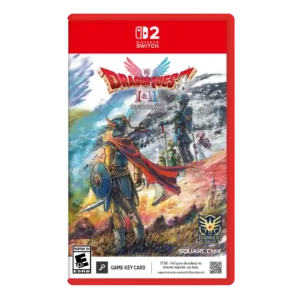
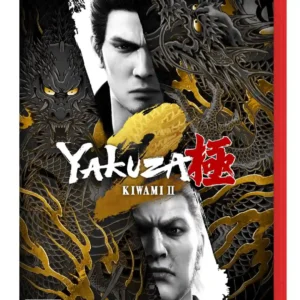
Dragon Quest I & II HD-2D Remake
Where It Has the Edge
- save system reliability is 5.0 vs 2.5. Autosave and expanded save options were repeatedly praised for reducing frustration and supporting portable play.

Scorata scores summarize analyzed review evidence on a 1–5 scale; they are not laboratory measurements or a simple average of customer star ratings. Feature scores summarize the reviews covering that feature. The overall score averages feature scores within each review, then combines review averages. When both expert and customer evidence are available, those two groups receive equal weight. Products can have different review coverage, so small score gaps do not establish a winner.
Recommendations prioritize important features for the category, with a score of at least 3.5, a gap of at least 0.25 points and at least two supporting reviews per product. Features with widely varying scores or broad connectivity contexts are excluded from recommendations. These safeguards do not establish statistical significance.
Quick verdict
The review evidence points to a tradeoff: save system reliability versus exploration quality and boss design. Choose according to which strengths matter more to you; the overall score alone does not settle that choice.
Choose Dragon Quest I & II HD-2D Remake for save system reliability.
Choose Yakuza Kiwami 2 for exploration quality and boss design.
Scores are out of 5. Missing scores mean missing review evidence, not a missing feature.
Reviewers valued the difficulty options, markers, and other quality-of-life settings for making the old games easier to approach without fully erasing their classic feel.
The settings offer useful subtitle, camera, difficulty, blood-level, and tip controls, but the lack of colorblind modes is a notable omission.
One reviewer highlighted sharing the remakes with children as a positive next-generation experience, supporting family appeal.
The game’s adult humor, red-light-district setting, sexualized side material, and violent comedy make it a poor fit for families seeking broadly kid-friendly content.
Fast travel convenience was one of the few quality-of-life choices criticized for reducing tension and undermining dungeon-exit magic.
Cab travel keeps cross-city movement quick, helping players move between story beats and side activities without much friction.
Frame rate impressions were very positive on Switch 2 and handheld play, with reviewers citing stable 60 FPS or no drops.
Performance depends heavily on platform. Older console and Switch 2 coverage often cites a 30fps target and occasional drops, while some reviewers reported stable or smoother experiences on other hardware.
One preview emphasized the games' JRPG legacy as a reason to experience them, supporting their faithfulness to Dragon Quest history.
Kiwami 2 preserves the series’ defining contrast between serious crime drama and absurd side stories particularly well. That familiar tonal balance is a major part of its appeal.
Animation quality was praised in both battle and enemy presentation, with reviewers noting smooth movement and lively spell or monster animations.
The Dragon Engine delivers fluid, expressive action and impressive character work, though ragdoll excess, older motion-capture data, and occasional stiff transitions can stand out.
Difficulty split reviewers: many liked the tougher, more meaningful challenge, but several criticized RNG spikes, grinding walls, or frustrating solo encounters.
Difficulty is one of the less consistent areas: weapons can trivialize some bosses, while other fights, Clan Creator missions, or minigames can spike sharply. Several reviewers preferred the easier combat to earlier frustration, but balance is uneven.
Grinding remained a concern for some reviewers, but others felt difficulty modes and balancing made the grind less draining than older versions.
Most progression feels generous, but a few side systems can become grindy. Clan Creator and other optional activities are the main places where repetition can wear thin.
Reviewers praised the presentation, music, and environments for making the adventure feel rich, magical, and immersive.
Rich city detail, seamless interiors, ambient noise, and constant street activity make the setting easy to sink into. Story-focus issues occasionally pulled individual reviewers out, but the world itself is strongly immersive.
Exploration was generally praised for rewarding secrets, treasure, and open-ended discovery, though one underwater segment was called slow and awkward.
Compact city layouts reward wandering with side stories, arcades, restaurants, and other discoveries. Reviewers liked how much activity is packed into small spaces, even when the world is modest by modern open-world standards.
Polish was praised where reviewers found the remake approachable, refined, and modernized.
The Dragon Engine creates a notably smooth, modern-feeling version of the game. Seamless transitions and refined presentation help the remake feel current even where older design choices remain visible.
Mini Medals and hidden interactables were praised for encouraging players to inspect the world more carefully.
Fights make unusually playful use of the environment, from bicycles and signs to destructible interiors and NPC-assisted Heat Actions. That physical interaction helps street brawls feel chaotic and distinctive.
Side characters were praised for compensating for silent protagonists and making the expanded story feel more emotionally alive.
Ryuji Goda, Kaoru Sayama, Majima, and the broader supporting cast receive substantial praise. Ryuji in particular is often described as a memorable foil, though some reviewers wanted more screen time for him or Majima.
The added Princess of Cannock and more useful party members were repeatedly praised as natural, valuable additions to Dragon Quest II.
The returning and new cast is a major strength, with memorable allies, rivals, and eccentric side characters. The ensemble helps sustain both the crime drama and the lighter substories.
Steam Deck play was praised as an ideal way to experience the remakes, helped by performance and save support.
Portability is a major selling point of the Switch 2 version. Reviewers liked having the full Yakuza experience on the go, even when they preferred other platforms for smoother performance.
Reviewers praised Sigils, Scrolls, and other new mechanics for adding meaningful choices while keeping the classic JRPG foundation intact.
The mix of brawling, exploration, RPG-style growth, and side activities works together smoothly. Reviewers especially liked how quickly the game can shift between these systems.
Writing and localization were praised for adding character, humor, and series-appropriate flavor to the remakes.
The script, localization, and side-story writing are widely praised for balancing crime-drama seriousness with bizarre comedy. A few reviewers note occasional older-story awkwardness, but the dialogue and character work remain strong.
Reviewers especially praised Dragon Quest II's party members for gaining stronger arcs, personalities, and interpersonal chemistry.
Major characters get meaningful arcs, especially the new faces tied to the central conflict. Reviewers praise how those developments deepen both the rivalry and the emotional stakes.
Remake quality was the clearest strength: reviewers repeatedly called these definitive, transformative, or thoughtful updates to foundational JRPGs.
The remake is widely viewed as an ambitious modernization with major visual, combat, and content upgrades. A minority of long-time fans prefer the original’s coherence or dislike removed and altered material.
Pacing was one of the more mixed areas: some found the flow excellent, while others felt added content created bloat or uneven late-game stretches.
Most reviewers praise the main story’s forward momentum, but a smaller group found interruptions, fetch-like detours, or late-game sequencing disruptive. The tone also deliberately alternates between urgent drama and optional silliness.
The expanded narrative was repeatedly praised for making the Erdrick trilogy feel richer, more cohesive, and less like a bare-bones relic.
The crime story is the product’s biggest consensus strength, with frequent praise for its tension, twists, characters, and emotional payoff. A minority found it messy, melodramatic, or less engaging than other Yakuza entries.
Combat was widely seen as engaging and more strategic, though several reviewers noted Dragon Quest I's solo fights could become frustrating or unfair.
Combat is widely enjoyed for brutal Heat Actions, environmental weapons, and seamless brawls, but the single fighting style divides opinion. Fans of the older multi-style system may find it shallower or more repetitive.
Reviewers appreciated the expanded worlds, new mechanics, and added content, especially in Dragon Quest II.
The game is packed with substories, arcade games, karaoke, cabaret management, Clan Creator, gambling, sports, and other distractions. Cabaret Club is a frequent favorite, while some individual modes land less consistently.
Scrolls and character growth were praised for adding light customization and clearer progression without becoming overly complicated.
Five experience categories feed stats, abilities, and Heat Actions, and many reviewers like how ordinary activities contribute to growth. A few find the menus or progression less exciting than earlier skill-tree approaches.
Graphics received near-universal praise, with reviewers repeatedly calling the HD-2D presentation brilliant, gorgeous, stunning, or full of life.
The Dragon Engine makeover earns near-universal praise for detailed character models, lighting, city streets, and cinematic presentation. Even reviewers with performance complaints generally consider the visual upgrade a major success.
Environmental detail stood out through lighting, interiors, water, clouds, towns, and dungeons that made the world feel richer.
The two city districts are dense with storefronts, lighting, reflections, interiors, crowds, and small visual touches. Reviewers repeatedly say the detail makes familiar streets feel alive.
Multiple reviewers described unusually strong emotional payoffs, including poignant scenes and endings that made them stop, reflect, or cry.
The main story and character arcs land with surprising emotional weight for many reviewers. Majima’s material, Kiryu’s relationships, and the finale were singled out as genuinely affecting.
Fun factor was very high overall, with several reviewers saying the remakes were hard to stop playing or simply a great time.
Most reviewers found Kiwami 2 enormously entertaining, often because it can pivot from intense crime drama to ridiculous side activities without losing its identity. Even several critics still described the overall experience as fun.
Load times were praised in preview coverage as quick, matching the strong Switch 2 performance profile.
Seamless movement into shops and fights is a major quality-of-life improvement, and newer storage cuts waits further. Reviewers repeatedly praised how little interruption there is between exploration and action.
Visual effects were praised for making attacks and spells feel spectacular while preserving the nostalgic tone.
Lighting, reflections, particles, and other Dragon Engine effects add polish to fights and city scenes. Reviewers especially notice how these touches strengthen the remake’s visual impact.
Autosave and expanded save options were repeatedly praised for reducing frustration and supporting portable play.
Saving itself is dependable, but one reviewer disliked the roughly thirteen manual slots and wanted enough room to preserve more chapter-by-chapter saves.
Reviewer evidence supports replay value across the listed reviews.
The abundance of optional activities gives players reasons to keep exploring after the main story. The core narrative is linear, but unfinished substories and minigames make returning easy.
Value was generally positive because two expanded remakes come in one package, though one reviewer wished the price were lower.
Reviewers commonly see the package as strong value thanks to its long story and enormous side-content library, especially at discounted pricing. A few comparisons become less favorable when competing Yakuza releases are similarly priced.
Interface changes, shortcut assignments, and UI overhaul were praised for making these old games easier to play.
The Switch 2 interface can look noticeably blurry on 1440p or 4K displays because some 2D assets are not rendered at native resolution. It is a visual blemish rather than a fundamental usability failure.
Bosses earned strong praise when they forced strategy and felt rewarding, though a few reviewers disliked specific frustrating fights.
Major showdowns are often praised as spectacular and satisfying, especially Ryuji Goda encounters. A few reviewers found difficulty or balance uneven, but the set-piece presentation is a recurring strength.
World-building was strengthened by expanded towns, lore links, and details that made Alefgard and the trilogy feel more alive.
The compact districts gain personality through dense detail, recurring locations, side stories, and long-running character relationships. Reviewers describe them as places that feel increasingly familiar and real.
Protagonist appeal was mixed: the lone hero concept intrigued some reviewers, but silent protagonists felt bland to others beside voiced side characters.
Kiryu remains a major reason the game works, combining intimidating combat ability with empathy and an earnest desire to help people. Reviewers repeatedly respond to that contrast.
Voice acting was usually praised for adding emotion and personality, with one reviewer finding the quality uneven but improved.
The Japanese performances are a standout, giving major confrontations and dramatic scenes convincing weight. Reviewers repeatedly praise the cast even while noting the absence of an English dub in some versions.
Performance optimization received praise from reviewers who reported smooth play and no major performance issues.
Technical results vary sharply by platform. PC and some console coverage is very positive, while Switch 2 reviewers frequently flag a 30fps target, frame pacing, or busy-area dips despite otherwise impressive portability.
The orchestral soundtrack was widely praised, though one reviewer found repeated tracks tiring over long play sessions.
The music is usually praised for energetic battle tracks and strong atmosphere, though reactions are not unanimous. Some reviewers found it less memorable or disliked specific replacement music compared with the original.
Some reviewers were comfortable with the series’ outrageous adult humor, while others objected to sexualized or sleazy side content. Shoppers sensitive to that material should expect a deliberately mature tone.
When the Dragon Engine clicks, Kiryu feels quick, smooth, and responsive to control. Reviewers especially liked the faster recovery and more fluid combat feel compared with earlier iterations.
Some Switch 2 menu assets look soft or blurry on higher-resolution displays. The functional design remains usable, but presentation quality does not always match the 3D game.
One reviewer criticized the automated battle behavior, saying the AI made poor choices rather than feeling genuinely wise.
The HD-2D art direction was strongly praised for respecting old JRPG roots while making the worlds feel striking and modern.
Kamurocho and Sotenbori are repeatedly praised for their neon-lit bustle, ambient sound, and lived-in personality. The cities make returning locations feel vivid rather than merely recycled.
One Switch 2 reviewer reported a clean playthrough with no bugs. That experience paired smooth moment-to-moment play with minimal loading.
The camera can become a real nuisance in fights, with reviewers citing close framing or trouble keeping up with fast action. These problems can make attacks and prompts harder to read.
The blend of serious story chapters, street fights, exploration, and absurd side activities creates an effective rhythm. Reviewers liked being able to shift between intense drama and lighter distractions.
Experience and other currencies arrive at a pace one reviewer considered fair, allowing steady upgrades without turning progression into a chore.
Distinct enemy types and mechanics help fights evolve as the story escalates. The variety is not enormous, but tougher groups introduce useful changes to the basic brawling rhythm.
Character expressions benefit from the Dragon Engine’s added detail and help the dramatic scenes look more modern. They contribute to the remake’s strong cinematic presentation.
The main story generally provides a substantial campaign, while optional activities can multiply the playtime dramatically. Completion-minded players can spend dozens of additional hours in side stories and minigames.
Kiwami 2 refines familiar Yakuza systems more than it reinvents them. One reviewer felt it did little mechanically special beyond combining Yakuza 6 technology with Yakuza 2’s story.
The basic combat controls are easy to grasp, while timing blocks, dodges, weapons, and Heat Actions leave room to improve. That makes the action approachable without being completely one-note.
The story draws heavily on prior Yakuza history and clan relationships, rewarding players who know the earlier games. A recap helps, but the continuity carries more weight with that background.
Majima’s bonus campaign is the clearest point of disagreement. Its character moments can be emotional and entertaining, but several reviewers call the playable portion brief, stripped-down, or underwhelming.
One reviewer specifically praised the progression for avoiding microtransactions entirely. Growth comes from playing, exploring, eating, fighting, and completing stories instead.
The in-game progression was praised for handing out its currencies at a fair rate and not pushing paid shortcuts. That keeps character growth tied to normal play.
Traversal and fighting are generally more fluid under the Dragon Engine, though 30fps versions can feel less smooth. Several reviewers still preferred the tighter, snappier feel over Yakuza 6.
A recap helps newcomers follow the immediate plot, but many reviewers strongly recommend playing Yakuza 0 and Yakuza Kiwami first. Prior context adds weight to relationships and returning characters.
The remake preserves the familiar Yakuza formula rather than reinventing it. That consistency is comfortable for fans, but a few reviewers felt Kiwami 2 borrows heavily from Yakuza 6 without establishing enough of its own mechanical identity.
Kiryu and Kaoru Sayama’s developing relationship won over reviewers who were initially skeptical. Their chemistry and mutual respect add warmth and vulnerability to the crime drama.
The streamlined ability menu is functional but less exciting than the more visual skill-tree systems in some earlier games. One reviewer found leveling notably workmanlike and unexciting.
Upgrades are straightforward and rewarding, letting players improve stats and unlock useful or spectacular combat abilities. The system supports steady growth without requiring a rigid unlock path.
Stored weapons add flexibility, but they can also make combat and bosses dramatically easier. For some players that reduces frustration; for others it undermines challenge.
The included or bonus content can add useful extras, but some reviewers found powerful Clan Creator items distort the mode’s balance. Its value depends on whether convenience matters more than preserving challenge.
Platform-specific support drew criticism from one reviewer because the Switch version lacked a paid upgrade path to Switch 2.
Dungeon design drew criticism from one reviewer for feeling visually varied but structurally uninspired and light on distinctive traits.
Navigation tools were praised for streamlining play, though objective markers could make some classic item hunts feel too rudimentary.
Kamurocho and Sotenbori are small compared with sprawling open worlds, yet they are dense and purposeful. Some reviewers found that compactness claustrophobic; others preferred the concentration of activities and detail.
Heat-action prompts can be frustratingly brief or unreliable. Reviewers who struggled with them felt the timing got in the way of otherwise flashy combat.
Substories are a major attraction, mixing absurd comedy, character moments, useful rewards, and occasional combat benefits. Most are warmly received, though some reviewers found a portion forgettable or filler-like.
Ambient city noise and combat audio help sell both quiet street scenes and sudden brawls. One reviewer specifically found the overall sound design improved, with only a few elements standing out awkwardly.

Best for fluid traversal, rewarding exploration, striking art, and forgiving quality-of-life features. Skip it if you want deep combat, radical genre innovation, or consistently demanding bosses.
Pros: difficulty balance, boss design
Cons: innovation, sandbox freedom

Best for superb combat, inventive builds, and richly voiced characters. Skip it if repeated runs, resource gathering, or visually busy battles outweigh the appeal of steady progress.
Pros: overall quality, combat system
Cons: pacing, grind level

Good if you want a beautiful, demanding survival sandbox built around exploration, building, progression, and memorable co-op. Skip it if long resource runs, harsh death recovery, and deliberate pacing sound...
Pros: town-building system, exploration quality
Cons: grind level, fast travel convenience

Leonida is a breathtakingly alive crime sandbox with memorable protagonists, spectacular heists, and extraordinary detail. The tradeoff is a 30 fps ceiling, occasional control awkwardness, and some progression friction.
Pros: immersion, graphics quality
Cons: grind level, controls responsiveness