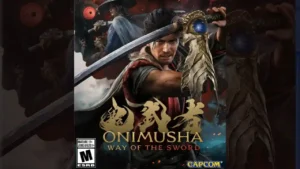
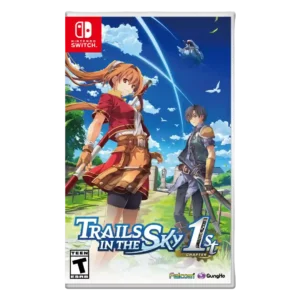
Compare Trails in the Sky 1st Chapter vs Onimusha: Way of the Sword

Trails in the Sky 1st Chapter

Trails in the Sky 1st Chapter

Overall score 4.4 / 5

Based on 33 scored reviews

vs
Onimusha: Way of the Sword

Onimusha: Way of the Sword

Overall score 4.1 / 5

Based on 100 scored reviews

How we score

Scorata scores summarize analyzed review evidence on a 1–5 scale; they are not laboratory measurements or a simple average of customer star ratings. Feature scores summarize the reviews covering that feature. The overall score averages feature scores within each review, then combines review averages. When both expert and customer evidence are available, those two groups receive equal weight. Products can have different review coverage, so small score gaps do not establish a winner.

Recommendations prioritize important features for the category, with a score of at least 3.5, a gap of at least 0.25 points and at least two supporting reviews per product. Features with widely varying scores or broad connectivity contexts are excluded from recommendations. These safeguards do not establish statistical significance.

Quick verdict

What each product is best for

The review evidence points to a tradeoff: map and navigation design and fun factor versus facial animations and writing quality. Choose according to which strengths matter more to you; the overall score alone does not settle that choice.

Choose Trails in the Sky 1st Chapter for map and navigation design and fun factor.

Choose Onimusha: Way of the Sword for facial animations and writing quality.

Why these recommendations?

Trails in the Sky 1st Chapter

Where It Has the Edge

  • map and navigation design is 4.3 vs 2.0. Map and navigation design was mostly praised for reducing friction, though one reviewer disliked markers spoiling riddle-style quests.
  • fun factor is 4.7 vs 4.3. Fun factor was very positive, with reviewers calling it a blast, a 10/10, and instantly lovable.
  • gameplay mechanics is 4.7 vs 4.3. Reviewers praised the gameplay changes as a broad improvement, especially how the remake’s enhancements improve overall flow.

Onimusha: Way of the Sword

Where It Has the Edge

  • facial animations is 4.9 vs 2.9. Facial animation is repeatedly described as among the game’s best visual work, especially Musashi’s expressive mannerisms and subtle...
  • writing quality is 4.5 vs 3.6. The writing is strongest in character banter, relationships, and emotional moments, though a few reviews describe the larger...
  • emotional impact is 4.5 vs 4.0. Despite the action-heavy premise, reviewers frequently found the character relationships, personal arcs, and later story beats funny, heartfelt,...
Trails in the Sky 1st Chapter 4.4 overall score
Onimusha: Way of the Sword 4.1 overall score

Compare features

Scores are out of 5. Missing scores mean missing review evidence, not a missing feature.

Scored on both products

Comfort and build

Map and navigation design
Trails in the Sky 1st Chapter
4.3

Map and navigation design was mostly praised for reducing friction, though one reviewer disliked markers spoiling riddle-style quests.

Onimusha: Way of the Sword
2.0

Eastern Kyoto can feel maze-like, and map controls or blocked routes sometimes make simple travel more awkward than it should be.

Quest design
Trails in the Sky 1st Chapter
4.5

Quest design was generally praised for attaching story, character moments, and worldbuilding to side activities instead of leaving them as empty errands.

Onimusha: Way of the Sword
2.7

The side content is uneven: Lady Murasaki’s Mysteries and character-focused quests receive real praise, while generic fetch, kill, and resource jobs are frequently dismissed as filler.

Level design
Trails in the Sky 1st Chapter
3.2

Level design received limited criticism, mainly that some repeated tower-style spaces could feel tedious.

Onimusha: Way of the Sword
4.2

The handcrafted linear stages are generally the strongest spaces, with memorable temples, castles, laboratories, and supernatural areas. The hub and a few repetitive routes are less consistently praised.

World-building
Trails in the Sky 1st Chapter
4.7

World-building was one of the strongest attributes, with repeated praise for living NPCs, regional culture, and detailed continuity.

Onimusha: Way of the Sword
4.6

Real mythology, Edo-period details, optional legends, and character stories give Kyoto a rich backdrop that many reviewers found unusually rewarding to dig into.

User interface design
Trails in the Sky 1st Chapter
4.5

User interface design was praised for easy navigation and a modern UI, though evidence was limited.

Onimusha: Way of the Sword
4.5

The UI is praised for being restrained, clear, and largely out of the player’s way.

Other features

Mission variety
Trails in the Sky 1st Chapter
4.3

Mission variety received positive but limited evidence, mainly around enough quest and objective variety to avoid slogging.

Onimusha: Way of the Sword
2.0

Fetch quests, repeated demon-clearing jobs, and reused overworld activities create a clear sense of repetition between the stronger set-piece missions.

Bug frequency
Trails in the Sky 1st Chapter
2.8

Bug frequency received one notable negative report of a fight lockup.

Onimusha: Way of the Sword
5.0

The reviewers who discussed technical reliability reported playthroughs without notable bugs, glitches, or crashes.

Crash stability
Trails in the Sky 1st Chapter
2.8

Crash stability was flagged by one reviewer who had to Alt-F4 after a battle lockup.

Onimusha: Way of the Sword
5.0

The reviewers who addressed crashes reported stable playthroughs without crashes, reinforcing the broader impression of strong technical reliability.

Facial animations
Trails in the Sky 1st Chapter
2.9

Facial animations and lip sync were more mixed, with explicit criticism of off lip syncing and awkward presentation.

Onimusha: Way of the Sword
4.9

Facial animation is repeatedly described as among the game’s best visual work, especially Musashi’s expressive mannerisms and subtle reactions during both cutscenes and gameplay.

Grind level
Trails in the Sky 1st Chapter
4.7

Grind level was praised in one review for reducing grinding almost entirely.

Onimusha: Way of the Sword
3.0

Several reviewers criticize material gathering and repeated combat as unnecessary grind, especially around upgrades. Others found resources plentiful enough that deliberate grinding was rarely required.

Tutorial quality
Trails in the Sky 1st Chapter
2.8

Tutorial quality drew a clear complaint around poorly explained cooking, and another reviewer warned that combat systems lack intuitive onboarding.

Onimusha: Way of the Sword
4.5

Story mode’s prompts and the practice systems make the timing-heavy mechanics easier to understand, with reviewers praising their usefulness for newcomers and mastery alike.

Progression system
Trails in the Sky 1st Chapter
4.7

The Orbment/progression systems were praised for flexible character building and rewarding experimentation.

Onimusha: Way of the Sword
3.0

Progression is split between useful skill growth and incremental stat upgrades. Some reviewers enjoy how new abilities change combat, while others barely feel the numerical gains.

Content variety
Trails in the Sky 1st Chapter
3.4

Content variety was mixed, with praise for activities and environments but complaints that new remake content is minor or fluffy.

Onimusha: Way of the Sword
2.0

One recurring complaint is that the overworld leans on repetitive objectives and familiar enemy groups, reducing variety outside the bespoke story stages and bosses.

Pacing
Trails in the Sky 1st Chapter
4.0

Pacing was the clearest tradeoff: many liked the slow-burn structure, while several warned about long dialogue or cutscene-heavy stretches.

Onimusha: Way of the Sword
2.6

Pacing is the most repeated non-combat concern: early hub stretches, side activities, backtracking, and recycled fights can drag. The linear story missions and final run of set pieces are much more frequently praised for momentum.

Core gameplay loop
Trails in the Sky 1st Chapter
4.7

The core loop was praised for blending action entry points, turn-based follow-through, and rewarding pacing that kept reviewers engaged.

Onimusha: Way of the Sword
3.6

At its best, the loop of dueling, mastering defensive timing, absorbing souls, and upgrading Musashi is highly compelling. Some reviewers felt the opening and repeated hub chores obscure that excellent core.

Narrative quality
Trails in the Sky 1st Chapter
4.6

Narrative quality was heavily praised for its engaging mystery, character-driven structure, and satisfying setup despite being a first chapter.

Onimusha: Way of the Sword
3.6

Story reception is divided. Many reviewers love the character-driven tale, humor, relationships, and emotional beats, while others call the plot thin, convoluted, or less memorable than the combat.

Dialogue quality
Trails in the Sky 1st Chapter
3.7

Dialogue quality had limited but notable criticism around awkward sentence structures.

Onimusha: Way of the Sword
4.6

Character banter and comic exchanges give the cast personality, while quieter conversations help sell relationships and the reluctant-hero tone.

Writing quality
Trails in the Sky 1st Chapter
3.6

Writing quality was mixed: many praised the worldbuilding and story, but several criticized localization, grammar, awkward phrasing, or lost personality.

Onimusha: Way of the Sword
4.5

The writing is strongest in character banter, relationships, and emotional moments, though a few reviews describe the larger script as more serviceable than exceptional.

Upgrade system
Trails in the Sky 1st Chapter
4.4

Upgrade systems were viewed positively for making gear and Orbment improvements easier and more convenient.

Onimusha: Way of the Sword
3.6

Upgrades are mixed: combat skills and some equipment boosts feel meaningful, while incremental stat gains and material requirements can feel dull, imperceptible, or grindy.

Character development
Trails in the Sky 1st Chapter
4.8

Character development was praised for Estelle and Joshua’s growth, their bond, and the way the remake carries emotional arcs.

Onimusha: Way of the Sword
4.1

Musashi’s reluctant-hero arc and growing acceptance of the Oni gauntlet are widely appreciated, as are several supporting arcs. Some reviewers wanted the Ganryu rivalry and parts of the cast developed further.

Polish
Trails in the Sky 1st Chapter
4.1

Polish was mostly positive, but some reviewers noted localization, publishing, or rough-edge concerns.

Onimusha: Way of the Sword
3.4

The combat, animation, and major presentation beats feel highly polished, but reviewers also point to camera issues, repetitive content, minor technical roughness, and uneven secondary systems.

Emotional impact
Trails in the Sky 1st Chapter
4.0

Emotional impact was praised in standout scenes, though one reviewer felt a key late scene lost impact versus the original.

Onimusha: Way of the Sword
4.5

Despite the action-heavy premise, reviewers frequently found the character relationships, personal arcs, and later story beats funny, heartfelt, or unexpectedly moving.

Accessibility options
Trails in the Sky 1st Chapter
3.9

Accessibility impressions were mixed: reviewers appreciated adjustability and difficulty options, but one specifically noted the lack of colorblind mode.

Onimusha: Way of the Sword
4.4

Story mode earns strong praise for wider timing windows and real-time action prompts that teach parries, dodges, deflects, and Issens. One review still wanted broader visual accessibility options.

Side character depth
Trails in the Sky 1st Chapter
4.5

Side character depth was mostly positive, especially for party members, though some reviewers felt certain supporting arcs remained thin.

Onimusha: Way of the Sword
4.0

Shizuka, Okuni, Takamura, and Ganryu often earn praise for personality and chemistry with Musashi, though some reviewers wanted the rival storyline to go deeper.

Fun factor
Trails in the Sky 1st Chapter
4.7

Fun factor was very positive, with reviewers calling it a blast, a 10/10, and instantly lovable.

Onimusha: Way of the Sword
4.3

Most reviewers found the swordplay and boss mastery intensely fun and addictive, often seeking extra fights simply to keep playing. Repetition and padding are the main factors that wear down that enthusiasm.

Learning curve
Trails in the Sky 1st Chapter
3.8

Learning curve impressions varied: one reviewer called the systems approachable, while another found the combat complexity and tutorials potentially off-putting.

Onimusha: Way of the Sword
4.2

The combat is easy to understand but demanding to master, and many reviewers enjoy the process of learning timing and boss patterns. Some training and system explanations could be clearer.

Gameplay mechanics
Trails in the Sky 1st Chapter
4.7

Reviewers praised the gameplay changes as a broad improvement, especially how the remake’s enhancements improve overall flow.

Onimusha: Way of the Sword
4.3

The layered defensive options, soul management, armaments, environmental tools, and resource systems create unusually rich moment-to-moment play. A few explanations and secondary systems can feel confusing or less polished.

Difficulty balance
Trails in the Sky 1st Chapter
4.3

Difficulty balance was mostly praised as strategic and rewarding, with some warnings about spikes or more demanding modes.

Onimusha: Way of the Sword
4.0

Difficulty is demanding but generally regarded as rewarding, with Story mode offering a gentler route and Action mode asking for precise play. Opinions split where normal enemies feel too easy or late bosses become punishing and unforgiving.

Onboarding experience
Trails in the Sky 1st Chapter
4.8

Reviewers consistently considered this remake an approachable starting point for newcomers to the Trails series.

Onimusha: Way of the Sword
4.5

The easiest Story setting is praised as an effective introduction to modern timing-based action, especially because it teaches defensive responses without turning the game into a passive tutorial.

Camera behavior
Trails in the Sky 1st Chapter
2.6

Camera behavior drew a clear complaint in tight combat spaces.

Onimusha: Way of the Sword
2.8

Cinematic camera work can make attacks look spectacular, but combat framing is inconsistent. A few reviewers found the camera could get trapped or become frustrating near walls and bosses.

Exploration quality
Trails in the Sky 1st Chapter
4.7

Exploration was praised for scale and connected spaces that made the remade Liberl feel more convincing.

Onimusha: Way of the Sword
4.5

Exploration can be rewarding when it leads to charms, upgrade materials, myths, portals, or secrets. The strongest praise comes from reviewers who enjoyed searching every corner despite reservations about the hub structure.

Animation quality
Trails in the Sky 1st Chapter
4.6

Animation quality was praised for expressive character animation, cutscene choreography, and flashy combat animations.

Onimusha: Way of the Sword
4.4

Animation is one of the game’s clearest showpieces, with bespoke parries, blocks, executions, facial reactions, and combat transitions repeatedly singled out as exceptional. A few reviewers noticed a gap between cinematic and gameplay presentation.

Fast travel convenience
Trails in the Sky 1st Chapter
4.6

Fast travel convenience was repeatedly praised for cutting down backtracking and making quest cleanup faster.

Onimusha: Way of the Sword
4.8

Spirit Mirrors make revisiting areas straightforward, although travel is tied to those points rather than available from anywhere. One reviewer specifically liked that restraint.

Immersion
Trails in the Sky 1st Chapter
4.6

Immersion was praised for making the world feel more alive through visual and quality-of-life improvements.

Onimusha: Way of the Sword
4.4

Detailed environments, expressive characters, fluid presentation, and the historical-fantasy setting create strong immersion for many reviewers. Repetitive Kyoto layouts and repeated activities can break that spell for some.

Atmosphere
Trails in the Sky 1st Chapter
4.7

Atmosphere was praised for its slow, cozy, easy-breezy sense of place.

Onimusha: Way of the Sword
4.5

The blend of samurai action, body horror, mythology, and distinct locations creates a strong dark-fantasy atmosphere. The best areas feel eerie and characterful rather than like generic combat spaces.

Character roster
Trails in the Sky 1st Chapter
4.5

The character roster was praised for its memorable supporting cast, though one review noted some arcs and backstories are not fully developed yet.

Onimusha: Way of the Sword
4.7

The supporting cast is a major strength, with Shizuka, Okuni, Takamura, Ganryu, and the villains repeatedly praised for personality and memorable interactions.

Lore depth
Trails in the Sky 1st Chapter
4.7

Lore depth was praised for its connected saga, worldbuilding, and long-term setup.

Onimusha: Way of the Sword
4.5

Japanese myths, legends, readables, collectibles, and side stories give the world substantial optional lore without requiring prior knowledge of the series.

Frame rate stability
Trails in the Sky 1st Chapter
4.8

Frame rate stability received direct praise for smooth performance and short loads.

Onimusha: Way of the Sword
4.7

Performance is strong across PS5, Xbox, Switch 2, PC, and handheld testing, with many reports of stable targets and smooth combat. Steam Deck’s Eastern Kyoto hub is the main recurring performance caveat.

Handheld play suitability
Trails in the Sky 1st Chapter
4.7

Handheld play suitability was praised across Switch/TV, Steam Deck, and short-burst play impressions.

Onimusha: Way of the Sword
4.8

Steam Deck and Switch 2 coverage is notably positive, with playable performance and strong visuals on the go despite heavier battery or CPU load in Eastern Kyoto.

Combat system
Trails in the Sky 1st Chapter
4.6

Combat drew the strongest agreement: reviewers liked the hybrid real-time and command-battle system, though a few found the action side simple.

Onimusha: Way of the Sword
4.8

The sword combat is the overwhelming consensus highlight: precise, weighty, reactive, and deeply satisfying, with parries, deflects, dodges, Issens, clashes, and Oni Armaments giving players meaningful options. Even critical reviews tend to praise the core fighting.

Graphics quality
Trails in the Sky 1st Chapter
4.7

Graphics quality was widely praised, with a few caveats around stiffness or imperfect 3D presentation.

Onimusha: Way of the Sword
4.8

The game is widely regarded as gorgeous, with strong character models, lighting, environments, and RE Engine presentation across platforms. Performance modes and the gap between cinematic and gameplay rendering introduce only minor visual compromises for most reviewers.

Load times
Trails in the Sky 1st Chapter
4.6

Load times received limited positive evidence around seamless battles and lack of loading transitions.

Onimusha: Way of the Sword
4.5

Transitions between cutscenes and gameplay are described as seamless, and retries after defeat are quick enough to keep difficult fights moving.

Visual effects quality
Trails in the Sky 1st Chapter
4.7

Visual effects were praised for making Arts, Crafts, and combat animation look spectacular.

Onimusha: Way of the Sword
4.8

Sparks, slow-motion reactions, attack effects, and cinematic finishing flourishes make clashes look dramatic without obscuring the swordplay.

Environmental detail
Trails in the Sky 1st Chapter
4.6

Environmental detail was praised for expanded roads, visible distant locations, and faithful recreation of remembered spaces.

Onimusha: Way of the Sword
4.6

Kyoto, temples, forests, palaces, and supernatural spaces are praised for dense detail, historical texture, lighting, and small visual touches that reward close attention.

Art direction
Trails in the Sky 1st Chapter
4.9

Art direction was praised for vibrant, expressive presentation and faithful anime-style modernization.

Onimusha: Way of the Sword
4.8

Reviewers consistently praise the grotesque Genma, corrupted Kyoto, historical architecture, and supernatural imagery. The aesthetic feels recognizably Onimusha while benefiting from much richer modern detail.

Controls and connectivity

Menu usability
Trails in the Sky 1st Chapter
3.6

Menu usability was mixed, with praise for tracking but complaints about Arts/menu friction and inaccurate or issue-prone menus.

Onimusha: Way of the Sword
4.5

The interface and menus are praised for staying unobtrusive and avoiding unnecessary tab complexity.

Protagonist appeal
Trails in the Sky 1st Chapter
4.9

Protagonist appeal was very strong, with reviewers repeatedly praising Estelle and Joshua as charming, complementary, and easy to follow.

Onimusha: Way of the Sword
4.6

Musashi is one of the strongest points of agreement: reviewers repeatedly call him charismatic, funny, cool, expressive, and easy to root for, with only a small minority finding his arc less compelling.

Voice acting
Trails in the Sky 1st Chapter
4.4

Voice acting was mostly praised for strong performances, though a few reviewers disliked specific English delivery or partial/awkward implementation.

Onimusha: Way of the Sword
4.2

Japanese performances receive near-universal praise, while English-language reactions are more mixed because of accent choices and occasional odd delivery. Several English cast members are still singled out for excellent work.

Controls responsiveness
Trails in the Sky 1st Chapter
4.7

When mentioned, controls were described as smooth, responsive, and easy to execute in both combat styles.

Onimusha: Way of the Sword
4.5

Reviewers who directly addressed the controls describe them as tight and responsive, which helps the demanding timing-based combat feel fair.

Ownership and support

Value for money
Trails in the Sky 1st Chapter
4.1

Value for money was positive overall, with praise for $60 value and trying both versions, while one reviewer noted the original is cheaper.

Onimusha: Way of the Sword
4.5

Reviewers who directly discussed price generally felt the campaign quality, replay options, and production values justify the cost for action fans.

Platform-specific feature support
Trails in the Sky 1st Chapter
4.8

Platform-specific feature support received praise for the PC port’s Steam integration.

Onimusha: Way of the Sword
4.5

Console and Switch 2 versions are generally well supported with useful performance options and stable play; Switch 2-specific control features are seen as fun if somewhat gimmicky.

Performance

Soundtrack quality
Trails in the Sky 1st Chapter
4.6

Soundtrack quality was strongly praised, although a few reviewers wanted more variety or bolder new arrangements.

Onimusha: Way of the Sword
4.5

The score is praised for mixing traditional Japanese instrumentation with cinematic fantasy and horror tones without overpowering the action.

Performance optimization
Trails in the Sky 1st Chapter
4.9

Performance optimization was praised on PS5 Pro, PC, and PS5, with one reviewer reporting no performance issues or bugs.

Onimusha: Way of the Sword
4.8

Technical optimization is a strong point, with reviewers highlighting smooth frame rates and good visual quality even on less powerful or handheld hardware.

Evidence available for one product

Other features

AI behavior
Trails in the Sky 1st ChapterNo score yet
Onimusha: Way of the Sword
2.0

Regular Genma can be overly passive and easy to dispatch without using the full defensive toolkit, making ordinary encounters feel weaker than the bosses.

Aiming precision
Trails in the Sky 1st ChapterNo score yet
Onimusha: Way of the Sword
2.8

The bow’s generous auto-aim makes headshots easy, but lock-on and targeting can occasionally keep attacks moving in an unwanted direction.

Casting choices
Trails in the Sky 1st ChapterNo score yet
Onimusha: Way of the Sword
4.5

The use of Toshiro Mifune’s likeness and the game’s performance casting are generally viewed as fitting and distinctive, even though a minority questioned the ethics or necessity of recreating a deceased actor.

Checkpoint system
Trails in the Sky 1st ChapterNo score yet
Onimusha: Way of the Sword
3.3

Checkpointing is usually generous, especially around difficult fights, though one reviewer disliked having to restart multi-phase boss encounters from the beginning.

Collectibles
Trails in the Sky 1st ChapterNo score yet
Onimusha: Way of the Sword
3.8

Collectibles often reward exploration with mythology, story details, cosmetics, or progression, and the Lion Dogs and Oni Portals are particular favorites. Some completion-oriented tasks still feel repetitive or low-value.

Economy and resource balance
Trails in the Sky 1st ChapterNo score yet
Onimusha: Way of the Sword
1.5

The material economy is a weak point for some reviewers: common upgrade resources can be oddly expensive or grindy, and their relationship to the broader progression loop feels less refined than the combat.

Endgame content
Trails in the Sky 1st ChapterNo score yet
Onimusha: Way of the Sword
4.5

Post-game play includes harder Carnage difficulty and New Game Plus-style replay, giving mastery-focused players a reason to continue after the credits.

Enemy variety
Trails in the Sky 1st ChapterNo score yet
Onimusha: Way of the Sword
2.5

Common-enemy variety is a recurring weakness, with several reviews noting repeated basic foes and armored variants across a long campaign. Boss variety is much stronger.

Faithfulness to franchise
Trails in the Sky 1st ChapterNo score yet
Onimusha: Way of the Sword
4.6

The revival modernizes movement, camera, scale, and combat without losing the Oni Gauntlet, soul absorption, Issen timing, horror flavor, or eccentric Onimusha identity. Longtime fans largely see it as a successful return.

Game length
Trails in the Sky 1st ChapterNo score yet
Onimusha: Way of the Sword
2.4

Opinions on length are mixed, but the strongest criticism says a superb shorter action game has been stretched into a 25–30 hour experience. A smaller group felt the adventure did not overstay its welcome.

Horror tension
Trails in the Sky 1st ChapterNo score yet
Onimusha: Way of the Sword
4.5

The body horror, grotesque Genma, corrupted environments, and occasional Resident Evil-like sequences add genuine unease without overwhelming the action-adventure focus.

Innovation
Trails in the Sky 1st ChapterNo score yet
Onimusha: Way of the Sword
4.5

Reviewers praise the way the game modernizes Onimusha and combines familiar action ideas into a distinctive parry-centered system rather than simply becoming another Soulslike.

Movement feel
Trails in the Sky 1st ChapterNo score yet
Onimusha: Way of the Sword
3.0

Movement is mixed: modern 3D navigation and wall-running can feel good, while the dodge roll, lack of a normal jump, and some traversal friction draw criticism.

Originality
Trails in the Sky 1st ChapterNo score yet
Onimusha: Way of the Sword
4.0

The best reviews argue that the swordplay has a rhythm and identity of its own despite borrowing from modern action games. More critical voices feel the broader structure follows too many familiar contemporary conventions.

Platforming precision
Trails in the Sky 1st ChapterNo score yet
Onimusha: Way of the Sword
4.5

Wall-running is a small but well-liked traversal addition that expands movement without turning the game into a platformer.

Remake/remaster quality
Trails in the Sky 1st Chapter
4.8

Remake/remaster quality drew overwhelming praise for being faithful, modernized, and a strong entry point, though one reviewer cautioned it does not replace the original.

Onimusha: Way of the SwordNo score yet
Skill tree depth
Trails in the Sky 1st ChapterNo score yet
Onimusha: Way of the Sword
2.0

One critical review argues that some late skill upgrades feel more like delayed quality-of-life fixes than genuinely meaningful progression choices.

Stealth mechanics
Trails in the Sky 1st ChapterNo score yet
Onimusha: Way of the Sword
2.0

Stealth exists, but the reviewer who evaluated it found direct sword combat far more rewarding.

Weapon balance
Trails in the Sky 1st ChapterNo score yet
Onimusha: Way of the Sword
4.5

Oni Armaments fill distinct roles such as healing, stamina damage, and crowd control, and at least one reviewer found each option useful rather than redundant.

World interactivity
Trails in the Sky 1st ChapterNo score yet
Onimusha: Way of the Sword
3.7

Combat benefits from environmental tools such as carts, planks, flames, and destructibles, but one reviewer disliked how many seemingly fragile objects cannot be touched.

Comfort and build

Boss design
Trails in the Sky 1st ChapterNo score yet
Onimusha: Way of the Sword
4.7

Boss fights are the standout attraction: dramatic, mechanically distinct, visually memorable, and built to reward mastery of parries, dodges, deflects, and Issens. The main caveat is repeated use of some minibosses and recurring foes.

Mission design
Trails in the Sky 1st ChapterNo score yet
Onimusha: Way of the Sword
2.0

The bespoke story missions work well, but generic Encounter-style objectives and busywork are repeatedly called filler.

Open-world design
Trails in the Sky 1st ChapterNo score yet
Onimusha: Way of the Sword
1.5

The central Kyoto hub is the most consistent structural complaint. Reviewers often see its fetch quests, repeated streets, and resource chores as padding between much stronger linear levels and boss encounters.

Puzzle design
Trails in the Sky 1st ChapterNo score yet
Onimusha: Way of the Sword
4.5

Puzzles are a light part of the experience, but the secrets and environmental challenges that do appear can be enjoyable diversions from combat.

Sound design
Trails in the Sky 1st ChapterNo score yet
Onimusha: Way of the Sword
4.5

Sharp sword clashes, parry impacts, executions, and other combat sounds give the fighting strong physical feedback and make successful timing feel satisfying.

Controls and connectivity

Character customization
Trails in the Sky 1st ChapterNo score yet
Onimusha: Way of the Sword
3.0

Cosmetic options exist, with additional looks unlocking through play and harder modes, but the selection initially feels limited.

Ownership and support

Replay value
Trails in the Sky 1st ChapterNo score yet
Onimusha: Way of the Sword
4.2

Boss rematches, harder difficulty, challenge rewards, and New Game Plus give combat-focused players meaningful reasons to return. Replaying padded missions is less appealing to some critics.

Other Top Video Games to Consider

#1 Well Dweller
4.7

Best for fluid traversal, rewarding exploration, striking art, and forgiving quality-of-life features. Skip it if you want deep combat, radical genre innovation, or consistently demanding bosses.

Pros: difficulty balance, boss design

Cons: innovation, sandbox freedom

#2 Hades II
4.5

Best for superb combat, inventive builds, and richly voiced characters. Skip it if repeated runs, resource gathering, or visually busy battles outweigh the appeal of steady progress.

Pros: overall quality, combat system

Cons: pacing, grind level

#3 Valheim
4.5

Good if you want a beautiful, demanding survival sandbox built around exploration, building, progression, and memorable co-op. Skip it if long resource runs, harsh death recovery, and deliberate pacing sound...

Pros: town-building system, exploration quality

Cons: grind level, fast travel convenience

#4 Grand Theft Auto VI
4.5

Leonida is a breathtakingly alive crime sandbox with memorable protagonists, spectacular heists, and extraordinary detail. The tradeoff is a 30 fps ceiling, occasional control awkwardness, and some progression friction.

Pros: immersion, graphics quality

Cons: grind level, controls responsiveness