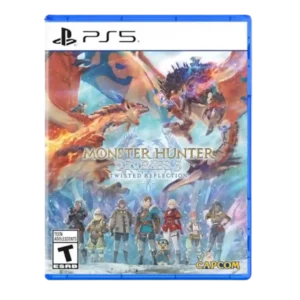
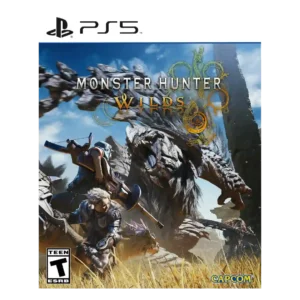
Compare Monster Hunter Wilds vs Monster Hunter Stories 3: Twisted Reflection

Monster Hunter Wilds

Monster Hunter Wilds

Overall score 3.6 / 5

Based on 29 scored reviews

vs
Monster Hunter Stories 3: Twisted Reflection

Monster Hunter Stories 3: Twisted Reflection

Overall score 4.3 / 5

Based on 87 scored reviews

How we score

Scorata scores summarize analyzed review evidence on a 1–5 scale; they are not laboratory measurements or a simple average of customer star ratings. Feature scores summarize the reviews covering that feature. The overall score averages feature scores within each review, then combines review averages. When both expert and customer evidence are available, those two groups receive equal weight. Products can have different review coverage, so small score gaps do not establish a winner.

Recommendations prioritize important features for the category, with a score of at least 3.5, a gap of at least 0.25 points and at least two supporting reviews per product. Features with widely varying scores or broad connectivity contexts are excluded from recommendations. These safeguards do not establish statistical significance.

Quick verdict

What each product is best for

The review evidence points to a tradeoff: multiplayer design and accessibility options versus bug frequency and tutorial quality. Choose according to which strengths matter more to you; the overall score alone does not settle that choice.

Choose Monster Hunter Wilds for multiplayer design and accessibility options.

Choose Monster Hunter Stories 3: Twisted Reflection for bug frequency and tutorial quality.

Why these recommendations?

Monster Hunter Wilds

Where It Has the Edge

  • multiplayer design is 4.2 vs 1.0. Multiplayer design was broadly positive, especially once connected, though some reviewers noted restrictions and setup friction.
  • accessibility options is 4.5 vs 3.3. Reviewers praised the breadth of adjustable settings, including accessibility features, UI controls, and visual options such as color...
  • enemy variety is 4.6 vs 4.3. Enemy variety was highly praised, with reviewers emphasizing strange new creatures, diverse silhouettes, and a memorable monster cast.

Monster Hunter Stories 3: Twisted Reflection

Where It Has the Edge

  • bug frequency is 5.0 vs 2.7. Technical bugs appear rare on the platforms where this was specifically discussed; one long playthrough reported no noticeable...
  • tutorial quality is 4.1 vs 2.5. Tutorials explain a very dense ruleset more smoothly than before, often through the protagonist teaching a rookie. They...
  • content variety is 4.8 vs 3.4. There is a lot to do beyond the main story, including dens, habitat restoration, companion stories, rare monsters,...
Monster Hunter Wilds 3.6 overall score
Monster Hunter Stories 3: Twisted Reflection 4.3 overall score

Compare features

Scores are out of 5. Missing scores mean missing review evidence, not a missing feature.

Scored on both products

Comfort and build

Multiplayer design
Monster Hunter Wilds
4.2

Multiplayer design was broadly positive, especially once connected, though some reviewers noted restrictions and setup friction.

Monster Hunter Stories 3: Twisted Reflection
1.0

There is effectively no multiplayer offering here, a clear downgrade for players who valued PvP or co-op-style activities in earlier Stories games.

Mission design
Monster Hunter Wilds
2.2

Mission design was criticized for unskippable walk-and-talks, forced walking, and control loss, with only a few later mission moments landing better.

Monster Hunter Stories 3: Twisted Reflection
4.5

Companion-focused missions are much more successful than routine errands, often feeling like enjoyable character episodes with worthwhile rewards.

Map and navigation design
Monster Hunter Wilds
3.4

Map and navigation design was mixed, with praise for the new map system offset by clutter, confusion, and navigation friction.

Monster Hunter Stories 3: Twisted Reflection
2.0

Navigation can be frustrating when objectives sit off-screen or on separate underground layers, and at least one player struggled to locate where to go next.

Open-world design
Monster Hunter Wilds
3.6

Open-world design was divisive: some praised the living, connected ecosystems, while others felt large spaces were wasted or spectacle-first.

Monster Hunter Stories 3: Twisted Reflection
4.5

The game avoids a single seamless open world in favor of large connected zones, a structure that keeps exploration broad without becoming bloated.

Level design
Monster Hunter Wilds
4.2

Level design was praised for world spaces with nooks, crannies, verticality, and useful layouts.

Monster Hunter Stories 3: Twisted Reflection
5.0

Large, vertical maps are a standout, with strong visual variety, hidden routes, and traversal abilities that make exploration consistently rewarding.

User interface design
Monster Hunter Wilds
2.0

User interface design was criticized where radial menus felt unresponsive and UI friction recurred during repeated hunt cycles.

Monster Hunter Stories 3: Twisted Reflection
2.6

The UI is one of the more consistent friction points, with clutter, vague objective guidance, and occasional information gaps despite useful help systems elsewhere.

Sound design
Monster Hunter Wilds
4.7

Sound design was praised for combat impact, monster audio, and the overall sensory presentation of hunts.

Monster Hunter Stories 3: Twisted Reflection
5.0

Monster sounds, battle audio, and environmental effects are repeatedly praised for giving the world weight and personality.

World-building
Monster Hunter Wilds
4.5

World-building was strongly praised for living ecosystems, cultural detail, and a breathing world that supported the Monster Hunter fantasy.

Monster Hunter Stories 3: Twisted Reflection
4.8

The warring kingdoms, ecological crisis, inhabited biomes, and conservation premise give the setting more texture and purpose than a typical backdrop.

Boss design
Monster Hunter Wilds
4.6

Boss and monster design was one of the strongest points, with reviewers repeatedly praising memorable, creative, intimidating, and excellent creatures.

Monster Hunter Stories 3: Twisted Reflection
4.8

Boss and invasive-monster fights are praised for demanding specific tactics, part-breaking, and adaptation rather than simple damage races.

Quest design
Monster Hunter Wilds
2.7

Quest design was mixed to negative, with story quests and high-rank goals criticized despite on-the-fly questing being praised elsewhere.

Monster Hunter Stories 3: Twisted Reflection
2.7

Standard side quests are often called basic, repetitive, or forgettable, while companion side stories are consistently more rewarding both narratively and mechanically.

Controls and connectivity

Menu usability
Monster Hunter Wilds
2.3

Menu usability was one of the weaker areas, with repeated complaints about confusing, buried, or hard-to-use menus.

Monster Hunter Stories 3: Twisted Reflection
5.0

Menu streamlining is a meaningful quality-of-life win, making key systems easier to inspect and manage than in earlier entries.

Protagonist appeal
Monster Hunter Wilds
4.0

Protagonist appeal improved for one reviewer because the hunter and Palico speaking made the story presentation feel less awkward.

Monster Hunter Stories 3: Twisted Reflection
4.8

The fully voiced adult protagonist is a major improvement for many players, feeling like an actual participant in the story rather than a silent stand-in.

Controls responsiveness
Monster Hunter Wilds
4.0

Control responsiveness was mostly praised for smoother, more flexible combat, though one reviewer still found the interface/control load cumbersome.

Monster Hunter Stories 3: Twisted Reflection
4.5

Remappable controls and direct button mapping make the control setup flexible and accommodating.

Voice acting
Monster Hunter Wilds
4.0

Voice acting was mostly positive, with praise for English/Japanese dubs and solid performances despite one reviewer finding it merely fine.

Monster Hunter Stories 3: Twisted Reflection
4.3

Voice work is mostly well received, especially the fully voiced protagonist and energetic cast performances. One preview found the delivery too saccharine, so taste matters.

Other features

Mission variety
Monster Hunter Wilds
4.4

Mission variety was praised where reviewers highlighted varied, dynamic fights and engaging battles across the campaign.

Monster Hunter Stories 3: Twisted Reflection
2.0

Optional missions can lean too heavily on basic fetch structures, making their variety weaker than the game's broader side-activity lineup.

Bug frequency
Monster Hunter Wilds
2.7

Bug frequency was a concern in a few reviews, with mentions of graphical glitches, model or camera issues, and broader buggy behavior.

Monster Hunter Stories 3: Twisted Reflection
5.0

Technical bugs appear rare on the platforms where this was specifically discussed; one long playthrough reported no noticeable glitches at all.

Polish
Monster Hunter Wilds
2.7

Polish was uneven, with severe launch polish complaints contrasted by quality-of-life improvements that showed Capcom had listened to feedback.

Monster Hunter Stories 3: Twisted Reflection
5.0

Polish is platform-dependent but can be excellent; smooth performance and presentation impressed some players, while Switch 2 technical issues create a less refined impression.

Upgrade system
Monster Hunter Wilds
2.8

The upgrade/build system was a mixed point where tighter buildcrafting created tradeoffs but made High Rank gear feel limited to one reviewer.

Monster Hunter Stories 3: Twisted Reflection
5.0

Monstie genes, freely rearrangeable builds, equipment upgrades, decorations, and habitat bonuses make experimentation unusually flexible and rewarding.

HUD clarity
Monster Hunter Wilds
4.5

HUD clarity was praised where reviewers noted the ability to resize or disable individual UI elements.

Monster Hunter Stories 3: Twisted Reflection
2.5

Combat can initially feel visually dense, with numerous UI elements and metrics competing for attention until the systems become familiar.

Progression system
Monster Hunter Wilds
3.0

Progression was mixed: several reviews liked smoother systems, but others thought unlocks dragged or progression became too fast to matter.

Monster Hunter Stories 3: Twisted Reflection
5.0

Progression is praised for constantly feeding new monsters, gear, skills, and stronger builds back into exploration and combat.

Faithfulness to franchise
Monster Hunter Wilds
3.2

Faithfulness to franchise was sharply divided between reviewers who felt Wilds was peak Monster Hunter and others who felt it lost core identity.

Monster Hunter Stories 3: Twisted Reflection
4.9

The game is repeatedly praised as a strong evolution of Monster Hunter Stories that preserves mainline weapon ideas, monster behavior, crafting, and hunting identity in turn-based form.

Writing quality
Monster Hunter Wilds
2.3

Writing quality was one of the weaker story-adjacent areas, with reviewers calling it trope-filled, overdramatic, or undeserving of its prominence.

Monster Hunter Stories 3: Twisted Reflection
4.0

Writing is uneven but often stronger than earlier Stories games, especially in character moments and world themes. Critics who disliked it point to shallow antagonists, cheesy exchanges, or underdeveloped political ideas.

Tutorial quality
Monster Hunter Wilds
2.5

Tutorial quality was inconsistent: some tutorials were unobtrusive, but several reviewers found key mechanics buried, brief, or poorly explained.

Monster Hunter Stories 3: Twisted Reflection
4.1

Tutorials explain a very dense ruleset more smoothly than before, often through the protagonist teaching a rookie. They work well for many players, though complete newcomers may still need time to absorb everything.

Content variety
Monster Hunter Wilds
3.4

Content variety was mixed: creature variety and hunt content drew praise, while some reviewers felt the launch monster count was limited.

Monster Hunter Stories 3: Twisted Reflection
4.8

There is a lot to do beyond the main story, including dens, habitat restoration, companion stories, rare monsters, crafting, and optional challenges.

Exploration quality
Monster Hunter Wilds
3.4

Exploration quality was split: several reviewers enjoyed discovery and rewarding environments, while others felt autopilot and story rails reduced exploration.

Monster Hunter Stories 3: Twisted Reflection
4.7

Exploration is a major strength: open zones reward curiosity with hidden paths, dens, collectibles, rare monsters, and traversal routes without feeling excessively bloated.

Fast travel convenience
Monster Hunter Wilds
3.7

Fast travel and mount convenience were useful and often praised, though some reviewers felt autopilot or porting reduced exploration and agency.

Monster Hunter Stories 3: Twisted Reflection
5.0

Discoverable fast-travel points and easy time-of-day changes make revisiting large areas notably convenient.

Accessibility options
Monster Hunter Wilds
4.5

Reviewers praised the breadth of adjustable settings, including accessibility features, UI controls, and visual options such as color blindness settings.

Monster Hunter Stories 3: Twisted Reflection
3.3

Accessibility is mixed: controls can be remapped and subtitles are available, but colorblind support is absent and text-size options may still be too limited for some players.

Movement feel
Monster Hunter Wilds
3.6

Movement feel was mixed: one reviewer still felt locked in sluggish animations, while another praised silky-smooth mount movement.

Monster Hunter Stories 3: Twisted Reflection
4.8

Traversal is one of the most improved areas: switching Monsties is seamless, riding feels fluid, and swimming, climbing, gliding, and other field actions make exploration more enjoyable.

Loot system
Monster Hunter Wilds
4.0

Loot systems were mixed: deterministic decorations and clearer drops helped, but some reviewers felt rare farming and chase goals ended too quickly.

Monster Hunter Stories 3: Twisted Reflection
5.0

Eggs, genes, monster materials, and equipment rewards give exploration and battles frequent payoffs, with randomized finds usually feeling rewarding rather than wasteful.

Graphics quality
Monster Hunter Wilds
3.7

Graphics quality was mixed: several reviewers praised stunning visuals, while others criticized muddy performance mode, pop-in, or reduced image quality.

Monster Hunter Stories 3: Twisted Reflection
4.7

Visuals are broadly praised for vibrant environments, expressive characters, and a polished cel-shaded look. Switch 2 image quality and pop-in keep the technical presentation from being universally strong.

Crash stability
Monster Hunter Wilds
2.0

Crash stability was a weakness in the reviews that mentioned crashes, especially alongside broader PC and launch technical complaints.

Monster Hunter Stories 3: Twisted Reflection
1.0

One Switch 2-focused account reported crashes, making stability a concern on that platform even though other platforms were described as much more reliable.

Learning curve
Monster Hunter Wilds
2.9

Learning curve remained a barrier despite approachability, with several reviewers still finding the game bewildering or difficult to slip into.

Monster Hunter Stories 3: Twisted Reflection
3.9

The systems are dense enough to overwhelm at first, especially for newcomers, but several players say they become intuitive once the mechanics click. Others find the game approachable because tutorials and streamlined systems ease the transition.

Facial animations
Monster Hunter Wilds
4.4

Facial animations were positively noted as more natural and helpful in grounding the more serious presentation.

Monster Hunter Stories 3: Twisted Reflection
3.5

Character animation is generally strong, but lip syncing stands out as a modest weakness compared with the otherwise smooth presentation.

World interactivity
Monster Hunter Wilds
3.8

World interactivity was mixed: weather and monster ecology impressed some, while others felt the detail had little gameplay impact.

Monster Hunter Stories 3: Twisted Reflection
4.7

Habitat restoration makes the environment mechanically meaningful: releasing monsters changes ecosystems, improves future eggs, and ties conservation directly into team building.

Load times
Monster Hunter Wilds
4.2

Load times were generally praised or acceptable where seamless region transitions and reduced loading were noted.

Monster Hunter Stories 3: Twisted Reflection
5.0

On PS5, loading was specifically praised as quick enough to keep movement between activities smooth.

Frame rate stability
Monster Hunter Wilds
3.5

Frame rate stability varied by platform and mode, with smooth PS5/PC experiences balanced against stuttering, jittering, and unstable frame-rate complaints.

Monster Hunter Stories 3: Twisted Reflection
2.7

Frame-rate results vary sharply by platform. PS5 and PC reports are strong, while Switch 2 criticism centers on an uneven 30–50 fps range, dips, and visible pop-in.

Companion AI
Monster Hunter Wilds
4.4

Companion AI was usually praised, with Support Hunters, Palicoes, and AI partners helping effectively, though often adding to the easier feel.

Monster Hunter Stories 3: Twisted Reflection
3.6

Companion AI is serviceable to good rather than universally reliable. Some players appreciate its autonomy, while others dislike allies choosing poor attacks or failing to heal at key moments.

Onboarding experience
Monster Hunter Wilds
4.2

Onboarding was generally praised as more approachable and newcomer-friendly, though some reviews still found the first steps confusing.

Monster Hunter Stories 3: Twisted Reflection
3.5

Starting as an experienced Ranger avoids a slow opening, but the sheer number of systems can still feel overwhelming. The tutorial framing is clever, though some critics question whether it teaches complete newcomers enough.

Emotional impact
Monster Hunter Wilds
4.0

The story's dangerous moments created some emotional impact for one reviewer by making the world feel more urgent and threatening.

Monster Hunter Stories 3: Twisted Reflection
4.7

The darker story lands emotionally for many players, with bittersweet turns, heartfelt companion moments, and scenes strong enough to surprise or move longtime fans.

Immersion
Monster Hunter Wilds
4.2

Immersion was mixed to positive: reviewers praised the living world, while one noted convenience systems could break the fiction.

Monster Hunter Stories 3: Twisted Reflection
4.8

The environmental restoration theme, lived-in world, and strong presentation make the setting easy to sink into for players who connect with the game's systems.

Character development
Monster Hunter Wilds
4.1

Nata's arc was generally seen as effective, with multiple reviewers calling out earned growth and stronger-than-usual character development.

Monster Hunter Stories 3: Twisted Reflection
4.8

Companion quests and the broader story give the party more growth and backstory than earlier entries, with several characters becoming genuine standouts.

Innovation
Monster Hunter Wilds
4.8

Innovation was praised where Wilds' new systems, weather, and traversal changes were seen as elevating the formula.

Monster Hunter Stories 3: Twisted Reflection
4.2

The game mostly evolves rather than reinvents Stories, but habitat restoration, deeper combat layers, and broader environmental integration give the sequel a distinct identity.

Dialogue quality
Monster Hunter Wilds
1.4

Dialogue quality was sharply criticized in one review for boring NPC talk during story-driven sections.

Monster Hunter Stories 3: Twisted Reflection
2.0

Dialogue is a weak point for at least one critic, who found much of the cast's writing uninspired and difficult to connect with.

Gameplay mechanics
Monster Hunter Wilds
4.1

Gameplay mechanics were generally praised for Focus Mode, wounds, weapon switching, and quality-of-life changes, though some felt over-streamlined.

Monster Hunter Stories 3: Twisted Reflection
4.7

The many systems generally interlock well, with smart quality-of-life changes reducing old friction while retaining substantial depth in combat, Monstie building, and restoration.

Narrative quality
Monster Hunter Wilds
3.6

Narrative quality was mixed: some called it the best or most robust series story, while others found it familiar, linear, or trope-heavy.

Monster Hunter Stories 3: Twisted Reflection
4.2

The story is more ambitious, mature, and character-driven than earlier entries, and many players found it engaging or emotional. Others criticize a sluggish middle, underused political ideas, or a supporting cast that never fully lands.

Character roster
Monster Hunter Wilds
4.2

The character roster was viewed positively where reviewers described the team as likable and supported by small character arcs.

Monster Hunter Stories 3: Twisted Reflection
4.8

The expanded Ranger party is widely liked for distinct personalities, useful battle roles, and memorable companion stories.

Endgame content
Monster Hunter Wilds
2.9

Endgame content was mixed to negative: some found hundreds of hours or challenge, but many cited shallow depth, repetition, or missing threats.

Monster Hunter Stories 3: Twisted Reflection
2.4

Post-story content is comparatively thin. Powerful optional monsters remain, but the lack of a broader traditional endgame and missing multiplayer activities disappointed several players.

Environmental detail
Monster Hunter Wilds
4.5

Environmental detail was praised across reviews for beautiful, useful, stunning, and awe-inducing spaces.

Monster Hunter Stories 3: Twisted Reflection
5.0

The world feels dense and lively, with vegetation, materials, monsters, and discoveries giving the large areas plenty to look at and explore.

Atmosphere
Monster Hunter Wilds
4.5

The atmosphere stood out in darker biomes and intimidating apex encounters, with reviewers highlighting creepy locations and weather-charged confrontations.

Monster Hunter Stories 3: Twisted Reflection
5.0

The game carries a lively, whimsical energy in quieter character moments while battles bring much heavier spectacle and momentum.

Visual effects quality
Monster Hunter Wilds
4.5

Visual effects quality was praised through spectacular cutscenes and dramatic lead-ins to hunts.

Monster Hunter Stories 3: Twisted Reflection
5.0

Kinship attacks, battle effects, and animated monster set pieces are praised for spectacle and strong visual variation.

Fun factor
Monster Hunter Wilds
4.4

Fun factor was broadly positive, with even some critical reviewers acknowledging enjoyable fights, strong features, and blast-to-play moments.

Monster Hunter Stories 3: Twisted Reflection
4.9

Enjoyment is overwhelmingly high: players repeatedly describe the game as addictive, a blast, or one of their favorite recent RPGs, even when acknowledging grind or performance flaws.

Side character depth
Monster Hunter Wilds
3.6

Side character depth was split: several reviewers liked the cast, while others found Alma or supporting characters thin or irritating.

Monster Hunter Stories 3: Twisted Reflection
4.0

Companion-focused side stories do much of the cast's best work, adding backstory and emotional context, although some critics wish that depth were integrated more strongly into the main plot.

Weapon balance
Monster Hunter Wilds
4.1

Weapon balance was largely positive because weapons felt viable and not underpowered, though Insect Glaive drew a notable caveat.

Monster Hunter Stories 3: Twisted Reflection
4.5

Weapon types are seen as broadly versatile, and switching among damage types gives each class a useful role against different monster parts.

Difficulty balance
Monster Hunter Wilds
2.8

Difficulty balance was the most divisive area: newcomers found it approachable, but many veterans felt Wilds was too easy and lacked real challenge.

Monster Hunter Stories 3: Twisted Reflection
3.1

Challenge is one of the most divisive traits. Many enjoy how demanding battles reward preparation and learning, while others hit sharp spikes, one-shots, or late-game walls that force extra leveling.

Animation quality
Monster Hunter Wilds
4.5

Animation quality was consistently praised, from monster movement to combat presentation and more natural character movement.

Monster Hunter Stories 3: Twisted Reflection
4.9

Battle animations and Kinship attacks are a visual highlight, with fluid, energetic motion and plenty of spectacle.

Enemy variety
Monster Hunter Wilds
4.6

Enemy variety was highly praised, with reviewers emphasizing strange new creatures, diverse silhouettes, and a memorable monster cast.

Monster Hunter Stories 3: Twisted Reflection
4.3

The monster roster is large and packed with recognizable favorites and new variants, though a few players still noticed repeated-looking species or omissions.

Pacing
Monster Hunter Wilds
2.3

Pacing was a common complaint, especially story drag, long-winded sections, and a campaign that felt too short or too guided.

Monster Hunter Stories 3: Twisted Reflection
2.6

Pacing is a recurring weakness. Strong openings and endings are often separated by slower middle stretches, and late-game leveling or side-content requirements can interrupt story momentum.

Core gameplay loop
Monster Hunter Wilds
4.3

The core gameplay loop earned strong praise from most reviewers, though one strongly negative review argued streamlining undermined the hunt-craft-prep loop.

Monster Hunter Stories 3: Twisted Reflection
4.5

Hunting, hatching, restoring habitats, collecting materials, and upgrading Monsties forms an unusually cohesive and addictive loop for many players, though egg hunting can become repetitive.

Crafting system
Monster Hunter Wilds
4.5

Crafting-related preparation was praised where food and hunt-prep systems became smoother without fully removing their purpose.

Monster Hunter Stories 3: Twisted Reflection
4.8

Crafting is praised for feeding directly into combat preparation, with streamlined material checks making weapon and armor upgrades easier to manage.

Originality
Monster Hunter Wilds
4.5

Originality was praised where new ideas and systems were said to separate and elevate Wilds beyond a simple formula repeat.

Monster Hunter Stories 3: Twisted Reflection
4.6

The game stands out by combining Monster Hunter's ecosystem and gear identity with creature collecting and turn-based strategy, even if some individual ideas remain familiar.

Art direction
Monster Hunter Wilds
4.8

Art direction received strong praise, especially for armor and overall visual identity reaching a franchise high point.

Monster Hunter Stories 3: Twisted Reflection
4.9

The stylized, colorful presentation is one of the game's clearest strengths, blending a more mature look with the charm of the Stories subseries.

Combat system
Monster Hunter Wilds
4.5

Combat was the clearest consensus strength, praised as fluid, satisfying, richer, dynamic, and in some cases the best the series has felt.

Monster Hunter Stories 3: Twisted Reflection
4.5

Combat is deep, strategic, and highly praised overall, especially for weapon switching, part targeting, Wyvernsoul, and monster patterns. A smaller group finds the layered systems slow, passive, or overly demanding.

Grind level
Monster Hunter Wilds
3.5

Grind level was mixed: crown and loot improvements reduced chores for some, while others still saw the loop as grind-heavy.

Monster Hunter Stories 3: Twisted Reflection
3.4

Grind varies heavily by play style and progression. Several players stayed leveled naturally through side activities, while others hit late-game stretches that demanded hours of quests, eggs, or experience farming.

Performance

Soundtrack quality
Monster Hunter Wilds
4.3

Soundtrack quality was mostly praised, with music described as mood-enhancing, blood-pumping, and sometimes incredible.

Monster Hunter Stories 3: Twisted Reflection
4.9

The soundtrack is a major strength, with battle themes, overworld music, and the ending theme repeatedly singled out as memorable and effective.

Performance optimization
Monster Hunter Wilds
3.2

Performance optimization was mixed by platform: some reviewers reported smooth or flawless performance, while others saw pop-in, frame issues, and poor PC optimization.

Monster Hunter Stories 3: Twisted Reflection
3.3

Optimization depends heavily on hardware: PS5 and PC are described as smooth or near-flawless, while Switch 2 suffers from pop-in, lower resolution, and inconsistent frame rates.

Ownership and support

Value for money
Monster Hunter Wilds
3.9

Value for money depended on expectations: one reviewer worried about bang for buck, while others found the price justified by long-term play and updates.

Monster Hunter Stories 3: Twisted Reflection
4.2

Most buyers feel the long campaign and dense optional content justify the price, though one customer found it expensive and another late-game critic did not recommend the purchase.

Evidence available for one product

Controls and connectivity

Age appropriateness
Monster Hunter WildsNo score yet
Monster Hunter Stories 3: Twisted Reflection
4.2

The series feels noticeably more mature this time, which several players welcomed. Its darker war themes can sit awkwardly beside the cutesier elements and may be less comfortable for younger players.

Character customization
Monster Hunter WildsNo score yet
Monster Hunter Stories 3: Twisted Reflection
5.0

Character creation is unusually detailed, while layered armor and Monstie-building options give players plenty of visual and mechanical freedom.

Collector appeal
Monster Hunter WildsNo score yet
Monster Hunter Stories 3: Twisted Reflection
5.0

The physical edition has appeal as a collection piece for at least one buyer who specifically valued adding it to their Monster Hunter shelf.

Other features

AI behavior
Monster Hunter Wilds
2.0

AI behavior drew criticism where mount and monster pathing broke down, especially when navigation systems got stuck or failed to react cleanly.

Monster Hunter Stories 3: Twisted ReflectionNo score yet
Aiming precision
Monster Hunter Wilds
3.4

Aiming precision was mixed: Focus Mode could make attacks extremely accurate, but some focused attacks felt unwieldy while Great Sword users praised the added control.

Monster Hunter Stories 3: Twisted ReflectionNo score yet
Camera behavior
Monster Hunter Wilds
2.3

Camera behavior was a repeated irritation when NPCs, monsters, or environments obstructed visibility during gameplay or photo/camera moments.

Monster Hunter Stories 3: Twisted ReflectionNo score yet
Co-op experience
Monster Hunter Wilds
3.8

Co-op was enjoyable overall, but reviewers noted story restrictions, unclear early setup, and uneven friction around playing together.

Monster Hunter Stories 3: Twisted ReflectionNo score yet
Economy and resource balance
Monster Hunter Wilds
4.3

Resource balance was praised in at least one case for quality-of-life touches like reclaiming traps and saving materials.

Monster Hunter Stories 3: Twisted ReflectionNo score yet
Family friendliness
Monster Hunter WildsNo score yet
Monster Hunter Stories 3: Twisted Reflection
5.0

One family-focused customer found it broadly suitable and enthusiastically recommended it for kids, although other commentary notes the story is darker than earlier Stories games.

Flying mechanics
Monster Hunter WildsNo score yet
Monster Hunter Stories 3: Twisted Reflection
3.2

Gliding is useful and enjoyable for traversal, but some players wish Rathalos could truly gain altitude instead of depending on updrafts.

Handheld play suitability
Monster Hunter WildsNo score yet
Monster Hunter Stories 3: Twisted Reflection
4.8

Despite Switch 2 performance compromises, the turn-based structure and portable play fit the game well, and several players specifically liked it as a handheld experience.

Haptic feedback integration
Monster Hunter WildsNo score yet
Monster Hunter Stories 3: Twisted Reflection
5.0

PS5 haptics received strong praise for adding tactile feedback to traversal and action without becoming intrusive.

Lore depth
Monster Hunter Wilds
4.0

Lore depth was positively noted by a reviewer who found Monster Hunter lore fascinating despite criticizing the story delivery.

Monster Hunter Stories 3: Twisted ReflectionNo score yet
Matchmaking quality
Monster Hunter Wilds
2.0

Matchmaking quality was criticized in one review for a confusing, finicky multiplayer setup.

Monster Hunter Stories 3: Twisted ReflectionNo score yet
Microtransaction impact
Monster Hunter Wilds
1.5

Microtransaction impact was criticized because paid character edit vouchers frustrated a reviewer who wanted to adjust their hunter.

Monster Hunter Stories 3: Twisted ReflectionNo score yet
Monetization fairness
Monster Hunter Wilds
1.5

Monetization fairness drew criticism where editing a created character required paying for extra vouchers.

Monster Hunter Stories 3: Twisted ReflectionNo score yet
Online stability
Monster Hunter Wilds
3.6

Online stability was mixed, ranging from frequent disconnects to smooth online lobbies and expected multiplayer performance.

Monster Hunter Stories 3: Twisted ReflectionNo score yet
Physical copy condition
Monster Hunter WildsNo score yet
Monster Hunter Stories 3: Twisted Reflection
3.2

Physical-copy experiences are mixed. Several buyers received pristine copies, while others got unexpected region versions, unusable bonus codes, or objected strongly to the key-card format.

Platforming precision
Monster Hunter WildsNo score yet
Monster Hunter Stories 3: Twisted Reflection
2.0

One critic found some traversal and platforming sections awkward enough to interrupt otherwise enjoyable exploration.

Sandbox freedom
Monster Hunter Wilds
1.7

Sandbox freedom was a major issue for critical reviewers, who felt story rails, autopilot, and forced paths undermined agency.

Monster Hunter Stories 3: Twisted ReflectionNo score yet
Social features
Monster Hunter Wilds
4.2

Social features were praised where Link Parties created a more intimate grouping layer than standard lobbies.

Monster Hunter Stories 3: Twisted ReflectionNo score yet

Ownership and support

Cross-play support
Monster Hunter Wilds
4.8

Cross-play support was praised as a major technical addition that made playing with friends across platforms work well.

Monster Hunter Stories 3: Twisted ReflectionNo score yet
Live-service support
Monster Hunter Wilds
3.8

Live-service support was viewed cautiously optimistic because free updates were expected to expand a base game some found light.

Monster Hunter Stories 3: Twisted ReflectionNo score yet
Platform-specific feature support
Monster Hunter WildsNo score yet
Monster Hunter Stories 3: Twisted Reflection
5.0

Switch-specific HD Rumble is used effectively, adding tactile feedback that complements the portable version.

Replay value
Monster Hunter Wilds
4.7

Replay value was strong among positive reviewers who wanted to keep hunting, build gear, and spend hundreds more hours.

Monster Hunter Stories 3: Twisted ReflectionNo score yet

Comfort and build

Puzzle design
Monster Hunter WildsNo score yet
Monster Hunter Stories 3: Twisted Reflection
5.0

Invasive-monster encounters add satisfying puzzle-like preparation, asking players to gather clues and execute specific solutions rather than simply overpowering the target.

QTE design
Monster Hunter WildsNo score yet
Monster Hunter Stories 3: Twisted Reflection
4.0

Removing or reducing old button-mashing QTE-style interruptions is viewed as a welcome streamlining choice.

Other Top Video Games to Consider

#1 Well Dweller
4.7

Best for fluid traversal, rewarding exploration, striking art, and forgiving quality-of-life features. Skip it if you want deep combat, radical genre innovation, or consistently demanding bosses.

Pros: difficulty balance, boss design

Cons: innovation, sandbox freedom

#2 Hades II
4.5

Best for superb combat, inventive builds, and richly voiced characters. Skip it if repeated runs, resource gathering, or visually busy battles outweigh the appeal of steady progress.

Pros: overall quality, combat system

Cons: pacing, grind level

#3 Valheim
4.5

Good if you want a beautiful, demanding survival sandbox built around exploration, building, progression, and memorable co-op. Skip it if long resource runs, harsh death recovery, and deliberate pacing sound...

Pros: town-building system, exploration quality

Cons: grind level, fast travel convenience

#4 Grand Theft Auto VI
4.5

Leonida is a breathtakingly alive crime sandbox with memorable protagonists, spectacular heists, and extraordinary detail. The tradeoff is a 30 fps ceiling, occasional control awkwardness, and some progression friction.

Pros: immersion, graphics quality

Cons: grind level, controls responsiveness