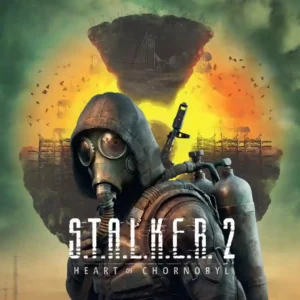
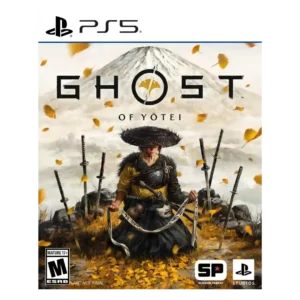
Compare Ghost of Yōtei vs Stalker 2: Heart of Chornobyl

Ghost of Yōtei

Ghost of Yōtei

Overall score 4.4 / 5

Based on 30 scored reviews

vs
Stalker 2: Heart of Chornobyl

Stalker 2: Heart of Chornobyl

Overall score 3.6 / 5

Based on 71 scored reviews

How we score

Scorata scores summarize analyzed review evidence on a 1–5 scale; they are not laboratory measurements or a simple average of customer star ratings. Feature scores summarize the reviews covering that feature. The overall score averages feature scores within each review, then combines review averages. When both expert and customer evidence are available, those two groups receive equal weight. Products can have different review coverage, so small score gaps do not establish a winner.

Recommendations prioritize important features for the category, with a score of at least 3.5, a gap of at least 0.25 points and at least two supporting reviews per product. Features with widely varying scores or broad connectivity contexts are excluded from recommendations. These safeguards do not establish statistical significance.

Quick verdict

What each product is best for

The review evidence points to a tradeoff: pacing and HUD clarity versus innovation and sandbox freedom. Choose according to which strengths matter more to you; the overall score alone does not settle that choice.

Choose Ghost of Yōtei for pacing and HUD clarity.

Choose Stalker 2: Heart of Chornobyl for innovation and sandbox freedom.

Why these recommendations?

Ghost of Yōtei

Where It Has the Edge

  • pacing is 3.6 vs 1.8. Pacing is divisive: Game Informer praises it as a triumph, while several reviewers cite predictability, prolonged beats, or...
  • HUD clarity is 4.8 vs 3.5. HUD and marker restraint are praised for keeping the view clear and helping exploration feel less like a...
  • value for money is 4.8 vs 4.0. Value sentiment is positive where reviewers call the game worth buying or a must-play, supported by long playtime...

Stalker 2: Heart of Chornobyl

Where It Has the Edge

  • innovation is 4.5 vs 3.2. The game feels unusually singular even when many individual mechanics are old-fashioned. Its innovation comes less from inventing...
  • sandbox freedom is 4.8 vs 3.8. The game gives players substantial freedom to choose routes, alliances, combat approaches, and priorities. That agency is central...
  • world-building is 4.6 vs 3.8. World-building is one of the strongest elements, making the Zone feel lived-in, historically scarred, and culturally specific. Settlements,...
Ghost of Yōtei 4.4 overall score
Stalker 2: Heart of Chornobyl 3.6 overall score

Compare features

Scores are out of 5. Missing scores mean missing review evidence, not a missing feature.

Scored on both products

Comfort and build

Puzzle design
Ghost of Yōtei
1.5

Puzzle design receives a low score from a reviewer who calls several puzzles overly simple and almost pointless.

Stalker 2: Heart of Chornobyl
4.5

Anomalies occasionally function as enjoyable environmental puzzles that reward observation and experimentation. Their best moments turn hazards into problems to solve rather than simple damage zones.

Map and navigation design
Ghost of Yōtei
4.8

Navigation is strongly praised for wind guidance, readable maps, organic discovery, spyglass/map ideas, and low UI clutter.

Stalker 2: Heart of Chornobyl
2.0

Navigation works, but the compass and map presentation can feel inelegant. One critique specifically calls the UI compass necessary yet poorly implemented.

Level design
Ghost of Yōtei
2.5

The only scored level-design evidence is critical, describing certain mission spaces as single-route and overly linear.

Stalker 2: Heart of Chornobyl
4.5

Cost of Hope’s added regions are praised as strong pieces of world design, with distinct hostile spaces that make exploration feel fresh and memorable.

World-building
Ghost of Yōtei
3.8

World-building is mixed-to-positive: Ezo’s culture and social context are compelling, but some reviewers wanted broader supporting context.

Stalker 2: Heart of Chornobyl
4.6

World-building is one of the strongest elements, making the Zone feel lived-in, historically scarred, and culturally specific. Settlements, factions, ruins, weather, and small environmental details combine into a convincing place.

Sound design
Ghost of Yōtei
4.9

Sound design is consistently praised for environmental audio, combat effects, and the way it supports immersion.

Stalker 2: Heart of Chornobyl
4.1

Sound design is a major contributor to tension, with distant gunfire, weather, mutant noises, detectors, and weapon reports constantly shaping awareness. Audio bugs exist, but the underlying soundscape is frequently praised.

Mission design
Ghost of Yōtei
4.3

Mission design is generally positive for diverse objectives and strong campaign structure, though some side mission design is criticized elsewhere.

Stalker 2: Heart of Chornobyl
3.7

Mission quality varies from routine fetch work to tense, clever scenarios that use anomalies and faction conflict well. The best missions create memorable situations; the weakest feel dated.

User interface design
Ghost of Yōtei
3.5

UI evidence is mixed: restrained maps and menus are praised, but one reviewer reports low-contrast text and hard-to-see map elements.

Stalker 2: Heart of Chornobyl
4.0

The interface has useful touches, such as clear ammunition information, but it also inherits glitches and awkward presentation from the game’s broader technical roughness. Usability is functional rather than consistently polished.

Quest design
Ghost of Yōtei
4.5

Quest design is a major strength in many reviews thanks to memorable tales, bounties, organic side stories, and worthwhile rewards, though Eurogamer sharply dislikes the formulaic sidequests.

Stalker 2: Heart of Chornobyl
4.7

Side quests can be a major highlight when they branch, surprise, or turn into memorable encounters. Routine filler still exists, but the stronger optional quests show much more personality than standard checklist work.

Open-world design
Ghost of Yōtei
4.4

The open world is widely praised for beauty, density, organic discovery, and restraint, with dissenting notes about repetition, over-guidance, or familiar structure.

Stalker 2: Heart of Chornobyl
4.2

The seamless Zone is vast, dangerous, and visually distinctive, with regions that reward wandering and unexpected encounters. Its scale is impressive, though some stretches can feel empty or overextended.

Other features

Character development
Ghost of Yōtei
4.8

Atsu’s arc is praised for emotional clarity, redemption, growth, and a more intimate character focus than the predecessor.

Stalker 2: Heart of Chornobyl
2.0

Character development is thin compared with the richness of the world itself. One detailed critique found several arcs incomplete or underdeveloped.

Movement feel
Ghost of Yōtei
5.0

Movement is praised for fluidity, especially in combat flow and traversal compared with the predecessor.

Stalker 2: Heart of Chornobyl
2.3

Movement can feel heavy or sluggish when encumbrance, stamina, and awkward traversal pile up. Those constraints fit the survival tone but can make routine travel and climbing frustrating.

Fast travel convenience
Ghost of Yōtei
5.0

Fast travel is strongly praised as instantaneous or highly respectful of the player’s time.

Stalker 2: Heart of Chornobyl
2.5

Fast travel is deliberately restricted and often costly, which makes journeys feel consequential but can also turn inventory runs into chores. Players split on whether that friction deepens immersion or wastes time.

Polish
Ghost of Yōtei
4.8

Polish is a recurring strength, with reviewers calling the release premium, cinematic, and impressively crafted despite a few bugs or animation rough edges.

Stalker 2: Heart of Chornobyl
2.4

Polish is the game’s clearest weakness, especially in launch-era builds full of glitches, rough systems, and visual oddities. A year of patches has improved the experience substantially, but the reputation for jank is well earned.

Economy and resource balance
Ghost of Yōtei
4.5

Resource balance is praised where simplified material categories and less strict upgrade paths encourage more engagement.

Stalker 2: Heart of Chornobyl
2.1

The economy can be punishing, with expensive repairs, upgrades, ammunition, and gear forcing careful resource decisions. For some players that pressure adds survival tension; for others it turns maintenance into a grind.

Frame rate stability
Ghost of Yōtei
5.0

Frame-rate evidence is very positive, including stable pacing, smooth transitions, and rock-solid 60 FPS in PS5 Pro modes.

Stalker 2: Heart of Chornobyl
2.9

Frame-rate stability has been one of the most version-sensitive issues, with launch builds suffering dips and stutter while newer PC and PS5 builds can run far more smoothly. Dense settlements remain a common stress point.

Enemy variety
Ghost of Yōtei
4.3

Enemy variety is positively noted through more weapon matchups, multiple factions, and a better range of enemies than before.

Stalker 2: Heart of Chornobyl
2.3

Enemy variety is mixed: later content adds memorable new threats, while some critics felt the initial mutant roster offered too few meaningful additions. The most distinctive creatures still make a strong first impression.

Load times
Ghost of Yōtei
5.0

Load times are one of the clearest technical wins, with reviewers calling travel and boot-to-game transitions near-instant.

Stalker 2: Heart of Chornobyl
3.0

Load times have improved with patches, but some versions suffered painfully long waits, including save loads approaching a minute. Newer updates reduce that friction substantially.

Pacing
Ghost of Yōtei
3.6

Pacing is divisive: Game Informer praises it as a triumph, while several reviewers cite predictability, prolonged beats, or odd act structure.

Stalker 2: Heart of Chornobyl
1.8

Pacing is deliberately slow, especially during long walks and the story’s early setup. That measured rhythm helps immersion for some players but can sap momentum for others.

AI behavior
Ghost of Yōtei
4.5

Enemy perception receives positive attention where stealth is described as sound-driven, with enemies reacting to audio as well as sight.

Stalker 2: Heart of Chornobyl
2.7

Enemy AI remains one of the most inconsistent parts of the game, with complaints about poor detection logic, awkward spawning, and erratic behavior. Later updates improve flanking, retreating, and A-Life-style activity, but the gains are not uniformly convincing.

Loot system
Ghost of Yōtei
4.5

Loot evidence is positive where quests and conflicts reward Atsu with valuable loot, information, and clues that feed exploration.

Stalker 2: Heart of Chornobyl
2.8

Looting can make exploration rewarding when a stash yields a rare weapon or artifact, but common finds become repetitive. Too many searches end in routine ammunition, food, or medical supplies.

Writing quality
Ghost of Yōtei
4.3

Writing is praised for creative freshness and emotional ambition, but one dissenting review calls it conventional blockbuster material.

Stalker 2: Heart of Chornobyl
2.6

Writing quality varies from compelling faction and thematic material to awkward dialogue and uneven exposition. The broader ideas often land better than individual lines or character exchanges.

Bug frequency
Ghost of Yōtei
4.2

Most reviewers report few or no serious bugs, though some mention an odd freeze, minor technical issues, or rare late-game disruptions.

Stalker 2: Heart of Chornobyl
2.5

Bugs were a major launch problem, ranging from visual glitches to broken quests and progress blockers. Patches have removed many serious issues, but the experience still varies sharply by version and update.

Lore depth
Ghost of Yōtei
4.5

Lore depth receives positive but limited support through mythic tales and storytelling sequences that expand the world’s legends.

Stalker 2: Heart of Chornobyl
3.0

The Zone has deep lore and long-running faction history, but the density can overwhelm newcomers. Familiarity with earlier games makes many references and conflicts easier to appreciate.

Content variety
Ghost of Yōtei
4.3

Reviewers praise the amount of meaningful activities and handcrafted diversions, while a few note that repeated open-world tasks can become chores.

Stalker 2: Heart of Chornobyl
2.8

The game offers varied regions, builds, threats, and equipment, but not every layer sustains that variety equally. Repetition becomes more noticeable in loot and some recurring activities.

Innovation
Ghost of Yōtei
3.2

Innovation scores trend moderate because reviewers describe Yōtei as refinement rather than reinvention, with familiar systems made better.

Stalker 2: Heart of Chornobyl
4.5

The game feels unusually singular even when many individual mechanics are old-fashioned. Its innovation comes less from inventing new systems than from combining scale, emergent danger, and atmosphere in a way few modern shooters attempt.

Aiming precision
Ghost of Yōtei
2.5

The only scored aiming-related evidence is negative, with one reviewer saying auto-targeting hindered them and contributed to deaths.

Stalker 2: Heart of Chornobyl
3.8

Gunplay is usually praised as tight, weighty, and satisfying, especially when landing headshots or managing recoil. A smaller set of complaints points to stiff or inaccurate aiming in rougher versions.

Originality
Ghost of Yōtei
3.0

Originality is moderate: reviewers repeatedly say Yōtei does not revolutionize the formula, but many accept that as focused refinement.

Stalker 2: Heart of Chornobyl
4.3

Stalker 2 stands out for its uncompromising mix of survival shooting, open-world wandering, and surreal environmental danger. Even critics who note familiar mechanics often regard the overall experience as distinctive.

Facial animations
Ghost of Yōtei
4.5

Facial animation is praised in cutscenes and Atsu’s expressions, with reviewers noting visible emotion and strong performance capture.

Stalker 2: Heart of Chornobyl
3.3

Facial presentation is uneven. Important characters can look convincing, but jarring expressions and weaker NPC models sometimes break the otherwise high visual standard.

HUD clarity
Ghost of Yōtei
4.8

HUD and marker restraint are praised for keeping the view clear and helping exploration feel less like a checklist.

Stalker 2: Heart of Chornobyl
3.5

HUD options can support a clean, immersive presentation, but UI glitches and disappearing elements have caused frustration. Immersive Mode is appealing, though its text and subtitle limitations reduce practicality.

Stealth mechanics
Ghost of Yōtei
3.9

Stealth is enjoyable and viable, especially with chain assassinations and tools, but several reviewers call it basic or largely unchanged.

Stalker 2: Heart of Chornobyl
2.8

Stealth remains unreliable, with complaints about enemy detection, awareness, and systems that can make sneaking feel pointless. Later updates improve some behaviors, but stealth is still less dependable than direct combat.

Sandbox freedom
Ghost of Yōtei
3.8

Freedom is moderate: reviewers appreciate loose target order and player-directed wandering, but note that some freedom is an illusion.

Stalker 2: Heart of Chornobyl
4.8

The game gives players substantial freedom to choose routes, alliances, combat approaches, and priorities. That agency is central to the feeling of carving out a personal life in the Zone.

Accessibility options
Ghost of Yōtei
3.0

Accessibility evidence is limited and mixed: TechRadar notes helpful subtitles, visibility, control simplification, and combat assists, but says the suite is lighter than some PS5 peers and lacks colorblind options.

Stalker 2: Heart of Chornobyl
2.2

Subtitle sizing, color-blind modes, and HUD controls help, but accessibility remains incomplete. Missing captions, limited visual danger cues, and subtitle restrictions in Immersive Mode are recurring drawbacks.

Grind level
Ghost of Yōtei
2.8

Grind sentiment is mixed-to-negative where repeated side activities, collectibles, or checklist tasks create fatigue over time.

Stalker 2: Heart of Chornobyl
2.0

Grinding is most noticeable when better gear or repairs require repeated scavenging and long return trips. Inventory and economic pressure can make progression feel more laborious than rewarding.

Dialogue quality
Ghost of Yōtei
2.8

Dialogue and delivery are mixed: some conversations carry emotion well, but several reviewers call line delivery stilted or conversations dated.

Stalker 2: Heart of Chornobyl
2.0

Dialogue quality is uneven, with wooden or awkward lines undercutting otherwise tense scenes. The weaker English exchanges are especially noticeable when the atmosphere is trying to carry dramatic weight.

Fun factor
Ghost of Yōtei
4.7

Reviewers repeatedly describe the game as enjoyable, addictive, and fun from start to finish, even when noting formulaic elements.

Stalker 2: Heart of Chornobyl
4.0

Despite its harshness, technical roughness, and occasional tedium, many critics still describe the game as absorbing and genuinely fun. The strongest enjoyment comes from surviving unpredictable situations and getting lost in the Zone.

Combat system
Ghost of Yōtei
4.7

Combat is the most broadly praised system, with fluid parries, weapon-swapping, violent impact, and strong duels; criticisms focus on rigidity or fatigue in the rock-paper-scissors weapon setup.

Stalker 2: Heart of Chornobyl
4.0

Human firefights are often tense, weighty, and satisfying, with strong weapon feedback and tactical pressure. Combat loses some of that appeal when AI quirks or spongey mutants turn encounters into attrition.

Exploration quality
Ghost of Yōtei
4.7

Exploration is one of the strongest areas, often called rewarding, organic, and meaningful, though one dissenting review finds it over-guided.

Stalker 2: Heart of Chornobyl
4.0

Exploration is one of the game’s biggest draws, rewarding curiosity with memorable locations, side stories, stashes, and emergent danger. Long empty stretches and repetitive rewards can dampen that pull later on.

Atmosphere
Ghost of Yōtei
5.0

The atmosphere is consistently framed as a major strength, emphasizing contemplative tone, environmental mood, and cinematic immersion.

Stalker 2: Heart of Chornobyl
4.4

The Zone’s atmosphere is a defining strength, blending dynamic weather, darkness, solitude, and environmental menace into a brooding sense of place. Several critics describe it as among the game’s best and most distinctive achievements.

Haptic feedback integration
Ghost of Yōtei
5.0

DualSense haptics and touchpad integrations are widely praised, especially wind, riding, rain, music, and activity feedback.

Stalker 2: Heart of Chornobyl
4.4

DualSense integration is a standout on PS5, with haptics, adaptive triggers, speaker effects, and other tactile cues deepening the sense of place. The controller features are repeatedly treated as meaningful rather than gimmicky.

Learning curve
Ghost of Yōtei
4.0

Learning curve evidence is positive but modest, emphasizing learn-by-doing design that mirrors Atsu’s practice and attention rather than heavy explanation.

Stalker 2: Heart of Chornobyl
3.4

Newcomers face a steep learning curve with limited hand-holding and many survival rules to absorb. Players who enjoy learning through trial and error may find that opacity rewarding rather than hostile.

Faithfulness to franchise
Ghost of Yōtei
4.7

Yōtei is viewed as a worthy successor that preserves Ghost of Tsushima’s best ideas while refining them around Atsu.

Stalker 2: Heart of Chornobyl
4.1

The sequel is widely seen as recognizably Stalker in its hostility, freedom, atmosphere, and refusal to over-streamline. It modernizes the scale while preserving much of the series’ uncompromising identity.

Environmental detail
Ghost of Yōtei
5.0

Environmental detail earns strong praise for realistic items, dense foliage, weather, light, and painstakingly crafted spaces.

Stalker 2: Heart of Chornobyl
4.5

Environmental detail is a major showcase, from weathered concrete and overgrown buildings to tiny water, foliage, and weather effects. The Zone often feels handcrafted, tactile, and convincingly decayed.

Mission variety
Ghost of Yōtei
4.0

Mission variety is lightly positive, with praise for varied missions in different places and diverse objectives.

Stalker 2: Heart of Chornobyl
3.5

Mission variety leans on a familiar mix of fetching, killing, and exploration. That structure is serviceable, but it does not consistently reinvent open-world quest design.

Upgrade system
Ghost of Yōtei
4.5

Upgrades are praised for being tied to exploration, weapons, armor, charms, and mastery activities rather than pure XP grinding.

Stalker 2: Heart of Chornobyl
4.0

Weapon customization and upgrades are a clear strength, letting players tailor favored guns and improve performance over time. The system reinforces attachment to equipment and supports different play styles.

Narrative quality
Ghost of Yōtei
4.4

The narrative is generally praised as emotional, well-executed, and compelling, but some reviewers criticize predictability, structure, or linear revenge beats.

Stalker 2: Heart of Chornobyl
3.9

The story grows more engaging as factions, mysteries, and major choices come into focus, and several critics became invested by the end. Early pacing, uneven characterization, and inconsistent writing keep the narrative from matching the world’s atmosphere.

Progression system
Ghost of Yōtei
4.4

Progression is praised for tying upgrades to exploration and skill shrines, though some reviewers want more depth or nuance.

Stalker 2: Heart of Chornobyl
3.9

Progression is deliberately gear-driven rather than level-driven, and that focus suits the survival structure. Better weapons, armor, artifacts, and upgrades make improvement feel tangible without turning Skif into a conventional RPG hero.

Side character depth
Ghost of Yōtei
3.7

Side character depth is mixed, with praise for strong companions and villains but criticism that many allies or supporting figures lack involvement.

Stalker 2: Heart of Chornobyl
3.3

Some supporting characters have enough personality and richness to make the world feel inhabited and worth revisiting. Their smaller interactions can be more engaging than parts of the main plot.

Visual effects quality
Ghost of Yōtei
4.0

Visual-effects evidence is positive but limited, with reviewers appreciating enhanced particles, blood, mud, wind, and cinematic environmental effects.

Stalker 2: Heart of Chornobyl
3.6

Anomalies, storms, lighting, reflections, and volumetric effects can look spectacular and make the Zone feel physically unstable. Some softer shadows, pop-in, and other visual oddities keep the effects from being flawless.

Animation quality
Ghost of Yōtei
4.0

Combat animation is often praised for brutality and style, but several reviewers note repetition or less-polished NPC/casual dialogue animation.

Stalker 2: Heart of Chornobyl
4.4

Weapon reloads and other moment-to-moment animations can look slick and detailed. The stronger animation work stands out most in first-person actions rather than every character interaction.

Weapon balance
Ghost of Yōtei
4.1

Weapon balance is praised for distinct tools and effective counters, but mixed overall because several reviewers find weapons too situational or favorite weapons underpowered outside matchups.

Stalker 2: Heart of Chornobyl
4.5

Weapons themselves offer satisfying variety and distinct handling, but balance gets messier against spongey mutants and heavily armored targets. Ammo efficiency and enemy durability can make some encounters feel wasteful.

Difficulty balance
Ghost of Yōtei
4.0

Difficulty is mostly praised for rewarding patience and offering customization, though critics cite easy challenge, high damage, or artificial duel constraints.

Stalker 2: Heart of Chornobyl
3.6

The steep challenge is part of the appeal for players who want a harsh survival shooter, and surviving difficult encounters can feel rewarding. At the same time, unfair deaths, extreme punishment, and uneven balancing can push difficulty into frustration.

Graphics quality
Ghost of Yōtei
4.9

Visuals receive near-universal praise, from stunning fidelity and landscapes to screenshot-worthy environments and color.

Stalker 2: Heart of Chornobyl
4.5

The Zone can look spectacular, with strong lighting, weather, landscapes, and material detail. Visual quality is less consistent on weaker performance modes or during technical glitches, but the overall presentation is a clear strength.

Emotional impact
Ghost of Yōtei
4.9

Reviewers frequently describe the story as moving, affecting, and emotionally rich, including moments that brought tears or strong sympathy.

Stalker 2: Heart of Chornobyl
4.5

The ruined Ukrainian setting and its themes of loss, desperation, and endurance give the game unusual emotional weight. Several critics found the Zone haunting or deeply affecting even when technical problems intruded.

Gameplay mechanics
Ghost of Yōtei
4.3

General mechanics are praised as refined and improved, though some reviewers call them reused rather than evolutionary.

Stalker 2: Heart of Chornobyl
3.9

The game’s mechanics work best when shooting, scavenging, anomalies, gear wear, and world systems intersect naturally. At those moments, the design feels cohesive and unusually rewarding.

Onboarding experience
Ghost of Yōtei
4.0

Onboarding is initially intimidating for some, but reviewers say the discovery and indicator systems become enjoyable once learned.

Stalker 2: Heart of Chornobyl
3.7

The opening teaches enough to start surviving, but the game quickly expects players to learn by doing. That sparse onboarding suits veterans better than newcomers who want clear explanations.

Art direction
Ghost of Yōtei
4.9

Reviewers strongly praise the painterly visual identity, lighting, color, and intentional environmental effects, with only mild familiarity concerns.

Stalker 2: Heart of Chornobyl
4.8

The decayed Soviet spaces, rewilded landscapes, and surreal anomalies give the Zone a striking visual identity. Its art direction consistently reinforces the game’s bleak, uncanny tone.

Crash stability
Ghost of Yōtei
3.0

Crash evidence is limited to one reviewer reporting two late-game crashes, while most other technical impressions lean stable.

Stalker 2: Heart of Chornobyl
3.1

Crash stability is highly version-dependent: some builds suffered desktop crashes and hard stops, while later releases were reported as crash-free or much steadier. Updates have clearly improved reliability without making every technical complaint disappear.

Character roster
Ghost of Yōtei
4.5

The supporting ensemble is viewed positively in several reviews, though some reviewers find side figures underused or shallow.

Stalker 2: Heart of Chornobyl
4.5

The stronger supporting characters feel distinct and fleshed out, helping settlements feel inhabited rather than anonymous. Their personalities can be more memorable than the central plot beats.

Core gameplay loop
Ghost of Yōtei
4.8

The core loop is repeatedly described as compelling, hard to put down, and more fruitful than Tsushima for some reviewers.

Stalker 2: Heart of Chornobyl
4.8

The prepare-explore-fight-loot-return loop can be compelling because every trip into the Zone carries risk and reward. Its appeal depends heavily on tolerating the game’s deliberate friction.

Immersion
Ghost of Yōtei
3.8

Immersion is a major strength through world navigation, sound, and minimal HUD, though occasional technical or duel design issues can break it.

Stalker 2: Heart of Chornobyl
3.8

Immersion is a central strength, driven by weather, sound, scarcity, long journeys, and the Zone’s physical detail. Bugs, odd voice work, and technical interruptions are the main things that break the spell.

Performance

Performance optimization
Ghost of Yōtei
4.9

Performance feedback is very positive overall, with strong PS5/PS5 Pro stability, polished execution, and few performance complaints.

Stalker 2: Heart of Chornobyl
2.9

Optimization remains inconsistent across hardware and versions, with launch-era stutter and poor performance contrasting sharply with smoother patched builds. Upscaling and later updates help, but technical efficiency is not uniformly strong.

Soundtrack quality
Ghost of Yōtei
4.8

The soundtrack receives strong praise for atmospheric Japanese instrumentation, shamisen motifs, memorable songs, and cinematic tension.

Stalker 2: Heart of Chornobyl
4.6

The score and ambient music complement the Zone’s loneliness and dread without overwhelming it. Eerie exploration tracks and diegetic radio music are especially effective at reinforcing mood.

Controls and connectivity

Voice acting
Ghost of Yōtei
4.9

Voice acting receives strong praise, especially Erika Ishii’s performance and the English/Japanese voice casts.

Stalker 2: Heart of Chornobyl
3.1

Voice acting is mixed, especially in English, where stilted delivery and inconsistent accents draw criticism. The Ukrainian track is repeatedly preferred for sounding more natural and strengthening immersion.

Controls responsiveness
Ghost of Yōtei
4.3

Parrying, quick selection, and combat inputs are praised, but one review flags the overall control system as demanding.

Stalker 2: Heart of Chornobyl
3.0

Controller responsiveness drew notable criticism around launch, especially deadzone behavior and stick drift. Patches improved it, but the early control problems were substantial.

Protagonist appeal
Ghost of Yōtei
4.8

Atsu is widely praised as a compelling, complex, fiery, and memorable lead who gives the sequel a stronger identity.

Stalker 2: Heart of Chornobyl
4.0

Skif works as an effective, understated vessel for exploring the Zone rather than an overpowering hero. His restrained personality fits the game’s nomadic, survival-focused tone.

Menu usability
Ghost of Yōtei
2.5

Menu usability has a specific criticism around a hard-to-see reticule and low-contrast text.

Stalker 2: Heart of Chornobyl
3.3

Menu usability suffered alongside the broader launch roughness, with at least one critic reporting problems in the main menus. It is not a major selling point of the experience.

Ownership and support

Value for money
Ghost of Yōtei
4.8

Value sentiment is positive where reviewers call the game worth buying or a must-play, supported by long playtime and substantial content.

Stalker 2: Heart of Chornobyl
4.0

For players who enjoy demanding survival shooters, the game is commonly judged worth the time despite its roughness. More cautious recommendations center on waiting for patches, using Game Pass, or accepting that the design is deliberately niche.

Platform-specific feature support
Ghost of Yōtei
4.2

PS5-specific features are mostly praised, especially PS5 Pro modes and DualSense use, though some touchpad/motion gimmicks are considered distracting.

Stalker 2: Heart of Chornobyl
4.5

The PS5 release makes strong use of platform-specific hardware, especially DualSense features and PS5 Pro visual enhancements. These additions meaningfully improve feedback and presentation rather than feeling like checklist extras.

Replay value
Ghost of Yōtei
4.5

Replay value is supported by a large map, many activities, and difficulty-based return reasons, but lack of new game plus limits the endgame.

Stalker 2: Heart of Chornobyl
4.6

Branching outcomes and faction choices give the campaign meaningful replay appeal. Seeing alternate endings and consequences can justify another trip through the Zone.

Evidence available for one product

Controls and connectivity

Age appropriateness
Ghost of Yōtei
2.0

The only explicit age-appropriateness judgment warns against younger players because of bloody violence, mature themes, language, drug use, frightening scenes, and slight nudity.

Stalker 2: Heart of ChornobylNo score yet

Comfort and build

Boss design
Ghost of Yōtei
4.1

Duels and boss-style encounters are usually exciting and memorable, though one reviewer criticizes duel advantages as artificial.

Stalker 2: Heart of ChornobylNo score yet

Other features

Camera behavior
Ghost of Yōtei
3.3

Camera feedback is mixed: one reviewer says it is improved, while others cite visibility problems or off-screen/camera-management friction.

Stalker 2: Heart of ChornobylNo score yet
Checkpoint system
Ghost of Yōtei
4.0

Checkpoint evidence is limited but positive for convenience, with one reviewer noting instant respawns and mid-fight boss checkpoints that reduce punishment.

Stalker 2: Heart of ChornobylNo score yet
Choice impact
Ghost of YōteiNo score yet
Stalker 2: Heart of Chornobyl
4.2

Choices can alter routes, objectives, alliances, and access, but their impact is inconsistent. Some decisions feel meaningful while faction consequences can be surprisingly limited.

Companion AI
Ghost of Yōtei
4.0

The wolf companion is generally appreciated as a useful and flavorful aid, but some reviewers expected it to be more impactful or frequent.

Stalker 2: Heart of ChornobylNo score yet
Crafting system
Ghost of Yōtei
4.0

Crafting/resource gathering is lightly but positively scored because materials are more generalized, making upgrades easier to engage with.

Stalker 2: Heart of ChornobylNo score yet
Endgame content
Ghost of Yōtei
3.3

Endgame evidence is mixed: there are post-story tasks and challenge reasons to return, but one review notes no new game plus and another says late content can feel samey.

Stalker 2: Heart of ChornobylNo score yet
Family friendliness
Ghost of Yōtei
2.0

The family-friendliness score is low because the only explicit family guidance warns against younger gamers due to violence and mature content.

Stalker 2: Heart of ChornobylNo score yet
Game length
Ghost of YōteiNo score yet
Stalker 2: Heart of Chornobyl
3.8

The main campaign is long and the broader map can support dozens more hours of exploration and side content. That scale feels generous to dedicated players, though the journey can become exhausting for those seeking a tighter shooter.

Horror tension
Ghost of YōteiNo score yet
Stalker 2: Heart of Chornobyl
4.5

The Zone sustains strong horror tension through darkness, invisible threats, emissions, sound cues, and sudden vulnerability. The fear works best when enemies and anomalies behave unpredictably rather than mechanically.

Platforming precision
Ghost of Yōtei
3.7

Platforming and climbing are mixed: one review says climbing is improved, while others call it awkward or overly gamified.

Stalker 2: Heart of ChornobylNo score yet
Skill tree depth
Ghost of Yōtei
4.5

Skill depth is praised where charms, loadouts, weapon skills, and spirit attacks allow specialized builds and granular tuning.

Stalker 2: Heart of ChornobylNo score yet
Survival mechanics
Ghost of YōteiNo score yet
Stalker 2: Heart of Chornobyl
3.5

Survival systems create meaningful pressure through hunger, bleeding, radiation, durability, weight, and scarce supplies. Their friction is divisive: some players love the planning, while others find encumbrance and maintenance tedious or half-baked.

Tutorial quality
Ghost of Yōtei
4.0

Tutorial/onboarding evidence is modestly positive, praising learn-by-doing design and seamless early teaching.

Stalker 2: Heart of ChornobylNo score yet
World interactivity
Ghost of YōteiNo score yet
Stalker 2: Heart of Chornobyl
4.4

The game is at its best when factions, mutants, anomalies, and NPCs collide without scripting, creating emergent stories. Later A-Life improvements strengthen the sense that the Zone continues moving around the player.

Ownership and support

DLC value
Ghost of YōteiNo score yet
Stalker 2: Heart of Chornobyl
4.5

Cost of Hope is viewed as worthwhile despite some limitations in its faction conflict. Its new regions, missions, and branching paths give returning players a strong reason to revisit the Zone.

Mod support
Ghost of YōteiNo score yet
Stalker 2: Heart of Chornobyl
3.1

Modding is already important to the game’s long-term appeal, with a very active community addressing quality-of-life issues and expanding systems. Official support and current capabilities are still seen as uneven in places.

Other Top Video Games to Consider

#1 Well Dweller
4.7

Best for fluid traversal, rewarding exploration, striking art, and forgiving quality-of-life features. Skip it if you want deep combat, radical genre innovation, or consistently demanding bosses.

Pros: difficulty balance, boss design

Cons: innovation, sandbox freedom

#2 Hades II
4.5

Best for superb combat, inventive builds, and richly voiced characters. Skip it if repeated runs, resource gathering, or visually busy battles outweigh the appeal of steady progress.

Pros: overall quality, combat system

Cons: pacing, grind level

#3 Valheim
4.5

Good if you want a beautiful, demanding survival sandbox built around exploration, building, progression, and memorable co-op. Skip it if long resource runs, harsh death recovery, and deliberate pacing sound...

Pros: town-building system, exploration quality

Cons: grind level, fast travel convenience

#4 Grand Theft Auto VI
4.5

Leonida is a breathtakingly alive crime sandbox with memorable protagonists, spectacular heists, and extraordinary detail. The tradeoff is a 30 fps ceiling, occasional control awkwardness, and some progression friction.

Pros: immersion, graphics quality

Cons: grind level, controls responsiveness