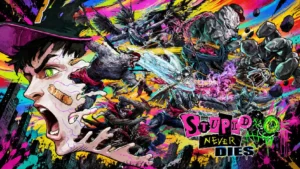
Compare Ghost of Yōtei vs Stupid Never Dies

Ghost of Yōtei

Ghost of Yōtei

Overall score 4.4 / 5

Based on 30 scored reviews

vs
Stupid Never Dies

Stupid Never Dies

Overall score 3.3 / 5

Based on 46 scored reviews

How we score

Scorata scores summarize analyzed review evidence on a 1–5 scale; they are not laboratory measurements or a simple average of customer star ratings. Feature scores summarize the reviews covering that feature. The overall score averages feature scores within each review, then combines review averages. When both expert and customer evidence are available, those two groups receive equal weight. Products can have different review coverage, so small score gaps do not establish a winner.

Recommendations prioritize important features for the category, with a score of at least 3.5, a gap of at least 0.25 points and at least two supporting reviews per product. Features with widely varying scores or broad connectivity contexts are excluded from recommendations. These safeguards do not establish statistical significance.

Quick verdict

What each product is best for

The review evidence points to a tradeoff: map and navigation design and quest design versus world-building. Choose according to which strengths matter more to you; the overall score alone does not settle that choice.

Choose Ghost of Yōtei for map and navigation design and quest design.

Choose Stupid Never Dies for world-building.

Why these recommendations?

Ghost of Yōtei

Where It Has the Edge

  • map and navigation design is 4.8 vs 1.8. Navigation is strongly praised for wind guidance, readable maps, organic discovery, spyglass/map ideas, and low UI clutter.
  • quest design is 4.5 vs 1.8. Quest design is a major strength in many reviews thanks to memorable tales, bounties, organic side stories, and...
  • mission design is 4.3 vs 1.8. Mission design is generally positive for diverse objectives and strong campaign structure, though some side mission design is...

Stupid Never Dies

Where It Has the Edge

  • world-building is 4.0 vs 3.8. A monster-dominated world and its oddball mall residents offer an inventive setting. Recovered phone details and believable war...
Ghost of Yōtei 4.4 overall score
Stupid Never Dies 3.3 overall score

Compare features

Scores are out of 5. Missing scores mean missing review evidence, not a missing feature.

Scored on both products

Comfort and build

Map and navigation design
Ghost of Yōtei
4.8

Navigation is strongly praised for wind guidance, readable maps, organic discovery, spyglass/map ideas, and low UI clutter.

Stupid Never Dies
1.8

Navigation can waste time in randomized stages, while conspicuous arrows feel unnecessary in already linear routes. Neither approach consistently strikes a comfortable balance.

Quest design
Ghost of Yōtei
4.5

Quest design is a major strength in many reviews thanks to memorable tales, bounties, organic side stories, and worthwhile rewards, though Eurogamer sharply dislikes the formulaic sidequests.

Stupid Never Dies
1.8

Late fetch quests send Davy back through familiar floors for resources that may not appear on a given attempt. That structure makes progress feel more repetitive than purposeful.

Mission design
Ghost of Yōtei
4.3

Mission design is generally positive for diverse objectives and strong campaign structure, though some side mission design is criticized elsewhere.

Stupid Never Dies
1.8

Mandatory collection objectives and separate boss-rematch runs frequently feel like padding. Random resource availability can prolong an objective without adding a new challenge.

Boss design
Ghost of Yōtei
4.1

Duels and boss-style encounters are usually exciting and memorable, though one reviewer criticizes duel advantages as artificial.

Stupid Never Dies
2.9

Bosses can be the best showcase for parries, bite recovery, and learning clear patterns. Highly mobile or flying opponents, invulnerability gimmicks, and mandatory rematches also create some of the sharpest frustrations.

Sound design
Ghost of Yōtei
4.9

Sound design is consistently praised for environmental audio, combat effects, and the way it supports immersion.

Stupid Never Dies
4.3

Sound effects help tie the colorful world together and support its comic-book energy. The audio design also complements the character performances and overall atmosphere.

User interface design
Ghost of Yōtei
3.5

UI evidence is mixed: restrained maps and menus are praised, but one reviewer reports low-contrast text and hard-to-see map elements.

Stupid Never Dies
3.1

The sticker-covered interface is lively and distinctive, and some love how earned perks accumulate visually. Confusing upgrade descriptions and thin stat feedback can make practical decisions harder.

Level design
Ghost of Yōtei
2.5

The only scored level-design evidence is critical, describing certain mission spaces as single-route and overly linear.

Stupid Never Dies
2.3

Distinct themes and stylized environments give the dungeon some initial appeal. Repeated layouts, linear arena chains, and limited variation make many later dives feel familiar.

World-building
Ghost of Yōtei
3.8

World-building is mixed-to-positive: Ezo’s culture and social context are compelling, but some reviewers wanted broader supporting context.

Stupid Never Dies
4.0

A monster-dominated world and its oddball mall residents offer an inventive setting. Recovered phone details and believable war history help flesh it out for players who connect with the premise.

Other features

Movement feel
Ghost of Yōtei
5.0

Movement is praised for fluidity, especially in combat flow and traversal compared with the predecessor.

Stupid Never Dies
2.4

Davy’s hub shamble is deliberately slow, with the robot vacuum providing welcome relief. Combat movement also divides opinion: faster forms feel lively, while many others seem floaty or cumbersome.

AI behavior
Ghost of Yōtei
4.5

Enemy perception receives positive attention where stealth is described as sound-driven, with enemies reacting to audio as well as sight.

Stupid Never Dies
2.0

Enemies can stand idle before launching inaccurate attacks, and many behave similarly. That makes the opposition less engaging than the colorful roster initially suggests.

Economy and resource balance
Ghost of Yōtei
4.5

Resource balance is praised where simplified material categories and less strict upgrade paths encourage more engagement.

Stupid Never Dies
2.0

Multiple currencies and expensive scrap-based improvements add friction to progression. Random rerolls and small gains can make the resources spent feel poorly rewarded.

HUD clarity
Ghost of Yōtei
4.8

HUD and marker restraint are praised for keeping the view clear and helping exploration feel less like a checklist.

Stupid Never Dies
2.4

Off-screen attack indicators are helpful, but other feedback is less successful. Davy Burst readiness, health changes, and parry confirmation can be harder to read than they should be.

Emotional impact
Ghost of Yōtei
4.9

Reviewers frequently describe the story as moving, affecting, and emotionally rich, including moments that brought tears or strong sympathy.

Stupid Never Dies
2.8

Some players care deeply about Davy’s journey and find boss encounters emotionally rewarding. Others feel little during extended play or find the serious moments too thin.

Exploration quality
Ghost of Yōtei
4.7

Exploration is one of the strongest areas, often called rewarding, organic, and meaningful, though one dissenting review finds it over-guided.

Stupid Never Dies
2.7

Style-specific shortcuts and equipment finds can make exploration worthwhile. Limited rewards, linear spaces, awkward navigation, and time pressure often discourage lingering.

Skill tree depth
Ghost of Yōtei
4.5

Skill depth is praised where charms, loadouts, weapon skills, and spirit attacks allow specialized builds and granular tuning.

Stupid Never Dies
2.5

Unlockable passive choices broaden the available builds, but weaker options can dilute the pool. Holding back on situational unlocks may preserve better choices for later runs.

Onboarding experience
Ghost of Yōtei
4.0

Onboarding is initially intimidating for some, but reviewers say the discovery and indicator systems become enjoyable once learned.

Stupid Never Dies
2.2

A lengthy, exposition-heavy opening is a common barrier to reaching the enjoyable parts. Even experienced players can feel overwhelmed before the systems settle into place.

Crash stability
Ghost of Yōtei
3.0

Crash evidence is limited to one reviewer reporting two late-game crashes, while most other technical impressions lean stable.

Stupid Never Dies
4.8

The supplied technical accounts report no major crashes, including one entirely crash-free playthrough. Stability is more reassuring than the divided reports on frame smoothness.

Environmental detail
Ghost of Yōtei
5.0

Environmental detail earns strong praise for realistic items, dense foliage, weather, light, and painstakingly crafted spaces.

Stupid Never Dies
3.3

Environment design ranges from attractive stylized scenery to drab spaces that become tiring to revisit. The artistic treatment succeeds more consistently than the sense of freshness.

Fast travel convenience
Ghost of Yōtei
5.0

Fast travel is strongly praised as instantaneous or highly respectful of the player’s time.

Stupid Never Dies
3.3

Line-of-sight fast travel divides opinion. One player appreciates the convenience, while another finds aiming the camera at a destination less intuitive than a map or menu.

Combat system
Ghost of Yōtei
4.7

Combat is the most broadly praised system, with fluid parries, weapon-swapping, violent impact, and strong duels; criticisms focus on rigidity or fatigue in the rock-paper-scissors weapon setup.

Stupid Never Dies
3.0

Aggressive parries, healing bites, and midfight transformations can produce a satisfying rhythm. Opinions range from exhilarating depth to clumsy button mashing, with targeting a frequent obstacle.

Character development
Ghost of Yōtei
4.8

Atsu’s arc is praised for emotional clarity, redemption, growth, and a more intimate character focus than the predecessor.

Stupid Never Dies
3.2

Davy’s growing confidence and Julia’s recovered phone material can add welcome characterization. Other accounts find Julia one-dimensional or feel the main villain remains underdeveloped.

Weapon balance
Ghost of Yōtei
4.1

Weapon balance is praised for distinct tools and effective counters, but mixed overall because several reviewers find weapons too situational or favorite weapons underpowered outside matchups.

Stupid Never Dies
2.5

Most equipment attacks feel underwhelming in the account that evaluates them directly. A few become valuable when matched to the right circumstances.

Originality
Ghost of Yōtei
3.0

Originality is moderate: reviewers repeatedly say Yōtei does not revolutionize the formula, but many accept that as focused refinement.

Stupid Never Dies
4.5

The monster-eating premise and collage-punk identity help the game stand apart. Even cautious assessments recognize a distinctive concept beneath the execution problems.

Tutorial quality
Ghost of Yōtei
4.0

Tutorial/onboarding evidence is modestly positive, praising learn-by-doing design and seamless early teaching.

Stupid Never Dies
2.5

The game explains many interconnected systems, but often does so through interruptions and long tutorial stretches. A smaller group finds the guidance clear and helpful.

Visual effects quality
Ghost of Yōtei
4.0

Visual-effects evidence is positive but limited, with reviewers appreciating enhanced particles, blood, mud, wind, and cinematic environmental effects.

Stupid Never Dies
2.5

Smoke and water effects expose conspicuous visual weaknesses in one account. These moments stand out against an otherwise acceptable overall presentation.

Core gameplay loop
Ghost of Yōtei
4.8

The core loop is repeatedly described as compelling, hard to put down, and more fruitful than Tsushima for some reviewers.

Stupid Never Dies
3.3

Rapid growth can make another dungeon dive irresistible, even after failure. Whether that pull lasts depends on how much repeated arenas, forced returns, and random rewards wear on you.

Pacing
Ghost of Yōtei
3.6

Pacing is divisive: Game Informer praises it as a triumph, while several reviewers cite predictability, prolonged beats, or odd act structure.

Stupid Never Dies
2.2

The opening frequently drags through explanations, cutscenes, and hub returns. Some players find a brisk rhythm later, but late collection tasks and boss rematches can stall it again.

Graphics quality
Ghost of Yōtei
4.9

Visuals receive near-universal praise, from stunning fidelity and landscapes to screenshot-worthy environments and color.

Stupid Never Dies
3.6

Stylized character models and colorful environments often look appealing. Occasional visual jank and one strongly negative assessment keep the graphics from earning uniform approval.

Learning curve
Ghost of Yōtei
4.0

Learning curve evidence is positive but modest, emphasizing learn-by-doing design that mirrors Atsu’s practice and attention rather than heavy explanation.

Stupid Never Dies
2.7

Unusual defense, many upgrade systems, and busy presentation require an adjustment period. Forgiving parry timing helps some players, while others remain overwhelmed by the amount to absorb.

Writing quality
Ghost of Yōtei
4.3

Writing is praised for creative freshness and emotional ambition, but one dissenting review calls it conventional blockbuster material.

Stupid Never Dies
3.1

Some players love the snappy jokes and earnest absurdity, while others find the writing forced, derivative, or shallow. The thematic handling of the romance is a particularly divisive point.

Bug frequency
Ghost of Yōtei
4.2

Most reviewers report few or no serious bugs, though some mention an odd freeze, minor technical issues, or rare late-game disruptions.

Stupid Never Dies
3.0

Minor platform interaction issues occur in one playthrough. They are visible rough edges without becoming a major technical failure.

Platforming precision
Ghost of Yōtei
3.7

Platforming and climbing are mixed: one review says climbing is improved, while others call it awkward or overly gamified.

Stupid Never Dies
2.5

Minor platform interactions can fail to behave as expected. They are noticeable irritations rather than the central problem with traversal.

Content variety
Ghost of Yōtei
4.3

Reviewers praise the amount of meaningful activities and handcrafted diversions, while a few note that repeated open-world tasks can become chores.

Stupid Never Dies
3.1

The transformation roster and steadily introduced mechanics provide substantial initial variety. Many accounts still find that repeated arenas and familiar tactics outlast the surprises.

Frame rate stability
Ghost of Yōtei
5.0

Frame-rate evidence is very positive, including stable pacing, smooth transitions, and rock-solid 60 FPS in PS5 Pro modes.

Stupid Never Dies
3.9

Some playthroughs stay smooth even in busy scenes, including a near-locked high-frame-rate PC account. Others report noticeable stutter and frame drops that make combat feel clunkier.

Loot system
Ghost of Yōtei
4.5

Loot evidence is positive where quests and conflicts reward Atsu with valuable loot, information, and clues that feed exploration.

Stupid Never Dies
3.4

Rare forms and useful equipment can make discoveries exciting and keep an unsuccessful run valuable. Other players find most drops unremarkable or too weak to change a fight.

Upgrade system
Ghost of Yōtei
4.5

Upgrades are praised for being tied to exploration, weapons, armor, charms, and mastery activities rather than pure XP grinding.

Stupid Never Dies
3.4

Body parts, receipts, and permanent stat boosts offer plenty of ways to improve Davy. The breadth appeals to tinkerers, while tiny gains, late gear modification, and too many systems frustrate others.

Fun factor
Ghost of Yōtei
4.7

Reviewers repeatedly describe the game as enjoyable, addictive, and fun from start to finish, even when noting formulaic elements.

Stupid Never Dies
3.7

The game can be hugely entertaining once its growth and transformation systems click. Other players find the same repetition numbing, so enjoyment depends strongly on tolerance for its combat feel.

Narrative quality
Ghost of Yōtei
4.4

The narrative is generally praised as emotional, well-executed, and compelling, but some reviewers criticize predictability, structure, or linear revenge beats.

Stupid Never Dies
3.4

The absurd rescue story and eccentric world win enthusiastic fans, but the premise also creates substantial discomfort. Heavy exposition, predictability, and uneven follow-through divide opinion further.

Grind level
Ghost of Yōtei
2.8

Grind sentiment is mixed-to-negative where repeated side activities, collectibles, or checklist tasks create fatigue over time.

Stupid Never Dies
1.9

Accelerated experience reduces some of the pain of repeating early floors. For many players, mandatory collections, stat barriers, and separate rematch runs still create excessive grind.

Camera behavior
Ghost of Yōtei
3.3

Camera feedback is mixed: one reviewer says it is improved, while others cite visibility problems or off-screen/camera-management friction.

Stupid Never Dies
2.4

Camera assistance improves the view for some players but does not reliably replace lock-on. Crowded fights, airborne targets, and boss movement can still pull attention away from the intended enemy.

Innovation
Ghost of Yōtei
3.2

Innovation scores trend moderate because reviewers describe Yōtei as refinement rather than reinvention, with familiar systems made better.

Stupid Never Dies
4.0

Fresh transformations and an unusual take on aggression bring new ideas to familiar action systems. Their ambition is clearer than the consistency of their execution.

Difficulty balance
Ghost of Yōtei
4.0

Difficulty is mostly praised for rewarding patience and offering customization, though critics cite easy challenge, high damage, or artificial duel constraints.

Stupid Never Dies
3.2

Challenge is uneven across accounts: some find a satisfying curve, while others encounter stat walls or grow powerful too quickly. Go Nuts provides a useful escape valve, although it can trivialize combat.

Immersion
Ghost of Yōtei
3.8

Immersion is a major strength through world navigation, sound, and minimal HUD, though occasional technical or duel design issues can break it.

Stupid Never Dies
4.5

Voice performances and audio design help draw players into Davy’s strange world. Their combined impact makes the presentation more involving.

Gameplay mechanics
Ghost of Yōtei
4.3

General mechanics are praised as refined and improved, though some reviewers call them reused rather than evolutionary.

Stupid Never Dies
3.7

Eating elite monsters changes Davy’s abilities and gives fights their strongest hook. The transformations invite improvisation, although several forms feel awkward or less useful than the reliable favorites.

Art direction
Ghost of Yōtei
4.9

Reviewers strongly praise the painterly visual identity, lighting, color, and intentional environmental effects, with only mild familiarity concerns.

Stupid Never Dies
4.4

Magazine cutouts, marker scribbles, stickers, and saturated punk colors create an unmistakable identity. This is the most broadly praised element, although some find it garish, derivative, or visually exhausting.

Aiming precision
Ghost of Yōtei
2.5

The only scored aiming-related evidence is negative, with one reviewer saying auto-targeting hindered them and contributed to deaths.

Stupid Never Dies
2.0

Missing lock-on and inconsistent automatic targeting are among the most repeated complaints. Flying enemies and exposed cores are especially troublesome when attacks or healing bites choose the wrong target.

Accessibility options
Ghost of Yōtei
3.0

Accessibility evidence is limited and mixed: TechRadar notes helpful subtitles, visibility, control simplification, and combat assists, but says the suite is lighter than some PS5 peers and lacks colorblind options.

Stupid Never Dies
2.5

Gameplay customization is limited beyond the available difficulty options and Go Nuts mode. Players wanting finer control over the experience may find the options restrictive.

Atmosphere
Ghost of Yōtei
5.0

The atmosphere is consistently framed as a major strength, emphasizing contemplative tone, environmental mood, and cinematic immersion.

Stupid Never Dies
4.5

The fusion of old monster-movie influences and punk presentation creates a striking, memorable atmosphere. Its irreverent mood is a major reason to keep exploring the world.

Polish
Ghost of Yōtei
4.8

Polish is a recurring strength, with reviewers calling the release premium, cinematic, and impressively crafted despite a few bugs or animation rough edges.

Stupid Never Dies
4.3

Strong visual craft, stylish menus, and smooth technical execution earn praise for polish in several accounts. That finish does not resolve the broader disagreements about combat design.

Progression system
Ghost of Yōtei
4.4

Progression is praised for tying upgrades to exploration and skill shrines, though some reviewers want more depth or nuance.

Stupid Never Dies
3.9

The accumulating experience multiplier makes later runs ramp up dramatically faster, giving failure a lasting payoff. Critics argue that bigger numbers too often replace meaningful changes in strategy.

Endgame content
Ghost of Yōtei
3.3

Endgame evidence is mixed: there are post-story tasks and challenge reasons to return, but one review notes no new game plus and another says late content can feel samey.

Stupid Never Dies
2.8

Postgame crowds offer a more demanding arena for the combat systems, but customization is limited. Random routes, styles, and receipt choices can also make difficult attempts depend too heavily on luck.

Enemy variety
Ghost of Yōtei
4.3

Enemy variety is positively noted through more weapon matchups, multiple factions, and a better range of enemies than before.

Stupid Never Dies
3.9

Classic monsters give the roster an appealing range of silhouettes and abilities. Some players see impressive variety, while others find repeated types and similar behavior beneath the different designs.

Dialogue quality
Ghost of Yōtei
2.8

Dialogue and delivery are mixed: some conversations carry emotion well, but several reviewers call line delivery stilted or conversations dated.

Stupid Never Dies
3.0

Davy’s bickering with Acelino produces memorable laughs for several players. Elsewhere, repetitive exchanges and slow zombie delivery can make conversations drag.

Animation quality
Ghost of Yōtei
4.0

Combat animation is often praised for brutality and style, but several reviewers note repetition or less-polished NPC/casual dialogue animation.

Stupid Never Dies
4.2

Expressive characters and exaggerated attacks bring substantial personality to the presentation. Some accounts also find combat animations too long, slowing an otherwise frantic game.

Side character depth
Ghost of Yōtei
3.7

Side character depth is mixed, with praise for strong companions and villains but criticism that many allies or supporting figures lack involvement.

Stupid Never Dies
3.9

The mall crew supplies memorable personalities, funny exchanges, and reasons to return home. Opinions differ on whether that charm develops into real depth or remains a collection of wacky shopkeepers.

Character roster
Ghost of Yōtei
4.5

The supporting ensemble is viewed positively in several reviews, though some reviewers find side figures underused or shallow.

Stupid Never Dies
4.5

The diverse group of eccentric allies gives the story a lively ensemble. Their contrasting personalities create memorable comic exchanges.

Facial animations
Ghost of Yōtei
4.5

Facial animation is praised in cutscenes and Atsu’s expressions, with reviewers noting visible emotion and strong performance capture.

Stupid Never Dies
4.5

Lip syncing makes a strong impression during cutscenes and character exchanges. It helps sell the game’s surprisingly committed performances.

Lore depth
Ghost of Yōtei
4.5

Lore depth receives positive but limited support through mythic tales and storytelling sequences that expand the world’s legends.

Stupid Never Dies
4.5

The Great War and the characters’ histories give the comedy a more substantial backdrop. The deeper lore remains interesting without losing the plot’s overall absurdity.

Controls and connectivity

Controls responsiveness
Ghost of Yōtei
4.3

Parrying, quick selection, and combat inputs are praised, but one review flags the overall control system as demanding.

Stupid Never Dies
2.1

Slow attack startup, long commitments, and occasional input or direction problems make the action feel less responsive than its frantic presentation suggests. A few players find the controls workable after adjustment.

Voice acting
Ghost of Yōtei
4.9

Voice acting receives strong praise, especially Erika Ishii’s performance and the English/Japanese voice casts.

Stupid Never Dies
3.9

Many accounts praise an enthusiastic cast that fully commits to the absurd setting. Slow, deliberately zombified delivery is the main recurring criticism, with a few finding performances mixed overall.

Menu usability
Ghost of Yōtei
2.5

Menu usability has a specific criticism around a hard-to-see reticule and low-contrast text.

Stupid Never Dies
3.5

Stylish menus can make routine browsing entertaining. Dense upgrade requirements and pricing details also make it difficult to track desired unlocks.

Protagonist appeal
Ghost of Yōtei
4.8

Atsu is widely praised as a compelling, complex, fiery, and memorable lead who gives the sequel a stronger identity.

Stupid Never Dies
4.1

Davy’s awkward optimism, skater-punk appearance, and underdog status make him easy to love for many players. Others never develop the emotional investment his quest expects.

Ownership and support

Replay value
Ghost of Yōtei
4.5

Replay value is supported by a large map, many activities, and difficulty-based return reasons, but lack of new game plus limits the endgame.

Stupid Never Dies
2.6

New styles and permanent growth can support repeated visits, particularly in shorter bursts. Familiar layouts, limited tactical change, and restricted replay options weaken long-term appeal for others.

Value for money
Ghost of Yōtei
4.8

Value sentiment is positive where reviewers call the game worth buying or a must-play, supported by long playtime and substantial content.

Stupid Never Dies
3.3

Value is disputed: one account finds enough content to justify the standard price, while others recommend a sale. Repetition and uneven combat are the main reasons for price sensitivity.

Performance

Performance optimization
Ghost of Yōtei
4.9

Performance feedback is very positive overall, with strong PS5/PS5 Pro stability, polished execution, and few performance complaints.

Stupid Never Dies
3.7

Performance varies sharply across tested systems. Some report exceptionally smooth PC play or flawless large PS5 encounters, while another PC account experiences drops even after lowering settings.

Soundtrack quality
Ghost of Yōtei
4.8

The soundtrack receives strong praise for atmospheric Japanese instrumentation, shamisen motifs, memorable songs, and cinematic tension.

Stupid Never Dies
4.0

Pop-punk, metal, and electronic tracks can give fights an energetic, memorable backdrop. Others find the music generic or forgettable, and several dislike the restrictions on playing unlocked tracks.

Evidence available for one product

Controls and connectivity

Age appropriateness
Ghost of Yōtei
2.0

The only explicit age-appropriateness judgment warns against younger players because of bloody violence, mature themes, language, drug use, frightening scenes, and slight nudity.

Stupid Never DiesNo score yet
Character customization
Ghost of YōteiNo score yet
Stupid Never Dies
3.8

Replacing body parts and combining equipment with monster forms create an appealing sense of ownership. Gear presets are useful to some but feel unnecessary to a more critical account.

Other features

Checkpoint system
Ghost of Yōtei
4.0

Checkpoint evidence is limited but positive for convenience, with one reviewer noting instant respawns and mid-fight boss checkpoints that reduce punishment.

Stupid Never DiesNo score yet
Class balance
Ghost of YōteiNo score yet
Stupid Never Dies
2.5

Transformation usefulness is highly contested, with many players relying on a handful of faster forms. Slow or awkward styles often seem unnecessary once stronger builds make quick forms hit just as hard.

Combat readability
Ghost of YōteiNo score yet
Stupid Never Dies
2.8

Readable boss telegraphs help players learn counters, but busy crowds and effects can obscure essential information. Off-screen attacks and unclear parry feedback compound the problem.

Companion AI
Ghost of Yōtei
4.0

The wolf companion is generally appreciated as a useful and flavorful aid, but some reviewers expected it to be more impactful or frequent.

Stupid Never DiesNo score yet
Crafting system
Ghost of Yōtei
4.0

Crafting/resource gathering is lightly but positively scored because materials are more generalized, making upgrades easier to engage with.

Stupid Never DiesNo score yet
Cutscene visual quality
Ghost of YōteiNo score yet
Stupid Never Dies
4.5

Mixed-media cutscenes combine photography, scribbles, film grain, and papercraft into memorable visual sequences. They are among the most consistently praised parts of the presentation.

Death mechanics
Ghost of YōteiNo score yet
Stupid Never Dies
4.3

Failure usually contributes to faster growth on the next attempt, preserving a sense of forward motion. That cushion is satisfying even for some players who dislike the repeated-run structure.

Dungeon time limit
Ghost of YōteiNo score yet
Stupid Never Dies
3.0

The countdown rewards brisk routing and aggressive combat, and some players grow to enjoy its pressure. Others find it an unnecessary restriction that spoils exploration or ends a promising boss attempt.

Faithfulness to franchise
Ghost of Yōtei
4.7

Yōtei is viewed as a worthy successor that preserves Ghost of Tsushima’s best ideas while refining them around Atsu.

Stupid Never DiesNo score yet
Family friendliness
Ghost of Yōtei
2.0

The family-friendliness score is low because the only explicit family guidance warns against younger gamers due to violence and mature content.

Stupid Never DiesNo score yet
Flying mechanics
Ghost of YōteiNo score yet
Stupid Never Dies
1.8

Aerial fighting can feel sluggish and unreliable, especially against moving targets or the flying boss. Getting close does not always produce a useful attack opportunity.

Game length
Ghost of YōteiNo score yet
Stupid Never Dies
3.0

Positive accounts find a worthwhile campaign, but others feel the runtime stretches well beyond the available novelty. Optional filler and repeated objectives contribute to that divide.

Graphics settings
Ghost of YōteiNo score yet
Stupid Never Dies
3.3

The available visual settings allow useful tuning in one PC account. Another still encounters frame drops after lowering settings, so adjustment is not a guaranteed cure.

Haptic feedback integration
Ghost of Yōtei
5.0

DualSense haptics and touchpad integrations are widely praised, especially wind, riding, rain, music, and activity feedback.

Stupid Never DiesNo score yet
Hint system
Ghost of YōteiNo score yet
Stupid Never Dies
1.5

Large yellow direction arrows feel intrusive in mostly linear levels. Their heavy guidance can seem unnecessary rather than helpful.

Humor
Ghost of YōteiNo score yet
Stupid Never Dies
3.8

Juvenile absurdity, character banter, and toilet jokes can produce plenty of laughs. The same material also strikes some players as forced, cringe-inducing, or simply unfunny.

Load times
Ghost of Yōtei
5.0

Load times are one of the clearest technical wins, with reviewers calling travel and boot-to-game transitions near-instant.

Stupid Never DiesNo score yet
Mission variety
Ghost of Yōtei
4.0

Mission variety is lightly positive, with praise for varied missions in different places and diverse objectives.

Stupid Never DiesNo score yet
Narrative tone consistency
Ghost of YōteiNo score yet
Stupid Never Dies
4.5

The game’s wildly different influences and absurd characters often fit together more naturally than expected. Its punk identity helps hold comedy, monster lore, and occasional serious moments together.

Overall quality
Ghost of YōteiNo score yet
Stupid Never Dies
3.3

This is a sharply divisive debut: some players love its style, growth, and chaotic experimentation, while others reject the combat and padded structure. Its personality is far more dependable than its broad appeal.

Romance quality
Ghost of YōteiNo score yet
Stupid Never Dies
2.6

Davy’s devotion reads as sweet, funny, or unexpectedly nuanced to some players. Others find the frozen woman’s lack of agency and phone snooping deeply uncomfortable.

RPG system depth
Ghost of YōteiNo score yet
Stupid Never Dies
3.4

Interlocking receipts, body hacks, and monster forms can provide surprising RPG depth. Critics find that many choices remain small numerical changes rather than meaningful new ways to play.

Sandbox freedom
Ghost of Yōtei
3.8

Freedom is moderate: reviewers appreciate loose target order and player-directed wandering, but note that some freedom is an illusion.

Stupid Never DiesNo score yet
Shopkeeping system
Ghost of YōteiNo score yet
Stupid Never Dies
2.0

The between-layer shop’s buffs can feel redundant beside normal level-up rewards. Restricted purchasing makes the feature seem less useful than intended.

Stealth mechanics
Ghost of Yōtei
3.9

Stealth is enjoyable and viable, especially with chain assassinations and tools, but several reviewers call it basic or largely unchanged.

Stupid Never DiesNo score yet
Swimming mechanics
Ghost of YōteiNo score yet
Stupid Never Dies
1.7

The merfolk swim window is too brief and its recharge too slow for several players. What sounds like clever movement ends up interrupting momentum or feeling pointless.

Violence level
Ghost of YōteiNo score yet
Stupid Never Dies
4.0

The exaggerated violence of attaching technology to Davy’s corpse fits the game’s brash aesthetic in one assessment. That approval concerns the presentation’s fit rather than a judgment about how much violence it contains.

Comfort and build

Enemy design
Ghost of YōteiNo score yet
Stupid Never Dies
3.7

Playful transformation designs can be an absolute delight, and differentiated monster types add personality. Other accounts find the creatures less impressive or certain flying foes irritating to fight.

Open-world design
Ghost of Yōtei
4.4

The open world is widely praised for beauty, density, organic discovery, and restraint, with dissenting notes about repetition, over-guidance, or familiar structure.

Stupid Never DiesNo score yet
Puzzle design
Ghost of Yōtei
1.5

Puzzle design receives a low score from a reviewer who calls several puzzles overly simple and almost pointless.

Stupid Never DiesNo score yet
Random encounter design
Ghost of YōteiNo score yet
Stupid Never Dies
2.5

Random upgrade availability can interfere with preparing for a known boss weakness. A useful immunity may remain unavailable for several attempts despite being unlocked.

Ownership and support

Platform-specific feature support
Ghost of Yōtei
4.2

PS5-specific features are mostly praised, especially PS5 Pro modes and DualSense use, though some touchpad/motion gimmicks are considered distracting.

Stupid Never DiesNo score yet

Other Top Video Games to Consider

#1 Well Dweller
4.7

Best for fluid traversal, rewarding exploration, striking art, and forgiving quality-of-life features. Skip it if you want deep combat, radical genre innovation, or consistently demanding bosses.

Pros: difficulty balance, boss design

Cons: innovation, sandbox freedom

#2 Hades II
4.5

Best for superb combat, inventive builds, and richly voiced characters. Skip it if repeated runs, resource gathering, or visually busy battles outweigh the appeal of steady progress.

Pros: overall quality, combat system

Cons: pacing, grind level

#3 Valheim
4.5

Good if you want a beautiful, demanding survival sandbox built around exploration, building, progression, and memorable co-op. Skip it if long resource runs, harsh death recovery, and deliberate pacing sound...

Pros: town-building system, exploration quality

Cons: grind level, fast travel convenience

#4 Clair Obscur: Expedition 33
4.5

Choose Clair Obscur if you want a story-rich RPG with thrilling timed combat, gorgeous art, and standout music. Skip it if poor maps, tight parry timing, or occasional bugs and...

Pros: narrative quality, combat system

Cons: map and navigation design, menu usability