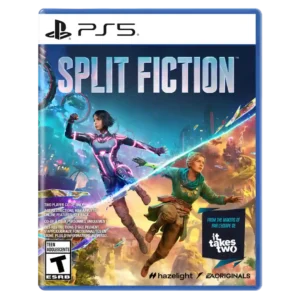
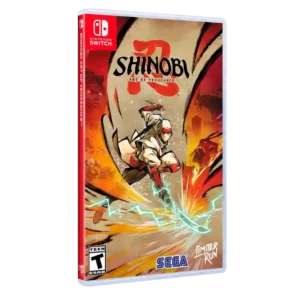
Compare Split Fiction vs Shinobi: Art of Vengeance

Split Fiction

Split Fiction

Overall score 4.2 / 5

Based on 27 scored reviews

vs
Shinobi: Art of Vengeance

Shinobi: Art of Vengeance

Overall score 4.4 / 5

Based on 30 scored reviews

How we score

Scorata scores summarize analyzed review evidence on a 1–5 scale; they are not laboratory measurements or a simple average of customer star ratings. Feature scores summarize the reviews covering that feature. The overall score averages feature scores within each review, then combines review averages. When both expert and customer evidence are available, those two groups receive equal weight. Products can have different review coverage, so small score gaps do not establish a winner.

Recommendations prioritize important features for the category, with a score of at least 3.5, a gap of at least 0.25 points and at least two supporting reviews per product. Features with widely varying scores or broad connectivity contexts are excluded from recommendations. These safeguards do not establish statistical significance.

Quick verdict

What each product is best for

The review evidence points to a tradeoff: character development and performance optimization versus voice acting and value for money. Choose according to which strengths matter more to you; the overall score alone does not settle that choice.

Choose Split Fiction for character development and performance optimization.

Choose Shinobi: Art of Vengeance for voice acting and value for money.

Why these recommendations?

Split Fiction

Where It Has the Edge

  • character development is 4.5 vs 3.3. Character development earned praise from reviewers who felt Mio and Zoe’s relationship and emotional growth paid off.
  • performance optimization is 4.8 vs 3.8. Performance optimization was praised across several reviews, with smooth operation on consoles and strong overall polish.
  • level design is 4.8 vs 4.1. Level design stood out for memorable finales, strong set pieces, and mechanics that could sustain larger ideas.

Shinobi: Art of Vengeance

Where It Has the Edge

  • voice acting is 4.0 vs 3.4. Voice acting receives mixed-to-positive reactions: some reviews praise the performances, while others call the English voices merely fine...
  • value for money is 4.6 vs 4.0. Value for money is positive overall, especially for combat-focused or completionist players, though one review frames value as...
  • graphics quality is 5.0 vs 4.6. Graphics quality is a major strength, with reviewers repeatedly calling the game gorgeous, beautiful, and visually impressive.
Split Fiction 4.2 overall score
Shinobi: Art of Vengeance 4.4 overall score

Compare features

Scores are out of 5. Missing scores mean missing review evidence, not a missing feature.

Scored on both products

Other features

Emotional impact
Split Fiction
4.5

Emotional impact landed for several reviewers, especially through friendship themes and later character moments.

Shinobi: Art of Vengeance
2.5

Emotional impact is limited in the review evidence, with one reviewer wishing for a stronger moment of emotional weight.

Exploration quality
Split Fiction
2.2

Exploration was criticized where invisible walls and glitches undercut curiosity.

Shinobi: Art of Vengeance
4.1

Exploration is divisive: many enjoy secrets, replayable routes, and rewards, while others find backtracking or Metroidvania-lite detours less compelling.

Progression system
Split Fiction
3.0

Progression was intentionally minimal, with no score tracking or skill leveling, which some players may find limiting.

Shinobi: Art of Vengeance
4.6

Progression is praised for steadily adding moves, abilities, upgrades, and customization that keep combat and traversal evolving.

Camera behavior
Split Fiction
3.8

Camera behavior was split between praise for clear tracking and complaints about awkward perspective shifts.

Shinobi: Art of Vengeance
5.0

Camera behavior is praised in one review for intelligently changing framing to support mood, traversal, and visual depth.

Character development
Split Fiction
4.5

Character development earned praise from reviewers who felt Mio and Zoe’s relationship and emotional growth paid off.

Shinobi: Art of Vengeance
3.3

Character development is limited overall, with one reviewer liking a supporting character but another calling broader character depth minimal.

Frame rate stability
Split Fiction
4.0

Frame rate stability was platform-dependent: strong on most versions, but Switch 2 had noticeable dips in demanding moments.

Shinobi: Art of Vengeance
2.9

Frame rate stability is mixed, especially on Switch, where reviewers note dips or painful frame-rate issues despite otherwise strong presentation.

Onboarding experience
Split Fiction
3.4

Onboarding was praised for intuitive design but criticized on Switch 2 crossplay setup for poor in-game explanation.

Shinobi: Art of Vengeance
4.5

Onboarding is praised for easing the player into each move rather than overwhelming them with the full combat kit at once.

Combat system
Split Fiction
4.0

Combat was described positively when the game shifts into shooter and action-platforming sequences.

Shinobi: Art of Vengeance
4.9

Combat is the most consistently praised attribute, with reviewers calling it fluid, deep, expressive, satisfying, and central to the game’s appeal.

Mission variety
Split Fiction
3.9

Mission variety was strong overall, but a few sci-fi sections were called less memorable.

Shinobi: Art of Vengeance
4.5

Mission variety is supported by praise for fresh objectives and distinct environments across the stages.

Pacing
Split Fiction
4.2

Pacing was one of the most praised areas, though a minority felt certain ideas lingered too long or were not flawless.

Shinobi: Art of Vengeance
3.6

Pacing is mixed: several reviewers like the length and steady tool rollout, while others say long stages, revisit loops, or samey rhythm weaken momentum.

Accessibility options
Split Fiction
3.7

Accessibility support was praised for options like damage reduction and checkpoint skipping, though one review encountered a failed QuickTime accessibility workaround.

Shinobi: Art of Vengeance
4.2

Accessibility options are praised for adjustable difficulty, assist settings, and sliders that make the challenge more approachable without fully flattening it.

Platforming precision
Split Fiction
4.5

Platforming was repeatedly called precise and immediately satisfying.

Shinobi: Art of Vengeance
4.0

Platforming is often praised as tight, precise, and rewarding, though several reviewers flag optional challenge rooms or late-game traversal as frustrating or inconsistent.

Bug frequency
Split Fiction
2.5

Bug frequency was low for some but notable in reviews citing glitches, snags, and a specific failed checkpoint interaction.

Shinobi: Art of Vengeance
2.0

Bug frequency is a concern in one review that reports a severe save-wipe issue, even though other technical impressions were cleaner.

Checkpoint system
Split Fiction
4.5

The checkpoint system was consistently praised for generosity, fast respawns, and reducing frustration.

Shinobi: Art of Vengeance
5.0

The checkpoint system is praised as a quality-of-life improvement because it reduces frustration around difficult optional challenges.

Environmental detail
Split Fiction
4.5

Environmental detail was praised for keeping varied worlds visually interesting.

Shinobi: Art of Vengeance
5.0

Environmental detail stands out in reviews that praise painterly backgrounds, large-scale set pieces, and richly detailed level backdrops.

Learning curve
Split Fiction
4.0

The learning curve was approachable for experienced players but could require adjustment for casual players.

Shinobi: Art of Vengeance
4.5

The learning curve is favorable because reviewers describe the combat as simple to engage with while still rewarding mastery.

Writing quality
Split Fiction
2.4

Writing quality was the most common weakness, with repeated complaints about dull characters, cliches, and amateurish story beats.

Shinobi: Art of Vengeance
2.8

Writing quality is mixed-to-weak, with reviewers describing the script as fine, tropey, or not especially nuanced.

Animation quality
Split Fiction
4.5

Animation quality was praised in the technical review, especially for effective character animation.

Shinobi: Art of Vengeance
4.9

Animation quality is a standout, especially Joe’s motion, hand-drawn character work, and the way combat and traversal read in motion.

Graphics quality
Split Fiction
4.6

Graphics were usually praised as gorgeous or stunning, with Switch 2 visual compromises noted by one reviewer.

Shinobi: Art of Vengeance
5.0

Graphics quality is a major strength, with reviewers repeatedly calling the game gorgeous, beautiful, and visually impressive.

Polish
Split Fiction
4.4

Polish was generally strong, though some reviewers mentioned rough gameplay stretches or platform-specific compromises.

Shinobi: Art of Vengeance
4.8

Polish is praised where reviewers highlight the game as well put together and visually refined.

Content variety
Split Fiction
4.8

Content variety was a major strength, especially side stories, genre shifts, and constantly changing mechanics.

Shinobi: Art of Vengeance
4.5

Content variety is strong across stage themes, optional challenges, enemy encounters, bonus levels, and replay modes, though some side segments are less loved.

Art direction
Split Fiction
4.6

Art direction was widely praised for striking worlds, scale, and strong creative environments, even on compromised hardware.

Shinobi: Art of Vengeance
5.0

The hand-drawn art direction receives near-universal praise for its style, cohesion, painterly look, and strong franchise fit.

Dialogue quality
Split Fiction
2.8

Dialogue drew mixed responses, ranging from thoughtful and believable to painfully uninspired or full of cliches.

Shinobi: Art of Vengeance
2.5

Dialogue quality is uneven: one review criticizes a dull character, and another finds paused dialogue barks jarring despite fun narrative moments.

Flying mechanics
Split Fiction
2.8

Flying was more divisive, with reviewers citing some early flying sections and dragon flight as weaker or imprecise.

Shinobi: Art of Vengeance
3.0

Flying mechanics are mildly criticized in the glider’s case, with the reviewer saying it slows down otherwise snappy traversal.

Movement feel
Split Fiction
4.5

Movement received strong praise for added weight, consistency, and approachability.

Shinobi: Art of Vengeance
4.8

Movement feel is heavily praised as fast, fluid, snappy, and fun, though one Switch review notes combat can feel slower than traversal.

Side character depth
Split Fiction
2.3

Side character depth was weak, especially around the one-dimensional CEO/villain.

Shinobi: Art of Vengeance
2.5

Side character depth is weak in the evidence focused on Ankou, whom one reviewer calls dull despite liking the broader visual design.

Core gameplay loop
Split Fiction
4.5

The core loop was praised as gameplay-first, using its premise mainly to enable new co-op situations.

Shinobi: Art of Vengeance
4.7

The core loop is widely liked as fast, stylish 2D action with strong combat and traversal, with a few reviewers calling it great despite structural complaints.

Originality
Split Fiction
4.4

Originality was mixed: some called it audacious or original, while another argued it was polished more than new.

Shinobi: Art of Vengeance
4.5

Originality is praised where reviewers call the revival fresh for the series rather than a simple nostalgic retread.

Fun factor
Split Fiction
4.7

Fun factor was consistently high, even among more critical reviewers.

Shinobi: Art of Vengeance
4.8

Fun factor is high, with many reviewers calling the combat, challenge rooms, and overall ninja fantasy enjoyable or easy to recommend.

Difficulty balance
Split Fiction
4.1

Difficulty was seen as forgiving but more demanding than earlier Hazelight games, especially for casual or unseasoned partners.

Shinobi: Art of Vengeance
4.1

Difficulty is generally viewed as fair and satisfying, but opinions split on spikes, projectile-heavy sections, undertuned enemies, and some hard optional challenges.

Narrative quality
Split Fiction
3.3

Narrative quality divided reviewers: some liked the human story and concept, while others found the plot predictable or forgettable.

Shinobi: Art of Vengeance
3.3

Narrative quality is the most mixed creative element: some call it one of the franchise’s better stories, while many describe it as simple, thin, or tonally inconsistent.

Innovation
Split Fiction
4.8

Innovation was strongly praised through creative levels, final sequences, and inventive co-op design.

Shinobi: Art of Vengeance
4.8

Innovation is praised where reviewers say the game evolves Shinobi meaningfully instead of merely repeating the past.

Gameplay mechanics
Split Fiction
4.4

Reviewers broadly praised the constantly changing mechanics and strong moment-to-moment play, though a few found some actions forgettable or simple.

Shinobi: Art of Vengeance
4.4

Gameplay mechanics are praised for depth and power fantasy, though one reviewer argues an execution mechanic lacks meaningful challenge pressure.

Comfort and build

World-building
Split Fiction
4.5

World-building was praised for immersive, explorable worlds built from the protagonists’ imaginations.

Shinobi: Art of Vengeance
2.5

World-building is weak in the evidence that explicitly says not to expect captivating world building from the campy action story.

Puzzle design
Split Fiction
4.8

Puzzle design was consistently praised for co-op dependence, teamwork, and creativity, with only occasional simplicity noted.

Shinobi: Art of Vengeance
4.0

Puzzle design receives a mild positive note for being logical and not slowing the action down.

Level design
Split Fiction
4.8

Level design stood out for memorable finales, strong set pieces, and mechanics that could sustain larger ideas.

Shinobi: Art of Vengeance
4.1

Level design is usually praised for scale, variety, secrets, and challenge structure, but some reviewers criticize flow, pacing, or underused combat spaces.

Boss design
Split Fiction
4.2

Boss design was often praised for imagination and spectacle, with some caveats around daunting or repeated patterns.

Shinobi: Art of Vengeance
4.4

Boss design earns many positive notes for memorable, exciting encounters, though a few reviewers find some bosses too easy, clunky, or mechanically weaker than regular fights.

Controls and connectivity

Protagonist appeal
Split Fiction
2.8

Protagonist appeal was mixed because several reviewers needed time to warm up to Mio and Zoe, or never found them interesting.

Shinobi: Art of Vengeance
4.5

Protagonist appeal is positive where Joe Musashi is described as a compelling, badass ninja fantasy rather than a talkative character.

Voice acting
Split Fiction
3.4

Voice acting was mixed, with some praise for performances but criticism that delivery did not elevate weaker writing.

Shinobi: Art of Vengeance
4.0

Voice acting receives mixed-to-positive reactions: some reviews praise the performances, while others call the English voices merely fine or jarring.

Controls responsiveness
Split Fiction
4.5

Controls were generally seen as responsive and intuitive, with one Switch 2 local controller setup working without issue.

Shinobi: Art of Vengeance
4.7

Controls are usually described as smooth, tight, intuitive, and responsive, with a few caveats around moments where scripted control loss or platforming inputs feel awkward.

Performance

Performance optimization
Split Fiction
4.8

Performance optimization was praised across several reviews, with smooth operation on consoles and strong overall polish.

Shinobi: Art of Vengeance
3.8

Performance optimization varies by platform and context, with PS5 impressions strong but Switch-oriented reviews noting optimization and frame-pacing caveats.

Soundtrack quality
Split Fiction
3.7

Soundtrack quality was mixed: some heard an upgrade or strong genre styling, while another found it forgettable.

Shinobi: Art of Vengeance
4.4

The soundtrack is mostly praised as energetic, fitting, and memorable, though one review finds it weaker than the visuals and Genesis-era expectations.

Ownership and support

Value for money
Split Fiction
4.0

Value for money was helped by Friend’s Pass and sharing features, though one review noted it was shorter and more expensive than its predecessor.

Shinobi: Art of Vengeance
4.6

Value for money is positive overall, especially for combat-focused or completionist players, though one review frames value as more moderate for players skipping side content.

Replay value
Split Fiction
3.8

Replay value was mixed: alternate characters and modes help, but some reviewers still saw it as a one-and-done game.

Shinobi: Art of Vengeance
4.1

Replay value is strong for completionists thanks to collectibles, secrets, stage revisits, Arcade Mode, Boss Rush, ranks, and unlockables, though not every reviewer loves revisiting.

Evidence available for one product

Controls and connectivity

Age appropriateness
Split Fiction
4.0

Age appropriateness was considered fitting for a Teen rating, with some language and blood but nothing gratuitous.

Shinobi: Art of VengeanceNo score yet
Menu usability
Split FictionNo score yet
Shinobi: Art of Vengeance
5.0

Menu usability is praised through the clean, easy-to-navigate interface that removes friction around fast travel and play.

Other features

Atmosphere
Split FictionNo score yet
Shinobi: Art of Vengeance
4.5

Atmosphere is supported by presentation touches such as camera framing and mood-setting scenes that help the 2D spaces feel more dramatic.

Co-op experience
Split Fiction
4.8

Co-op experience was the strongest consensus point, repeatedly described as excellent, accessible, communicative, and central to the fun.

Shinobi: Art of VengeanceNo score yet
Couch co-op quality
Split Fiction
4.5

Couch co-op quality was praised for local convenience and the way Hazelight supports shared-play experiences.

Shinobi: Art of VengeanceNo score yet
Crash stability
Split FictionNo score yet
Shinobi: Art of Vengeance
5.0

Crash stability is strong in the PS5 review that reports no crashes, soft-locks, or freezes over a long playthrough.

Endgame content
Split FictionNo score yet
Shinobi: Art of Vengeance
4.1

Endgame content is generally seen as useful for replay through Arcade Mode, Boss Rush, superbosses, and ranking challenges, though one reviewer sees arcade mode as padding.

Enemy variety
Split FictionNo score yet
Shinobi: Art of Vengeance
4.7

Enemy variety is a strength, with reviewers praising the range of ninjas, soldiers, monsters, bosses, and specialized foes that shape encounters.

Facial animations
Split Fiction
4.5

Facial animation/lip sync received specific praise from one reviewer.

Shinobi: Art of VengeanceNo score yet
Faithfulness to franchise
Split FictionNo score yet
Shinobi: Art of Vengeance
4.7

Reviewers broadly describe the revival as faithful to Shinobi’s legacy while modernizing it with new structure, combat depth, and visual presentation.

Family friendliness
Split Fiction
4.0

Family friendliness was supported by forgiving co-op design that can work across different skill levels.

Shinobi: Art of VengeanceNo score yet
Fast travel convenience
Split FictionNo score yet
Shinobi: Art of Vengeance
4.8

Fast travel is repeatedly praised for making revisits, secret hunting, and post-completion cleanup smoother rather than tedious.

Handheld play suitability
Split Fiction
4.5

Handheld play suitability was praised for portable convenience despite technical tradeoffs.

Shinobi: Art of VengeanceNo score yet
HUD clarity
Split FictionNo score yet
Shinobi: Art of Vengeance
3.0

HUD clarity receives a mixed score because flashy combat effects can make the player lose track of the action.

Immersion
Split FictionNo score yet
Shinobi: Art of Vengeance
4.0

Immersion is supported by strong presentation and visual depth, though one reviewer says the game remained enjoyable without strongly resonating.

Load times
Split FictionNo score yet
Shinobi: Art of Vengeance
4.5

Load times receive a positive note from one Switch reviewer who says they did not take too long.

Lore depth
Split FictionNo score yet
Shinobi: Art of Vengeance
4.0

Lore depth gets mild praise where the reviewer appreciates Shinobi’s blend of cultural mythological elements.

Matchmaking quality
Split Fiction
3.0

Matchmaking quality was limited because finding a partner could still be a challenge.

Shinobi: Art of VengeanceNo score yet
Online stability
Split Fiction
4.3

Online stability was generally positive, with rare lag or strong latency reports.

Shinobi: Art of VengeanceNo score yet
Split-screen quality
Split Fiction
4.2

Split-screen quality was useful for coordination, though small handheld details could still be harder to read.

Shinobi: Art of VengeanceNo score yet
Tutorial quality
Split FictionNo score yet
Shinobi: Art of Vengeance
4.5

Tutorial quality is positive where one reviewer says the early tutorials made combat options easy to understand and apply.

Upgrade system
Split FictionNo score yet
Shinobi: Art of Vengeance
4.5

The upgrade system is praised for meaningful amulets, combat additions, and flexible build choices that alter playstyle.

Visual effects quality
Split FictionNo score yet
Shinobi: Art of Vengeance
4.8

Visual effects are praised for stylish Ninjutsu, cinematic flourishes, audiovisual impact, and bold combat feedback.

World interactivity
Split Fiction
2.5

World interactivity was limited because some props amused briefly but did not reward or advance players.

Shinobi: Art of VengeanceNo score yet

Ownership and support

Cross-play support
Split Fiction
4.5

Cross-play support was praised as player-friendly and helpful for Friend’s Pass co-op.

Shinobi: Art of VengeanceNo score yet
Cross-save support
Split Fiction
4.5

Cross-save/progression support was praised where non-host progression carried over.

Shinobi: Art of VengeanceNo score yet
Platform-specific feature support
Split Fiction
4.5

Platform-specific support stood out on Switch 2 through kickstand/tabletop play and Game Share functionality.

Shinobi: Art of VengeanceNo score yet
Save system reliability
Split FictionNo score yet
Shinobi: Art of Vengeance
3.3

Save reliability is split: one review praises frequent saves, while another reports the serious problem of a save being wiped twice.

Comfort and build

Map and navigation design
Split FictionNo score yet
Shinobi: Art of Vengeance
3.8

Map and navigation design is mixed: reviewers like map clarity and fast travel, but some cite confusing secret tracking or unclear pits.

Mission design
Split FictionNo score yet
Shinobi: Art of Vengeance
4.5

Mission design is praised through comments about well-crafted stages that mix platforming, combat, puzzles, and optional routes.

Multiplayer design
Split Fiction
4.5

Multiplayer design was praised for fitting the exclusively co-op approach and supporting differing skill levels.

Shinobi: Art of VengeanceNo score yet
Quest design
Split Fiction
4.5

Side-story quests were considered worthwhile and rewarding to find.

Shinobi: Art of VengeanceNo score yet
Sound design
Split FictionNo score yet
Shinobi: Art of Vengeance
3.5

Sound design is mixed: impact feedback and combat audio are praised, but one reviewer strongly disliked the harsh radio or speaker filter.

User interface design
Split FictionNo score yet
Shinobi: Art of Vengeance
5.0

User interface design receives praise for being clean and easy to navigate.

Other Top Video Games to Consider

#1 Well Dweller
4.7

Best for fluid traversal, rewarding exploration, striking art, and forgiving quality-of-life features. Skip it if you want deep combat, radical genre innovation, or consistently demanding bosses.

Pros: difficulty balance, boss design

Cons: innovation, sandbox freedom

#2 Hades II
4.5

Best for superb combat, inventive builds, and richly voiced characters. Skip it if repeated runs, resource gathering, or visually busy battles outweigh the appeal of steady progress.

Pros: overall quality, combat system

Cons: pacing, grind level

#3 Valheim
4.5

Good if you want a beautiful, demanding survival sandbox built around exploration, building, progression, and memorable co-op. Skip it if long resource runs, harsh death recovery, and deliberate pacing sound...

Pros: town-building system, exploration quality

Cons: grind level, fast travel convenience

#4 Grand Theft Auto VI
4.5

Leonida is a breathtakingly alive crime sandbox with memorable protagonists, spectacular heists, and extraordinary detail. The tradeoff is a 30 fps ceiling, occasional control awkwardness, and some progression friction.

Pros: immersion, graphics quality

Cons: grind level, controls responsiveness