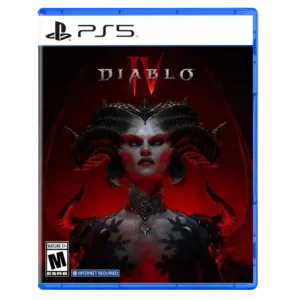
Scorata scores summarize analyzed review evidence on a 1–5 scale; they are not laboratory measurements or a simple average of customer star ratings. Feature scores summarize the reviews covering that feature. The overall score averages feature scores within each review, then combines review averages. When both expert and customer evidence are available, those two groups receive equal weight. Products can have different review coverage, so small score gaps do not establish a winner.
Recommendations prioritize important features for the category, with a score of at least 3.5, a gap of at least 0.25 points and at least two supporting reviews per product. Features with widely varying scores or broad connectivity contexts are excluded from recommendations. These safeguards do not establish statistical significance.
Quick verdict
What each product is best for
The review evidence points to a tradeoff: user interface design and learning curve versus innovation and originality. Choose according to which strengths matter more to you; the overall score alone does not settle that choice.
Choose Diablo IV for user interface design and learning curve.
Choose Aniimo for innovation and originality.
Why these recommendations?
Diablo IV
Where It Has the Edge
user interface design is 4.5 vs 1.8. UI evidence was positive where scored, especially tooltips and UX design.
learning curve is 3.8 vs 2.2. Learning curve evidence was mixed: complexity can be bracing, but the Warlock and skill systems were also called...
controls responsiveness is 4.8 vs 3.3. The handling was praised as precise and responsive, with reviewers highlighting intuitive combat feel and quick reactions.
Aniimo
Where It Has the Edge
innovation is 4.8 vs 2.8. Twining gives Aniimo a genuine identity by making collected creatures usable across traversal, puzzles, exploration, and combat rather...
originality is 4.5 vs 2.8. Aniimo clearly borrows from familiar creature collectors and open-world RPGs, but Twining and its broader creature utility give...
content variety is 4.7 vs 4.2. There is an unusually broad mix of collecting, exploration, events, trials, PvP, housing, farming, and social activities, giving...
Diablo IV4.1 overall score
Aniimo3.8 overall score
Compare features
Scores are out of 5. Missing scores mean missing review evidence, not a missing feature.
Scored on both products
Controls and connectivity
Age appropriateness
Diablo IV
2.0
Aniimo
5.0
Details and evidence for age appropriateness
Diablo IV
One review warned that the gore is intense enough to shock players who dislike graphic violence.
Menus are the most consistent usability complaint: too many screens, currencies, reward claims, and nested pages can make routine management feel exhausting.
Voice work has been inconsistent in beta: some voiced scenes are engaging, but coverage is sparse and other lines sound ordinary or under-polished. Pre-launch expansion was a welcome sign.
The customizable Pathfinder is flexible mechanically, but the human character design can still feel visually generic and short on distinct personality.
Areas such as Mistwoods stand out for stronger environmental hazards, puzzles, mood shifts, and reasons to engage with the space rather than simply cross it.
Boss quality has been uneven: some beta fights felt trivial or mediocre, while the redesigned legendary encounter was welcomed as a much stronger direction.
Multiplayer offers useful social spaces, co-op exploration, PvP, and group activities, but the world often feels primarily solo and some restrictions make playing with friends more cumbersome than expected.
The living ecosystem is a major strength, with creatures behaving as if they belong in their habitats. The narrative side is less consistent, leaving some basic lore relationships underexplained.
Main quests can occasionally overstay their welcome, but the ability to skip lengthy conversation and receive a summary is a smart quality-of-life feature.
Idyll is one of Aniimo’s strongest assets, with varied biomes, weather, creature habitats, secrets, and movement abilities that make the world feel built around exploration rather than empty distance.
The game rotates through story quests, trials, events, exploration tasks, and other activities, helping prevent the structure from feeling like one repeated mission type.
The story can be interesting, but long stretches of dialogue—much of it unvoiced in beta—made some players skip conversations to return to exploration.
Twining gives Aniimo a genuine identity by making collected creatures usable across traversal, puzzles, exploration, and combat rather than limiting them to battles.
The opening can overwhelm new players with too much information at once, even though tutorials eventually explain the game’s many interconnected systems.
Aniimo clearly borrows from familiar creature collectors and open-world RPGs, but Twining and its broader creature utility give it enough identity to avoid feeling like a simple clone.
The first hours can be overwhelming because many currencies, menus, tutorials, and progression systems arrive quickly. Players who take systems gradually have a much easier time settling in.
The long-term endgame remains one of the bigger uncertainties, especially after progression-system changes and concerns that higher tiers may demand heavy time or spending.
Grind has been one of the most volatile parts of the experience: beta legendary systems and progression tasks could feel excessive, while later redesigns aim to reduce repetitive RNG-heavy work.
The stronger voiced quest moments hint at an intriguing world and mystery, but presentation issues can make players skip past material that might otherwise land well.
Combat was one of the strongest points, with repeated praise for precision, satisfaction, and tactical chaos; only one review framed it as more uneven.
Real-time combat is responsive and can become deeper through team roles and Twining, but opinions split on its ceiling. Several players found it too simple, repetitive, or light for a hardcore action RPG.
Paid cosmetics are relatively easy to ignore, but beta versions also included progression shortcuts, capture advantages, and stat-related items that raised much more serious concerns.
Creature animation is a notable strength, especially the individualized idle work, while earlier cutscene snapping and follower wobble showed rough edges that still needed polish.
Idyll is often lively, magical, and inviting, with areas such as Mistwoods creating a strong change of mood. A few audio choices can undercut tension in specific encounters.
Skill trees and buildcraft were heavily covered and mostly praised for flexibility and depth, with some caveats that changes could be overstated or twig-like.
The creature-collecting loop has strong foundations and can stay compelling through team building and exploration. Menu reward chores can interrupt that flow more than they should.
Twining is the standout mechanic, turning every new creature into a possible movement, puzzle, exploration, or combat tool instead of just another battle unit.
Content variety was mostly positive thanks to sidequests, endgame activities, and expansion additions, though one review warned some activities can feel copied.
There is an unusually broad mix of collecting, exploration, events, trials, PvP, housing, farming, and social activities, giving players plenty of alternatives when one loop gets stale.
Upgrade-related evidence was positive overall, especially around Talismans and loadout tailoring, though one reviewer had not yet found thrilling pieces.
Respecs, material returns, and inheritance changes make upgrading creatures less punishing and encourage experimentation instead of locking players into early choices.
Narrative drew broad but mixed praise: many reviews liked Lilith, Mephisto, or expansion arcs, while several criticized weak, predictable, or ham-fisted storytelling.
The research-focused premise and central mystery can be engaging, but early exposition is uneven and some players found the story less compelling than the exploration and collecting.
Presentation ranges from impressively polished to visibly beta-like. Strong visuals and smooth performance coexist with animation snaps, pop-in, menu clutter, and other rough edges.
Players can approach exploration, creature use, puzzles, progression, and pacing in different ways, giving the world more of a playground feel than a rigid route.
Difficulty evidence was mixed: bosses and tier options were praised, but some expansion encounters and later challenge tuning felt frustrating or uncertain.
Aniimo leans cozy and accessible rather than punishing. That relaxed balance works well for casual play, though players seeking consistently difficult fights may find it too easy.
Co-op can be excellent when content makes players genuinely cooperate, but story progression does not carry cleanly with friends and remains a major frustration.
Aniimo abilities interact naturally with terrain, puzzles, objects, and traversal, making the world feel more systemic and giving newly caught creatures practical value.
Twining can create a stronger bond with collected creatures because players do not just command them—they directly become and move through the world as them.
The core experience is widely enjoyable, especially when exploring, collecting, and experimenting with creatures. Even more critical players generally still saw enough appeal to keep playing or return at launch.
Exploration is a major strength because discovery, creature abilities, secrets, rare spawns, puzzles, and weather conditions all feed back into the collecting loop.
Aniimo’s strongest visual identity comes from its colorful world and distinctive creature designs, which are repeatedly described as lovely, creative, cute, and memorable.
Monetization was mixed: cosmetics were not intrusive or pay-to-win, but reviewers repeatedly criticized high prices and paid layers in a full-priced game.
Monetization is the most divisive area. Some builds looked fairly restrained and non-gacha, while other beta systems sold meaningful progression advantages; later changes improved confidence but did not erase the concern.
The opening can drag and some quests run longer than needed, especially when dialogue piles up. Once the world opens and more systems arrive, the pace improves considerably.
Distinct biomes, weather effects, creature behaviors, and small environmental reactions give the world a strong sense of place, though some visual assets are less detailed than the best modern open worlds.
Progression has real depth through team roles, creature potential, evolution, upgrades, and rare forms, but it can become complicated. Pre-launch resets and legendary-system changes made investment feel fairer and less punishing.
Aniimo is frequently praised as colorful and beautiful, with especially strong creature presentation and scenery. A few beta assets and environmental surfaces looked less high-end up close.
The beta Companion Handbook drew severe criticism for tying meaningful competitive power and progression advantages to a paid track rather than mostly cosmetic rewards.
Developer responsiveness is one of the more encouraging signs, with major beta systems reworked or removed after feedback. The same live-service structure can still create menu clutter and long-term uncertainty.
The base game’s free entry is a major advantage because players can try a large, polished world without an upfront purchase. Optional spending complicates the long-term value picture more than the initial price does.
Performance reports are mixed across beta builds: some players encountered issues and pop-in, while another reported a smooth experience with no lag or stutter.
Music is often a pleasant companion to exploration and generally fits the mood, though at least one boss encounter lost tension because the soundtrack failed to change.
Creature behavior helps Idyll feel alive, with Aniimo resting, playing, reacting to habitats, and changing with conditions. Pre-launch updates also drew praise for expanding idle behaviors.
Relying on AI-controlled creatures can be less effective than taking direct control, with at least some bosses becoming noticeably easier when played manually.
The gentle tone, cute creatures, flexible pace, and cooperative options make Aniimo approachable for family play, especially for players who prefer lighter combat pressure.
The breadth of collecting and progression can support a long playtime; one tester estimated roughly 100 hours of worthwhile fun before later endgame questions become more important.
Tutorials are useful because they unlock and explain many essential systems, but their volume can be tiring and some players wished they could skip more of them.
The character creator is unusually deep for the genre, with detailed sliders, color controls, preset blending, and broad expression. Some human character designs still come across as visually generic.
Collecting is one of Aniimo’s biggest hooks because creatures are visually distinctive and useful beyond combat. Better potential, rare forms, variants, and traversal abilities keep the hunt meaningful.
Controller experience has been a weak spot, with crowded button mappings and reported optimization issues. Pre-launch control improvements were welcomed, but launch quality still needed proving.
Puzzles are a strong fit for Twining because different creature abilities can open alternate solutions, making environmental challenges feel connected to the collection itself.
The RV and Homeland form a substantial cozy side game with farming, decorating, production, creature jobs, and social visits. Enthusiasm is high, though not everyone finds it as compelling as exploration.