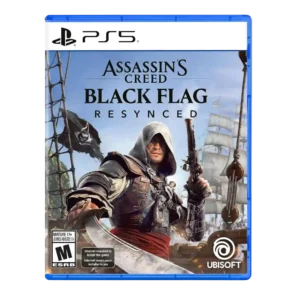
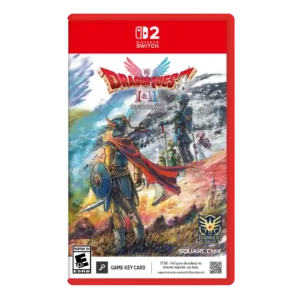
Assassin’s Creed Black Flag Resynced
Where It Has the Edge
- difficulty balance is 3.8 vs 3.4. Difficulty balance is mixed: stricter parry timing adds challenge, but slow-motion dodge and parry cues may make combat...

Scorata scores summarize analyzed review evidence on a 1–5 scale; they are not laboratory measurements or a simple average of customer star ratings. Feature scores summarize the reviews covering that feature. The overall score averages feature scores within each review, then combines review averages. When both expert and customer evidence are available, those two groups receive equal weight. Products can have different review coverage, so small score gaps do not establish a winner.
Recommendations prioritize important features for the category, with a score of at least 3.5, a gap of at least 0.25 points and at least two supporting reviews per product. Features with widely varying scores or broad connectivity contexts are excluded from recommendations. These safeguards do not establish statistical significance.
Quick verdict
The review evidence points to a tradeoff: difficulty balance versus animation quality and art direction. Choose according to which strengths matter more to you; the overall score alone does not settle that choice.
Choose Assassin’s Creed Black Flag Resynced for difficulty balance.
Choose Dragon Quest I & II HD-2D Remake for animation quality and art direction.
Scores are out of 5. Missing scores mean missing review evidence, not a missing feature.
Replay value looks strong for players who enjoy roaming the Caribbean and engaging with the sailing fantasy beyond missions.
Reviewer evidence supports replay value across the listed reviews.
Platform-specific feature support is viewed positively on PC because the preview highlighted modern upscalers and broad technical support.
Platform-specific support drew criticism from one reviewer because the Switch version lacked a paid upgrade path to Switch 2.
Value for money is mixed: one reviewer liked the $60 price, while another advised waiting for reviews rather than pre-ordering.
Value was generally positive because two expanded remakes come in one package, though one reviewer wished the price were lower.
AI behavior is mixed-positive: reviewers liked more realistic reactions and aggressive enemy behavior, but one still noticed enemies waiting their turn.
One reviewer criticized the automated battle behavior, saying the AI made poor choices rather than feeling genuinely wise.
Handheld play suitability has a positive early signal because dedicated handheld presets were described as good news.
Steam Deck play was praised as an ideal way to experience the remakes, helped by performance and save support.
Animation quality is positive for more dynamic cinematics, but one reviewer found some motion capture and facial animation uneven.
Animation quality was praised in both battle and enemy presentation, with reviewers noting smooth movement and lively spell or monster animations.
Art direction is mostly positive for retaining the original style, but one reviewer worried the new presentation could lose some of Black Flag’s soul.
The HD-2D art direction was strongly praised for respecting old JRPG roots while making the worlds feel striking and modern.
Narrative quality is promising because of Edward-focused additions and new story content, but the changed modern-day structure leaves some story questions.
The expanded narrative was repeatedly praised for making the Erdrick trilogy feel richer, more cohesive, and less like a bare-bones relic.
Immersion impressions are positive where the remake is said to push dynamism, gameplay, and immersion further.
Reviewers praised the presentation, music, and environments for making the adventure feel rich, magical, and immersive.
Writing quality is praised for potential added depth and returning writer involvement, with a caveat about whether new additions integrate smoothly.
Writing and localization were praised for adding character, humor, and series-appropriate flavor to the remakes.
The character roster expands positively through the addition of three officers, each framed as a meaningful new crew presence.
The added Princess of Cannock and more useful party members were repeatedly praised as natural, valuable additions to Dragon Quest II.
Graphics quality has the strongest agreement: reviewers repeatedly praised the modernized visuals, lighting, water, faces, and environmental fidelity.
Graphics received near-universal praise, with reviewers repeatedly calling the HD-2D presentation brilliant, gorgeous, stunning, or full of life.
Environmental detail is consistently praised through denser foliage, livelier towns, more NPCs, improved textures, and richer scenery.
Environmental detail stood out through lighting, interiors, water, clouds, towns, and dungeons that made the world feel richer.
One reviewer saw the remake giving players more direct control during combat, especially through revised tool and weapon handling.
Reviewers praised Sigils, Scrolls, and other new mechanics for adding meaningful choices while keeping the classic JRPG foundation intact.
Load-time impressions are very positive because several reviewers noted seamless docking or no loading screens entering cities.
Load times were praised in preview coverage as quick, matching the strong Switch 2 performance profile.
Faithfulness to franchise is a strength because reviewers felt the remake respects original Black Flag and longtime fans.
One preview emphasized the games' JRPG legacy as a reason to experience them, supporting their faithfulness to Dragon Quest history.
Difficulty balance is mixed: stricter parry timing adds challenge, but slow-motion dodge and parry cues may make combat easier.
Difficulty split reviewers: many liked the tougher, more meaningful challenge, but several criticized RNG spikes, grinding walls, or frustrating solo encounters.
Content variety is praised for new story hours, new crew content, revamped combat, and broader remake additions.
Reviewers appreciated the expanded worlds, new mechanics, and added content, especially in Dragon Quest II.
Character development is expected to improve because reviewers saw the remake fleshing out Edward’s story and personal relationships.
Reviewers especially praised Dragon Quest II's party members for gaining stronger arcs, personalities, and interpersonal chemistry.
Emotional impact may improve because more expressive faces are expected to add emotion to story scenes.
Multiple reviewers described unusually strong emotional payoffs, including poignant scenes and endings that made them stop, reflect, or cry.
Polish is viewed positively overall, with several reviewers saying the remake looks refined, while still noting minor flaws and pre-release uncertainty.
Polish was praised where reviewers found the remake approachable, refined, and modernized.
Remake quality is broadly praised as ambitious, faithful, and more than a simple remaster, though integration questions remain before release.
Remake quality was the clearest strength: reviewers repeatedly called these definitive, transformative, or thoughtful updates to foundational JRPGs.
Visual effects are highly praised, especially lighting, ray-traced effects, refreshed underwater visuals, rain, wind, and water presentation.
Visual effects were praised for making attacks and spells feel spectacular while preserving the nostalgic tone.
Combat is one of the most consistently praised areas, with reviewers highlighting faster attacks, parries, chain takedowns, added depth, and a more modern feel.
Combat was widely seen as engaging and more strategic, though several reviewers noted Dragon Quest I's solo fights could become frustrating or unfair.
Pacing has a mild caveat because one reviewer thought the parkour footage looked slower than the original.
Pacing was one of the more mixed areas: some found the flow excellent, while others felt added content created bloat or uneven late-game stretches.
Progression appears improved through weapon perks, trinket-style choices, and returning fleet management that adds light progression outside core missions.
Scrolls and character growth were praised for adding light customization and clearer progression without becoming overly complicated.
Side character depth is strongly praised through new officers, personal questlines, expanded arcs, and more character connection.
Side characters were praised for compensating for silent protagonists and making the expanded story feel more emotionally alive.
World interactivity is viewed positively through breakable environments, more consequential ship damage, and dynamic environmental effects.
Mini Medals and hidden interactables were praised for encouraging players to inspect the world more carefully.
Exploration is expected to feel richer through denser locations, more expansive underwater areas, and a more seamless Caribbean.
Exploration was generally praised for rewarding secrets, treasure, and open-ended discovery, though one underwater segment was called slow and awkward.
Fun factor is very high in the evidence, with reviewers describing excitement, purchase interest, and strong enthusiasm after previews.
Fun factor was very high overall, with several reviewers saying the remakes were hard to stop playing or simply a great time.
User interface design has a mixed note because one reviewer found the on-screen combat UI somewhat messy despite being understandable.
Interface changes, shortcut assignments, and UI overhaul were praised for making these old games easier to play.
Map and navigation design is mixed because replacing the minimap with a compass was framed as a personal-preference change.
Navigation tools were praised for streamlining play, though objective markers could make some classic item hunts feel too rudimentary.
Performance optimization looks promising because reviewers noted a benchmark tool and PC requirements that may compare favorably to Shadows, but no launch benchmarks exist yet.
Performance optimization received praise from reviewers who reported smooth play and no major performance issues.
Soundtrack quality is praised because classic sea shanties return alongside new shanties and new music.
The orchestral soundtrack was widely praised, though one reviewer found repeated tracks tiring over long play sessions.
Voice acting impressions are positive where the original cast and new recorded lines are described as fitting the remake well.
Voice acting was usually praised for adding emotion and personality, with one reviewer finding the quality uneven but improved.
Reviewers valued the difficulty options, markers, and other quality-of-life settings for making the old games easier to approach without fully erasing their classic feel.
Atmosphere is highly praised, especially the Caribbean lighting, weather, sea feel, and more alive world presentation.
Camera behavior drew a negative note around assassination camera cuts feeling too harsh.
The checkpoint system appears much improved because detection in tailing missions no longer forces instant desynchronization.
Reviewers strongly liked that the remake preserves a solo action-adventure identity rather than converting Black Flag into an RPG.
Naval handling earned strong praise, especially where storms, waves, and refined ship combat appear to affect how the Jackdaw feels at sea.
Facial animations are broadly praised as much more detailed and expressive, though one hands-off preview still found them somewhat hit or miss.
One reviewer highlighted sharing the remakes with children as a positive next-generation experience, supporting family appeal.
Fast travel convenience was one of the few quality-of-life choices criticized for reducing tension and undermining dungeon-exit magic.
Frame rate impressions were very positive on Switch 2 and handheld play, with reviewers citing stable 60 FPS or no drops.
Grinding remained a concern for some reviewers, but others felt difficulty modes and balancing made the grind less draining than older versions.
Microtransaction impact is concerning where a reviewer disliked the sound of cosmetic pet skins and perk-linked bonuses.
Monetization fairness is a concern where one reviewer interpreted perk-bearing deluxe content as potentially pay-to-win.
Movement and parkour drew broad praise for added flow and modern free-running, though some reviewers noticed slower pacing or momentum loss.
Platforming precision is promising because of freer movement, but one reviewer flagged beam-to-beam delay and sluggishness as a concern.
Sandbox freedom benefits from stealth and tool changes that let players approach encounters with more creativity.
Stealth is widely viewed as improved thanks to free crouching, better detection behavior, and less punishing tailing, though social-stealth and penalty changes remain debated.
Upgrade systems are praised for Jackdaw alternate-fire options, new ship upgrades, and more tactical flexibility.
Weapon balance looks improved through varied weapon perks and chain-kill limits that help avoid button-mashing.
Bosses earned strong praise when they forced strategy and felt rewarding, though a few reviewers disliked specific frustrating fights.
Dungeon design drew criticism from one reviewer for feeling visually varied but structurally uninspired and light on distinctive traits.
Mission design is mostly praised because tailing and eavesdropping no longer hard-fail instantly, though one reviewer worried the new approach weakens stealth tension.
Multiplayer design is a weak point because the mode is absent; reviewers ranged from disappointed to not considering it a major loss.
The open world is praised for preserving the Caribbean map while making it more seamless and easier to move through.
Quest design impressions are positive, centered on new officer quests and added side content that reviewers found exciting.
World-building was strengthened by expanded towns, lore links, and details that made Alefgard and the trilogy feel more alive.
Controls were described as tighter and mostly faithful, with positive notes around ship controls and improved movement control.
Protagonist appeal was mixed: the lone hero concept intrigued some reviewers, but silent protagonists felt bland to others beside voiced side characters.
DLC value is a recurring concern because Freedom Cry and other DLC are missing, though some reviewers accepted the narrower focus.
Autosave and expanded save options were repeatedly praised for reducing frustration and supporting portable play.

Best for fluid traversal, rewarding exploration, striking art, and forgiving quality-of-life features. Skip it if you want deep combat, radical genre innovation, or consistently demanding bosses.
Pros: difficulty balance, boss design
Cons: innovation, sandbox freedom

Best for superb combat, inventive builds, and richly voiced characters. Skip it if repeated runs, resource gathering, or visually busy battles outweigh the appeal of steady progress.
Pros: overall quality, combat system
Cons: pacing, grind level

Good if you want a beautiful, demanding survival sandbox built around exploration, building, progression, and memorable co-op. Skip it if long resource runs, harsh death recovery, and deliberate pacing sound...
Pros: town-building system, exploration quality
Cons: grind level, fast travel convenience

Leonida is a breathtakingly alive crime sandbox with memorable protagonists, spectacular heists, and extraordinary detail. The tradeoff is a 30 fps ceiling, occasional control awkwardness, and some progression friction.
Pros: immersion, graphics quality
Cons: grind level, controls responsiveness