Compare Saros vs CONTROL Resonant

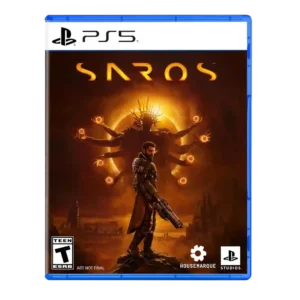
Saros

Saros

Overall score 4.3 / 5

Based on 24 scored reviews

vs
CONTROL Resonant

CONTROL Resonant

Overall score 4.0 / 5

Based on 74 scored reviews

How we score

Scorata scores summarize analyzed review evidence on a 1–5 scale; they are not laboratory measurements or a simple average of customer star ratings. Feature scores summarize the reviews covering that feature. The overall score averages feature scores within each review, then combines review averages. When both expert and customer evidence are available, those two groups receive equal weight. Products can have different review coverage, so small score gaps do not establish a winner.

Recommendations prioritize important features for the category, with a score of at least 3.5, a gap of at least 0.25 points and at least two supporting reviews per product. Features with widely varying scores or broad connectivity contexts are excluded from recommendations. These safeguards do not establish statistical significance.

Quick verdict

What each product is best for

The review evidence points to a tradeoff: platforming precision and visual effects quality versus emotional impact and animation quality. Choose according to which strengths matter more to you; the overall score alone does not settle that choice.

Choose Saros for platforming precision and visual effects quality.

Choose CONTROL Resonant for emotional impact and animation quality.

Why these recommendations?

Saros

Where It Has the Edge

  • platforming precision is 4.5 vs 1.5. Platforming precision had limited but positive evidence around precise jumping, dodging, and reduced geometry snagging.
  • visual effects quality is 4.9 vs 4.0. Visual effects were a major highlight, especially the particle-heavy combat fireworks and colorful VFX.
  • haptic feedback integration is 4.7 vs 4.0. DualSense haptics and adaptive triggers were a standout, repeatedly praised as tactile, innovative, and deeply integrated.

CONTROL Resonant

Where It Has the Edge

  • emotional impact is 4.9 vs 3.0. Dylan's guilt, childhood trauma, bond with Jesse, and search for redemption produce some of the game's most affecting...
  • animation quality is 4.4 vs 2.8. Movement and combat animation generally look polished and energetic, with finishers and traversal selling Dylan's speed and force....
  • originality is 5.0 vs 3.8. Even skeptical critics repeatedly call the game singular. Its collision of character-action combat, non-Euclidean Manhattan, paranormal comedy, and...
Saros 4.3 overall score
CONTROL Resonant 4.0 overall score

Compare features

Scores are out of 5. Missing scores mean missing review evidence, not a missing feature.

Scored on both products

Other features

Platforming precision
Saros
4.5

Platforming precision had limited but positive evidence around precise jumping, dodging, and reduced geometry snagging.

CONTROL Resonant
1.5

Precision platforming becomes frustrating when gravity changes, tight trajectories, or awkward geometry demand more exact movement than the traversal system comfortably provides.

Immersion
Saros
4.7

Immersion was praised through tactile feedback, 3D audio, and audiovisual design that pulled reviewers into Carcosa.

CONTROL Resonant
2.0

One critic found repeated combat and progression interruptions strong enough to pull attention away from the world and story, reducing immersion despite the striking setting.

Camera behavior
Saros
4.3

Camera controls were specifically praised as quick enough for combat without becoming disorienting.

CONTROL Resonant
1.7

The camera and targeting can struggle when arenas get crowded or fights move vertically. Mis-targeted attacks and awkward framing around large or airborne enemies are recurring frustrations.

Endgame content
Saros
2.8

Endgame content was a limited concern, with one reviewer specifically wishing for a dedicated post-game activity.

CONTROL Resonant
5.0

The postgame gives completion-minded players room to keep exploring, finish side stories, refine builds, and chase remaining discoveries after the main campaign.

Economy and resource balance
Saros
3.1

Resource balance drew limited but mixed evidence, with one review noting balance concerns and another criticizing excess currency gains.

CONTROL Resonant
1.0

Upgrade materials are criticized for being overcomplicated and awkwardly distributed, making some desired upgrades harder to complete than the rest of the progression system suggests they should be.

Side character depth
Saros
2.5

Side character depth was a common weakness, with reviewers describing the supporting cast as shallow, disposable, or stock.

CONTROL Resonant
4.4

Zoe is the standout supporting character, with her radio banter and evolving bond with Dylan giving the journey warmth. Some sources find that relationship rushed or uneven, but the supporting cast is usually viewed positively.

Emotional impact
Saros
3.0

Emotional impact was mixed, with some reviewers admiring ideas but others saying the narrative and characters did not fully move them.

CONTROL Resonant
4.9

Dylan's guilt, childhood trauma, bond with Jesse, and search for redemption produce some of the game's most affecting scenes. Several critics describe moments that hit harder emotionally than they expected from a Control sequel.

Upgrade system
Saros
4.6

The upgrade system was praised for making attempts feel worthwhile and improving approachability.

CONTROL Resonant
2.8

Upgrades provide plenty of specialization on paper, but restrictive respecs, material requirements, and number-focused improvements can make the system feel cumbersome or less transformative than expected.

Core gameplay loop
Saros
4.5

The core loop was usually seen as compelling and satisfying, though Polygon felt progression systems weakened the roguelike loop.

CONTROL Resonant
2.6

The combat-exploration loop can be exciting once a build comes together, but repetition is a persistent concern. Several critics felt the same encounter rhythm and combo patterns wore thin well before the campaign ended.

Enemy variety
Saros
4.6

Enemy variety was praised for diverse, escalating, and biome-changing threats that keep combat fresh.

CONTROL Resonant
2.8

The roster has memorable supernatural designs and multiple factions, but ordinary encounters can still feel repetitive. Reused archetypes and endless smaller enemies weaken the sense of variety over time.

Fast travel convenience
Saros
4.7

Fast travel and biome teleporting were widely praised as major quality-of-life improvements that reduce tedium.

CONTROL Resonant
3.0

Requiring physical fast-travel points can be inconvenient, but it also nudges players to stay in the world and stumble into side content rather than teleporting past it.

Animation quality
Saros
2.8

Animation comments were mostly negative, focused on stiff dialogue animation and odd or weak face animation outside stronger cinematic moments.

CONTROL Resonant
4.4

Movement and combat animation generally look polished and energetic, with finishers and traversal selling Dylan's speed and force. A few rough character-animation moments keep it from being uniformly pristine.

Difficulty balance
Saros
4.1

Difficulty balance split reviewers: many called it tough but fair and customizable, while some felt ganks, repetition, or modifiers could undermine balance.

CONTROL Resonant
2.6

The default difficulty is one of the most disputed elements, especially in the opening hours and against tanky late bosses. Better builds and extensive Assist Mode settings help, but progression walls can still feel abrupt.

Pacing
Saros
3.6

Pacing drew mixed responses, from tighter run pacing to complaints that story, repetition, or traversal could drag.

CONTROL Resonant
2.1

Pacing is a recurring weakness: the opening can be slow, progression sometimes stalls the story, and several late sections drag. Other sources find the game accelerates impressively once it opens up.

Learning curve
Saros
3.8

The learning curve was approachable for some but still initially demanding, with trial-and-error teaching and a tough early adjustment.

CONTROL Resonant
2.5

The opening can be daunting because movement, builds, enemy pressure, and RPG systems arrive before the combat fully blossoms. Once more tools unlock, the learning curve becomes far more rewarding.

Originality
Saros
3.8

Originality was mixed, with praise for bold changes and criticism that Saros repeats Returnal-like beats with minimal variation.

CONTROL Resonant
5.0

Even skeptical critics repeatedly call the game singular. Its collision of character-action combat, non-Euclidean Manhattan, paranormal comedy, and art-house spectacle gives it an identity few other open-world games resemble.

Combat system
Saros
4.7

Combat was the strongest consensus point, described as thrilling, precise, tactile, and among Housemarque’s best work.

CONTROL Resonant
3.5

Combat is responsive, aggressive, and capable of spectacular build-driven highs, but opinion splits sharply on its staying power. The strongest criticism targets repetitive strings, damage-spongy enemies, and a system that can feel shallower over a long campaign.

Frame rate stability
Saros
4.6

Frame rate was generally strong, with most reviewers reporting near-locked or rock-solid 60fps and only occasional dips.

CONTROL Resonant
3.5

Performance is generally smooth on stronger hardware and PS5 Pro, while base-console stress scenes and Steam Deck play can show dips or compromises. The overall picture is solid rather than flawless.

Environmental detail
Saros
4.7

Environmental detail was a frequent highlight, with reviewers praising Carcosa’s biomes, architecture, and alien spaces.

CONTROL Resonant
3.7

Manhattan is packed with strange signage, abandoned interiors, warped streets, and small physical details that reinforce the setting, though some sewers, warehouses, and city blocks repeat too visibly.

Loot system
Saros
3.1

Loot drew mixed feedback: some liked risky artifacts and weapon discovery, while others disliked artifact droughts or limited replacement control.

CONTROL Resonant
4.0

Loot and world rewards can make exploration satisfying, especially when discoveries feed upgrades, but some reward placement and generic material boxes feel less thoughtfully integrated.

Weapon balance
Saros
4.1

Weapon balance was mostly positive for variety and viability, though some weapons or no-autohit variants frustrated reviewers.

CONTROL Resonant
3.2

Weapon forms offer different rhythms and build possibilities, but critics disagree on how meaningfully those choices change combat. Some forms feel expressive, while others seem like variations on the same basic loop.

Grind level
Saros
2.9

Grind and repetition drew mixed-to-negative comments, especially around repeated boss attempts and artifact droughts.

CONTROL Resonant
2.0

One critical take finds progression too dependent on repeating activities and combat to keep pace with enemy scaling, turning advancement into unwanted grind.

Facial animations
Saros
2.9

Facial animations were a repeated weakness, especially outside cutscenes where faces could not match the vocal performances.

CONTROL Resonant
2.0

Facial work is one of the visual weak spots, with some expressions looking stiff or strange compared with the quality of the environments and effects.

Visual effects quality
Saros
4.9

Visual effects were a major highlight, especially the particle-heavy combat fireworks and colorful VFX.

CONTROL Resonant
4.0

Reality warping, particles, reflections, shadows, and large combat effects create spectacular scenes, though the sheer visual noise can occasionally hurt clarity or expose platform-specific image issues.

Writing quality
Saros
3.7

Writing quality was mixed, with praise for logs and media-literate storytelling but criticism of hollow or unclear themes.

CONTROL Resonant
4.6

The writing is strongest when it balances human vulnerability, bureaucratic absurdity, and strange lore. Some dialogue and thematic beats are less elegant, but the overall character and world writing earns substantial praise.

World interactivity
Saros
4.2

World interactivity had limited evidence, mostly around movement-reactive effects and environmental destruction.

CONTROL Resonant
5.0

Physics, destructible scenery, telekinesis, and gravity manipulation make the environment feel like part of the action rather than a static backdrop.

Dialogue quality
Saros
2.7

Dialogue quality was mixed to weak, with several reviewers noting stilted conversations, unnatural backlog delivery, or long quiet stretches.

CONTROL Resonant
3.5

Dialogue is uneven: the best exchanges give Dylan and Zoe warmth and personality, while snarky banter and some overt thematic writing can feel forced.

Polish
Saros
4.7

Polish was praised frequently, with reviewers calling Saros smooth, refined, and consistently excellent.

CONTROL Resonant
4.0

The game generally feels polished for its scale, but scattered technical hiccups, stuck enemies, audio cuts, and other small scuffs prevent it from feeling immaculate.

Haptic feedback integration
Saros
4.7

DualSense haptics and adaptive triggers were a standout, repeatedly praised as tactile, innovative, and deeply integrated.

CONTROL Resonant
4.0

DualSense feedback is used effectively to reinforce powers and supernatural moments, adding tactile texture without being treated as a defining feature.

Gameplay mechanics
Saros
4.5

Gameplay mechanics, especially the shield, parry, eclipse, and modifier systems, were praised, though one review felt the systems could overprotect players.

CONTROL Resonant
5.0

The strongest mechanical moments come from combining traversal, gravity shifts, powers, combat, and environmental ideas in ways that feel purpose-built for this world.

Onboarding experience
Saros
3.5

Onboarding was mixed: some reviewers said mechanics ramped up well, while one felt the many systems were poorly communicated.

CONTROL Resonant
4.0

Newcomers get helpful recap material and can follow the core story without exhaustive Remedyverse knowledge, though the early combat and build systems are not always explained as clearly as they could be.

Lore depth
Saros
4.4

Lore depth was praised where reviewers enjoyed logs, mysteries, and hidden material that encouraged deeper digging.

CONTROL Resonant
4.9

Documents, recordings, side stories, and environmental details keep the FBC mythology rich, with the best optional material adding texture to Manhattan and the broader paranatural world.

Fun factor
Saros
4.9

Fun factor was very high, with reviewers repeatedly describing the act of playing, replaying, and mastering Saros as joyful or addictive.

CONTROL Resonant
4.5

Most sources found the game highly enjoyable once its systems open up, especially when traversal, powers, and side quests click together. A few harsher takes found the repetitive combat too intrusive to sustain that fun.

Content variety
Saros
4.5

Several reviews found the game rich in sections, weapons, collectibles, and sights, though the content variety was usually discussed through exploration and spectacle.

CONTROL Resonant
4.1

Side stories, altered objects, puzzles, bosses, and strange one-off scenarios keep the world varied, though a layer of repeated activities and combat encounters can feel like busywork.

Skill tree depth
Saros
3.8

Skill-tree depth was mixed, from exhaustive and satisfying to more of a limited trunk than a deep build system.

CONTROL Resonant
3.4

The skill tree supports multiple builds and can be satisfying to optimize, yet several critics find its apparent depth overstated or its upgrades less transformative than the sprawling layout suggests.

Faithfulness to franchise
Saros
4.6

Reviewers generally felt Saros honors Housemarque and Returnal’s lineage while refining or expanding the studio’s formula.

CONTROL Resonant
4.2

Despite changing protagonist, setting, and combat style, the sequel usually retains Control's strange humor, paranormal logic, lore, and visual identity. A smaller group feels the open-world structure leaves too much of the original's magic behind.

Horror tension
Saros
4.7

Horror tension was supported through praise for dread, anxiety, cosmic horror, and the unsettling eclipse-driven world.

CONTROL Resonant
5.0

The strangest spaces still generate strong cosmic-horror unease, using impossible geometry, isolation, and paranormal imagery to make exploration feel unsettling.

Character development
Saros
4.8

Arjun’s arc drew praise where reviewers felt his development became darker, more complex, and captivating.

CONTROL Resonant
5.0

Dylan's growth from damaged FBC test subject to a more self-directed person lands strongly, and his evolving relationships give the story a clear emotional spine.

Narrative quality
Saros
3.9

Narrative quality was the most mixed major attribute, ranging from gripping and coherent to underdeveloped, opaque, or overambitious.

CONTROL Resonant
4.1

The story is broadly praised for Dylan's redemption arc, surreal set pieces, and powerful character moments, but the central plot is less consistently loved. Some critics find the overarching tale, finale, or emotional transitions weaker than its best individual scenes.

Innovation
Saros
4.7

Innovation centered on the shield, bullet-as-resource design, haptic implementation, and a more flexible challenge structure.

CONTROL Resonant
4.9

The sequel earns broad credit for refusing to repeat the original: its melee focus, warped open zones, gravity traversal, and structural experimentation feel unusually bold for a major sequel.

Graphics quality
Saros
4.7

Graphics quality was praised across reviews for visual flair, PS5 showcase value, and striking Unreal Engine 5 presentation.

CONTROL Resonant
4.5

The game is widely praised as a visual showcase, especially for lighting, surreal geometry, and dense effects. Lower-end modes can introduce softness, artifacting, or weaker lighting that undercuts that presentation.

Accessibility options
Saros
4.6

Reviewers praised Saros for broad accessibility and difficulty-tuning options, including modifiers, visual recoloring, remapping, and ways to soften or intensify challenge.

CONTROL Resonant
4.5

Assist Mode is a major strength, with granular sliders and presets that can soften damage, dodge timing, resource pressure, and other difficulty spikes. It gives story-focused players unusually fine control over the experience.

Art direction
Saros
4.8

Art direction was a clear strength, with reviewers highlighting Carcosa’s strong, alien visual identity and memorable environmental design.

CONTROL Resonant
4.9

The warped Manhattan, Patterning effects, impossible architecture, and surreal set pieces are among the game's clearest triumphs. Its visual identity is repeatedly described as bold, gorgeous, and unlike almost anything else in the genre.

Movement feel
Saros
4.7

Movement feel was praised as smooth, nimble, precise, and joyful across several reviews.

CONTROL Resonant
4.7

Traversal is one of the game's most consistently celebrated strengths. Double jumps, air dashes, hovering, grappling, and gravity shifting make moving through Manhattan fast, expressive, and frequently exhilarating.

Atmosphere
Saros
4.7

Reviewers repeatedly praised the unnerving, dread-soaked atmosphere, even when they disagreed about the story itself.

CONTROL Resonant
4.6

The sequel keeps Control's uncanny blend of cosmic dread, bureaucratic absurdity, and offbeat humor alive across Manhattan. A minority feel the broader city setting dilutes some of the Oldest House's concentrated unease.

Exploration quality
Saros
4.6

Exploration was praised for hidden paths, secrets, and optional areas that reward revisiting biomes.

CONTROL Resonant
4.5

Exploration is a major draw thanks to vertical movement, hidden routes, bespoke side stories, and dense environmental storytelling. Confusing entrances and map limitations occasionally turn discovery into circling the same blocks.

Progression system
Saros
4.3

Progression was usually praised for meaningful permanent upgrades, though one reviewer felt it overemphasized numbers over skill.

CONTROL Resonant
4.3

Zone leveling, skill points, powers, and build choices often make exploration feel purposeful and Dylan's growth tangible. Criticism focuses on opaque power-level tracking, restrictive respecs, and progression that can become busywork.

Comfort and build

Mission design
Saros
4.6

Optional challenge-space design was praised as brutal but rewarding.

CONTROL Resonant
2.0

Routine world events and chore-like objectives can clash with urgent story beats, making some mission structure feel like open-world padding rather than purposeful adventure.

Boss design
Saros
4.4

Bosses were widely admired for spectacle, challenge, and memorability, though a few reviewers found some fights long or uneven.

CONTROL Resonant
3.0

Bosses are visually memorable but mechanically divisive. Some fights are inventive spectacles, while many others are criticized for huge health pools, limited move sets, and late-game battles that turn into endurance tests.

User interface design
Saros
3.3

User interface design had limited mixed evidence, with one reviewer finding it good enough but imperfect.

CONTROL Resonant
2.0

Progress and power-level information can be buried too deeply in menus, making it harder than necessary to understand whether upgrades are meaningfully changing Dylan's strength.

Sound design
Saros
4.7

Sound design and 3D audio were praised for intensity, dread, positional clarity, and haunting effects.

CONTROL Resonant
5.0

Hits, metal transformations, spatial ambience, and supernatural effects are repeatedly praised for giving combat and exploration weight. The audio mix helps sell both spectacle and unease.

World-building
Saros
4.6

World-building was praised through Carcosa’s mysteries, logs, lore, and thematic environmental storytelling.

CONTROL Resonant
4.9

The FBC's bureaucracy, Manhattan's altered neighborhoods, scattered documents, and small survivor stories deepen the setting at nearly every turn. World-building remains one of the sequel's most dependable strengths.

Map and navigation design
Saros
2.4

Navigation drew criticism from one reviewer who found objective direction poor despite liking the map.

CONTROL Resonant
2.6

Navigation is one of the most consistent pain points. The flat map, unclear entrances, multi-level spaces, and gravity-bent geometry can leave players lost even when the world itself is visually compelling.

Level design
Saros
4.7

Level design was strongly praised for handcrafted chunks, biome structure, combat spaces, and a balance between freshness and mastery.

CONTROL Resonant
4.6

Level design is a standout, from folding streets and gravity-shifted city blocks to stranger interior spaces that turn perspective itself into a traversal and puzzle mechanic.

Controls and connectivity

Voice acting
Saros
4.7

Voice acting was widely praised, especially Rahul Kohli’s performance, with the broader cast also receiving positive notes.

CONTROL Resonant
3.6

The cast is usually praised for grounding the strange material, especially the supporting performances, but Dylan's delivery is unusually divisive and receives a few pointed complaints.

Menu usability
Saros
2.8

Menu usability had limited negative evidence, focused on hidden information and unclear equipment-screen navigation.

CONTROL Resonant
2.0

One source specifically criticizes loadout management for making important changes more cumbersome than they need to be during an action-heavy game.

Controls responsiveness
Saros
4.6

Controls were heavily praised for responsiveness, tactile feel, and precise movement/shooting, with only rare complaints about input conflicts.

CONTROL Resonant
5.0

Inputs are consistently praised for immediacy: attacks, dodges, air movement, and cancels respond quickly enough to support the game's fast, aggressive action.

Protagonist appeal
Saros
4.0

Protagonist appeal was mixed: several reviewers found Arjun compelling or well-acted, while one found him unpleasant by design.

CONTROL Resonant
4.1

Dylan is deliberately awkward and damaged, and most sources warm to his vulnerability, guilt, and dry personality. A vocal minority strongly dislike his writing, voice, or demeanor and would rather have stayed with Jesse.

Ownership and support

Platform-specific feature support
Saros
4.7

Platform-specific support was praised through PS5 showcase features, Pro upscaling, DualSense use, and 3D audio.

CONTROL Resonant
4.0

PS5 Pro receives especially strong praise for ray-traced reflections, shadows, reconstruction quality, and a cleaner presentation, while Steam Deck support is notably less convincing.

Replay value
Saros
4.7

Replay value was strong, with reviewers saying they wanted to dive back in or keep running even after credits.

CONTROL Resonant
5.0

Build experimentation, postgame exploration, missed side content, Resonant cycles, and New Game Plus-style interest give enthusiastic players clear reasons to return after the credits.

Value for money
Saros
5.0

Value for money had limited but explicit support from one reviewer who said they would pay full price.

CONTROL Resonant
5.0

Positive value comments point to the substantial campaign, side content, replay potential, and localized pricing, making the package feel generous to players already invested in its style.

Performance

Soundtrack quality
Saros
4.6

The soundtrack was praised for oppressive, unnerving, and complex music that supports Carcosa’s tone.

CONTROL Resonant
4.3

Music and licensed tracks remain strong and often memorable, but some critics miss a single transcendent set piece on the level of Remedy's most iconic musical moments.

Performance optimization
Saros
4.6

Performance optimization was praised overall, especially on PS5/PS5 Pro, with only minor dips or loading-related hitches noted.

CONTROL Resonant
4.6

Technical performance is usually strong, particularly on high-end PC hardware and PS5 Pro, with ambitious effects running smoothly in many accounts. Some platforms and heavy scenes still show frame pacing, image-quality, or optimization compromises.

Evidence available for one product

Other features

AI behavior
SarosNo score yet
CONTROL Resonant
1.0

Enemy behavior draws a sharp complaint for leaning on hectic pressure rather than convincing intelligence, making some fights feel artificially chaotic.

Aiming precision
Saros
4.0

Aiming was generally considered forgiving and readable thanks to auto-aim and tracking, though some no-auto-aim weapons were harder to master.

CONTROL ResonantNo score yet
Bug frequency
SarosNo score yet
CONTROL Resonant
1.5

Technical bugs are not portrayed as constant, but the glitches that do appear can be disruptive, including enemies getting stuck, traversal oddities, and occasional postgame or loading issues.

Character roster
Saros
3.6

The cast received mixed reactions, with some reviews praising performances while others wanted more depth beyond Arjun.

CONTROL ResonantNo score yet
Checkpoint system
Saros
4.6

Saros’ checkpoint-like structure and biome restart options were praised for reducing repetition and respecting time.

CONTROL ResonantNo score yet
Collectibles
SarosNo score yet
CONTROL Resonant
5.0

Documents, recordings, hidden reports, and other collectibles make exploration feel worthwhile by feeding the world's mysteries rather than functioning as empty checklist filler.

Game length
SarosNo score yet
CONTROL Resonant
2.2

The roughly 25-to-40-plus-hour scale gives the world room to breathe, but the campaign can outlast the combat system's depth. Late repetition makes the length feel excessive for some players.

Handheld play suitability
Saros
4.5

Handheld or remote play suitability had limited evidence, but one reviewer said it looked and played beautifully on PlayStation Portal.

CONTROL ResonantNo score yet
HUD clarity
Saros
4.4

HUD/readability comments were positive but limited, emphasizing that the intense spectacle remained coherent and not visually confusing.

CONTROL ResonantNo score yet
Load times
Saros
4.8

Load times had limited but strong evidence, with Digital Foundry praising nearly instant transitions.

CONTROL ResonantNo score yet
Mission variety
SarosNo score yet
CONTROL Resonant
5.0

The best missions keep escalating into strange, memorable scenarios, giving the campaign a strong sense of surprise beyond standard combat objectives.

Tutorial quality
Saros
4.3

Tutorial quality had limited but positive evidence, with reviewers noting trial-and-error teaching and encounter design that prepares players for bosses.

CONTROL ResonantNo score yet

Ownership and support

Localization support
SarosNo score yet
CONTROL Resonant
3.0

The Portuguese localization is received positively overall, including the dub, but the reviewed build had enough missing or inconsistent localized lines to keep it from being fully seamless.

Save system reliability
Saros
4.5

Save/run continuation quality was praised via suspend, leave-and-return, and day-one roguelite quality-of-life comments.

CONTROL ResonantNo score yet

Comfort and build

Open-world design
SarosNo score yet
CONTROL Resonant
3.8

The zoned Manhattan is admired for feeling hand-crafted, vertical, and distinctly Remedy rather than like a generic checklist map. Still, some critics see bloat, repeated activities, or a loss of the first game's tighter spatial focus.

Puzzle design
SarosNo score yet
CONTROL Resonant
3.5

Puzzles can be clever and visually inventive, especially when gravity and perspective are involved, but they also produce some of the game's most confusing or progress-stalling moments.

Quest design
SarosNo score yet
CONTROL Resonant
4.6

Side quests are a major strength, often delivering the funniest, strangest, and most memorable stories in the game. A smaller layer of repeated tasks and weaker rewards keeps the optional content from being uniformly excellent.

Other Top Video Games to Consider

#1 Hades II
4.6

Good if you want fast, tactical roguelite combat with huge progression depth, striking art, and standout music. Skip it if repetition, resource micromanagement, or a less emotionally satisfying sequel story...

Pros: skill tree depth, dialogue quality

Cons: emotional impact, economy and resource balance

#2 Valheim
4.5

Good if you want a beautiful, demanding survival sandbox built around exploration, building, progression, and memorable co-op. Skip it if long resource runs, harsh death recovery, and deliberate pacing sound...

Pros: core gameplay loop, movement feel

Cons: economy and resource balance, map and navigation design

#3 Donkey Kong Bananza
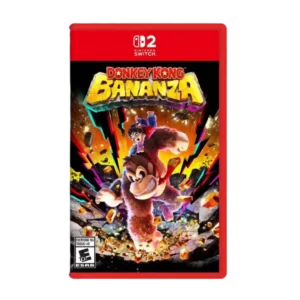
4.5

Best for joyful destruction, dense exploration, and a charming DK-Pauline adventure. Skip it if camera quirks, frame-rate dips, easy bosses, or premium Switch 2 pricing are dealbreakers.

Pros: gameplay mechanics, world interactivity

Cons: economy and resource balance, enemy variety

#4 It Takes Two
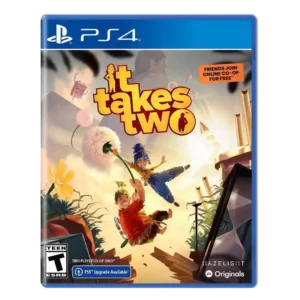
4.5

Best for joyful, inventive co-op with a partner, especially on couch. Skip it if divorce themes, uneven story tone, or Switch visual compromises would distract you.

Pros: core gameplay loop, movement feel

Cons: character development, dialogue quality