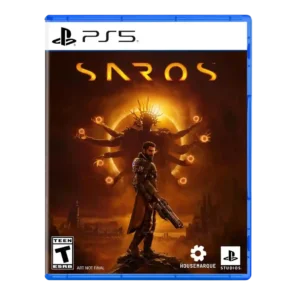
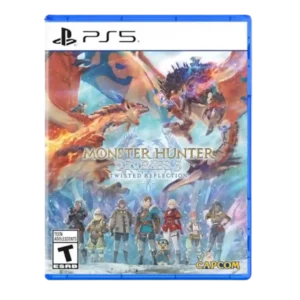
Compare Saros vs Monster Hunter Stories 3: Twisted Reflection

Saros

Saros

Overall score 4.3 / 5

Based on 24 scored reviews

vs
Monster Hunter Stories 3: Twisted Reflection

Monster Hunter Stories 3: Twisted Reflection

Overall score 4.3 / 5

Based on 87 scored reviews

How we score

Scorata scores summarize analyzed review evidence on a 1–5 scale; they are not laboratory measurements or a simple average of customer star ratings. Feature scores summarize the reviews covering that feature. The overall score averages feature scores within each review, then combines review averages. When both expert and customer evidence are available, those two groups receive equal weight. Products can have different review coverage, so small score gaps do not establish a winner.

Recommendations prioritize important features for the category, with a score of at least 3.5, a gap of at least 0.25 points and at least two supporting reviews per product. Features with widely varying scores or broad connectivity contexts are excluded from recommendations. These safeguards do not establish statistical significance.

Quick verdict

What each product is best for

The review evidence points to a tradeoff: accessibility options and innovation versus animation quality and loot system. Choose according to which strengths matter more to you; the overall score alone does not settle that choice.

Choose Saros for accessibility options and innovation.

Choose Monster Hunter Stories 3: Twisted Reflection for animation quality and loot system.

Why these recommendations?

Saros

Where It Has the Edge

  • accessibility options is 4.6 vs 3.3. Reviewers praised Saros for broad accessibility and difficulty-tuning options, including modifiers, visual recoloring, remapping, and ways to soften...
  • innovation is 4.7 vs 4.2. Innovation centered on the shield, bullet-as-resource design, haptic implementation, and a more flexible challenge structure.
  • voice acting is 4.7 vs 4.3. Voice acting was widely praised, especially Rahul Kohli’s performance, with the broader cast also receiving positive notes.

Monster Hunter Stories 3: Twisted Reflection

Where It Has the Edge

  • animation quality is 4.9 vs 2.8. Battle animations and Kinship attacks are a visual highlight, with fluid, energetic motion and plenty of spectacle.
  • loot system is 5.0 vs 3.1. Eggs, genes, monster materials, and equipment rewards give exploration and battles frequent payoffs, with randomized finds usually feeling...
  • emotional impact is 4.7 vs 3.0. The darker story lands emotionally for many players, with bittersweet turns, heartfelt companion moments, and scenes strong enough...
Saros 4.3 overall score
Monster Hunter Stories 3: Twisted Reflection 4.3 overall score

Compare features

Scores are out of 5. Missing scores mean missing review evidence, not a missing feature.

Scored on both products

Other features

Platforming precision
Saros
4.5

Platforming precision had limited but positive evidence around precise jumping, dodging, and reduced geometry snagging.

Monster Hunter Stories 3: Twisted Reflection
2.0

One critic found some traversal and platforming sections awkward enough to interrupt otherwise enjoyable exploration.

Animation quality
Saros
2.8

Animation comments were mostly negative, focused on stiff dialogue animation and odd or weak face animation outside stronger cinematic moments.

Monster Hunter Stories 3: Twisted Reflection
4.9

Battle animations and Kinship attacks are a visual highlight, with fluid, energetic motion and plenty of spectacle.

Loot system
Saros
3.1

Loot drew mixed feedback: some liked risky artifacts and weapon discovery, while others disliked artifact droughts or limited replacement control.

Monster Hunter Stories 3: Twisted Reflection
5.0

Eggs, genes, monster materials, and equipment rewards give exploration and battles frequent payoffs, with randomized finds usually feeling rewarding rather than wasteful.

HUD clarity
Saros
4.4

HUD/readability comments were positive but limited, emphasizing that the intense spectacle remained coherent and not visually confusing.

Monster Hunter Stories 3: Twisted Reflection
2.5

Combat can initially feel visually dense, with numerous UI elements and metrics competing for attention until the systems become familiar.

Frame rate stability
Saros
4.6

Frame rate was generally strong, with most reviewers reporting near-locked or rock-solid 60fps and only occasional dips.

Monster Hunter Stories 3: Twisted Reflection
2.7

Frame-rate results vary sharply by platform. PS5 and PC reports are strong, while Switch 2 criticism centers on an uneven 30–50 fps range, dips, and visible pop-in.

Emotional impact
Saros
3.0

Emotional impact was mixed, with some reviewers admiring ideas but others saying the narrative and characters did not fully move them.

Monster Hunter Stories 3: Twisted Reflection
4.7

The darker story lands emotionally for many players, with bittersweet turns, heartfelt companion moments, and scenes strong enough to surprise or move longtime fans.

Side character depth
Saros
2.5

Side character depth was a common weakness, with reviewers describing the supporting cast as shallow, disposable, or stock.

Monster Hunter Stories 3: Twisted Reflection
4.0

Companion-focused side stories do much of the cast's best work, adding backstory and emotional context, although some critics wish that depth were integrated more strongly into the main plot.

Accessibility options
Saros
4.6

Reviewers praised Saros for broad accessibility and difficulty-tuning options, including modifiers, visual recoloring, remapping, and ways to soften or intensify challenge.

Monster Hunter Stories 3: Twisted Reflection
3.3

Accessibility is mixed: controls can be remapped and subtitles are available, but colorblind support is absent and text-size options may still be too limited for some players.

Character roster
Saros
3.6

The cast received mixed reactions, with some reviews praising performances while others wanted more depth beyond Arjun.

Monster Hunter Stories 3: Twisted Reflection
4.8

The expanded Ranger party is widely liked for distinct personalities, useful battle roles, and memorable companion stories.

Pacing
Saros
3.6

Pacing drew mixed responses, from tighter run pacing to complaints that story, repetition, or traversal could drag.

Monster Hunter Stories 3: Twisted Reflection
2.6

Pacing is a recurring weakness. Strong openings and endings are often separated by slower middle stretches, and late-game leveling or side-content requirements can interrupt story momentum.

Difficulty balance
Saros
4.1

Difficulty balance split reviewers: many called it tough but fair and customizable, while some felt ganks, repetition, or modifiers could undermine balance.

Monster Hunter Stories 3: Twisted Reflection
3.1

Challenge is one of the most divisive traits. Many enjoy how demanding battles reward preparation and learning, while others hit sharp spikes, one-shots, or late-game walls that force extra leveling.

Originality
Saros
3.8

Originality was mixed, with praise for bold changes and criticism that Saros repeats Returnal-like beats with minimal variation.

Monster Hunter Stories 3: Twisted Reflection
4.6

The game stands out by combining Monster Hunter's ecosystem and gear identity with creature collecting and turn-based strategy, even if some individual ideas remain familiar.

Dialogue quality
Saros
2.7

Dialogue quality was mixed to weak, with several reviewers noting stilted conversations, unnatural backlog delivery, or long quiet stretches.

Monster Hunter Stories 3: Twisted Reflection
2.0

Dialogue is a weak point for at least one critic, who found much of the cast's writing uninspired and difficult to connect with.

Progression system
Saros
4.3

Progression was usually praised for meaningful permanent upgrades, though one reviewer felt it overemphasized numbers over skill.

Monster Hunter Stories 3: Twisted Reflection
5.0

Progression is praised for constantly feeding new monsters, gear, skills, and stronger builds back into exploration and combat.

Facial animations
Saros
2.9

Facial animations were a repeated weakness, especially outside cutscenes where faces could not match the vocal performances.

Monster Hunter Stories 3: Twisted Reflection
3.5

Character animation is generally strong, but lip syncing stands out as a modest weakness compared with the otherwise smooth presentation.

Innovation
Saros
4.7

Innovation centered on the shield, bullet-as-resource design, haptic implementation, and a more flexible challenge structure.

Monster Hunter Stories 3: Twisted Reflection
4.2

The game mostly evolves rather than reinvents Stories, but habitat restoration, deeper combat layers, and broader environmental integration give the sequel a distinct identity.

Grind level
Saros
2.9

Grind and repetition drew mixed-to-negative comments, especially around repeated boss attempts and artifact droughts.

Monster Hunter Stories 3: Twisted Reflection
3.4

Grind varies heavily by play style and progression. Several players stayed leveled naturally through side activities, while others hit late-game stretches that demanded hours of quests, eggs, or experience farming.

World interactivity
Saros
4.2

World interactivity had limited evidence, mostly around movement-reactive effects and environmental destruction.

Monster Hunter Stories 3: Twisted Reflection
4.7

Habitat restoration makes the environment mechanically meaningful: releasing monsters changes ecosystems, improves future eggs, and ties conservation directly into team building.

Endgame content
Saros
2.8

Endgame content was a limited concern, with one reviewer specifically wishing for a dedicated post-game activity.

Monster Hunter Stories 3: Twisted Reflection
2.4

Post-story content is comparatively thin. Powerful optional monsters remain, but the lack of a broader traditional endgame and missing multiplayer activities disappointed several players.

Weapon balance
Saros
4.1

Weapon balance was mostly positive for variety and viability, though some weapons or no-autohit variants frustrated reviewers.

Monster Hunter Stories 3: Twisted Reflection
4.5

Weapon types are seen as broadly versatile, and switching among damage types gives each class a useful role against different monster parts.

Upgrade system
Saros
4.6

The upgrade system was praised for making attempts feel worthwhile and improving approachability.

Monster Hunter Stories 3: Twisted Reflection
5.0

Monstie genes, freely rearrangeable builds, equipment upgrades, decorations, and habitat bonuses make experimentation unusually flexible and rewarding.

Narrative quality
Saros
3.9

Narrative quality was the most mixed major attribute, ranging from gripping and coherent to underdeveloped, opaque, or overambitious.

Monster Hunter Stories 3: Twisted Reflection
4.2

The story is more ambitious, mature, and character-driven than earlier entries, and many players found it engaging or emotional. Others criticize a sluggish middle, underused political ideas, or a supporting cast that never fully lands.

Faithfulness to franchise
Saros
4.6

Reviewers generally felt Saros honors Housemarque and Returnal’s lineage while refining or expanding the studio’s formula.

Monster Hunter Stories 3: Twisted Reflection
4.9

The game is repeatedly praised as a strong evolution of Monster Hunter Stories that preserves mainline weapon ideas, monster behavior, crafting, and hunting identity in turn-based form.

Fast travel convenience
Saros
4.7

Fast travel and biome teleporting were widely praised as major quality-of-life improvements that reduce tedium.

Monster Hunter Stories 3: Twisted Reflection
5.0

Discoverable fast-travel points and easy time-of-day changes make revisiting large areas notably convenient.

Atmosphere
Saros
4.7

Reviewers repeatedly praised the unnerving, dread-soaked atmosphere, even when they disagreed about the story itself.

Monster Hunter Stories 3: Twisted Reflection
5.0

The game carries a lively, whimsical energy in quieter character moments while battles bring much heavier spectacle and momentum.

Content variety
Saros
4.5

Several reviews found the game rich in sections, weapons, collectibles, and sights, though the content variety was usually discussed through exploration and spectacle.

Monster Hunter Stories 3: Twisted Reflection
4.8

There is a lot to do beyond the main story, including dens, habitat restoration, companion stories, rare monsters, crafting, and optional challenges.

Enemy variety
Saros
4.6

Enemy variety was praised for diverse, escalating, and biome-changing threats that keep combat fresh.

Monster Hunter Stories 3: Twisted Reflection
4.3

The monster roster is large and packed with recognizable favorites and new variants, though a few players still noticed repeated-looking species or omissions.

Haptic feedback integration
Saros
4.7

DualSense haptics and adaptive triggers were a standout, repeatedly praised as tactile, innovative, and deeply integrated.

Monster Hunter Stories 3: Twisted Reflection
5.0

PS5 haptics received strong praise for adding tactile feedback to traversal and action without becoming intrusive.

Environmental detail
Saros
4.7

Environmental detail was a frequent highlight, with reviewers praising Carcosa’s biomes, architecture, and alien spaces.

Monster Hunter Stories 3: Twisted Reflection
5.0

The world feels dense and lively, with vegetation, materials, monsters, and discoveries giving the large areas plenty to look at and explore.

Writing quality
Saros
3.7

Writing quality was mixed, with praise for logs and media-literate storytelling but criticism of hollow or unclear themes.

Monster Hunter Stories 3: Twisted Reflection
4.0

Writing is uneven but often stronger than earlier Stories games, especially in character moments and world themes. Critics who disliked it point to shallow antagonists, cheesy exchanges, or underdeveloped political ideas.

Polish
Saros
4.7

Polish was praised frequently, with reviewers calling Saros smooth, refined, and consistently excellent.

Monster Hunter Stories 3: Twisted Reflection
5.0

Polish is platform-dependent but can be excellent; smooth performance and presentation impressed some players, while Switch 2 technical issues create a less refined impression.

Gameplay mechanics
Saros
4.5

Gameplay mechanics, especially the shield, parry, eclipse, and modifier systems, were praised, though one review felt the systems could overprotect players.

Monster Hunter Stories 3: Twisted Reflection
4.7

The many systems generally interlock well, with smart quality-of-life changes reducing old friction while retaining substantial depth in combat, Monstie building, and restoration.

Handheld play suitability
Saros
4.5

Handheld or remote play suitability had limited evidence, but one reviewer said it looked and played beautifully on PlayStation Portal.

Monster Hunter Stories 3: Twisted Reflection
4.8

Despite Switch 2 performance compromises, the turn-based structure and portable play fit the game well, and several players specifically liked it as a handheld experience.

Combat system
Saros
4.7

Combat was the strongest consensus point, described as thrilling, precise, tactile, and among Housemarque’s best work.

Monster Hunter Stories 3: Twisted Reflection
4.5

Combat is deep, strategic, and highly praised overall, especially for weapon switching, part targeting, Wyvernsoul, and monster patterns. A smaller group finds the layered systems slow, passive, or overly demanding.

Load times
Saros
4.8

Load times had limited but strong evidence, with Digital Foundry praising nearly instant transitions.

Monster Hunter Stories 3: Twisted Reflection
5.0

On PS5, loading was specifically praised as quick enough to keep movement between activities smooth.

Tutorial quality
Saros
4.3

Tutorial quality had limited but positive evidence, with reviewers noting trial-and-error teaching and encounter design that prepares players for bosses.

Monster Hunter Stories 3: Twisted Reflection
4.1

Tutorials explain a very dense ruleset more smoothly than before, often through the protagonist teaching a rookie. They work well for many players, though complete newcomers may still need time to absorb everything.

Immersion
Saros
4.7

Immersion was praised through tactile feedback, 3D audio, and audiovisual design that pulled reviewers into Carcosa.

Monster Hunter Stories 3: Twisted Reflection
4.8

The environmental restoration theme, lived-in world, and strong presentation make the setting easy to sink into for players who connect with the game's systems.

Visual effects quality
Saros
4.9

Visual effects were a major highlight, especially the particle-heavy combat fireworks and colorful VFX.

Monster Hunter Stories 3: Twisted Reflection
5.0

Kinship attacks, battle effects, and animated monster set pieces are praised for spectacle and strong visual variation.

Exploration quality
Saros
4.6

Exploration was praised for hidden paths, secrets, and optional areas that reward revisiting biomes.

Monster Hunter Stories 3: Twisted Reflection
4.7

Exploration is a major strength: open zones reward curiosity with hidden paths, dens, collectibles, rare monsters, and traversal routes without feeling excessively bloated.

Learning curve
Saros
3.8

The learning curve was approachable for some but still initially demanding, with trial-and-error teaching and a tough early adjustment.

Monster Hunter Stories 3: Twisted Reflection
3.9

The systems are dense enough to overwhelm at first, especially for newcomers, but several players say they become intuitive once the mechanics click. Others find the game approachable because tutorials and streamlined systems ease the transition.

Movement feel
Saros
4.7

Movement feel was praised as smooth, nimble, precise, and joyful across several reviews.

Monster Hunter Stories 3: Twisted Reflection
4.8

Traversal is one of the most improved areas: switching Monsties is seamless, riding feels fluid, and swimming, climbing, gliding, and other field actions make exploration more enjoyable.

Art direction
Saros
4.8

Art direction was a clear strength, with reviewers highlighting Carcosa’s strong, alien visual identity and memorable environmental design.

Monster Hunter Stories 3: Twisted Reflection
4.9

The stylized, colorful presentation is one of the game's clearest strengths, blending a more mature look with the charm of the Stories subseries.

Core gameplay loop
Saros
4.5

The core loop was usually seen as compelling and satisfying, though Polygon felt progression systems weakened the roguelike loop.

Monster Hunter Stories 3: Twisted Reflection
4.5

Hunting, hatching, restoring habitats, collecting materials, and upgrading Monsties forms an unusually cohesive and addictive loop for many players, though egg hunting can become repetitive.

Graphics quality
Saros
4.7

Graphics quality was praised across reviews for visual flair, PS5 showcase value, and striking Unreal Engine 5 presentation.

Monster Hunter Stories 3: Twisted Reflection
4.7

Visuals are broadly praised for vibrant environments, expressive characters, and a polished cel-shaded look. Switch 2 image quality and pop-in keep the technical presentation from being universally strong.

Fun factor
Saros
4.9

Fun factor was very high, with reviewers repeatedly describing the act of playing, replaying, and mastering Saros as joyful or addictive.

Monster Hunter Stories 3: Twisted Reflection
4.9

Enjoyment is overwhelmingly high: players repeatedly describe the game as addictive, a blast, or one of their favorite recent RPGs, even when acknowledging grind or performance flaws.

Character development
Saros
4.8

Arjun’s arc drew praise where reviewers felt his development became darker, more complex, and captivating.

Monster Hunter Stories 3: Twisted Reflection
4.8

Companion quests and the broader story give the party more growth and backstory than earlier entries, with several characters becoming genuine standouts.

Onboarding experience
Saros
3.5

Onboarding was mixed: some reviewers said mechanics ramped up well, while one felt the many systems were poorly communicated.

Monster Hunter Stories 3: Twisted Reflection
3.5

Starting as an experienced Ranger avoids a slow opening, but the sheer number of systems can still feel overwhelming. The tutorial framing is clever, though some critics question whether it teaches complete newcomers enough.

Controls and connectivity

Menu usability
Saros
2.8

Menu usability had limited negative evidence, focused on hidden information and unclear equipment-screen navigation.

Monster Hunter Stories 3: Twisted Reflection
5.0

Menu streamlining is a meaningful quality-of-life win, making key systems easier to inspect and manage than in earlier entries.

Protagonist appeal
Saros
4.0

Protagonist appeal was mixed: several reviewers found Arjun compelling or well-acted, while one found him unpleasant by design.

Monster Hunter Stories 3: Twisted Reflection
4.8

The fully voiced adult protagonist is a major improvement for many players, feeling like an actual participant in the story rather than a silent stand-in.

Voice acting
Saros
4.7

Voice acting was widely praised, especially Rahul Kohli’s performance, with the broader cast also receiving positive notes.

Monster Hunter Stories 3: Twisted Reflection
4.3

Voice work is mostly well received, especially the fully voiced protagonist and energetic cast performances. One preview found the delivery too saccharine, so taste matters.

Controls responsiveness
Saros
4.6

Controls were heavily praised for responsiveness, tactile feel, and precise movement/shooting, with only rare complaints about input conflicts.

Monster Hunter Stories 3: Twisted Reflection
4.5

Remappable controls and direct button mapping make the control setup flexible and accommodating.

Performance

Performance optimization
Saros
4.6

Performance optimization was praised overall, especially on PS5/PS5 Pro, with only minor dips or loading-related hitches noted.

Monster Hunter Stories 3: Twisted Reflection
3.3

Optimization depends heavily on hardware: PS5 and PC are described as smooth or near-flawless, while Switch 2 suffers from pop-in, lower resolution, and inconsistent frame rates.

Soundtrack quality
Saros
4.6

The soundtrack was praised for oppressive, unnerving, and complex music that supports Carcosa’s tone.

Monster Hunter Stories 3: Twisted Reflection
4.9

The soundtrack is a major strength, with battle themes, overworld music, and the ending theme repeatedly singled out as memorable and effective.

Ownership and support

Value for money
Saros
5.0

Value for money had limited but explicit support from one reviewer who said they would pay full price.

Monster Hunter Stories 3: Twisted Reflection
4.2

Most buyers feel the long campaign and dense optional content justify the price, though one customer found it expensive and another late-game critic did not recommend the purchase.

Platform-specific feature support
Saros
4.7

Platform-specific support was praised through PS5 showcase features, Pro upscaling, DualSense use, and 3D audio.

Monster Hunter Stories 3: Twisted Reflection
5.0

Switch-specific HD Rumble is used effectively, adding tactile feedback that complements the portable version.

Comfort and build

User interface design
Saros
3.3

User interface design had limited mixed evidence, with one reviewer finding it good enough but imperfect.

Monster Hunter Stories 3: Twisted Reflection
2.6

The UI is one of the more consistent friction points, with clutter, vague objective guidance, and occasional information gaps despite useful help systems elsewhere.

Map and navigation design
Saros
2.4

Navigation drew criticism from one reviewer who found objective direction poor despite liking the map.

Monster Hunter Stories 3: Twisted Reflection
2.0

Navigation can be frustrating when objectives sit off-screen or on separate underground layers, and at least one player struggled to locate where to go next.

Boss design
Saros
4.4

Bosses were widely admired for spectacle, challenge, and memorability, though a few reviewers found some fights long or uneven.

Monster Hunter Stories 3: Twisted Reflection
4.8

Boss and invasive-monster fights are praised for demanding specific tactics, part-breaking, and adaptation rather than simple damage races.

Sound design
Saros
4.7

Sound design and 3D audio were praised for intensity, dread, positional clarity, and haunting effects.

Monster Hunter Stories 3: Twisted Reflection
5.0

Monster sounds, battle audio, and environmental effects are repeatedly praised for giving the world weight and personality.

Level design
Saros
4.7

Level design was strongly praised for handcrafted chunks, biome structure, combat spaces, and a balance between freshness and mastery.

Monster Hunter Stories 3: Twisted Reflection
5.0

Large, vertical maps are a standout, with strong visual variety, hidden routes, and traversal abilities that make exploration consistently rewarding.

World-building
Saros
4.6

World-building was praised through Carcosa’s mysteries, logs, lore, and thematic environmental storytelling.

Monster Hunter Stories 3: Twisted Reflection
4.8

The warring kingdoms, ecological crisis, inhabited biomes, and conservation premise give the setting more texture and purpose than a typical backdrop.

Mission design
Saros
4.6

Optional challenge-space design was praised as brutal but rewarding.

Monster Hunter Stories 3: Twisted Reflection
4.5

Companion-focused missions are much more successful than routine errands, often feeling like enjoyable character episodes with worthwhile rewards.

Evidence available for one product

Controls and connectivity

Age appropriateness
SarosNo score yet
Monster Hunter Stories 3: Twisted Reflection
4.2

The series feels noticeably more mature this time, which several players welcomed. Its darker war themes can sit awkwardly beside the cutesier elements and may be less comfortable for younger players.

Character customization
SarosNo score yet
Monster Hunter Stories 3: Twisted Reflection
5.0

Character creation is unusually detailed, while layered armor and Monstie-building options give players plenty of visual and mechanical freedom.

Collector appeal
SarosNo score yet
Monster Hunter Stories 3: Twisted Reflection
5.0

The physical edition has appeal as a collection piece for at least one buyer who specifically valued adding it to their Monster Hunter shelf.

Other features

Aiming precision
Saros
4.0

Aiming was generally considered forgiving and readable thanks to auto-aim and tracking, though some no-auto-aim weapons were harder to master.

Monster Hunter Stories 3: Twisted ReflectionNo score yet
Bug frequency
SarosNo score yet
Monster Hunter Stories 3: Twisted Reflection
5.0

Technical bugs appear rare on the platforms where this was specifically discussed; one long playthrough reported no noticeable glitches at all.

Camera behavior
Saros
4.3

Camera controls were specifically praised as quick enough for combat without becoming disorienting.

Monster Hunter Stories 3: Twisted ReflectionNo score yet
Checkpoint system
Saros
4.6

Saros’ checkpoint-like structure and biome restart options were praised for reducing repetition and respecting time.

Monster Hunter Stories 3: Twisted ReflectionNo score yet
Companion AI
SarosNo score yet
Monster Hunter Stories 3: Twisted Reflection
3.6

Companion AI is serviceable to good rather than universally reliable. Some players appreciate its autonomy, while others dislike allies choosing poor attacks or failing to heal at key moments.

Crafting system
SarosNo score yet
Monster Hunter Stories 3: Twisted Reflection
4.8

Crafting is praised for feeding directly into combat preparation, with streamlined material checks making weapon and armor upgrades easier to manage.

Crash stability
SarosNo score yet
Monster Hunter Stories 3: Twisted Reflection
1.0

One Switch 2-focused account reported crashes, making stability a concern on that platform even though other platforms were described as much more reliable.

Economy and resource balance
Saros
3.1

Resource balance drew limited but mixed evidence, with one review noting balance concerns and another criticizing excess currency gains.

Monster Hunter Stories 3: Twisted ReflectionNo score yet
Family friendliness
SarosNo score yet
Monster Hunter Stories 3: Twisted Reflection
5.0

One family-focused customer found it broadly suitable and enthusiastically recommended it for kids, although other commentary notes the story is darker than earlier Stories games.

Flying mechanics
SarosNo score yet
Monster Hunter Stories 3: Twisted Reflection
3.2

Gliding is useful and enjoyable for traversal, but some players wish Rathalos could truly gain altitude instead of depending on updrafts.

Horror tension
Saros
4.7

Horror tension was supported through praise for dread, anxiety, cosmic horror, and the unsettling eclipse-driven world.

Monster Hunter Stories 3: Twisted ReflectionNo score yet
Lore depth
Saros
4.4

Lore depth was praised where reviewers enjoyed logs, mysteries, and hidden material that encouraged deeper digging.

Monster Hunter Stories 3: Twisted ReflectionNo score yet
Mission variety
SarosNo score yet
Monster Hunter Stories 3: Twisted Reflection
2.0

Optional missions can lean too heavily on basic fetch structures, making their variety weaker than the game's broader side-activity lineup.

Physical copy condition
SarosNo score yet
Monster Hunter Stories 3: Twisted Reflection
3.2

Physical-copy experiences are mixed. Several buyers received pristine copies, while others got unexpected region versions, unusable bonus codes, or objected strongly to the key-card format.

Skill tree depth
Saros
3.8

Skill-tree depth was mixed, from exhaustive and satisfying to more of a limited trunk than a deep build system.

Monster Hunter Stories 3: Twisted ReflectionNo score yet

Comfort and build

Multiplayer design
SarosNo score yet
Monster Hunter Stories 3: Twisted Reflection
1.0

There is effectively no multiplayer offering here, a clear downgrade for players who valued PvP or co-op-style activities in earlier Stories games.

Open-world design
SarosNo score yet
Monster Hunter Stories 3: Twisted Reflection
4.5

The game avoids a single seamless open world in favor of large connected zones, a structure that keeps exploration broad without becoming bloated.

Puzzle design
SarosNo score yet
Monster Hunter Stories 3: Twisted Reflection
5.0

Invasive-monster encounters add satisfying puzzle-like preparation, asking players to gather clues and execute specific solutions rather than simply overpowering the target.

QTE design
SarosNo score yet
Monster Hunter Stories 3: Twisted Reflection
4.0

Removing or reducing old button-mashing QTE-style interruptions is viewed as a welcome streamlining choice.

Quest design
SarosNo score yet
Monster Hunter Stories 3: Twisted Reflection
2.7

Standard side quests are often called basic, repetitive, or forgettable, while companion side stories are consistently more rewarding both narratively and mechanically.

Ownership and support

Replay value
Saros
4.7

Replay value was strong, with reviewers saying they wanted to dive back in or keep running even after credits.

Monster Hunter Stories 3: Twisted ReflectionNo score yet
Save system reliability
Saros
4.5

Save/run continuation quality was praised via suspend, leave-and-return, and day-one roguelite quality-of-life comments.

Monster Hunter Stories 3: Twisted ReflectionNo score yet

Other Top Video Games to Consider

#1 Well Dweller
4.7

Best for fluid traversal, rewarding exploration, striking art, and forgiving quality-of-life features. Skip it if you want deep combat, radical genre innovation, or consistently demanding bosses.

Pros: difficulty balance, boss design

Cons: innovation, sandbox freedom

#2 Hades II

4.5

Best for superb combat, inventive builds, and richly voiced characters. Skip it if repeated runs, resource gathering, or visually busy battles outweigh the appeal of steady progress.

Pros: overall quality, combat system

Cons: pacing, grind level

#3 Valheim

4.5

Good if you want a beautiful, demanding survival sandbox built around exploration, building, progression, and memorable co-op. Skip it if long resource runs, harsh death recovery, and deliberate pacing sound...

Pros: town-building system, exploration quality

Cons: grind level, fast travel convenience

#4 Grand Theft Auto VI

4.5

Leonida is a breathtakingly alive crime sandbox with memorable protagonists, spectacular heists, and extraordinary detail. The tradeoff is a 30 fps ceiling, occasional control awkwardness, and some progression friction.

Pros: immersion, graphics quality

Cons: grind level, controls responsiveness