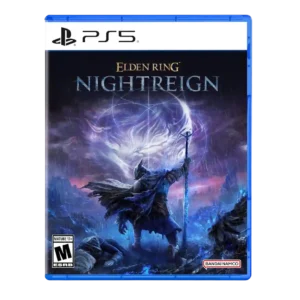
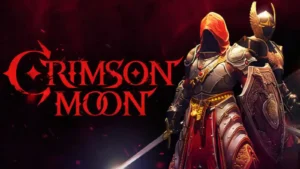
Compare Elden Ring Nightreign vs Crimson Moon

Elden Ring Nightreign

Elden Ring Nightreign

Overall score 3.4 / 5

Based on 30 scored reviews

vs
Crimson Moon

Crimson Moon

Overall score 3.4 / 5

Based on 34 scored reviews

How we score

Scorata scores summarize analyzed review evidence on a 1–5 scale; they are not laboratory measurements or a simple average of customer star ratings. Feature scores summarize the reviews covering that feature. The overall score averages feature scores within each review, then combines review averages. When both expert and customer evidence are available, those two groups receive equal weight. Products can have different review coverage, so small score gaps do not establish a winner.

Recommendations prioritize important features for the category, with a score of at least 3.5, a gap of at least 0.25 points and at least two supporting reviews per product. Features with widely varying scores or broad connectivity contexts are excluded from recommendations. These safeguards do not establish statistical significance.

Quick verdict

What each product is best for

The review evidence points to a tradeoff: polish and user interface design versus learning curve and environmental detail. Choose according to which strengths matter more to you; the overall score alone does not settle that choice.

Choose Elden Ring Nightreign for polish and user interface design.

Choose Crimson Moon for learning curve and environmental detail.

Why these recommendations?

Elden Ring Nightreign

Where It Has the Edge

  • polish is 4.5 vs 1.6. Polish was praised in Fextralife coverage, especially performance and low bug frequency.
  • user interface design is 4.0 vs 1.3. User interface design was considered streamlined in inventory and improved through later UI updates.

Crimson Moon

Where It Has the Edge

  • learning curve is 3.5 vs 2.3. The game becomes understandable fairly quickly, though inventory and build systems can be confusing at first before the...
  • environmental detail is 5.0 vs 4.0. Cathedrals, ruined streets, caverns, and interior spaces are richly detailed, giving the game a stronger visual sense of...
  • graphics quality is 4.4 vs 3.8. Visual quality is frequently praised, from lighting and armor to environments that can look surprisingly high-end. A few...
Elden Ring Nightreign 3.4 overall score
Crimson Moon 3.4 overall score

Compare features

Scores are out of 5. Missing scores mean missing review evidence, not a missing feature.

Scored on both products

Ownership and support

Cross-play support
Elden Ring Nightreign
1.6

Cross-play support was consistently criticized as absent or a major oversight for a multiplayer-focused game.

Crimson Moon
5.0

Cross-play is praised for letting PC and console friends play together without platform barriers when the online session itself is stable.

Replay value
Elden Ring Nightreign
3.8

Replay value ranged from excellent long-term addiction to fatigue from repeated content, depending on tolerance for repetition and co-op optimization.

Crimson Moon
2.6

Replay value is divisive. Build experimentation and meta-progression can keep runs appealing, but static environments, limited enemy variety, and repeated objectives wear down the experience for others.

Live-service support
Elden Ring Nightreign
4.2

Live-service support was viewed as promising, with reviewers calling Nightreign a strong foundation and praising added content.

Crimson Moon
4.7

Post-launch response has been quick, with the team adding requested input options and publicly targeting camera, co-op, and quality-of-life fixes. That responsiveness improves confidence in ongoing support.

Value for money
Elden Ring Nightreign
4.3

Value for money was usually praised at the lower price point, though one reviewer still found the package not worth it.

Crimson Moon
4.3

The $20 price is one of the strongest points of agreement. Even many critical players feel the compact campaign, co-op, combat, and build systems make the package easier to justify at that price.

Other features

Character development
Elden Ring Nightreign
4.0

Character development was praised in the Nightfarer storylines and Remembrances.

Crimson Moon
1.0

Most supporting characters receive very little screen time or development, leaving the cast thin compared with the world around them.

Visual effects quality
Elden Ring Nightreign
5.0

Visual effects and boss spectacle were singled out as a major strength.

Crimson Moon
2.0

Heavy on-screen effects can hurt combat readability, especially when status effects obscure attack cues during busy fights.

Polish
Elden Ring Nightreign
4.5

Polish was praised in Fextralife coverage, especially performance and low bug frequency.

Crimson Moon
1.6

Lack of polish is the dominant weakness after the camera. Technical bugs, rough UI, inconsistent combat behavior, and launch-state jank repeatedly make the game feel less finished than its core deserves.

Endgame content
Elden Ring Nightreign
3.8

Endgame content improved with Deep of Night and hard modes, though some reviewers still wanted more difficulty and variety.

Crimson Moon
1.0

Higher difficulties do not always add enough new rewards or gear to justify repeating the campaign, leaving the endgame feeling grindier than meaningfully expanded.

Bug frequency
Elden Ring Nightreign
4.5

Bug frequency was described positively by one reviewer who noted minimal bugs.

Crimson Moon
1.8

Bugs range from occasional mission interruptions to more serious technical failures, and several playthroughs encountered glitches significant enough to disrupt progress.

Animation quality
Elden Ring Nightreign
4.5

Animation quality was praised alongside the graphics in one review.

Crimson Moon
2.0

Combat animation quality is uneven: bosses can read well, but some elite and player motions feel abrupt or janky.

Pacing
Elden Ring Nightreign
3.1

The pace was one of the biggest tradeoffs: many found it thrilling and fresh, while others found the constant rush stressful or exhausting.

Crimson Moon
5.0

Short runs and quick progression beats make the game easy to fit into limited play windows without requiring long uninterrupted sessions.

Enemy variety
Elden Ring Nightreign
4.0

Enemy variety was praised by one reviewer as a balanced mix of new final bosses and familiar mini-bosses.

Crimson Moon
2.2

Enemy variety is a recurring weakness. Familiar mobs and variants become predictable across repeated runs even when individual enemy types are readable.

Weapon balance
Elden Ring Nightreign
2.8

Weapon balance was mixed, with boss health and class-specific relics making some weapon paths feel less flexible.

Crimson Moon
1.0

A few dominant abilities can carry entire runs, reducing the incentive to experiment and making some gear choices feel disproportionately powerful.

Exploration quality
Elden Ring Nightreign
2.8

Exploration was divisive: some enjoyed secrets and compact adventures, while others felt time pressure stripped away wonder and experimentation.

Crimson Moon
4.2

Exploration is generally enjoyable, with vertical spaces, side paths, secrets, and lore pickups rewarding curiosity. Some larger areas can still feel sparse.

Movement feel
Elden Ring Nightreign
3.6

Movement was praised for speed, parkour, and verticality, but some reviewers criticized traversal pressure and terrain-related deaths.

Crimson Moon
5.0

Movement feels immediately comfortable and responsive, helping the game’s familiar Soulslike fundamentals click quickly.

Online stability
Elden Ring Nightreign
2.4

Online stability varied widely, from lag, disconnects, and preview crashes to one stable PC session.

Crimson Moon
1.0

Connectivity can undermine co-op with desyncs, failed mission starts, and other session problems even when cross-play itself works.

Onboarding experience
Elden Ring Nightreign
2.3

Onboarding was considered obtuse or too demanding, especially for players without deep Elden Ring knowledge.

Crimson Moon
1.0

Important systems are not always communicated clearly, forcing players to discover loadout restrictions and meta-progression rules after they become relevant.

Learning curve
Elden Ring Nightreign
2.3

The learning curve was steep, with reviewers describing early runs as overwhelming and knowledge-heavy before the game clicks.

Crimson Moon
3.5

The game becomes understandable fairly quickly, though inventory and build systems can be confusing at first before the run structure clicks.

Progression system
Elden Ring Nightreign
3.1

Progression was mixed, with useful relics and quests praised but meta-progression often criticized as thin, random, or too limited.

Crimson Moon
4.3

Permanent gear, levels, upgrades, and run-based boons usually make attempts feel worthwhile even after failure. The system is approachable and often satisfying, though later grind and reset behavior can weaken it.

Atmosphere
Elden Ring Nightreign
4.0

Atmosphere was supported by one reviewer who found the world mysteriously interesting and alluring.

Crimson Moon
5.0

Gildenarch’s ruined castles, caverns, cathedrals, and angelic imagery create a dark, mythic atmosphere that gives the game a distinctive sense of place.

Economy and resource balance
Elden Ring Nightreign
2.0

Random map and reward outcomes sometimes made failures feel outside the player's control.

Crimson Moon
1.0

Gold costs can rise quickly, making higher-tier gear upgrades feel disproportionately expensive relative to mission earnings.

Environmental detail
Elden Ring Nightreign
4.0

Environmental detail ranged from praise for beauty and world-building to more functional, condensed spaces.

Crimson Moon
5.0

Cathedrals, ruined streets, caverns, and interior spaces are richly detailed, giving the game a stronger visual sense of scale than its budget suggests.

Core gameplay loop
Elden Ring Nightreign
3.7

The run-based loop was often praised as compelling, thrilling, and addictive, while several critics found it repetitive or overly limited after repeated runs.

Crimson Moon
4.7

The run-loot-upgrade-repeat loop is a major strength, with several players describing it as addictive or easy to return to. Its appeal depends on tolerance for repeated spaces and missions.

Originality
Elden Ring Nightreign
3.8

Originality was debated, from criticism of challenge-for-challenge's-sake to praise for a weird, bold experiment.

Crimson Moon
4.7

The genre mix gives the game a distinct identity, and several players see it as more than just another Soulslike despite familiar influences.

Frame rate stability
Elden Ring Nightreign
1.8

Frame-rate stability was a recurring issue for several reviewers, especially on PlayStation hardware.

Crimson Moon
1.0

Performance can collapse badly on some PC setups, with severe frame-rate drops making certain sections difficult to play comfortably.

Grind level
Elden Ring Nightreign
2.2

Grind level was a concern when repeated runs or random relic acquisition made progress feel tedious.

Crimson Moon
3.0

Early progression avoids heavy XP grinding, but later difficulty tiers can shift more time toward farming gold and repeating content rather than discovering new material.

Mission variety
Elden Ring Nightreign
3.8

Mission variety benefited from random events, shifting terrain, and post-launch additions, but some wanted more frequent shakeups.

Crimson Moon
3.0

Different locations and objective types add some variety, but regular encounters can still settle into a repetitive rhythm across longer play sessions.

Innovation
Elden Ring Nightreign
4.3

Innovation was generally admired as a risky FromSoftware experiment, even where execution missed some marks.

Crimson Moon
5.0

The combination of roguelike runs, action-RPG loot, Soulslike combat, and co-op feels fresh enough to stand out even though each individual ingredient is familiar.

Graphics quality
Elden Ring Nightreign
3.8

Graphics were mostly praised as fine to stunning, though some reviewers felt the vistas lacked Elden Ring's full impact.

Crimson Moon
4.4

Visual quality is frequently praised, from lighting and armor to environments that can look surprisingly high-end. A few players find the presentation dated or too visually repetitive.

Tutorial quality
Elden Ring Nightreign
2.0

Tutorial quality was criticized as brief and rudimentary for a complex multiplayer roguelike.

Crimson Moon
2.7

Tutorial quality is inconsistent: one player found the basics clearly explained, while others felt important progression and stat systems were omitted or poorly communicated.

Camera behavior
Elden Ring Nightreign
2.0

Camera behavior was criticized for fighting the player in crowds.

Crimson Moon
1.4

The camera is the most consistent complaint. Lock-on can swing, collide with geometry, or lose important targets, making difficult fights frustrating for the wrong reasons.

Narrative quality
Elden Ring Nightreign
2.9

Narrative quality was generally secondary, with some reviewers finding it barebones or disconnected and others praising character-focused Remembrances.

Crimson Moon
2.4

The premise and lore are stronger than the active storytelling. The plot is usually simple, sparse, or pushed into the background, which suits action-first players more than story-focused ones.

Crash stability
Elden Ring Nightreign
1.5

Crash stability was a concern in one preview build due to network crashes.

Crimson Moon
1.0

PC crashes can be severe, including cases where a crash erased progress or stripped a run of accumulated advantages.

HUD clarity
Elden Ring Nightreign
2.5

HUD clarity was a mild issue because the minimap presented a lot of information at once.

Crimson Moon
2.0

Some interface elements are oversized enough to distract from play, making the HUD feel less tidy than it should.

Combat system
Elden Ring Nightreign
4.1

Combat drew strong praise when it retained Elden Ring's timing and aggression, though a few reviewers felt the multiplayer format strained the system.

Crimson Moon
3.8

Combat lands well for many players thanks to responsive attacks, weighty hits, parries, dodges, finishers, and build-driven skills. Others find it shallow or inconsistent, especially when camera and hitbox problems interfere.

Art direction
Elden Ring Nightreign
4.5

Art direction was praised as carrying over Elden Ring's strong fantasy style despite reused assets.

Crimson Moon
4.8

The Gothic, religious-fantasy art direction is one of the clearest strengths, with ornate cathedrals, striking armor, and a strong visual identity that often looks above its budget.

Difficulty balance
Elden Ring Nightreign
2.1

Difficulty balance was the most common concern, especially poor solo balance, overtuned bosses, and harsh punishment after long setup runs.

Crimson Moon
2.4

Difficulty is inconsistent: multiple lives and angel form can make bosses too easy, while tight parry windows, aggressive elites, and awkward hit reactions can make other fights feel unfair.

Content variety
Elden Ring Nightreign
3.0

Content variety was sharply mixed: some praised random events and route variety, while others criticized recycled assets and too little randomness.

Crimson Moon
2.8

Builds can change meaningfully through boons, gear effects, and elemental setups, but limited weapon classes, repeated enemies, and familiar spaces keep variety from matching the strongest roguelites.

Loot system
Elden Ring Nightreign
3.1

Loot and relic systems encouraged fluid builds and experimentation, but randomness often frustrated reviewers when rewards failed to fit a class or plan.

Crimson Moon
3.3

Loot is a strong motivator when new gear changes builds or creates elemental synergies, but shared drops, storage restrictions, and lost boons can make the system feel more cumbersome than it should.

Co-op experience
Elden Ring Nightreign
4.3

Co-op experience was the clearest strength when played with friends, but reviewers repeatedly warned that it declines with randoms or solo play.

Crimson Moon
4.4

Two-player co-op is widely viewed as one of the game’s best fits, adding energy, shared decision-making, and more fun to repeated runs. Technical issues can still get in the way.

AI behavior
Elden Ring Nightreign
2.0

Enemy AI was criticized as confused when multiple human players overwhelm standard encounters.

Crimson Moon
2.0

Basic enemies can behave predictably, with some charging straight in rather than showing much tactical awareness.

Fun factor
Elden Ring Nightreign
4.2

Fun factor was high for many reviewers, especially with friends, though the fun could swing into frustration depending on conditions.

Crimson Moon
4.2

Despite its rough edges, the game is frequently described as fun, especially when experimenting with builds or playing with a friend. Enjoyment tends to decline for players more sensitive to repetition and jank.

Lore depth
Elden Ring Nightreign
4.0

Lore depth benefited from Elden Ring's groundwork, though it was concentrated in character side stories rather than a broad main plot.

Crimson Moon
4.0

The active story is light, but collectible lore gives the world more depth and provides extra context for players who want to dig into Gildenarch’s history.

Writing quality
Elden Ring Nightreign
2.0

Writing quality drew criticism from one reviewer who felt the Remembrance writing lacked FromSoftware's usual prose quality.

Crimson Moon
2.0

The writing rarely elevates the simple plot, and character development is too thin to make the narrative as compelling as the setting.

Comfort and build

World-building
Elden Ring Nightreign
2.0

World-building was criticized by one reviewer as sacrificing FromSoftware's usual sense of place.

Crimson Moon
5.0

Gildenarch feels more fleshed out than the main plot suggests, with optional lore and environmental storytelling giving the setting extra depth.

User interface design
Elden Ring Nightreign
4.0

User interface design was considered streamlined in inventory and improved through later UI updates.

Crimson Moon
1.3

The interface needs refinement, particularly on PC and high-resolution displays. UI sizing, unclear stat information, and awkward presentation are recurring complaints.

Map and navigation design
Elden Ring Nightreign
3.1

Map and navigation design was mixed, with praise for purposeful terrain but complaints about clutter, landing control, and route clarity.

Crimson Moon
1.0

Large areas can become frustrating to clear because there is no proper map and locating the last remaining enemy can turn into aimless searching.

Quest design
Elden Ring Nightreign
4.0

Quest design received praise for Remembrance objectives that gave runs extra goals and meaningful character rewards.

Crimson Moon
2.0

NPC quests are described as simple and bland, doing little to deepen the otherwise interesting setting.

Mission design
Elden Ring Nightreign
4.0

Mission design was praised for demanding mastery on the fly rather than slow, methodical FromSoftware play.

Crimson Moon
3.0

The mission structure is functional but not universally compelling; repeated objectives and spaces can make later runs feel more routine than fresh.

Sound design
Elden Ring Nightreign
4.2

Sound design was generally praised as strong and in line with Elden Ring quality.

Crimson Moon
4.8

Weapon impacts, parries, executions, environmental cues, and ability sounds are consistently praised for giving combat extra weight and readability.

Level design
Elden Ring Nightreign
3.8

Level design split reviewers between praise for purposeful terrain and criticism of copy-pasted or repetitive layouts, with later updates improving map mutations.

Crimson Moon
4.0

Level design is often praised for atmosphere, verticality, and readable routes, but some maps are linear or mechanically straightforward despite looking impressive.

Boss design
Elden Ring Nightreign
4.1

Boss design was widely praised for spectacle and challenge, though several reviewers complained about overtuned, spongy, or unfair encounters.

Crimson Moon
4.0

Bosses are generally seen as fair and visually memorable, with readable attacks in the better fights. A few encounters drag or feel less engaging than the surrounding combat.

Controls and connectivity

Menu usability
Elden Ring Nightreign
4.0

Menu usability improved post-launch through better relic filtering options.

Crimson Moon
1.3

Inventory, loadout, and storage management are recurring pain points, with confusing organization and restrictions that make build experimentation less smooth.

Voice acting
Elden Ring Nightreign
3.0

Voice acting was mixed, with praise for quality in one review but criticism of stiffer deliveries in others.

Crimson Moon
4.0

Voice acting is solid and unobtrusive, with no major complaints in the playthrough that directly discussed it.

Controls responsiveness
Elden Ring Nightreign
4.0

One PC reviewer reported generally fine input latency despite occasional minor registration issues.

Crimson Moon
3.2

Basic attack and movement inputs often feel responsive, but control customization was rough at launch and some layouts or PC bindings were frustrating until patches arrived.

Performance

Performance optimization
Elden Ring Nightreign
3.6

Performance was mixed by platform, from smooth PC impressions to severe PS5 Pro slowdown complaints.

Crimson Moon
3.0

PC performance is inconsistent across systems: some players report smooth play, while others encounter severe drops, crashes, or optimization problems.

Soundtrack quality
Elden Ring Nightreign
4.4

The soundtrack was consistently praised, especially boss themes and standout tracks.

Crimson Moon
4.5

The metal-heavy score works especially well in boss fights, adding energy without overwhelming the action.

Evidence available for one product

Other features

Accessibility options
Elden Ring NightreignNo score yet
Crimson Moon
1.5

Control customization was a launch weakness, with missing remapping and limited input options making the game harder to tailor to individual needs.

Character roster
Elden Ring Nightreign
4.3

The eight-character roster was widely praised as distinct and useful, with later additions expanding the lineup.

Crimson MoonNo score yet
Class balance
Elden Ring Nightreign
2.9

Class balance was mixed: the roster felt readable and solid, but some classes were weak or uneven in solo contexts.

Crimson MoonNo score yet
Collectibles
Elden Ring NightreignNo score yet
Crimson Moon
5.0

Weapons, skills, throwables, and lore pickups give runs a strong collecting hook, and at least one player found the chase highly addictive.

Dialogue quality
Elden Ring NightreignNo score yet
Crimson Moon
2.0

Dialogue rarely carries the narrative, and the climactic exposition can lean on familiar villain-monologue conventions rather than sharper character writing.

Emotional impact
Elden Ring Nightreign
5.0

The emotional payoff of defeating Nightlords with a team was described as exceptionally rewarding.

Crimson MoonNo score yet
Faithfulness to franchise
Elden Ring Nightreign
3.3

Faithfulness to franchise was split between authentic Souls challenge and disappointment that the format lost Elden Ring's magic.

Crimson MoonNo score yet
Game length
Elden Ring NightreignNo score yet
Crimson Moon
4.6

The compact structure works well for short sessions, and many players liked the roughly 10–15 hour scale at the price. One player finished much faster and felt the replay requirement exposed the thin content.

Gameplay mechanics
Elden Ring Nightreign
3.3

Reviewers saw the mechanics as a bold Elden Ring remix, but several said the experience depends heavily on teammates and sometimes clashes with FromSoftware expectations.

Crimson MoonNo score yet
Immersion
Elden Ring Nightreign
3.0

Immersion was mixed: some felt Elden Ring's adrenaline remained, while others thought discovery and delight were stripped away.

Crimson MoonNo score yet
Matchmaking quality
Elden Ring Nightreign
2.3

Matchmaking quality was one of the weakest areas, with many reviewers reporting failed, unreliable, or frustrating random matchmaking despite one positive wait-time note.

Crimson MoonNo score yet
Monetization fairness
Elden Ring NightreignNo score yet
Crimson Moon
5.0

The low upfront price and absence of battle passes or live-service monetization are treated as meaningful positives.

Pause functionality
Elden Ring NightreignNo score yet
Crimson Moon
1.0

The lack of a true pause during solo play is a clear quality-of-life drawback for anyone who needs to step away mid-run.

Platforming precision
Elden Ring Nightreign
2.3

Platforming was mixed: wall climbing and collision quirks helped mobility but sometimes felt bad or unreliable.

Crimson MoonNo score yet
Sandbox freedom
Elden Ring Nightreign
4.0

Reviewers liked the number of viable routes and experiments, though the format still constrained freedom compared with Elden Ring.

Crimson MoonNo score yet
Side character depth
Elden Ring NightreignNo score yet
Crimson Moon
1.0

Supporting NPCs tend to be one-dimensional and brief, so they add flavor without much emotional or narrative depth.

Social features
Elden Ring Nightreign
2.2

Social features were widely criticized because ping-only communication could not replace voice or text chat in a coordination-heavy game.

Crimson MoonNo score yet
Upgrade system
Elden Ring NightreignNo score yet
Crimson Moon
5.0

Persistent gear upgrades are satisfying because improving an item can strengthen future versions of that gear and make later runs feel more rewarding.

Violence level
Elden Ring NightreignNo score yet
Crimson Moon
5.0

The bloody finishers and aggressive combat presentation are a positive for players who enjoy the game’s gory dark-fantasy tone.

Controls and connectivity

Character customization
Elden Ring NightreignNo score yet
Crimson Moon
5.0

Gear visuals and planned transmog give players appealing cosmetic freedom, letting builds look intentional even when mixed equipment would otherwise clash.

Ownership and support

DLC value
Elden Ring Nightreign
4.0

DLC value was positively described in the post-launch update review as adding expected classes, bosses, and map content.

Crimson MoonNo score yet
Mod support
Elden Ring Nightreign
4.0

Mod support was not formally reviewed, but one preview likened Nightreign's experimental structure positively to a polished mod.

Crimson MoonNo score yet
Save system reliability
Elden Ring NightreignNo score yet
Crimson Moon
2.6

Between-level saving can make long runs manageable, but crashes and progress-loss bugs create serious reliability concerns. Save-and-quit flexibility also varies by situation.

Server reliability
Elden Ring Nightreign
2.0

Server reliability was questioned due to peer-to-peer netcode and lack of dedicated servers.

Crimson MoonNo score yet

Comfort and build

Multiplayer design
Elden Ring Nightreign
3.1

Multiplayer design was ambitious but divisive, thriving with coordinated teams and struggling with strangers or limited communication.

Crimson MoonNo score yet

Other Top Video Games to Consider

#1 Well Dweller
4.7

Best for fluid traversal, rewarding exploration, striking art, and forgiving quality-of-life features. Skip it if you want deep combat, radical genre innovation, or consistently demanding bosses.

Pros: difficulty balance, boss design

Cons: innovation, sandbox freedom

#2 Hades II

4.5

Best for superb combat, inventive builds, and richly voiced characters. Skip it if repeated runs, resource gathering, or visually busy battles outweigh the appeal of steady progress.

Pros: overall quality, combat system

Cons: pacing, grind level

#3 Valheim

4.5

Good if you want a beautiful, demanding survival sandbox built around exploration, building, progression, and memorable co-op. Skip it if long resource runs, harsh death recovery, and deliberate pacing sound...

Pros: town-building system, exploration quality

Cons: grind level, fast travel convenience

#4 Grand Theft Auto VI

4.5

Leonida is a breathtakingly alive crime sandbox with memorable protagonists, spectacular heists, and extraordinary detail. The tradeoff is a 30 fps ceiling, occasional control awkwardness, and some progression friction.

Pros: immersion, graphics quality

Cons: grind level, controls responsiveness