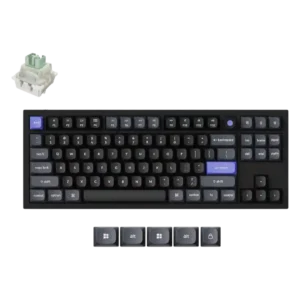
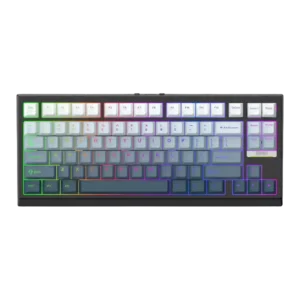
Keychron Q3 HE 8K
Where It Has the Edge
- software quality is 4.3 vs 4.0. The web launcher was received positively for avoiding a separate app and enabling complex one-key actions.

Scorata scores summarize analyzed review evidence on a 1–5 scale; they are not laboratory measurements or a simple average of customer star ratings. Feature scores summarize the reviews covering that feature. The overall score averages feature scores within each review, then combines review averages. When both expert and customer evidence are available, those two groups receive equal weight. Products can have different review coverage, so small score gaps do not establish a winner.
Recommendations prioritize important features for the category, with a score of at least 3.5, a gap of at least 0.25 points and at least two supporting reviews per product. Features with widely varying scores or broad connectivity contexts are excluded from recommendations. These safeguards do not establish statistical significance.
Quick verdict
The available evidence supports the recommendation below, but does not establish an overall winner. Check the remaining features against your priorities.
Choose Keychron Q3 HE 8K for software quality.
There is not enough comparable review evidence to recommend Epomaker G84 HE over the other product.
No clear scored advantage over the other product.
Scores are out of 5. Missing scores mean missing review evidence, not a missing feature.
The keycap shaping was praised for creating a more ergonomic feel.
Ergonomics were mixed-to-positive: typing comfort and range were praised, but one reviewer disliked how the slanted front affected wrist-rest placement.
The aluminum material was presented as high-grade and resistant to damage.
Materials quality was acceptable-to-good for plastic construction, with praise for a quality feel offset by lower rigidity than aluminum.
The aluminum construction was framed as durable, stable, and premium-feeling.
Build quality was generally positive for a plastic board, with reviewers calling it solid or not cheap, though one noted flex.
The high-grade aluminum body was described as more resistant to physical damage.
Durability had limited but positive evidence, with one reviewer expecting it could serve as a long-haul keyboard.
The reviewer strongly liked the keyboard’s look, especially the purple accents.
Design aesthetics were generally praised for the gradient, minimal branding, RGB-friendly look, and color-scheme fit, despite one colorway complaint elsewhere.
The shaped keycaps were praised for improving typing comfort.
Typing comfort was consistently strong, with reviewers reporting comfort during long typing sessions and little to no discomfort.
The 80% layout was described as precision-engineered for the target gaming audience.
Size and form factor were broadly praised for compact functionality, though some users needed adjustment and one FPS-focused reviewer preferred smaller boards.
Switch choice is the biggest hardware flexibility weakness because compatibility is limited to Keychron’s own magnetic switch.
Switch choice was praised in the budget-focused review, especially the Creamy Jade option for users who prefer a softer aesthetic.
Portability is a weak point because the keyboard was called a chonky board after weighing.
Portability was mostly praised because of the compact/light design and easy relocation, though one reviewer found the board somewhat hefty.
Keychron’s keycaps were praised for the effort put into their shape and feel.
Keycap quality was mixed: one reviewer disliked the colorway, while others found the texture acceptable and said the caps did not feel cheap.
The TMR-based switching was praised for giving complete control over switch behavior and response.
Actuation consistency drew mixed evidence: some reviewers praised dialed-in settings and precise actuation, while others hit accidental presses with very sensitive setups.
The body material was associated with increased stability and a luxury feel.
Frame rigidity was mixed: feet and desk grip were praised, but several reviewers noted plastic-case flex or lower rigidity than aluminum.
The 8K polling implementation was a standout point across the direct Q3 HE reviews.
The polling rate was treated as part of the keyboard's precision-and-speed appeal for users who care about Hall Effect performance.
The volume knob drew an enthusiastic positive reaction from the reviewer.
Volume control was mixed-to-positive: one reviewer missed a knob only mildly, while another found VIA remapping straightforward.
The switch feel was praised as stable, responsive, and fast.
Reviewers generally liked the switch feel, describing it as smooth, satisfying, familiar, and easy to use, though one reviewer noted some scratchiness.
The switch sensing was described as high-accuracy and ultra-low-latency.
Latency evidence was positive where discussed, with the wired Type-C connection praised for consistency and less lag.
Responsiveness was praised through super-fast response times and exceptional precision.
Responsiveness was consistently positive, with reviewers citing swift input, instant response, snappy gaming, and precise movement per key press.
The reviewed Q3 HE evidence described the switches as having a soft typing sound, supporting a favorable acoustic impression.
Acoustics were split: many reviewers liked the creamy, subdued, or satisfying sound, while one found heavy presses hollow and resonant.
Gaming-oriented extras such as multi-layer actions were valued for making multiple moves easier to execute.
Extra gaming features were seen as worthwhile, especially for users who value HE-specific capabilities even when not fully using them.
The typing feel was described as stable and responsive.
Typing feel was a major strength across reviews, with reviewers calling it premium, smooth, satisfying, and difficult to abandon.
The lighting quality was praised for making the keyboard setup pop.
RGB lighting quality was mostly strong thanks to bright, diffused, and ambient lighting, but one review criticized uneven backlighting on larger keys.
Hot-swap support is useful but notably limited because only Keychron’s Ultra-Fast Lime Magnetic switches are compatible.
Hot-swappable switches were seen as useful, though one reviewer cautioned they swap only with magnetic alternatives rather than traditional mechanical switches.
Macro support was viewed positively for reducing complex commands to one keypress and helping with gaming.
Macro customization was praised where discussed, especially the ability to fully customize layout functions through VIA.
The web launcher was received positively for avoiding a separate app and enabling complex one-key actions.
Software quality was mixed: reviewers liked the depth and serviceability, but several mentioned awkwardness or a learning curve.
RGB customization was viewed positively through lighting-control options and preferred effects.
RGB customization was praised for matching setups, turning off cleanly, and fitting the rest of a desk setup.
Customization was a clear strength, with both reviews emphasizing deep behavior tuning and flexible remapping.
Customization options were a strength, with reviewers praising extensive software controls, rapid-trigger settings, and broad configurability.
Included tools such as the keycap and switch puller supported a positive impression for replacement or tinkering.
Ease of switch replacement was praised in one overview because the reviewer said switches could simply be popped out and replaced.
Analog input support was described as fluid, controller-like, and useful for more nuanced control.
Analog-like input support was praised for racing-game control, where the reviewer valued linear control behavior for precise key actions.
Both direct Q3 HE reviews positioned it as a competitive gaming keyboard that can help players gain an edge.
Gaming performance was widely praised, especially for responsive inputs, casual-to-competitive usefulness, and Hall Effect precision.
The typing sound was described as soft, suggesting a favorable noise character.
Noise level was mostly praised as quiet or pleasing, but one review complained that heavy presses were noisy.
Battery life was praised strongly, including nearly impossible-to-drain testing, a two-month claim, and expected long gaming sessions.
Reliability had limited positive evidence, with one reviewer saying they expected to keep using it for a long time.
Rapid trigger support was viewed as useful for quick gaming reactions, with one reviewer praising the available rapid-trigger settings and another noting a VAC-related caveat.
Value for money was one of the strongest themes, with reviewers repeatedly calling it well equipped, reasonably priced, fair, or a strong deal.
Backlight brightness was praised in most evidence as bright and usable in the dark, though the overall RGB quality had one unevenness complaint elsewhere.
Legend visibility was mostly positive because legends were clear or bright in the dark, though one reviewer found the bottom-row typeface hard to see.
Sound dampening was praised through subdued keys, spacebar foam, and internal foams shaping the board's sound profile.
Wireless performance was praised in the work and gaming context, especially rock-solid Bluetooth and snappy 2.4GHz gaming.
The included USB cable drew a positive unboxing reaction, with the reviewer calling it very nice.
Compatibility was mixed: reviewers liked broad compatibility in general, but Mac-specific keycap omissions were a recurring caveat.
Connectivity was consistently positive, with reviewers praising flexible wired, Bluetooth, 2.4GHz, and fast mode-switching options.
Desk space efficiency was a clear strength, with reviewers valuing the compact footprint for laptop overlay use and mouse-space comfort.
Key spacing was mixed but mostly positive, with some adjustment required on compact layouts while another reviewer praised proper key positioning.
Key stability was positive overall, with one reviewer noting limited wobble and another praising how the board stayed put while typing.
Layout options were praised for functional 75% or compact layouts that avoided missing important keys.
Stabilizer quality was praised for lubrication and lack of rattle, with another reviewer calling the stabilizers nicely lubed.
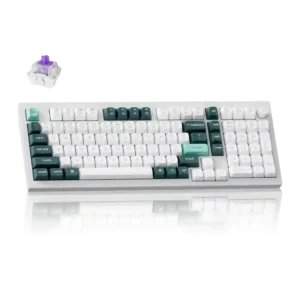
Good if you want a premium 96% Hall Effect keyboard for work and gaming with excellent build, sound, and customization. Skip it if you need cheaper esports-first speed, 8,000Hz polling,...
Pros: size and form factor, typing feel
Cons: switch options, portability
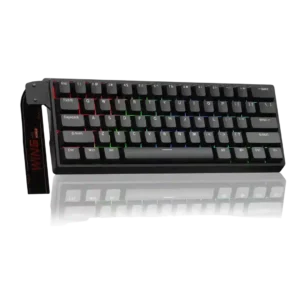
Choose it if competitive gaming speed, Rapid Trigger, and deep per-key customization matter more than extras. Skip it if you need wireless, dedicated arrows/media keys, adjustable height, or a lower-cost...
Pros: overall satisfaction, customization options
Cons: value for money, switch options
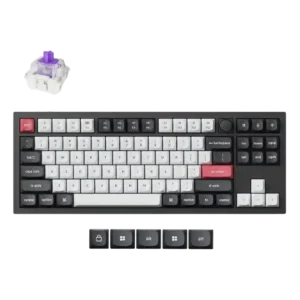
Good if you want a premium, quiet TKL Hall Effect keyboard for typing and gaming. Skip it if price, portability, 8,000Hz polling, or broad switch choice matters most.
Pros: build quality, switch feel
Cons: switch options
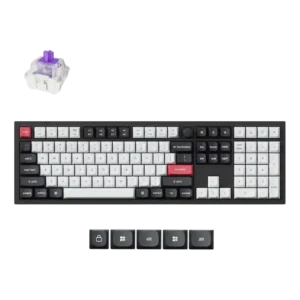
Good if you want a premium full-size Hall Effect keyboard with smooth switches, quiet sound, and deep customization. Skip it if you need a portable, budget-friendly board or broad switch...
Pros: build quality, keycap quality
Cons: switch options, portability