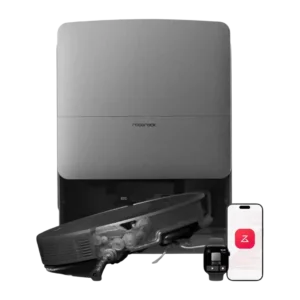
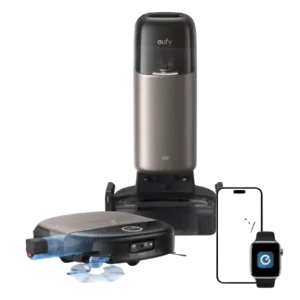
Roborock Saros 20
Where It Has the Edge
- Noise level is 4.8 vs 2.7. The robot itself is notably quiet for its power and can often run in the same room without...

Scorata scores summarize analyzed review evidence on a 1–5 scale; they are not laboratory measurements or a simple average of customer star ratings. Feature scores summarize the reviews covering that feature. The overall score averages feature scores within each review, then combines review averages. When both expert and customer evidence are available, those two groups receive equal weight. Products can have different review coverage, so small score gaps do not establish a winner.
Recommendations prioritize important features for the category, with a score of at least 3.5, a gap of at least 0.25 points and at least two supporting reviews per product. Features with widely varying scores or broad connectivity contexts are excluded from recommendations. These safeguards do not establish statistical significance.
Quick verdict
The review evidence points to a tradeoff: Noise level versus Overall durability/longevity and Storage footprint and upright-stand stability. Choose according to which strengths matter more to you; the overall score alone does not settle that choice.
Choose Roborock Saros 20 for Noise level.
Choose Eufy S2 Omni for Overall durability/longevity and Storage footprint and upright-stand stability.
Scores are out of 5. Missing scores mean missing review evidence, not a missing feature.
Daily operation is simple once maps and routines are configured, especially with the capable app and automated dock. The depth of settings creates a modest learning curve for users who want full control.
Everyday use is straightforward once the home is mapped. Clear controls, scheduling and extensive dock automation let the robot operate with little supervision.
One pet owner found the narrow intake unable to move hair into the bin, causing repeated clogs and loss of suction.
The center hair channel works as intended, directing strands toward the suction port instead of trapping them. Test rollers remained nearly free of wrapped hair.
One household found the robot could run into bare feet hard enough to hurt, making supervision important around seated children.
The sanitized mopping system and strong avoidance of cords and household clutter make the S2 appealing for families. Cleaner floors provide extra reassurance where children play.
The onboard bin is small and its layout can limit usable capacity, especially with pet hair. One owner found the intake clogged before the bin could fill.
The dock’s disposable bag can hold roughly two months of debris, reducing how often it needs attention. That supports the S2’s hands-off appeal.
The brush layout normally channels hair cleanly toward the bin, but clogs can still occur in the intake, onboard bin or dock path. Heavy shedding homes appear most vulnerable.
The multi-cyclone system prevents fine dust from rapidly clogging the filter. Suction stayed strong even after substantial debris collection.
Bundles may include useful spare bags, filters and mop pads, but contents vary and cleaning solution is often missing. Several reviewers considered the included accessories underwhelming for a flagship price.
The package includes useful starter supplies such as cleaning solution, fragrance modules and a spare dust bag. The extras make the initial setup more complete.
One reviewer found the robot capable on loose hair, but another pet owner reported large clumps left in its path. Hard-floor hair pickup therefore looks less dependable than the broader suction claims suggest.
Hard-floor hair pickup is excellent, including long human hair and pet fur. The debris moves cleanly into the suction path instead of wrapping around the rollers.
Floor finish varies sharply by water setting and layout. Some runs leave clean, even surfaces, while others produce streaks, patchy coverage or greasy residue.
Hard floors usually dry without visible streaks or residue. Controlled water output and the continuously cleaned roller leave a consistent finish.
The dock is large and needs a deliberate placement area, especially in small or high-traffic rooms. Its rectangular shape can blend in, but it remains a prominent appliance.
The tall tower dock is narrower and easier to service than many wide stations, but it needs considerable vertical wall space. It works best where height is less restrictive than floor width.
Rug results are mixed: the robot can climb plush surfaces, detach or lift its mops and clean many rugs effectively. Other owners report wet carpets, repeated edge attacks, stuck runs and debris collecting at floor transitions.
The S2 handles area rugs exceptionally well, climbing thicker piles while avoiding tassels and lightweight mats. It is less likely to bunch, drag or become trapped by rugs.
Carpet hair pickup is often impressive, especially for routine pet hair, and the brush design reduces wrap. Thick rugs, embedded hair and large clumps remain weak spots for some testers and owners.
Carpet hair pickup is consistently strong, with excellent results on pet fur and long hair. The detangling design trades a little peak agitation for far less maintenance.
The chassis can raise itself onto deep rugs and improve brush contact, but deeply embedded hair and fine debris may remain. A severe customer report also described poor performance on thicker carpet.
High-pile performance is much improved, with effective chassis lifting and strong suction on plush rugs. Deep agitation is not class-leading in every test, so carpet-focused homes should weigh that tradeoff.
Battery life is strong enough for large areas, multiple passes and combined vacuum-mop jobs, with several tests setting excellent coverage figures. A few owners reported unexpectedly heavy drain or charging-related failures.
Runtime ranges from adequate to disappointing depending on power level. Large homes may see a recharge interruption, especially when maximum suction is used.
Strong suction and the extending brush help pull debris from narrow floor gaps and cabinet edges. Performance is good overall, though not every groove or edge is cleared perfectly.
Strong airflow reaches dust and litter in hardwood seams and floor grooves. This is a meaningful advantage on textured or imperfect hard floors.
One owner reported visible scratches after ordinary operation, suggesting the finish may mark more easily than expected.
Repeatedly getting trapped beneath one console caused visible scratches on the front. Homes with low, tight furniture may need a no-go zone to protect the finish.
Pet households often praise the hair pickup, anti-tangle brushes, litter cleaning and ability to avoid animals or pet waste. Serious exceptions include hair clogging, collisions with sleeping pets and a pet-waste miss that damaged carpet.
Pet owners benefit from excellent hair pickup, minimal brush tangling and a dock that can move dense fur without clogging. The sanitizing mop system also suits homes where pets track in dirt.
The lifting chassis is a standout when it works, crossing tall thresholds, thick rugs and awkward furniture bases that stop many robots. Some owners could not clear ordinary 1.25- to 1.5-inch transitions, making performance highly home-dependent.
The adaptive chassis lift is highly effective on thick rugs and carpet transitions. It raises the body, increases suction and reduces the chance of becoming stranded.
Coffee, wine, mud and ketchup tests show that repeated targeted passes can remove difficult dried stains impressively. Detection is not always reliable, and some stubborn marks or paw prints require extra cycles.
Dried-stain removal is generally strong on everyday sauce, coffee, paw prints and jam, but tougher controlled tests produced mixed results. It is effective routine mopping rather than a guaranteed replacement for heavy scrubbing.
Automatic detergent dosing is convenient and removes guesswork, while the dock can tailor water use to the cleaning task. The single solution compartment and restrictions on third-party liquids are less flexible than some rivals.
Automatic detergent dosing and controlled water delivery keep the mopping system supplied without manual measuring. The liquid system supports consistent cleaning across scheduled runs.
The removable tanks are easy to handle and can support substantial cleaning in some homes. Capacity drew mixed reactions, including one owner who needed refills and draining every two days.
The water tanks are easy to access and generously sized, but heavy mopping can require refilling and emptying every few runs. Large single-floor homes may need more frequent tank service.
Heated drying and airflow through the mop, bag and ducts help prevent the stale smell common to wet docks. One owner still reported an odor problem, so results depend on maintenance and unit behavior.
The fragrance system is polarizing: some homes noticed a pleasant, subtle freshness, while others could barely detect it. Dirty-water odors still require regular tank rinsing.
The robot usually handles cereal, litter, crumbs and coffee grounds well, sometimes scoring perfectly. Very large clumps and debris at transitions can still be pushed aside or left behind.
Large debris pickup is usually immediate and controlled, though some tests found cereal pieces scattered or avoided. A second pass may be needed for grouped bulky debris.
The overall reception is positive but polarized: most experts and many owners describe an exceptionally capable, autonomous cleaner. A substantial minority report serious mopping, threshold, app, docking or reliability failures that make the purchase feel risky at this price.
The S2 earns broad praise for suction, mopping, hair handling and dock automation. Its premium price, inconsistent edge work and uneven navigation keep it from being the best fit for every home.
Medium-pile carpet cleaning is generally strong, with excellent sand, litter and surface-debris pickup in several tests. Pet hair and some fine debris can still require a second vacuum or an upright cleaner.
Medium-pile carpet pickup is consistently strong, including embedded dirt and pet hair. It performs close to the better carpet-focused robots in normal use.
Mapping is fast, detailed and generally accurate, while routes become more confident as the robot learns the space. Most reviewers praise efficient coverage, although isolated users saw odd boundaries, missed zones or navigation deterioration.
Mapping is fast and generally accurate, with useful 3D room and furniture recognition. Path efficiency is less consistent, and some tests found slower routes or unnecessary circling near complex edges.
Its strong suction, long runtime and broad automation make it well suited to large, busy homes with pets, children or frequent debris. Successful users describe it as a true workhorse.
The S2 handled tens of thousands of square feet and many hours of daily cleaning with little performance decline. It is well suited to frequent, demanding use.
Fine dust is generally removed cleanly from hard floors, including along edges and beneath furniture. One comparison found weaker sand pickup, and isolated users saw little vacuuming effect on flooring.
Fine-dust pickup is strong overall, helped by sustained airflow and effective filtration. Fast side brushes can scatter light particles on the first pass before the robot recovers them.
Crumbs, cereal, litter and other larger debris are often collected well in one or two passes. Performance is inconsistent in tougher homes, where some debris was pushed around or remained after repeated cycles.
The S2 handles mixed debris well, but grouped cereal and other bulky pieces can expose inconsistent approach behavior. Most remaining debris is recovered with additional coverage.
Many reviewers could run it daily without rescues thanks to its lift system and obstacle recognition. Others experienced repeated jams under furniture, on carpet edges or around thin structures, so reliability depends heavily on the layout.
The lifting chassis handles normal thresholds and thick rugs well, but unusual obstacles and very tall transitions can cause hesitation. Low furniture is another occasional trapping risk.
Hot-water washing, drying, auto-emptying and a removable dock tray make routine care unusually light. Owners still need to manage water tanks, bags and occasional clogs, and a few problem units required frequent intervention.
Maintenance is generally low because the dock washes, dries and empties automatically, while cyclonic filtration keeps parts cleaner. Roller trays and dirty-water tanks still need periodic rinsing.
It usually identifies cables, shoes, pet waste and clutter with unusual confidence, allowing many hands-off runs without rescues. Failures still occur on carpet, thin objects, socks and a few real homes, including serious pet-waste misses.
Obstacle avoidance is usually excellent, including cords, pet waste and small household objects. A few tests still found collisions with dark items, toys or objects encountered immediately after a threshold.
Detaching or lifting the pads makes mixed-floor cleaning much safer and lets the robot vacuum carpets without dragging wet mops. A few owners reported the system failing and soaking or damaging rugs.
The 28 mm mop lift protects most carpets and supports mixed-floor cleaning in one run. Very thick carpet can still make light contact because the measured lift includes suspension travel.
Low-pile carpet pickup was excellent in the available test, leaving the surface thoroughly cleaned after two passes.
Low-pile carpet pickup is very good, including ordinary dust, crumbs and pet hair. It cleans these surfaces confidently without the mobility problems of the older model.
Its unusually slim body is one of the clearest strengths, consistently reaching beneath beds, sofas, cabinets and appliances that taller robots miss. Only isolated navigation trouble under cluttered furniture was reported.
The robot’s low body reaches beneath beds, chairs and many cabinets while continuing to navigate reliably. It performs useful cleaning in places that are awkward to reach manually.
The split main brush and curved side brush are highly effective at directing hair into the bin instead of wrapping around rollers. A little long hair can collect at the ends, but maintenance is far lower than on many competing designs.
Hair resistance is one of the strongest areas of agreement. The split DuoSpiral brush routinely finishes long-hair and pet-heavy cleaning with little or no wrapping.
When working normally, the dock empties the bin cleanly and keeps day-to-day dirt handling largely hands-off. Reviewers especially liked seeing the onboard bin and filter come back clean.
The self-empty dock handles dense hair and packed debris without clogging in normal use. An overfilled bin may occasionally require a second empty cycle.
The combination of physical chassis lift, slim solid-state navigation and pressure-adjusting mops feels meaningfully more inventive than another simple suction increase. Reviewers see it as a practical refinement of robotic autonomy.
The built-in fragrance module and onboard multi-cyclone system distinguish the S2 from most competitors. Both features make the product feel genuinely different rather than merely more powerful.
It adapts well across hard floors, carpets, rugs, edges and stain-focused jobs, with separate vacuum and mop workflows. This flexibility is a major reason it suits complex mixed-floor homes.
The S2 works well across hard floors, short carpet, medium carpet and many rugs. Its vacuum-and-mop design makes it a strong all-rounder for mixed-floor homes.
A customer found the tank alerts timely and useful, reducing the chance of interrupted mopping cycles.
Visible tank levels and app alerts make it easy to know when clean water is low or dirty water needs attention. This reduces interrupted cleaning sessions.
Two customers experienced severe early decline, including worsening navigation and a dock failure within a week. Long-term confidence is therefore limited despite many strong short-term tests.
The S2 maintained strong suction and cleaning consistency through weeks or months of frequent use. Its durable feel and low performance decay inspire confidence for long-term ownership.
Some units feel solid and premium, but early failures involving sensors, docks and mechanical behavior create real durability concern. The mixed record is especially troubling at flagship pricing.
The robot and dock feel solid, well assembled and appropriately premium. Long-term testers reported no meaningful loss of structural quality.
The dark, low-profile design generally looks sleek and blends into modern rooms. The matte dock is easier to keep clean than the older mirrored finish, though some consider it less premium.
The translucent top, glowing ring and slim tower give the S2 a distinctive premium look. Its design feels more like modern home technology than a bulky cleaning appliance.
At roughly 3.1 inches tall, the robot reaches under low furniture that many turret-equipped models cannot access. Reviewers repeatedly cite the extra cleaned floor area as a practical daily advantage.
The robot fits under most ordinary furniture despite its advanced sensors. Its low profile expands useful cleaning coverage in bedrooms and living areas.
Firmware improvements may address detection issues, and one reviewer expected the platform to evolve. However, app connectivity and navigation failures after initial success raise doubts about software reliability over time.
Frequent firmware updates improved the pre-release unit and addressed reported quirks. Ongoing software refinement appears to be a meaningful part of the product’s support.
Independent security certifications, offline voice control and optional camera features give reviewers confidence in the privacy setup. Photos can remain disabled for users who prefer less visual data collection.
Cloud-dependent integration limits fully local privacy and control. Native Matter support provides a partial workaround for smart-home users.
The Roborock app is widely regarded as powerful, stable and easy to navigate, with deep room, route, suction and water controls. Its many choices can feel excessive, and a few owners could not resolve specific behavior through settings.
The dock display and app controls are clear, responsive and easy to understand. Angled controls and visible status information reduce the need to bend down or guess what the robot is doing.
SmartPlan, stain recognition, schedules and smart-home integration can make cleaning responsive rather than merely time-based. Most users find the automation genuinely useful, though detection misses, connection failures and limited advanced integrations temper the praise.
The app offers clear maps, schedules, room controls and adjustable cleaning settings. Core automation works well, although smart-home commands and advanced customization trail some rivals.
The robot tracks rounded moldings and baseboards closely without riding up, helping the extending mop maintain contact along the edge.
Edge-following accuracy is inconsistent, with some runs leaving an obvious perimeter gap. More app control over wall distance and brush deployment would improve results.
The robot itself is notably quiet for its power and can often run in the same room without disturbance. The brief self-emptying and water-pumping cycles are much louder.
The robot is acceptable on lower settings but becomes noticeably loud at maximum suction. Buyers sensitive to noise will likely prefer scheduled daytime runs or reduced power.
A customer reported the exhaust scattering lightweight debris instead of drawing it in, undermining hard-floor pickup.
The powerful fan can blow light hair or fine debris away before pickup. This was most noticeable with loose cat hair during controlled hard-floor testing.
Many tests praise the spinning pads for strong daily cleaning, edge reach and impressive stain removal, sometimes leaving floors visibly polished. Others found streaks, patchy coverage, detached pads, greasy residue or weak results, so mopping is the most disputed major function.
Mopping is the product’s signature strength, producing clean, streak-free hard floors with continuous fresh water and firm downward pressure. Difficult grout and severe dried stains can still require manual work.
For many homes it meaningfully reduces manual cleaning through reliable navigation, automated dock care and set-and-forget routines. Owners who encountered sticking, clogging or tank issues found it demanding rather than hands-off.
The automated dock, schedules, self-cleaning mop and reliable mapping make daily cleaning exceptionally convenient. Most routine work is reduced to servicing water tanks and consumables.
The 36,000 Pa system usually delivers excellent pickup on carpet and hard floors, with several tests ranking it near the top of the category. A smaller group reports weak real-world vacuuming, pet-hair clogs or debris left behind.
Suction is the S2’s clearest strength, with strong pickup across hard floors, rugs and embedded carpet debris. Multiple long-term tests also found that airflow stayed consistent as the bin and filter accumulated dust.
The extending mop and side brush clean close to walls, cabinets and baseboards exceptionally well. This is one of the most consistent strengths across lab tests and everyday use.
Edge performance varies more than the central cleaning results. Some units clean close to baseboards, while others leave visible gaps because the robot rides too far from walls.
The extending side brush and mop reach farther into corners than fixed designs and usually leave little behind. Results are not perfect, with occasional cereal, dust or uncleaned gaps still visible.
The extending side brush improves corner pickup and often reaches debris that fixed brushes miss. Results depend on how aggressively the robot approaches the wall.
Most reviewers place it among the strongest current flagships, especially for carpet cleaning, navigation, app quality and threshold handling. Several still prefer cheaper predecessors or rivals for hard-floor mopping, fine debris and obstacle avoidance.
Compared with its predecessor and current flagships, the S2 clearly improves hair handling and carpet mobility. It is less dominant in deep-carpet agitation, software features and value.
Replacement bags and consumables add continuing expense, and reviewers dislike the lack of a bagless option. Included spares soften the initial burden but do not eliminate long-term costs.
Ownership costs can be high once replacement bags, filters, fragrance modules and heavier maintenance are considered. Budget-focused buyers may find simpler systems cheaper to run.
The dock's hot-water mop washing, soaking, heated drying and removable tray earn near-universal praise. It cleans pads thoroughly and reduces odors while keeping manual dock scrubbing to a minimum.
The roller is washed continuously while mopping and then cleaned and dried again at the dock. This keeps it fresh, reduces smearing and minimizes hands-on mop care.
Successful mopping runs leave hard floors visibly clean, fresh and polished. Several owners specifically noticed a strong shine after routine use.
Mopping left hard floors visibly clean, glossy and pleasant underfoot. The finish was especially impressive on kitchens, hallways and other high-traffic hard surfaces.
Customer-service experiences are mostly poor when serious problems appear, with unresolved calls, repeated troubleshooting and difficult return situations. One owner did receive responsive help, but support is a recurring concern.
Reliability is mixed: firmware support has been active, but early recall concerns and occasional app disconnects temper confidence. The short warranty also feels conservative for such an expensive machine.
Most units return, empty and resume cleaning reliably, supporting genuinely hands-off use. Several customers report failed docking, incomplete emptying, clog warnings or repeated contact attempts, including an early total charging failure.
The UniClean station is consistently praised for reliable emptying, mop washing, drying, refilling and detergent dosing. It is among the most complete and dependable docks in the category.
Owners who receive reliable performance often feel the autonomy and cleaning quality justify the expense. Those facing threshold, app or hardware failures quickly view it as poor value and seek refunds.
Value depends strongly on priorities. It makes sense for frequent hard-floor mopping and heavy hair, but cheaper robots can match parts of its performance with less maintenance.
The flagship price is the most common reservation, and several reviewers say simpler homes or existing Saros 10-series owners gain too little to justify it. Buyers with difficult thresholds, mixed floors or heavy pet cleanup are more likely to see the premium as worthwhile.
The flagship price is the most consistent hesitation. Strong cleaning and automation help justify it, but several less expensive robots deliver similar results in selected areas.
Setup is usually quick and straightforward, with QR-code pairing, fast mapping and simple tank installation. A few users found onboarding or map transfer less seamless, but initial installation is rarely a major obstacle.
Setup is consistently described as simple: assemble the ramp, fill the tanks, scan the app code and map the home. Most users can start cleaning within minutes.
Fast charging and long routine runtime are strong when the system is healthy. Reports of excessive drain and one early docking failure that left the battery dead prevent a fully dependable verdict.
Battery performance depends heavily on suction mode, and maximum power sharply reduces coverage. Recharge times around five hours are slow for a flagship robot.
The full-bin sensing is not consistently trustworthy. Owners reported false clog alerts or a bin that clogged before the system recognized it was full.
Child lock is useful for preventing accidental dock commands, but it also limits the convenience of the touchscreen. Households with children may rely more heavily on the app.
Dirty-water sensing can trigger an additional cleaning pass when the extracted water remains heavily soiled. This adds useful automation for messier rooms.
Cyclonic separation keeps the filters unusually clean and contains fine dust effectively. Several extended-use tests found little visible buildup or suction loss.
The floor remains lightly damp after mopping but not dangerously wet. Drying is reasonable for routine hard-floor cleaning.
The continuously cleaned roller is particularly effective on fresh spills because it extracts liquid instead of spreading it. Wet messes are one of the system’s best use cases.
Low-light operation is reliable enough for overnight or early-morning cleaning. The robot can navigate dark rooms without needing the household lights turned on.
Heated mop washing and hot-air drying improve roller hygiene and reduce lingering moisture. The dock prepares a cleaner mop for the next run with little manual effort.
Movement is smooth and responsive, without the jerky corrections seen in some robots. It transitions through rooms and around furniture confidently.
The tested retail package arrived well protected and organized, with the robot and dock secured for setup.
The robot itself fits beneath much furniture, but the tall dock and occasional navigation trouble in tight nooks make it less ideal for compact homes. Small apartments may also find the system excessive.
Its moderate heft helps it apply useful pressure during mopping without making the robot feel excessively bulky.
The multi-cyclone system is a standout innovation, separating debris before it reaches the filter. It preserves airflow and keeps suction close to day-one strength through extended use.
Self-emptying and water pumping are brief but conspicuously loud, and one household found the sound startling. The cleaning robot itself is much quieter.
The app’s service timers clearly show when filters, brushes and other consumables need attention. This is easier than tracking maintenance manually.
Electrolyzed water, hot washing and continuous roller cleaning give the S2 unusually strong hygiene features. The system is especially appealing for homes with children or pets.
Cliff detection handled stair edges safely during testing. The robot navigated upper levels without attempting a dangerous drop.
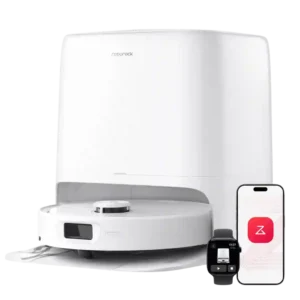
Best for excellent carpet pickup, strong suction, low-clearance reach, and highly automated daily cleaning. Skip it if sticky spills, stubborn wet messes, flawless small-object avoidance, or a compact dock matter...
Pros: Suction and Airflow, Obstacle Avoidance (Robot)
Cons: Streaking / Residue, Solution / Liquid system
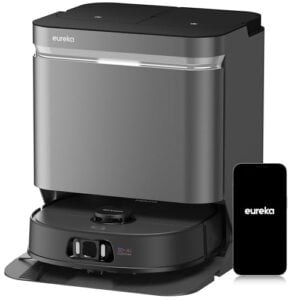
Choose the Eureka J15 Ultra for hands-free vacuuming/mopping, strong suction, edge coverage, and value. Skip it if you need the most advanced obstacle avoidance, compact dock, detergent dispensing, or quieter...
Pros: Obstacle Avoidance (Robot), Maintenance requirements
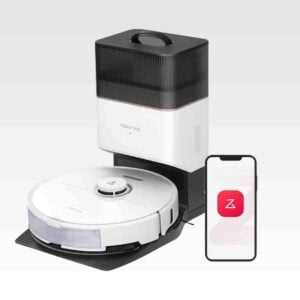
Best for excellent vacuuming, mapping, pet-hair handling, and low-touch daily upkeep. Skip it if you expect deep mop scrubbing, quiet auto-emptying, or premium value in a small or multi-story home.
Pros: Overall opinion, Map and Path Efficiency (Robot Vacuums)
Cons: Dock noise, Price and Value
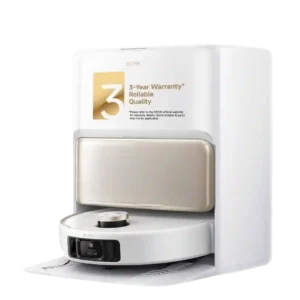
Best for powerful vacuuming, excellent mopping, pet-focused automation, and strong accessory value. Skip it if you need flawless obstacle avoidance, simple plug-and-play software, or the smallest possible dock.
Pros: Overall opinion, Obstacle Avoidance (Robot)