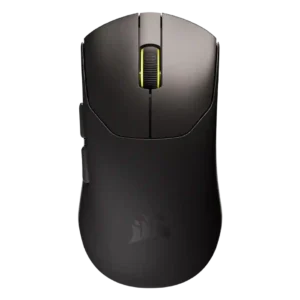
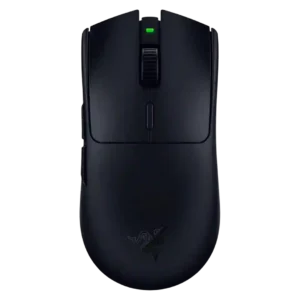
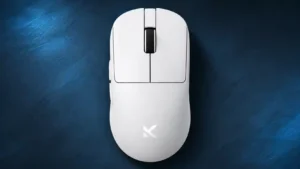
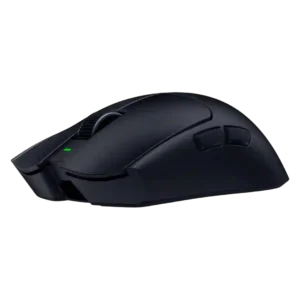
Scorata scores summarize analyzed review evidence on a 1–5 scale; they are not laboratory measurements or a simple average of customer star ratings. Feature scores summarize the reviews covering that feature. The overall score averages feature scores within each review, then combines review averages. When both expert and customer evidence are available, those two groups receive equal weight. Products can have different review coverage, so small score gaps do not establish a winner.
Recommendations prioritize important features for the category, with a score of at least 3.5, a gap of at least 0.25 points and at least two supporting reviews per product. Features with widely varying scores or broad connectivity contexts are excluded from recommendations. These safeguards do not establish statistical significance.
Quick verdict
What each product is best for
The review evidence points to a tradeoff: weight and balance and weight distribution versus battery life and lift-off distance. Choose according to which strengths matter more to you; the overall score alone does not settle that choice.
Choose Corsair Sabre V2 Pro for weight and balance and weight distribution.
Choose Razer Viper V3 HyperSpeed for battery life and lift-off distance.
Why these recommendations?
Corsair Sabre V2 Pro
Where It Has the Edge
weight is 5.0 vs 3.0. Weight was the clearest strength: reviewers repeatedly emphasized the 36g body as astonishingly light, effortless, wrist-friendly, and central...
balance and weight distribution is 4.4 vs 3.3. Balance and weight distribution were praised indirectly through extremely low inertia and stable lateral aim freedom, making the...
macro support is 3.8 vs 3.3. Macro support was available and useful in Web Hub, but reviewers also noted that the small button count...
Razer Viper V3 HyperSpeed
Where It Has the Edge
battery life is 4.1 vs 3.1. Battery life was generally praised as long, sometimes mindblowing, but higher polling rates and AA dependence created caveats.
lift-off distance is 4.7 vs 2.0. Lift-off and landing customization earned strong praise where reviewed, especially asymmetric cut-off and granular height adjustment.
click latency is 3.8 vs 1.3. Click latency evidence was mixed: reviewers found the clicks usable and often fast, but some noticed slower actuation...
Corsair Sabre V2 Pro3.6 overall score
Razer Viper V3 HyperSpeed4.1 overall score
Compare features
Scores are out of 5. Missing scores mean missing review evidence, not a missing feature.
Scored on both products
Battery and charging
Battery life
Corsair Sabre V2 Pro
3.1
Battery life was one of the most mixed areas: acceptable at 1000Hz for some, but subpar or frustrating for others and much worse at 8K.
Razer Viper V3 HyperSpeed
4.1
Battery life was generally praised as long, sometimes mindblowing, but higher polling rates and AA dependence created caveats.
Charging convenience
Corsair Sabre V2 Pro
2.1
Charging convenience suffered from the combination of regular charging reminders and a stiff cable that reviewers disliked for wired play.
Razer Viper V3 HyperSpeed
2.5
Charging and power convenience was a major tradeoff: reviewers disliked AA dependence and no wired fallback, though some liked quick battery swaps.
Other features
Lift-off distance
Corsair Sabre V2 Pro
2.0
Lift-off distance customization was called out as missing, especially by reviewers expecting more advanced tuning options from a performance mouse.
Razer Viper V3 HyperSpeed
4.7
Lift-off and landing customization earned strong praise where reviewed, especially asymmetric cut-off and granular height adjustment.
Click latency
Corsair Sabre V2 Pro
1.3
Click latency drew the harshest technical criticism because reviewers tied high latency to fixed debounce behavior and called it uncompetitive for high-end gaming.
Razer Viper V3 HyperSpeed
3.8
Click latency evidence was mixed: reviewers found the clicks usable and often fast, but some noticed slower actuation than optical-switch competitors.
Ecosystem integration
Corsair Sabre V2 Pro
1.5
Ecosystem integration was weak where discussed, because the Web Hub and iCUE split prevented unified Corsair device management.
Razer Viper V3 HyperSpeed
4.0
Ecosystem integration was positive but narrow, focused on HyperSpeed multi-device dongle sharing and saving USB ports.
Profile switching
Corsair Sabre V2 Pro
2.2
Profile switching was a recurring weakness because there is no dedicated profile/DPI button and the shortcut or software workflow was called slow or convoluted.
Razer Viper V3 HyperSpeed
4.5
Profile switching was praised when the reviewer could quickly see or cycle DPI/profile states, though evidence was limited.
Portability
Corsair Sabre V2 Pro
1.9
Portability was weak because reviewers linked travel inconvenience to the lack of Bluetooth, cabled dongle, and fragile-feeling ultra-light shell.
Razer Viper V3 HyperSpeed
4.0
Portability evidence was limited but positive, mainly that the receiver can be stored safely in the mouse.
Wireless latency
Corsair Sabre V2 Pro
3.0
Wireless latency evidence was mixed: one reviewer measured fast results, while others criticized 2.4GHz latency or noted weaker 1000Hz wireless behavior.
Razer Viper V3 HyperSpeed
5.0
Wireless latency received limited but strong praise, especially around low-latency 2.4GHz use.
Weight
Corsair Sabre V2 Pro
5.0
Weight was the clearest strength: reviewers repeatedly emphasized the 36g body as astonishingly light, effortless, wrist-friendly, and central to the mouse's appeal.
Razer Viper V3 HyperSpeed
3.0
Weight was the most divisive physical trait: some liked the controlled mid-weight feel, while others found the AA-battery weight heavy or brick-like.
2.4GHz connectivity
Corsair Sabre V2 Pro
2.4
2.4GHz connectivity was stable enough in some testing, yet the cabled receiver/dongle setup was frequently described as cumbersome or strange.
Razer Viper V3 HyperSpeed
4.0
2.4GHz connectivity was seen as simple and effective, with limited but positive opinionated evidence.
Surface compatibility
Corsair Sabre V2 Pro
3.5
Surface compatibility had limited evidence: cloth pads felt good, while glass pads were rougher and louder though still usable.
Razer Viper V3 HyperSpeed
4.6
Surface compatibility was a strong positive where tested, including smooth tracking across desks, mats, wood, and glass.
Balance and weight distribution
Corsair Sabre V2 Pro
4.4
Balance and weight distribution were praised indirectly through extremely low inertia and stable lateral aim freedom, making the mouse feel easy to control.
Razer Viper V3 HyperSpeed
3.3
Balance evidence was mixed, ranging from even and predictable to rear-heavy, unbalanced, or affected by battery inertia.
Grip texture
Corsair Sabre V2 Pro
3.8
Grip texture was generally usable and grippy, but sweat, dust, slippery plastic, and the need for grip tape created mixed impressions.
Razer Viper V3 HyperSpeed
4.5
Grip texture/coating was strongly praised for grippiness, though reviewers often noted fingerprints, sweat marks, or preference for rubber sides.
Scroll wheel quality
Corsair Sabre V2 Pro
3.9
Scroll wheel quality varied by reviewer: some praised smoothness, tactility, or rasterization, while others found it stiff, noisy, or poor as a middle click.
Razer Viper V3 HyperSpeed
4.4
The scroll wheel drew mostly positive notes for tactile steps, grip, and control, with a few reviewers calling it merely fine or muted.
DPI range
Corsair Sabre V2 Pro
4.5
The DPI range was praised as impressive and more than enough for most gamers, though broader DPI convenience concerns were covered under profile switching.
Razer Viper V3 HyperSpeed
4.0
The 30K DPI ceiling was considered powerful for FPS use, though one reviewer viewed extreme DPI as more buzzword than necessity.
Motion consistency
Corsair Sabre V2 Pro
4.5
Motion consistency was praised in practical and technical testing, with reviewers reporting no stutter and no general tracking issues.
Razer Viper V3 HyperSpeed
5.0
Motion consistency was praised where reviewed, especially consistent tracking and stable performance during play.
Left and right click quality
Corsair Sabre V2 Pro
3.8
Left and right clicks were usually considered good or responsive, though a few reviewers criticized softness, hollow sound, or mushiness.
Razer Viper V3 HyperSpeed
4.3
Left and right clicks were often praised for crispness and solidity, though a few units or grip positions felt mushy or merely average.
Glide smoothness
Corsair Sabre V2 Pro
4.2
Glide smoothness was mostly positive, especially with larger or replacement skates, though some reviewers found the stock feet slower, rougher, or less smooth on glass.
Razer Viper V3 HyperSpeed
4.6
Glide smoothness was consistently praised, with reviewers noting smooth motion, strong feet/skates, and effortless movement.
Polling rate
Corsair Sabre V2 Pro
3.9
The 8K polling rate impressed some reviewers and supported fast play, but several saw it as overkill, battery-hungry, or less stable at higher wireless rates.
Razer Viper V3 HyperSpeed
4.3
Polling was generally viewed positively: 1,000Hz was enough for most, while 4K/8K support was valuable but battery-hungry or dongle-dependent.
Premium feel
Corsair Sabre V2 Pro
3.3
Premium feel was polarizing, with some reviewers calling it premium despite the weight and others saying it felt flimsy, cheap, or compromised.
Razer Viper V3 HyperSpeed
3.7
Premium feel was mixed: several reviewers said it felt high-end or more expensive than it was, while others said it lacked true Pro feel.
RGB features
Corsair Sabre V2 Pro
2.8
RGB was mostly absent, which some reviewers accepted as part of the weight-saving design while others listed it among missing features.
Razer Viper V3 HyperSpeed
3.1
RGB opinions were mostly neutral: reviewers noted the no-RGB design as minimalist or acceptable, not a major functional loss.
FPS gaming suitability
Corsair Sabre V2 Pro
4.6
FPS suitability was very strong overall, with reviewers repeatedly recommending it for competitive shooters and fast twitch movements despite one latency-based objection.
Razer Viper V3 HyperSpeed
4.5
FPS gaming suitability was strong overall, especially for competitive shooters, though weight and click speed were caveats for elite players.
Onboard memory
Corsair Sabre V2 Pro
2.4
Onboard memory was repeatedly criticized because reviewers found only one profile could be stored or carried on the mouse.
Razer Viper V3 HyperSpeed
2.3
Onboard memory was a recurring limitation because reviewers noted it stores only one profile or one preset slot.
Switch feel
Corsair Sabre V2 Pro
3.9
Switch feel was mixed: several reviewers liked the light, spam-friendly switches, while technical and enthusiast reviewers found the main clicks somewhat mushy or not especially crisp.
Razer Viper V3 HyperSpeed
3.9
Switch feel split reviewers: many liked the crisp or snappy Gen-2 mechanical feel, while others found it mushy or less sharp than premium opticals.
Connection stability
Corsair Sabre V2 Pro
5.0
Connection stability had limited but strong evidence, with one reviewer reporting no wireless issues during testing.
Razer Viper V3 HyperSpeed
5.0
Connection stability was a strong positive, with reviewers reporting no lag, jitter, signal loss, or testing issues.
Controls and connectivity
Programmable buttons
Corsair Sabre V2 Pro
2.3
Programmable-button evidence was limited but negative-to-mixed because reviewers repeatedly framed the mouse as barebones and short on extra buttons.
Razer Viper V3 HyperSpeed
4.3
Programmable controls were easy to reach and sufficient for most reviewers, reinforcing the mouse's simple FPS-first layout.
Side button quality
Corsair Sabre V2 Pro
2.9
Side buttons were the most common button-quality complaint, with repeated notes about extra travel, mushiness, or buttons sinking into the shell despite some positive placement feedback.
Razer Viper V3 HyperSpeed
4.7
Side buttons were one of the most consistent positives, with reviewers calling them easier to reach, premium, and among Razer's best.
Software stability
Corsair Sabre V2 Pro
2.9
Software stability was cautiously mixed, with one reviewer saying Web Hub worked fine and another warning that hosted web-driver dependence is not ideal.
Razer Viper V3 HyperSpeed
3.5
Software stability evidence was limited and mixed, with one reviewer saying Synapse improved but still had hiccups.
Button responsiveness
Corsair Sabre V2 Pro
4.0
Button responsiveness was generally usable and easy to spam, but some reviewers noted mushiness, pre-travel, or post-travel that kept it from feeling truly crisp.
Razer Viper V3 HyperSpeed
4.6
Button response was typically praised as snappy, responsive, satisfying, and reliable in play.
Bluetooth support
Corsair Sabre V2 Pro
2.0
Bluetooth support was a repeated drawback; reviewers often understood the weight-saving reason but still found the lack inconvenient for travel or multi-device use.
Razer Viper V3 HyperSpeed
2.5
Bluetooth support was weak because reviewers noted its absence, though at least one said it was unlikely to be a dealbreaker.
Button customization
Corsair Sabre V2 Pro
4.2
Button customization was viewed positively when discussed, with remapping and button mapping available through Web Hub, though the five-button layout limits what can be customized.
Razer Viper V3 HyperSpeed
4.3
Button customization through Synapse was seen as useful and accessible, including remapping and DPI-related controls.
Software usability
Corsair Sabre V2 Pro
3.3
Software usability was highly mixed: reviewers liked the clean lightweight web hub, but disliked online dependence, sparse options, iCUE friction, and limited tuning.
Razer Viper V3 HyperSpeed
3.3
Software usability was mixed: Synapse enabled useful customization and was often straightforward, but battery readings and setup requirements frustrated some reviewers.
Comfort and build
Ergonomic design
Corsair Sabre V2 Pro
3.7
Ergonomics were mixed: some reviewers found it comfortable and credible, while others disliked the large-hand fit or button-height choices.
Razer Viper V3 HyperSpeed
4.5
Ergonomic design was generally praised for the revised hump, curves, and hand support, with some caveats around side support.
Fingertip grip comfort
Corsair Sabre V2 Pro
4.1
Fingertip grip comfort was supported for larger hands and by one reviewer who found the mouse almost exclusively suited to fingertip grip.
Razer Viper V3 HyperSpeed
3.6
Fingertip grip comfort was more mixed: some found it workable or comfortable, while others preferred smaller/lighter Viper-style shapes.
Skate durability
Corsair Sabre V2 Pro
4.1
Skate durability was a minor positive because UPE was described as longer-lasting, even if it trades away some glide speed.
Razer Viper V3 HyperSpeed
4.5
Skate durability/quality evidence was limited but positive, with reviewers saying the PTFE feet felt smooth, great, or long-lasting.
Durability over time
Corsair Sabre V2 Pro
2.3
Durability over time was a concern in reviews that described the plastic as fragile, delicate, or traded off against weight savings.
Razer Viper V3 HyperSpeed
2.5
Durability over time evidence was limited and slightly negative, focused on click grinding after some use.
Build quality
Corsair Sabre V2 Pro
4.1
Build quality split reviewers sharply: many found the shell sturdy or excellent for the weight, while others reported flex, flimsy feel, or cheap impressions.
Razer Viper V3 HyperSpeed
3.9
Build quality was mostly solid, but several reviewers reported rattles, a lopsided base, or less-than-Pro feel.
Long-session comfort
Corsair Sabre V2 Pro
4.7
Long-session comfort was a strength because reviewers linked the extreme lightness and comfortable shape to less fatigue over longer use.
Razer Viper V3 HyperSpeed
4.5
Long-session comfort was supported by praise for palm support and comfort over extended play, though it overlapped with shape and grip evidence.
Shape comfort
Corsair Sabre V2 Pro
4.2
Shape comfort was mostly positive thanks to the safe symmetrical shape, though some reviewers still found the design basic or dependent on hand size.
Razer Viper V3 HyperSpeed
4.3
Shape comfort was broadly praised for the redesigned hump and fuller support, though a few reviewers disliked it for their grip or game style.
Materials quality
Corsair Sabre V2 Pro
4.1
Materials quality was often described as sturdy or excellent, but one enthusiast review found the plastic soft and less rigid.
Razer Viper V3 HyperSpeed
4.1
Materials and finish felt premium to many reviewers, though the coating could show marks or smudges.
Claw grip comfort
Corsair Sabre V2 Pro
4.2
Claw grip comfort had limited but positive evidence, with the shape recommended for medium and small hands using palm or claw.
Razer Viper V3 HyperSpeed
4.2
Claw grip comfort was usually positive, with the revised hump and shell fitting relaxed claw users well.
Palm grip comfort
Corsair Sabre V2 Pro
4.2
Palm grip comfort was viable for some medium, small, and even larger-handed reviewers, but it was not the universal best grip style.
Razer Viper V3 HyperSpeed
4.2
Palm grip comfort improved versus flatter Viper shapes and suited many reviewers, though not every hand size or palm style was ideal.
Performance
Wireless performance
Corsair Sabre V2 Pro
3.9
Wireless performance was mostly solid in normal use, but technical testing found missed polls at high wireless polling rates.
Razer Viper V3 HyperSpeed
4.7
Wireless performance was widely praised for cable-free use, reliability, and professional-level responsiveness.
Click noise
Corsair Sabre V2 Pro
3.0
Click noise varied: some reviewers disliked elevated, hollow, or noisy feedback, while one saw muted buttons as a benefit for quiet use.
Razer Viper V3 HyperSpeed
3.5
Click noise was mixed but generally acceptable: one reviewer found the click louder, while another said the mouse kept noise muted.
Sensor performance
Corsair Sabre V2 Pro
4.7
Sensor performance was one of the strongest areas: most reviewers reported flawless, consistent, or top-tier tracking, while one technical review rated it good overall.
Razer Viper V3 HyperSpeed
4.9
The Focus Pro 30K sensor was one of the strongest consensus positives, described as accurate, reliable, snappy, and premium-grade.
Ownership and support
Value for money
Corsair Sabre V2 Pro
3.9
Value was divided: many reviewers saw $100 as competitive or attractive for the specs, but technical latency and cheaper rivals hurt the case for others.
Razer Viper V3 HyperSpeed
4.5
Value for money was one of the strongest positives, with reviewers repeatedly calling the mouse affordable, budget-friendly, or outstanding for its specs.
Macro support
Corsair Sabre V2 Pro
3.8
Macro support was available and useful in Web Hub, but reviewers also noted that the small button count limits how much macro use makes sense.
Razer Viper V3 HyperSpeed
3.3
Macro support was limited by the simple button layout, but HyperShift expanded options for reviewers who wanted extra commands.
Tracking and training
Accuracy and tracking precision
Corsair Sabre V2 Pro
4.8
Reviewers consistently described the Sabre V2 Pro as smooth, precise, and accurate in games and everyday use, with no repeated tracking complaints.
Razer Viper V3 HyperSpeed
4.7
Reviewers repeatedly praised tracking accuracy, with only a few preference-based caveats around the forward sensor placement.
Evidence available for one product
Other features
Cable flexibility
Corsair Sabre V2 Pro
1.4
Cable flexibility was a clear weakness, with multiple reviewers calling the cable stiff, restrictive, or anchor-like when used wired or charging.
Razer Viper V3 HyperSpeedNo score yet
Cross-platform compatibility
Corsair Sabre V2 Pro
2.0
Cross-platform compatibility was criticized because firmware updating appeared Windows-only despite the mouse being used across Mac and Linux contexts.
Razer Viper V3 HyperSpeedNo score yet
Handedness options
Corsair Sabre V2 ProNo score yet
Razer Viper V3 HyperSpeed
2.0
Handedness was a negative where discussed because the design is effectively right-handed and could be a problem for left-handed players.
Weight tuning
Corsair Sabre V2 ProNo score yet
Razer Viper V3 HyperSpeed
4.8
Weight tuning received positive evidence from reviewers using AAA/lithium battery mods to cut substantial weight.
Controls and connectivity
Debounce customization
Corsair Sabre V2 Pro
1.5
Debounce customization was a clear technical gap because reviewers said the mouse was stuck at an 8 ms debounce or lacked a public adjustment option.
Razer Viper V3 HyperSpeedNo score yet
Comfort and build
Switch durability
Corsair Sabre V2 ProNo score yet
Razer Viper V3 HyperSpeed
3.5
Switch durability evidence was mixed: rated lifecycle was considered respectable for the price, but one reviewer warned mechanical switches can develop double-clicks.
Choose the ROG Harpe II Ace for ultralight FPS play, precise tracking, smooth glide, and web-based tuning. Skip it if you need palm-grip support, MMO buttons, onboard profiles, or long...
Excellent tracking, comfortable right-handed ergonomics and a versatile scroll wheel make the Basilisk V3 a strong gaming and productivity mouse. Its substantial weight, fixed cable and sometimes over-sensitive automatic scrolling...
The L7 Pro delivers remarkably light handling, precise aiming and a grippy shell at a budget price. Stock skates are less impressive, and conflicting click-latency measurements warrant caution for latency-sensitive...
Best for ultra-light, competition-focused speed, precise tracking, stable wireless, and long battery life. Skip it if you need quieter clicks, left-handed support, Bluetooth, more buttons, or better value for casual...