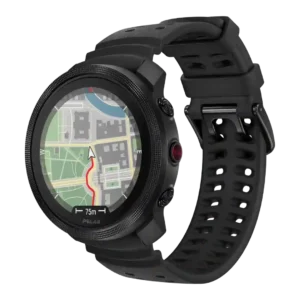
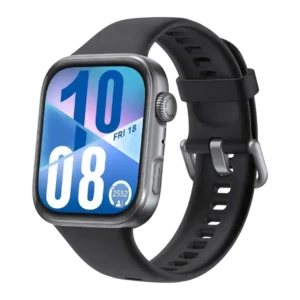
Polar Vantage M3
Where It Has the Edge
- brightness is 4.9 vs 4.6. Brightness is excellent, with reviewers highlighting the screen as very bright and clear.

Scorata scores summarize analyzed review evidence on a 1–5 scale; they are not laboratory measurements or a simple average of customer star ratings. Feature scores summarize the reviews covering that feature. The overall score averages feature scores within each review, then combines review averages. When both expert and customer evidence are available, those two groups receive equal weight. Products can have different review coverage, so small score gaps do not establish a winner.
Recommendations prioritize important features for the category, with a score of at least 3.5, a gap of at least 0.25 points and at least two supporting reviews per product. Features with widely varying scores or broad connectivity contexts are excluded from recommendations. These safeguards do not establish statistical significance.
Quick verdict
The review evidence points to a tradeoff: brightness versus heart rate accuracy and GPS accuracy. Choose according to which strengths matter more to you; the overall score alone does not settle that choice.
Choose Polar Vantage M3 for brightness.
Choose Huawei Watch Fit 4 for heart rate accuracy and GPS accuracy.
Scores are out of 5. Missing scores mean missing review evidence, not a missing feature.
Heart-rate accuracy is the most mixed area: steady runs can be close, but intervals, cycling, strength work and early-run lock-on often create lag, spikes or bad readings.
Heart-rate accuracy was one of the most strongly supported health metrics, often comparing closely with chest straps or other watches.
GPS accuracy earns broad praise across reviews, usually tracking routes and distance well, with caveats for trees, dense urban areas and occasional wobble.
GPS accuracy was a major strength, with reviewers praising fast lock-on, dual-band support, and close outdoor tracking results.
Sleep and recovery context is praised in some Polar features, but sleep-stage and interrupted-sleep detection draw clear accuracy concerns.
Sleep tracking was generally reliable for core metrics, though one reviewer said it remained less precise than a dedicated ring.
Overall fitness tracking is generally strong, especially around GPS-led workouts, though one reviewer wanted better performance in demanding test snapshots.
Fitness tracking accuracy was generally good, with treadmill, pace, workout, and GPS results comparing well against reference devices.
Coaching features are consistently praised, especially FitSpark, Training Load Pro, FuelWise-style reminders and guided training/recovery recommendations.
Coaching features were useful when reviewers discussed prompts, training guidance, personal-trainer-like plans, and non-generic feedback.
Recovery insights are a major strength, with Recovery Pro, Nightly Recharge, VO2 Max, orthostatic tests and training-load context repeatedly described as useful.
Recovery insights were valued when reviewers mentioned recovery time, training load, and training index features.
Workout variety is strong, with the large sports-profile library supporting the watch’s fitness-first appeal.
Workout tracking variety was very strong overall, with over 100 modes, although one reviewer wanted a more complete list.
Step counting is a weak point in the limited evidence, with reviewers saying Polar overcounted or felt less trustworthy than Garmin.
Step counting accuracy was strongly praised in one review that ranked Huawei among the best step counters tested.
SpO2 appears as part of a broader sensor suite that one reviewer says adds depth to health insights.
Blood oxygen tracking received positive but cautious comments, with reviewers finding readings reliable or closely matching other devices while not treating them as medical-grade.
Review evidence is positive but limited; one reviewer says the watch excels at health tracking.
Health tracking accuracy was broadly positive for everyday use, especially heart-rate and sensor reliability, while still framed as non-medical.
Wellness insights get positive evidence where the watch helps users avoid overtraining and supports health improvement.
Wellness insights were a bright spot, especially emotional well-being, Health Insights, breathing links, and habit awareness.
Comfort is a strong point, with reviewers repeatedly describing the watch as light, compact and suitable for all-day wear.
Comfort was praised across reviews because the watch is light, slim, and easy to wear all day.
Materials quality is mixed, with the metal bezel helping the feel but plastic body elements lowering perceived premium quality.
Materials quality was praised for the aluminum or metal body, premium feel, and strong case construction.
Durability evidence is cautious, focused on concern that plastic lugs could be vulnerable to damage.
Durability feedback was positive overall, with Gorilla Glass or the regular model considered sufficient for most everyday users.
Band quality is mixed: the strap can be comfortable and standard-sized, but several reviewers call it fiddly, sticky or frustrating.
Band and strap feedback was positive, with praise for secure clasps, comfort, grip, and premium-feeling strap hardware.
Water resistance is adequate for surface swimming but not enough for reviewers imagining more extreme water activities.
Water resistance was generally positive for swimming and everyday exposure, though one reviewer found water-ejection behavior less reassuring.
Build quality is generally good for the price, though plastic-case concerns keep it from feeling fully premium.
Build quality was repeatedly described as premium, top-notch, durable, or unusually strong for the price.
Style and design are broadly praised, with reviewers liking the compact look, mature styling and premium-looking details.
Style and design were among the strongest areas, with repeated praise for a premium, slim, stylish Apple Watch-like look.
Fit is praised by reviewers who found the smaller, lighter body secure and well suited to the wrist.
Fit was praised for a just-right dial size, broad wrist adjustability, and a slim feel on the hand.
Battery life is acceptable to good but not class-leading; reviewers praise GPS endurance while noting day-to-day AMOLED drain and overnight burn.
Battery life was one of the strongest points across reviews, ranging from a comfortable week to around 10 days depending on usage.
Charging speed is generally positive, with reviewers calling charging quick enough or pretty quick.
Charging speed was considered good, with repeated mentions of a full charge in about 75 minutes and quick top-ups.
Charging convenience has limited but positive evidence, described as quick and painless.
Charging convenience was mostly positive thanks to secure magnetic or wireless charging, though one reviewer disliked the proprietary cradle.
Display quality is one of the strongest points, with reviewers repeatedly praising the AMOLED screen’s sharpness, color and overall upgrade.
Display quality was one of the most praised attributes, with reviewers calling the AMOLED panel clear, vibrant, stunning, and responsive.
Brightness is excellent, with reviewers highlighting the screen as very bright and clear.
Brightness was widely praised, especially the 2,000-nit AMOLED panel and its clear outdoor readability.
Outdoor visibility is consistently strong, with reviewers saying the display remains easy to read in sun and varied light.
Outdoor visibility was excellent thanks to the bright AMOLED screen, with reviewers repeatedly saying it stayed clear in sun or outdoors.
Reliability is mixed, with display quirks and low-battery feature lockouts tempering otherwise functional use.
Reliability was mostly positive but not perfect, balancing strong trust in tracking and durability against occasional disconnects.
Value for money is a major strength because reviewers see flagship Polar features, maps and strong training tools at a mid-range price.
Value for money was extremely strong across reviews, with many calling it one of the best budget or affordable smartwatch options.
Onboard music storage is effectively absent, and several reviewers call out the lack of offline music or streaming support.
Onboard music storage was useful for phone-free listening, especially with Bluetooth earphones paired directly to the watch.
Call handling is essentially absent; reviewers criticize the inability to take calls from the wrist.
Call handling was generally strong, with loud speakers, clear microphones, and callers reportedly hearing the reviewer well.
Smartwatch features are the clearest weakness, mostly limited to notifications and phone music controls.
Smartwatch features were adequate for the price, but reviewers agreed it is not as complete as more app-rich smartwatch platforms.
Menu navigation is a recurring usability complaint, especially awkward button/touch interactions and inconsistent navigation behavior.
Menu navigation was praised for smooth scrolling, useful haptics, flexible layouts, and easy rearrangement.
Customization options are limited, especially around data fields, activity organization and route/map creation workflows.
Customization was a strength, especially watch-face editing, widget/card management, and app/icon arrangement, despite some tile limits.
The operating-system experience feels dated and slow-moving, with several reviewers criticizing update cadence or software polish.
The operating system felt polished and smooth overall, though some reviewers noted limited development or similarity to older Huawei models.
Notifications are basic and read-only, so they work for viewing alerts but do not feel interactive.
Notifications were useful for basic reading and replies on supported phones, but iOS limitations and missed notifications reduced consistency.
Third-party app support is consistently criticized, with no app store or downloadable extensions.
Third-party app support was limited, with Spotify control and basic apps available but a small AppGallery overall.
Review contexts may differ, so use caution when interpreting the score gap.
The app ecosystem is weak because reviewers repeatedly highlight the lack of an app store and broader app platform.
Reviewers consistently found Huawei’s app store ecosystem limited, with basic apps available but far less depth than richer smartwatch platforms.
Review contexts may differ, so use caution when interpreting the score gap.
The user interface is serviceable but dated and less intuitive than Garmin or other rivals in several reviews.
The user interface was mostly praised as smooth, fluid, and premium, but permissions and occasional quirks lowered the ceiling.
Pairing and setup reliability is weak in the reviews that discuss it, with slow, glitchy setup experiences.
Pairing reliability was mixed but acceptable, with occasional disconnects in one review and successful earbud pairing in another.
Review contexts may differ, so use caution when interpreting the score gap.
Button controls are mixed: useful for gloves and wet conditions, but some reviewers find them small, mushy or less tactile.
The crown and button controls earned positive notes for haptics, precision, and practical control over functions like the flashlight.
Contactless payments are absent and reviewers frame that as a meaningful limitation at this price.
Contactless payments were a consistent weakness because NFC/payment support was limited or unavailable in many places.
Voice assistant support is missing and cited as part of the watch’s limited smart-device experience.
Voice assistant quality was weakly supported but negative, because the assistant was said to require a Huawei phone to work.
Watch faces are mixed: one reviewer likes the simple customization, while another wants more appealing options.
Watch-face quality was generally strong, with attractive built-in and downloadable faces, though some reviewers disliked paid options.
Smoothness is mostly good during normal watch navigation, though reviewers also note wake lag and map-motion smoothness issues.
Software smoothness was a standout positive, with reviewers repeatedly praising fluid animations, smooth menus, and responsive operation.
Mapping and navigation are strong for the price, with offline maps widely praised, though Garmin still leads detail and Polar has workflow/compass friction.
Mapping and navigation were standout features for the price, especially offline maps, route-back support, and wrist-based map screens.
Review contexts may differ, so use caution when interpreting the score gap.
The companion app is divisive but trends negative, with Polar Flow described as dated, confusing or in need of streamlining despite its data depth.
Companion app opinions were mixed: one reviewer found it complete and easy, while others criticized clutter, bloat, and slow transfers.
Music controls get one positive navigation-review mention, but evidence is limited to phone-control convenience rather than broader media features.
Music controls worked well for phone playback control, though this was a smaller strength than onboard music storage.
Touchscreen responsiveness is praised as snappy, responsive and intuitive.
Touchscreen responsiveness was strong in normal use and even praised when wet, though one reviewer noted it was unusable underwater.
Flashlight usefulness is mixed; the screen flashlight seems useful, but one reviewer mainly wished it were easier to access.
The flashlight was treated as useful in small ways, especially because brightness can be adjusted, though it was not a core feature.
Only one reviewer judged auto-detection directly, calling it handy while noting it can affect battery life.
Cross-platform compatibility was usable but uneven, with iPhone users losing features such as replies, mapping, or onboard music support.
ECG is useful as a sensor feature, but reviewers note it lacks diagnostic Afib support.
LTE/cellular support is absent, requiring a phone connection for connected features.
Bluetooth was generally functional, with earbuds pairing and basic connectivity working as expected rather than standing out as a major strength.
Review contexts may differ, so use caution when interpreting the score gap.
Calorie tracking was only lightly supported, but one reviewer valued seeing calories beside other daily metrics at a glance.
Stress tracking and emotional well-being features were considered useful and interesting, especially for spotting calmer or unpleasant periods.
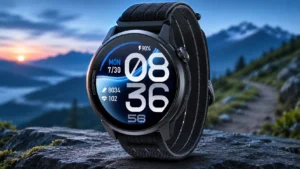
The Pace 4 Pro delivers an exceptional display, impressive battery life and reliable GPS in a remarkably light sports watch. Its wrist heart-rate tracking can be inconsistent during intense workouts,...
Pros: heart rate accuracy, display quality
Cons: band quality, smartwatch features
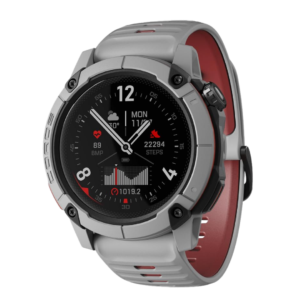
Best for long battery life, accurate GPS and useful offline maps at a strong price. Skip it if you need payments, richer apps, a built-in LED flashlight or polished smartwatch...
Pros: mapping and navigation, value for money
Cons: smartwatch features, contactless payments
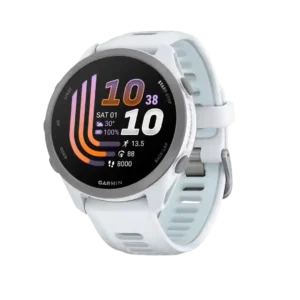
Best for accurate run tracking, deep Garmin coaching and phone-free Spotify in a light package. Skip it if you need full maps, triathlon mode, Apple Music support or the strongest...
Pros: value for money, GPS accuracy
Cons: mapping and navigation, third-party app support
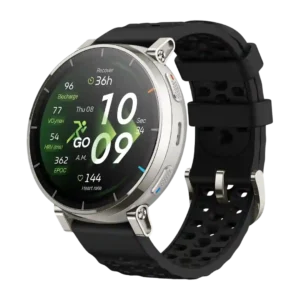
Good if you want premium running features, long battery life, and maps for under $200. Skip it if you need flawless heart-rate data, multiband GPS, LTE, or richer app support.
Pros: value for money, battery life
Cons: heart rate accuracy, third-party app support