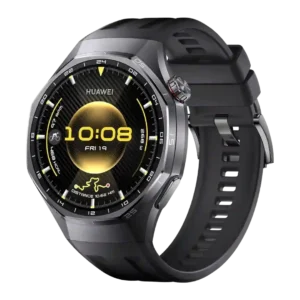
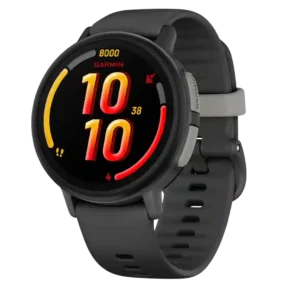
Huawei Watch GT 6 Pro
Where It Has the Edge
- charging convenience is 3.7 vs 1.8. Charging convenience was mixed, with useful top-ups but criticism of older connectors or proprietary charging.

Scorata scores summarize analyzed review evidence on a 1–5 scale; they are not laboratory measurements or a simple average of customer star ratings. Feature scores summarize the reviews covering that feature. The overall score averages feature scores within each review, then combines review averages. When both expert and customer evidence are available, those two groups receive equal weight. Products can have different review coverage, so small score gaps do not establish a winner.
Recommendations prioritize important features for the category, with a score of at least 3.5, a gap of at least 0.25 points and at least two supporting reviews per product. Features with widely varying scores or broad connectivity contexts are excluded from recommendations. These safeguards do not establish statistical significance.
Quick verdict
The review evidence points to a tradeoff: charging convenience versus coaching features and materials quality. Choose according to which strengths matter more to you; the overall score alone does not settle that choice.
Choose Huawei Watch GT 6 Pro for charging convenience.
Choose Garmin Bounce 2 for coaching features and materials quality.
Scores are out of 5. Missing scores mean missing review evidence, not a missing feature.
GPS accuracy was widely praised, including fast locks and precise routes, though one scientific review found it only decent with some odd traces.
Location tracking is the most polarizing part of the watch. Some families find it accurate and reassuring, while many report lag, incorrect positions, weak rural or indoor performance, and tracking that fails when it matters.
Sleep evidence was split: several reviewers praised insights and consistency, while YouTube testing found sleep stages weak or uncomfortable to capture.
Movement-only sleep tracking provides a rough estimate rather than dependable health data. It is better treated as a basic habit indicator than a diagnostic tool.
Coaching and cycling-power features were useful but mixed: reviewers liked the idea, yet several said estimates should not replace dedicated meters.
Step challenges, activity goals, games, and family competitions can genuinely motivate children to move. Chore rewards also appeal to some families, though not every child stays interested.
Workout variety was consistently positive, with reviewers noting broad sport modes and meaningful data for running, cycling, skiing, golf and more.
The watch covers a broad mix of running, cycling, swimming, team sports, and other activities. It offers more sport variety than most child-focused wearables.
Step counting received limited but positive evidence, with reviewers calling counts consistent or more accurate than older Huawei devices.
Step counts are generally useful and can record individual steps more precisely than some alternatives. One owner still relied on steps only because pairing failures disabled the connected features.
Battery life was the strongest consensus point, with every review praising multi-day or multi-week endurance.
Typical endurance lands around one and a half to two days, with some families getting slightly more. LTE, GPS, calls, and aging batteries can reduce it to a day or even several hours, making frequent charging the most consistent complaint.
Charging convenience was mixed, with useful top-ups but criticism of older connectors or proprietary charging.
The proprietary charging cable is a recurring annoyance and cannot be replaced by a common USB-C cable. One owner also experienced a complete charging failure.
Charging speed was acceptable but not standout; reviewers often excused slower charging because battery life is so long.
A full charge takes about two hours and was considered quick by one family, though other sources view that duration as inconvenient for such short battery life.
Comfort was mostly good despite the large case, though bulk was a caveat for some wrists.
Its light weight works well on small wrists, but the fixed silicone band can be a deal-breaker for children with sensory sensitivities.
Materials were a major strength, with repeated praise for titanium, sapphire glass, ceramic and robust finishes.
Fiber-reinforced polymer keeps the watch light while resisting rough handling. The soft silicone strap complements the durable body.
Water resistance was generally positive for swimming, diving or wet use, though one scientific reviewer treated it as swimproof rather than diveproof.
The 5 ATM protection is one of the most dependable strengths, with successful use in pools, showers, rain, snow, and even the ocean.
Band quality was mixed-to-positive: some straps were soft and attractive, while one reviewer disliked the brown strap.
The soft silicone strap is easy to clean and comfortable for many children. Several families disliked the limited band choices, while one owner confirmed it can be replaced with a small watch tool.
Build quality was consistently praised as premium, solid and excellent.
The watch body feels premium and meets Garmin’s usual construction standards. Even highly critical owners often separate the solid hardware from unreliable connected services.
Style and design were widely praised, with reviewers calling it premium, refined, stylish and suitable for both workouts and formal settings.
The round, colorful design looks more like a real watch than a toy, and children generally liked wearing it. One buyer found it bulky, but appearance is otherwise a clear strength.
Fit was acceptable overall, but reviewers noted the watch can feel hefty or large.
The smaller, lighter case suits many young wrists better than the original Bounce. Even so, at least one eight-year-old found it too bulky.
Durability was praised for scratch resistance, rugged materials and outdoor toughness, with only one sponsored claim-style mention.
The reinforced case and glass usually handle bumps, scrapes, swimming, and months of child use well. Long-term durability is less certain because some earlier Bounce concerns remain unresolved.
Display quality was a standout strength, with reviewers praising sharpness, color, size and overall AMOLED quality.
The AMOLED screen is consistently described as sharp, vivid, and a major upgrade over the original model. Colors pop and graphics look unusually polished for a kids’ watch.
Brightness was excellent outdoors, though one reviewer noted the minimum brightness could still be too high in dark environments.
The AMOLED panel is bright and colorful, making the interface lively and easy to see. It is a substantial visual improvement over the older screen.
Outdoor visibility was one of the clearest strengths, with many reviewers saying the screen stayed readable in direct sunlight.
The bright AMOLED screen remains clear outside and in direct sunlight. Children can read it easily during outdoor activities.
Reliability had limited negative evidence, mainly software bugs and missed notifications.
Reliability ranges from excellent to deeply frustrating. Some families report dependable daily use, while others face pairing failures, delayed communication, charging problems, and services that work only intermittently.
Value was broadly positive, with reviewers praising the price-to-materials, battery and fitness package despite ecosystem compromises.
The $299 hardware price plus an LTE subscription is difficult to justify when tracking or calling is unreliable. Families who prioritize waterproofing, parental control, and phone-free independence are more willing to accept the premium.
Wi-Fi was weak, with reviewers noting no official Wi-Fi or contrasting the GT 6 Pro unfavorably with Huawei models that include it.
Wi-Fi setup is straightforward and can keep messaging working where cellular service or roaming is unavailable. Performance still depends on having a known, strong network.
Review contexts may differ, so use caution when interpreting the score gap.
Voice assistant support was a clear weakness because reviewers noted no assistant or missed Google Assistant-style functionality.
Voice commands can start calls, set alarms, and check information, but they require rigid wording. It is useful once children learn the accepted phrases.
Mapping and navigation were mixed: offline maps and route views helped, but Petal Maps was repeatedly weaker than Google or Apple alternatives.
LiveTrack can show both a child’s current position and route in real time, which is extremely helpful once the connection activates.
Review contexts may differ, so use caution when interpreting the score gap.
Smartwatch features were limited overall: fitness and basics were solid, but reviewers said it was not a full smartwatch replacement.
The focused mix of communication, safety, games, activities, music, and chores suits younger children who are not ready for a phone. Older children may find it restrictive or quickly want more apps and entertainment.
Customization evidence was limited but positive, mainly around customizable widgets and cards.
Glances, contacts, schedules, and appearance can be adjusted, but hardware customization is weak. Fixed band choices and limited protective accessories frustrate some families.
Call handling was generally praised, with reviewers noting clear wrist calls, strong mic/speaker performance and convenient hands-free use.
Two-way calls and app-based messaging are convenient for younger children and work very well for some families. Many others report failed calls, delayed messages, poor indoor service, or frustration that every contact must use Garmin Jr.
Watch faces were a positive theme, with reviewers praising variety, paid/free options and colorful designs.
Watch faces offer some child-friendly personalization, but choices are limited and third-party designs are unavailable.
Music controls were useful for controlling phone playback, and one reviewer found them responsive and reliable.
Music can be controlled from the watch, but the tiny speaker is not ideal. Bluetooth headphones provide the more practical listening experience.
Onboard music was mixed: one reviewer noted local track storage, while others missed offline Spotify or phone-free streaming.
Offline music is a welcome feature and can be easy to set up, but it is restricted to Amazon Music. Families already using other services may need another subscription or skip music entirely.
HarmonyOS was generally smooth and liked by reviewers, though it did not feel dramatically changed from earlier GT watches.
The overall watch experience feels smooth and enjoyable in normal use. Basic navigation is quick even for young first-time smartwatch users.
Pairing reliability was positive in the few tested cases, with reviewers describing easy iPhone pairing and reliable headphone or setup pairing.
Setup can take only minutes when everything works, but a failed or unstable app pairing disables most of the watch’s important connected features.
Review contexts may differ, so use caution when interpreting the score gap.
Notifications worked for basic viewing, but reviewers criticized missed alerts, limited replies and weaker interaction than full smartwatch platforms.
Boundary alerts automatically notify parents when a child enters or leaves a set area. They reduce the need to repeatedly open the app and check location.
The companion app was mixed: some praised clear data and trend analysis, while others found setup fiddly or advanced settings chaotic.
Garmin Jr. is usually considered clean, intuitive, and easy to set up, with strong contact and location controls. A minority of owners report poor syncing, missing family members, or unreliable notifications.
Menu navigation was strong where mentioned, especially the crown and recent-app navigation.
Children tend to learn the menus quickly, and the glance-based layout keeps essential information easy to reach.
Button controls were highly rated, especially the rotating crown, tactile buttons, shortcuts and haptic feedback.
Physical side buttons make the watch easier to operate with wet, dirty, or gloved hands. They provide a dependable alternative to touch input.
Touchscreen responsiveness was strong, with reviewers describing snappy response, smooth transitions and very good touch performance.
Swipes and taps feel quick, accurate, and natural for younger users. The responsive touchscreen helps the watch feel modern rather than toy-like.
The interface was praised as simple, versatile and polished, with easy navigation through Huawei’s watch UI.
The basic interface is easy for children to learn and use. Simple menus and clear controls are praised even by some owners who dislike the connected services.
Third-party app support was weak, especially outside China, with reviewers noting limited integrations and reduced on-watch app usefulness.
Third-party support is limited, especially for music. Amazon Music is the only offline service, and the lack of Spotify or broader app options frustrates many families.
Review contexts may differ, so use caution when interpreting the score gap.
Software smoothness was praised, with reviewers calling animations fluid, menus responsive and everyday performance stutter-free.
Day-to-day operation is generally responsive and enjoyable, with menus reacting quickly. Live connected features can still introduce delays.
The app ecosystem was one of the most consistent complaints, with reviewers calling AppGallery small or the overall ecosystem limited.
Garmin families benefit from shared challenges and centralized management, but communication remains heavily locked to Garmin Jr. Requiring approved contacts to install the app is one of the most repeated frustrations.
Review contexts may differ, so use caution when interpreting the score gap.
Cross-platform compatibility was broadly positive for iOS and Android support, though some reviewers still noted iPhone or ecosystem limitations.
Garmin Jr. works on both iOS and Android, so mixed-phone households can manage the watch without changing platforms.
Safety features were mixed: fall detection and SOS were appreciated, but false triggers and limited emergency behavior were concerns.
Geofencing, live location, check-ins, and emergency assistance can provide excellent peace of mind when they work. Customer experiences are sharply divided because unreliable tracking and communication can undermine the watch’s core safety purpose.
LTE was a weakness, with reviewers criticizing the lack of cellular support, especially at a premium price.
Standalone LTE is essential to the watch’s phone-free appeal, but coverage quality varies dramatically. Indoor dead zones, country restrictions, and delayed service are common concerns.
Auto-detection was mixed: cycling and activity recognition could be handy, but some reviewers found workout detection slow or hit-and-miss.
The watch can classify completed activities automatically, adding convenience for children who forget to start a sport profile.
Heart-rate accuracy was one of the strongest themes, with reviewers comparing it favorably to chest straps and trusted wearables.
Fitness tracking accuracy was strongly praised across runs, cycling, gym sessions and scientific testing, with only minor caveats.
Recovery insights received limited but positive support from one reviewer who specifically liked Huawei’s post-workout recovery measurements.
Blood oxygen readings were treated positively where tested, staying within acceptable ranges or grouped with accurate sensor results.
Reviewers generally found the health suite broad and accurate, though one early CNET impression had not tested it yet.
The digital golf scorecard exists, but its usefulness for the typical child was questioned.
Stress and emotional tracking drew moderate-to-positive reactions, but some reviewers found mood interpretation woolly or uncertain.
Wellness insights were a major strength, with reviewers praising clear explanations, health summaries and actionable trend-based guidance.
Bluetooth evidence was limited but positive, with one reviewer saying headphone pairing was simple and reliable.
Review contexts may differ, so use caution when interpreting the score gap.
Contactless payments were a repeated pain point, mostly unavailable, region-limited or less appealing than Apple Pay and Google Pay.
School mode, approved contacts, and feature restrictions give parents meaningful control. The controls are effective but still need more granular options for individual apps and family permissions.
Voice notes and automatic voice-to-text are easier for children than typing on a tiny screen, and several families enjoyed them. Poor audio or service failures can make the feature unreliable.
Chores, virtual coins, and real-world rewards can turn routines into a motivating system. Some families use it enthusiastically, while others find children do not care enough to keep checking tasks.
The closed contact system limits strangers, apps, and social media, which gives parents more control than a smartphone. Continuous child-location data still requires trust in Garmin’s handling of sensitive information.
ECG was viewed as useful and easy enough to access, though some evidence focused on availability and reporting rather than medical certainty.
Flashlight usefulness had limited but positive support from one reviewer who called out torch mode as handy.
The educational games are fun and age-appropriate at first, but the small selection may lose appeal quickly. Some parents would rather remove games altogether.
Size options were a weakness because the Pro only comes in 46mm, which several reviewers said may be too big for smaller wrists.
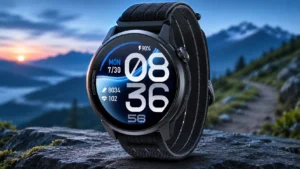
The Pace 4 Pro delivers an exceptional display, impressive battery life and reliable GPS in a remarkably light sports watch. Its wrist heart-rate tracking can be inconsistent during intense workouts,...
Pros: heart rate accuracy, display quality
Cons: band quality, smartwatch features
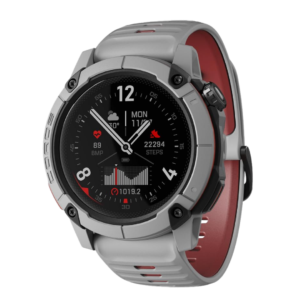
Best for long battery life, accurate GPS and useful offline maps at a strong price. Skip it if you need payments, richer apps, a built-in LED flashlight or polished smartwatch...
Pros: mapping and navigation, value for money
Cons: smartwatch features, contactless payments
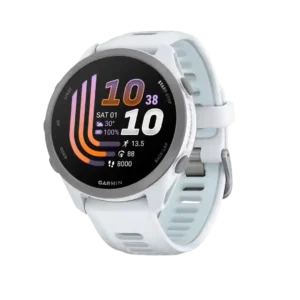
Best for accurate run tracking, deep Garmin coaching and phone-free Spotify in a light package. Skip it if you need full maps, triathlon mode, Apple Music support or the strongest...
Pros: value for money, GPS accuracy
Cons: mapping and navigation, third-party app support
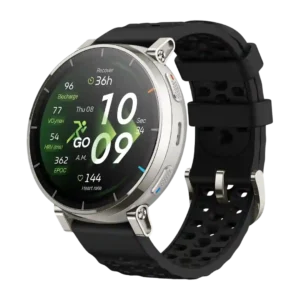
Good if you want premium running features, long battery life, and maps for under $200. Skip it if you need flawless heart-rate data, multiband GPS, LTE, or richer app support.
Pros: value for money, battery life
Cons: heart rate accuracy, third-party app support